



Benefits of water-soluble curcumin powder
Water-soluble curcumin powder delivers transformative advantages for manufacturers and brands seeking high-bioavailability curcuminoid ingredients. Unlike conventional curcumin extracts plagued by poor absorption and formulation challenges, this advanced ingredient harnesses microencapsulation technology to achieve instant cold-water dispersion, enhanced systemic uptake up to 100 times greater than standard extracts, and unmatched stability across diverse pH environments. These attributes make it indispensable for functional beverage developers, supplement formulators, cosmetic brands, and private-label operations targeting health-conscious consumers who demand efficacy backed by science.
Understanding Water-Soluble Curcumin Powder
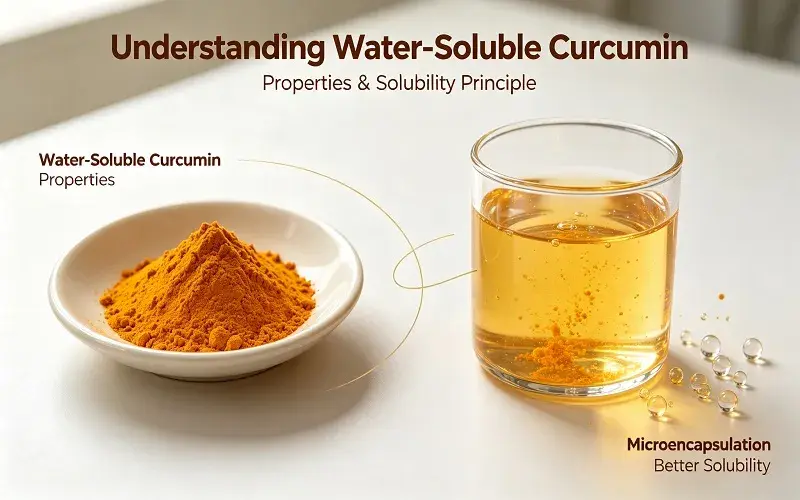
When companies want to use high-bioavailability curcuminoid products, water-soluble curcumin powder can give them huge benefits. Unlike regular curcumin extracts that have trouble being absorbed and mixed, this new ingredient uses microencapsulation technology to instantly disperse in cold water, be taken up by the body up to 100 times better than regular extracts, and stay stable in a wide range of pH environments. Because of these qualities, it is essential for companies that make functional drinks, supplements, cosmetics, and private-label products for health-conscious customers who want science-backed results.
The Science Behind Enhanced Solubility and Absorption
Traditional curcumin, which is taken from Curcuma longa seeds, is lipophilic, which means it naturally repels water and is not absorbed very well across the digestive system. Because of this well-known "brick dust" effect, more than 90% of curcumin that is eaten goes through the digestive system without getting into the bloodstream. Through advanced delivery technologies, water-soluble curcumin powder formulations completely change this molecular profile.
Microencapsulation is the most reliable way to turn curcuminoids that don't dissolve in water into matrices that do. In this method, curcumin molecules are put into hydrophilic carriers like modified starches, cyclodextrins, or gum acacia. The nanoparticles that are made, which are usually between 200 and 500 nanometers across, spread out evenly in cold water in seconds without the need for high-shear mixing or heat treatment. These changes to the structure keep the chemical integrity of curcuminoids while making their interaction with intestinal epithelia much better.
Clinical pharmacokinetic studies show that water-soluble curcumin powder preparations get 10 to 100 times higher plasma concentrations than regular extracts at the same doses. Better dissolution rates in gastrointestinal fluids, higher permeability across intestinal membranes, and less first-pass metabolism in the liver all lead to higher bioavailability. When purchasing, people are looking at how well an ingredient works; they should give more weight to sellers who can provide third-party bioavailability comparison data that has been confirmed by human clinical studies.
Core Chemical Properties and Technical Specifications
Knowing the technical details of water-soluble curcumin powder helps you make smart buying decisions that meet the needs of your specific manufacturing process. Quality versions stay thermodynamically stable across pH ranges of 2.5 to 7.0, which means they can be used with neutral supplement matrices, acidic drinking systems, and alkaline cosmetic preparations. This pH tolerance keeps standard curcumin extracts from breaking down and changing color, which can happen when they are used in functional drinks.
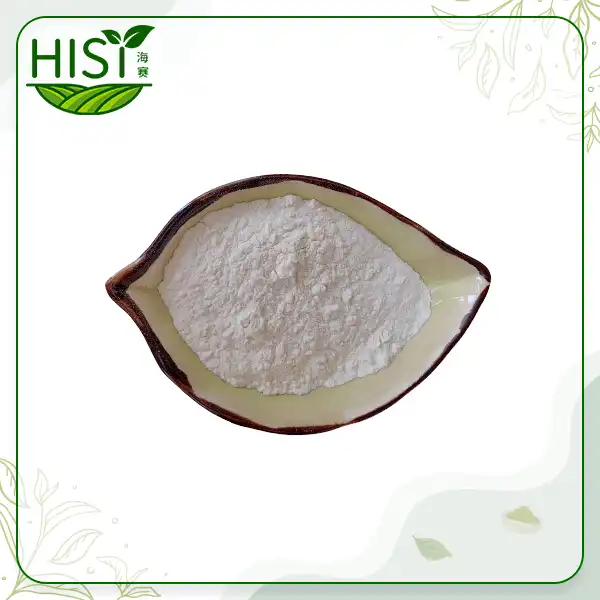
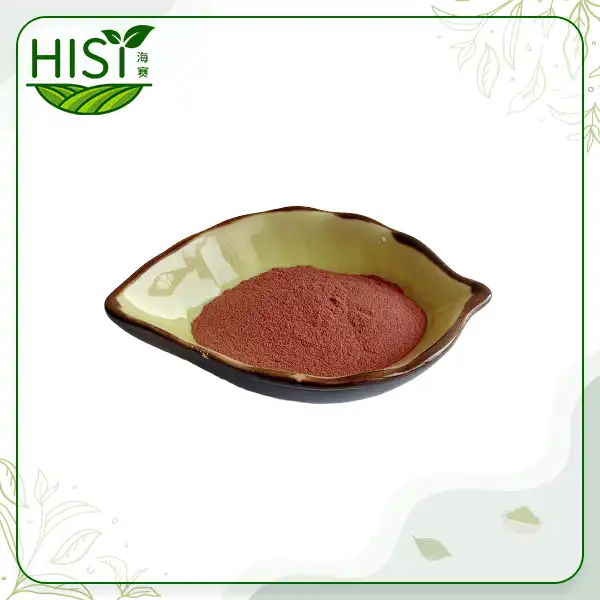
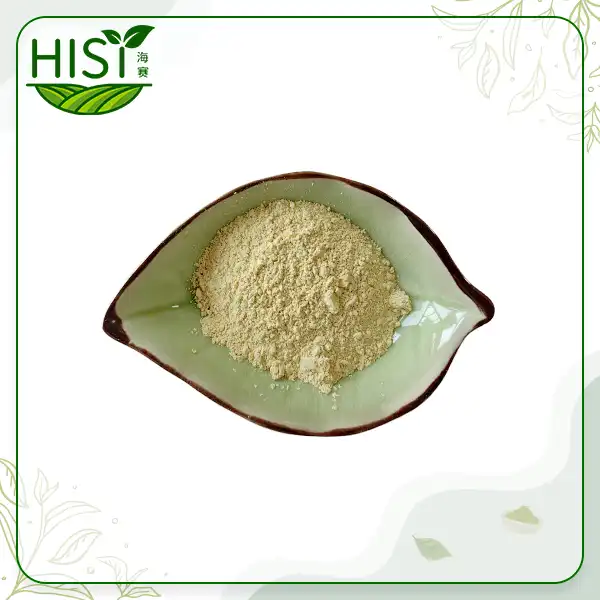
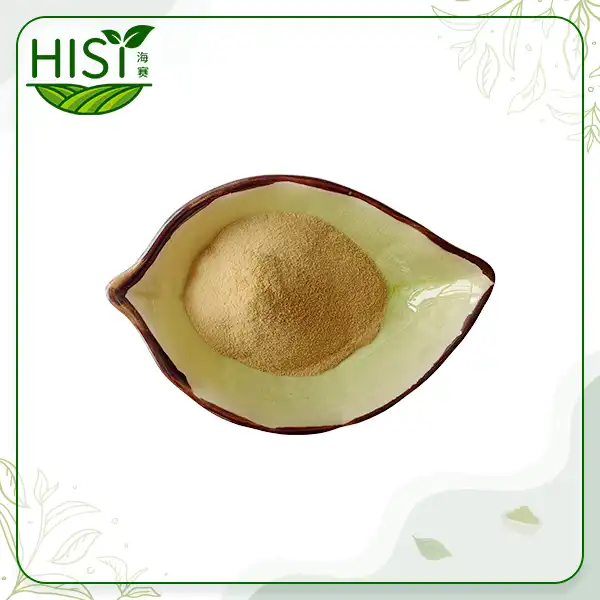
Another important parameter is the particle size range. The best water-soluble curcumin powder formulas have a consistency of 80 mesh and D50 values below 500 nanometers, which ensures that the mixture spreads evenly and there is no visible sedimentation. The orange-yellow color of the powder comes from curcuminoids that have been standardized to certain amounts. This is usually done in 5%, 10%, or 20% curcuminoid content standards. This content range lets formulators find the best dose levels while keeping costs down for raw materials.
Thermal stability during the pasteurization process is an important thing for beverage makers to think about. Better water-soluble curcumin powder versions can survive temperatures of up to 85°C for 15 seconds without breaking down the carrier matrix or affecting the integrity of the curcuminoid. This tolerance for heat ensures that the product stays stable during normal production steps while keeping the color and brightness that customers expect from high-end functional drinks.
Health Benefits Supported by Clinical Research
A lot of research, including hundreds of peer-reviewed studies, has shown that curcumin can help reduce inflammation. Curcuminoids change the NF-kappaB signaling pathways to stop pro-inflammatory cytokines like TNF-alpha, IL-6, and IL-1beta. Water-soluble curcumin powder formulations make these effects stronger by getting therapeutic amounts to target tissues that regular extracts can't reach at doses that are useful.
It is well known that curcumin has antioxidant properties, with strong free radical scavenging activity and increased production of endogenous antioxidant enzymes. Better bioavailability in water-soluble curcumin powder formulations leads to measurable improvements in markers of oxidative stress in human subjects. Because these benefits have been proven, curcumin-based goods are great for supporting joint health, heart health, brain health, and skin health.
The safety profiles that have been built up through many toxicological studies and years of regular use support regulatory acceptance across all global markets. The United States has declared curcumin to be generally recognized as safe (GRAS). Similar decisions have been made in Europe, Asia, and Latin America. Brands that are making products for international distribution channels can feel confident with this regulatory base.
Key Benefits of Using Water-Soluble Curcumin Powder in B2B Applications
Superior Bioavailability Drives Product Efficacy
For business-to-business buyers, the main value proposition is much higher absorption rates that directly lead to better product performance. Comparative bioavailability studies show that water-soluble curcumin powder forms reach their highest bloodstream levels within 60 to 90 minutes of being consumed, while standard curcumin extracts take 4 to 6 hours. This quick uptake means that the good effects can start working faster, which leads to happier customers and higher rates of buying.
Manufacturers developing functional beverages particularly benefit from the instant cold-water dispersion characteristics of water-soluble curcumin extract. The mixture melts fully in seconds, and you don't need any special mixing tools or high temperatures that could damage nutrients that are sensitive to heat. This handling benefit cuts down on production costs and makes sure that the quality of the product stays the same from one run to the next. Brands of drinks can safely market golden milk lattes, sports recovery drinks with turmeric, and health shots because they won't have to worry about sediment building up or yellow rings appearing around the necks of the bottles.
The higher bioavailability also lets dose optimization strategies work, which lowers the cost of the product. Brands can get therapeutic levels of curcumin with fewer raw materials than with traditional extracts. This lowers the cost of formulation while keeping or improving claims of effectiveness. This efficiency gives you a competitive edge in price-sensitive market areas where making the most of your margins is what makes you money.
Versatility Across Multiple Industry Applications
Water-soluble curcumin powder is used in many different types of manufacturing, not just for supplements. The functional beverage industry is now the fastest-growing application segment. This is because people want wellness products that are easy to use and ready to drink. The recipe is stable at pH levels between 2.5 and 7.0, so it can be mixed with acidic fruit drinks, neutral plant-based milks, and alkaline-enhanced waters without affecting the stability of the curcuminoids or changing the color in a way that isn't desired.
Manufacturers of supplements use water-soluble curcumin powder formulations to make unique product lines that can be sold at higher prices. People who want to make their morning health routines easier like single-serving stick packs with instant-mix golden milk powders. Soft gel capsules with water-dispersible curcumin get rid of the stomach pain that can come from standard extracts that aren't absorbed well. These new ways of delivering goods open up new market possibilities and meet real buyer needs.
Water-soluble curcumin powder is being used more and more in serums, face mists, and light lotions. The ability to dissolve in water gets rid of the problems that come with making curcumin solutions from oils, and the anti-inflammatory and antioxidant qualities take care of important skin health issues. Because the recipe is stable in water-based matrices, it ensures that the color stays the same throughout cosmetics and doesn't separate or change over time.
Regulatory Compliance and Safety Assurance
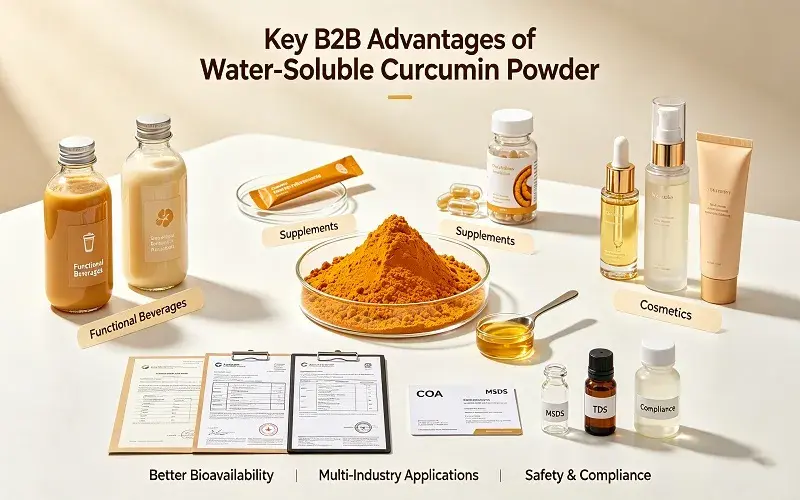
Meeting international certification standards represents a non-negotiable requirement for B2B buyers serving global distribution networks. For each batch of water-soluble curcumin powder they make, reputable providers keep full paperwork packages that include Certificates of Analysis (COA), Material Safety Data Sheets (MSDS), Technical Data Sheets (TDS), and allergen statements for water-soluble curcumin extract. These papers are the basis for regulatory submissions and customer audits all along the supply chain.
Certifications like ISO 9001 for quality management, HACCP for food safety, and HALAL/KOSHER approvals show that a provider is dedicated to systematically ensuring quality. Suppliers who want to sell in North America must first get FDA approval and follow the heavy metal limits set by California Proposition 65. European buyers should make sure that sellers know the rules about novel foods and can show proof that their handling methods are in line with safe use examples that have already been used.
Testing by a third party in a recognized lab gives another level of quality guarantee that B2B buyers should ask for. Using HPLC to check for curcuminoid content, microbiological testing to make sure there are no pathogens, and heavy metal screening to make sure the product meets USP/EP limits protect brands from having to pay for expensive refunds and damage to their image. If a supplier gives you free samples with full analytical documentation, you can really check out the quality before you buy a lot of it.
Comparing Water-Soluble Curcumin Powder With Other Curcumin Formats
Bioavailability and Absorption Rate Comparisons
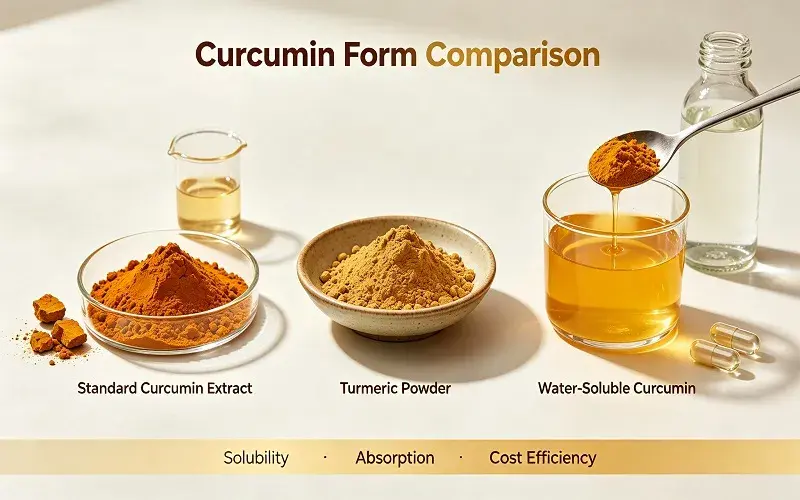
Water-soluble curcumin powder offers a fundamental change to the cost-per-dose economy. Standard 95% curcumin extracts are the standard form of an ingredient. They have a high concentration of curcuminoids but are very poorly absorbed by the body. Studies show that less than 1% of standard curcumin taken by mouth gets into the bloodstream. Most of it goes through the digestive system without changing. Because it's not well bioavailable, therapeutic plasma levels have to be reached at doses that are too high for practical use. This makes manufacturing difficult and wastes money.
Even though turmeric powder is cheap and well-known in many cultures, it only has 2 to 5 percent curcuminoids and a lot of other phytochemicals. The whole-food matrix adds more nutrients, but because curcuminoids are lipophilic and are bound inside plant cells, it makes absorption problems worse. Brands that market their products as high-end health solutions usually stay away from raw turmeric powder because it has an unstable curcuminoid content and isn't well absorbed.
Different ways to improve absorption include micellar and liposomal water-soluble curcumin powder preparations, as well as water-soluble curcumin extract formulations designed to enhance dispersibility and absorption. Micellar systems use surfactants to make nano-droplets that can mix with water, and liposomal products put curcuminoids inside phospholipid spheres. Both methods improve absorption compared to regular extracts, but they are more difficult to make and cost more for the ingredients than water-soluble curcumin powder formulations. When comparing these luxury forms, procurement teams should look at bioavailability data, formulation fit, and the total cost of the ingredients.
Cost-Effectiveness and ROI Considerations
The cost of the raw materials for water-soluble curcumin powder is usually two to four times the cost of standard 95% extracts per kilogram. At first glance, this price difference seems big, but the higher bioavailability changes the cost-per-dose economy in a fundamental way. To get the same amount of curcumin in the blood, water-soluble curcumin powder formulations need 10 to 100 times less active ingredient than standard extracts.
Manufacturers of healthy drinks need to think about more than just the price of the raw ingredients when they calculate the costs of creation and processing. Standard curcumin extracts need to be heated, mixed for a long time, and mixed with special tools in order to spread. Water-soluble curcumin powder versions don't need any of those things. These production efficiencies mean that the cost of making each unit is lower, that production goes faster, and that all manufacturing operations use less energy.
Superior bioavailability has marketing benefits that allow for premium positioning and higher retail prices, which increase overall profits. Health-conscious people who are willing to pay more for clearly effective products are very responsive to consumer education efforts that focus on improved absorption. In store settings with a lot of competition, brands that use water-soluble curcumin powder can charge 20–40% more than regular curcumin goods.
Formulation Compatibility and Application Suitability
Product designers have to check whether different curcumin formats will work with the way they make products and the formats they want to use. Water-soluble curcumin powder formulations work best in clear beverage uses where how the product looks has a direct effect on how well it is accepted by consumers. The instant cold-water dispersion gets rid of cloudiness and sedimentation that would make products unusable in clear bottles.
Standard curcumin extracts are still the most cost-effective way to make opaque capsules, pills, and powder mixes where solubility is not as important. Because there is more curcuminoid per gram, lower doses are possible. However, brands must deal with absorption issues by mixing curcuminoids with black pepper extract (piperine) or fat-based carriers. These standard methods for enhancement come with their own set of problems when it comes to formulation and market acceptance.
Companies that make sports nutrition drinks for recovery after a workout can really benefit from water-soluble curcumin powder formulas that work quickly to reduce inflammation when absorption is most important. The fast breakdown and better absorption happen during the physiological window after intense exercise, when curcumin's anti-inflammatory properties can help muscles recover the most. This application-specific gain supports the higher cost of the ingredient by clearly improving performance.
Purchasing and Procurement Guide for Water-Soluble Curcumin Powder
Identifying Qualified Suppliers and Manufacturers
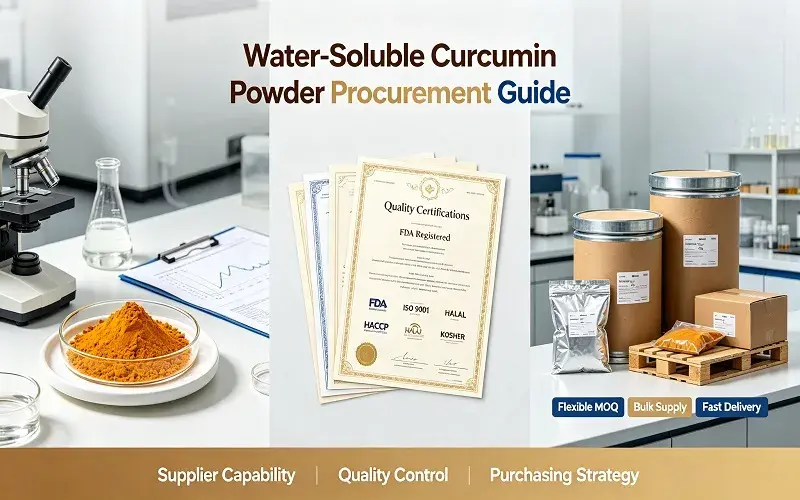
Building relationships with dependable suppliers is the key to making procurement strategies work. Shaanxi Hisy Biotechnology is a good example of the kind of seller that people who work in buying should look for. Established manufacturers have 18 years of experience making botanical extracts, production facilities that cover 150 square meters, and an annual capacity of more than 200 metric tons. This shows that they are stable enough to provide a steady supply over the long term for your water-soluble curcumin powder needs.
When judging a supplier's skills, production capabilities are very important. Facilities with more than one dedicated production line can handle different order volumes while keeping consistency from batch to batch. Suppliers who offer specs ranging from 5% to 20% curcuminoid content give companies the freedom to make a wide range of products with different price points and claims of effectiveness. It's possible to get 1 kg samples in three to five days, which speeds up the process of formulating new goods and getting them on the market.
Quality badges are an objective way to show that a seller is dedicated to making sure that their products are made to the highest standards. For water-soluble curcumin extract, getting registered with the FDA shows that you follow American rules, and getting certified by HACCP shows that you have put in place preventative controls for food safety. Getting ISO 9001 certification means that you follow quality management systems that are known all over the world. Certifications like HALAL and KOSHER make it easier for brands that want to sell to people with religious dietary needs to get into new markets. The people in charge of buying things should make sure that the certifications are still valid and cover the factories that are making their orders.
Evaluating Quality Certifications and Testing Standards
Professional sellers can be distinguished from commodity traders who don't know how to make things by using thorough analytical testing methods. Every production batch of water-soluble curcumin powder should go through HPLC analysis to make sure that the amount of curcuminoid on the label matches what it says, within reasonable limits, which are usually plus or minus 5%. Tests for microbes that confirm the total plate count, yeast and mold, E. coli, and Salmonella compliance keep companies safe from food safety problems that could lead to expensive recalls.
Heavy metal tests for lead, arsenic, cadmium, and mercury make sure that products meet stricter rules, especially California Proposition 65 rules that are important for entering the U.S. market. Pesticide residue screening makes sure that the raw materials meet the highest levels of residue allowed by international law. When suppliers give full test results along with batch-specific Certificates of Analysis, they show openness that lets quality be checked thoroughly.
Particle size analysis shows that the formulations get the nanoscale distribution needed for the best dispersion in cold water and improvement of bioavailability. Testing for solubility in controlled settings makes sure that water-soluble curcumin powder products spread out fully within certain time frames without settling to the bottom. Testing for pH stability across relevant ranges makes sure that it works with the target product formulations. These technical factors have a direct effect on how well the product is made and how well it works.
Bulk Purchasing Strategies and MOQ Considerations
Different suppliers have very different minimum order amounts, which can affect how you handle your inventory and your cash flow. Suppliers with flexible MOQ options, from 1 kg samples to bulk shipments of several tons, can work with businesses at all stages of growth. Startups working on their first formulations benefit from being able to sample in small amounts, while established names trying to cut costs in the supply chain need to be able to reliably get large numbers packed in 25 kg drums.
Lead times are another important thing to think about when buying something. Suppliers who keep a standard 10% specification of water-soluble curcumin powder goods in stock can fill orders within 4 to 8 days, which allows for just-in-time stocking tactics that reduce the need for working capital. For custom concentration requests or specialty carrier systems, wait times may be longer, up to two to four weeks. This means that you need to plan ahead to make sure that your plans work with production schedules.
Pricing models usually include volume-based tiers that give discounts to customers who buy more. To get the best prices, procurement teams should use water-soluble curcumin powder to predict the total yearly needs across all product lines. Getting more than one product from the same supplier can often lead to bigger discounts and easier logistics and quality control. Long-term supply deals that guarantee minimum quantities keep prices stable, which helps with making accurate financial predictions.
Practical Tips for Integrating Water-Soluble Curcumin Powder
Formulation Best Practices and Dosage Optimization
To successfully integrate a product, you must first know the best dosage amounts, which are backed up by clinical studies. Curcuminoid doses used in human studies to show health benefits are usually between 500 mg and 2000 mg per day. However, the higher bioavailability of water-soluble curcumin powder formulations may allow therapeutic effects at lower doses. When formulators set target dosage levels that balance effectiveness with ingredient costs, they should look at published pharmacokinetic studies.
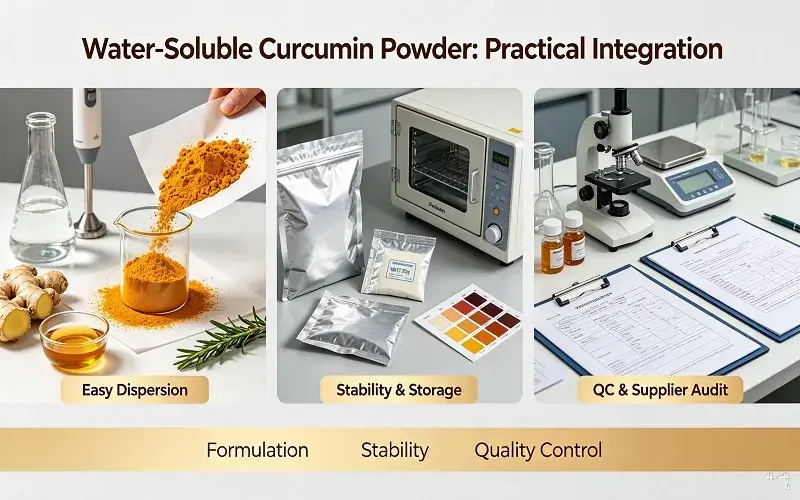
When mixing, the way that water-soluble curcumin powder formulations disperse right away should be taken into account. Standard curcumin needs to be mixed with high pressure or first dispersed in oils, but water-soluble forms mix easily into watery mixtures with only light stirring. Processing at room temperature keeps nutrients that are damaged by heat and saves money on energy costs. Curcumin should be added to drinks before they are bottled so that it doesn't have to go through long processing times that could change the color.
When it comes to both drinks and supplements, flavor affects how well people like them. Microencapsulation technology greatly lowers the bitter and earthy notes that are typical of raw turmeric, but there is still some flavor left over. Ginger, cinnamon, vanilla, and honey are all complementary ingredients that work well to cover up any leftover off-notes while supporting the health message. Before finalizing commercial recipes, people who make drinks should make several formulations with different taste profiles to try with customers.
Storage, Stability, and Shelf Life Management
Keeping products in the right way will keep their quality throughout their shelf life. Water-soluble curcumin powder should be kept in cool, dry places that are out of direct sunlight. The best temperatures are between 15°C and 25°C, and the relative humidity should be less than 60%. Original packaging using bags lined with foil or fiber drums lined with two layers of plastic is good at keeping moisture out for normal storage times. To keep food from going bad, containers should be resealed right away after being opened and used within 90 days.
Testing for stability under fast conditions can help you guess how long something will last in real life. Reliable providers do rapid stability studies every six months at 40°C and 75% relative humidity. These studies look at how well the curcuminoid stays in the product, how the color stays stable, and how it spreads out over time. Products that keep at least 90% of their original curcuminoid content under fast conditions usually have a shelf life of two years when stored normally.
Finished products that contain water-soluble curcumin powder need a different stability test that takes into account how they will react with other ingredients and the packaging. Testing for thermal stability under pasteurization conditions should be done on beverage formulas. Testing for pH stability makes sure that curcumin stays in the product for as long as it is supposed to be stored. Accelerated light exposure testing finds possible photo-degradation problems that affect clear packaging formats that are shown in stores with lights on.
Quality Control Protocols and Supplier Audits
Putting in place systematic inspection procedures for incoming materials protects manufacturing operations from changes in quality. Each batch of water-soluble curcumin powder that comes in should be looked at to make sure that the packaging is intact, that the labels are correct, and that there are no signs of moisture damage or contamination. Before they are put into production, representative samples should go through basic identification tests like color analysis and cold-water dispersion verification.
Periodic testing by a third party makes sure that the analytical data from the supplier is correct. Brands should pick batches at random to have an outside lab test to make sure the curcuminoid level, bacterial quality, and heavy metal compliance are all correct. If there are differences between the supplier's Certificates of Analysis and the results of independent tests, they should be looked into right away, and the seller may be asked to take corrective action.
On-site supplier audits let you directly check the quality processes, manufacturing skills, and legal compliance. Audit teams should look at how raw materials are sourced and checked, how production equipment is maintained, the analysis lab's skills and how methods are tested, and the systems that show how raw materials can be tracked all the way through to finished goods. Best practices in the industry call for annual audits of strategic suppliers and pre-qualification audits of new sources.
Conclusion
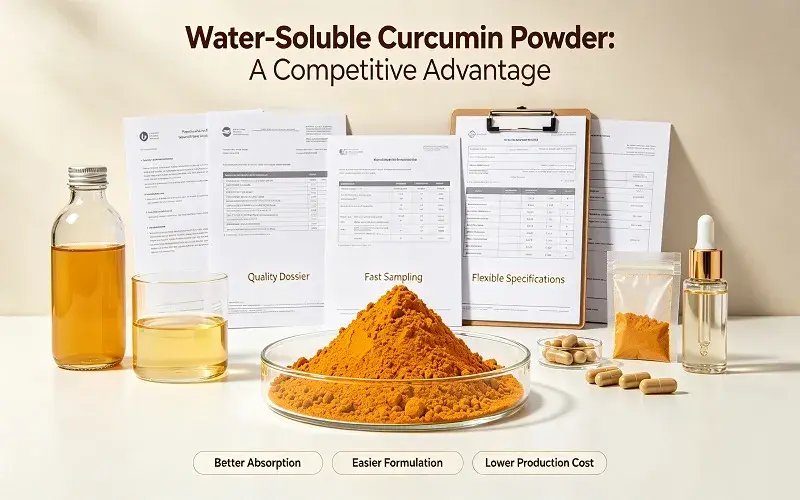
Water-soluble curcumin powder is a game-changing ingredient for companies that want to gain a competitive edge by showing that their products are bioavailable and easy to mix in different ways. Curcumin's economic potential has been limited in the past by basic problems. This technology fixes those problems, allowing for crystal-clear drinks, supplements that dissolve quickly, and effective cosmetic uses. When purchasing, professionals look at different suppliers; they should give more weight to companies that offer flexible specifications, thorough quality documentation, the ability to do rapid sampling, and proven expertise that helps with successful product integration. The better absorption gives real benefits to customers that support charging more, and the formulation benefits make production easier and lower the overall cost of production.
FAQ
1. Is water-soluble curcumin powder safe for daily supplementation?
Water-soluble curcumin powder formulations keep the high level of safety that has been built up over decades of standard curcumin use and a lot of toxicological study. In the United States, curcumin has been given the GRAS label after thorough safety tests. Human clinical trials using water-soluble formulations at doses of up to 2000 mg daily for long periods of time have shown that they are well tolerated and don't have any major side effects. The microencapsulation carriers used in good recipes are made of food-grade substances that have been shown to be safe in the past. As with any dietary supplement, people with certain health problems or who are taking medicines should talk to their doctors before starting to take supplements.
2. How does bioavailability compare with liposomal curcumin?
Both water-soluble curcumin powder and liposomal forms of curcumin are much more bioavailable than standard extracts, but there aren't many head-to-head studies that compare them yet. Bioavailability improvements of 10 to 100 times are common for water-soluble formulations, and similar improvements can be seen for liposomal preparations, depending on the particle size and formulation details. Water-soluble forms usually have benefits in how easy they are to make, how quickly they dissolve in cold water, and how cheap they are. Because they protect phospholipid membranes, liposomal products may slightly increase the time that blood flows. Instead of just looking at bioavailability claims, procurement decisions should take into account the total cost of formulation, the compatibility of processing, and the format of the final product.
3. What certifications verify pharmaceutical-grade quality?
Water-soluble curcumin powder that is made for pharmaceutical use should meet more than just the basic requirements for food grade. GMP (Good Manufacturing Practices) approval for the creation of dietary supplements or medicines shows that quality controls are in place in a way that is suitable for therapeutic uses. Standardized quality standards are set by following the USP or EP guidelines for curcuminoid quantity and purity. Analytical precision is checked by third-party testing at ISO 17025-accredited labs. For certain types of customers, extra approvals like organic status, non-GMO verification, and allergen-free statements meet their needs. Brands that sell pharmaceutical-grade curcumin should ask their sellers for full certification paperwork and get independent proof to make sure they are up to date.
Partner With Hisy for Your Water-Soluble Curcumin Powder Supply Needs
Shaanxi Hisy Biotechnology is ready to help you create new products by providing you with high-quality water-soluble curcumin powder that is made according to strict quality standards. Our microencapsulation technology gives your products the fast cold-water dispersion and better bioavailability they need. It is certified by ISO, HACCP, HALAL, and KOSHER. We can meet your needs with specifications ranging from 5% to 20% curcuminoid content, and our minimum order quantities can be adjusted to meet your needs for both small samples and large production runs. You can email our technical team at sales@hisybio.com to get free samples with full analytical documentation, talk about making your own formulas, or look into private-label opportunities. As a well-known company that has been making water-soluble curcumin powder for 18 years and has a lot of experience with plant extracts, we can offer the supply stability and application support that new products need to do well in the competitive global markets.
References
1. Anand, P., Kunnumakkara, A.B., Newman, R.A., & Aggarwal, B.B. (2007). Bioavailability of curcumin: Problems and promises. Molecular Pharmaceutics, 4(6), 807-818.
2. Cuomo, J., Appendino, G., Dern, A.S., Schneider, E., McKinnon, T.P., Brown, M.J., Togni, S., & Dixon, B.M. (2011). Comparative absorption of a standardized curcuminoid mixture and its lecithin formulation. Journal of Natural Products, 74(4), 664-669.
3. Hewlings, S.J., & Kalman, D.S. (2017). Curcumin: A review of its effects on human health. Foods, 6(10), 92.
4. Nelson, K.M., Dahlin, J.L., Bisson, J., Graham, J., Pauli, G.F., & Walters, M.A. (2017). The essential medicinal chemistry of curcumin. Journal of Medicinal Chemistry, 60(5), 1620-1637.
5. Prasad, S., Gupta, S.C., Tyagi, A.K., & Aggarwal, B.B. (2014). Curcumin, a component of golden spice: From bedside to bench and back. Biotechnology Advances, 32(6), 1053-1064.
6. Stohs, S.J., Chen, O., Ray, S.D., Ji, J., Bucci, L.R., & Preuss, H.G. (2020). Highly bioavailable forms of curcumin and promising avenues for curcumin-based research and application: A review. Molecules, 25(6), 1397.