

_1752718207094.png)

Berberine Hydrochloride Powder Manufacturer Buying Guide
That is up to the company from which you get your Berberine Hydrochloride Powder. It is more likely to be legal and work better as medicine if it costs less. Companies that make cosmetics, drinks, ingredients, or medicines need to think about a lot of things when they are looking for a reliable berberine supplier. This in-depth buying guide talks about those things. Here are some things we look at to help you make sure that the B2B purchases you make will help your business grow and keep customers happy. These include quality standards, licensing needs, production capabilities, and smart ways to shop.

Understanding Berberine Hydrochloride Powder: Key Insights for Buyers
Chemical Structure and Therapeutic Mechanisms
Berberine is an isoquinoline alkaloid that is found in plants like Berberis aristata, Coptis chinensis, and Phellodendron amurense Rupr. Berberine comes in the form of quaternary ammonium salt, which is called berberine hydrochloride powder. This bioactive molecule is made up of the chemical formula C20H18ClNO4. AMP-activated protein kinase (AMPK), which controls the energy of cells, is turned on. The way glucose is used changes when AMPK is turned on. This makes insulin work better and helps keep cholesterol levels in check. Animal tests have shown that this substance can help control type 2 diabetes, improve heart health, and protect against oxidative stress. It is better for the body to use than raw plant products because it is a hydrochloride salt. This makes it the best ingredient for making sure that useful foods and dietary supplements have the right amount of it.
Safety Profile and Clinical Considerations
For pharmacological studies, it has been shown that taking standardised berberine extract in the daily doses of 900 to 1500 mg, spread out over several doses, is safe. Sometimes a weak side effect like shoulder pain goes away when the amount is changed or when the food is eaten at the same time. Women who are pregnant or nursing shouldn't take berberine supplements because there isn't enough proof that they are safe for them. Metabolic enzyme substrates and drugs can mix, especially those in the CYP3A4 and P-glycoprotein pathways. Care must be taken to avoid this when drugs are used. So, people who work in buying can figure out if a product is right for the people they want to buy it and know the rules that go along with it.
Comparing Berberine Forms: Hydrochloride vs. Sulfate vs. Base
This form of berberine is better than the sulphate and free alkaloid base forms in many ways. If you pack it right, Berberine Hydrochloride Powder will last for 36 months. It doesn't oxidise much at room temperature and is very chemically stable. It doesn't soak up water as quickly as sulphate versions, so it is less likely to break down due to hygroscopic effects while it is being made and stored. The CP2020, USP, and EP standards all say that pharmaceutical-grade hydrochloride must be at least 97% pure as shown by an HPLC measurement. Standardisation gets rid of the differences that come from the plants themselves. This makes sure that the amount of active ingredients in every batch is the same. Brands need to be able to believe what their labels say and have the same quality from one batch to the next.
Criteria for Choosing the Right Berberine Hydrochloride Powder Manufacturer

Certification Standards and Regulatory Compliance
As soon as you find a possible berberine provider, the first thing you should do is make sure they are approved. In order to be listed with the FDA, a business must follow well-known quality management systems and be open with government officials. To avoid microbiological and chemical contamination during the production process, systematic risk analysis and critical control point execution are used. This is proven by the HACCP certification. If a company has an ISO certification, like ISO 9001 for quality management or ISO 22000 for food safety, it means they follow rules that everyone in the world knows about. The company works hard to make sure their products are safe and legal so they can sell them in places with strict rules, like the US and EU. Not just for show, these papers are real. There is a lower chance of not following the rules in the future when you check the facility and ask for copies of certificates with up-to-date expiration dates. This makes the process better for the qualified providers.
Production Capacity and Scalability Assessment
Berberine Hydrochloride Powder You need to know how much a maker can make in order to grow your business and adapt to changes in the market. If more than 200 metric tonnes of goods can be made every year, the system is strong enough to handle large orders without making delivery times longer than planned. There is less chance of cross-contamination in facilities that process more than one product if a company has four or more production lines that are only used for berberine. This is because the company has spent money on specialised equipment. Things are more likely to be made correctly when people work in a 150 m² controlled space that meets GMP standards. Small particles are screened out, and the temperature and humidity are kept in check. When an OEM partner wants them, things like private labelling, custom formulas, and certain particle size ranges become even more important. Only making what you need at the right time works best when providers can keep shipping windows of 4 to 8 days. This shows they know how to move things around and keep track of their stock.
Quality Control Procedures and Testing Protocols
Tough quality control is what sets suppliers of expensive ingredients apart from sellers of goods. As part of thorough testing methods, thin-layer chromatography (TLC) should be used to make sure that the plant source is real and that manufactured impurities are not present. Heavy metal testing with inductively coupled plasma mass spectrometry (ICP-MS) must show that the levels of lead, arsenic, cadmium, and mercury are all less than 3.0 parts per million (ppm). If they are not, the test is not valid. These limits are in line with what the FDA and the European Union say. Pathogens like Salmonella and E. coli should not be present, as shown by total plate numbers, yeast and mould levels, and the absence of these microbes. To make sure that methanol and ethanol stay below 5000 ppm and 3000 ppm, respectively, gas chromatography-headspace (GC-HS) is used to check for liquid leftovers. If you ask for certificates of analysis (COA) for sample batches, it shows that the testing was clear and consistent. Third-party laboratory validation adds more layers of proof that make buyers feel safer.
Supplier Reputation and Market Presence
What kind of reputation a producer has in the drug and supplement industries shows how trustworthy and knowledgeable they are. Firms that have been around since 2008 or earlier have more than 15 years of experience taking plants from the ground. They have been through changes in the law and in technology that have shaped the way things are made today. Being present in North America, Europe, and other important markets shows that you know how to export, follow customs rules, and work with people from different cultures. These are all skills that are needed to build business partnerships across borders. Customer reviews and case studies are good ways to find out how well a seller does in different scenarios, like how reliable their ingredients are, how quickly they reply to tech support requests, and how well they can fix issues. Asking current customers in your industry group for references gives you feedback from your peers and a realistic idea of how well you should do, which helps you make smart choices about who to hire.
Pricing Structure and Supply Chain Logistics
It's not enough to know how much something costs per kilogram; you also need to know how reliable the supply chain is and how much it costs all together. Prices that are competitive show that production is going well and that savings of scale are being used. Not so with prices that are too low, though. If prices are too low, quality may suffer or sourcing may not be stable. In clear pricing structures, FOB prices, shipping options, minimum order quantities, and payment terms that work with your budgets and cash flow needs should all be made clear. A lot of different types of flexible packaging are available, ranging from 1 kg foil bags for R&D samples to 25 kg drums for mass production. Lead times, which are usually between 4 and 8 days for regular sales, help you plan your production better and make the most of your resources. It's important to keep production going, so logistics services like foreign freight forwarding, help with customs paperwork, and order tracking systems keep things running smoothly and make operations more predictable.
Comparing Berberine Hydrochloride Powder Suppliers: What to Look For

Product Specifications and Quality Benchmarks
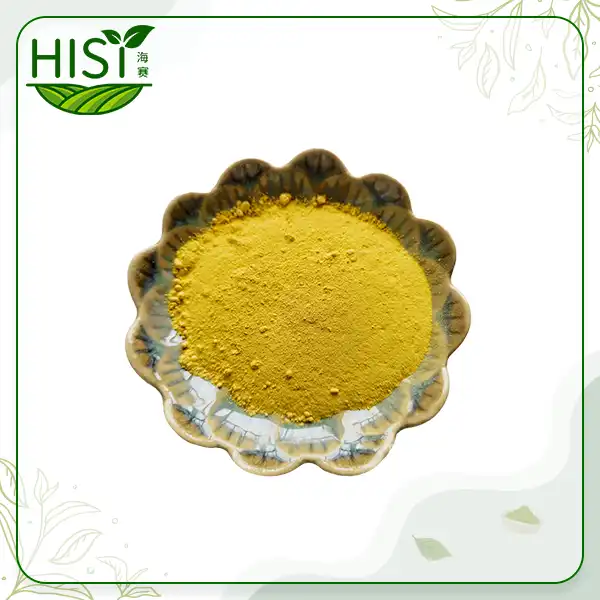
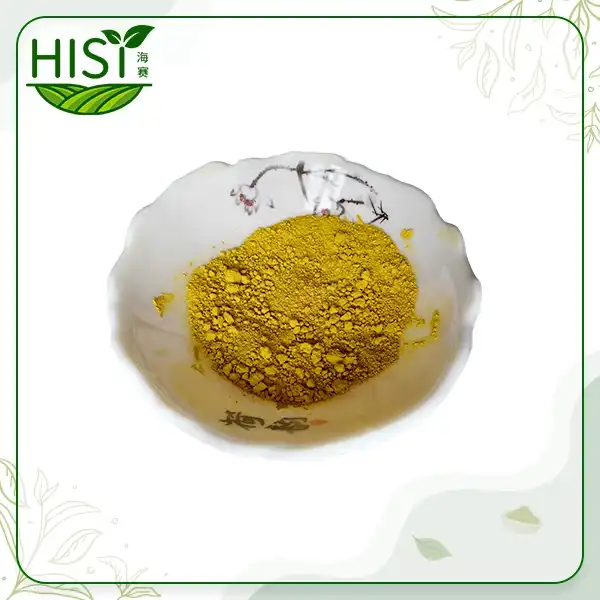
Premium-grade Berberine Hydrochloride Powder is a bright yellow crystalline powder with 80-mesh particles. It is great for packaging and pressing pills because of this. Titration or HPLC analysis can prove that the product is standardised to be at least 97% pure. This makes sure that the active ingredient is always delivered correctly and helps with making accurate formulation estimates. It's easier for ingredients to be used in many places when they follow CP2020 standards along with USP and EP papers. This is called multi-market regulatory agreement. The dihydrate form usually has a low moisture content of less than 12%. This keeps microbes from growing and keeps the product stable for longer while it is being stored and shipped. These requirements set quality standards that let you tell the difference between pharmaceutical-grade materials and other, lower-quality options. This directly impacts how well your finished product works as a medicine and how safe it is for consumers.
Innovation in Extraction and Processing Technologies
New technologies are always making the process of making berberine more efficient and better in quality. Today's methods of extraction use better liquids and temperature controls to get the most alkaloids out of the plant while also lowering the amount of breakdown and impurities that happen. When you use micronization techniques, the size and surface area of the particles become more uniform. This makes the final formulations more bioavailable and easier to dissolve. Spray-drying makes powders that are more dense and don't stick together as much. This makes it easy for machines to do things like high-speed capsule packing and straight compression tableting. Research and development (R&D) costs money, which shows that suppliers want to improve quality and meet market needs. Because of this, they are valuable partners who can help you come up with new products and find ways to stand out from the competition.
Portfolio Diversity and Application Flexibility
When you look at a supplier's products, you can tell how well they can meet the needs of different business types. There are different purity grades, particle sizes, and package shapes for berberine. Companies that offer these options show that they can change their production to meet the needs of different formulations. You can get a lot of different ingredients if you can find herbal extracts that are similar, like Berberidis Radix extract, or plant powders that go well with other ingredients. This could help you get things from one seller to another more quickly by letting you join orders. As long as you know if a source focuses on pharmaceutical APIs, nutritional chemicals, or beauty actives, you can better match what they do with what you need. In this way, you can get the quality standards and technical help that are right for your business.
How to Source and Procure Berberine Hydrochloride Powder Effectively

Defining Procurement Requirements and Specifications
To start buying successfully, you need to be able to clearly state your technical and business needs. Set the levels of purity, particle size distribution, and moisture content limits that work with your formulation and the equipment you use to make the product. Set yearly goals for volume and how often you plan to order so you can figure out your supplier's ability and negotiate better prices based on volume. Set reasonable lead times and inventory backup needs that balance the costs of having stock with the risks of losing supply. Write down how you want to package things, how you want them labeled, and any special handling or storage conditions that your business needs. This detailed description of the requirements gives suppliers information they can use to make accurate quotes. It also gets rid of any confusion that could cause specifications to not match, which can result in expensive order corrections.
Requesting and Evaluating Product Samples
Evaluation of samples is an important step in making sure something is true before making large purchases. Ask for representative samples from recent production batches along with full certificates of analysis that show the product's purity, heavy metal levels, microbiology, and solvent residues. Do tests on your own or hire outside labs to make sure the specs given are correct and find quality issues that might not be obvious from just looking at the COA. Check the physical properties that are important to your manufacturing processes, such as color uniformity, particle size consistency, and flow properties. If you have time, do accelerated aging studies to see how stable the product is under the normal storage conditions. This hands-on review gives real proof of the product's quality and consistent production that paper qualifications can't fully show. This lets you make confident buying decisions based on real data.
Negotiating Terms and Building Supplier Relationships
A good negotiator finds a balance between lowering costs, ensuring quality, and building relationships. In addition to unit prices, you should talk about payment terms, volume discounts, and minimum order quantities that work with your budget and business size. Make it clear who is responsible for sending, what insurance covers, and how to get through customs so that you don't have to deal with extra costs and delays. Set clear rules for communication, such as who the main contacts are, how long you expect them to respond, and how to handle pressing issues. Talk about the quality guarantee terms, such as how to settle disagreements and how to replace materials that don't meet the specifications. Having open and cooperative relationships with your suppliers can turn transactional interactions into strategic partnerships where they actively support your success by giving you technical advice, market insights, and the ability to adapt to your changing business needs.
Managing International Logistics and Regulatory Compliance
International buying adds new organizational challenges that need to be carefully managed to make sure deals go smoothly. Make sure that suppliers give you all the export paperwork you need, like commercial invoices, packing lists, certificates of origin, and phytosanitary certificates, as required by the rules of the country where the goods are going. Check that the packaging meets the rules for international shipping and has the right warning labels on it, if needed. Learn the Incoterms well, whether they are FOB, CIF, or some other arrangement. This will help you understand who is responsible for what and how costs are split during the shipping process. Hire customs agents who are familiar with importing botanical ingredients to help you with the tariff classifications, duty calculations, and regulatory forms that are unique to Berberine Hydrochloride Powder. Proactive transportation management cuts down on clearance delays, demurrage fees, and makes sure that materials are available on time, which keeps production plans running smoothly.
Implementing Quality Assurance and Risk Mitigation Strategies
To protect yourself from fake or low-quality materials, you need to regularly check the quality of the materials and keep an eye on your suppliers. Set up incoming inspection protocols that test important parameters before letting materials go into production. This way, you can catch deviations from specifications before they affect finished goods. Set up supplier audit programs that involve visiting the facility on a regular basis or hiring outside auditors to check the working conditions of the manufacturing process and the quality system. Keep as many qualified suppliers as you can, so that you have backup plans in case one of your sources gets interrupted by production problems, natural disasters, or political issues. Stay up to date on industry alerts and government warnings about berberine products and share relevant information with suppliers to stay proactive about compliance. These risk management strategies make your supply chain more stable, which protects your brand's reputation and customer trust by making sure that products are always available and of good quality.
Case Studies and Testimonials: Successful Berberine Hydrochloride Powder Sourcing
Nutraceutical Brand Product Development Success
A well-known dietary supplement company in North America was looking for a reliable berberine supplier to help them launch a line of metabolic health products that would help people control their blood sugar. They looked at a number of providers and chose one whose production facilities were FDA-registered, HACCP-certified, and had records of heavy metal tests and microbiological controls. The supplier gave free samples that could be used to try formulations and make sure they were stable before making a business commitment. Their technical team worked together on the encapsulation parameters and suggested the best particle size ranges for automatic capsule filling processes that resulted in good flow properties and consistent content. The delivery window of 4 to 8 days made it easier to manage inventory quickly, which cut down on the need for working capital while keeping production going. This partnership made it possible for a successful product launch with consistent quality and good feedback from customers. This shows how carefully choosing a supplier is directly linked to business success.
Ingredient Distributor Supply Chain Optimization
An international company that sells ingredients to the European nutraceutical market needed a berberine supplier with a lot of capacity so they could meet the needs of many different clients. They gave priority to suppliers whose annual production was more than 200 metric tons and whose packaging options could be changed to fit both small-scale trials and large commercial orders. The chosen maker kept GMP-compliant facilities with full COAs that included third-party proof and records of each batch's history. Their experience with exporting made it easier to get through customs and follow EU rules about things like heavy metal limits and liquid residue standards. With competitive prices and dependable quality, the wholesaler was able to add more berberine products, which brought in new customers looking for reliable ingredient sources. In the market for distributing ingredients, this case shows how production capacity, regulatory alignment, and operational reliability can give businesses an edge.
Pharmaceutical Company API Qualification
A pharmaceutical research business was working on a prescription drug based on berberine and needed pharmaceutical-grade API that met strict standards for purity and contamination control. As part of their supplier qualification process, they made sure that suppliers followed CP2020 rules and documented batch consistency. They also did full impurity profiling. The chosen manufacturer gave detailed descriptions of the manufacturing process, analytical methods that had been tested, and stability data to back up claims of a 36-month shelf life. In line with what the pharmaceutical industry expects, their quality management system had change control procedures, deviation investigations, and ongoing improvement projects. Regular communication and technical support during the clinical development stages showed a commitment to partnership success that went beyond just providing ingredients. For pharmaceutical uses, where strict rules and concerns about patient safety require suppliers to perform at the highest level, this relationship is a great example of the high quality standards and technical cooperation that are needed.
Conclusion

To choose the best Berberine Hydrochloride Powder manufacturer, you need to look at their quality certifications, production capabilities, testing protocols, and reputation as a supplier. We looked at what makes berberine hydrochloride different chemically and how it works therapeutically. We also looked at important factors for choosing a provider and gave practical procurement advice that minimizes risks while maximizing cost and quality outcomes. The case studies show that picking the right provider has a direct effect on the success of a product, its ability to meet legal requirements, and its ability to compete in the nutraceutical, cosmetic, and pharmaceutical markets. With these tips, procurement professionals can confidently handle the challenges of international sourcing and build partnerships that ensure consistent quality, regulatory compliance, and quick technical support—all of which are necessary for businesses to continue growing in the fast-paced health and wellness market.
FAQ
What purity level should I expect from quality Berberine Hydrochloride Powder?
The quality of pharmaceutical-grade berberine hydrochloride is usually at least 97% when tested using HPLC or titration. This standardization makes sure that each batch has the same amount of active ingredients, which helps with accurate formula calculations and label claims. It is important to check the purity of a supplier's products using certificates of analysis because lower purity grades may have high levels of impurities or plant materials that make the product less effective or not compliant with regulations.
How can I verify the authenticity of a Berberine Hydrochloride Powder supplier?
Authentication has several levels of checks, such as validating the certificate, testing samples, and checking references. Ask for up-to-date copies of your FDA registration, HACCP certification, and ISO qualifications, and if you can, check their validity in the records of the organizations that issued them. Get samples of the products along with their COAs and test them in a separate lab to make sure they meet the requirements. Talk to current customers in your industry to get feedback on how you're doing. For high-volume partnerships, you might want to do site checks or hire third-party inspection services to make sure that the conditions of production are in line with the certifications and quality standards that were claimed.
Are there safety concerns with long-term use of berberine in health products?
Clinical research shows that taking berberine supplements in the recommended daily amounts of 900 to 1500 mg for long periods of time is safe. On the labels of their products, companies should put useful information about how to use them and when not to use them, especially when it comes to pregnancy, nursing, and possible drug interactions. Testing for heavy metals, microbes, and pesticide residues, along with strict quality control, makes sure that the safety of the bioactive ingredient goes beyond the safety of the active compound itself. This is done to avoid contamination risks that could cause long-term health problems even at therapeutically safe doses.
Partner with Hisy for Premium Berberine Hydrochloride Powder Supply
Hisy is an expert at making pharmaceutical-grade Berberine Hydrochloride Powder that is standardized to be ≥97% pure and has been checked for accuracy using HPLC analysis. Since we started doing business in 2008, we've learned a lot about extracting botanicals and making nutraceutical ingredients. We work with nutraceutical brands, skincare makers, and pharmaceutical companies all over the world. Our buildings are FDA-registered, HACCP-certified, and ISO-compliant, so you can be sure that the quality will always meet foreign standards. We can produce more than 200 metric tons of goods every year on dedicated production lines and in a 150-square-meter GMP workshop. We can guarantee a steady supply within 4 to 8 days, and our products are chemically stable and have a 36-month shelf life. As a reliable company that makes Berberine Hydrochloride Powder, we offer free samples, flexible packaging ranging from 1 kg foil bags to 25 kg drums, and full technical support throughout the whole process of buying from us. You can email our team at sales@hisybio.com to get product specifications, personalized quotes, and to learn more about how our dedication to honest business, reliable quality, and great service can help your formulation succeed and stay competitive in the market.
References
1. Singh, A., & Duggal, S. (2015). Berberine: Alkaloid with wide spectrum of pharmacological activities. Journal of Natural Products, 8, 64-71.
2. Yin, J., Xing, H., & Ye, J. (2008). Efficacy of berberine in patients with type 2 diabetes mellitus. Metabolism: Clinical and Experimental, 57(5), 712-717.
3. Kumar, A., Ekavali, Chopra, K., Mukherjee, M., Pottabathini, R., & Dhull, D.K. (2015). Current knowledge and pharmacological profile of berberine: An update. European Journal of Pharmacology, 761, 288-297.
4. Feng, X., Sureda, A., Jafari, S., Memariani, Z., Tewari, D., Annunziata, G., Barrea, L., Hassan, S.T.S., Smejkal, K., Malaník, M., Sychrová, A., Barreca, D., Ziberna, L., Mahomoodally, M.F., Zengin, G., Xu, S., Nabavi, S.M., & Nabavi, S.F. (2019). Berberine in cardiovascular and metabolic diseases: From mechanisms to therapeutics. Theranostics, 9(7), 1923-1951.
5. Guo, Y., Pope, C., Cheng, X., Zhou, H., & Klaassen, C.D. (2011). Dose-response of berberine on hepatic cytochromes P450 mRNA expression and activities in mice. Journal of Ethnopharmacology, 138(1), 111-118.
6. Neag, M.A., Mocan, A., Echeverría, J., Pop, R.M., Bocsan, C.I., Crisan, G., & Buzoianu, A.D. (2018). Berberine: Botanical occurrence, traditional uses, extraction methods, and relevance in cardiovascular, metabolic, hepatic, and renal disorders. Frontiers in Pharmacology, 9, 557.