


Is Riboflavin Sodium Phosphate Powder Right for Your Formula?
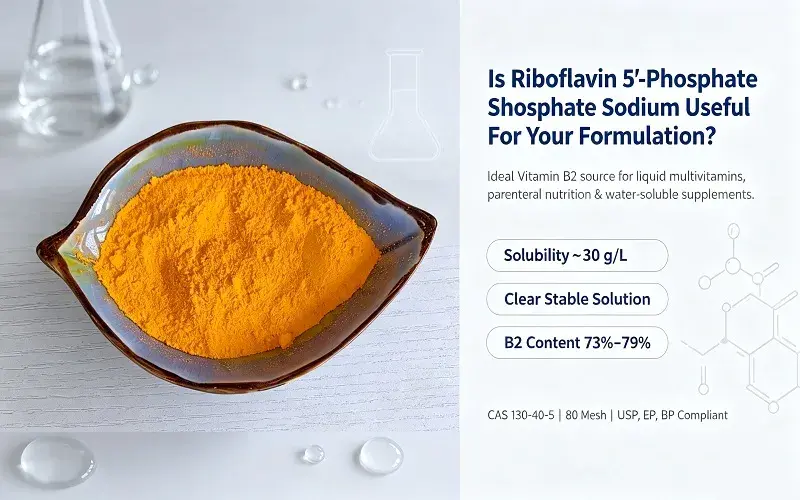
If you're formulating a liquid multivitamin, parenteral nutrition product, or water-soluble supplement, riboflavin sodium phosphate powder is very likely the right vitamin B2 source for your needs. Unlike standard riboflavin, which dissolves poorly in water, this phosphorylated sodium salt form offers approximately 30g/L solubility, delivering clear, stable solutions without sedimentation. With a specification of 73%–79% content, CAS No. 130-40-5, and 80-mesh particle size, it meets USP, EP, and BP pharmacopeia standards — making it a trusted choice for pharmaceutical, nutraceutical, and functional food formulators worldwide.
Understanding Riboflavin Sodium Phosphate Powder
Chemical Identity and Physical Properties
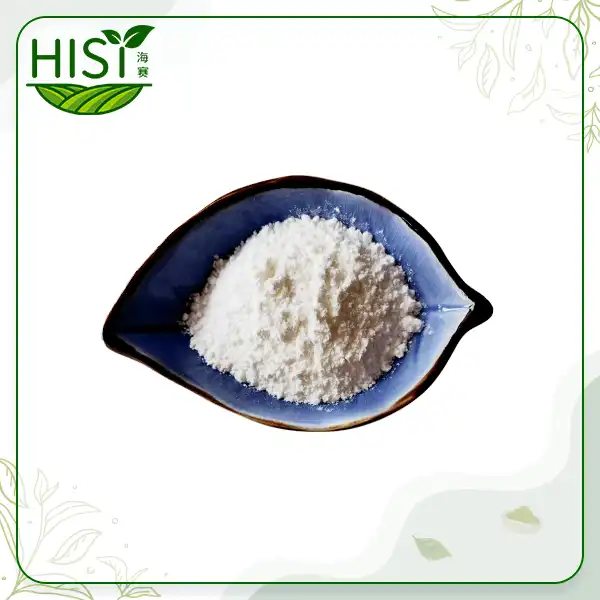
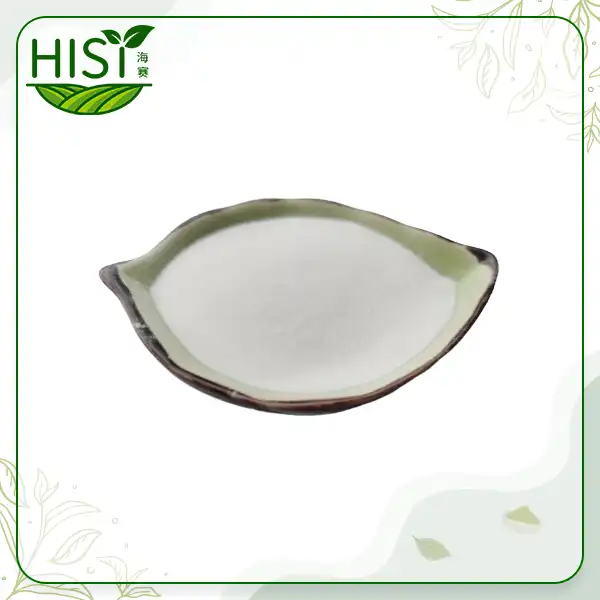
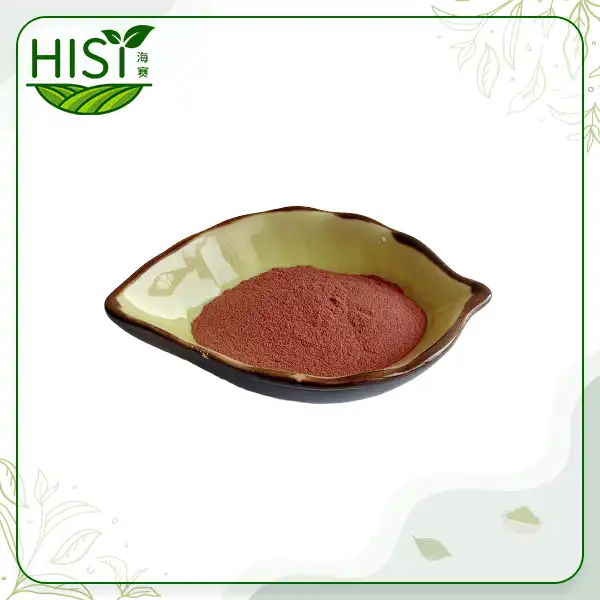
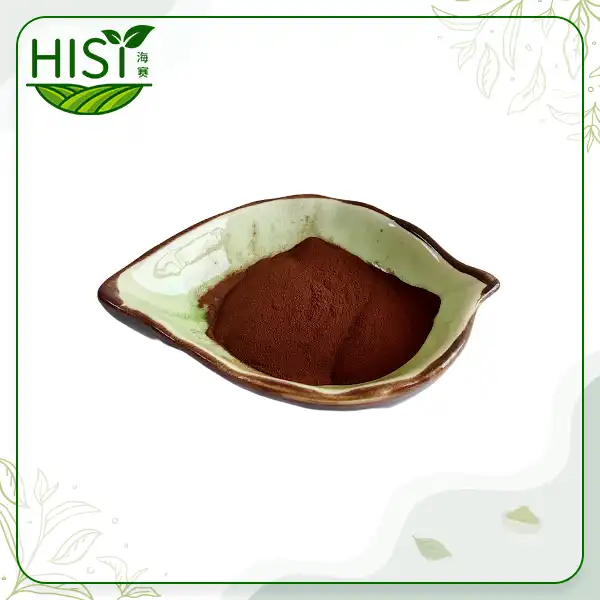
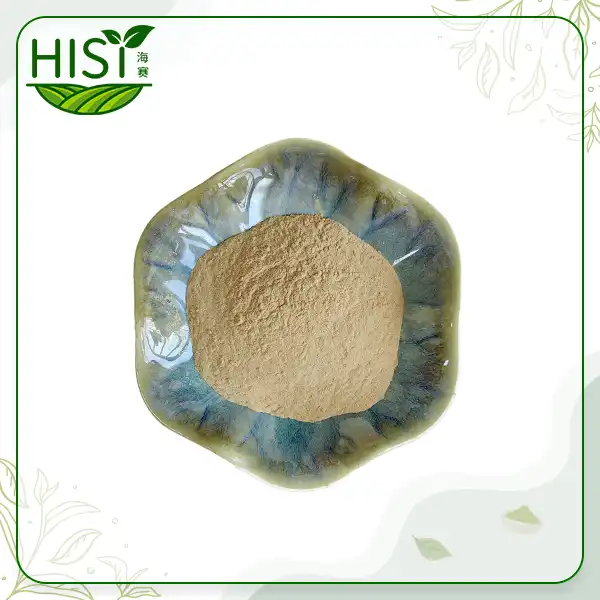
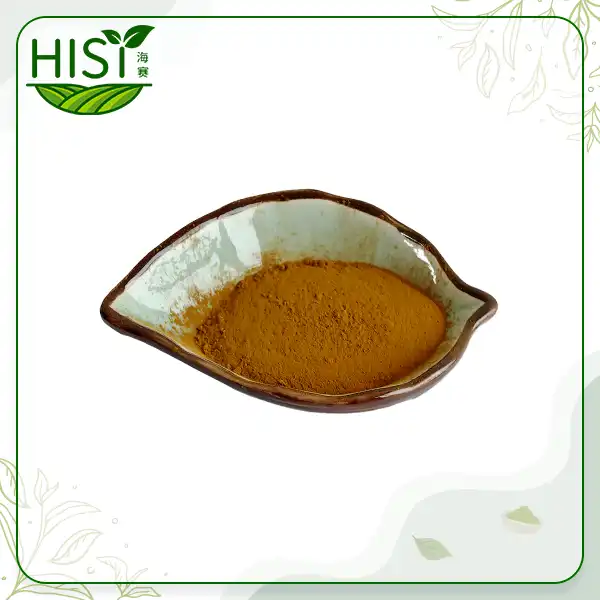
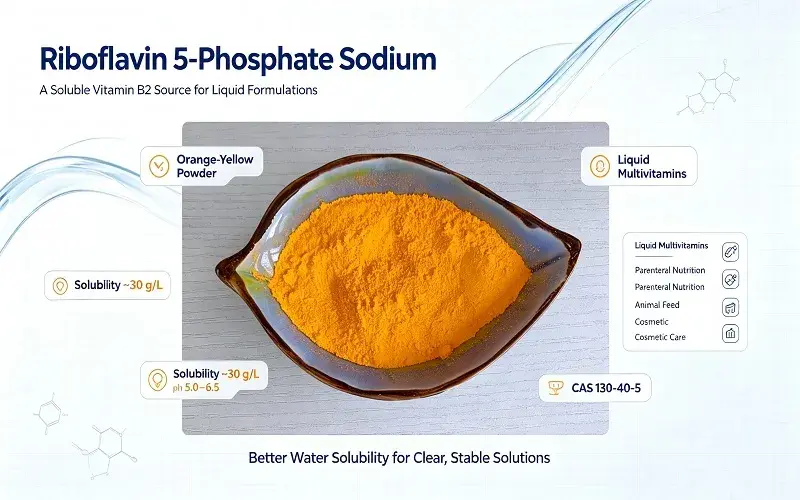
Riboflavin sodium phosphate powder is an orange-yellow powder that is also known as Riboflavin 5'-Monophosphate Sodium Salt. It tastes a little bitter, doesn't smell much, and soaks up a lot of water. It has the CAS number 130-40-5. 1% water has a pH level between 5.0 and 6.5 most of the time, and its specific spin level is between +37° and +42°. In the pharmaceutical business, these things are very important because they show that molecules are what they say they are and that they are consistent from batch to batch.
Why Solubility Changes Everything
Riboflavin doesn't mix with water at room temperature (about 0.1 g/L), so it can't be used in liquids. For the sodium phosphate ester form, that number goes up to around 30 g/L. Formulators can make water-based solutions that are clear, have a high concentration, and won't solidify over time because of this big difference. This must be present in all liquid multivitamins, IV nutrition bags, and infant syrups because it is very important.
Broad Application Across Industries
In a lot of important places, vitamin B2 sodium phosphate is used. In the medical business, it is the main source of vitamin B2 for drugs that are given through an IV or an injection. It's in protein shake mixes, energy drinks, and liquid B-complex supplements. In animal feed, it is mixed into chicken and pig premixes that dissolve in water.
Storage and Handling
Derivatives of riboflavin can also be found in makeup, where they help serums and treatments work as antioxidants. Brands that want to make skin health claims will find this very helpful.
Riboflavin Sodium Phosphate Powder vs. Other Riboflavin Forms
Free Riboflavin: Solid Applications Only
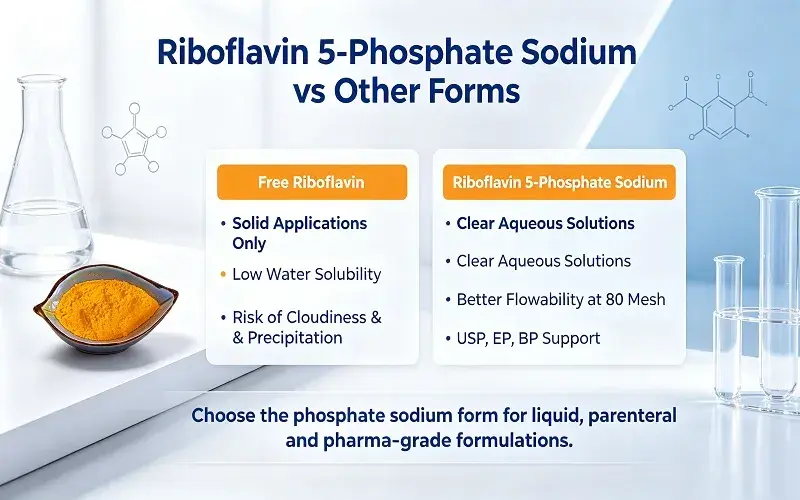
Vitamin B2 that is free (CAS 83-88-5) is the least expensive type. This stuff also works well in pill and tablet form. But since it dissolves almost entirely in water, it can't be used in anything that uses water. People who try to use it in drinks or syrups keep complaining that it's cloudy and has sediment in it. When they change to the sodium phosphate ester form, these problems go away quickly.
Riboflavin-5-Phosphate vs. Sodium Salt Form
It comes after riboflavin-5'-phosphate. To make it work better with standard mixing tools, change it to sodium salt. It stays more stable when it's solid. Not only that, but the sodium form moves better at 80 mesh, which is important for pill-filling lines where even powder flow changes the weight consistency. Supplement brands that need 100 mesh or more for making capsules or tablets can ask for finer milling.
Selecting the Right Form for Your Product
It's easy to understand how the choosing process works. There is no need to pay extra for riboflavin if your product is a dry pill or capsule that doesn't need to break. Riboflavin sodium phosphate powder is the best choice if your product has any kind of water in it, like a medicine that you shoot, a syrup, or a drink that you can make right away. To meet the EP or USP standards when making drugs for the EU or US market, the sodium phosphate form is the one that must be used.
Procurement Considerations for Riboflavin Sodium Phosphate Powder
Supplier Certifications That Matter
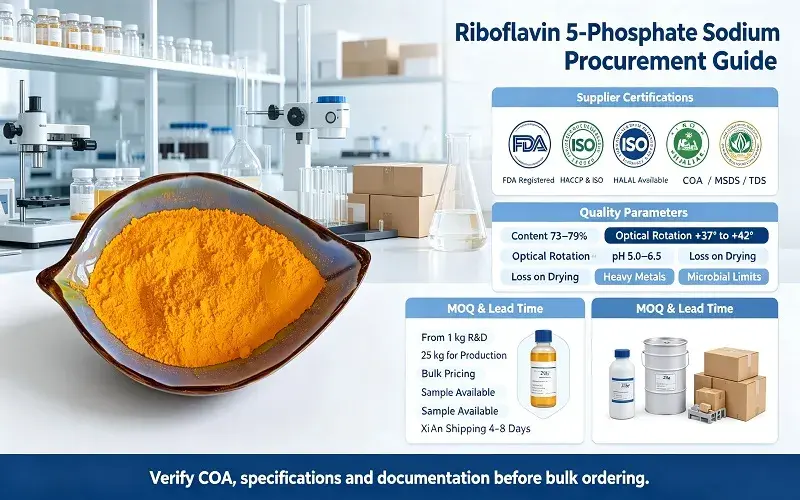
When getting vitamin B2 goods for limited markets, you need to make sure they are certified. To sell in the US, you need to be registered with the FDA and have the right paperwork for DSHEA. The ways the food is made are safe enough to meet the requirements set by HACCP and ISO approval. You need to be approved by HALAL in order to sell your goods in halal shops in Southeast Asia or the Middle East. Hisy's factories are approved by the FDA, HACCP, and ISO, and every batch comes with a full set of paperwork that includes a COA, MSDS, TDS, and test results for pesticide residue.
Quality Parameters Buyers Should Verify
If a company wants to place a big order for Riboflavin Sodium Phosphate raw material supply, they should look at the supplier's COA to make sure it meets certain quality standards. People who want to buy always ask for these steps:
- Assay (content): 73%–79% on a dried basis, confirmed by HPLC
- Specific rotation: +37° to +42°, confirming molecular identity
- pH (1% solution): 5.0–6.5, indicating formulation compatibility
- Loss on drying: Typically below 8.0%–10.0%
- Heavy metals: Lead and arsenic within pharmacopeia limits
- Related substances: Lumiflavin levels controlled to minimize photodegradation markers
- Microbial limits: Bacterial endotoxin testing for pharmaceutical-grade material
All of these things show that the recipes will be safe and work well in the future.
Pricing, MOQ, and Lead Time
There are different minimum order quantities for Hisy, ranging from 1 kg for R&D tests to 25 kg drums for production runs. There is bulk price for bigger numbers. You can get free samples to make sure of the quality before you spend your money on a full order. The shipping process from Xi'an, China, takes between 4 and 8 days thanks to a well-established network of lanes. You can buy things online, and there are several ways to pay, such as through T/T and online trade sites. This helps people from other countries who are buying things from afar.
Optimizing Your Formula with Riboflavin Sodium Phosphate Powder
Stability in Multi-Ingredient Systems
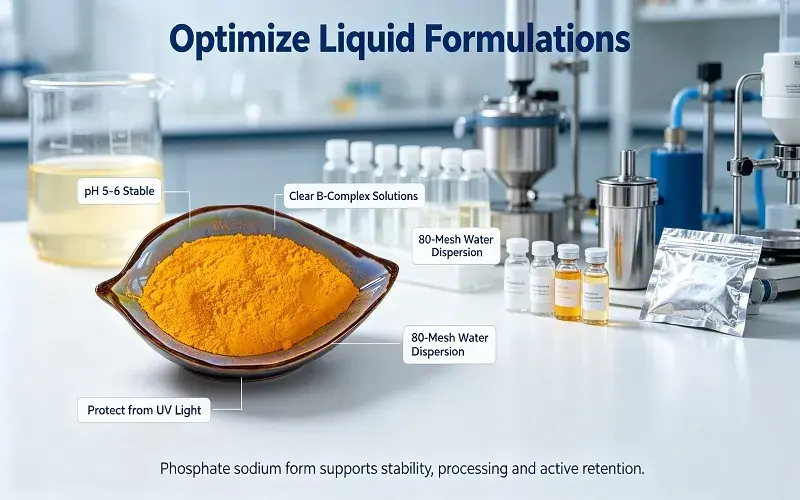
The people who make it are worried about how well it will mix with other minerals and vitamins. The pH range of the majority of liquid supplements is 5 to 6, and riboflavin sodium phosphate powder performs well in this range. You can use normal amounts of it with most water-soluble vitamins, like B1, B6, B12, and C. But it breaks down in very alkaline places or after being in UV light for a long time. This is why goods with a pH above 7 need more tests to make sure they are stable.
Real-World Formulation Examples
Three different uses of this ingredient show how well it works in the real world. When the form of a liquid B-complex vitamin was changed from free riboflavin to sodium phosphate, the sediment that could be seen after 90 days at room temperature was gone. It's important to show that things sold in the US market last a long time. The veterinary water-soluble premix had particles that were 80 meshes big, so they could spread quickly through drinking water systems without getting in the way of delivery equipment. A little riboflavin 5'-monophosphate sodium salt was added to a makeup cream to help with antioxidant claims. It didn't change the way the product looked.
Processing Conditions to Preserve Activity
Unlike some other forms of B vitamins, riboflavin sodium phosphate powder can handle normal temperatures for pasteurization in food applications. It needs to be added after any high-shear mixing steps so that the structure doesn't break down. In places that work with this material, it should be normal to use equipment that blocks light or quickly move the material to packaging that blocks light. These steps keep the medicine working while it's being made and while it's being stored.
Conclusion
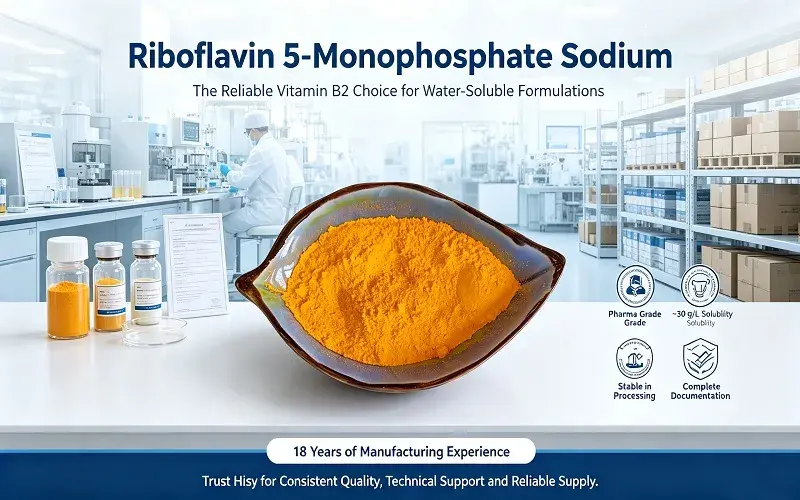
Riboflavin sodium phosphate powder, also called Riboflavin 5'-Monophosphate Sodium Salt, is the best choice for any recipe that requires accessible vitamin B2 that dissolves in water. It is the best material for liquid supplements, medicines, animal premixes, and functional foods because it dissolves at 30 g/L, follows pharmacopeia, and stays stable during processing. When procurement teams look at sellers, they check to see if they have the right licenses, papers, and that the supply is solid. Hisy has been making all of these things for 18 years, so buyers and formulators know they can count on them to provide stable, high-quality products.
FAQ
What makes riboflavin sodium phosphate powder different from regular riboflavin?
What makes them different is how well they mix with water. Amounts of standard riboflavin that break down at around 0.1 g/L and sodium phosphate type that break down at around 30 g/L are very different. Sodium phosphate is usually chosen for liquid delivery methods that need to be clear and accessible because of this.
How should this powder be stored to prevent degradation?
Riboflavin sodium phosphate powder should be kept in a cool, dry place below 25°C. It can be packed in amber-colored plastic bags or other containers that keep air and light out. Because lumichrome and lumiflavin break down in light, they become lumichrome and lumiflavin. This makes them weaker and changes their color.
Does it meet international pharmacopeia standards?
Yes. A good riboflavin sodium phosphate powder is created to meet the needs of the USP, EP, and BP standards. People who want to buy something should ask for a certificate of analysis (COA) that verifies the results for heavy metals, related chemicals, pH, and specific rotation. 73% to 79% content, CAS 130-40-5, 80 mesh—is the same for both food-grade fortification and pharmaceutical-grade liquid nutrition, as long as the seller is registered with the FDA and follows HACCP rules.
Is it suitable for pharmaceutical and food-grade applications?
Of course. Chickens and pigs are fed a lot of water-soluble premixes, especially when they are under a lot of stress during growth, and the risk of not having enough B2 goes up. Since it breaks down quickly, it can be put into drinking water sources without any problems.
Can it be used in veterinary formulations?
Absolutely. It is widely applied in water-soluble premixes for poultry and swine, particularly during high-stress growth phases where B2 deficiency risk increases. The rapid dissolution profile makes it well-suited for administration through drinking water systems.
Partner with Hisy for Your Riboflavin Sodium Phosphate Powder Supply
The Shaanxi Hisy Biotechnology Co., Ltd. has been making pure riboflavin sodium phosphate powder since 2008. There are FDA, HACCP, and ISO certifications for each batch. Hisy makes riboflavin sodium phosphate powder and sells it through direct channels. They offer free trials, a minimum order amount (MOQ) that can range from 1 kg to more than 1 kg, shipping in 4–8 days, and help with all the paperwork. You can visit hisybio.com or email sales@hisybio.com right now to get a sample or talk about your formulation needs.
References
1. Institute of Medicine (US) Standing Committee on the Scientific Evaluation of Dietary Reference Intakes. Dietary Reference Intakes for Thiamin, Riboflavin, Niacin, Vitamin B6, Folate, Vitamin B12, Pantothenic Acid, Biotin, and Choline. National Academies Press, 1998.
2. European Pharmacopoeia Commission. European Pharmacopoeia (EP 10th Edition): Riboflavin Sodium Phosphate Monograph. Council of Europe, 2020.
3. United States Pharmacopeia and National Formulary (USP–NF). Riboflavin 5'-Phosphate Sodium Monograph. USP Convention, 2023.
4. Rivlin, R. S. "Riboflavin Metabolism." New England Journal of Medicine, 1970, 283(9), 463–472.
5. Combs, G. F., & McClung, J. P. The Vitamins: Fundamental Aspects in Nutrition and Health (5th ed.). Academic Press, 2017.
6. Zempleni, J., Suttie, J. W., Gregory, J. F., & Stover, P. J. Handbook of Vitamins (5th ed.). CRC Press, 2014.