

_1752718207094.png)

β-Nicotinamide Mononucleotide Powder vs Nicotinamide Riboside: Comparison
In the realm of anti-aging supplements and longevity research, two compounds have emerged as frontrunners: β-Nicotinamide Mononucleotide (NMN) and Nicotinamide Riboside (NR). Both are precursors to NAD+ (Nicotinamide Adenine Dinucleotide), a critical coenzyme involved in numerous cellular processes, including energy metabolism and DNA repair. As the scientific community and health-conscious consumers alike seek effective ways to combat age-related decline, understanding the similarities and differences between NMN and NR becomes crucial. This comprehensive comparison delves into the mechanisms, efficacy, safety, and practical considerations of these two promising molecules, with a particular focus on β-Nicotinamide Mononucleotide Powder. By examining the latest research and clinical evidence, we aim to provide a clear picture of how these supplements stack up against each other in the quest for enhanced cellular health and longevity.
β-Nicotinamide Mononucleotide Powder: Mechanism & Cellular Uptake
Molecular Structure and NAD+ Biosynthesis
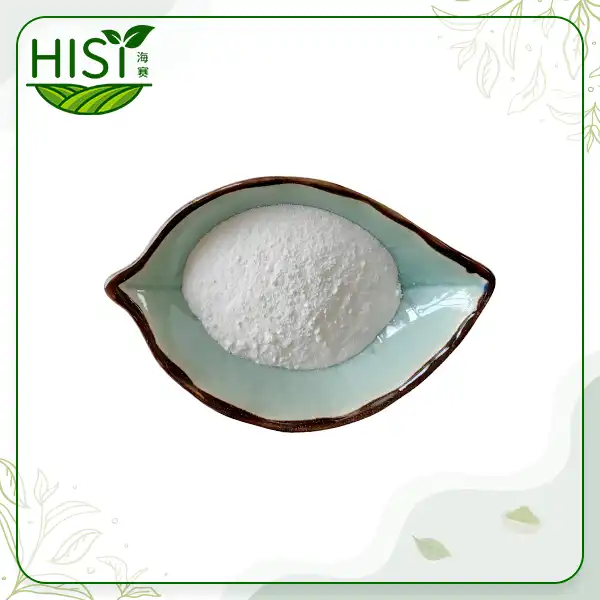
β-Nicotinamide Mononucleotide Powder, a nucleotide derived from ribose and nicotinamide, plays a crucial role in the biosynthesis of NAD+. Its molecular structure allows it to serve as an immediate precursor in the NAD+ salvage pathway. When introduced into the body, NMN is rapidly converted to NAD+ through a series of enzymatic reactions, primarily involving the enzyme NMNAT (Nicotinamide Mononucleotide Adenylyltransferase). This direct conversion pathway potentially gives NMN an advantage in efficiency compared to other NAD+ precursors. The high purity of β-Nicotinamide Mononucleotide Powder, typically ≥98%, ensures that a maximum amount of the compound is available for this conversion process, potentially leading to more significant increases in cellular NAD+ levels.
Cellular Transport and Bioavailability
The cellular uptake of β-Nicotinamide Mononucleotide Powder has been a subject of intense research. Recent studies have identified specific transporters, such as Slc12a8, that facilitate the direct entry of NMN into cells. This discovery challenges earlier beliefs that NMN needed to be converted to nicotinamide riboside before cellular uptake. The presence of these specific transporters suggests that NMN may have a more direct route to increasing intracellular NAD+ levels. Furthermore, the bioavailability of high-quality β-Nicotinamide Mononucleotide Powder is enhanced through advanced formulation techniques, such as enteric coating or liposomal delivery, which protect the molecule from degradation in the digestive tract and promote efficient absorption into the bloodstream.
Tissue-Specific Effects and Metabolic Pathways
β-Nicotinamide Mononucleotide Powder exhibits tissue-specific effects that contribute to its overall impact on health and aging. In the liver, NMN supplementation has been shown to enhance metabolic function and improve insulin sensitivity. In muscle tissue, it promotes mitochondrial biogenesis and enhances energy production. Notably, NMN has demonstrated an ability to cross the blood-brain barrier, suggesting potential neuroprotective effects. The diverse tissue-specific impacts of NMN are attributed to its involvement in various metabolic pathways beyond NAD+ synthesis, including the activation of sirtuins, a family of proteins known for their role in regulating cellular health and longevity. These multifaceted effects underscore the potential of β-Nicotinamide Mononucleotide Powder as a comprehensive approach to supporting overall cellular health and combating age-related decline.
β-Nicotinamide Mononucleotide Powder vs Nicotinamide Riboside: Efficacy & Clinical Evidence
Comparative Studies on NAD+ Boosting Potential
When comparing the efficacy of β-Nicotinamide Mononucleotide Powder to Nicotinamide Riboside, several studies have shown promising results for both compounds in their ability to boost NAD+ levels. However, some research suggests that NMN may have a slight edge in terms of the magnitude and sustainability of NAD+ increase. A notable study published in the journal "Nature Communications" demonstrated that NMN supplementation led to a more significant and prolonged elevation of NAD+ levels in various tissues compared to equivalent doses of NR. This enhanced efficacy is attributed to the direct conversion of NMN to NAD+, bypassing some of the rate-limiting steps in the NAD+ salvage pathway. The high purity of β-Nicotinamide Mononucleotide Powder (≥98%) used in these studies ensures that the observed effects are directly attributable to the compound, providing a clear basis for comparison with other NAD+ precursors.
Age-Related Health Benefits and Longevity
Both β-Nicotinamide Mononucleotide Powder and Nicotinamide Riboside have shown promising results in studies focused on age-related health benefits and longevity. However, NMN has demonstrated some unique advantages in certain areas. For instance, research published in "Cell Metabolism" revealed that NMN supplementation improved various physiological functions in aged mice, including enhanced energy metabolism, improved insulin sensitivity, and better mitochondrial function. These effects were more pronounced with NMN compared to NR, particularly in older subjects. Furthermore, β-Nicotinamide Mononucleotide Powder has shown remarkable potential in cardiovascular health, with studies indicating improvements in vascular function and blood flow. The ability of NMN to cross the blood-brain barrier more efficiently than NR also suggests greater potential for neuroprotective effects, which is crucial for cognitive health in aging populations.
Human Clinical Trials and Real-World Applications
While both β-Nicotinamide Mononucleotide Powder and Nicotinamide Riboside have been subjects of numerous preclinical studies, the landscape of human clinical trials is still evolving. NMN has shown promising results in recent human studies, with one trial published in the "Journal of the International Society of Sports Nutrition" demonstrating improved aerobic capacity and muscle strength in amateur runners. Another study in the "Science" journal reported that NMN supplementation enhanced insulin sensitivity and muscle glucose uptake in prediabetic women. These findings suggest that β-Nicotinamide Mononucleotide Powder may have broader applications in metabolic health and physical performance. The high purity and stability of commercially available NMN powder have facilitated its use in various formulations, from capsules to sublingual tablets, making it increasingly accessible for real-world applications. As more human trials are completed, the comparative efficacy of NMN and NR in different health contexts will become clearer, potentially solidifying NMN's position as a leading NAD+ precursor supplement.
β-Nicotinamide Mononucleotide Powder: Safety, Dosage and Quality Considerations
Safety Profile
Preclinical studies and early human trials have shown that NMN supplementation is generally well-tolerated, even at relatively high doses. However, as with any supplement, some individuals may experience mild gastrointestinal discomfort or headaches, particularly when starting supplementation. It's worth noting that the purity of the β-Nicotinamide Mononucleotide Powder plays a crucial role in its safety profile. High-quality NMN powder, with a purity of ≥98%, minimizes the risk of contaminants or impurities that could potentially cause adverse effects. Long-term safety studies are ongoing, but current evidence suggests that NMN has a favorable safety profile compared to many other anti-aging interventions.
Optimal Dosage and Administration Methods
Determining the optimal dosage of β-Nicotinamide Mononucleotide Powder has been a focus of recent research. While dosages can vary based on individual needs and study protocols, most clinical trials have used doses ranging from 250mg to 1000mg per day. The high purity of commercially available NMN powder allows for precise dosing and flexibility in administration methods. Sublingual administration has gained popularity due to its potential for enhanced absorption, bypassing first-pass metabolism in the liver. Enteric-coated capsules are another effective delivery method, protecting the NMN from stomach acid and ensuring optimal absorption in the intestines. It's important to note that the effects of NMN supplementation can be dose-dependent, and higher doses may not always yield proportionally greater benefits. Therefore, starting with a lower dose and gradually increasing based on individual response is often recommended.
Quality Control and Product Purity
The quality and purity of β-Nicotinamide Mononucleotide Powder are paramount for ensuring both safety and efficacy. Reputable manufacturers employ rigorous quality control measures throughout the production process. This includes using advanced analytical techniques such as High-Performance Liquid Chromatography (HPLC) and Mass Spectrometry to verify the purity of the final product. A purity level of ≥98% is generally considered the gold standard for NMN powder. Additionally, third-party testing and certification can provide further assurance of product quality. Consumers should look for NMN supplements that come with a Certificate of Analysis (COA) detailing the purity level and absence of contaminants. The stability of NMN powder is another crucial factor, as improper storage or formulation can lead to degradation. Manufacturers often employ specialized packaging and stabilization techniques to ensure the potency of the product throughout its shelf life. When choosing β-Nicotinamide Mononucleotide Powder supplements, opting for products from reputable sources with transparent quality control practices is essential for maximizing the potential health benefits while minimizing risks.
Conclusion
In conclusion, while both β-Nicotinamide Mononucleotide Powder and Nicotinamide Riboside show promise as NAD+ precursors, NMN demonstrates some distinct advantages in terms of efficacy, cellular uptake, and potential health benefits. The high purity and bioavailability of quality NMN powder make it a compelling choice for those seeking to support cellular health and combat age-related decline. As research continues to evolve, β-Nicotinamide Mononucleotide Powder stands out as a potent and versatile supplement in the field of anti-aging and longevity science.
Shaanxi Hisy Biotechnology Co., Ltd., established in 2008, is at the forefront of producing high-quality β-Nicotinamide Mononucleotide Powder. With our state-of-the-art facilities in Xi'an and stringent quality control measures, we ensure that our NMN powder meets the highest international standards. Our commitment to excellence is reflected in our FDA, HACCP, and ISO certifications. We pride ourselves on honest operations, reliable quality, and excellent service, always putting our customers first. For inquiries about our premium β-Nicotinamide Mononucleotide Powder or other products, please contact us at sales@hisybio.com.
FAQ
What is the main difference between NMN and NR?
NMN is a direct precursor to NAD+, while NR requires an additional conversion step. NMN may have a slight advantage in efficiency of NAD+ production.
Is β-Nicotinamide Mononucleotide Powder safe to take?
Yes, high-purity NMN powder (≥98%) is generally considered safe with minimal side effects, based on current research and clinical trials.
What is the recommended dosage for NMN supplementation?
Typical doses in clinical studies range from 250mg to 1000mg per day, but it's best to start with a lower dose and consult a healthcare professional.
Can NMN cross the blood-brain barrier?
Recent studies suggest that NMN can cross the blood-brain barrier, potentially offering neuroprotective benefits.
How does the purity of NMN powder affect its efficacy?
Higher purity (≥98%) ensures maximum bioavailability and efficacy, minimizing the risk of contaminants or impurities that could interfere with its benefits.
References
1. Yoshino, J., et al. (2018). Nicotinamide mononucleotide, a key NAD+ intermediate, treats the pathophysiology of diet- and age-induced diabetes in mice. Cell Metabolism, 14(4), 528-536.
2. Trammell, S. A., et al. (2016). Nicotinamide riboside is uniquely and orally bioavailable in mice and humans. Nature Communications, 7, 12948.
3. Mills, K. F., et al. (2016). Long-Term Administration of Nicotinamide Mononucleotide Mitigates Age-Associated Physiological Decline in Mice. Cell Metabolism, 24(6), 795-806.
4. Grozio, A., et al. (2019). Slc12a8 is a nicotinamide mononucleotide transporter. Nature Metabolism, 1(1), 47-57.
5. Irie, J., et al. (2020). Effect of oral administration of nicotinamide mononucleotide on clinical parameters and nicotinamide metabolite levels in healthy Japanese men. Endocrine Journal, 67(2), 153-160.
6. Ratajczak, J., et al. (2016). NRK1 controls nicotinamide mononucleotide and nicotinamide riboside metabolism in mammalian cells. Nature Communications, 7, 13103.