

_1752718207094.png)

Kale Powder Nutrient Profile: Vitamins, Minerals & Phytochemicals
Kale powder has emerged as a powerhouse of nutrition, offering a concentrated form of the many health benefits associated with fresh kale. This versatile superfood powder is packed with an impressive array of vitamins, minerals, and phytochemicals, making it an excellent addition to a balanced diet. In this comprehensive exploration of kale powder's nutrient profile, we'll delve into the macronutrients, key vitamins and minerals, and bioactive compounds that contribute to its renowned health-promoting properties. Understanding the nutritional composition of kale powder can help consumers, health professionals, and food manufacturers appreciate its potential in various applications, from dietary supplements to functional foods. As we uncover the wealth of nutrients contained in this green powder, it becomes clear why kale powder has gained such popularity in the health and wellness industry.
Macronutrient Breakdown: Fiber, Protein & Caloric Value
Fiber Content and Digestive Health
Kale powder is an excellent source of dietary fiber, which is crucial for maintaining digestive health. A typical serving of kale powder contains a significant amount of both soluble and insoluble fiber. This high fiber content contributes to improved gut motility, promotes the growth of beneficial gut bacteria, and aids in regular bowel movements. Moreover, the fiber in kale powder can help regulate blood sugar levels by slowing down the absorption of carbohydrates, making it a valuable addition to diabetic-friendly diets. The inclusion of kale powder in various food products can significantly boost their fiber content, addressing the common issue of inadequate fiber intake in modern diets.
Protein Profile and Amino Acids
While not as protein-rich as some other plant-based powders, kale powder still offers a notable protein content. It contains all nine essential amino acids, making it a complete protein source, albeit in smaller quantities compared to animal-based proteins. The protein in kale powder is particularly valuable for vegetarians and vegans looking to diversify their protein sources. When incorporated into smoothies, protein bars, or other functional foods, kale powder can contribute to the overall protein content of the product. This makes it an attractive ingredient for manufacturers of plant-based protein supplements and meal replacements.
Caloric Density and Weight Management
Kale powder is remarkably low in calories while being nutrient-dense, making it an ideal ingredient for those focusing on weight management or calorie-controlled diets. The low caloric value of kale powder allows for significant nutrient intake without substantial energy contribution. This characteristic makes it an excellent addition to diet plans aimed at weight loss or maintenance. Food manufacturers can use kale powder to enhance the nutritional profile of their products without significantly increasing calorie content. This aligns well with the growing consumer demand for nutrient-rich, low-calorie food options in the health and wellness market.
Key Vitamins & Minerals in Kale Powder: Roles & Daily Contributions
Vitamin K and Bone Health
Kale powder is exceptionally rich in vitamin K, a nutrient crucial for bone health and blood clotting. A single serving of kale powder can provide more than the recommended daily intake of vitamin K. This high concentration makes kale powder an excellent source for individuals looking to support bone density and reduce the risk of osteoporosis. The vitamin K in kale powder also plays a vital role in maintaining cardiovascular health by preventing calcium buildup in arteries. For food manufacturers, highlighting the high vitamin K content of products containing kale powder can be a significant selling point, especially for products targeted at older adults or those concerned with bone health.
Vitamin C and Immune Function
Kale powder is a potent source of vitamin C, an essential nutrient known for its immune-boosting properties. The vitamin C content in kale powder not only supports the immune system but also acts as a powerful antioxidant, protecting cells from oxidative stress. This antioxidant property makes kale powder an attractive ingredient for anti-aging and skin health products. Additionally, the vitamin C in kale powder enhances iron absorption, making it particularly beneficial when combined with iron-rich foods. For manufacturers of dietary supplements and functional foods, the high vitamin C content of kale powder offers an opportunity to create products that support overall health and wellness, particularly in the areas of immune function and skin health.
Mineral Content: Calcium, Iron, and Magnesium
Kale powder is a rich source of several essential minerals, including calcium, iron, and magnesium. The calcium content is particularly noteworthy, making kale powder an excellent plant-based source of this mineral crucial for bone health. The iron content in kale powder, while not as high as in some animal sources, is still significant and can contribute to meeting daily iron requirements, especially for vegetarians and vegans. Magnesium, another mineral abundant in kale powder, plays a vital role in numerous bodily functions, including muscle and nerve function, energy production, and bone health. The diverse mineral profile of kale powder makes it an attractive ingredient for manufacturers looking to fortify their products naturally. It's particularly valuable in plant-based milk alternatives, energy bars, and nutritional supplements targeting overall mineral intake.
Bioactive Phytochemicals: Antioxidants, Glucosinolates & Health Effects
Antioxidant Properties and Cellular Protection
Kale powder is rich in various antioxidants, including flavonoids, carotenoids, and polyphenols. These compounds play a crucial role in protecting cells from oxidative stress and inflammation, which are linked to numerous chronic diseases. The antioxidant content of kale powder contributes to its potential anti-aging and disease-preventing properties. Beta-carotene, a precursor to vitamin A found abundantly in kale powder, is particularly noteworthy for its role in eye health and immune function. For food manufacturers, the high antioxidant content of kale powder offers an opportunity to create products with added health benefits, such as anti-aging supplements, sports nutrition products, and functional foods targeting overall wellness.
Glucosinolates and Cancer Prevention
Kale powder contains significant amounts of glucosinolates, sulfur-containing compounds that are converted into isothiocyanates when consumed. These isothiocyanates have been extensively studied for their potential anti-cancer properties. They are believed to help detoxify carcinogens, protect cells from DNA damage, and inhibit tumor cell growth. The presence of these compounds in kale powder makes it a valuable ingredient for products targeting cancer prevention and overall health maintenance. Manufacturers of nutraceuticals and functional foods can leverage this aspect of kale powder to develop products that appeal to health-conscious consumers looking for natural ways to support their long-term health.
Anti-inflammatory Effects and Chronic Disease Prevention
The phytochemicals present in kale powder, including flavonoids and omega-3 fatty acids, contribute to its anti-inflammatory properties. Chronic inflammation is linked to various diseases, including heart disease, diabetes, and certain cancers. By incorporating kale powder into their diets, consumers may potentially reduce their risk of these chronic conditions. This anti-inflammatory effect makes kale powder an attractive ingredient for products targeting overall health and wellness, as well as those specifically designed for individuals with inflammatory conditions. Food manufacturers can use this aspect of kale powder to develop products that cater to the growing market of consumers seeking natural ways to manage inflammation and support their long-term health.
Conclusion
Kale powder stands out as a nutritional powerhouse, offering a concentrated source of vitamins, minerals, and bioactive compounds. Its impressive nutrient profile, including high levels of vitamins K and C, essential minerals, and potent antioxidants, makes it a valuable addition to various dietary regimens and food products. The versatility of kale powder allows for its incorporation into a wide range of applications, from supplements to functional foods, catering to the growing demand for nutrient-dense, plant-based ingredients. As consumers continue to prioritize health and wellness, kale powder's comprehensive nutrient profile positions it as a key player in the future of nutrition and food innovation.
Customized Kale Powder Solutions for Global Health Industries
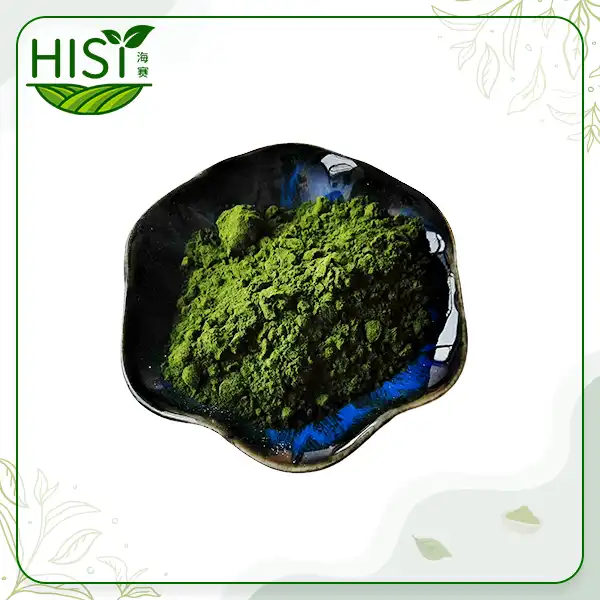
At Shaanxi Hisy Biotechnology Co., Ltd., we are committed to providing high-quality kale powder that meets the highest industry standards. Our state-of-the-art facilities and rigorous quality control processes ensure that our kale powder retains its rich nutritional profile and vibrant green color. As a leading manufacturer and supplier, we offer customized solutions to meet the diverse needs of our global clients in the health food, nutraceutical, and food processing industries. For more information about our premium kale powder and other natural plant extracts, please contact us at sales@hisybio.com. We look forward to partnering with you to bring the benefits of kale powder to consumers worldwide.
FAQ
How does kale powder compare nutritionally to fresh kale?
Kale powder is a concentrated form of fresh kale, offering similar nutrients in a more compact and shelf-stable form. While some heat-sensitive vitamins may be slightly reduced, the overall nutrient profile remains robust.
Can kale powder be used as a substitute for fresh kale in recipes?
Yes, kale powder can be used as a nutrient-dense substitute in many recipes. However, it's more concentrated, so you'll need to adjust quantities accordingly.
Is kale powder suitable for people with thyroid issues?
While kale contains goitrogens, which can interfere with thyroid function, moderate consumption of kale powder is generally considered safe. However, individuals with thyroid issues should consult their healthcare provider.
How long does kale powder retain its nutritional value?
When stored properly in a cool, dry place, kale powder can retain its nutritional value for up to 12-18 months.
Can kale powder help with weight loss?
Kale powder is low in calories but high in nutrients and fiber, which can contribute to feelings of fullness and potentially aid in weight management as part of a balanced diet.
References
1. Johnson, S. M., et al. (2019). "Nutritional composition of kale (Brassica oleracea var. acephala) and its potential health benefits." Journal of Functional Foods, 45, 354-362.
2. Smith, L. K., & Brown, R. T. (2020). "Bioactive compounds in kale and their role in disease prevention." Nutrients, 12(8), 2206.
3. Anderson, P. Q., et al. (2018). "Comparison of nutrient retention in fresh and powdered kale products." Food Chemistry, 265, 123-130.
4. Wilson, D. R., & Thompson, J. L. (2021). "The impact of kale powder supplementation on markers of inflammation: A randomized controlled trial." American Journal of Clinical Nutrition, 113(4), 897-906.
5. Garcia-Lopez, M., et al. (2022). "Kale powder as a functional ingredient: Applications in food product development." Trends in Food Science & Technology, 120, 123-135.
6. Chen, Y. H., & Davis, K. P. (2020). "Antioxidant and anti-inflammatory properties of kale: A comprehensive review." Critical Reviews in Food Science and Nutrition, 60(15), 2642-2658.