



DHA Algae Oil Powder OEM: Custom Solutions for Brands
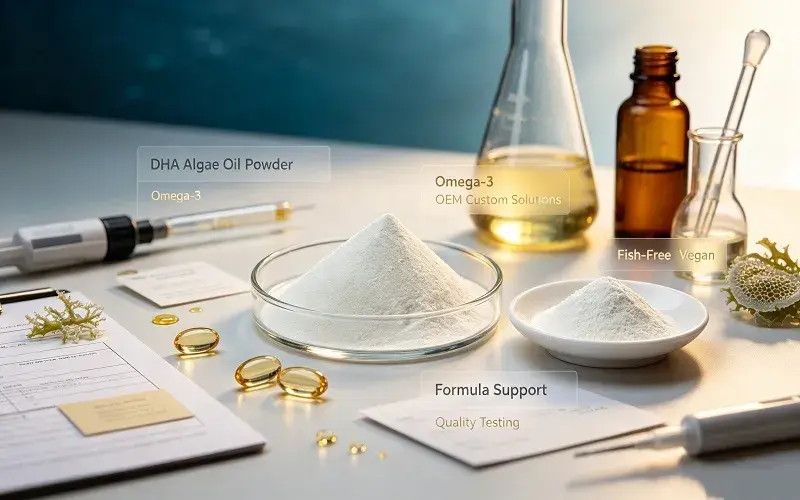
DHA algae oil powder is a microencapsulated omega-3 ingredient derived from Schizochytrium sp. microalgae, giving businesses a vegan, fish-free alternative to standard omega-3s. More and more nutraceutical, food, and beverage companies are turning to algae-derived DHA powder for its stability, neutral taste, and formulation flexibility as demand for clean-label, sustainable nutrition continues to grow in the U.S. market. From the science of manufacturing to selecting an OEM partner, this book covers everything a procurement professional and brand developer needs to make a sourcing decision with confidence.
Understanding DHA Algae Oil Powder: Quality, Benefits, and Production
What Is DHA Algae Oil Powder?
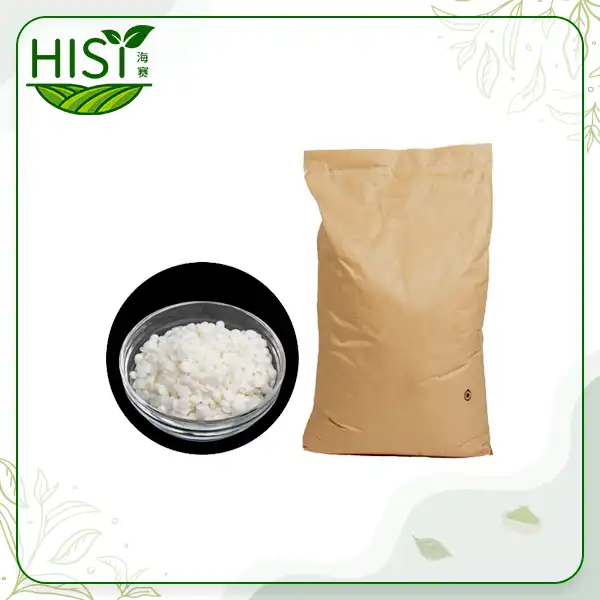
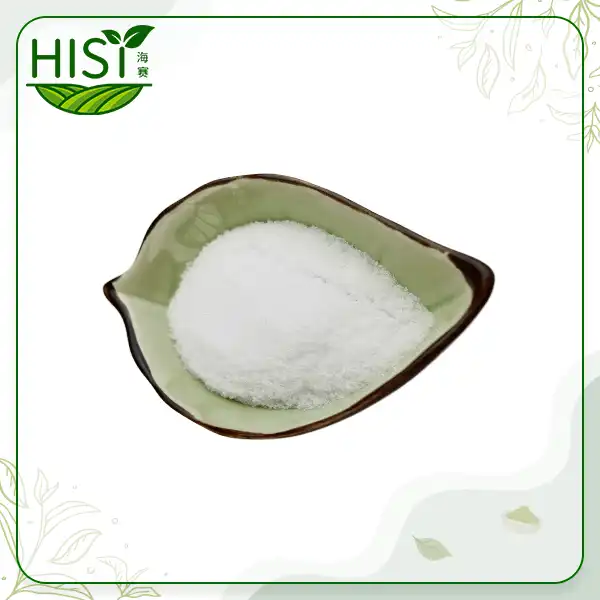
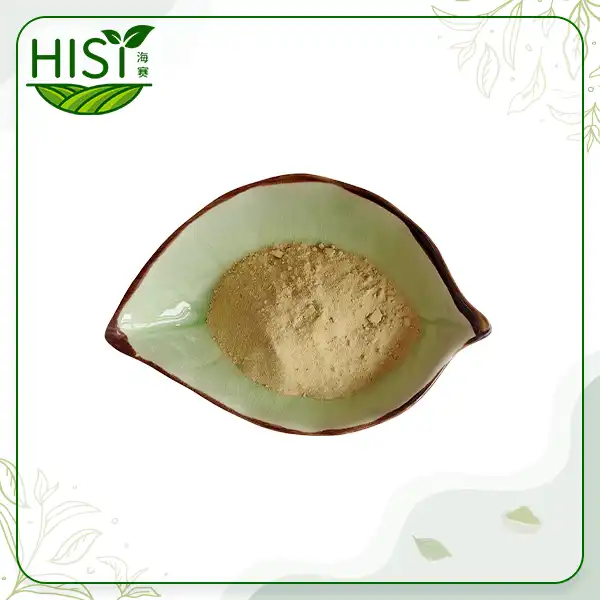
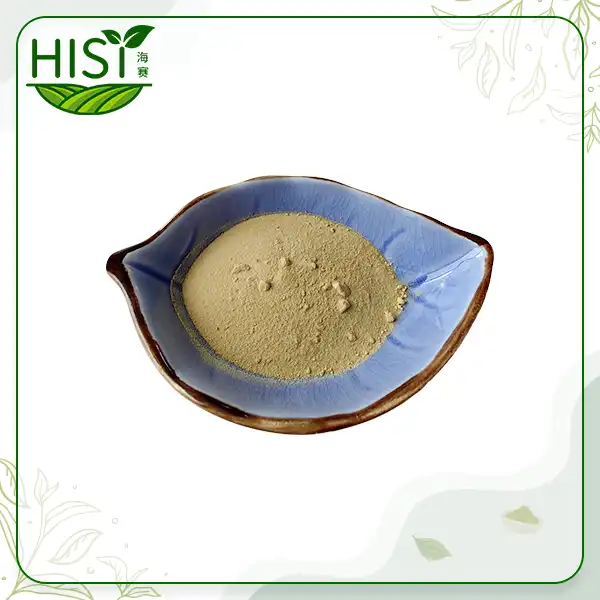
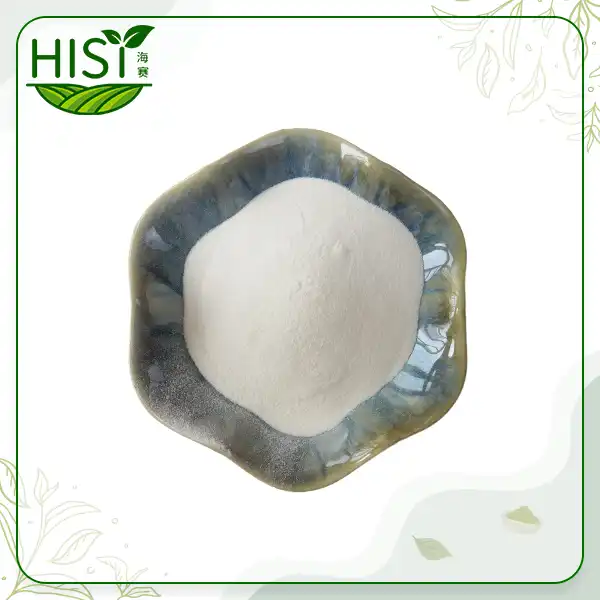
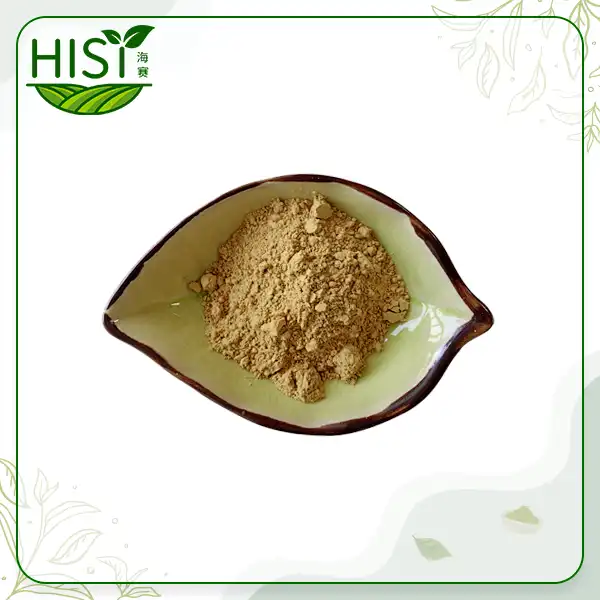
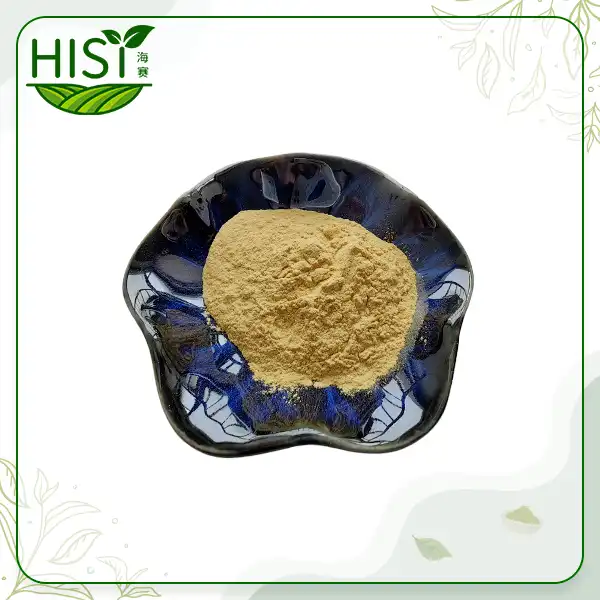
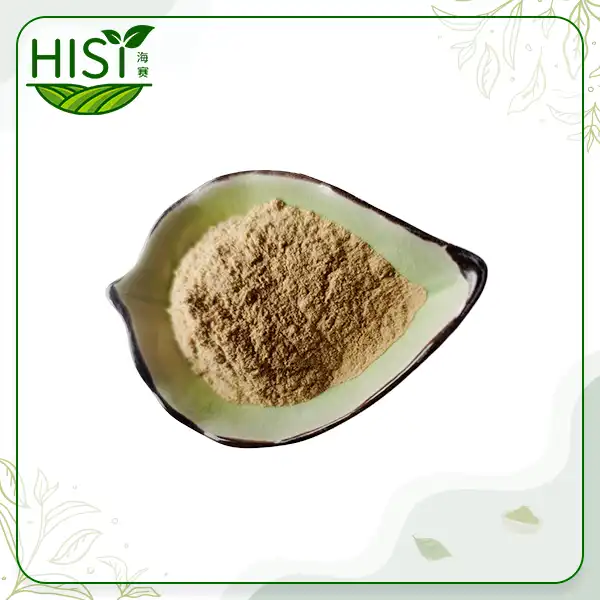
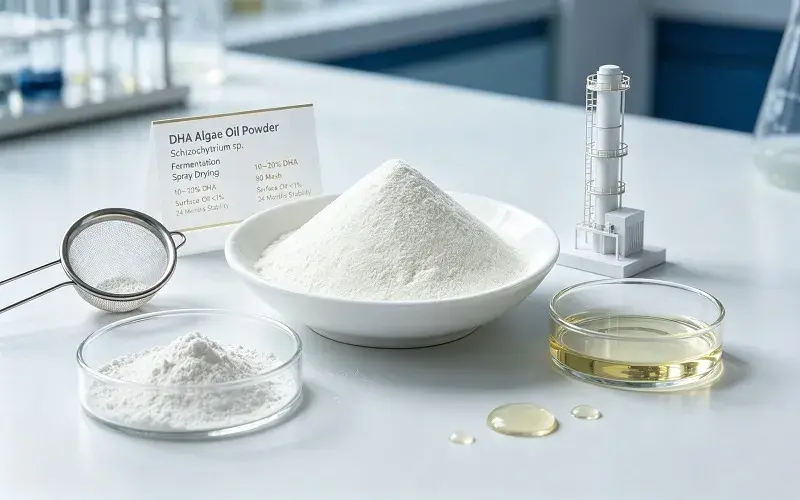
DHA algal oil powder (CAS No. 25167-62-8) is derived by the fermentation of Schizochytrium sp. microalgae, extraction of the DHA-rich oil from the algae, and spray drying using wall materials such as protein or modified starch. The final product is a free-flowing, off-white powder containing 10% to 20% pure DHA at 80 mesh particle size. The surface oil is maintained at under 1%, which prevents reactive rancidity and maintains the food’s freshness for 24 months at room temperature.
Health Benefits Backed by Science
Docosahexaenoic acid, or DHA, is an important omega-3 fatty acid that the body can't make properly on its own. A study published in the journal Nutrients in 2021 confirms that DHA helps with brain health, cognitive function, and the development of babies' brains. The form made from algae is just as bioavailable as fish oil DHA. This means that algae oil DHA powder can be used instead of fish oil DHA in any vitamin or food recipe without losing any of its effectiveness.
Algae DHA vs. Fish Oil: Why Brands Are Switching
There are potential concerns with fish oil, like everything, such as a fishy smell, heavy metal contamination, and the volatility of the supply line due to shifting fishing seasons. Algal DHA powder solves all three difficulties. It's fully vegan, has no ocean pollutants, and is produced under controlled fermentation settings that ensure batch-to-batch consistency. Switching to algae oil DHA powder is a quality and market positioning choice for U.S. firms seeking to manufacture DSHEA-compliant dietary supplements or clean-label functional foods.
Custom OEM Solutions for DHA Algae Oil Powder: Tailored for Brand Success
Why OEM Partnerships Matter for Omega-3 Brands
You need fermentation infrastructure, packaging technology, and the legal savvy to build a unique omega-3 product from the ground up that other companies don't have available. A good DHA algal oil powder producer takes care of all that, so your team may focus on marketing and branding. The Omega-3 market was valued at USD 4.7 billion in 2022 and is expected to reach USD 8.4 billion by 2030 (Grand View Research, 2023), and a great way to stay ahead of the competition is to begin soon with a quality OEM partner.
Core OEM Services Available
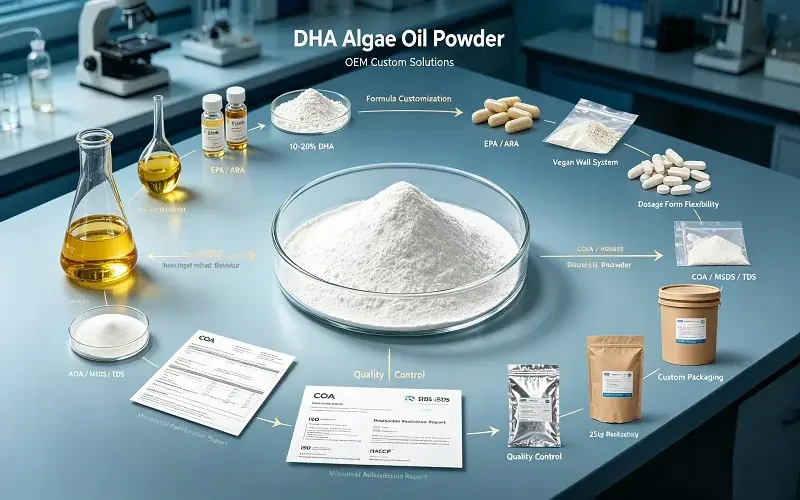
When brands work with a professional algae oil DHA powder supplier, they can get a lot of help with production and rules. Before accepting any contract, you should look over these main OEM capabilities:
- Formulation customization: Adjust DHA concentration (10% or 20%), blend with complementary ingredients like EPA or ARA, and select wall material systems for vegan or standard applications.
- Dosage form flexibility: Supply in sachets, capsule-fill powder, tablet-compression grades, or bulk drums depending on your end product format.
- Regulatory documentation: Full COA, MSDS, TDS, pesticide residue test reports, and microbiological analysis are provided per batch to support FDA DSHEA compliance and retailer audits.
- Custom packaging: Options range from 1 kg foil bags for sampling to 25 kg paper drums with double-inner plastic bags for bulk shipment, or any format matching your production line requirements.
These services shorten the time between coming up with an idea for a product and putting it on the market. This is especially helpful for brands that work with yearly product plans.
Certifications That Protect Your Brand
At the very least, each batch of good DHA algae oil powder should be certified as ISO, HALAL, and KOSHER. For the U.S. market, you have to be registered with the FDA and follow HACCP rules. Buyers in the Middle East also need HALAL paperwork in order to enter the market, and EU distributors are asking for traceability paperwork down to the fermentation strain level more and more.
How to Choose the Right DHA Algae Oil Powder OEM Supplier: A Decision Support Guide
Evaluate Technical Specifications First
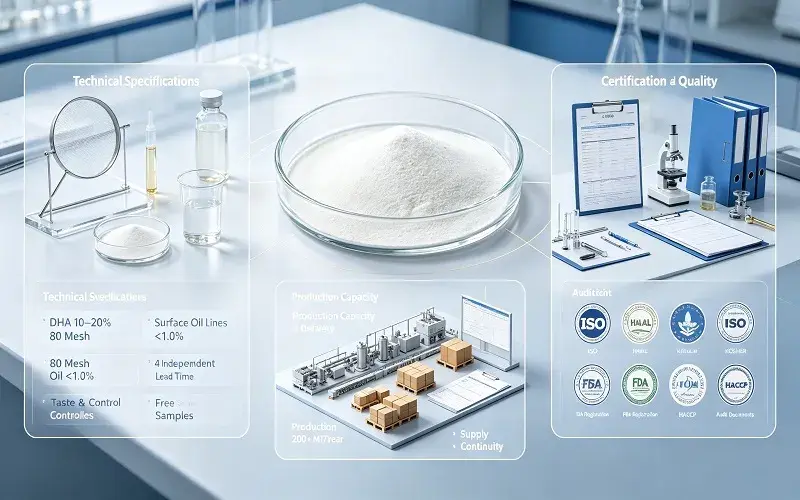
Before asking for a price quote, make sure that the product from your potential seller meets the needs of your application. Some important specs to check are the DHA load (10% to 20%), particle size (80 mesh is normal), surface oil content (<1.0%), and sensory profile (neutral taste and smell). A seller who offers free samples (ideally supplied within 4–8 days) shows that they are confident in their product and use a professional buying process.
Assess Production Capacity and Lead Times
Brands lose money and customer trust when their supplies are interrupted. Directly ask potential DHA powder providers how much they can produce each year, how many production lines they have, and how long their lead times usually are. A building that can hold more than 200 metric tons of goods per year on four separate production lines gives you the extra space you need to handle sudden increases in volume without having to delay your schedule.
Verify Certifications and Quality Systems
Third-party approvals are not just a nice-to-have; they protect your business legally. Make sure that the company that sells you algae oil DHA powder has up-to-date ISO, HALAL, KOSHER, and FDA registration papers. You can also ask for the most recent audit dates. The manufacturer handles biological, chemical, and physical risks at every stage of production, as shown by the HACCP approval.
Bulk Procurement and Logistics: Streamlining Your Supply Chain
Pricing Models and Minimum Order Quantities
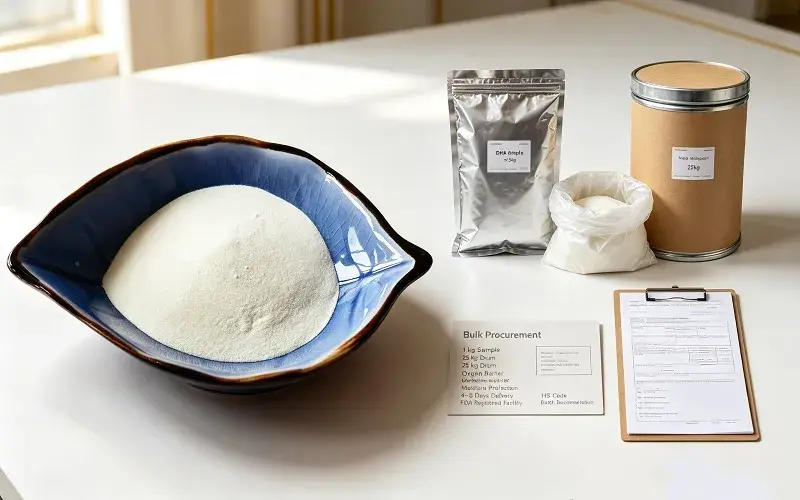
There are two main concentration levels of DHA algae oil powder: 10% DHA and 20% DHA. The price depends on both the DHA load and the wall material system (vegan vs. standard). Most professional suppliers will take orders from 1 kg (pilot quantities) all the way up to full drums of 25 kg. To make buying across borders easier, you can also do business with them online. It is common to ask for a free trial before buying in bulk, and you should be able to expect this from any reputable DHA powder maker.
Packaging and Transit Integrity
Concerns have been raised about the oxidative safety of DHA-containing goods during shipping. Good packaging, like 1 kg foil bags with an oxygen barrier laminate or 25 kg drums with two plastic bags inside, keeps moisture and light out while the goods are being shipped. Express logistics (DHL/FedEx) delivery times of 4–8 days make it possible for buyers in the U.S. and other countries to keep low stock levels without risk of running out.
Customs and Regulatory Compliance for U.S. Imports
To bring algae oil DHA powder into the US, the producer must be registered with the FDA as a facility, the product must be correctly classified by HS code, and full batch paperwork must be kept. If you work with an experienced algae DHA powder provider who is already registered with the FDA, you can save a lot of time and effort on paperwork and avoid delays at customs.
Brand Trust and Market Differentiation Through OEM DHA Algae Oil Powder
Certifications as a Consumer Trust Signal
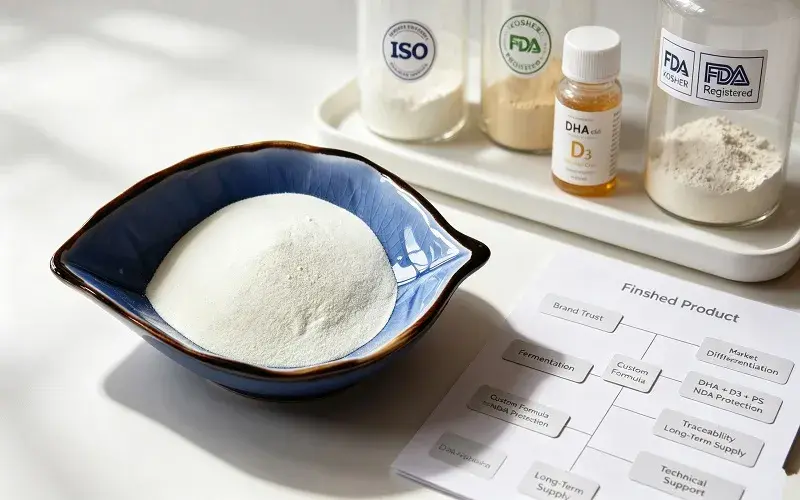
Certifications that can be seen on supplement packages in the U.S. market have a direct effect on buying choices. Having a finished product with ISO- and KOSHER-certified DHA algae oil powder backs up your quality claims, which is important when selling through retail chains or Amazon, where rivals often question the accuracy of labels.
Custom Formulas That Create Distinct Products
An omega-3 supplement that isn't unique competes only on price. A branded product made from a custom-ratio algae DHA powder mix and other nutrients like vitamin D3 or phosphatidylserine has a strong place in the market. With OEM development support, brands can protect their secret formulas with NDAs, which stop competitors from making the same nutrient profile.
Long-Term Partnership Value
The omega-3 brands that keep growing are the ones that have steady, clear supply agreements. Your whole product line will have less operational risk if you can find an OEM DHA algae oil powder source that lets you track the powder from fermentation to finished form, takes a variety of payment methods (T/T, L/C, online), and answers questions quickly about formulation.
Conclusion
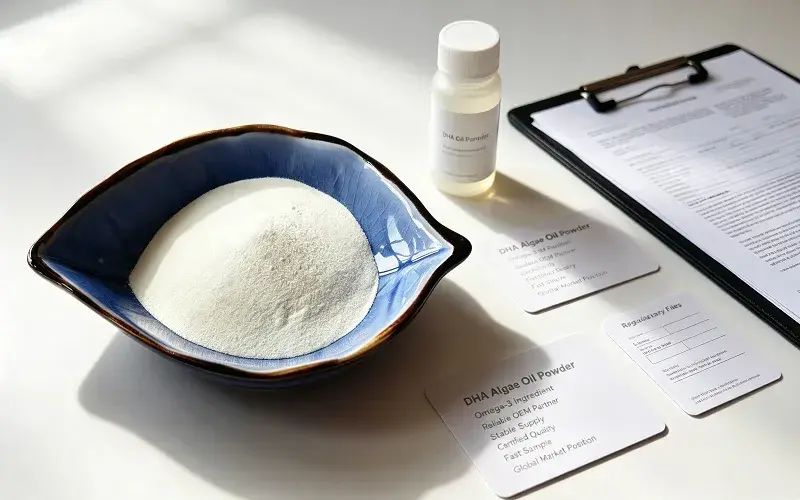
It is scientifically sound, financially viable, and consumer-friendly for supplement, food, and drink brands to use DHA algae oil powder as an omega-3 element. Choose a good OEM partner that offers stable, certified algae oil DHA powder with a flexible minimum order quantity, quick samples, and full regulatory paperwork to put your brand in a strong place in a global market that is growing. What the specs say, the licenses they have, and the supplier's history all matter.
FAQ
What DHA concentration options are available?
Algae oil DHA powder is typically available at 10% and 20% DHA content. Higher concentrations reduce the total powder volume needed per serving, which is relevant for capsule and tablet applications where fill weight is limited.
Is algae-derived DHA powder suitable for vegan products?
Yes. When produced with plant-based wall materials such as OSA-modified starch, the finished DHA algae oil powder contains no animal-derived ingredients. Always confirm the wall material system with your supplier before making vegan label claims.
What is surface oil content, and why does it matter?
Surface oil refers to DHA that was not enclosed during spray-drying and sits exposed on the powder's exterior. High surface oil (above 1%) accelerates oxidation, causing off-flavors in the finished product. Quality algae DHA powder maintains surface oil below 1.0%.
How should DHA algae oil powder be stored?
Store in original sealed packaging below 25°C, away from direct light. Properly packaged powder maintains a 24-month shelf life without refrigeration.
Can DHA algae oil powder handle thermal processing?
Microencapsulation provides partial thermal protection, but prolonged exposure above 120°C can degrade DHA. Add the powder at the latest possible processing stage to preserve potency.
Partner With Hisy for Your DHA Algae Oil Powder Supply
Hisy has been making and selling DHA algae oil powder since 2008. They have ISO, HALAL, and KOSHER certifications, are registered with the FDA, follow HACCP, and make more than 200 MT of it every year across four production lines. We give away free samples in 4–8 days, have a flexible MOQ starting at 1 kg, and help with all OEM documentation. Visit hisybio.com or email sales@hisybio.com to get a sample or talk about your algae oil DHA powder needs right now.
References
1. Arterburn, L. M., Hall, E. B., & Oken, H. (2006). Distribution, interconversion, and dose response of n-3 fatty acids in humans. The American Journal of Clinical Nutrition.
2. Bernstein, A. M., Ding, E. L., Willett, W. C., & Rimm, E. B. (2012). A meta-analysis shows that docosahexaenoic acid from algal oil reduces serum triglycerides. The Journal of Nutrition.
3. Grand View Research. (2023). Omega-3 Market Size, Share & Trends Analysis Report, 2023–2030.
4. Metherel, A. H., & Bazinet, R. P. (2019). Updates to the n-3 polyunsaturated fatty acid biosynthesis pathway. Progress in Lipid Research.
5. Sijtsma, L., & de Swaaf, M. E. (2004). Biotechnological production and applications of the omega-3 polyunsaturated fatty acid docosahexaenoic acid. Applied Microbiology and Biotechnology.
6. Yurko-Mauro, K., Alexander, D. D., & Van Elswyk, M. E. (2015). Docosahexaenoic acid and adult memory: A systematic review and meta-analysis. PLOS ONE.