



How to Choose the Best PEG-30 Dipolyhydroxystearate
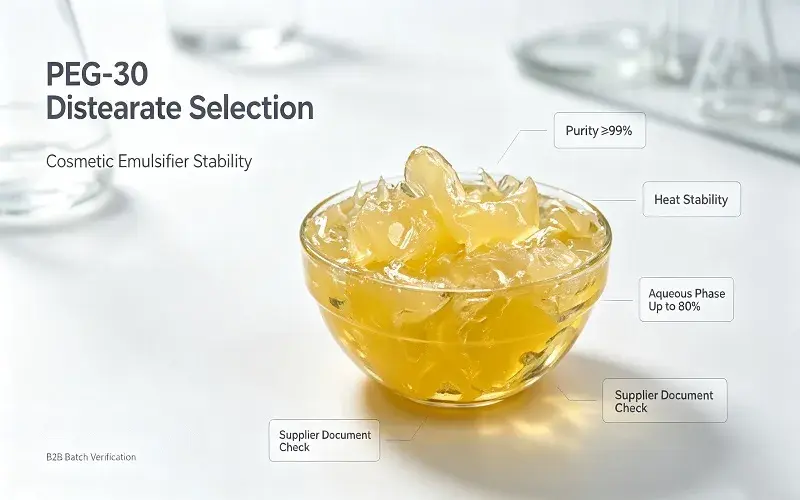
Choosing the right PEG-30 dipolyhydroxystearate for your cosmetic formulation is not a decision to take lightly. As a W/O emulsifier with CAS number 827596-80-5, this ingredient determines whether your cream, sunscreen, or liquid foundation holds together under heat, sweat, and time. The best grade carries ≥99% purity, delivers high-temperature stability, and supports water phase ratios up to 80%. When sourcing this polymeric surfactant, B2B buyers should examine purity documentation, supplier certifications, and batch consistency records before committing to any volume order.
Understanding PEG-30 Dipolyhydroxystearate
What It Is Chemically
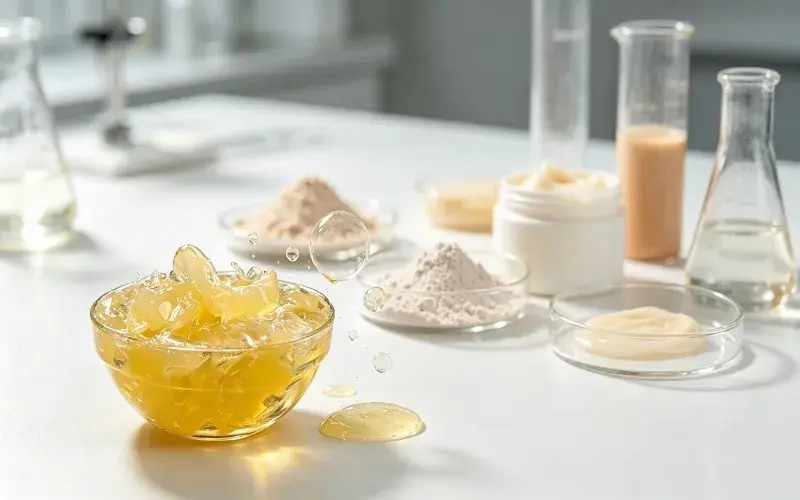
Polyhydroxystearic acid chains are linked by a polyethylene glycol unit in the middle of Peg-30 dipolyhydroxystearate, which is a non-ionic block copolymer. Its HLB number is between 5.0 and 6.0, which puts it right in the range for W/O emulsification. Instead of using electrostatic forces like monomeric emulsifiers do, this substance creates a physical barrier around the water drops that keeps them from sticking together, even when the electrolyte is stressed or the temperature changes.
How It Performs in Formulations
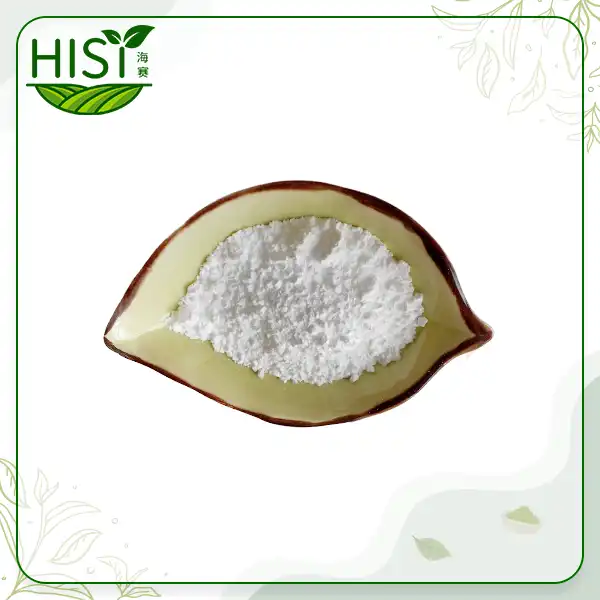
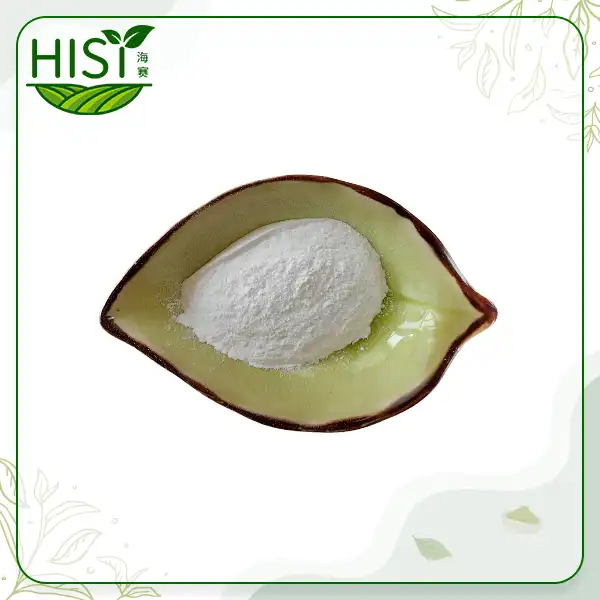
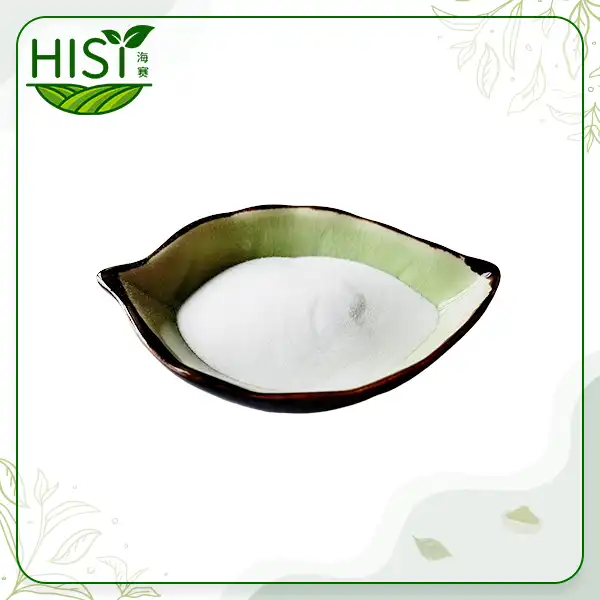
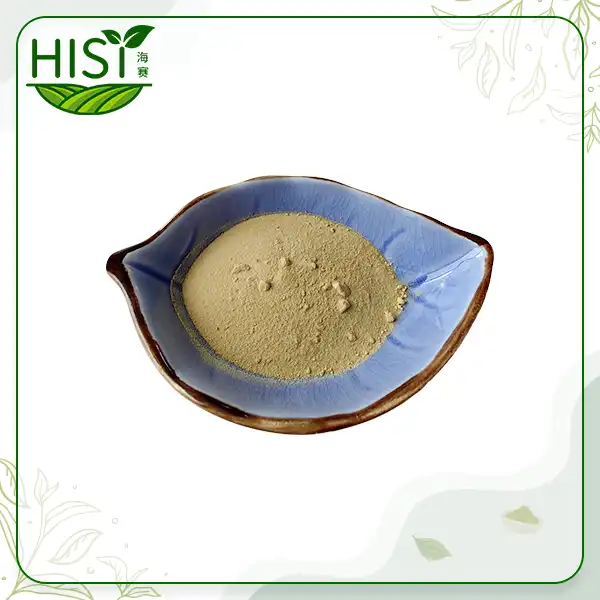
At room temperature, the element looks like a brown cream. It emulsifies oils no matter how neutral they are on the outside, which gives formulators a lot of freedom. At usage levels as low as 1.5% to 3.0%, water phase rates can hit 80%. The suggested dose range is between 0.5% and 5%, depending on the use. When used with co-emulsifiers MY983 and MY9120 in sunscreen and makeup systems, it works well. When used with MY985 and MY986, it works well in liquid foundation products.
Key Application Areas
PEG-30 dipolyhydroxystearate works well in three different types of tough products. It wets artificial pigments like TiO₂ and ZnO in high-SPF mineral sunscreens, which keeps particles from sticking together and keeps the skin feeling light. In medical barrier creams, it forms films that don't absorb water and protect skin that is already damaged while active ingredients are delivered. It supports formulas with up to 70% water content and keeps the pigment evenly spread through sweating and humidity in high-water W/O foundations.
Criteria for Selecting the Best PEG-30 Dipolyhydroxystearate
Purity and Physical Specifications
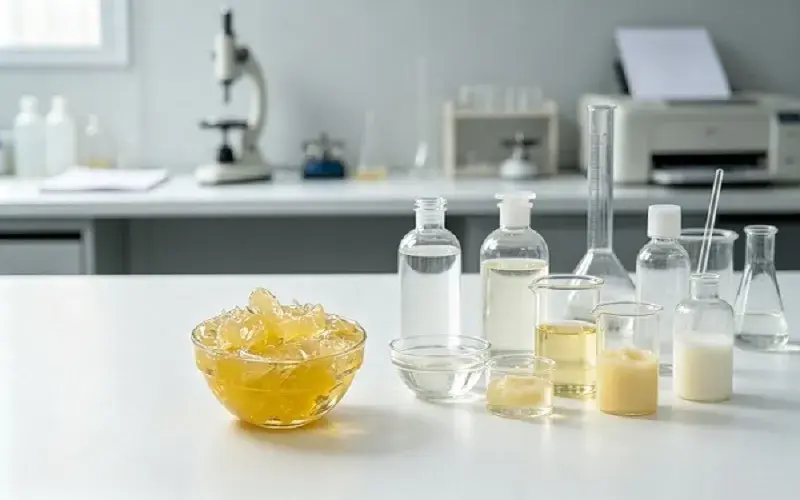
Purity must be at least 99% to meet the requirements. This is how much acid there should be: 12.0 mg KOH/g. This is how much saponification there should be: 125–145 mg KOH/g. These two measurements immediately show the level of esterification and predict how well the emulsifying process will work. Viscosity at 50°C should also be checked to make sure the product can be pumped during production. If a provider can't give you a full Certificate of Analysis (COA) with these numbers, they shouldn't be considered.
Regulatory and Safety Documentation
Ask for the full MSDS, TDS, and leftover monomer test data before buying large amounts of polyhydroxystearic acid-based emulsifiers. To meet EU and FDA standards, the amounts of 1,4-Dioxane and Ethylene Oxide should both be less than 10 ppm. If a supplier is registered with the FDA, HACCP, or ISO, their quality management standards can be checked, which lowers your compliance risk.
Comparison with Alternative Emulsifiers
In some situations, Peg-30 dipolyhydroxystearate works better than a number of popular W/O options. It is better for O/W systems because PEG-40 Hydrogenated Castor Oil is more slippery. Polysorbate 80 doesn't have this ingredient's high tolerance for the internal phase. Ceteareth-20 works well in O/W emulsions, but it can't handle electrolytes or water as well as Peg-30 dipolyhydroxystearate can. The polymeric structure of this ingredient, which is similar to Croda's P135 emulsifier, is still the technical standard for W/O systems with a lot of water.
How to Evaluate PEG-30 Dipolyhydroxystearate Suppliers and Manufacturers
Certifications and Quality Systems
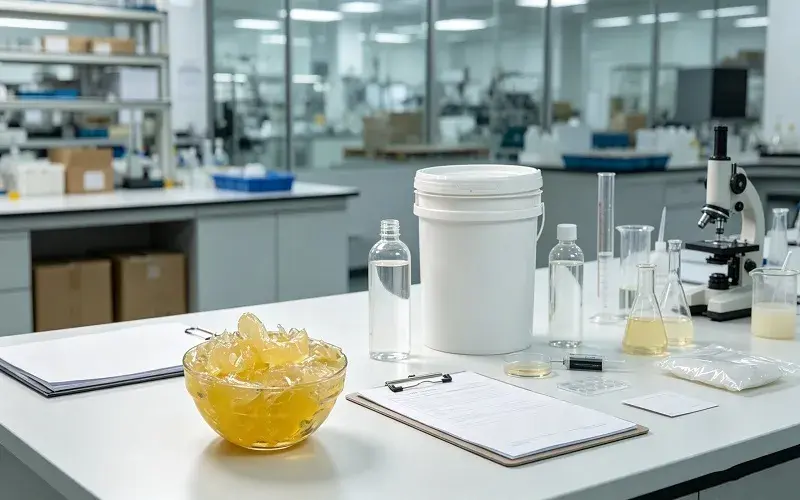
A trustworthy company that makes Polyethylene glycol dipolyhydroxystearate should have at least FDA registration, ISO approval, and HACCP compliance. These are not just marketing claims; they need written process controls, methods for tracking things back to their source, and regular checks. Suppliers with dedicated production lines that make more than 200 MT of product a year can keep up a steady supply without batch quality drift.
Sampling and Lead Time
Before you buy a lot, ask for a free sample. A trustworthy seller sends out 1 kg samples quickly and gives test results that prove the color, acid value, consistency, and stability of the emulsion. For business sales, a provider with well-established logistics should be able to deliver within 4–8 days. If sampling is slow or wait times aren't clear, it means there are problems in the supply chain that will affect your production plan in the long run.
Long-Term Partnership Indicators
Good suppliers offer more than just the product itself in terms of technical support. Getting help with R&D for things like formulation compatibility, co-emulsifier suggestions, and stability testing can save your team time and money on development. Long-term B2B partnerships are more likely to happen with suppliers who accept T/T, L/C, and online payments, offer variable MOQ from small batches to large amounts, and keep track of products from the farm to the consumer.
Practical Tips for Procurement and Formulation Success
Storage, Packaging, and Handling
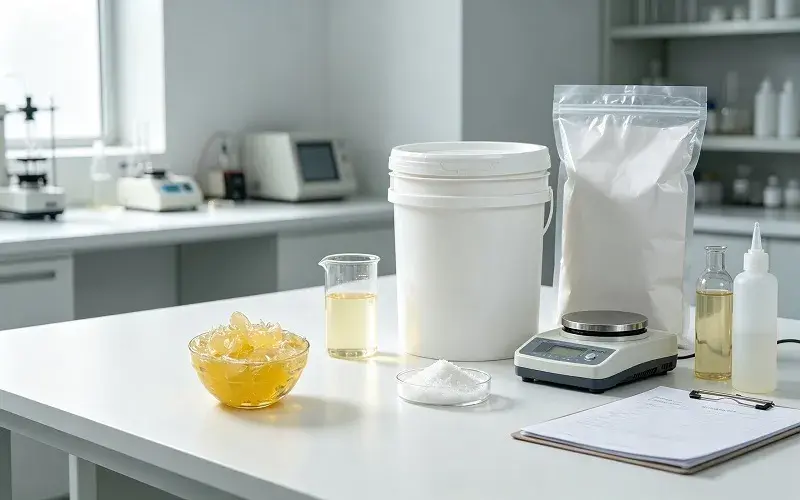
PEG-30 dipolyhydroxystearate can be kept for 24 months in sealed packages that are kept out of damp and light places. It is normal to package 25 kg per drum, which has two plastic bags inside a paper drum. For certain distribution needs, custom packaging formats are available. Keep it between 15°C and 30°C to keep the brown cream texture and stop changes in density that make making harder.
Formulation Troubleshooting
Phase separation in W/O emulsions is usually caused by not adding enough emulsifier or cooking them at the wrong temperature. A little heat to 40–50°C during the oil phase preparation helps this lubricant get into lower-viscosity lotions better. When you add 0.5% to 1% magnesium sulfate to the water phase, the size of the droplets inside gets smaller, and the interfacial tension goes up. This makes the system more stable over time.
Price Benchmarking by Volume
The price of Peg-30 dipolyhydroxystearate in bulk depends on the purity grade, the amount of the order, and where the supplier is located. Get quotes from at least three different makers and compare them. Always ask for full paperwork along with the price. A cheaper quote that doesn't include a COA, MSDS, or data on residual monomers is not a savings; it's a risk.
Future Trends and Sustainable Alternatives
Regulatory Pressure on PEG Ingredients
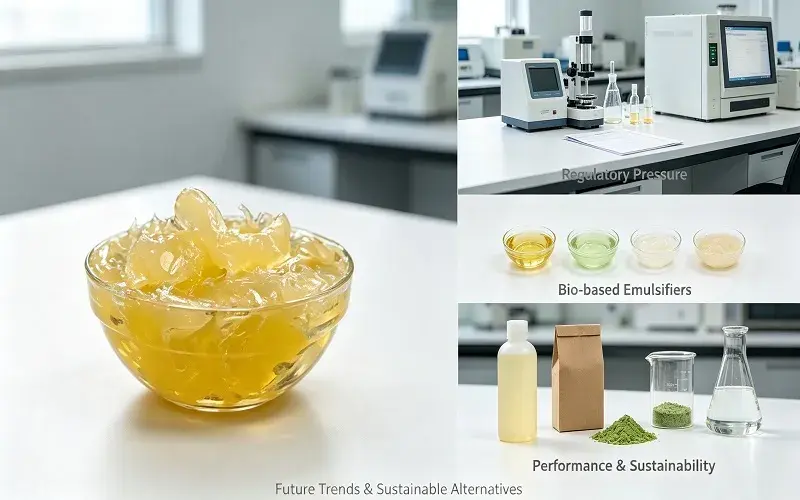
In the EU and the US, regulatory bodies are continuing to put more restrictions on PEG-derived chemicals, especially when it comes to pollution with 1,4-Dioxane. Suppliers who already test to less than 10 ppm and share the results are ahead of when regulations are likely to change. When looking for a Peg-30 dipolyhydroxystearate supplier, make sure that testing for residual contaminants is a normal part of every batch release.
Bio-Based Emulsifier Developments
Bio-based W/O emulsifiers made from natural fatty acid sources are being worked on by the cosmetics business. Polyhydroxystearic acid-based emulsifiers work best in high-water W/O systems right now, but formulators should keep an eye on progress in sucrose ester and polyglycerol ester technologies as possible co-emulsifier options for the future.
Balancing Performance and Sustainability
For high-internal-phase uses, it is still technically hard to make formulas that don't use any PEG-based emulsifiers at all. To meet market needs without losing the steadiness that product quality needs, it makes sense to combine Peg-30 dipolyhydroxystearate with approved sustainable co-ingredients and biodegradable packaging.
Conclusion
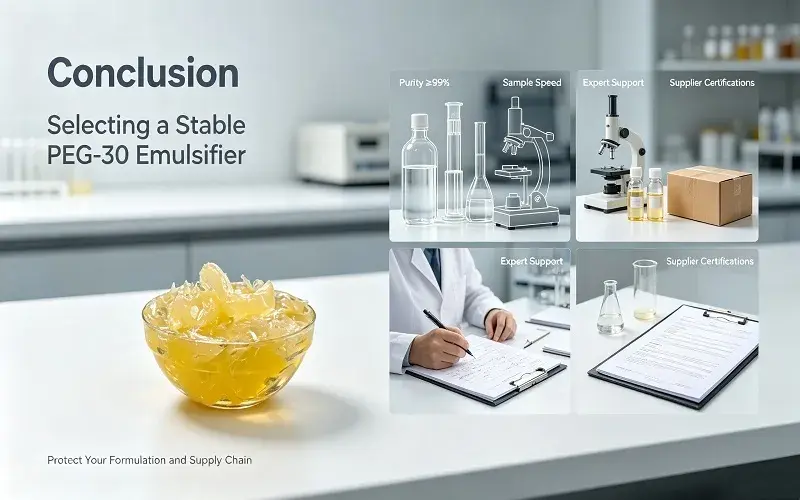
It's not enough to just compare price sheets to find the right W/O blender. PEG-30 dipolyhydroxystearate is ≥99% pure and has been tested for its acid value, saponification value, and leftover monomer data. It provides a stable base for sunscreens, makeup, and barrier creams. As important as the product standard is the quality of the expert help, the speed of the samples, and the certifications of the suppliers. You can protect both the integrity of your formulation and your supply chain by taking the time to think about these things before committing to a supplier.
FAQ
Can PEG-30 dipolyhydroxystearate be used in cold processing?
It can be mixed with the oil phase at room temperature, yes. By heating the oil phase to 40–50°C, the viscosity goes down, and the distribution gets more even, which is what most formulators want for consistency.
Is this emulsifier suitable for sensitive skin products?
It's not ionic, and most people can handle Peg-30 dipolyhydroxystearate. However, brands that want to appeal to sensitive skin should first do normal discomfort tests and read the MSDS paperwork before making any claims.
How does it compare to PEG-40 stearate?
PEG-40 stearate is made for O/W devices. PEG-30 dipolyhydroxystearate works well with high-internal-phase W/O emulsions and can handle more electrolytes than other brands. This makes it the better choice for cream and foundation recipes that have a lot of water in them.
What is the shelf life?
The ingredient stays safe for 24 months if it is kept in sealed packages out of the light and away from moisture. Under the right storage conditions, its makeup of saturated fatty acids doesn't break down easily when exposed to oxygen.
What is the minimum order quantity?
Most providers offer sample sizes that start at 1 kg. Full business sales are usually offered in 25 kg drums, and you can get bulk prices for larger amounts.
Source Your PEG-30 Dipolyhydroxystearate from Hisy
Since 2008, Shaanxi Hisy Biotechnology has sold chemicals for cosmetics around the world. Our Peg-30 dipolyhydroxystearate is at least 99% pure and has an acid value of 12.0 mg KOH/g. It is backed by FDA, HACCP, and ISO certifications. As a well-known company that makes and sells Peg-30 dipolyhydroxystearate, we can send you free samples within days and complete business orders in 4–8 days. To get samples or group prices, email us at sales@hisybio.com.
References
1. Tadros, T. F. Emulsion Science and Technology. Wiley-VCH, 2009.
2. Lochhead, R. Y. "The Role of Polymers in Cosmetic Products." Cosmetics & Toiletries, 2017.
3. International Cosmetic Ingredient Dictionary and Handbook. Personal Care Products Council, 2020.
4. Barel, A. O., Paye, M., & Maibach, H. I. Handbook of Cosmetic Science and Technology. CRC Press, 2014.
5. European Commission. Regulation (EC) No 1223/2009 on Cosmetic Products. Official Journal of the European Union, 2009.
6. Fiume, M. M., et al. "Safety Assessment of Polyethylene Glycol (PEG) Compounds as Used in Cosmetics." International Journal of Toxicology, 2015.