


Is Phosphatidylserine Powder Safe for Daily Supplement Use?
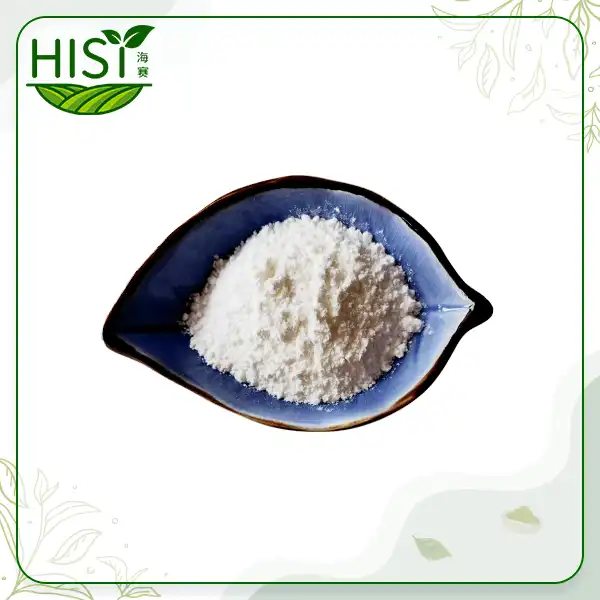
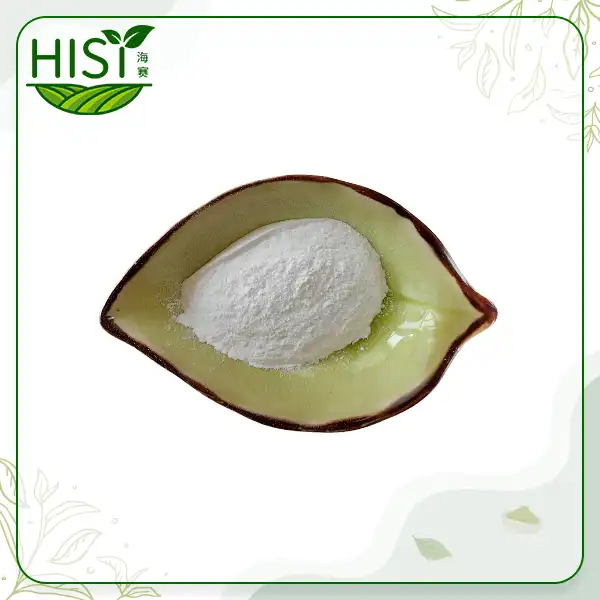
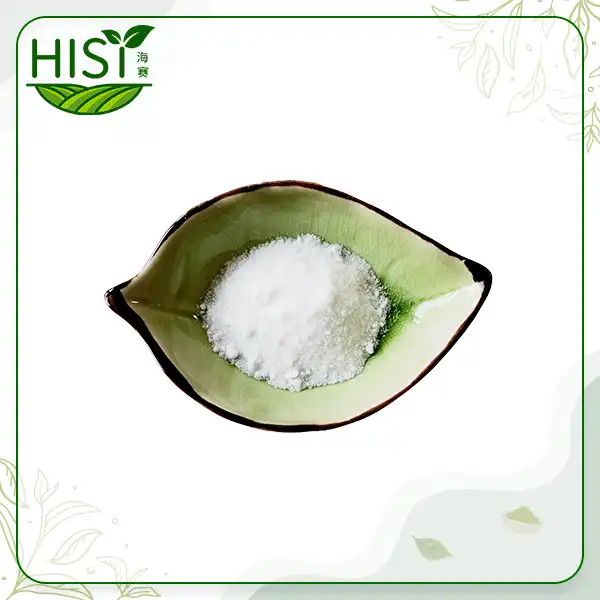
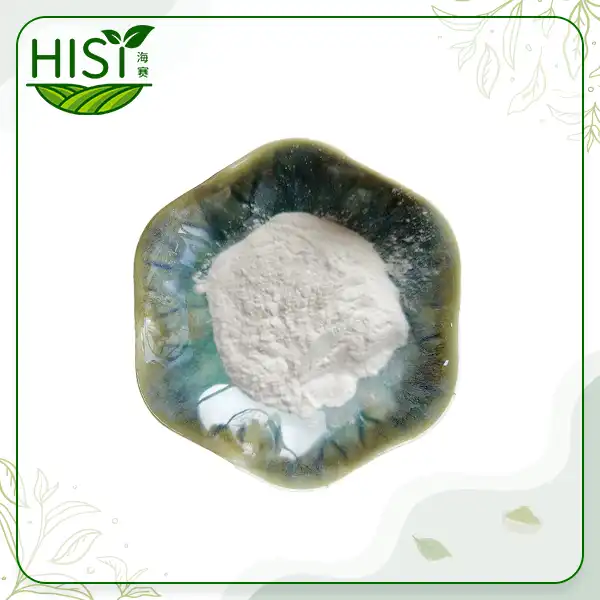
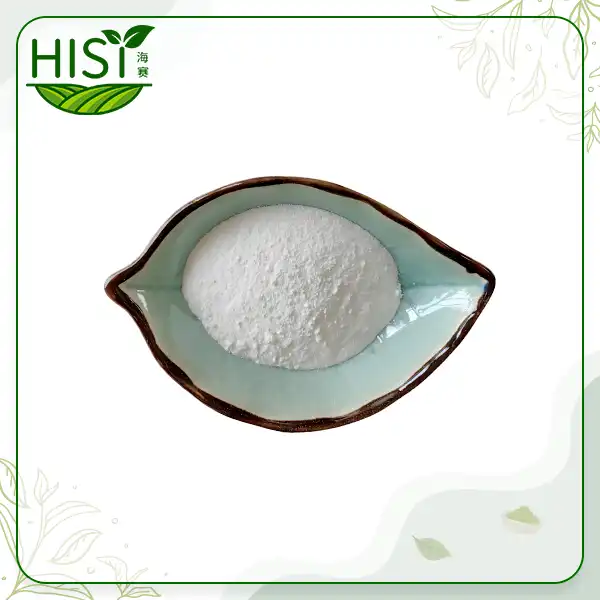
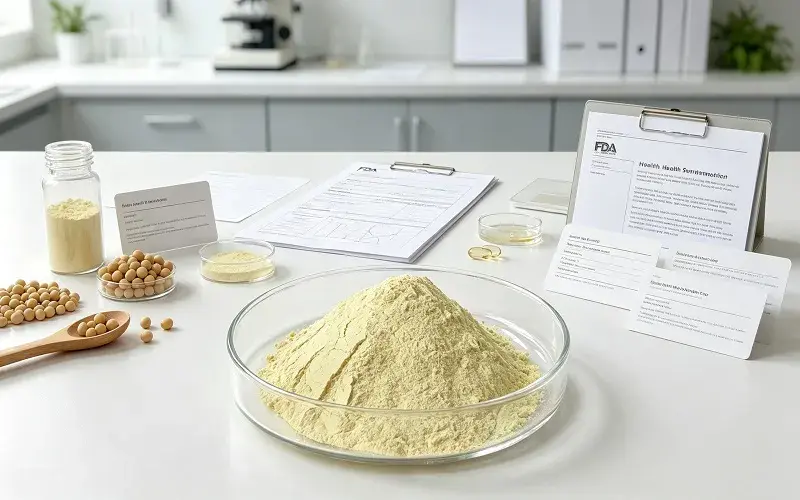
Phosphatidylserine powder is widely regarded as safe for daily use at recommended doses. Derived from non-GMO soybean lecithin (CAS No.: 51446-62-9), this light yellow powder is a naturally occurring phospholipid that supports brain cell membrane integrity. Clinical research consistently shows that doses between 100 mg and 300 mg per day are well tolerated in healthy adults. The US FDA has even issued a Qualified Health Claim acknowledging PS's potential role in reducing cognitive dysfunction risk, making phosphatidylserine powder one of the more credible nootropic ingredients available today.
Understanding Phosphatidylserine Powder and Its Benefits
What Exactly Is Phosphatidylserine?
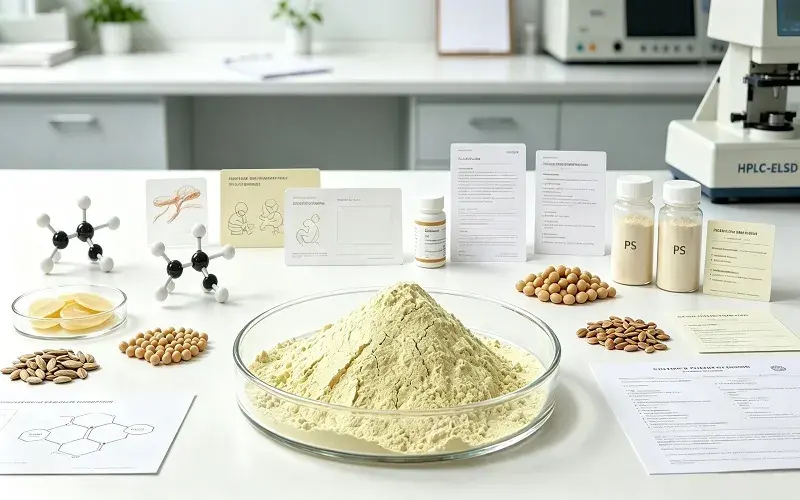
Serine is an amino acid found in phosphatidylserine powder, a glycerophospholipid. It mostly stays in the nerve layers of the brain, especially in the myelin sheaths and the cerebral cortex. It is made in factories by adding phospholipase D to soy lecithin or sunflower lecithin and changing the phosphatidyl group. This makes a standard, high-purity ingredient. Hisy's PS powder has an 80-mesh particle size that ensures consistent capsule fill efficiency and clean dispersibility in formulations. It has an active content of between 50% and 70%, which was confirmed by HPLC-ELSD testing.
Proven Cognitive and Physiological Benefits
Peer-reviewed research shows that taking phosphatidylserine supplements can help older people remember things, concentrate, and keep their mood stable. In an important clinical study, people ages 50 to 70 who took PS supplements for 12 weeks saw improvements in their verbal memory scores. PS is a valuable ingredient in sports nutrition recovery mixes because it helps control cortisol, which is the main stress hormone. Procurement experts can use these proven benefits as a strong scientific basis to place PS-based goods in the US markets for brain health and physical performance.
Sourcing: Soy vs. Sunflower Origins
Where phosphatidylserine powder comes from is important for both following the rules and placing it in the market. The botanical name for soy-derived PS is Glycine max (L.) Merr., and it makes up most of the commercial supply because it is safe and cheap. Sunflower-derived PS (Helianthus annuus L.) is a non-allergenic alternative that brands that want to appeal to people who care about clean labels like. The active phospholipid molecule is the same in both types, but sunflower PS costs more in the US market. The teams that buy things should think about where the raw materials come from in relation to their formulation needs, the types of customers they have, and any allergen disclosure laws that apply.
Assessing the Safety of Daily Supplementation

Recommended Dosage and Usage Guidelines
Most doctors recommend taking between 100 mg and 300 mg of phosphatidylserine every day, spread out over two to three meals. The amount of PS in most brain health supplements and sports nutrition blends is 100 mg per dose, which is within the safe range found in multiple human studies. For formulations that help kids pay attention, smaller amounts of about 200 mg/day have also been shown to be safe. Formulators who buy PS powder should make sure that the active content standard (either 50% or 70%) is correctly taken into account when figuring out the dose size.
Known Side Effects and Drug Interactions
The majority of people can handle phosphatidylserine powder. People who take more than 300 mg per day, especially on an empty stomach, have reported mild stomach effects, feeling sick or having stomach problems. PS may not work well with some blood thinners, like warfarin, or with cholinergic drugs that are used to treat Alzheimer's. People who work on formulas and buy things should tell end users who are on prescription drugs to talk to their doctors. It is in line with US DSHEA requirements to include a standard interaction advisory on product labels.
Long-Term Safety Evidence
Long-term safety data on food grade phosphatidylserine powder supplementation is good to know. In healthy adult groups, clinical studies that last longer than six months show no major adverse events. In the US, the ingredient is considered GRAS for use in food, and the FDA has not released any safety alerts about soy-derived PS in normal supplement doses. The safety profile of the ingredient has been confirmed by independent toxicological reviews published in journals like Neurology and Lipids in Health and Disease. This gives procurement teams more trust when they are making daily-use supplement lines for US customers.
Comparing Phosphatidylserine Powder with Other Forms and Ingredients
Powder vs. Capsules and Pills
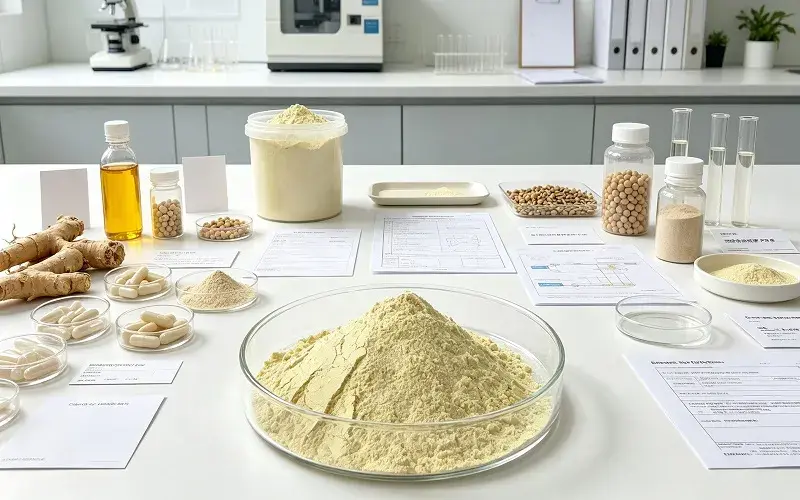
Compared to pre-encapsulated or tablet types, phosphatidylserine powder has unique logistical and manufacturing benefits. Brand owners can control particle size, mix ratios, and dose per unit with bulk powder, which they can't do with pre-made capsules. Hisy's 80 mesh PS powder fills hard capsules smoothly without clumping or bridging, and it evenly spreads in oil mixtures for making softgels. From a supply chain point of view, bulk powder in 25 kg drums is much cheaper per unit and easier for US importers to clear customs with than finished dosage forms.
PS vs. Related Cognitive Ingredients
When compared to other popular nootropic ingredients, phosphatidylserine powder has a number of benefits that are worth mentioning. Omega-3 fatty acids are good for the health of neurons in general, but they don't have the mechanism that PS needs to control cortisol. There is some proof that ginseng can help with adaptogens, but the evidence isn't always clear. Lecithin has a lower PS concentration than a lot of other phospholipids, which makes standard dosing less accurate. PS powder that is 50% or 70% pure offers a specific and measurable active ingredient. This is a quality that supplement brands' formulators and quality assurance teams actively value when making product lines that are backed by evidence.
Natural vs. Synthetic Phosphatidylserine
Older versions of PS came from the brain cortex of cows, but this source is no longer used because of worries about BSE. Modern PS powders made from soy and sunflower are made using enzymes and are considered natural by the FDA. For US clean-label brands, this difference is important. Synthetically made PS analogs are used in studies; they haven't been approved for use as food supplements yet. Finding non-GMO, plant-based PS powder that is aimed at mainstream US retail stores is in line with both DSHEA regulations and customer demands for openness.
Procurement Insights for Phosphatidylserine Powder
Supplier Evaluation Criteria
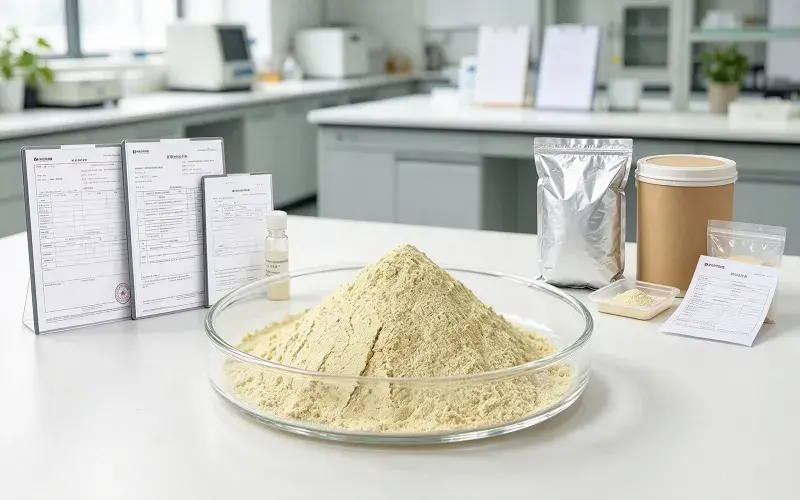
To find a trustworthy provider, you need to look at their certifications, how well they test their products, and how consistently they make them. Here are the main things that people who work in buying should look for:
- Regulatory certifications: FDA registration, HACCP, ISO, and GMP compliance are non-negotiable for US market entry.
- Analytical testing: Require HPLC-ELSD batch certificates confirming PS assay at the declared 50% or 70% specification, along with heavy metal and pesticide residue reports.
- Stability controls: Verify that the supplier maintains strict anti-oxidation storage protocols — phospholipids degrade rapidly when exposed to moisture and heat, which directly impacts product shelf life.
When these criteria are consistently used, the chance of batch failures and regulatory holds during US customs clearance goes down. A supplier who sends full COA, MSDS, and TDS paperwork with every shipment saves procurement teams a lot of time on follow-up.
Packaging, Logistics, and MOQ Flexibility
Phosphatidylserine powder is shipped by Hisy in 1 kg foil bags or 25 kg drums that are double-lined with plastic inside paper drums. If you need unique packaging, just let us know. Standard delivery takes 4–8 days, and you can get free samples to check the quality before you place a large order. The MOQ structure is flexible, allowing orders ranging from 1 kg pilot runs to commercial-scale orders. This makes it possible for both new brands to be created and production plans that are already in place to work. Online purchases are accepted, and several payment methods, such as T/T and L/C, are allowed. This makes it easier for US buyers at all operational levels to buy things.
Making an Informed Decision: Is Daily Use Safe and Recommended?
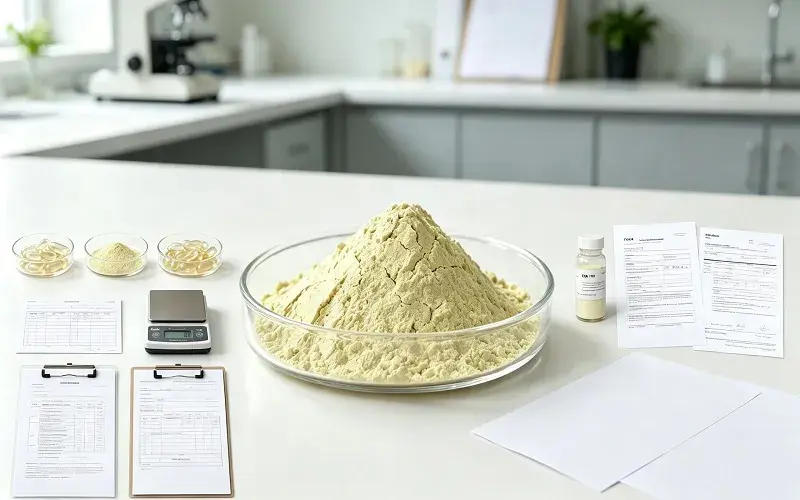
Phosphatidylserine powder at a dose of 100–300 mg/day is safe for most healthy adults and has strong clinical support for its use in cognitive health and stress management. For B2B buying teams, the more important question is not whether PS is safe, but whether your provider can regularly meet your formulations' needs for purity, documentation, and stability.
Your customers' health and the trustworthiness of your brand are protected when you work with a maker that gives you batch-verified assay data, full regulatory paperwork, and quick technical support. Before you buy a lot of something, ask for a free sample, compare the COA to your specification sheet, and make sure that the allergy claims match the labeling requirements. When these steps are taken up front, they stop costly rounds of reformulation later on.
Conclusion
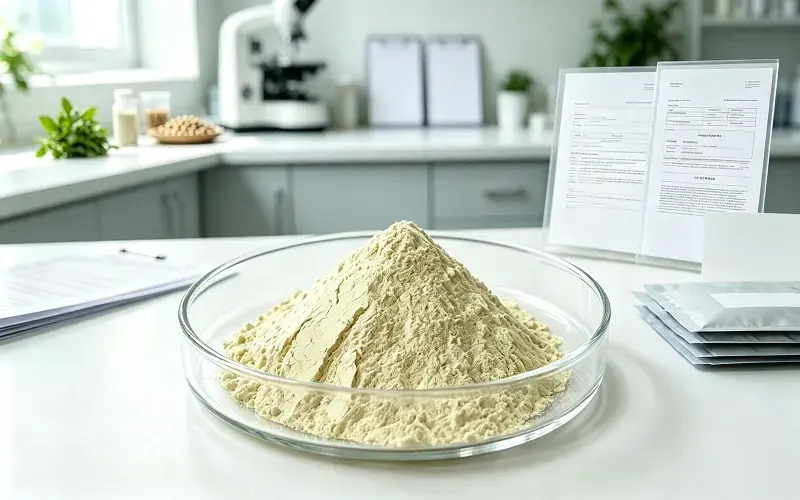
Phosphatidylserine powder is a well-studied, risk-free component that can be taken every day in amounts that have been approved by doctors. Because it helps with brain health, cortisol levels, and neural membrane integrity, it is a good ingredient to use as a base in sports nutrition and brain health products. When purchasing PS powder for the US market, procurement professionals should focus on suppliers who are open and honest about their products' purity, where they come from, and all the paperwork they need to show they follow the rules. Everyday PS products can be made and sold with full confidence if they have the right supply partner.
FAQ
What is the recommended daily dose of phosphatidylserine powder?
Clinical studies support a daily intake of 100 mg to 300 mg. Most cognitive health supplements deliver 100 mg per serving, taken two to three times daily with meals. Doses above 300 mg/day may increase the likelihood of mild digestive discomfort.
Is soy-derived phosphatidylserine safe for people with soy allergies?
Highly refined soy lecithin used to produce PS powder contains minimal residual soy protein. However, individuals with confirmed soy allergies should opt for sunflower-derived PS, which is allergen-free by nature. Formulators should declare the source on product labels per US DSHEA requirements.
How does particle size affect phosphatidylserine powder quality?
Particle size directly influences capsule fill consistency and dispersibility in oil or powder blends. An 80 mesh particle size, as offered by Hisy, provides reliable flow properties and reduces the risk of segregation in multi-ingredient formulations, which is a common quality concern for bulk powder buyers.
Does phosphatidylserine powder interact with any medications?
PS may interact with anticoagulants such as warfarin and with cholinergic medications. End consumers taking prescription drugs should consult a physician before adding PS supplements to their routine. Including an interaction advisory on product labels is considered standard practice under DSHEA.
What certifications should a phosphatidylserine powder supplier hold?
For the US market, look for FDA registration, HACCP, ISO, and GMP compliance at minimum. Complete COA, MSDS, TDS, and pesticide residue test reports should accompany every batch shipment.
Partner with Hisy for Premium Phosphatidylserine Powder Supply
Since 2008, Hisy has been a reliable producer of phosphatidylserine powder, sending confirmed 50% and 70% PS concentrations from non-GMO soybean sources to names in the US and around the world. Our facility is A-registered, HACCP-certified, and ISO-certified. The quality of each batch is checked, and all the paperwork is included. Free samples will be sent to you within 4–8 days. Contact us today to ask for yours or to talk to our expert team directly about your recipe needs. Email us at sales@hisybio.com.
References
1. Crook, T. H., et al. "Effects of phosphatidylserine in age-associated memory impairment." Neurology, 1991.
2. Hellhammer, J., et al. "Effects of soy lecithin phosphatidic acid and phosphatidylserine complex on stress reactivity." Stress, 2004.
3. Kingsley, M. "Effects of phosphatidylserine supplementation on exercising humans." Sports Medicine, 2006.
4. Hirayama, S., et al. "The effect of phosphatidylserine administration on memory and symptoms of attention-deficit hyperactivity disorder." Journal of Human Nutrition and Dietetics, 2014.
5. U.S. Food and Drug Administration. "Qualified Health Claims: Phosphatidylserine and Cognitive Dysfunction and Dementia." FDA Docket, 2003.
6. Vakhapova, V., et a. "Phosphatidylserine containing omega-3 fatty acids may improve memory abilities in non-demented elderly with memory complaints." Dementia and Geriatric Cognitive Disorders, 2010.