

_1752718207094.png)

Difference between curcumin 95% and water‑soluble curcumin
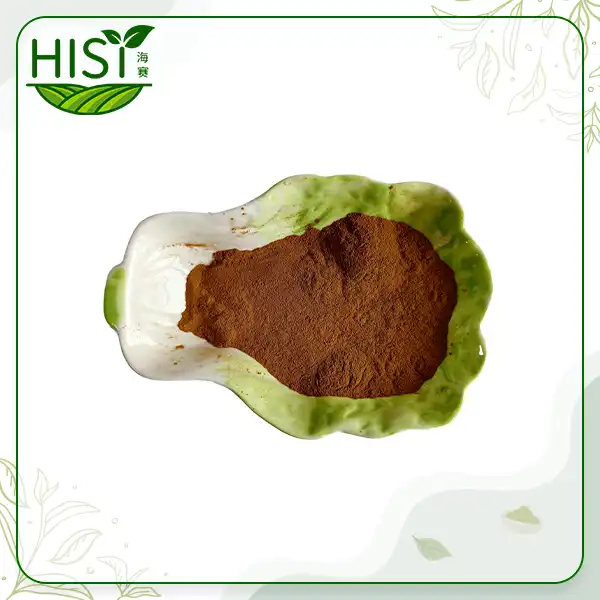
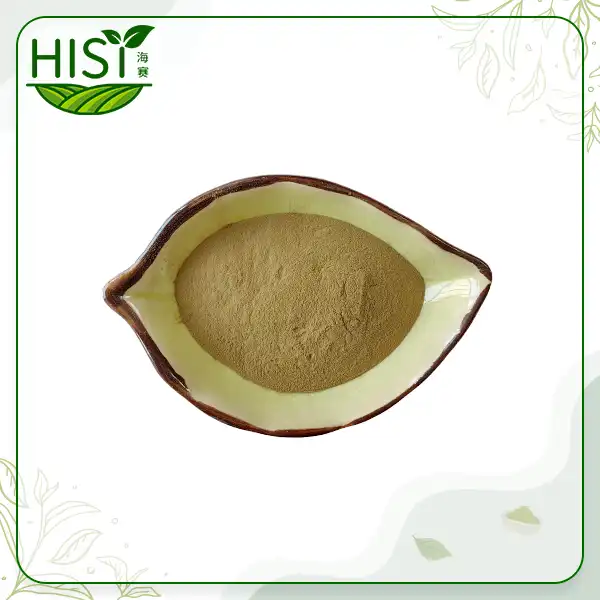
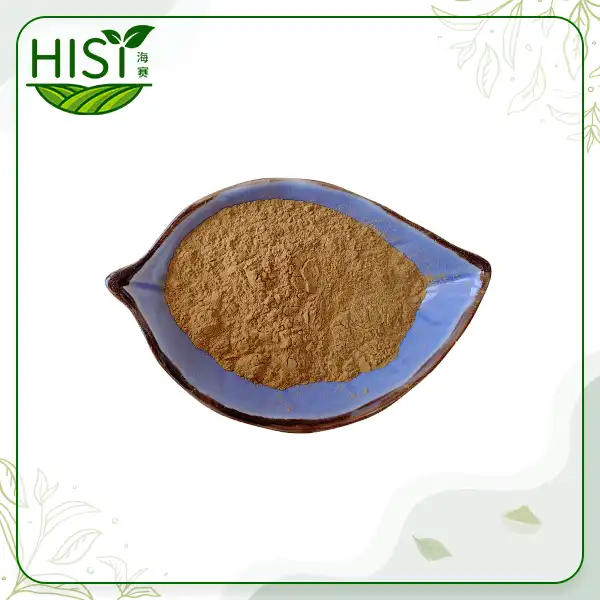
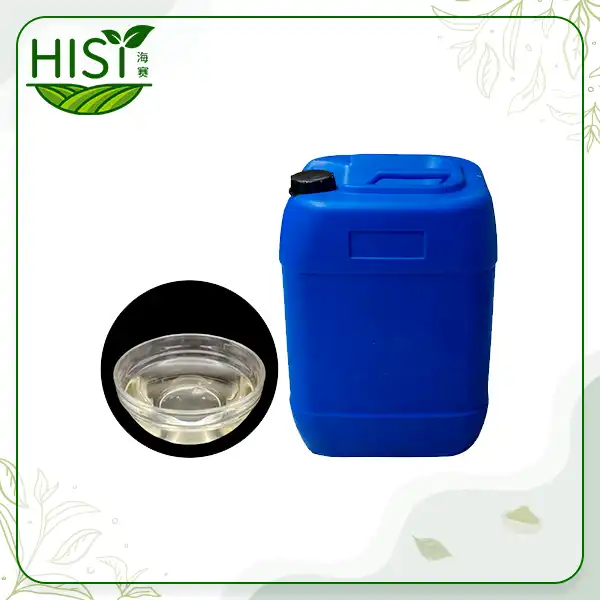
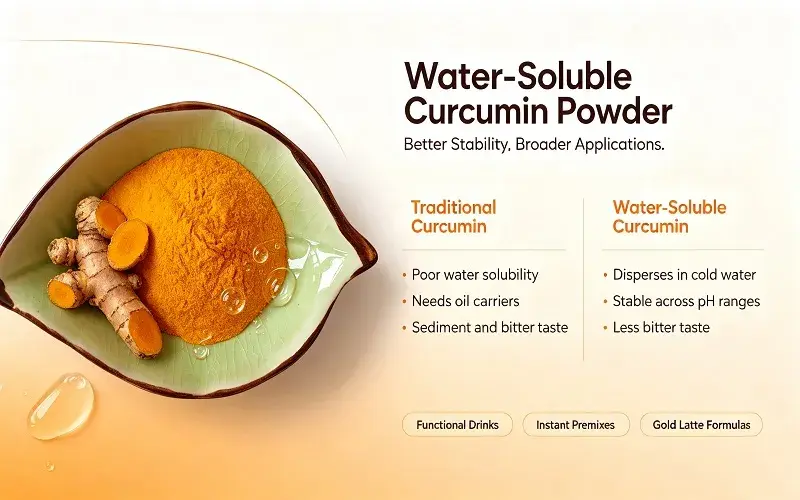
Industrial procurement of curcumin choices clearly reveals the difference between Curcumin 95% and water-soluble curcumin. Curcumin 95% is a standardised extract containing not less than 95% total curcuminoids, mostly curcumin, demethoxycurcumin, and bisdemethoxycurcumin. It is supplied as an orange crystalline powder of high purity but low water solubility. In contrast, water-soluble curcumin is subjected to further processing, e.g., nano-emulsification or complexation with surfactants, to significantly increase dispersion in aqueous environments and bioavailability. This basic distinction affects formulation techniques, absorption rates, and end-use applications in the area of nutritional supplements, functional foods, and cosmeceuticals.

Introduction
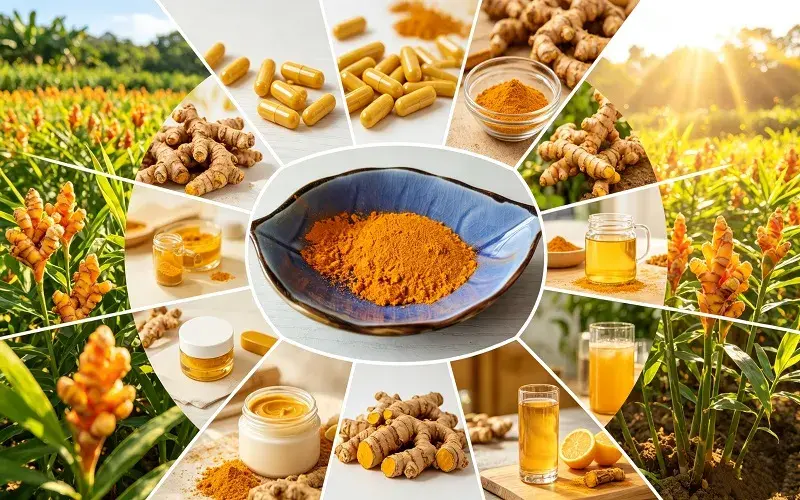
Curcumin, a bioactive compound found in the rhizomes of Curcuma longa, has become a dominant force in health and fitness industries worldwide. For B2B procurement experts, such as buying managers at nutraceutical manufacturers, natural colourant wholesalers, and OEM partners, understanding the distinctions between Curcumin 95% and water-soluble curcumin is intriguing, but it is also important. These discrepancies have a direct impact on formulation efficiency, regulatory compliance, and customer pleasure. Curcumin 95% is the highest purity and the most cost-effective form, while the water-soluble forms solve the key problem of bioavailability using state-of-the-art delivery technology. In this article, we review both types with a focus on industrial use, quality control, and purchasing strategy, weaving in key search phrases such as curcumin extract, natural curcuminoids, and bulk curcumin sources to help your informed selection.
Understanding Curcumin 95% and Water-Soluble Curcumin

What Defines Curcumin 95%?
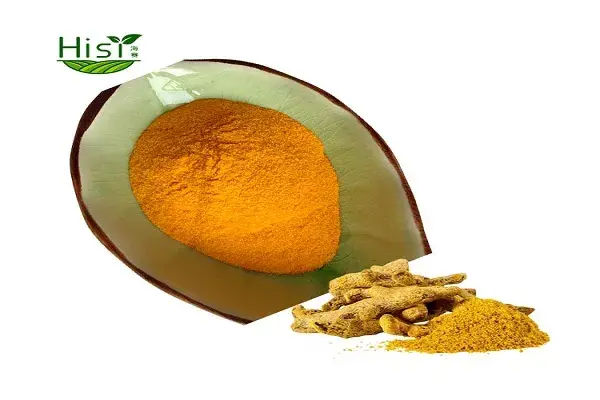
Curcumin 95% is a highly concentrated plant extract that is standardised to contain not less than 95% total curcuminoids, as determined by HPLC analysis. This crystalline powder, which is brilliant orange-yellow, melts around 172-178°C. It is quite stable if protected from direct sunshine and moisture. The extract is of a natural lipophilic character and dissolves readily in acetone, ethanol, and acid solutions but not at all in water or in neutral pH aqueous systems. The molecular profile of Curcumin 95% is suitable for encapsulating in oil-based softgels, compressing tablets with proper binders, and blending into cosmetic emulsions which are rich in fats.
We subject our product to rigorous C14 isotope testing to ensure 100% plant origin, setting us apart from synthetic substitutes that may occasionally appear on the market as natural. This extract is compliant with the severe regulations of the North American and European markets since it conforms to the USP/EP pharmacopoeia and has been tested for heavy metals under California Prop 65. The 36-month shelf life is a major improvement over the usual industry shelf life of 24 months for greater inventory management benefits for distributors handling large stock rotations.
Understanding Water-Soluble Curcumin Technology
Water-soluble curcumin is a technical breakthrough to overcome the intrinsic hydrophobicity of native curcuminoids. To make regular curcumin compatible with water-based drinks, liquid supplements, and topical serums, manufacturers use sophisticated processing techniques such as phospholipid complexation, cyclodextrin inclusion, or surfactant-based nano-emulsification. Some clinical investigations have shown that these formulations considerably boost oral bioavailability, with absorption increases of more than 40 times above normal curcumin powder by circumventing the solubility restrictions that restrict plasma concentration peaks.
This comes at the expense of increased processing complexity and cost. Water-soluble curcumin is generally 10% to 30% active curcuminoids by weight, with the balance being carriers such as polysorbates, medium-chain triglycerides, or modified starches. The reduced concentration per gram allows for precise dose estimates while expanding application possibilities to those that were not acceptable for traditional extracts, such as clear beverage systems and fast-dissolving oral strips.
Key Differences Between Curcumin 95% and Water-Soluble Curcumin

Chemical Purity and Curcuminoid Content
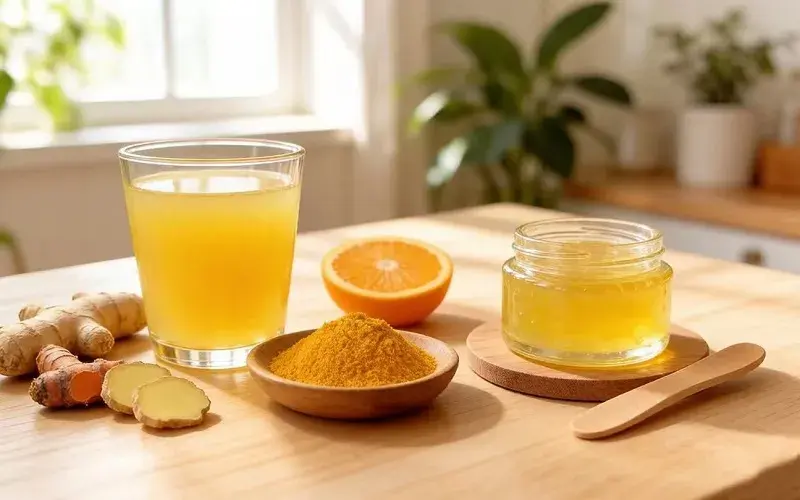
The most immediate distinction lies in active ingredient concentration. 95% curcumin extract delivers 950mg of curcuminoids per gram of powder, with typical HPLC profiles showing 75-82% curcumin, 15-20% demethoxycurcumin, and 3-5% bisdemethoxycurcumin. This ratio consistency matters for formulators targeting specific biological activities, as the three curcuminoid analogs exhibit differential antioxidant and anti-inflammatory potencies.
Water-soluble formulations sacrifice this concentration for improved delivery. A typical water-dispersible curcumin powder might contain only 200mg of actual curcuminoids per gram, with the bulk consisting of hydrophilic carriers. Procurement teams must adjust bulk ordering calculations accordingly—achieving the same active dosage requires five times the ingredient weight—though this disadvantage is offset by superior absorption kinetics.
Bioavailability and Absorption Dynamics
Native Curcumin 95% has shown absorption issues. Systemic exposure after oral treatment is minimal due to poor membrane permeability and fast glucuronidation in the intestinal and hepatic organs. Clinical pharmacokinetics suggest that even a 12-gram dosage of normal curcumin yields hardly detectable levels in the blood plasma of many patients. This constraint forces the B2B supplement market to focus on techniques to improve bioavailability.
The best method is to combine the extract with piperine, an alkaloid found in black pepper extract. The addition of just 1% piperine increases curcumin bioavailability by up to 2000% by suppressing glucuronidation pathways. Alternatively, formulators use lipid-based delivery methods, like phytosome complexes with phosphatidylcholine or self-emulsifying pharmaceutical delivery systems, to enhance lymphatic absorption and avoid first-pass metabolism.
Water-soluble curcumin overcomes these obstacles by decreasing particle size and modifying the surface. Nano-emulsions with droplet sizes < 100nm greatly improve surface area for intestinal absorption, while cyclodextrin complexes shield curcuminoid molecules from premature breakdown in gastric settings. Controlled experiments show the water-soluble versions reach therapeutic plasma concentrations at doses 10-20 times lower than the conventional extracts.
Formulation Compatibility and Application Range
Curcumin 95% is well suited for use in a lipid matrix. Encapsulation of curcuminoids in softgels, including medium-chain triglycerides or olive oil, yields stable delivery methods that preserve curcuminoids from oxidative degradation and enhance absorption via fat-soluble channels. The choice of binders and disintegrants is crucial in tablet formulation, since the propensity of the powder to aggregate may adversely affect the dissolving characteristics. The extract incorporates easily into oil phases of cosmeceutical serums; however, emulsification skill is required to avoid phase separation in creams and lotions.
The bright yellow-orange colouring of the substance has a dual role. It is used as the natural colourant E100 and offers clean-label alternatives to synthetic colours for baked goods, dairy products, and confections. It is permitted for use in both the EU (EC 1333/2008) and US (21 CFR 73.600) regulations; however, formulators need to be aware of its pH-dependent colour transitions from yellow under acidic circumstances to reddish-brown above pH 7.5.
Water-soluble curcumin opens up uses previously impossible. Transparent sports drinks and ready-to-drink wellness shots, as well as transparent gel capsules, become possible without the clouding or sedimentation problems associated with conventional extracts. The method also enhances topical formulations by addressing the well-known staining issue that renders regular curcumin unsuitable for leave-on face serums. Also, some producers are using tetrahydrocurcumin, a colourless metabolite of curcumin, in high-end skincare products for the anti-aging and brightening categories.
Quality Assurance and Regulatory Compliance
The strictest quality control distinguishes Premium Curcumin 95% from substandard products on the market. The COA documentation must include HPLC chromatograms demonstrating resolution of individual curcuminoid peaks, heavy metal screening for lead, arsenic, cadmium, and mercury (California Prop 65 thresholds require < 0.5 ppm lead), and microbiological testing confirming total plate counts below 10,000 CFU/g and no pathogens such as Salmonella and E. coli.
With the introduction of cheaper synthetic curcumin in the supply chains, certification of authenticity has become a crucial need. Synthetic forms, although chemically the same, fail C14 isotope tests that indicate the carbon is from recently photosynthesised sources and not from petroleum feedstocks. We recommend that B2B customers supplying premium brands or EU markets with strict natural ingredient criteria should insist on C14 certification with each batch.
Water-soluble compounds bring extra testing needs. Particle size distribution analysis assures that the nano-emulsions have constant droplet sizes from batch to batch, since differences in this parameter directly impact bioavailability. Functional effectiveness is confirmed by solubility tests in appropriate pH settings (gastric acid pH 1.2, intestine pH 6.8). Accelerated stability tests as per ICH recommendations support shelf-life claims, which is especially relevant since surfactant-based solutions may undergo phase separation or oxidation more rapidly than dry crystalline powders.
Evaluating the Benefits and Use Cases for B2B Buyers

Health Benefits and Biological Activity
Curcumin 95% and its water-soluble forms nevertheless have the anti-inflammatory and antioxidant qualities consumers want. Mechanisms include suppression of transcription factors like NF-kappa B, modification of the activity of the enzyme cyclooxygenase-2, and direct scavenging of free radicals. These biological actions result in advertised advantages for joint health, cognitive support, cardiovascular wellness, and a good inflammatory response.
The practical difference is effective translation for B2B buyers. If a supplement company uses a standard extract, it has to manufacture at larger doses – generally 500- 1500 mg per serving – to account for the low absorption, understanding that most of the active substance would simply pass through the gut unabsorbed. This method is still economically feasible since the raw materials are cheaper per kilogram and consumers are used to high milligram dose promises.
Brands that market their goods on bioavailability and quick action favour water-soluble versions. Clinical substantiation becomes easier when investigations of plasma concentration reveal meaningful quantities of curcumin after dosage. Marketing narratives may highlight lower dose sizes and speedier onset, appealing to customers who are sceptical about the efficacy of conventional turmeric supplements. A premium price is commanded here to justify the increased ingredient cost.
Industrial Applications Across Sectors
The greatest market for both types is the nutraceutical industry. 95% curcumin extract is often mixed with Boswellia serrata extract, ginger root, and glucosamine in joint health supplements, forming synergistic mixtures that act on many inflammatory pathways. Cognitive health products team up curcumin with omega-3 fatty acids and phosphatidylserine. The pairing targets neuroinflammation and blood-brain barrier penetration. OEM partners may provide bespoke mixing, encapsulation, and stability testing services for these complicated compositions.
Water-soluble curcumin technology is rapidly being used in functional food and beverage applications. Golden milk powders, turmeric lattes, and health shots are capitalising on the ingredient’s propensity to spread uniformly without settling or floating. The clean-label appeal resonates with consumers looking for an alternative to synthetic ingredients, although formulators need to be conscious of the flavour profile of the component, which is earthy, somewhat bitter, and pungent, and work to counteract this with complementing flavouring systems.
Cosmeceutical uses take advantage of curcumin’s ability to inhibit tyrosinase for brightening serums and even-tone creams. Concentrations are usually 0.1% to 1% in final formulations, where the substance acts with niacinamide, kojic acid, or arbutin. UV photodegradation is a problem and has to be formulated with wide-spectrum sunscreens and antioxidant stabilisers like vitamin E. Specialised curcumin derivatives with improved stability characteristics are high-value clients of premium brands in Asian markets.
Cost Analysis and Supply Chain Considerations
Curcumin 95% raw material price depends on origin, extraction process, and quality grade. Indian vendors often offer FOB rates between $45 and $85 per kilogram for USP quality material in 25kg drums, with reductions for multi-ton orders. While it's cheaper to start working with Chinese manufacturers, such suppliers need to be thoroughly vetted for synthetic replacement and heavy metal pollution, especially considering the legacy soil problems in certain places.
Water-soluble curcumin is a luxury product, usually priced at 2.5 to 4 times the price of the regular extract per kilogram. The discrepancy becomes less when computed per milligram of active curcuminoid, although it is still greater in total. These chemicals are suited for premium product lines with an acceptable margin structure since the value proposition is based on effectiveness and not cost.
There are a number of elements to consider in supply chain risk management. High-grade powder is stable for 36 months, enabling strategic inventory build-up during favourable price times and avoiding susceptibility to cyclical harvest changes in India’s turmeric belt. Water-soluble formulations with shorter stability windows are followed more closely and turn over quicker. Geopolitical factors point to a dual sourcing strategy and enough safety stock.
How to Choose Between Curcumin 95% and Water-Soluble Curcumin?
Decision Framework by Business Model
Distributors serving diverse downstream customers benefit from stocking both forms. Curcumin 95% satisfies bulk buyers prioritizing cost-efficiency and traditional high-dose formulations, while water-soluble options address innovation-focused brands developing next-generation products. The ability to offer rapid sampling—1kg trial quantities delivered within 3-5 days—facilitates customer formulation development and shortens sales cycles.
Contract manufacturers and OEM partners should evaluate client portfolio composition. Projects targeting mass-market channels with aggressive retail price points naturally gravitate toward standard extracts paired with piperine enhancement. Premium private-label clients seeking differentiation through bioavailability claims justify investment in water-soluble technology and the supporting clinical documentation.
Supplement brand owners must align ingredient selection with positioning strategy. Products marketed through practitioner channels to informed consumers can succeed with properly enhanced Curcumin 95% formulations supported by transparent third-party testing results. Direct-to-consumer brands competing in crowded digital marketplaces may require the performance differentiation and marketing story that water-soluble forms provide.
Technical Capabilities and Formulation Support
Supplier selection extends beyond price comparison to encompass technical partnership capabilities. Complex formulas combining curcumin with multiple botanical extracts require expertise in addressing potential interactions—pH incompatibilities, moisture-sensitive ingredient degradation, or color interference. The ability to provide stability testing data under accelerated conditions (40°C/75% RH for 6 months) de-risks product development and speeds time to market.
Bioavailability enhancement solutions represent a key differentiator among Curcumin 95% suppliers. Beyond basic piperine co-formulation, advanced partners offer phospholipid complex technology that creates curcumin-phosphatidylcholine conjugates with proven absorption improvements. Nano-emulsion and liposomal delivery systems require specialized equipment and process knowledge that only sophisticated manufacturers possess. Procurement teams should request pilot batch production and analytical testing results demonstrating consistent particle size distribution.
Regulatory documentation support proves critical when entering regulated markets. Comprehensive COA packages including HPLC chromatograms with peak identification, multi-element ICP-MS metal screening, residual solvent analysis, and pesticide residue testing by GC-MS/LC-MS streamline ingredient qualification. Suppliers maintaining FDA registration, HACCP implementation, and ISO 9001 certification demonstrate manufacturing quality systems aligned with pharmaceutical-grade expectations.
Customization and Packaging Flexibility
The ability to accommodate varied order quantities differentiates responsive suppliers from rigid commodity traders. Emerging brands require flexible minimums—perhaps 100kg initial orders with scalability to multi-ton volumes as products gain traction. Established buyers value consolidated shipping of varied pack sizes, from 1kg foil bags for R&D through 25kg fiber drums for production.
Custom packaging options extend beyond basic containers to include desiccant integration, nitrogen flushing for oxygen-sensitive formulations, and inner bag materials optimized for powder flow characteristics. Some applications benefit from micronized grades passing 200 mesh for improved dispersion, while others require specific bulk density ranges to match existing volumetric filling equipment.
Private-label and white-label arrangements represent significant opportunities in mature supplement markets. End-to-end OEM services spanning formula development, stability testing, regulatory filing support, and finished product packaging allow brands to launch without capital investment in manufacturing infrastructure. These partnerships require mutual NDA execution to protect proprietary formulations and robust quality agreements.
Working with Trusted Curcumin Suppliers: What B2B Clients Should Know
Critical Supplier Qualifications
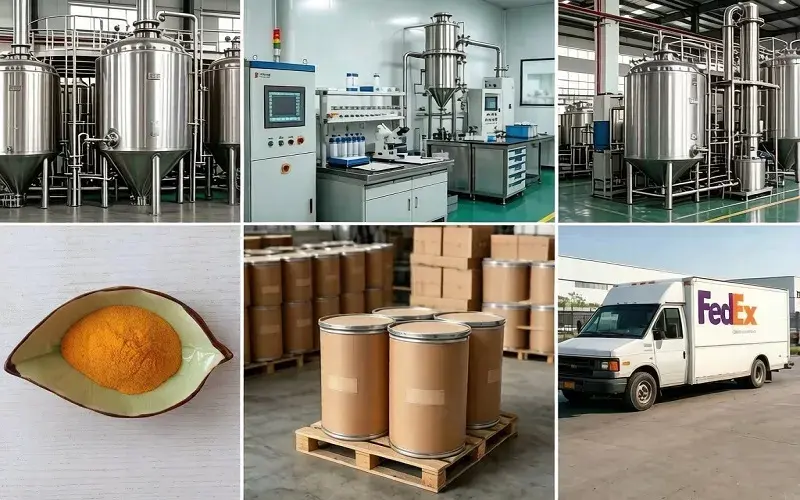
Manufacturing certifications provide baseline assurance of systematic quality management. GMP certification specific to dietary supplement or pharmaceutical production indicates facility design, process controls, and documentation practices meeting international standards. Organic certification from USDA, EU, or equivalent bodies becomes essential when targeting natural and organic product lines, requiring verified organic turmeric sourcing and compliant extraction methods.
Third-party testing programs offer additional validation layers. Suppliers participating in programs like Informed Choice or NSF Certified for Sport demonstrate willingness to undergo unannounced facility inspections and batch testing for banned substances—critical for brands serving athletic markets. Testing for glyphosate residues has become increasingly important following consumer concern about pesticide contamination in botanical ingredients.
Transparency regarding sourcing origins allows buyers to conduct due diligence on agricultural practices and social responsibility. India's turmeric production concentrates in Telangana, Tamil Nadu, and Maharashtra states, each with characteristic soil profiles affecting heavy metal baseline levels. Suppliers maintaining direct relationships with farmer cooperatives can provide greater traceability than those sourcing through multi-tiered commodity markets.
Communication and Partnership Dynamics
Technical responsiveness separates transactional suppliers from strategic partners. The ability to discuss formulation challenges with qualified food scientists or pharmaceutical development specialists adds value beyond commodity pricing. Questions regarding curcumin stability in specific pH ranges, compatibility with particular excipients, or dissolution enhancement strategies should elicit detailed, technically sound responses supported by experimental data.
Sample availability and turnaround speed enable efficient product development cycles. Procurement of 1kg research samples within 48 hours for domestic shipments or 5-7 days for international delivery allows formulators to maintain development momentum. Complementary analytical testing on samples—providing HPLC verification of curcuminoid content or particle size analysis—builds confidence before commitment to larger purchases.
Flexible ordering terms adapt to business realities. Payment options spanning T/T, L/C, and, for established relationships, extended payment terms align with cash flow management needs. Consolidated shipping across multiple ingredients from suppliers offering broad botanical extract portfolios reduces logistics complexity and freight costs.
Hisy's Commitment to Quality and Partnership
Since 2008, Shaanxi Hisy Biotechnology has built our reputation on delivering pharmaceutical-grade botanical extracts that meet the exacting standards of global markets. Our Curcumin 95% undergoes comprehensive quality verification, including HPLC potency analysis, C14 isotope authentication, and California Prop 65 compliance testing, ensuring you receive genuinely natural, high-purity material. With FDA registration, HACCP implementation, and ISO certification, our manufacturing systems align with international standards while maintaining the flexibility required for custom formulation development.
We recognize that successful B2B partnerships extend beyond simple transactions to encompass technical collaboration and responsive service. Whether you require rapid 1kg sampling for R&D projects, custom complex formulas combining curcumin with complementary botanical extracts, or bulk container quantities with consistent batch-to-batch profiles, our team provides the expertise and capacity to support your objectives. The extended 36-month shelf life of our curcumin extract delivers tangible inventory management advantages, while our experience serving clients across 40+ countries ensures smooth customs clearance and reliable logistics.
Conclusion
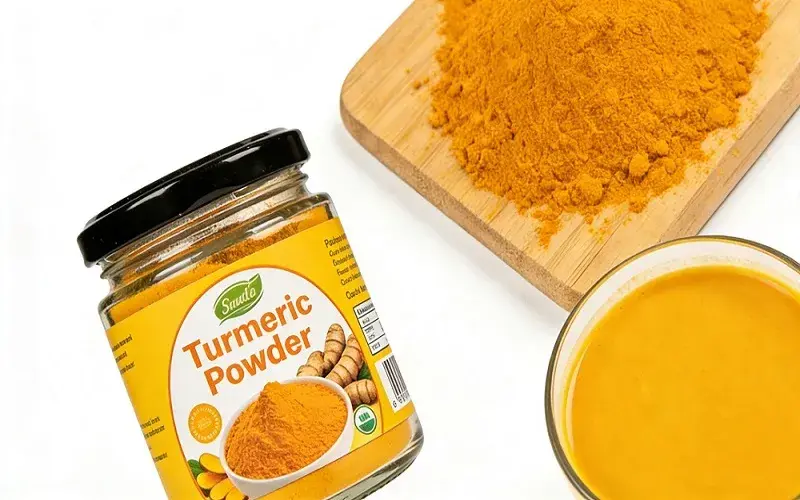
The choice of water-soluble curcumin or Curcumin 95% is a matter of strategic positioning, target market needs, and formulation needs. Standard extract is the ultimate in purity, affordability, and adaptability for use in supplements, food, and cosmetics, especially in combination with established bioavailability enhancers such as piperine or lipid delivery methods. Water-soluble formulations address special technological constraints in beverage applications and consumer groups preferring quick absorption and lower serving sizes, justifying their premium cost via established pharmacokinetic benefits. Successful procurement strategies generally include both kinds, aligning constituent attributes to product positioning while maintaining high-quality requirements via approved vendors.
FAQ
1. What dosage differences exist between Curcumin 95% and water-soluble curcumin?
Standard Curcumin 95% formulations typically provide 500- 1500 mg per serving to compensate for limited bioavailability, while water-soluble versions achieve comparable plasma concentrations at 50- 150 mg dosages due to enhanced absorption. The optimal amount depends on specific health applications and delivery systems.
2. Can Curcumin 95% cause side effects or quality concerns?
Curcumin demonstrates excellent safety profiles in clinical trials at dosages up to 12 grams daily, with occasional mild gastrointestinal effects reported at very high intakes. Quality concerns center on synthetic substitution and heavy metal contamination, making C14 verification and California Prop 65 compliance essential screening tools for Curcumin 95% material.
3. How can buyers verify authentic natural origin?
C14 isotope dating conclusively differentiates plant-derived curcumin from petrochemical synthesis by measuring carbon-14 ratios consistent with recent photosynthesis. Reputable suppliers provide batch-specific C14 certificates from accredited laboratories. Additional authentication involves HPLC fingerprinting, comparing curcuminoid ratio patterns against reference standards.
Partner with Hisy for Premium Curcumin 95% Supply
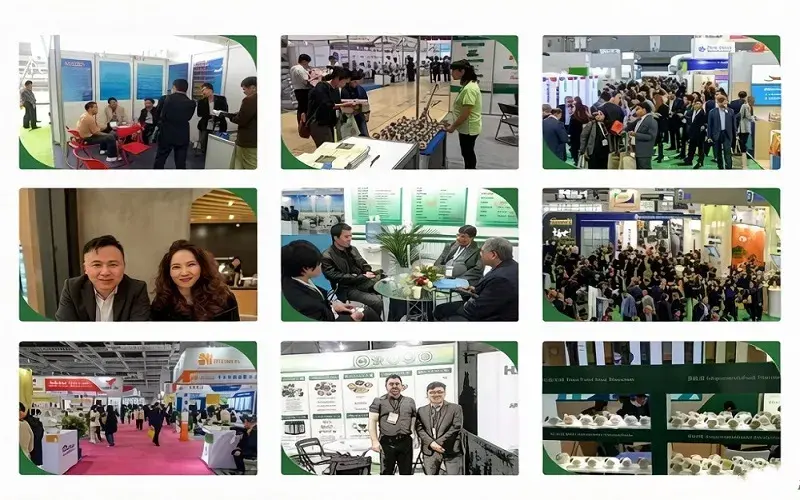
Your search for a reliable Curcumin 95% supplier ends with partnering with manufacturers who understand both the science and business of botanical extracts. Hisy combines pharmaceutical-grade production with flexible commercial terms tailored to your procurement needs, whether you're sourcing bulk material for distribution, developing custom formulations for private label clients, or seeking technical solutions to complex bioavailability challenges.
We invite you to experience the Hisy difference through complimentary sampling and technical consultation. Request your free 1kg evaluation sample and detailed quotation by contacting our team at sales@hisybio.com. Our specialists will discuss your specific requirements, provide formulation recommendations, and demonstrate how our comprehensive compliance documentation—including HPLC analysis, C14 verification, and Prop 65 testing—streamlines your ingredient qualification process. Discover why leading supplement brands, functional food manufacturers, and cosmeceutical companies across North America, Europe, and Asia-Pacific trust Hisy as their Curcumin 95% manufacturer for consistent quality, responsive service, and competitive pricing.
References
1. Aggarwal BB, Harikumar KB. Potential therapeutic effects of curcumin and its role in drug delivery systems. International Journal of Biochemistry and Cell Biology. 2009;41(1):40-59.
2. Hewlings SJ, Kalman DS. Curcumin: A review of its effects on human health. Foods. 2017;6(10):92.
3. Nelson KM, Dahlin JL, Bisson J, Graham J, Pauli GF, Walters MA. The essential medicinal chemistry of curcumin. Journal of Medicinal Chemistry. 2017;60(5):1620-1637.
4. Prasad S, Gupta SC, Tyagi AK, Aggarwal BB. Curcumin: A component of golden spice - from farm to pharmacy. BioFactors. 2014;40(1):41-48.
5. Schiborr C, Kocher A, Behnam D, Jandasek J, Toelstede S, Frank J. The oral bioavailability of curcumin from micronized powder and liquid micelles is significantly increased in healthy humans and differs between sexes. Molecular Nutrition and Food Research. 2014;58(3):516-527.
6. Stohs SJ, Chen O, Ray SD, Ji J, Bucci LR, Preuss HG. Highly bioavailable forms of curcumin and promising avenues for curcumin-based research and application. Journal of the American College of Nutrition. 2020;39(2):1-13.