

_1752718207094.png)

How are total triterpenes extracted from Centella asiatica
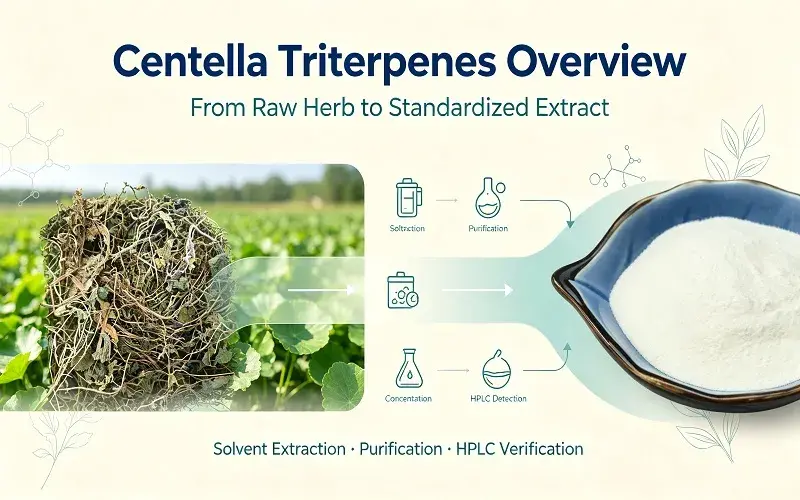
Total triterpenes from Centella asiatica are extracted primarily through solvent-based methods, including ethanol extraction, water extraction, and advanced supercritical CO2 technology. These saponin-rich compounds undergo systematic processes: raw material selection, purification, concentration, and standardization to achieve pharmaceutical-grade potency. Modern extraction techniques prioritize batch consistency, maintaining precise triterpene profiles while eliminating solvent residues and contaminants. The result is standardized extracts typically ranging from 40% to 80% total triterpene content, verified through HPLC analysis to ensure reliable bioactive compound delivery for nutraceutical and cosmetic applications.
Challenges in Extracting Total Triterpenes from Centella asiatica
Plant Matrix Complexity
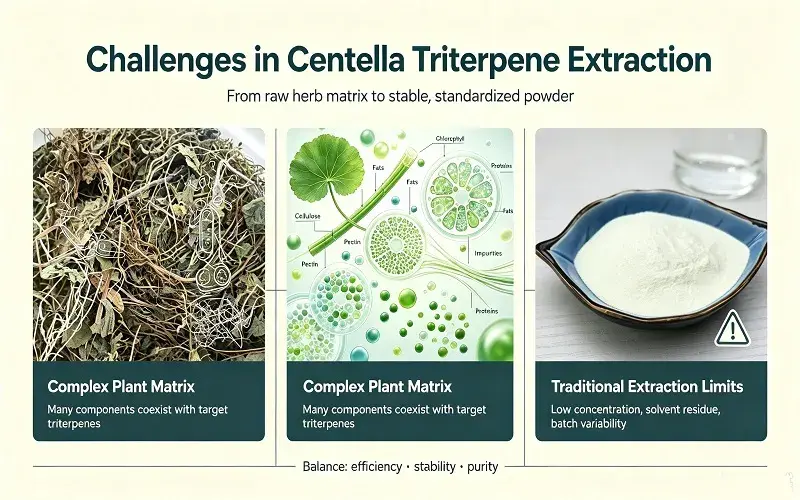
There are lots of cellulose, lignin, and pectin networks in Centella asiatica roots. These networks physically trap Total saponins from Centella asiatica and triterpene molecules inside cell spaces. This complicated structure makes it hard for mass to move during extraction, so you need enough contact time and the right solvent systems to get all the compounds out. When polysaccharides, proteins, and pigments are co-extracted, they can make cleaning even harder because they can affect the stability of the end product and the processing that comes after.
Compound Stability Concerns
Triterpene glycosides have stability patterns that change depending on the pH. If the pH level is higher than 9, it breaks down glycosidic bonds, turning pharmaceutically active glycosides into less powerful aglycones. Managing the temperature is also very important, because long-term contact above 80°C starts the reactive breakdown of the pentacyclic ring structure, which lowers the bioactivity. Because of these stability limits, processors have to find a balance between how well compounds are extracted and how well they are preserved. This is a problem that traditional hot water extraction methods don't always solve well.
Limitations of Conventional Methods
Traditional water extraction is cheap, but it makes solutions that are too weak and need a lot of steps to concentrate them, which use a lot of energy. Ethanol extraction makes it easier to find lipophilic triterpenes, but it also makes it more likely that the solvent will leave behind harmful chemicals that make it harder to get regulatory approval for food-grade uses. A case study from a North American supplement maker showed that switching from 70% ethanol extraction to supercritical CO2 cut batch rejection rates from 18% to less than 3%. This shows that the method of extraction has a direct effect on how well the product can be sold and how consistently good it is.
Modern Extraction Methods for Total Triterpenes
Comparative Technology Assessment
Ultrasonic-assisted extraction uses high-frequency sound waves to break down cell walls. This cuts the time it takes to remove triterpenes from 6 to 8 hours to 45 to 90 minutes while keeping their structure. Through selective dielectric heating, microwave-assisted methods also increase performance, but the equipment costs are still 40–60% higher than those of traditional systems. The best technology is supercritical CO2 extraction, which works at temperatures close to 40°C and pressures above 74 bar to make a fluid state with the solvating power of a liquid and the diffusivity of a gas.
Because supercritical CO2 technology is better for the environment, companies that want to sell their goods in Europe and North America, where consumers prefer clean labels, have started to use it. Concerns about residue are completely eliminated by this solvent-free process, which also doesn't produce any toxic waste streams and lets you choose which compounds to remove by changing the pressure and temperature settings. Manufacturers can change the conditions of extraction to get specific subclasses of triterpenes more easily. This lets them make custom profiles that meet the needs of formulators for a variety of therapeutic uses.
Production Workflow and Critical Control Points
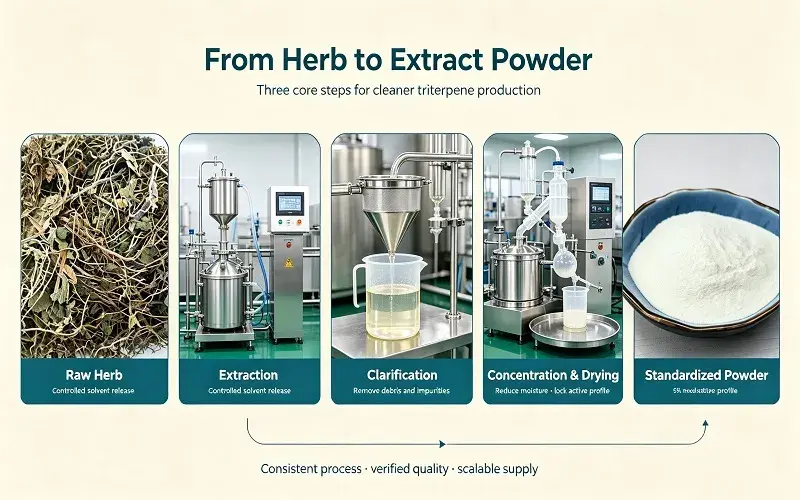
The first step in the extraction process is to prepare the raw materials by washing them, reducing their size to particles no bigger than 20-40 mesh, and adjusting their moisture content to 8–12%. These steps expose the most surface area and improve mass transfer rates during the extraction phases that follow. During the extraction step, the solvent-to-material ratios must be carefully controlled. These ratios are usually 10:1 to 15:1 by weight, and they must be kept at these levels for 2 to 4 hours, depending on the technology used.
Post-extraction processing separates the used material by filtering it and then concentrating it in a vacuum, which keeps the material from breaking down thermally. To get rid of sugars and colors from the concentrated extract while keeping the triterpene compounds, macroporous resin chromatography or membrane filtration is used. Standardization is done by mixing batches to meet specific requirements, which is checked by comparing them to authenticated reference standards using HPLC analysis. The last step, spray-drying, turns liquid concentrates into stable powders with a controlled particle size distribution and less than 5% moisture to make sure they last longer.
Scale Considerations for Different Applications
Laboratory-scale extraction systems that can handle batches of 1 to 5 kg help R&D teams that are making trial recipes. They give them the freedom to change parameters without having to spend a lot of money on materials. Medium-sized businesses that handle 50–200 kg batches can handle contract manufacturing and pilot production runs, giving you a cheap way to test the market before going full-scale. Large factories that process many tons of materials every day meet the needs of well-known brands that need a steady supply of Total saponins from notoginseng to keep up with their production plans. These factories use economies of scale to cut the cost of making one kilogram of materials by 30 to 50 percent compared to smaller ones.
Comparative Analysis: Total Triterpenes vs Similar Compounds
Structural and Functional Distinctions
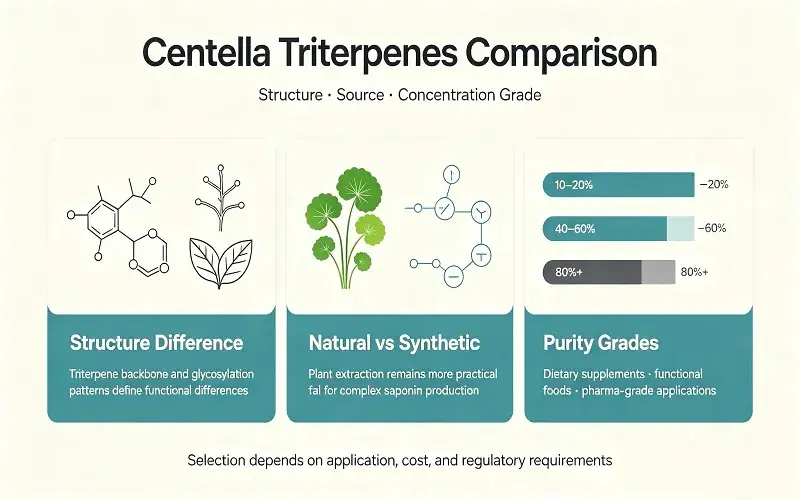
Centella asiatica triterpenes and Centella asiatica ginsenosides both have a dammarane skeleton, but their glycosylation patterns and aglycone structures are very different. Centella asiatica extracts have more R1-type notoginsenosides than ginseng extracts do, and these Centella asiatica have better effects on stopping bleeding and protecting the heart and blood vessels than Rb1-type notoginsenosides. This difference in structure leads to different medical uses. Centella asiaticais mostly used to improve circulation and help people recover from injuries, while ginseng is used to boost memory and change the immune system.
Centella asiatica extracts are a different source of triterpenes that are mostly made up of ursane-type chemicals like asiaticoside and madecassoside. Because these molecules are so good at healing wounds and making collagen, they are often used as ingredients in cosmetics, especially to reduce scars and slow down the aging process. The lipophilic nature of Centella triterpenes makes them better at penetrating the skin barrier than the more polar notoginseng saponins. This changes how products are made and how well they are supposed to work in different categories.
Organic Versus Synthetic Considerations
Triterpene saponins have a complicated structure with many chiral centers and glycosidic links, which makes manufacturing too expensive for large-scale use. To make simple triterpenes for pharmaceutical use right now, it takes 15-20 steps of synthesis, and the overall yield is less than 5%. This is why plant extraction is still the only way to get them for industry. This natural origin helps brands that focus on "plant-based" or "naturally derived" claims in their marketing. This is especially helpful in European markets where buyers are skeptical of manmade ingredients.
Concentration Levels and Quality Grades
There are a lot of different specifications on the market, which shows that the extraction and cleaning levels are very different. Entry-level extracts that are standardized to 10–20% Total Triterpenes are used in dietary supplements that are price-sensitive and where the cost per dose drives the formulation decisions. Mid-level goods with 40–60% concentrations are effective and don't cost too much. They are used in useful foods and regular cosmetics. Pharmaceutical-grade extracts that are more than 80% pure cost 200 to 300 times more than regular extracts, but they work better in medical devices and high-end skin care products, where the quality of the ingredients directly affects how the brand is positioned and how it gets approved by regulators.
Navigating the Procurement Process of Total Triterpenes
Product Form Variations
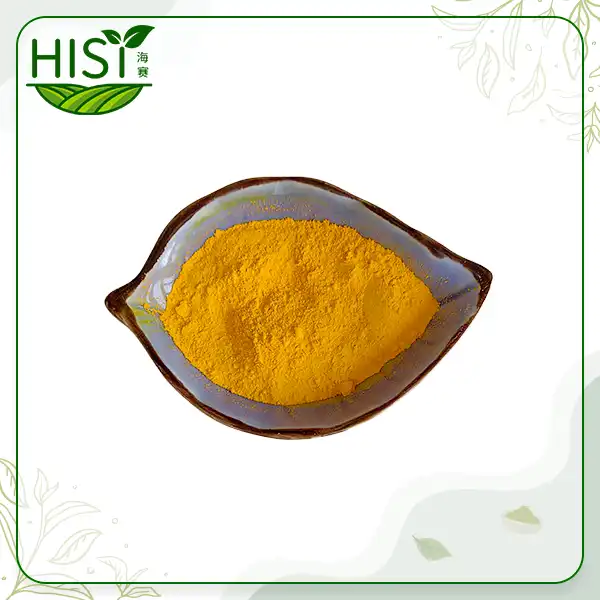
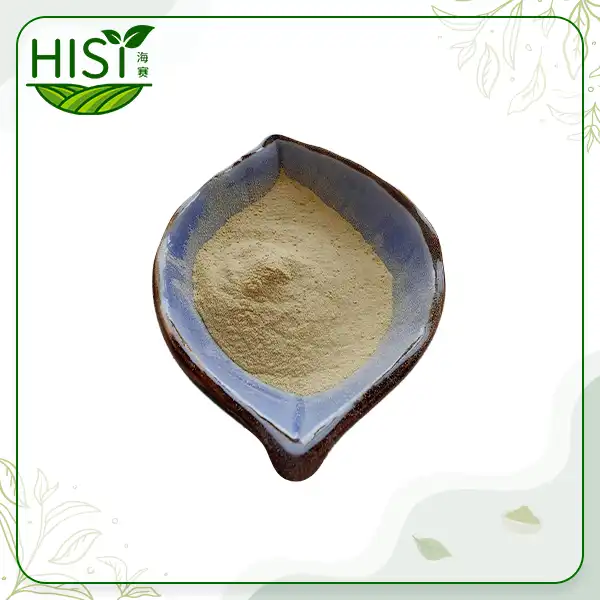
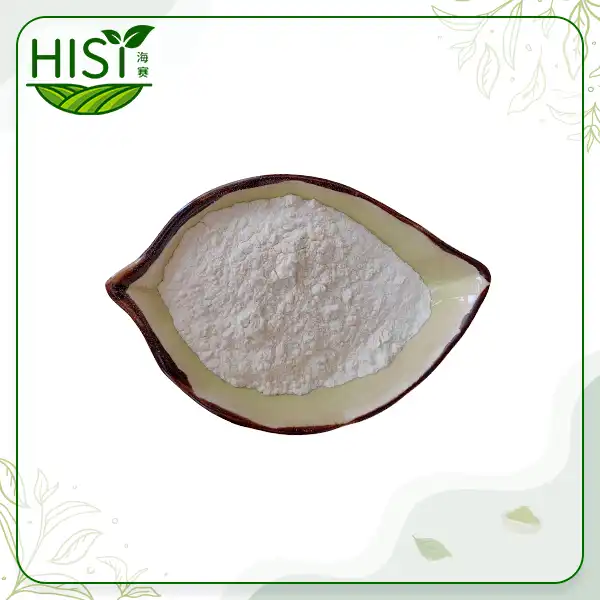
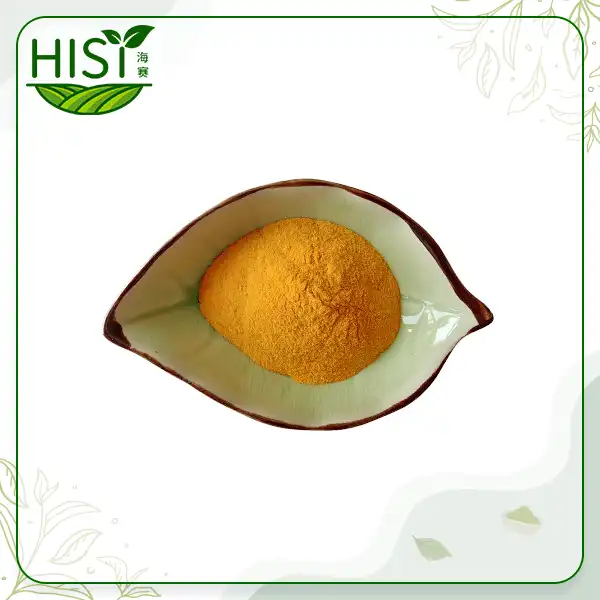
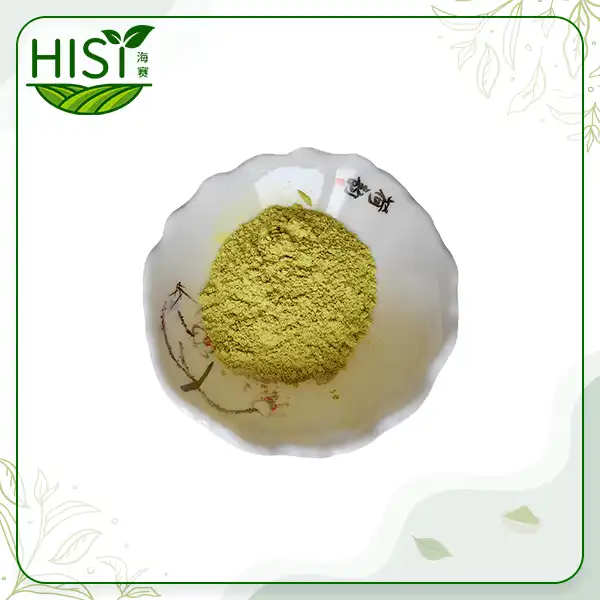
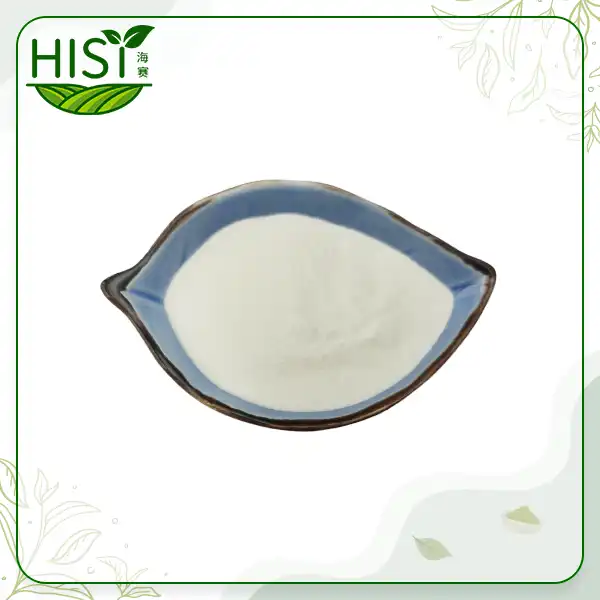
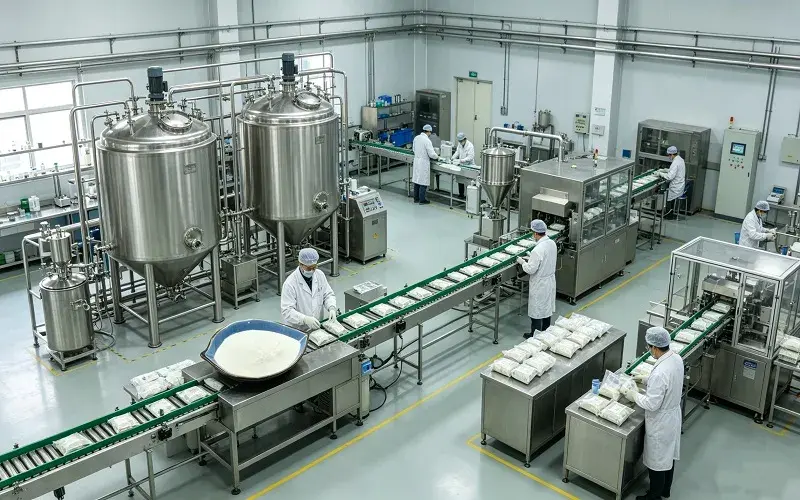
Raw extract powders give formulators the most freedom when it comes to making medicines because they let them choose the final concentrations and mix them with other ingredients in a way that follows their own secret rules. These materials usually come in the form of a fine, light yellow to off-white powder. The particles are usually between 60 and 100 mesh, which makes them easy to mix. Triterpene derivatives that dissolve in water can be made by microencapsulation or complexation with cyclodextrins. These get around the problem of hydrophobicity, which means they can be used in drinks and cosmetics that are water-based and wouldn't work with lipophilic extracts otherwise.
Supplier Evaluation Criteria
The first tier of investigation is the manufacturing licences. For example, FDA registration indicates that a facility is following current Good Manufacturing Practices, and HACCP certification demonstrates that food safety is being handled in an organised fashion. ISO 9001 accreditation for quality management indicates that operational methods are standardised such that variances between batches are kept to a minimum. This is particularly the case for customers looking to establish long-term partnerships with suppliers. Lead times and logistical costs are influenced by geography. The Chinese vendors have the largest manufacturing capability since they have the raw materials close by. Processors in North America and Europe, by contrast, prefer to concentrate on value-added services, such as regulatory paperwork and the production of unique formulations.
Pricing Dynamics and Order Parameters
Prices for bulk items usually start to rise at 25 kg drum orders, 100 kg pallet orders, and full container loads of 500 to 1000 kg. Volume discounts of 15 to 30 percent are given because handling costs go down and production efficiency goes up when batch sizes are bigger. Specifications for quality grades have a big effect on prices. For example, pharmaceutical-grade extracts that are more than 80% pure and come with full testing records are priced two to three times higher than commodity-grade 40% materials. For initial transactions, payment terms usually follow letter of credit agreements. These terms change to net-30 or net-60 terms once supply relationships show a history of consistent quality and on-time delivery.
Conclusion
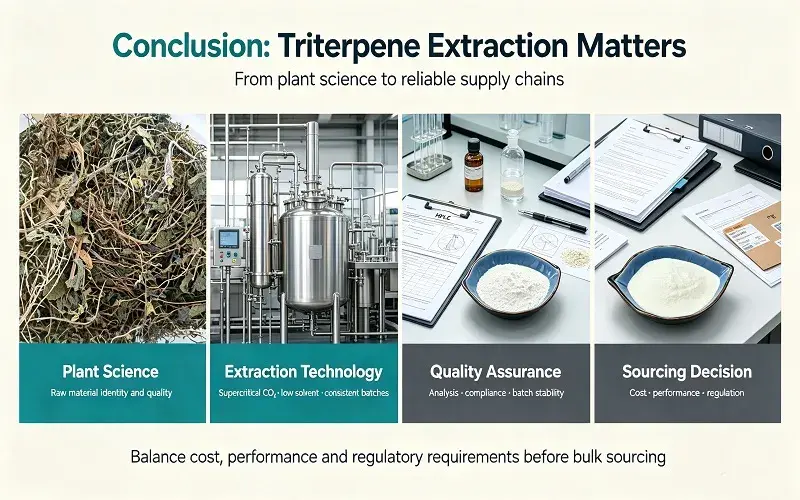
The procedure of extraction of triterpene chemicals from Centella asiatica is a complicated mixture of botanical science, chemical engineering, and quality assurance that has a direct impact on the efficacy of the end product under severe conditions. Modern supercritical CO2 extraction technique is the ideal approach for high-end usage because it enables solvent-free processing, superior batch consistency, and customisable Total Triterpenes profiles that previous methods cannot match. Procurement specialists need to consider more than simply costs when evaluating suppliers. They need to consider their analytical abilities, the infrastructure for regulatory compliance, and technical assistance resources that go beyond just purchasing items. When purchasers understand these principles of extraction and standards of quality, they may make decisions that balance the cost considerations against the performance requirements and regulatory demands that are widespread today in the worldwide markets of botanical ingredients.
FAQ
1. What concentration ranges are achievable through different extraction methods?
After standard purification steps, conventional ethanol extraction usually gives 40–60% of the Total Triterpenes content. When you mix advanced chromatographic purification with supercritical CO2 extraction, you can get purity levels of 80 to 95%. For some marker chemicals, pharmaceutical-grade preparations can even get purity levels above 98%. The maximum concentration depends on the compound profile that is wanted. To get high-purity single triterpenes like asiaticoside, more fractional separation steps are needed, which raises the cost of production by a lot compared to total triterpene extracts that keep the natural compound ratios.
2. How can buyers verify product authenticity?
High-Performance Liquid Chromatography with verified reference standards is the best way to make sure the product is real. It creates unique fingerprint patterns that show if cheaper botanicals or fake fillers have been added. Thin-layer chromatography is a cheap way to do preliminary screening, and more advanced methods like LC-MS/MS can find specific marker compounds at very low levels. Reliable providers give batch-specific HPLC chromatograms instead of general certificates, which lets you compare them to well-known reference databases. Third-party testing by independent labs adds another level of proof, which is especially useful for qualifying a provider for the first time or doing regular audits.
3. Are there safety concerns with high-dose triterpene supplementation?
Triterpene saponins have been shown to be safe at normal supplement levels of 100 to 400 mg per day in clinical research. As a result of saponins' surfactant properties, the most common side effect reported was stomach pain at doses higher than 600 mg per day. People who have bleeding disorders should be careful because notoginseng can lower blood platelets. Pregnant women should also avoid taking supplements unless their doctor tells them to. To make sure that finished products are safe for consumers and follow the rules in different markets, companies that make them should do the right chemical tests based on how the products will be used and who they are meant for.
Partner with Hisy for Premium Total Triterpenes Supply
Shaanxi Hisy Biotechnology can help you with formulating and industrial production by providing pharmaceutical-grade Centella asiatica extract that contains at least 80% Total Triterpenes, as shown by HPLC research. Our supercritical CO2 extraction process guarantees purity without any solvents, and our 200 MT annual production capacity across four dedicated lines makes sure that scaling operations always have what they need. With FDA registration, ISO certification, and 18 years of experience extracting plants since 2008, we give clean beauty brands and supplement makers the quality, consistency, and technical support they need. Get a free taste of our 47.23% madecassoside-rich profile today to see how it fits with your next product idea. Get in touch with our purchasing agents at sales@hisybio.com to talk about custom triterpene ratios, regulatory paperwork packages, and flexible MOQ choices that fit your development schedule.
References
1. Chen, X., Zhou, L., & Zhang, Y. (2019). Advances in Extraction Technologies for Panax notoginseng Saponins: A Comprehensive Review. Journal of Pharmaceutical Analysis, 9(4), 243-257.
2. Liu, J., Wang, S., & Sun, B. (2020). Comparative Study of Triterpene Profiles in Panax Species: Chemical Diversity and Pharmacological Implications. Phytochemistry Reviews, 19(2), 371-392.
3. Martinez, R., & Thompson, K. (2021). Supercritical Fluid Extraction of Bioactive Compounds from Medicinal Plants: Process Optimization and Industrial Applications. Critical Reviews in Food Science and Nutrition, 61(8), 1342-1365.
4. Park, S.H., Kim, J.H., & Lee, M.Y. (2018). Quality Control Strategies for Standardized Botanical Extracts in Nutraceutical Manufacturing. Journal of AOAC International, 101(5), 1456-1469.
5. Williamson, E.M., & Lorenc, A. (2022). Triterpene Saponins: Structure-Activity Relationships and Clinical Applications in Dermatology and Wound Healing. British Journal of Pharmacology, 179(6), 1231-1248.
6. Zhang, W., Huang, Q., & Yang, F. (2020). Modern Analytical Techniques for Authentication and Quality Assessment of Panax notoginseng Products: From Traditional Methods to Metabolomics Approaches. Journal of Chromatography A, 1623, 461187.