

_1752718207094.png)

How Does Berberine Sulfate Powder Activate Your Metabolic Switch?
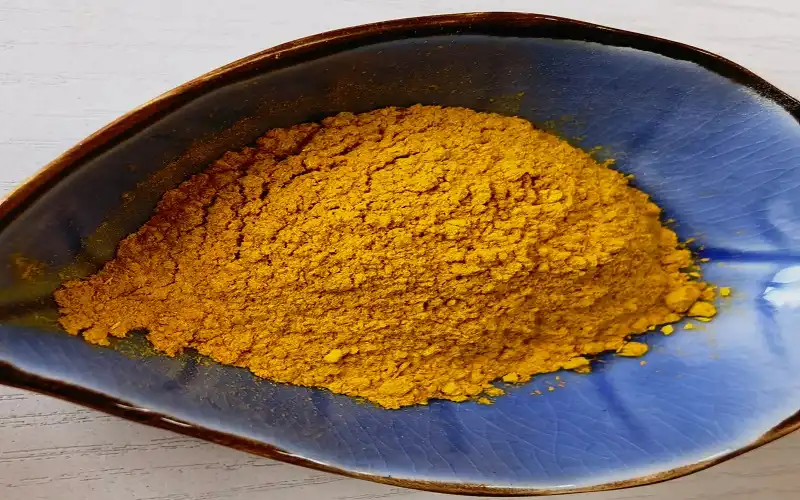
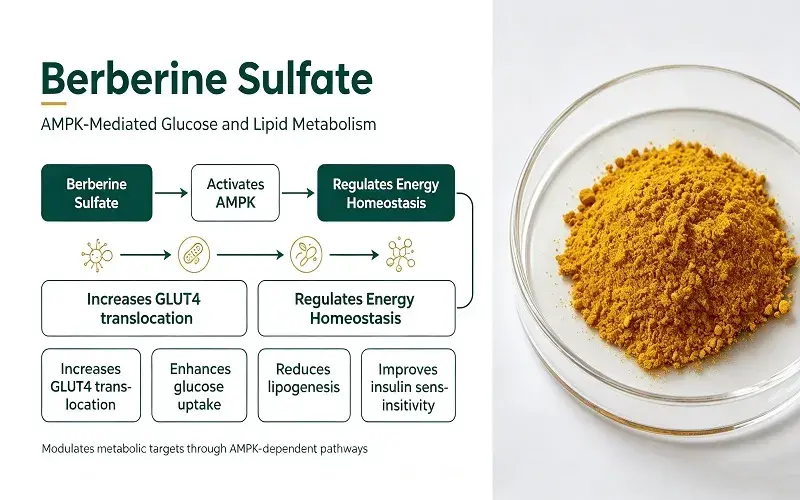
Berberine Sulfate Powder activates your metabolic switch primarily through AMPK (adenosine monophosphate-activated protein kinase) pathway stimulation. This natural alkaloid compound triggers cellular energy sensors that regulate glucose uptake, lipid metabolism, and mitochondrial function. When berberine enters cells, it alters the AMP/ATP ratio, signaling energy depletion. This prompts AMPK activation, which subsequently enhances insulin sensitivity, promotes fatty acid oxidation, and inhibits cholesterol synthesis. The sulfate form offers superior solubility compared to hydrochloride variants, making it particularly effective for liquid formulations and rapid cellular absorption.
Understanding Berberine Sulfate Powder and Its Metabolic Role
The Cellular Mechanism: AMPK Activation Explained
When berberine molecules interact with cellular energy sensors, the metabolic switch is turned on. AMPK is like a fuel gauge that checks the energy level of your cells. It controls your body's metabolism. This enzyme starts a chain of metabolic changes that move the body from storing energy to using it when it is activated. Studies in metabolism journals show that berberine turns on AMPK in a number of ways, such as by slightly blocking mitochondrial complex I. This makes a controlled energy deficit signal.
Within hours, this stimulation has effects that can be measured. Proteins called glucose transporters move to the membranes of cells and improve glucose uptake without insulin. Genes that control fat burning get signals to become more active, while genes that control fat stores get signals to become less active. The substance is special because it can mimic metabolic states caused by exercise without physical action. This makes it especially useful for people with metabolic syndrome.
Insulin Sensitivity and Glucose Metabolism Enhancement
Berberine Sulfate Powder supplements greatly increase the sensitivity of insulin receptors, as shown in clinical trials with people who have diabetes or are at risk of getting diabetes. The molecule lowers insulin resistance by lowering inflammatory cytokines, which get in the way of insulin signals. Studies that compare berberine to metformin, which is the most common diabetes drug, show similar drops in HbA1c over three months. However, berberine has extra effects on lowering lipids that aren't usually seen with metformin alone.
The system has more than one target besides AMPK. Protein tyrosine phosphatase 1B is an enzyme that turns off insulin receptors. Berberine stops it from working. It also changes the make-up of the microbiota in the gut, which increases the number of good bacteria that make short-chain fatty acids, which are also good for metabolic health. For supplement makers, these multiple benefits mean that they can place their products in more areas, such as diabetes control, metabolic health, and heart health.
Dosage Guidelines and Safety Considerations for Commercial Applications
Standard dosing methods in published studies usually use 500 mg to 1500 mg per day, split up into several doses to improve absorption. Because the sulfate form dissolves better than the hydrochloride form, it can be delivered in liquid forms that may be more bioavailable. But makers need to think about gastrointestinal tolerance because bigger doses can sometimes cause short-term stomach pain when first used.
Long-term tests that lasted between six months and a year show that the drug is safe and well tolerated when it is made correctly. The compound has a broad therapeutic index, and in standard dosing ranges, no serious side effects have been reported. Heavy metal contamination is the main quality issue that comes up with raw materials that come from plants. Reliable suppliers use strict testing methods to keep lead levels below 3.0 ppm, arsenic levels below 1.0 ppm, cadmium levels below 1.0 ppm, and mercury levels below 0.1 ppm. This is done through ICP-MS verification and meets California Prop 65 requirements, which are important for the US market.
Comparing Berberine Sulfate Powder with Alternative Berberine Forms
Chemical Composition and Solubility Differences
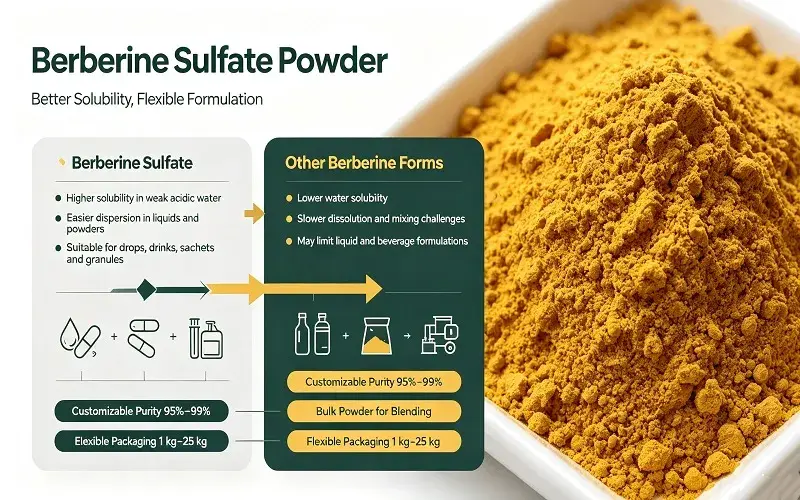
The main difference between sulfate and hydrochloride is the makeup of their counter-ions, which has a big effect on how well they dissolve. Berberine hydrochloride doesn't mix well with water, especially in neutral pH environments. This makes it hard to make liquid supplements, drinks, and powder blends that dissolve in water. The sulfate form dissolves better in slightly acidic water solutions, which speeds up the dispersion process and makes it easier to incorporate into a wide range of product structures.
This edge in solubility also applies to how efficiently things are made. With sulfate variants, there are fewer problems with dissolution in production lines that make liquid concentrates, oral drops, or ready-to-mix powder sachets. Pharmaceutical-grade supplies usually have particles that are 80 meshes in size. This makes sure that the materials can always run through automated filling equipment, which cuts down on production downtime and loss. Temperature stability data shows that the sulfate form keeps its shape through normal granulation processes. This means that it keeps its bioactivity in heat-processed uses like making pelletized animal feed supplements.
Bioavailability and Absorption Profiles
The berberine alkaloid molecules in both the sulfate and hydrochloride forms are the same, but they are absorbed in slightly different ways. Given that the sulfate version dissolves better in water, it may dissolve more quickly in digestive fluids, which could lead to faster absorption. However, berberine is not very bioavailable in the body, no matter what form it is in (salt or powder). Its therapeutic benefits mostly happen in the gut, through processes like changing the bacteria and controlling the intestinal glucose transporter.
On the other hand, this low systemic absorption helps make Berberine Sulfate Powder safe while keeping its effectiveness. The chemical has strong effects on cells and bugs in the gut before it is broken down in the liver and blood levels drop. Instead of just focusing on blood absorption metrics, companies that make products to improve metabolic health should stress these gut-mediated pathways when teaching people about their products. This is because clinical benefits happen even when plasma levels are low.
Manufacturing Flexibility: Powder Versus Finished Forms
Buying raw powder gives B2B buyers who are making their own blends the most formulation freedom. Customizing purity levels between 95 and 99 percent lets different product levels stand out, from low-cost formulations aimed at price-conscious customers to high-end products that focus on maximum potency. This ability to be customized is especially useful for companies that mix Berberine Sulfate Powder with other plants that help the liver, like silymarin, or chromium picolinate, which speeds up the breakdown of glucose.
Powder types can also be used with different delivery methods besides capsules. The sulfate form is perfect for manufacturers who need to use high-solubility ingredients in liquid medicines, effervescent pills, healthy beverage mixes, or sublingual formulas. Custom packaging choices, from 1 kg foil bags for trial production to 25 kg fiber drums for commercial-scale production, allow for flexible minimum order numbers that can be used for testing and different business sizes.
Procurement Insights: How to Source High-Quality Berberine Sulfate Powder
Supplier Certification and Quality Verification Standards
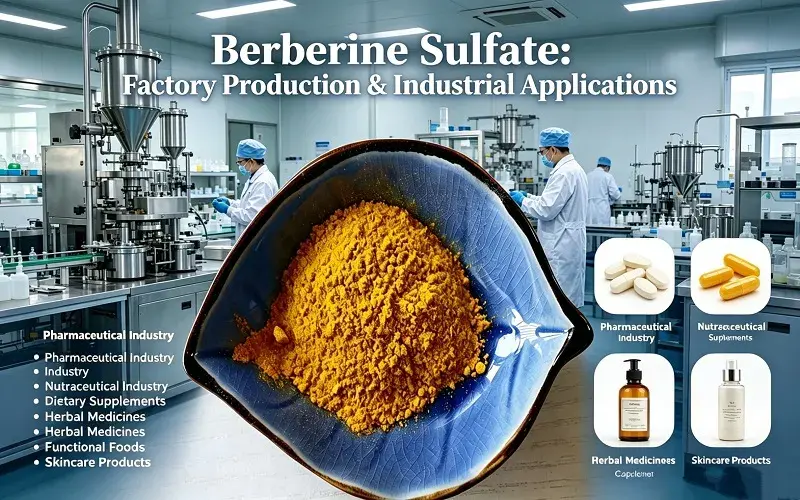
Finding reliable manufacturers starts with certification verification. Registration with the FDA demonstrates that you understand the US market and are willing to obey the laws, but it does not imply approval. HACCP and ISO 9001 certifications indicate food safety measures throughout the manufacturing process and a quality management system, respectively. Suppliers must demonstrate DSHEA compliance for US dietary supplement ingredients. This evidence should incorporate industry-standard identification tests and criteria.
Advanced suppliers conduct extensive analytical testing in addition to basic approvals. After HPLC purity verification showing ≥98% content, chromatographic impurity profiling reveals unknown chemicals that may be adulterants or process pollutants. DNA barcoding verifies Phellodendron amurense source material over cheaper or synthetic analogues, easing plant market authenticity concerns. For pharmaceutical-grade goods, solvent residues must have methanol and ethanol levels below 5000 and 3000 ppm, respectively, according to GC-HS testing.
Supply Chain Logistics and Bulk Purchasing Strategies
You must understand buy minimums and pricing to develop trusted supplier agreements. Many pharmaceutical suppliers want 25 kilograms per batch, the same as drum packing. Sellers that specialise in new brands and product development may be able to manage smaller initial purchases, making it simpler to test multiple formulas without stockpiling. Monthly production capacity is crucial while switching from test to commercial production. Suppliers with 450 kg or more monthly production can support increasing brands without stopping deliveries.
Price negotiations should include purity, testing, and packaging preferences. Customers that need CP2020 compliance, HPLC verification, and comprehensive heavy metal screening may expect to pay more due to the additional quality tests. By committing to a set volume of products every three months, firms can generally secure cheaper pricing and deliver their goods first amid peak demand. Established providers with stock deliver in 4–8 days. Custom purity needs or specialised testing might take 2–3 weeks.
Sample Evaluation and Independent Laboratory Testing
Before placing a substantial purchase, botanical buyers often request samples. For a complete formulation compatibility test, reliable suppliers supply 1 kilogram assessment samples within 3–5 days. Solubility should be tested in specified pH ranges. This is crucial for liquid usage as dissolving behaviour directly impacts product viability. Stability testing in rapid conditions (high temperature and humidity) tells us how long something will endure and how to keep it.
In addition to seller analysis records, third-party laboratory verification adds quality assurance. Blind testing samples at certified analytical labs verifies purity, checks for unlisted compounds, and eliminates typical adulterants. Consistency from batch to batch is a regular issue when obtaining botanical substances; therefore, this additional labour is beneficial when moving suppliers. Set baseline criteria via independent testing to set long-term supply agreement quality standards.
Leveraging Berberine Sulfate Powder for B2B Product Development and Market Advantage
Target Application Categories and Formulation Innovations
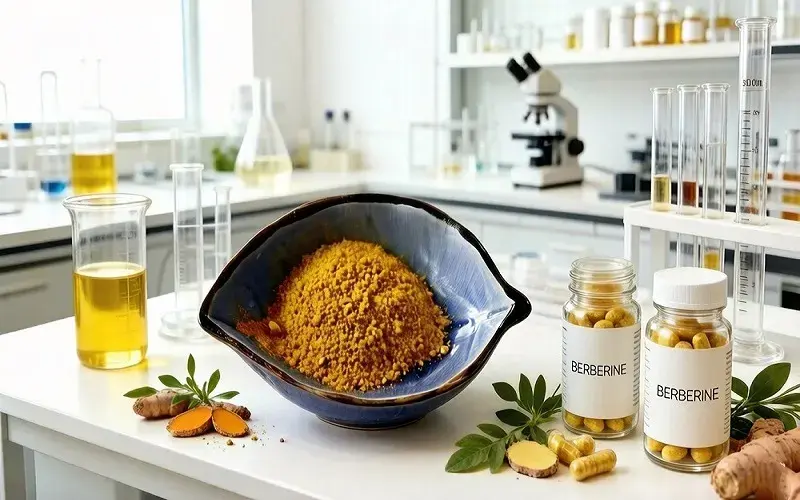
In the metabolic health category, there are several product opportunities where Berberine Sulfate Powder is helpful in clinical studies. The biggest group is blood sugar management supplements, which are used by more and more people with prediabetes and type 2 diabetes who are looking for natural alternatives or extra help with their treatments. Berberine's AMPK activation effects help burn fat and stop new fat from forming, which is used in weight management products. Lipid-lowering qualities are used in cardiovascular support items because studies show that they can significantly lower total cholesterol, LDL cholesterol, and triglycerides.
Innovative companies are making complicated mixtures of berberine and chemicals that work well together. When combined with alpha-lipoic acid, it improves the performance of mitochondria and protects against free radicals. When combined with chromium picolinate, the benefits of improved insulin sensitivity are amplified through different but related processes. Liquid delivery systems that use the sulfate form's better solubility make products stand out in markets where capsules are the norm, appealing to people who like drops, drinks, or sublingual forms.
Regulatory Landscape and Market Entry Considerations
The US market for metabolic supplements is regulated by DSHEA, which means that Berberine Sulfate Powder is considered a food ingredient rather than a drug agent. This set of rules lets companies make structure-function claims about metabolic health without getting FDA approval, as long as they back up their claims and don't say that the products treat diseases. Suppliers who provide full paperwork, such as allergen labels, non-GMO proof, and gluten-free certification, make it easier for finished product makers to follow the rules.
Compliance with California's Prop 65 needs extra attention because the state's strict heavy metal limits affect goods sold all over the US. As long as suppliers confirm that the amounts of lead, arsenic, cadmium, and mercury meet these strict standards, there won't be any expensive product returns or legal problems. As the market moves toward more openness, there is a higher demand for detailed specs that include botanical source proof, extraction methods, and processing conditions. This kind of information helps brands stand out and builds trust with customers.
Building Competitive Advantage Through Supplier Partnerships
Strategic benefits can be gained by choosing suppliers who give more than just low prices. When manufacturers offer R&D help for complicated formula development, stability testing data, and co-formulation expertise, they can get products to market faster with less technical risk. Having access to flexible customization options for purity lets brands make different product lines for different market groups without having to manage relationships with multiple suppliers. Intellectual property is protected by non-disclosure agreements (NDAs) for secret formulas during joint development projects.
As a brand's distribution grows, supply stability becomes more and more important. Suppliers who keep a lot of production capacity on various specialized lines make sure that supplies are distributed during times of high demand and tough competition in the market. Premium providers are different from basic commodity sources because they are closer to customers and offer better foreign shipping, help with customs clearance, and quick customer service. Because of these partnership qualities, small price increases are reasonable because they reduce operational friction, keep supply interruptions to a minimum, and speed up problem resolution.
Conclusion
Scientists have proven that Berberine Sulfate Powder can help with controlling blood sugar, losing weight, and keeping your heart healthy by activating your metabolism through the AMPK pathway. The sulfate form dissolves better than the hydrochloride form, which has unique formulation benefits, especially for liquid supplements and water-soluble delivery systems that serve the growing metabolic health market. Comprehensive seller certification, strict quality checks, and business relationships that go beyond transactional commodity buying are all important parts of successful procurement strategies. As more people look for natural ways to help their metabolism, companies that use high-quality Berberine Sulfate Powder that comes with the right paperwork and consistent specifications can take advantage of market opportunities in North America and around the world for diabetes management, weight loss, and functional foods.
FAQ
1. What is the optimal dosing range for metabolic health benefits?
Clinical studies always use 500 mg to 1500 mg per day, split into two or three doses with meals to get the most absorption and the least amount of stomach upset. Lower amounts, about 500 mg twice a day, work well for entry-level products that aim to support metabolism in general. For people who already have insulin resistance or metabolic syndrome, higher-end products may give 1500 mg every day. Manufacturers should look at the latest regulatory guidance in the markets they want to sell to and put the right information on the labels about talking to healthcare providers.
2. How can buyers be sure that large goods are pure and real?
The first step in verifying is to ask for certificates of analysis that show HPLC purity of 98 percent or more. To make sure the product is real, extra tests like TLC thin-layer chromatography show that it comes from a natural plant and not a lab; DNA barcoding helps find materials that come from Phellodendron amurense, and ICP-MS shows that the levels of lead, arsenic, cadmium, and mercury are safe enough for pharmaceutical use. Testing samples in a lab that is not connected to the seller before buying large amounts gives objective proof that goes beyond what the supplier documents.
3. What advantages does the sulfate form offer compared to hydrochloride?
The sulfate form dissolves much better in slightly acidic water environments, which is important for liquid supplement formulations, beverage applications, and water-soluble powder systems where hydrochloride forms are hard to dissolve. Granulation methods make heat-processed products, like pelletized animal feed supplements, more stable at higher temperatures, which is good for makers. Pharmaceutical-grade sulfate supplies usually have particles that are 80 meshes wide. This makes sure that the powder can flow smoothly through automatic filling equipment, which cuts down on production waste and delays compared to hydrochloride powders that are bigger.
Partner with Hisy for Premium Berberine Sulfate Powder Supply Solutions
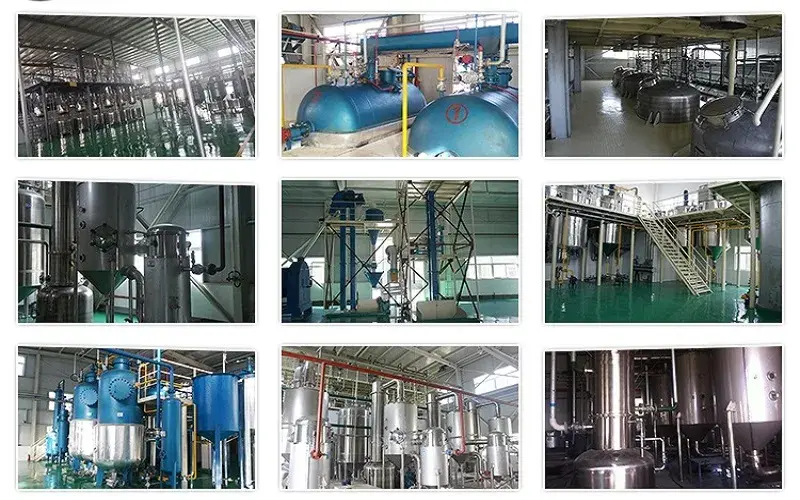
Shaanxi Hisy Biotechnology Co., Ltd. has been a trusted producer of Berberine Sulfate Powder for 18 years, sending pharmaceutical-grade raw materials to businesses around the world that make supplements, functional foods, and nutraceuticals. Our high-quality, ≥98% pure product comes from authenticated Phellodendron amurense bark and goes through strict HPLC testing, heavy metal screening that meets California Prop 65 standards, and full quality verification that meets CP2020 standards. We can produce up to 200 MT per year on dedicated lines, and the quality is the same from batch to batch. This helps us meet your quarterly supply deals and meet your growing output needs.
When you buy something from a business, you want a flexible minimum order quantity (MOQ) that can range from 1 kg for pilot samples to 450 kg for commercial quantities, fast delivery times of 4 to 8 days, and custom purity specifications that match your formulation needs between 95 and 99 percent. Our facility is FDA-registered, HACCP-certified, and ISO-certified. It offers full documentation packages that include allergen statements, botanical identity verification, and stability testing data that are necessary for regulatory compliance and successful product development. For free evaluation samples and to talk about unique sourcing solutions that put your metabolic health goods at a market edge, email our procurement experts at sales@hisybio.com.
References
1. Turner N, Li JY, Gosby A, et al. "Berberine and its more biologically available derivative, dihydroberberine, inhibit mitochondrial respiratory complex I: a mechanism for the action of berberine to activate AMP-activated protein kinase and improve insulin action." Diabetes 57(5): 1414-1418, 2008.
2. Zhang Y, Li X, Zou D, et al. "Treatment of type 2 diabetes and dyslipidemia with the natural plant alkaloid berberine." Journal of Clinical Endocrinology & Metabolism 93(7): 2559-2565, 2008.
3. Yin J, Xing H, Ye J. "Efficacy of berberine in patients with type 2 diabetes mellitus." Metabolism 57(5): 712-717, 2008.
4. Lee YS, Kim WS, Kim KH, et al. "Berberine, a natural plant product, activates AMP-activated protein kinase with beneficial metabolic effects in diabetic and insulin-resistant states." Diabetes 55(8): 2256-2264, 2006.
5. Kong W, Wei J, Abidi P, et al. "Berberine is a novel cholesterol-lowering drug working through a unique mechanism distinct from statins." Nature Medicine 10(12): 1344-1351, 2004.
6. Lan J, Zhao Y, Dong F, et al. "Meta-analysis of the effect and safety of berberine in the treatment of type 2 diabetes mellitus, hyperlipemia and hypertension." Journal of Ethnopharmacology 161: 69-81, 2015.