

_1752718207094.png)

How Does Natural Capsaicin Powder Suppress Appetite Naturally?
Natural Capsaicin Powder suppresses appetite naturally by activating TRPV1 receptors in the digestive tract and hypothalamus, triggering thermogenic pathways that increase energy expenditure and reduce hunger signals. This bioactive capsaicinoid complex stimulates the release of satiety hormones like GLP-1 while simultaneously lowering ghrelin levels, the hunger hormone. When you consume products containing high-purity capsaicin extract, the compound enhances fat oxidation and prolongs gastric emptying time, which contributes to sustained feelings of fullness throughout the day.
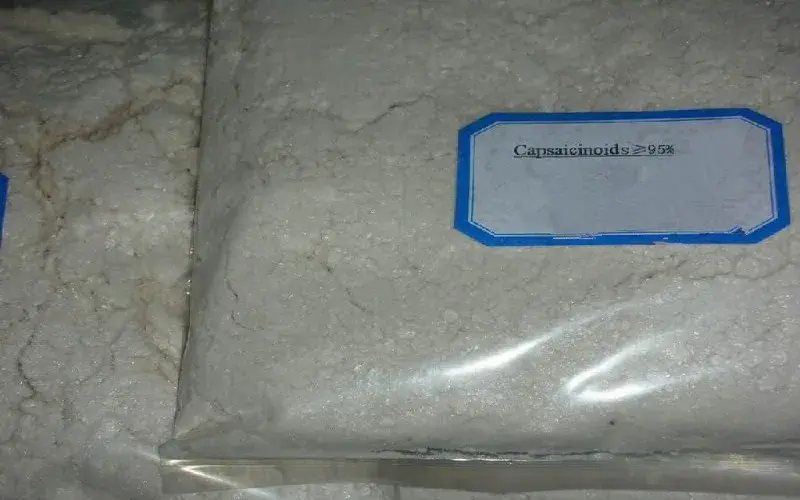
Key Benefits and Uses of Natural Capsaicin Powder in Appetite Control
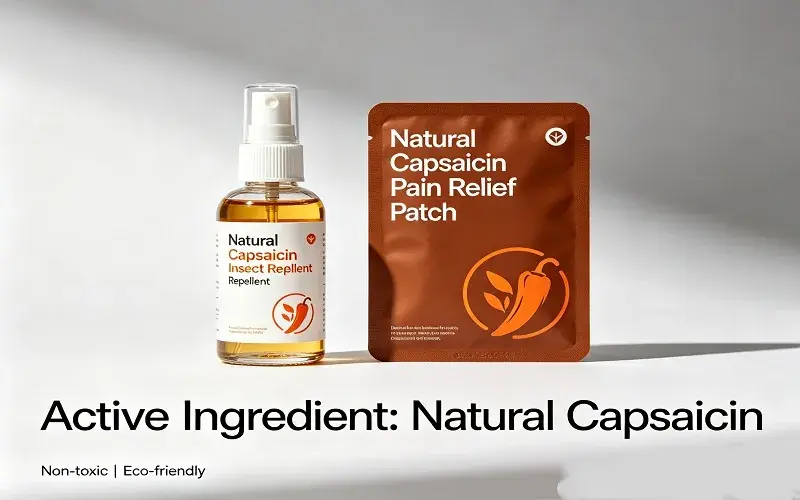
Health Benefits Beyond Hunger Reduction
By stopping the nuclear factor kappa B (NF-κB) pathway, the capsaicinoid complex in Natural Capsaicin Powder lowers inflammation. This lowers signs of systemic inflammation that are connected to metabolic syndrome. This trait helps with weight loss goals since low-grade inflammation that lasts for a long time makes insulin less effective and promotes fat tissue buildup. There are studies that show that taking capsaicin every day is good for your heart because it lowers damaged LDL cholesterol levels and improves vascular function. That's great news that makes holistic health pills even better.
Levels of Substance P drop when painful nerve endings are exposed to capsaicin over and over again. This eases the pain in the nerves. This process mostly helps pain relief products that you put on the skin, like transdermal patches. It also makes it easier to work out while you're trying to lose weight. Users report less delayed-onset muscle soreness, which lets them work out more often. This, along with benefits that make you feel less hungry, speeds up fat loss.
Safe Dosage Recommendations for Product Development
The amount of capsaicinoids in a nutritional supplement dose is generally between 2 and 4 mg. They help control hunger without making stomach problems worse. There is no risk for people who have never taken capsaicin before in this dose range. It will raise your metabolism by 50 to 100 kcal per day. Because they come into direct contact with mucosa, drinks may need to use less (1-2 mg per serve). On the other hand, delayed-release pills can handle higher doses (6–10 mg) because they protect gut cells during the first part of the journey.
Product designers need to think about how the number of TRPV1 receptors a person has and how long they've been desensitized can change how much capsaicin they can handle. Plans that slowly raise the dose help people get used to the thermal effects and lower the number of people who quit because of short-term side effects like flushing or mild nausea. By enclosing substances in lipid structures or enteric coats, you can control the release patterns that make it possible for capsaicinoids to be absorbed over longer periods of time. This makes the body's metabolism work more evenly all day.
Applications in Functional Foods and Supplements
Supplement companies target dieters and sportsmen with thermogenic mixes and pure capsaicinoid powders. Capsaicin is usually combined with caffeine, L-carnitine, and green tea catechins. This boosts metabolism. Pill and tablet components are equally distributed using 80-mesh particles. Prevents concentration hotspots that harm areas.
Capsaicin adheres to fat and doesn't mix with water, making functional drinks difficult. Advanced emulsification creates stable, high-temperature-processable dispersions using modified starches, gum arabic, or polysorbate. Capsaicinoids make energy drinks and RTD teas more enjoyable. These ingredients make you feel full without changing taste or texture, so customers won't buy the drinks.
Snack food companies may add capsaicin to reduce eating. The chemical tastes unpleasant, so people eat less. Protein bars, nut combinations, and extruded snacks with little capsaicinoid heat work well. Changing whole chilli ingredients makes it hard to estimate dose. Only standardised extract pills are available.
Comparative Analysis: Natural Capsaicin Powder Vs Alternatives for Appetite Control
Natural Versus Synthetic Capsaicinoids
Using petrochemical methods, it is possible to make synthetic capsaicin analogs like nonivamide (pelargonic acid vanillylamide) for less money, but it can be hard to tell the difference in goods with clean labels. Capsaicinoid complexes that come from different kinds of Capsicum plants have all the structurally related alkaloids that may work together to have more complicated biological effects than the activity of just one molecule. Carbon-14 isotopic analysis can tell the difference between man-made and plant-based sources, which is important for regulatory transparency and premium marketing.
Because they are better for the earth, natural ways of extracting are becoming more and more common. It is possible to get rid of dangerous liquid waste streams with supercritical CO2 technology. Carbon dioxide can also be collected and used again. Agricultural sources help rural farming communities and keep biodiversity when compared to the production of chemicals in factories. These things fit with companies' attempts to be socially responsible and appeal to people who care about the environment, which is what's making the market grow.
Comparison with Cayenne and Chili Powders
In raw chili powder, there are only 0.1 to 0.3 percent capsaicinoids. It also has a lot of water, cellulose fiber, and carotene pigments, all of which lower the amount of active compounds. For therapeutic amounts, you would need to take gram-level meals, which taste too strong and feel too rough for most uses. Pure capsaicinoid powders are 300–1000 times more dense in active ingredients. This means you can make exact low-dose recipes that still taste good.
When it comes to microbes, whole-plant powders and pure extracts are at very different risks. Things used in farming have bacteria, mold spores, and maybe mycotoxin residues that need to be checked carefully and are often handled with irradiation. Pharmaceutical-grade extraction methods clean the sample several times, which lowers the number of microbes that are present. In this way, items with better bacterial profiles are made that meet the strict requirements for making food additives.
Supplier Quality Benchmarks and Certifications
The best providers in the world use thorough quality documentation methods that set them apart. For food ingredients like Natural Capsaicin Powder, FDA registration means that a facility follows Good Manufacturing Practices (GMP), and HACCP certification means that risks are managed in a planned way during all production steps. There is more proof that the process is always the same and that there are rules for keeping track of things that keep the supply chain honest. These are the ISO 9001 quality management and ISO 22000 food safety standards.
Premium sellers can be told apart from commodity dealers by proof from a third party. According to claims, capsaicinoid levels are backed up by independent lab tests that look for secret man-made ingredients and match levels of heavy metals and pesticides to international standards. Procurement teams can check incoming raw materials without having to pay for extra tests because the COA is open. This cuts down on the time it takes to get new products on the market.
Procurement Insights for Natural Capsaicin Powder in Bulk
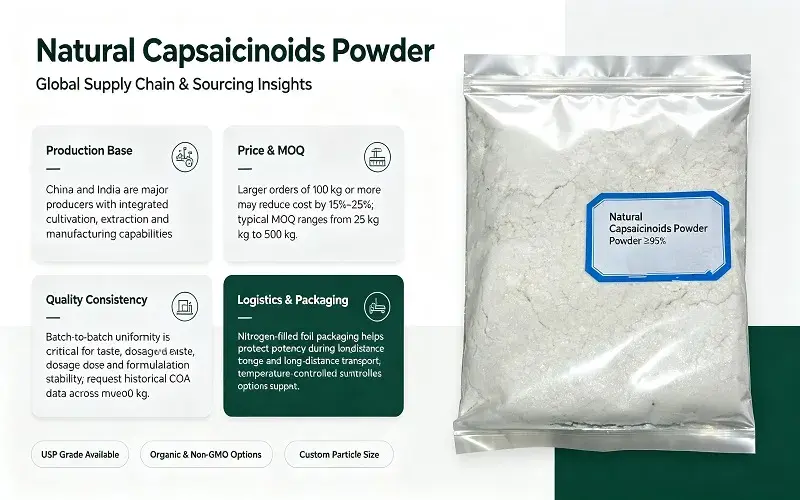
Global Supply Chain and Pricing Dynamics
Most of the manufacturing takes place in China and India, which already have the right facilities in place to grow chilies. In this way, planting, extraction, and manufacturing can all be done together. Chinese companies that make pharmaceutical-grade powders that meet USP standards usually offer prices that are competitive. People who order 100 kg or more save 15 to 25 percent more than people who order less than 100 kg. Indian suppliers stress how important organic and non-GMO certifications are in order to get high-end customers in North America and Europe.
Because of the way crops are harvested, prices change with the seasons. Quotes are usually lowest after harvest, which for Northern Hemisphere providers is from November to February. Strategic buyers make deals for a year's worth of supplies with plans for deliveries every three months to lock in low prices and keep stock moving. Minimum order amounts (MOQ) can be as low as 25 kg for specialized makers and as high as 500 kg for exporters who focus on commodities. They depend on the size of the provider.
Critical Supplier Selection Criteria
Batch-to-batch consistency is the most important thing to look for in a supplier when it comes to appetite control, where the right dose determines how well the product works. To see how stable the capsaicinoid ratio is and how much the content changes over time, ask for historical COA data that includes data from more than one production lot. For specs to be acceptable, the difference in standard deviation between runs should be less than 3%. In this way, the method can be used over and over again without having to change the plan all the time.
Landing prices and the security of resources depend a lot on how good you are at logistics. When sellers offer combined shipping services, help with customs paperwork, and temperature-controlled transport choices, it can be easier for people from other countries to buy things. When aluminum foil laminate bags are filled with nitrogen, they stop reactive breakdown during long shipping times. This keeps the product's strength specifications when it's being made and when it's being used.
Customization and Private Label Opportunities
Advanced providers can change the size of the particles in capsaicinoid powders so that they work better with some ways of delivering them. Some recipes become more stable when they are mixed with liquids when they are micronized below 80 mesh. Other recipes make grains that don't stick together, which makes them perfect for direct compression tableting. By making small changes to the capsaicinoid ratio, different product lines can be made for people with different amounts of tolerance or different metabolic response profiles.
When brands work with private label partners, they can use well-known manufacturing techniques without having to spend a lot of money on building up their own extraction facilities. Full-service providers come up with new formulas, make sure they are stable, file the necessary paperwork, and then package the finished product in the client's name. This "turnkey" service speeds up the time it takes to enter the market. These are especially helpful for new brands that don't have their own R&D teams but need high-quality products to control hunger in order to compete.
Addressing Safety, Dosage, and Regulatory Concerns
Recommended Intake Levels and Side Effect Mitigation
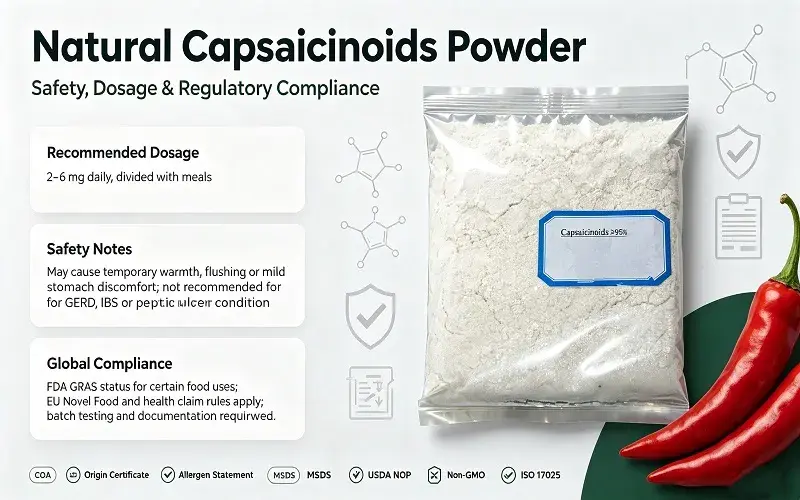
Studies on human endurance show that about 10 mg of pure capsaicinoids per day is the safest amount to use for a long time. However, lower doses are needed to feel benefits like less hunger. For safe formulations, 2–6 mg per day, spread out over several meals, is recommended to keep the thermogenic benefits while reducing stomach irritation. Customers who know about possible side effects like short-term feelings of warmth, face flushing, or light stomach pain are better able to set realistic goals and are less likely to return the product.
Capsaicin may make people with GERD, IBS, or open stomach ulcers feel worse, so these people shouldn't use it. Pregnancy and breastfeeding are extra things to think about because there isn't enough safety information in these groups. Responsible brands have clear instructions on how to use their products and advise people who already have health problems or are taking medicines that could interact with metabolic rate changes to talk to their doctor.
International Regulatory Frameworks
Capsaicin is GRAS by the FDA if used in food in defined doses. Good manufacturing practice requires following 21 CFR Part 111 for making capsaicinoid-extracted nutritional supplements. These guidelines require all new ingredients to be verified as authentic, powerful, and pure. Structure-function claims need good scientific evidence. Just notify the FDA if the claims aren't about healing ailments.
New Food Regulation (EU) 2015/2283 requires capsaicinoid products not used since 1997 to comply. The European Food Safety Authority (EFSA) evaluates food additives for safety and maximum amounts. Because member states are distinct, regulatory review must be market-specific. This is particularly crucial for Regulation (EC) 1924/2006 health claim approvals, which regulate nutrition and health claims communication.
Quality Assurance Documentation Requirements
There is a lot of paperwork that you need to make sure you follow all the rules and get your goods through customs when you bring them into or out of the country. The Certificate of Analysis shows the full capsaicinoid profile. The Certificate of Origin shows where the product was made. And the Allergen Declaration Statement is important because it says the product does not contain any common allergens, even tho it comes from chili peppers. Material Safety Data Sheets (MSDS) tell warehouse workers how to handle chemicals that are strong irritants and need personal protective equipment (PPE) during shift work.
It costs more to get an organic license like USDA NOP, EU Organic, or a similar standard, but it lets you reach more people. Verification by the Non-GMO Project and Kosher/Halal labels also let you sell your products in niche shops in new ways. Accountable labs (ISO/IEC 17025) do tests that are done by a third party and back up claims of quality assurance during the due diligence process for customers.
Conclusion

Capsaicinoid extracts like Natural Capsaicin Powder that are very pure have been shown to make people feel less hungry by changing the levels of hormones that make you feel full, activating TRPV1 receptors, and starting thermogenesis. These ingredients are great for weight loss products for health-conscious customers because they have a standard strength, can be used with a lot of different products, and don't have any bad ingredients on the label. If you want to make sure the product works and is legal in the market, you should make sure the seller has quality certifications, checks for batch consistency, and all the necessary paperwork. Knowing the technical differences between natural extracts and other hunger suppressants helps companies choose where to get their ingredients in a way that fits with their brand positioning and what customers want.
FAQ
1. What makes natural capsaicinoid extracts more effective than synthetic alternatives for appetite suppression?
Natural products have all three types of capsaicin: capsaicin, dihydrocapsaicin, and nordihydrocapsaicin. In many biological processes, these chemicals heat things up by working together. This complex turns on TRPV1 receptors in more ways than synthetic analogs of a single substance. This might make thermogenic reactions and signs that you are full better. The natural ratio also tends to make stomachs feel better at the same amounts.
2. How should I verify supplier claims about capsaicinoid purity and content?
Do not just take the "total capsaicinoids" number; instead, ask for full HPLC chromatograms that show each capsaicinoid peak. Isotopic research on carbon-14 shows that the source is a natural plant, not a man-made petrochemical. Extra security is added to COAs made by suppliers when they are checked by a third-party lab from an ISO 17025-accredited facility.
3. What storage conditions maintain capsaicinoid stability during warehousing?
Light, heat, and water should not get to them. Keep them in cases that are sealed and nitrogen-flushed. It is best if the temperature stays below 25°C and the humidity stays below 60%. Oxidation is the main way things break down, so when you move, don't touch things too much with air. High-purity powders work for at least 24 months if they are stored properly.
Partner with Hisy for Premium Capsaicinoid Solutions
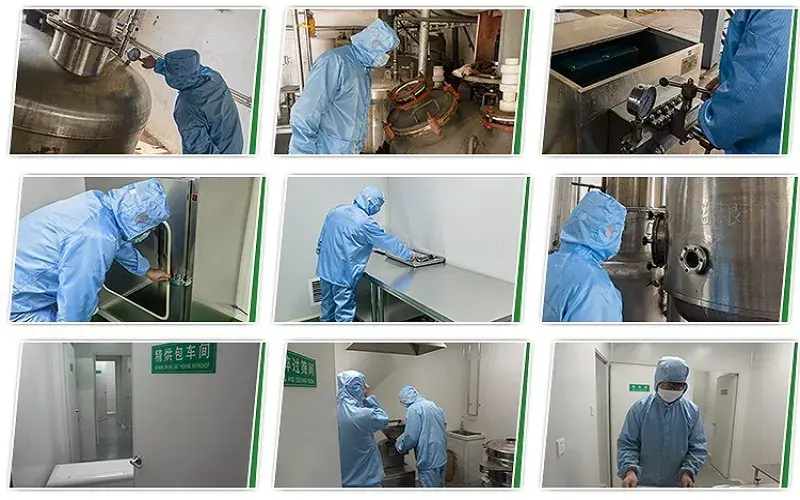
If you want to buy Natural Capsaicin Powder, you can trust Shaanxi Hisy Biotechnology Co., Ltd. They have been getting this ingredient out of plants for 18 years and have worked with companies around the world that make medicines, nutrition products, and functional foods. At least 97% of our off-white solid powder is made up of capsaicinoids, with at least 55% capsaicin and at least 20% dihydrocapsaicin. It is made with supercritical CO2 extraction technology, and the FDA, HACCP, and ISO certifications back up the quality of every batch. We don't have to worry about supply problems that push back start dates because we can make more than 200 MT per year and deliver it in 4–8 days. We can make custom capsaicinoid ratio formulations, work with particles of different sizes, and give you all the legal paperwork you need, like a COA, an MSDS, and instructions on how to handle the product safely. Send our technical sales team an email at sales@hisybio.com to get free samples and talk about what you need from an appetite suppressant.
References
1. Lejeune, M.P., Kovacs, E.M., and Westerterp-Plantenga, M.S. (2003). "Effect of capsaicin on substrate oxidation and weight maintenance after modest body-weight loss in human subjects." British Journal of Nutrition, 90(3), 651-659.
2. Reinbach, H.C., Smeets, A., Martinussen, T., Møller, P., and Westerterp-Plantenga, M.S. (2009). "Effects of capsaicin, green tea and CH-19 sweet pepper on appetite and energy intake in humans in negative and positive energy balance." Clinical Nutrition, 28(3), 260-265.
3. Yoshioka, M., St-Pierre, S., Drapeau, V., Dionne, I., Doucet, E., Suzuki, M., and Tremblay, A. (1999). "Effects of red pepper on appetite and energy intake." British Journal of Nutrition, 82(2), 115-123.
4. Whiting, S., Derbyshire, E., and Tiwari, B.K. (2012). "Capsaicinoids and capsinoids: A potential role for weight management? A systematic review of the evidence." Appetite, 59(2), 341-348.
5. Kawada, T., Suzuki, T., Takahashi, M., and Iwai, K. (1984). "Gastrointestinal absorption and metabolism of capsaicin and dihydrocapsaicin in rats." Toxicology and Applied Pharmacology, 72(3), 449-456.
6. Janssens, P.L., Hursel, R., and Westerterp-Plantenga, M.S. (2014). "Capsaicin increases sensation of fullness in energy balance, and decreases desire to eat after dinner in negative energy balance." Appetite, 77, 44-49.