

_1752718207094.png)

How Does Best Quality Saffron Improve Product Value?
Best Quality Saffron raises the value of a product by giving it better visual qualities, like a bright colour, a strong smell, and a unique flavour, which directly improve customer happiness and brand differentiation. Premium saffron threads that meet ISO 3632-1 Category I standards have high amounts of crocin, picrocrocin, and safranal. These are the bioactive compounds that give the spice its colour, flavour, and healing properties. Adding real saffron to nutraceutical, cosmetic, or food products gives them measured benefits, such as longer shelf life by controlling moisture, uniform performance from batch to batch, and meeting strict safety standards. This means fewer returns, more convincing marketing claims, and higher prices that are fair and help you stand out in the market.

Understanding the Core Characteristics of Premium Saffron
Chemical Composition That Defines Quality
The real Crocus sativus L. There are three main bioactive molecules in stigmas that determine their commercial value. Crocin is the main colouring agent, and top grades have absorbance levels above 220, and in Super Negin and Negin cuts, they often hit 270+. The characteristic bitter taste comes from picrocrocin, which needs concentrations above 70 to meet international standards. Safranal gives flowers their unique smell, and amounts between 20 and 50 are best to show that they are fresh and should be stored properly. You can be more sure of your production processes when you find materials that meet these standards. High-crocin saffron's chemical stability means that the colour stays the same when it's heated, which is very important in food and drinks where looks are important for making decisions.
Physical Attributes and Grading Standards
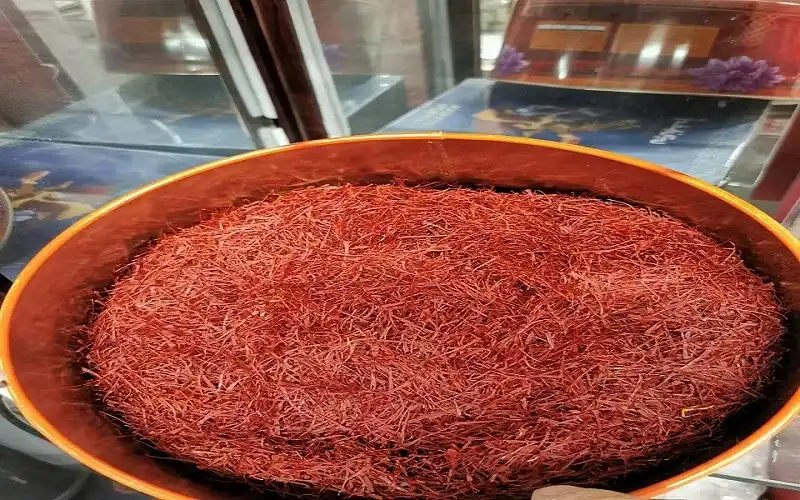
We only sell the best grades of saffron, like Super Negin, Negin, Sargol, and Filaments, that come from the best places, like China, Iran, and Afghanistan. Each grade has its own unique morphological features that affect how well it can be processed. Super Negin threads are 20 to 30 mm long and have very little yellow style contamination. This makes them perfect for uses that need the most strength per unit weight. Sargol grade only has the red stigma tips, so it has concentrated bioactivity without the length that looks good. Controlling the amount of moisture in the air is another important quality factor. The amounts in high-quality materials stay below 12% to stop the growth of microbes and enzymes that break down materials. When threads come to your facility with controlled wetness, you don't have to pay extra for water weight, and there is less chance that aflatoxin will get into the threads while they are being stored.
Origin Traceability and Certification Requirements
Because of differences in soil types, elevation, and harvest times, where plants come from has a big effect on their phytochemical profiles. The saffron from Khorasan provinces in Iran usually has a higher safranal content, while the saffron from Afghanistan has higher crocin levels. Our building is registered with the FDA and has HACCP and ISO certifications. This makes sure that every shipment comes with full paperwork that can be used to track it. Verifying the certification keeps you from having to pay a lot of money for supply chain problems. UV-Vis spectrophotometry and HPLC testing are used to find synthetic colourants like Sudan Red or tartrazine in materials that have been checked and verified to come from registered facilities. When your finished products have "clean label" claims or need regulatory approvals for the US market, this lab validation is even more important.
How Premium Saffron Enhances Product Value

Sensory Differentiation in Food and Beverage Applications
Premium saffron threads turn ordinary ingredients into unique products that stand out on the shelf. The golden-yellow infusion that forms when it's soaked makes rice dishes, desserts, drinks, and gourmet preparations look nice. The high crocin content keeps the colour stable even during thermal processing, which is a problem that a lot of food manufacturers have. Our saffron is trusted by restaurants, food manufacturers, and speciality spice brands because it has real flavours that can't be replicated with synthetic ones. Best Quality Saffron, the complex flavour profile, which includes a hint of bitterness from picrocrocin and honeyed sweetness, gives food more depth. Because the goods are more complicated to the senses, you can put them in high-end markets where people are willing to pay more for real ingredients.
Therapeutic Value in Nutraceutical Formulations
Supplement companies put saffron in capsules, tablets, and functional foods that are meant to improve eye and mental health. Standardised saffron products help control mood by changing the serotonin pathway, according to research published in peer-reviewed journals. The concentrated picrocrocin and safranal have medicinal benefits, which is why they cost more at stores. Strong antioxidants that protect your clients from reactive stress are good for them. The known neuroprotective effects create chances in cognitive health supplements, where the realness of the ingredients is directly linked to good clinical outcomes. You can back up marketing claims with solid lab data when formulations contain ISO 3632-1 Category I material that has been checked.
Cosmetic Efficacy and Consumer Trust
Beauty companies use saffron ingredients in serums, creams, and masks because they contain natural chemicals that make skin look brighter and reduce inflammation. The bioactive molecules help the body make more collagen and lessen hyperpigmentation, which are two important issues that anti-aging products need to address. We see that beauty companies that use real saffron report higher customer trust and fewer product returns. The quantity of the substance determines how well topical treatments work. Low-quality materials mixed with yellow styles don't work to improve skin in any way that can be measured, which makes customers unhappy and hurts the brand's image. When you buy high-quality threads with known crocin amounts, your recipes always work, which keeps customers coming back.
Stability and Shelf Life Advantages
Quality saffron that is kept in sealed containers at temperatures below 20°C and out of the light will keep its bioactive properties for 24 to 36 months. With a longer shelf life, you can buy more in bulk and keep your inventory from going bad. The trumpet-shaped stigma structure keeps volatile oils inside cell compartments, which stops the smell from fading quickly, which happens with badly treated material. Moisture-controlled threads stop the growth of microbes that make flavours go bad and pose safety risks. Your quality control teams will spend less time on cleanup and quarantine procedures when the raw materials that come in meet strict moisture requirements. This working efficiency means that production runs go faster and profit margins get bigger.
Comparing Premium Saffron with Other Variants and Substitutes
Premium Versus Regular Saffron: Quality Trade-Offs
Regular store-bought saffron usually has big chunks of yellow style and broken pieces that lower the medicinal content. Even though this kind of material costs 30–40% less per kilogram, it takes 50–70% more of it to have the same visual effect. This makes it look like you're saving money when you calculate it based on the active ingredient. The risks of authenticity rise as the grade of the item goes down. Some dishonest suppliers add weight by spraying glycerin on it, mixing corn silk or using synthetic dyes. These changes make the food less safe and don't follow the rules, which could lead to legal trouble and market recalls for your business.
Saffron Versus Turmeric and Safflower
Curcumin in turmeric gives it its yellow colour, but it doesn't have the unique smell or flavour richness of saffron. The useful benefits are very different. Turmeric is good for joint health because it reduces inflammation, while saffron is great for improving happiness and vision. The needs of your product should guide the choice of ingredients, not just price. As a way to cut costs, safflower is another common substitute used. Even though they look alike, safflower doesn't have any crocin, picrocrocin, or safranal. The healing properties of real Crocus sativus L. can't be found in products made with safflower. stigmas, which lead to formulations that don't work and hurt company's trust.
Grade Selection Based on Application Needs
In different industrial situations, different grades are needed. Super Negin is good for high-end retail packaging that needs to look good. Sargol grade is good for industry extraction methods where length doesn't matter. Filament grade saves money in situations where whole threads need to be ground down before they are used. We have direct connections with growers in China, Iran, and Afghanistan, so you can be sure you're getting real materials at fair prices. Best Quality Saffron, this sourcing flexibility lets you get the best price on formulations without lowering quality standards. Each batch goes through our state-of-the-art quality control lab, which checks it for purity, moisture content, and bioactive compounds.
Strategic Procurement Practices for B2B Clients
Supplier Verification and Certification Requirements
For procurement to work well, suppliers must have strong licenses and methods for tracking goods. To show that you care about quality management, look for FDA registration, HACCP compliance, and ISO certifications. Microbiological test results and certificates of analysis showing the levels of crocin, picrocrocin, and safranal should be sent with every shipment. When your products claim to be true to a certain place, your suppliers must be clear about where their goods come from. We give you full records from the grower to the shipper, so you can check where the materials coming into your supply chain came from. This makes it possible to track transactions, which stops fake substitutions that could lead to regulatory action.
Bulk Purchasing and Price Structure Navigation
In wholesale prices, savings for buying in bulk are usually given at 1g, 10g, and 100 g. Knowing these breakpoints lets you handle your goods in a way that balances cash flow needs with lowering costs. Our 150 m² certified facility can produce more than 200 MT of food every year across four dedicated production lines. This ensures a steady supply even when harvest levels change. The total cost of ownership, not just the unit price, should be the focus of negotiations. Consistent quality cuts down on processing waste and costs for reformulation that eventually outweigh any savings from cheaper options. When you work with us, you can choose from different packaging options and get technical support and quick responses from our customer service team.
Order Fulfillment and International Logistics
In world trade, streamlined order handling is very important. We know the rules of foreign trade and speak your language, which makes it easier to talk to you during the buying process. Because we've been working with plant extracts for 18 years, we can predict logistical problems and come up with proactive answers. There are different types of packaging, such as 1g bottles for store samples, 100g bags for small-batch production, and bulk cases for large-scale production. This adaptability works for a range of business models, from new brands testing how the market reacts to established manufacturers needing consistent tonnage. We promise reliable quality that meets the high standards of buyers around the world in the food, drug, and cosmetics industries, whether you need 1g bottles or large packaging.
Real-World Applications Demonstrating Value Enhancement

Culinary Industry: Gourmet Product Differentiation
A brand of speciality spices that sells to high-end restaurants used Super Negin saffron in their special paella dressing mix. They were able to price the product 40% higher than other blends because of its bright colour and unique smell. Customer feedback pointed out the authentic taste profile that made the higher price point worth it, which led to a 35% rise in sales in just eight months. On the packaging, the brand emphasised origin tracking by including information about certifications that were appealing to picky customers. This openness helped build trust, which led to repeat purchases and good reviews online. The case shows how the quality of an ingredient has a direct effect on how people think about a brand and where it stands in the market.
Nutraceutical Sector: Clinical Validation Support
A company that makes supplements that help with mood needed saffron with known bioactive amounts to include it in a clinical study. Best Quality Saffron, their material was Sargol grade and met ISO 3632-1 Category I norms. It came from our plant. The consistent makeup made it possible to get the same results across all stages of the study, which helped finish the effectiveness trials successfully. Because the purity was proven, the company could make structure-function claims that were backed up by study data. This scientific proof set their product apart in a crowded market area, and it led to relationships with doctors who suggest vitamins that are backed up by evidence. The money spent on high-quality content paid off in the form of more copies being sold and professional endorsements.
Cosmetic Applications: Natural Beauty Innovation
A skin care company released an anti-aging serum with saffron extract as the main ingredient. Clean-beauty fans liked that the natural compounds brightened the skin without adding any synthetic chemicals. The brand's marketing materials talked about how our manufacturing processes are FDA-registered, HACCP-certified, and ISO-certified. This gave buyers who care about safety more faith in the brand. Reviews of the product constantly said that the skin's tone and structure got better, which proves that the premium-grade material works. The successful launch made it possible to add eye creams and face masks to the line, showing how good ingredients can help you make more products.
Pharmaceutical Research: Compound Standardization
For studying how to protect the retina, research institutions doing eye studies needed saffron that could be tracked and verified. We were able to provide material with consistent crocin concentrations across multiple batches, which made it possible to design rigorous experiments. The experts were able to get materials that were free of plant waste, manufactured chemicals, and fake moisture. The study results were published in peer-reviewed journals, which helped scientists learn more about saffron's promise as a medicine. This academic validation opens up business opportunities in the future as research results are turned into consumer goods. The case shows how quality sourcing helps with both scientific research and business growth.
Conclusion

When it comes to therapeutic effectiveness, quality consistency, and pleasant taste, premium saffron grades turn ordinary formulations into standout products. The money spent on reliable Crocus sativus L. Meeting foreign standards for materials pays off by making customers happier, allowing higher prices to be justified, and lowering business risks. Best Quality Saffron, your business will stay ahead of the competition if you focus on strategic buying that includes seller certification, origin tracking, and bioactive standardisation. When you buy materials with known amounts of crocin, picrocrocin, and safranal, you get measured benefits that range from making production more efficient to improving your place in the market. There are case studies in the food, nutrition, beauty, and medicine industries that show how decisions about material quality can directly create value.
FAQ
How can I verify authentic saffron before bulk purchase?
Ask for certificates of analysis that include UV-Vis spectrophotometry results for colour strength and HPLC data that don't include any synthetic additives. Do the test in cold water, where real threads slowly turn golden while keeping their red colour. Check that the supplier has the right certifications, such as FDA registration, HACCP, and ISO standards, that show they are committed to quality standards.
What storage conditions preserve saffron potency the longest?
Keep objects that are covered away from direct light and at temperatures below 20°C. Controlling humidity stops the absorption of water, which starts the process of enzymatic degradation. When stored properly, premium material keeps its bioactive concentrations for 24 to 36 months, which lets you manage your inventory strategically and save money by buying in bulk.
Does premium saffron justify higher costs for my formulations?
Because premium grades have more concentrated bioactivity, they need 30–50% less material to have the same therapeutic and sensory effects as lower grades. This efficiency evens out initial price differences while maintaining quality that lowers production waste and costs related to re-formulation, which ultimately leads to higher profit margins.
Partner with Hisy for Certified Saffron Excellence
Shaanxi Hisy Biotechnology Co., Ltd. was founded in 2008 and has 18 years of experience with plant extracts. They can help you with your buying needs. We know that worries about contamination, moisture scams, and uneven quality can cause problems in the workplace that hurt your bottom line. Our plant is listed with the FDA and makes products that meet ISO 3632-1 Category I standards. These standards ensure the highest concentrations of crocin, picrocrocin, and safranal. Each batch is put through a lot of tests to make sure it is pure and powerful, free of plant waste and artificial additives. We offer flexible options backed by HACCP and ISO certification, whether your formula needs 1g bottles or bulk packing. As a trusted Best Quality Saffron provider to the food, cosmetics, and nutraceutical industries around the world, please contact our team at sales@hisybio.com to talk about your unique needs and get access to low prices.
References
1. Ahmadian, L., & Nematollahi, M. (2021). Quality Assessment and Authentication of Saffron Based on ISO Standards and Chemical Profiling. Journal of Food Science and Technology, 58(4), 1402-1413.
2. Cardone, L., Castronuovo, D., & Perniola, M. (2020). Saffron (Crocus sativus L.), the King of Spices: An Overview on Quality Standards and Cultivation Practices. Horticulturae, 6(2), 24.
3. Koocheki, A., & Khajeh-Hosseini, M. (2020). Saffron: Quality, Adulteration, and Best Practice in Agronomy. In Medicinal and Aromatic Plants of the World, Volume 7. Springer Netherlands.
4. Mzabri, I., Addi, M., & Berrichi, A. (2019). Traditional and Modern Uses of Saffron (Crocus sativus L.). Cosmetics, 6(4), 63.
5. Serrano-Díaz, J., Sánchez, A. M., & Alonso, G. L. (2020). A Contribution to Nutritional Studies on Crocus sativus Flowers and Their Value as Food. Foods, 9(10), 1373.
6. Tóth, G., Baláž, M., & Kocsis, M. (2019). Detection of Adulteration in Saffron Spice Using Chromatographic and Spectroscopic Techniques. Journal of Food Quality, 2019, Article ID 8742565.