

_1752718207094.png)

What Factors Determine the Best Quality Saffron Price?
When looking for Best Quality Saffron for your line of products, knowing how much it costs is very important to your buying strategy. The price of premium grade saffron is affected by many interconnected factors, such as the grade classification, the harvest method, the dynamics of the supply chain at the origin, and the authentication protocols. In this guide, we'll look at how growing methods that require a lot of work, strict quality standards like ISO 3632-1 Category I compliance, and the amounts of beneficial compounds crocin, picrocrocin, and safranal directly affect market prices. If you're a supplement maker, cosmetics formulator, or ingredient distributor, knowing these factors that affect prices will help you balance cost with quality standards. This way, you can be sure that your investment will always deliver consistent effectiveness, safety, and customer satisfaction in every batch.
Understanding What Defines Premium-Grade Saffron

Visual Markers and Physical Characteristics
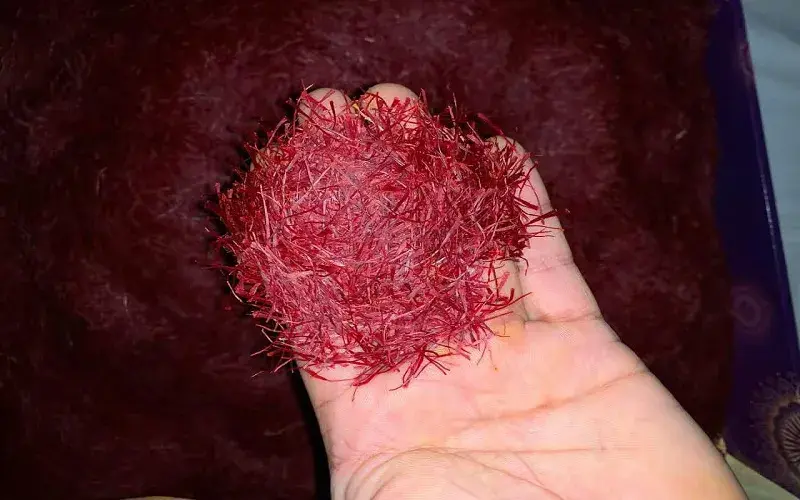
Real premium threads are a deep crimson colour and don't have any pale yellow or white segments attached to them. The tips of the stigmas should be trumpet-shaped and not break easily, which means they were handled carefully during harvesting and processing. Keeping the moisture level below 12% keeps microbes from getting into the food and keeps volatile aromatic compounds safe. When you look at threads under a microscope, even thickness and whole cell structures show that they were dried in a way that keeps their bioactive integrity.
ISO 3632 Grading Standard and Chemical Benchmarks
Based on spectrophotometric research, the worldwide ISO 3632 standard divides saffron into three groups. The highest level is Category I, which needs crocin absorption levels above 220 (often hitting 270+ in Super Negin and Sargol grades), picrocrocin levels above 70, and safranal levels between 20 and 50. These numbers have a direct relationship with the strength of the colour, the bitterness, and the power of the aroma—elements that are necessary for nutraceutical and beauty performance. Laboratories use UV-Vis spectrophotometry and HPLC testing to make sure these parameters are correct. This makes sure that buyers get real material that doesn't have any added synthetic dyes or flowers.
Geographic Origin and Terroir Influence
About 90% of the world's saffron comes from Iran. Areas like Khorasan are known for having high levels of crocin. Afghan saffron has low prices because it is grown in new areas, while Chinese saffron is mostly grown in Shangri-La regions that have their own unique flavours. Each origin has its own unique supply chain features. For example, Iranian exporters offer established logistics networks, Afghan suppliers offer lower prices for large orders, and Chinese sources are closer for buyers in the Asia-Pacific region. Terroir factors, such as the mineral makeup of the soil, the altitude, and the weather patterns, cause small changes in chemical profiles that smart buyers can spot when they are choosing sellers.
Authentication Testing Methods
Professional buying needs more than just source claims to be checked. A first screening using cold water shows that real threads slowly release a golden-yellow colour while keeping their red pigmentation, while fake items dyed on the surface turn water white and discolour right away. As part of laboratory identification, samples are tested for moisture, ash level (to find mineral impurities), and Salmonella, E. coli, and mould counts. HPLC testing finds man-made colours like Sudan Red, and DNA barcoding proves that Crocus sativus L. is a real plant species, instead of substituting plants.
Core Factors Influencing Premium Saffron Pricing

Grade Classification and Quality Tiers
Knowing the different grades of saffron can help you figure out why prices vary from one supplier to the next. The most expensive type of negin is called Super Negin. It has long, evenly red stigmas with no style pieces. This is because it has the most crocin and looks the best. Negin grade threads are a little shorter and have very few yellow spots. They are of high quality and don't cost too much. Sargol grade has only the red stigma tips and no connecting tissue. It has a high concentration of potency, making it perfect for supplement extraction at a moderate cost. Some filament grades have yellow-style parts that can be used in cooking where cost-effectiveness is more important than perfect looks.Procurement managers should choose the right grade based on the application. For example, Sargol's concentrated bioactives are good for nutraceutical formulations, Super Negin's aesthetic properties are good for cosmetic brands that want to position themselves as high-end, and Filament grades can help food manufacturers save money while keeping the flavour integrity. Best Quality Saffron Each grade increase usually means a 15–25% price difference, which is due to differences in chemical makeup and the amount of work that goes into sorting.
Labor-Intensive Cultivation and Processing
Even though farming machines are used more and more these days, saffron is still mostly grown by hand. There are only three stigmas on each flower, so it takes 150 to 170 flowers to make one gram of dried product. Harvest only lasts for two weeks in the autumn, so the flowers have to be quickly picked by hand before dawn to protect the delicate stigmas. Skilled workers carefully separate the stigmas from the styles and stamens. They then use controlled drying methods, such as old-fashioned methods that use heat diffusion or newer dehydrators that keep precise temperature curves.This concentration of labour has a direct effect on how prices are set. Competitive rates are available in places where labour costs are cheap, but handling skills vary a lot. Processors with a lot of experience know how to dry things so that they keep as much of the crocin as possible without drying them out too much, which makes them brittle. Because suppliers pay for skilled workers and quality-controlled drying facilities, their higher prices are justified by consistent batch performance, lower rejection rates, and longer shelf stability. These benefits lower your total cost of ownership, even though the unit prices are higher.
Supply Chain Complexities and Export Logistics
Origin-specific regulatory frameworks cause price differences that go beyond the cost of cultivation. International trade controls on Iranian saffron mean that it has to go through special payment channels and documentation processes. Depending on the rules in the target country, this could add 10 to 15 percent to the landed cost. Afghan exports have to deal with infrastructure and banking systems that are still being built up, so buyers need to work with experienced goods forwarders who know how to handle logistics in the region. Chinese suppliers gain from well-established export procedures and a range of shipping choices. However, because markets are so variable, quality checks become necessary.Conditions during transportation have a big effect on the integrity of the product. During transport, saffron needs to be kept safe from light, moisture, and changes in temperature. Vacuum-sealed containers with desiccants, insulated containers, and faster shipping methods raise the FOB price by 8–12%, but they keep the goods from breaking down, which could lower the bioactive concentrations. Freight rates can often be negotiated for shipments over 50 kg, which makes the economics per unit better for buyers who buy a lot.
Comparing Premium Saffron with Market Alternatives
Visual and Chemical Distinctions from Standard Grades
Under direct light, premium threads have a uniform deep crimson colour with a metallic sheen. This is in contrast to threads that are duller and browner, which means they are oxidising or drying poorly. When high-grade material is broken up between your fingers, it gives off a strong aroma without turning into too much powder. Too much fragmentation is a sign of over-drying or old stock. Chemical research shows big differences: premium grades have crocin values above 250, while normal grades only have 150–180. This means that your recipes will get nearly 40% more colouring per gram.Standard commercial grades often have style fragments that add weight without adding any bioactive value. When you buy 100g of premium Sargol, about 95g of it is pure stigma tissue. On the other hand, standard grades may only have 70–75g of active material mixed with connecting tissue. When you figure out how much a formulation costs, this difference becomes very important. Savings that seem to come from cheaper options disappear when you take into account the bioactive material that actually makes it into finished goods.
Procurement Risks with Inferior or Counterfeit Products
Adulteration is a persistent problem in the business that affects choices about what to buy. Some common ways to cheat are to spray threads with sugar solutions or vegetable oils to make them heavier than they really are, to treat them with synthetic colours to make them look better, and to mix real saffron stigmas with safflower or corn silk stigmas. These actions come with big risks: fake colourants could contain substances that aren't allowed, which would be against FDA rules; moisture fraud shortens the shelf life of your products, causing them to go bad before their time; and uneven potency causes differences between batches that could affect your product quality claims.There are also liability issues with fake goods. When produced goods don't live up to what they say on the label because of weak raw materials, regulatory bodies look closely at the names of nutraceuticals. When cosmetics don't work right because they don't have enough active ingredients, customers may complain. These risks can be reduced by working with certified suppliers who provide full traceability paperwork and third-party testing certificates. This helps explain higher prices by ensuring quality and following the rules.
Organic Certification and Sustainability Premiums
Organic saffron meets the growing demand from customers for plants that are grown without pesticides and in a way that doesn't harm the environment. For farms to get certified, they have to follow organic practices for three years without getting extra money from the market. This limits the supply of organic products and drives up prices 20–35% above regular grades. The organic label is especially appealing to cosmetic and nutraceutical companies that market their products in the "natural" and "clean beauty" areas. Certification logos help customers believe the products and explain higher prices at stores.New sustainability frameworks look at more than just organic status. They also look at things like water use, fair labour practices, and the impact on the ecosystem. Best Quality Saffron Suppliers who do these things usually charge an extra 10 to 15 percent, but brands that stress corporate social responsibility benefit from working with them. When your target customers care about ethical sources, buying saffron in a way that doesn't harm the environment can be a marketing differentiator that helps your brand's image, even if it costs more.
Packaging Solutions and Cost-Efficiency Considerations
Packaging has a direct effect on both how long a product lasts and how much it costs per unit. Small-format packaging (1g bottles, 20g bags) makes it easier for customers to control their portions and is more convenient, but it costs more per gram because more materials and labour are needed. When it comes to making, bulk packing (100g bags, 500g containers) saves the most money because it lowers packaging costs to 3–5% of the total cost of the product, compared to 15-20% for retail-sized units.The choice of material affects both the quality and cost of preservation. Vacuum-sealed foil pouches with nitrogen flushing stop oxidation and moisture from getting in. This increases the shelf life to 24 to 36 months for an extra $0.15 to $0.25 per unit. Standard plastic bags don't protect much and should only be used in situations where cost-cutting is more important than durability. Glass containers look great and are great for customer-facing uses, but they are heavy and break easily, which raises the cost of freight.
Procurement Strategies for Sourcing Premium Saffron

Supplier Evaluation and Certification Verification
Reviewing the supplier's certification is the first step in building trust. Registration with the FDA proves that makers follow building standards and stay ready for inspections. HACCP approval shows that food safety is managed in a planned way, with key control points being covered from receiving to shipping. If a company has ISO 9001 certification, it means that it has quality management systems that support consistent output methods. Ask for copies of current certificates and check their validity in the databases of the granting body. Fake certificates do get around in foreign trade from time to time.Check a supplier's track record through client references and the supplier's reputation in the industry. Talk to current customers who use similar applications to find out how reliable the delivery is, how quickly technical support responds, and how well problems are solved. Suppliers who have been in business for 15 years or more have shown that they are stable in the market and have learned a lot about farming relationships, processing optimisation, and export processes. Verification of manufacturing capacity makes sure that suppliers can grow with your business. Annual production exceeding 200 MT across multiple processing lines shows that the infrastructure is there to support a long-term partnership.
Negotiating Competitive Pricing and Contract Terms
The price of saffron changes with the seasons. When the harvest is over in November or December, there is a lot of it on the market, so prices are lower through the first quarter. By focusing purchases on the time after harvest, procurement timing methods can save 12 to 18% compared to buying in the spring and summer when supplies are low. Contracts for more than 50 kg per year often qualify for tiered price systems that offer 8–12% discounts compared to spot sales. This gives you more power.The terms of payment have a big impact on the economics of a deal. Working capital is better when you deal with suppliers who offer net-30 or net-60 terms, but many international suppliers need upfront payment or letters of credit for new business. You might want to negotiate trial orders with upfront payment that lead to longer terms after quality checks and getting to know each other. Ask for price guarantees that last between 90 and 120 days. This will protect you from mid-contract price increases during multi-month buying processes.
Logistics and Quality Preservation During Transit
The volatile compounds in saffron break down quickly when they come into contact with bad conditions during shipping. In purchase agreements, list the packaging requirements, such as vacuum-sealed inner bags, desiccant packets that keep humidity below 40%, and cartons lined with reflective insulation that keeps temperature changes from being too big or too small. When choosing a shipping method, you should weigh the cost against the time it takes to get there. For example, air freight adds 20 to 25 percent to landed costs but delivers within 5 to 7 days, reducing the risk of damage. If you don't need something right away, ocean freight can save you a lot of money, but it needs to be better protected for the 30- to 45-day trip.Set up protocols for receiving inspections that check the condition of the goods when they arrive. Check the moisture content right away using calibrated instruments; readings above 12% mean that the goods might have been exposed during shipping and the seller needs to be notified and a new deal needs to be negotiated. Do an organoleptic evaluation by comparing the strength of the smell and the vibrancy of the colour to standard samples from the specification agreements. Think about having a third-party lab test important packages, especially when you're getting your first bulk sales or building relationships with new suppliers.
Spotlight on Trusted Premium Saffron Suppliers

Shaanxi Hisy Biotechnology Co., Ltd.
Shaanxi Hisy Biotechnology is a trustworthy business partner for buyers who need regular quality and full compliance documents. The company was founded in 2008 by people with 18 years of experience in botanical extracts. Its manufacturing facilities are FDA-registered, HACCP-certified, and ISO-certified, and they process over 200 MT of products every year on four dedicated production lines. Their buying network includes China, Iran, and Afghanistan, so they can get goods from a variety of places while still working with the same source. Certification compliance, consistent quality, and quick customer service make them a valuable partner for people who are making nutraceuticals, cosmetics, or selling ingredients and are looking for Best Quality Saffron sources.
Certification Standards and Quality Assurance Processes
Leading suppliers use multiple levels of quality control, starting with inspecting the raw materials as they come in. Before accepting lots from cultivators, trained evaluators check the thread colour uniformity, moisture levels, and presence of foreign matter. Processing plants keep environments under control by keeping an eye on temperature and humidity to keep things from going bad while they're sorting and packaging. Physical contaminants are found by automated metal scanners and X-ray systems, and chemical purity is checked in a lab.Being ready for a factory audit shows that a company cares about quality standards. Suppliers who keep records of equipment calibrations, staff training logs, and batch tracking make it easier for regulators and customers to do checks. Some manufacturers offer virtual tours of their facilities that show how the products are processed, how they are kept clean, and how well they check the quality of the products. This is a good way to get an idea of the company before deciding to work with them. Third-party testing certificates from approved labs offer extra security. Certificates of Analysis (CoA) should explain results for bioactive concentrations, moisture levels, ash content, and microbial counts.
Conclusion

Saffron prices are affected by many factors, including the grade, how it is grown, how it gets from one place to another, and how it is checked for quality. Premium types are more expensive because they have higher amounts of beneficial ingredients, better looks, and stricter authentication processes. These are all things that directly affect how well your product works and how well it meets regulatory requirements. Best Quality Saffron Cost optimisation and quality requirements must be balanced in successful procurement, as it is known that saving money on lower grades can actually come with hidden costs like inefficient formulation, consistency issues, and compliance risks. Strategic supplier partnerships with certified manufacturers that offer traceability, technical support, and consistent quality deliver more long-term value than buying based on price per unit. Spending time evaluating suppliers, following the rules for receiving inspections, and keeping in touch with dependable exporters can give your procurement function a competitive edge that helps you lead in product quality...
FAQ
What grade provides optimal value for bulk supplement manufacturing?
When it comes to nutraceutical uses that need high bioactive concentrations without having to pay more for perfect looks, Sargol grade usually offers the best value. This grade has mostly pure stigma tips and not many style fragments. It has the right amount of crocin and safranal for standard extracts and costs 20–30% less than Super Negin. When you buy more than 10 kg in bulk, you can often get extra volume savings, which lowers the cost per dose in finished formulas.
How can I be sure that a seller is real before I place a big order?
Ask for sample shipments that come with third-party testing certificates that prove they meet ISO 3632 standards. Do an independent lab test to make sure the crocin levels are what the seller says they are and that there are no artificial additives. Check the validity of the certification by looking it up in the records of the organisations that issued it and asking for client references from businesses that handle similar tasks. You might want to start with smaller test orders before making larger purchases. This way, you can check the quality of several batches before committing to an annual supply agreement.
What documentation should accompany international shipments?
To fully follow the rules for importing goods, you need commercial invoices with product details and harmonised tariff codes, certificates of origin that show where the goods came from, phytosanitary certificates that show they passed an agricultural inspection, and certificates of analysis from approved labs. FDA-registered suppliers should give manufacturer identification numbers to back up the U.S. import requirements for prior notice filing. Ask suppliers to include all paperwork with shipments so that they don't get held up at customs, which can add to the time it takes to get to you and the risk of damage.
Partner with Hisy for Your Premium Saffron Supply Needs
Shaanxi Hisy Biotechnology Co., Ltd. gives your product formulations the quality stability, legal compliance, and supply reliability they need. Because we've been working with botanical extracts for 18 years, you can be sure that every shipment will contain authenticated material that meets ISO 3632-1 Category I standards. We have direct links with growers in China, Iran, and Afghanistan, which lets us offer low prices by getting quickly. Our FDA-registered, HACCP-certified, and ISO-certified facilities also make sure that the processing is done correctly from receiving the goods to packing them.Whether you need Super Negin threads for high-end cosmetics, Sargol grade for standardised nutraceutical extracts, or Filament grade for cooking, we have a range of flexible packing choices, from 1g bottles to large bags, to meet your needs. Complete testing is done on each batch to check for levels of crocin, picrocrocin, and safranal, as well as moisture levels and possible contaminants. Full records are kept to back up your regulatory reports and quality assurance processes. Ready to find a reliable saffron supplier? You can talk to our expert team at sales@hisybio.com about your application needs. Discover why ingredient sellers, supplement makers, and cosmetic brands all over the US choose Hisy as their top choice for buying Best Quality Saffron that is always of high quality and delivered quickly.
References
1. Kafi, M., Koocheki, A., Rashed, M. H., & Nassiri, M. (2006). Saffron (Crocus sativus) Production and Processing. Science Publishers, Enfield, NH.
2. Mzabri, I., Addi, M., & Berrichi, A. (2019). Traditional and Modern Uses of Saffron (Crocus sativus). Cosmetics, 6(4), 63.
3. Negbi, M. (1999). Saffron Cultivation: Past, Present and Future Prospects. Chronica Horticulturae, 39(4), 14-18.
4. International Organization for Standardization. (2011). ISO 3632-1:2011 Spices — Saffron (Crocus sativus L.). Geneva: ISO.
5. Cardone, L., Castronuovo, D., Perniola, M., Cicco, N., & Candido, V. (2020). Saffron (Crocus sativus L.), the King of Spices: An Overview. Scientia Horticulturae, 272, 109560.
6. Bathaie, S. Z., & Mousavi, S. Z. (2010). New Applications and Mechanisms of Action of Saffron and Its Important Ingredients. Critical Reviews in Food Science and Nutrition, 50(8), 761-786.