

_1752718207094.png)

What Are the Main Applications of Baicalin Powder?
Baicalin Powder, which comes from the roots of Scutellaria baicalensis Georgi, is a high-performance botanical ingredient that is used in many fields. Nutraceuticals use it to support the immune system and liver; cosmeceuticals use it to brighten skin and slow the ageing process; functional foods use it as a natural antioxidant; and veterinary products use it instead of antibiotics. This bioactive flavonoid provides companies with a standardised, scientifically proven ingredient that meets the growing need for natural, effective molecules in the cosmetics, animal health, and medicinal industries.
Understanding Baicalin Powder and Its Core Properties

Botanical Origin and Extraction Process
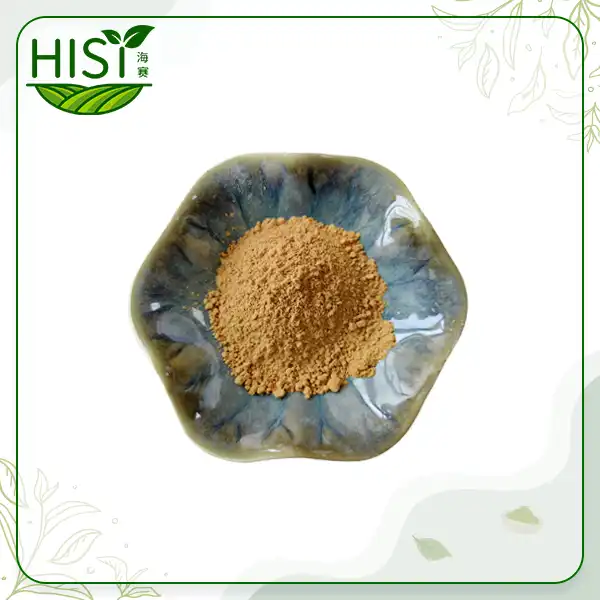
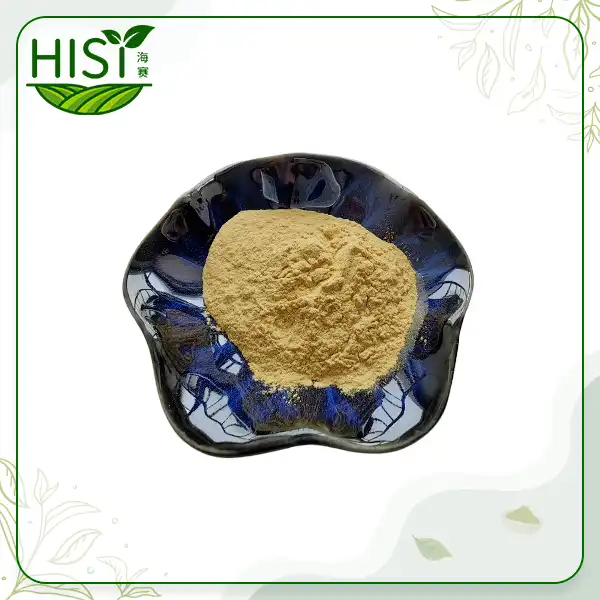
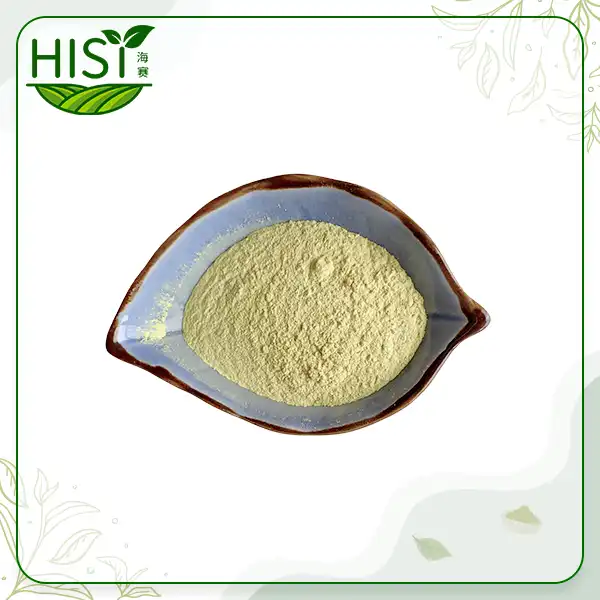
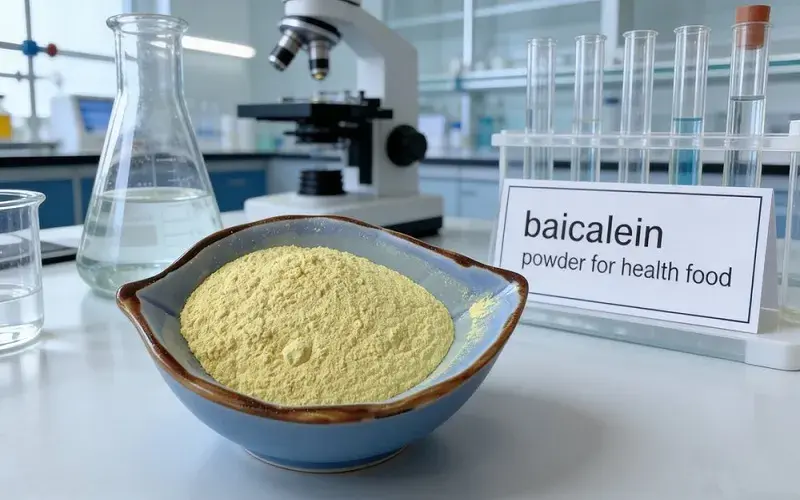
Chinese Skullcap (Scutellaria baicalensis Georgi), a plant that has been used in traditional medicine for over 2,000 years, is where baicalin gets its start. We only get our materials from cultivated plants that were picked when they were at their most potent. Advanced techniques are used in the extraction process to keep the molecular integrity of this flavonoid glycoside while getting concentrations of 85%, 90%, and 95% purity that are standard. Unlike manufactured options, our natural extraction keeps all of the helpful chemicals, such as baicalein, wogonin, and wogonoside. This botanical combination increases the biological activity while still following the rules for CP2020 performance. The light yellow powder that was made has a molecular weight of 446.36 g/mol and is very stable at high temperatures up to 223°C, which are important properties for many industrial uses.
Key Bioactive Properties
The fact that this ingredient has a wide range of bioactivities makes it very useful in many fields. The compound is a powerful antioxidant that fights free radicals and stops lipid peroxidation, two processes that are important for keeping cells in human and animal tissues from getting damaged. Pharmacological journals have released research that backs up its ability to change inflammatory pathways by blocking pro-inflammatory proteins like TNF-α and IL-1β. Besides these basic features, baicalin also kills different types of pathogens, which makes it useful for keeping things fresh in cosmetics and feed additives. Its immunomodulatory benefits help keep immune systems healthy without overstimulating them, which fills a very important gap in supplement formulation. Because this ingredient has a good safety profile, which has been proven by many chemical studies, makers are confident using it in consumer-facing products.
Quality Standards and Certifications
In today's quality-conscious market, meeting global regulatory requirements is still a must. The way we make baicalin is very careful to follow the rules set by the FDA, ISO quality control systems, and HACCP food safety principles. More HALAL and KOSHER certifications make it easier for brands that cater to certain groups of people to sell their products. Each production batch goes through strict HPLC testing to make sure it has the right amount of active ingredients. This makes sure that there is stability that procurement managers can count on. The material is very stable while being stored and moved because the moisture content stays below 5% and the ash content stays below 1%. The 80-mesh particle size makes sure that the particles are spread out evenly in a wide range of formulations, from makeup emulsions to capsule fills.
Principal Applications of Baicalin Powder in Industry

Nutraceutical and Dietary Supplement Formulations
Because it has health benefits that have been shown in clinical trials, the supplement industry loves baicalin. Manufacturers use their ability to help the liver's detoxification pathways and protect hepatocytes from oxidative stress to make hepatoprotective formulas. People who are worried about being exposed to toxins in the environment or who want natural alternatives to synthetic liver support chemicals will really like these formulas. Supplements that boost the immune system are another important use case. The ingredient changes the behaviour of immunity cells without stimulating them too much. This is what makes it different from many other immune stimulants. Formulators usually put 100 to 300 mg of the ingredient into capsules or tablets for each dose, because it has great compression properties and is bioavailable. A growing group of applications is respiratory health products. Baicalin Powder. The anti-inflammatory properties help keep the bronchial tubes working well, and the antimicrobial properties add to the protection. When mixed with plants that work well together, like quercetin or N-acetylcysteine, baicalin makes formulations that work better together and help with more than one part of respiratory health.
Cosmeceutical and Skincare Applications
Dermatological study backs up the beauty industry's belief that baicalin has many benefits for the skin. Because it stops tyrosinase from working, it is a popular ingredient in skin-brightening products and a natural alternative to chemical bleaching agents. Brands that make clean beauty products really like this botanical origin, combined with measurable effectiveness. Baicalin is found in anti-aging serums and creams to fight oxidative stress, which makes skin age faster. The ingredient guards against damage caused by UV light and helps keep collagen healthy by stopping matrix metalloproteinase from working. Formulators who work with complicated emulsion systems find that the ingredient stays steady across the pH ranges that are common in cosmetics. It keeps working without changing the way the product looks. Acne treatment products benefit from baicalin's dual anti-inflammatory and antimicrobial properties. It stops the growth of Propionibacterium acnes while also addressing the inflammatory cascade that leads to acne. This two-in-one process lets formulators make successful treatments for skin problems without using harsh synthetic antibiotics, which make germs more resistant.
Functional Food and Beverage Enhancement
Baicalin is used by food and drink companies as a natural preservative and useful ingredient. Because it is an antioxidant, it keeps foods from going rancid, which extends their shelf life. This is a clean-label alternative to synthetic preservatives like BHT or BHA. At effective amounts, the neutral flavour profile makes sure that it doesn't change the way a product tastes. Baicalin is added to functional drinks aimed at health-conscious consumers because it helps reduce stress. Changing the activity of GABA receptors makes you feel calmer without making you sleepy, which makes it perfect for health drinks you can drink during the day. People who make drinks like that it stays stable in watery environments and works well with common drink ingredients like natural flavours and citric acid. Baicalin is added to energy bars, protein snacks, and other healthy foods to make them more useful. The ingredient is thermally stable, which means it can handle normal food processing temperatures. It keeps its bioactivity even after baking, extruding, or pasteurising. This handling robustness makes it useful for large-scale food production, where the stability of the ingredients affects how well the food is made.
Veterinary and Animal Nutrition Solutions
As antibiotic growth promoters are limited by regulations, the animal health sector uses baicalin more and more. This plant-based ingredient is used in poultry feed to help the immune system work better during stressful times for production, like when the birds are being weaned or being transported. Animal science papers have reported that adding baicalin to normal nutrition programs leads to higher feed conversion rates and lower death rates. Swine farmers use feed that is high in baicalin to deal with enteric health problems in their animals instead of just using therapeutic antibiotics. The anti-inflammatory properties of the ingredient help keep the integrity of the intestinal barrier, and its antimicrobial properties help keep the balance of good microbes. These benefits lead to higher levels of productivity, which makes the ingredient worthwhile for businesses. The use of nutrients for companion animals is a new area of application. Following the lead of human nutritional trends, pet supplement brands make goods that help the immune system and support the liver. Veterinarian formulators can use this ingredient with trust when making goods for dogs and cats with specific health needs because it is safe in multiple species.
Comparing Baicalin Powder to Other Natural Extracts and Flavonoids

Baicalin Versus Curcumin and Quercetin
Knowing how baicalin stacks up against other well-known flavonoids helps people who buy ingredients make smart choices. Turmeric's curcumin has strong anti-inflammatory effects, but it's not very bioavailable, so it needs complicated delivery methods. In its glycosidic form, baicalin dissolves better in water, which makes formulation easier while keeping the drug's effectiveness. Quercetin comes from different plants and works in the same way that baicalin does to fight inflammation and free radicals, but its metabolic profiles are different. Although quercetin is better at protecting the heart, baicalin is better at protecting the liver and killing germs. Many formulators mix these flavonoids to get a wider range of medicinal effects by using the ways they work together. The cost-performance ratio has a big effect on how ingredients are chosen. Baicalin's price is comparable to that of standard curcumin extracts, and it is more stable at high temperatures, which means less processing loss during production. Because it is cheaper and comes from well-known Scutellaria farming, baicalin is a good choice for brands that want to save money while still keeping quality standards.
Selecting Quality Grades and Specifications
Purchasing managers have to choose between different levels of purity and ways to get the materials they need. The 85% specification is a great value for uses like functional foods and animal nutrition, where the highest concentration isn't necessary. Premium grades of 90% and 95% are good for cosmetics and nutraceuticals that need higher active content per serving for label claims. Another decision point is organic certification. Organic baicalin costs more, but it opens up new markets for people who want to buy approved organic products. Conventional materials from GMP-certified facilities are just as pure and effective but cost less. This makes them a good choice for brands that don't need to stand out in the market with organic certification.To figure out how reliable a supplier is, you have to look at their production capability, list of certifications, and records of quality stability. Baicalin Powder Buying from well-known companies with dedicated production lines, strict testing procedures, and clear supply chains lowers the risks of buying something. Professional suppliers are different from commodity dealers because they can provide certificates of analysis, stability data, and legal support documents.
Procurement and Supply Chain Insights for Baicalin Powder
Evaluating Supplier Credentials and Capabilities
A thorough evaluation of the supplier is the first step to successful procurement. We suggest giving more weight to manufacturers with a lot of experience extracting botanicals—ideally more than 15 years of experience—because this kind of knowledge leads to better process optimisation and consistent quality. When planning for business growth, production capacity is important. Facilities that can make 200+ metric tonnes of goods a year can grow with your market. Verification of certification is more than just looking over certificates. Check to see if the FDA registration numbers are still valid, that the ISO certifications cover all relevant quality management topics, and that the HACCP plans cover all relevant production risks. Suppliers who provide full documentation, such as master batch records, validation protocols, and change control procedures, show that they are dedicated to pharmaceutical-grade quality management. The ability to provide technical help sets exceptional sellers apart from basic commodity vendors. Look for partners that can help you with formulation, stability testing, and regulatory documentation. These value-added services shorten the time it takes to develop a new product and make your internal technical teams' jobs easier. This is especially helpful for smaller brands that don't have a lot of R&D resources.
Bulk Ordering and Logistics Optimization
Strategic buying practices improve both cost and supply security. Usually, you need to order at least 25 kg of drums, but 1 kg foil bags can be used for R&D samples and small batches of production. Volume discounts become significant at 500kg+ quantities, with additional price breaks at 1-ton and 5-ton levels. By planning your annual needs and combining orders, you can save a lot of money. The types of packaging you choose should match how you handle things and how they are used. Standard 25 kg fibre drums with two polyethylene covers work well for most production tasks. They protect well during foreign shipping and are easy for workers to handle. For automatic dispensing systems or cleanrooms that need special ways to keep things from getting contaminated, custom packing options are available. Coordinating many transportation aspects is needed for international shipping. Lead times are usually between 4 and 8 days for samples and 2 to 3 weeks for bulk shipments, which include planning production, making sure quality standards are met, and getting goods through customs. When you work with providers who know how to handle export paperwork like commercial bills, certificates of origin, and phytosanitary certificates, you can avoid delays at inspection points that cost a lot of money.
Quality Assurance and Sample Testing
Getting representative samples lets you do a critical evaluation before agreeing to big purchases. Reliable suppliers offer free samples with up-to-date certificates of analysis that show HPLC purity verification, microbial testing results, and heavy metal screening data. Your quality team can use this documentation to check that the specifications meet internal standards and legal requirements. Testing by a third party outside of your company adds an extra layer of verification that is especially helpful when getting to know new suppliers. The testing should include measuring the amount of active ingredient using HPLC, checking for residual solvents if they are important for your application, and microbiological analysis to make sure there are no pathogens. When data from the seller matches up with results from outside sources, it's easier to trust that the quality of the supply will stay high. Setting up quality agreements makes it official what is expected in terms of specifications, testing methods, and how to handle deviations. These agreements should spell out what ranges of key parameters are accepted, how changes to the process must be reported, and how to look into results that don't meet specifications. Clear paperwork protects everyone and keeps things going even when people change jobs.
Best Practices for Using Baicalin Powder in Product Development

Dosage Guidelines Across Applications
To find the right dosage ranges, you have to balance safety, effectiveness, and regulatory issues. Nutraceutical formulations usually use 100 to 500 mg per daily serving, with higher doses saved for specific uses like protecting the liver or supporting the immune system. Structure-function claims can be made in markets that allow them based on clinical studies that support these areas. Cosmetics use amounts between 0.5 and 2.0% in finished goods, based on the benefits claimed and the type of formulation used. Higher amounts can be used in leave-on products like serums than in rinse-off formulas, where contact time limits affect how well they work. Stability testing over the product's intended shelf life makes sure that the active ingredient stays effective under normal store conditions. Animal feed apps figure out the right doses based on the animal's body weight and the goals for production. Baicalin Powder. For chickens, the levels are usually between 100 and 300 ppm, and for pigs, they can be anywhere from 200 to 500 ppm, depending on their health problems and stage of growth. Veterinary nutritionists should think about absorption factors when figuring out inclusion rates. Dosages may need to be changed depending on the animal's food and body type.
Formulation Strategies and Stability Considerations
To make a good formulation, you need to know about the physical and chemical properties of baicalin. The compound doesn't dissolve well in water, so for use in water, methods like co-processing with solubilizers, micronization, or complexation with cyclodextrins are needed. Instead, adding it to oil phases or using dry blend methods works well for situations where better stability isn't necessary. Stability and function are affected by pH in a big way. Baicalin stays stable in pH ranges (4.5–7.0), which are slightly acidic to neutral and are common in cosmetics and food. Extremely acidic or highly alkaline environments can break down the glycosidic bond to baicalein, while highly alkaline environments can cause degradation. When formulators make goods that aren't in the ideal range, they should do stability studies that are specific to pH. During the product's shelf life, light and oxidative conditions can make baicalin less stable. When choosing packaging, materials that block light, like clear glass or dark plastics, should be given top priority. Adding antioxidants like vitamin E and rosemary extract makes things more stable and may even make biological activity better. For premium formulations that need to last longer, nitrogen flushing or vacuum sealing makes them even more stable.
Regulatory Compliance and Emerging Applications
To get around in regulatory settings, you need to know what the rules are in each state. In the US, good production standards (cGMP) for supplements and baicalin used in food supplements must be followed by the FDA. Label claims need to be carefully worded to avoid making unapproved drug claims while still telling people about the benefits through structure-function statements. Different rules apply to cosmetic applications, with a focus on safety proof rather than proof of effectiveness. Modern safety data and the fact that the ingredient has been used safely in traditional ways for a long time support its use in cosmetics. Concerns about sensitisation, phototoxicity, and systemic exposure should be included in manufacturers' safety review paperwork. More and more new research is finding new uses for baicalin. New studies look at its possible uses in protecting neurons, improving metabolic health, and even preventing cancer, but these uses are still being researched. Manufacturers who are looking to the future keep an eye on this changing science to guess what the market will want in the future and make sure their product lines are ready for that. Partnerships with research institutions can speed up the process of turning scientific discoveries into products that people can buy.
Conclusion
Baicalin Powder is very useful in many different fields, such as food, cosmetics, medical, and nutraceutical businesses. Its bioactivity profile has been supported by science, and it is safe and stable during processing. This makes it a useful ingredient for companies looking for natural solutions that work. To make adoption work, you need to pay close attention to quality sources, the right dose, and best formulation practices that keep bioactivity intact throughout the product's shelf life. Baicalin may be used in more new health categories as regulations change and people's tastes shift toward botanical ingredients. This makes it a smart ingredient investment for new brands.

FAQ
What is the typical shelf life of Baicalin Powder?
Baicalin stays active for 24 to 36 months if it is kept in the right way, in sealed containers away from light, heat, and water. Initial purity grade, packaging quality, and storage conditions are the main things that affect how long something lasts. We suggest keeping the temperature in storage below 25°C and the relative humidity below 60%. Testing retained samples on a regular basis lets you keep an eye on the active content over time, making sure that the material stays within its specifications for as long as it's supposed to be used.
Can Baicalin Powder be used in organic-certified products?
Standard baicalin, which comes from Scutellaria baicalensis plants that were grown in a non-organic way, can't carry an organic label, but it is still natural and not synthetic. Some suppliers charge more for organically certified materials that come from plants that were grown according to certified organic guidelines. When organic approval isn't needed, regular material from GMP facilities offers the same level of purity and effectiveness at a lower cost, making it a good choice for natural product positioning without organic label claims.
How does particle size affect formulation performance?
Our standard particle size of 80 mesh, which is about 180 microns, makes it easy for capsules to be filled and gives the substance enough surface area to dissolve. Finer micronization to 200 mesh or more improves dispersion in liquid products and may improve absorption, but it can be hard to handle the dust. Coarser grades work better for direct compression tableting, but they may dissolve more slowly. Talking to our expert team about your unique formulation needs can help you find the best particle size for your application.
What documentation supports regulatory submissions?
Full regulatory support packages come with allergen declarations, stability data to back up claims about shelf life, and certificates of analysis that list test methods. We give you the production flow diagrams, HACCP plans, and GMP approvals that you need for food and supplement uses. If you ask, we can give you more proof, such as tests for chemical residue, GMO-free claims, and BSE/TSE statements. This paperwork speeds up the regulatory review process and shows that the right ingredients were chosen.
Partner with Hisy for Premium Baicalin Powder Supply
Shaanxi Hisy Biotechnology offers baicalin extract that is safe for use in medicines. They have been experts at extracting plants for 18 years. Our vertically integrated production facility uses four separate lines to process Scutellaria baicalensis roots. This makes standard 85%, 90%, and 95% specifications that fit your exact formulation needs. Every batch is checked using HPLC and microbiological tests to make sure it meets the standards needed by global markets for FDA, ISO, HACCP, HALAL, and KOSHER. As a reliable Baicalin Powder maker, we know how hard it is for buying professionals to make sure there is a steady supply of goods and to keep costs down without sacrificing quality. Our yearly capacity of 200+ metric tonnes can grow with your business, and we promise delivery in 4–8 days to keep your production plans on track. Get a free sample with full analytical documentation by emailing our technical team at sales@hisybio.com. Find out how working with an experienced supplier can turn finding ingredients from a chore into a competitive advantage.
References
1. Zhang Y, Song L, Pan R, Gao Z, Bai H. "Pharmacological Effects of Baicalin in Cardiovascular and Cerebrovascular Diseases." Journal of Ethnopharmacology, Vol. 267, 2021, pp. 113532-113548.
2. Shen M, Wang L, Yang G, Gao Y, Liu L. "Baicalin: A Promising Therapeutic Agent for Multiple Diseases." Biomedicine & Pharmacotherapy, Vol. 142, 2021, pp. 112024-112039.
3. Zhao T, Tang H, Xie L, Zheng Y, Ma Z. "Scutellaria baicalensis Georgi: A Review on its Phytochemistry, Pharmacokinetics, and Anti-inflammatory Activities." Chinese Medicine, Vol. 14, 2019, pp. 73-92.
4. Chen H, Gao Y, Wu J, Chen Y, Wang L. "Application of Baicalin in Cosmetic Formulations: Skin Whitening and Anti-aging Properties." International Journal of Cosmetic Science, Vol. 40, No. 5, 2018, pp. 491-504.
5. Liu X, Zhang S, Lu X, Zheng S, Li F. "Baicalin as a Natural Feed Additive: Effects on Growth Performance and Immune Function in Livestock." Animal Nutrition, Vol. 6, No. 3, 2020, pp. 285-293.
6. Wang CZ, Anderson S, Du W, He TC, Yuan CS. "Quality Standardization and Authentication of Natural Plant Extracts: The Case of Scutellaria baicalensis." Journal of AOAC International, Vol. 99, No. 3, 2016, pp. 603-611.