

_1752718207094.png)

What Makes Premium Aloe Emodin Powder Stand Out?
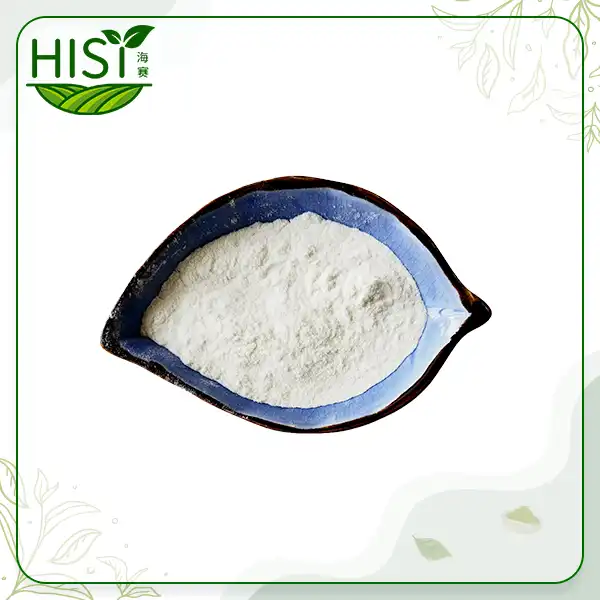
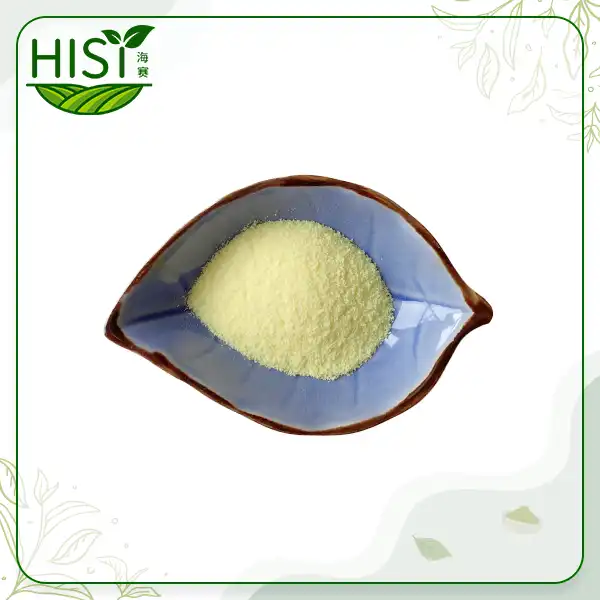
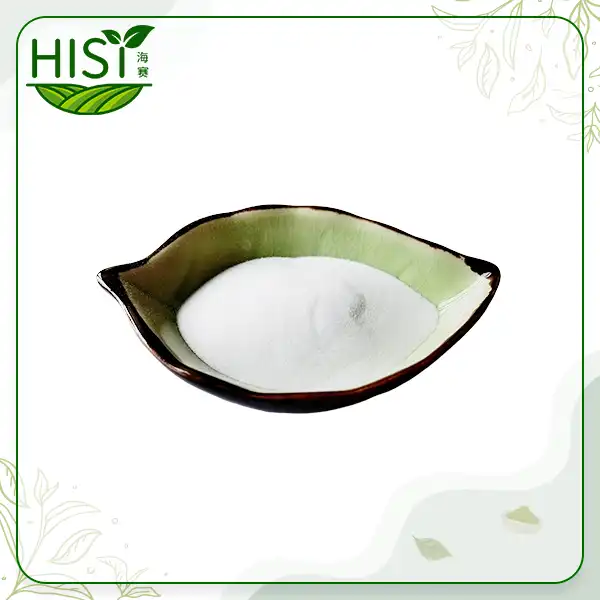
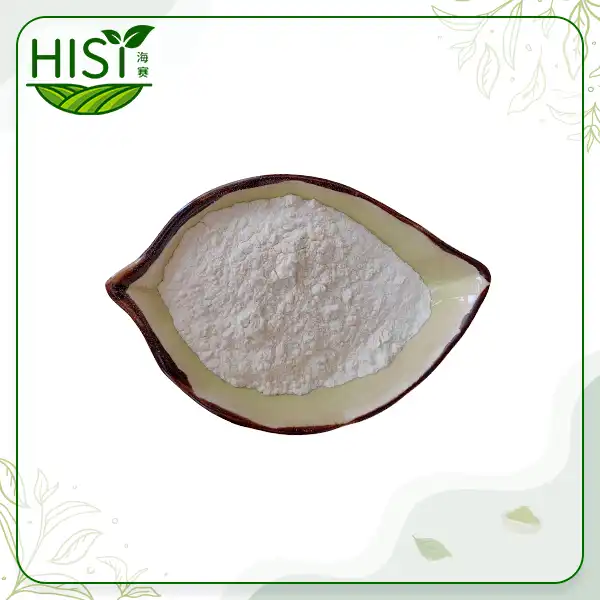
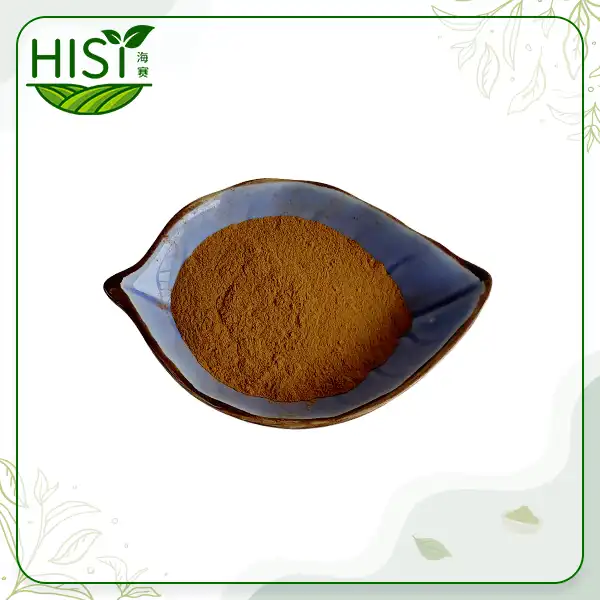
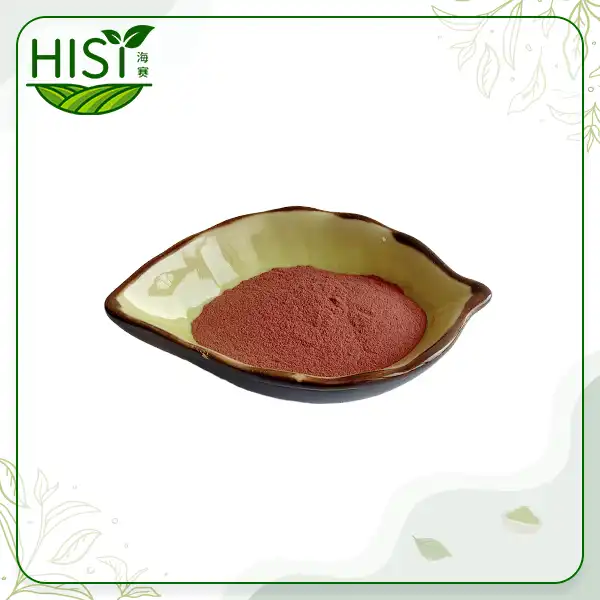
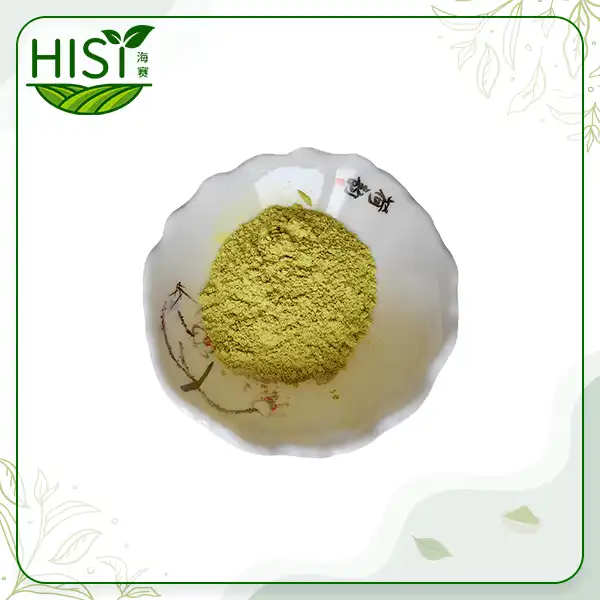
Premium Aloe Emodin Powder is very pure (more than 95–98%), according to an HPLC test. It also goes through a lot of quality control to get rid of the latex proteins that cause allergies that are in extracts that aren't as pure. It is safer to use this bioactive hydroxyanthraquinone substance (CAS No. 481-72-1) than whole-leaf aloe products because it always works the same way, is strong, and doesn't break down in acidic environments. It is made from better ways of extracting Aloe vera leaves, and it meets important industry needs for pharmaceutical-grade ingredients, following the rules, and medicine that works reliably in dermatology, diet, and medicine.
Understanding Aloe Emodin Powder: Composition and Benefits

If you want to find botanical ingredients, you should know what makes good ones different. Aloe Emodin Powder is made up of C15H10O5. The molecular weight of it is 270.24 g/mol. The hydroxyanthraquinone piece has been made better. Different parts of a plant can have different biological effects, but this concentrated active ingredient only comes from the Aloe vera plant's leaves.
The Chemical Structure Behind Biological Activity
Its molecules are made up of an anthraquinone backbone with hydroxyl groups at positions 1 and 8 and a hydroxymethyl substituent at position 3. Strong antioxidant activity is possible because of this structure. It gets rid of free radicals and lowers signs of oxidative stress in cell models. Scientists have found that the shape of this structure helps pathways that fight inflammation by blocking NF-κB. Because of this, it can be used in skin-regenerating products that fight photoaging and inflammation of the dermis.
Multi-Industry Applications and Health Benefits
Because it helps the body's natural detoxification processes and keeps digestion regular, this ingredient is used in digestive health medicines. In cosmetics, its ability to stop tyrosinase from working helps make products that make skin look better, and its ability to kill Propionibacterium acnes bacteria makes it useful for devices that treat acne. Companies that make supplements like it because clinical studies have shown that it can help the immune system and may also speed up metabolism.
Safe Usage Parameters for Formulation Development
The recommended dose changes based on the purpose. Cosmetic products normally have amounts between 0.1 and 0.5% so that they work well and don't bother the face too much. The usual dose for a dietary supplement is between 10 mg and 50 mg per serving. However, the exact dose should match the health claims and rules that are in place. The people who make products need to know that the compound is lipophilic and pick the right ways to deliver it, like using oil-based frameworks or liposomal encapsulation, so that the compound is as bioavailable as it can be. It stays very stable above 200°C while it is being made, which means that the active ingredients are kept during normal production processes.
Comparing Premium Aloe Emodin Powder with Alternatives

Before making a purchase choice, you need to know how the different plant ingredients stack up in terms of cost and performance. There are a lot of options on the market, and each one has its own pros and cons that affect how formulations work and how regulations are applied.
Aloe Emodin Versus Standard Emodin Powder
Both substances are anthraquinone derivatives and have similar structures. However, Aloe Emodin Powder has an extra hydroxymethyl group that changes how it works biologically. Standard emodin powder, which is usually made from Polygonum species, is better at making you go to the toilet, but it doesn't have the skin-regenerating properties of the aloe-derived variant. There are also different requirements for purity. Pharmaceutical-grade Aloe Emodin Powder is usually 98% pure through crystallisation methods, while standard emodin may have 90–95% active content with plant matrices remaining.
Whole Aloe Vera Extract Versus Isolated Compounds
Full-spectrum aloe vera extracts have many parts, such as polysaccharides, glycoproteins, and different anthraquinones. This level of complexity leads to batch differences that make it hard to get consistent formulation performance. Isolated Aloe Emodin Powder gets rid of this variability by giving standardised strength that lets you control doses precisely and predict how the body will react. It's easier to fill out regulatory paperwork when the ingredients are made up of a single compound, because toxicological profiles and clinical data apply directly, without taking into account how different phytochemicals may work together or against each other.
Natural Extraction Versus Synthetic Production
In some industrial settings, synthetic versions are cheaper, but natural extraction from Aloe vera leaves gives brands that stress botanical authenticity a way to stand out in the market. Studies on consumer preferences consistently show that people think naturally sourced ingredients are more valuable in the beauty and health categories. Synthetic production can leave behind reaction intermediates or catalysts that need extra cleaning steps. On the other hand, extracting plant tissue using enzymes or solvents makes goods that are in line with natural product approvals and clean-label marketing strategies.
Source Material Impact on Quality Profiles
Another source of anthraquinones is senna extract, which has sennosides that are very good for relieving stress but not good for most cosmetic uses. The specific anthraquinone makeup of Aloe vera leaves has softer effects that make them good for skin and oral uses that want to help with inflammation and free radicals, instead of having a strong laxative effect. This difference is very important when choosing ingredients for products that need to be safe enough for everyday use or for sensitive groups of people.
Core Quality Criteria for Premium Aloe Emodin Powder
Quality guarantee is what sets top providers apart from commodity sellers. There are several technical factors and work practices that determine whether an ingredient is pharmaceutical-grade or just meets basic commercial requirements.
Purity Standards and Analytical Verification
High-Performance Liquid Chromatography shows that premium material is at least 95% pure, and pharmaceutical-grade standards reach 98% purity. The target compound can be clearly identified and quantified using HPLC, which can also tell it apart from structurally similar anthraquinones that may be found in plant extracts. The paperwork for the Certificate of Analysis should list the retention time, the highest purity, and how it compares to authenticated reference standards. Spectroscopic techniques, such as UV-Vis and mass spectrometry, provide extra confirmation by making sure that the molecular weight and chromophore properties match the chemical structure of the compound.
Contaminant Control and Safety Parameters
Heavy metal content is a very important safety factor. To meet USP and EP monograph requirements, the total amount of lead, arsenic, mercury, and cadmium must be kept below 10 ppm. Testing for residual solvents makes sure that ethanol, methanol, and hexane stay below the ICH Q3C limits. This keeps finished products from becoming toxic. Testing for microbes shows that the total plate counts are less than 1000 CFU/g and that pathogens like Salmonella, Staphylococcus aureus, and E. coli are absent. Screening for pesticide residues that include organophosphates, organochlorines, and pyrethroid classes guards against farming contaminants that could make a product less safe or not approved by regulators.
Extraction Technology and Raw Material Traceability
Modern ways of extracting chemicals keep them intact while increasing the yield. If you use ethanol or ethyl acetate to get a solvent out of the material and then crystallise it, it becomes very pure without breaking down at high temperatures. There are solvent-free options for supercritical fluid extraction that can be used for organic approvals, but the prices are set by how much the hardware costs. To make sure that raw materials can be tracked, tools record the name of the plant, where it comes from, and when it was picked. In this way, the phytochemical profiles are always the same from one batch of plants to the next. When suppliers are close to farming sites, they can keep a closer eye on the quality of the inputs and act faster if there are problems in the chain of supply.
Certification Requirements and Quality Management Systems
If a factory is listed with the FDA, it means that it uses Good Manufacturing Practices when making food and products. Systematic hazard identification and critical control point management are used in all production workflows, as shown by the HACCP certification. ISO 9001 quality management systems set rules for how things should be done. These rules help keep things from being too different and help things keep getting better. Proof from a third-party lab or an independent testing facility gives internal quality claims more weight, which is good for procurement professionals who are wary about new seller relationships.
Packaging Solutions for Stability and Handling
Chemicals stay stable while they are being stored and shipped if they are packed in the right way. The stuff gets ruined quickly by light and water, so it needs to be put in bags packed with foil and filled with nitrogen to stop reactive breakdown. As standard, 1 kg foil bags are used for lab quantities. For large orders, 25 kg fibre drums with two polyethylene liners are used. Aloe Emodin Powder Setting the particle sizes to 80 mesh makes sure that they are spread out evenly in the formulation matrices. This stops problems with clumping that make the blend less uniform. It is possible to make packing choices that are just right for automated production systems or cleanrooms with their own specific handling needs.
How to Choose the Right Aloe Emodin Powder Supplier

Picking a supplier can affect the quality of the product, how well it meets regulations, and how well operations run in the long run. There are several things that procurement teams look for in partners that will help them reach their long-term business goals instead of just filling buy orders.
Production Capacity and Supply Consistency
If a business can make more than 200 metric tonnes of goods every year, it is considered industrial-sized and can handle rising demand without having to worry about supply problems. Having more than one specific production line lowers the chance of jams and lets plans be flexible enough to handle urgent orders or changes in seasonal demand. Suppliers that you know and trust keep safety stock levels that keep your production plans safe in case there are interruptions in the supply chain that could delay product launches or make store partners unhappy. These amounts of stock are there in case there aren't enough raw materials or demand goes up quickly.
Technical Support and Formulation Assistance
Strategic partners are different from commodity suppliers because they offer services that add value. Formulation-savvy technical teams can suggest the best ways to incorporate substances, figure out how to dissolve difficult materials, and fix stability problems that come up during product development. Regulatory support, such as help with INCI registration, kosher/halal certification, or organic compliance, makes it easier for your quality assurance teams to do their jobs. Having access to technical documents like safety data sheets, stability studies, and nutrition research speeds up internal review processes and backs up marketing claims.
Flexible Order Fulfillment and Logistics Capabilities
Your production scale should match your minimum order quantities. New brands need to be able to make smaller purchases at first, while established makers benefit from volume prices on large orders. Just-in-time inventory management techniques that lower the need for working capital are supported by delivery times of 4 to 8 days from the approval of the order. Avoid costly delays at border crossings or port facilities by learning about international logistics, such as customs paperwork, goods forwarding, and following the rules for importing goods into your target markets.
OEM and Private Label Capabilities
Suppliers that offer OEM services can package finished goods under your brand, which saves you money on buying production equipment and getting them registered with the government. Private label programs that let you change the ingredients allow you to make your products stand out without spending a lot of money on research and development. When intellectual property rights keep your formulations secret and exclusive delivery deals stop other suppliers from competing in your market segments, these relationships work well.
Transparent Pricing and Commercial Terms
When prices are low, it's because of economies of scale, efficient extraction methods, and good sources for raw materials, not because of lower quality. Clear price systems break down the costs of raw materials, shipping, and handling, so you can accurately estimate how much your finished goods will cost. Payment terms that work with net-30 or net-60 schedules help with managing cash flow, and bulk discount tiers reward trust and encourage partnerships that last for a long time. Having samples available before making a commitment lets you check the quality and make sure they work with each other, which lowers the risk of procurement.
Maximizing the Value of Premium Aloe Emodin Powder in Your Products

Choosing the right ingredients in a strategic way gives you a competitive edge that will appeal to customers and set your goods apart in crowded market categories. Knowing the best ways to use premium ingredients for a certain purpose will help you get the most out of them.
Pharmaceutical Applications and Therapeutic Formulations
Additionally, the compound is used as an active ingredient in pharmaceutical formulations to treat inflammatory bowel diseases, skin disorders, and metabolic dysfunction. Because it stays chemically stable in acidic stomach conditions, it can be taken by mouth without needing an enteric coating. This makes formulating easier and lowers the cost of production. Its ability to pass through the stratum corneum barrier helps topical pharmaceutical products give anti-inflammatory action straight to tissues that are affected. Supporting claims of effectiveness with clinical proof makes regulatory submissions stronger and gives marketers material that healthcare workers can relate to.
Cosmetic Innovations and Skin Care Formulations
Cosmetic scientists put this ingredient in anti-aging serums because it guards against UV rays and pollution, which are both harmful to the environment. Brightening products use their tyrosinase inhibition mechanism to stop the production of melanin and help with hyperpigmentation issues. Acne treatment systems use their antimicrobial and keratolytic properties to keep pores from getting clogged and reduce inflammatory lesions. Aloe Emodin Powder. When the ingredient is dissolved in the right carrier systems, it makes the formulation more stable. Depending on the product format and skin benefits, oil phases, ethanol-based toners, or liposomal delivery vehicles are all good ways to incorporate the ingredient.
Nutraceutical Product Development and Market Positioning
Companies that make dietary supplements market their products with metabolic health, digestive health, and antioxidant support in mind, which is in line with what the substance is known to do biologically. The ingredient is often mixed with other plants that work well together in pill form, such as probiotics for better gut health or antioxidants like resveratrol to help with all types of oxidative stress. It's important to make sure that powders for functional drinks dissolve better by processing them with cyclodextrins or delivery systems based on lecithin. People who are well-informed and want wellness solutions based on proof rather than health claims that can't be backed up will be interested in market messages that stress plant accuracy and scientific proof.
Emerging Applications and Future Market Trends
Researchers are looking into neuroprotective benefits so that they can be used in brain health products for older people who are worried about neurodegeneration. Studies on metabolic pathway modulation show that they may be used in weight loss plans that focus on insulin sensitivity and lipid metabolism. Nanoencapsulation and sustained-release technologies are two examples of new bioengineering advances that may make drugs more useful by making them more accessible and working for longer. If you keep your product development teams up to date on new research, they can take advantage of changes in what people want before other companies do.
Conclusion
To choose the best Aloe Emodin Powder, you need to look at purity standards, supplier certifications, and technical capabilities that make sure the quality stays high and the rules are followed. The compound's special molecular structure gives it specific biological effects that are useful in cosmetic, pharmaceutical, and nutraceutical uses. Its chemical stability and accurate dose control also make it better than crude botanical extracts in these areas. For procurement relationships to work, they need to offer competitive prices, stable supply chains, technical support, and flexible fulfilment options that can be changed to fit your production needs. Procurement professionals can confidently use this valuable ingredient in formulations that meet market needs and set their brands apart from competitors if they know quality standards and best practices for specific applications.
FAQ
What are the potential side effects of aloe emodin in formulations?
At the amounts that are suggested for cosmetic use (0.1-0.5%), the compound is very well tolerated and doesn't cause skin irritation. Doses of oral supplements between 10 mg and 50 mg per serving are safe, as shown in clinical research. Too much of anthraquinone can cause mild stomach problems, like loose stools, because it affects the movement of the colon. Formulation pH optimisation and choosing the right delivery system can help reduce concerns about sensitivity while keeping the therapeutic effect.
How can I verify the purity and authenticity of aloe emodin powder?
Ask for Certificates of Analysis that say how to measure HPLC purity and include chromatograms that show the retention time and peak purity. Unbiased quality confirmation comes from third-party lab verification from separate testing facilities. Spectroscopic data, such as UV-Vis absorption bands and molecular weight proof from mass spectrometry, prove that the chemicals are who they say they are. Supplier credentials like FDA licensing, HACCP, and ISO credentials show that they have quality management systems in place that support consistent output standards.
Which certifications indicate a reliable supplier?
FDA facility registration shows that chemicals used in cosmetics and food supplements are made in line with Good Manufacturing Practices. HACCP approval proves that food safety is managed in a planned way throughout the whole production process. Certification as an ISO 9001 quality management system means that operational methods are standardised and frameworks for ongoing growth are in place. Third-party organic, kosher, or halal certifications may be useful, depending on the needs of your target market and how you plan to position your products.
Partner with Hisy for Premium Aloe Emodin Powder Supply
Shaanxi Hisy Biotechnology has been making botanical extracts for 18 years and can provide pharmaceutical-grade material that is 95–98% pure, as shown by HPLC analysis. Our Xi'an plant is FDA-registered, HACCP-certified, and ISO-compliant. It has specialised production lines that make more than 200 MT of formulations every year, so you can be sure you'll always have what you need. We offer free samples to make sure the quality, and you can order anywhere from 1 kg to large amounts. We also deliver quickly, within 4–8 days, to help you keep up with your production schedules. During the relationship, our technical team helps with formulation and provides regulatory support. Thorough testing shows that heavy metals are below 10 ppm and that any remaining solvents meet USP/EP standards. Get in touch with our team at sales@hisybio.com to talk about your needs with a reliable Aloe Emodin Powder maker dedicated to quality greatness and customer success.
References
1. Chung, J.H., Cheong, J.C., Lee, J.Y., Roh, H.K., & Cha, Y.Y. (2018). Anthraquinone derivatives from natural sources and their biological activities. Archives of Pharmacal Research, 41(5), 436-454.
2. Femenia, A., Sánchez, E.S., Simal, S., & Rosselló, C. (2019). Compositional analysis and biological properties of aloe vera leaf gel constituents. Food Science and Technology International, 25(3), 203-218.
3. Kumar, S., Pandey, A.K., & Kumar, R. (2020). Quality control and standardization of herbal anthraquinone derivatives for pharmaceutical applications. Journal of Pharmaceutical and Biomedical Analysis, 178, 112-129.
4. Liu, M., Zhang, W., Wei, J., & Lin, X. (2021). Extraction technologies and bioactive properties of hydroxyanthraquinones from medicinal plants. Industrial Crops and Products, 159, 113-127.
5. Rodríguez-García, C., Sánchez-Quesada, C., & Gaforio, J.J. (2019). Dietary flavonoids and anthraquinones as modulators of skin health and appearance. Nutrients, 11(9), 2024-2041.
6. Thompson, L.A., Darwish, W.S., & Hassan, A.A. (2022). Safety evaluation and regulatory considerations for botanical anthraquinones in nutraceutical formulations. Food and Chemical Toxicology, 161, 112-134.