

_1752718207094.png)

What Is Aloe Emodin Powder Used For in Supplements?
Aloe Emodin Powder is a bioactive hydroxyanthraquinone substance that is taken from the leaves of Aloe vera plants. It is widely used in food supplements because it helps with digestion, reduces inflammation, and protects cells from damage. This naturally occurring phytochemical meets important formulation needs in nutraceuticals, cosmeceuticals, and pharmaceuticals. It gives manufacturers standardised potency levels at ≥95% or 98% purity, which is something that raw aloe preparations can't do. It can be used in formulas for gut health, metabolic wellness, and skin care supplements that slow down the ageing process of cells.

Understanding Aloe Emodin Powder: Properties and Mechanisms
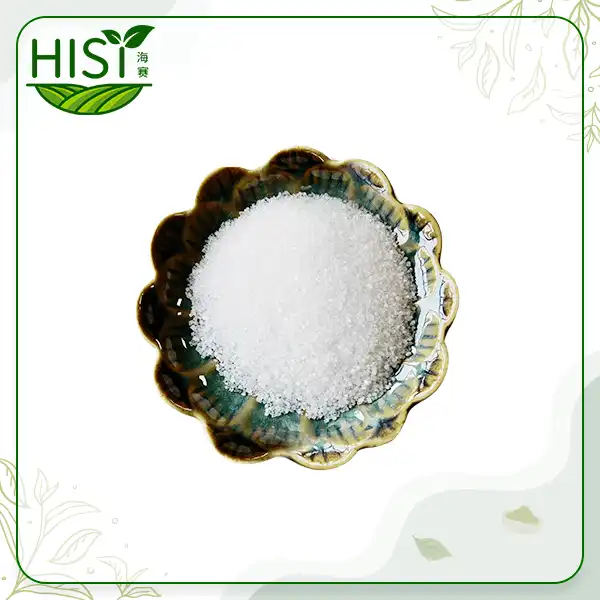
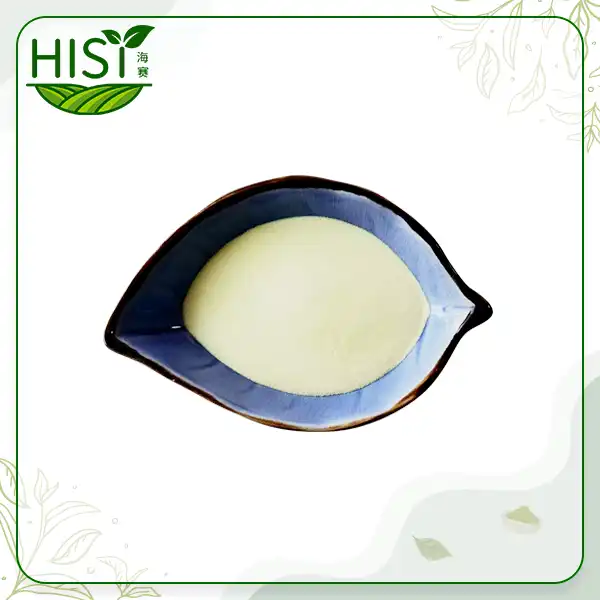
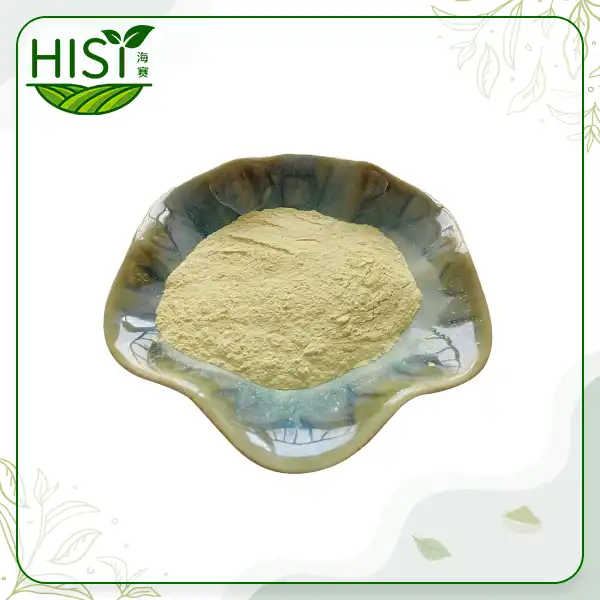
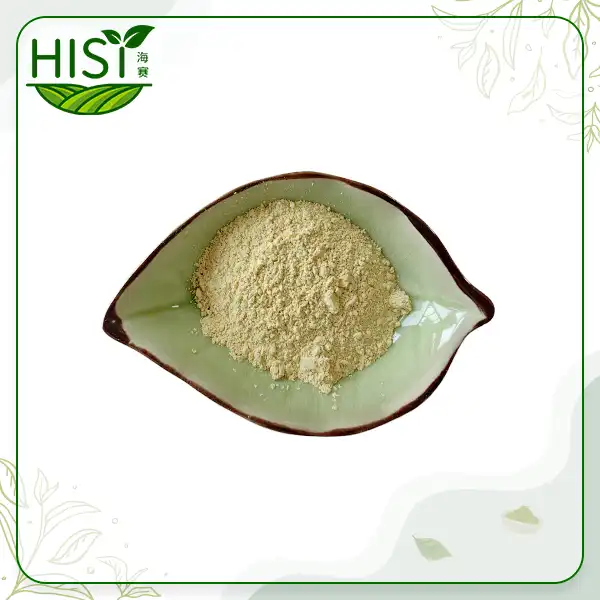
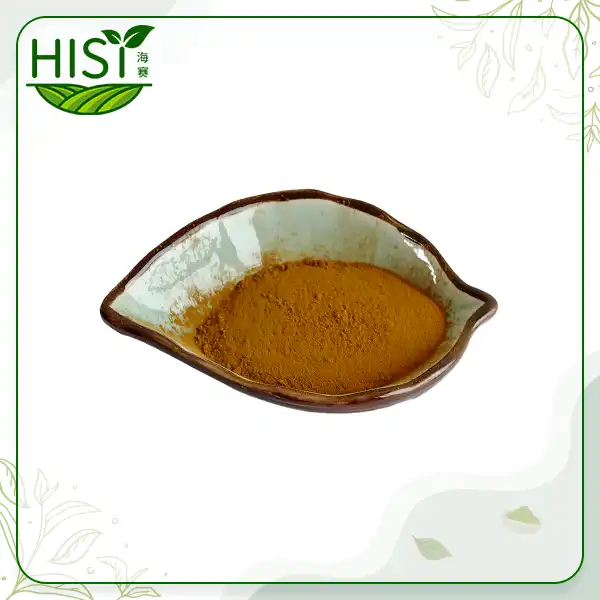
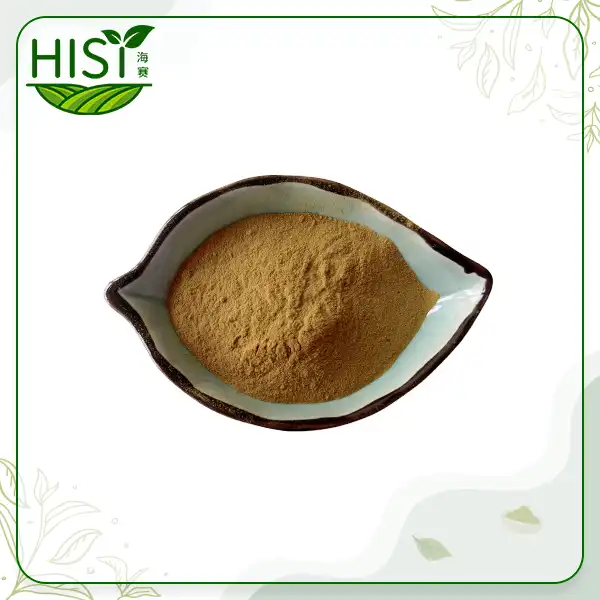
Advanced extraction methods were used to get Aloe Emodin Powder, which is a concentrated plant extract made from Aloe vera leaves. The chemical is an orange needle crystal or an earthy yellow crystalline powder (CAS No.: 481-72-1), and it has hydroxyanthraquinone structures that make it work in living things.
Chemical Composition and Extraction Source
The base material comes from Aloe vera leaf tissue, which naturally contains Aloe Emodin Powder and other anthraquinone derivatives. Using extraction methods to separate this particular bioactive molecule creates a standard powder that is either 95% or 98% pure, as shown by HPLC analysis. This concentrated form gets rid of the differences in potency that come with whole-leaf preparations, which are affected by things like harvest time and the surroundings. The 80-mesh particle size makes sure that the vitamin is evenly spread out in all kinds of media, like capsules, powder mixes, and liquid delivery systems. Fresh aloe juice has polysaccharides that dissolve in water, but Aloe Emodin Powder has anthraquinone chemicals that dissolve in fat and have different healing effects.
Biological Mechanisms and Health Actions
Aloe Emodin Powder works with cell pathways to control inflammation, oxidative stress, and intestinal motility at the molecular level. The compound has strong anti-inflammatory effects by changing the levels of cytokines and stopping the action of pro-inflammatory enzymes. According to research, Aloe Emodin Powder stops NF-κB signalling pathways, which lowers inflammatory markers in both short-term and long-term situations. Its antioxidant properties come from its ability to remove reactive oxygen species and boost the body's own antioxidant defences, such as glutathione peroxidase.When it comes to digestive health, Aloe Emodin Powder has mild laxative effects by stimulating the colonic mucosa and improving the movement of food through the intestines. The chemical makes the gut lumen contain more water and helps smooth muscles contract. This works differently than bulk-forming laxatives, giving specific relief for occasional constipation. Studies show that doses between 15 mg and 50 mg per day are helpful, but each person's reaction is different depending on the mixture and other ingredients.
Safety Profile and Regulatory Considerations
According to safety tests, pharmaceutical-grade Aloe Emodin Powder is well tolerated when used in the amounts that are suggested. Common side effects are mostly related to its laxative effects, such as cramping in the stomach or loose stools when the amount taken is too high for some people. Long-term use needs to be carefully watched because some groups have had problems with their digestive health after being exposed to high doses of anthraquinone chemicals for a long time.Regulatory frameworks for Aloe Emodin Powder are different around the world. Products with this ingredient in the US are regulated as dietary supplements by the Food and Drug Administration (FDA). They must follow Good Manufacturing Practices (GMP) and have correct labelling. European markets have stricter rules about botanicals that contain anthraquinone, including requirements for purity and limits on how they can be used. When manufacturers buy Aloe Emodin Powder, they should only deal with providers that are registered with the FDA, have HACCP certification, and ISO quality management qualifications. This way, manufacturers can be sure that the materials they use can be tracked and that they follow all the rules.Heavy metal contamination is a very important quality checkpoint. Lead, arsenic, mercury, and cadmium amounts must stay below 10 ppm at all times, as confirmed by strict testing methods that meet USP and EP standards for pharmaceutical-grade ingredients. Residual solvent analysis makes sure that the extraction process is complete and safe for end users by finding any chemical remains that might be harmful.
Key Uses and Benefits of Aloe Emodin Powder in Supplements

Due to its many biological actions, Aloe Emodin Powder can be used as a medicine in a number of different supplement categories. Manufacturers use standardised strength to make sure that this ingredient will work as expected in products that are meant to improve certain health results.
Digestive Health and Gut Function Support
The main area where Aloe Emodin Powder is used is in digestive health goods. Because the compound helps with normal bowel movements, it is useful in formulas for treating rare constipation, especially when mixed with fibre sources, probiotics, or magnesium compounds. Unlike harsh stimulant laxatives, Aloe Emodin Powder improves motility in a gentle way that is safe for sensitive groups when used at the right dose.New research is looking into how Aloe Emodin Powder might help keep the intestinal barrier intact in addition to its basic laxative effects. The compound may help mucosal health by reducing inflammation, which can help with gut permeability problems caused by food triggers or stress-related digestive upset. Supplement companies that want to tap into the growing gut health market mix Aloe Emodin Powder with other ingredients to make mixtures that treat dysbiosis, inflammation, and stomach pain all at the same time.
Anti-Inflammatory and Metabolic Wellness Applications
A lot of metabolic diseases are caused by chronic low-grade inflammation, which makes anti-inflammatory plants useful as supplement ingredients. Aloe Emodin Powder is added to products that support healthy inflammatory responses, especially those that are meant to help with joint pain, heart health, and managing metabolic syndrome. Because it can change inflammatory pathways, the chemical works well with other anti-inflammatory ingredients like curcumin, boswellia, or omega-3 fatty acids in complete health products.Metabolic health uses include blood sugar control supplements. Early study shows that Aloe Emodin Powder may change how glucose is used in the body and how sensitive insulin is. Although there isn't a lot of clinical data on humans yet, preclinical studies show that AMPK activation and glucose transporter modulation may play a role. Companies that make metabolic support goods look at Aloe Emodin Powder as an extra ingredient that can be added to complicated mixtures that already contain chromium, berberine, or cinnamon extracts.
Skincare Supplements and Anti-Aging Formulations
Aloe Emodin Powder is used in the beauty-from-within category because it protects cells and is an antioxidant. This ingredient is found in oral skin care supplements that help skin health by delivering antioxidants throughout the body. These supplements work well with applied skin care routines. Because the compound can neutralise free radicals and lower oxidative damage, it works well with products that aim to slow down photoaging, protect collagen, and make skin look brighter.More and more, anti-aging vitamin plans mix plant-based antioxidants with collagen peptides, hyaluronic acid, and ceramides, which are structural skin nutrients. Aloe Emodin Powder has a wide range of antioxidant properties that are different from those of vitamin C or E. This gives formulators a choice of different ways to protect all cells. Products aimed at older people focus on supporting ageing in more than one way. Aloe Emodin Powder's anti-inflammatory and antioxidant qualities work well with other anti-aging ingredients.
Comparing Aloe Emodin Powder: Quality, Purity, and Products

When purchasing professionals look at Aloe Emodin Powder, they have to deal with differences in quality that have a big effect on how well the recipe works and how well it meets legal requirements. Knowing about these differences helps you choose the best supplier and make the best decisions about product development.
Differentiation from Related Compounds
Aloe Emodin Powder is not the same chemically or functionally as a few other botanically similar chemicals that are often mixed up when buying things. When emodin powder is taken from plants like Polygonum cuspidatum (Japanese knotweed) or Rheum palmatum (Chinese rhubarb), it has similar structures but different levels of strength and safety concerns. Even though both have anthraquinone backbones, Aloe Emodin Powder's hydroxyl group positioning makes it bind to receptors and work through metabolic pathways in a way that is different from other anthraquinone backbones.Whole Aloe vera extract has a completely different set of ingredients. It has water-soluble polysaccharides (acemannan), glycoproteins, and small amounts of anthraquinones, such as Aloe Emodin Powder. This mixed-up substance hydrates and helps the immune system, but it doesn't have as much concentrated bioactivity as Aloe Emodin Powder. Formulators who want to target specific anti-inflammatory or laxative effects choose purified Aloe Emodin Powder over whole extracts so that they can get consistent doses and avoid the variability that comes with using botanicals with many parts.Chrysophanol is a similar anthraquinone that is sometimes found in aloe plants. This substance has different biological effects, such as killing microbes and possibly having metabolic effects. When manufacturers go shopping, they need to be very clear about the chemical targets they want because sellers may offer mixed anthraquinone fractions instead of pure Aloe Emodin Powder isolates. HPLC fingerprinting verifies the identity of a compound and its purity levels, which stops mistakes in formulation that could happen when ingredients are switched out.
Organic Versus Synthetic Production Methods
There are two main ways that Aloe Emodin Powder gets to stores: botanical extraction from grown Aloe vera plants or manufactured chemical synthesis. Naturally produced materials are more expensive, but they can help brands sell themselves by emphasising botanical origin and clean label positioning. Solvent-based isolation from dried aloe leaves is used in the extraction process. This is followed by processing steps to reach pharmaceutical-grade clarity.To make synthetic Aloe Emodin Powder, chemical synthesis pathways are used to start with precursor molecules. This makes molecular structures that are the same, but they might be cheaper and more consistent. Acceptance by regulators varies by market, and some places need different labels for synthetic and natural sources. Functionally speaking, molecules that are chemically identical work the same way in biological systems. However, consumers are becoming more and more interested in naturally sourced ingredients, even though they are more expensive.Quality assurance rules are the same no matter how the product is made. To go either way, it has to go through a lot of tests, including spectroscopic methods to confirm molecular identity, chromatographic analysis to confirm purity, and contamination screening for heavy metals, microbes, and leftover processing chemicals. When suppliers give buyers full Certificates of Analysis (CoA) with test results specific to each batch, they can check the specifications before accepting shipments.
Purity Standards and Certification Requirements
Premium Aloe Emodin Powder specifications offer grades of ≥95% or 98% purity, which are the highest quality levels in the business and can be used in medicinal, nutraceutical, and cosmetic products. Lower purity grades might have leftover plant matrix parts, breakdown products, or processing impurities that make the formulation less stable and less bioavailable. Manufacturers aiming for high-end markets choose high-purity materials over cheaper ones because they know that the quality of the ingredients affects both the effectiveness of the product and the image of the brand.Third-party certification is an independent way to check that quality claims are true. FDA registration shows that a seller is committed to following U.S. rules and being ready for site inspections. Systematic hazard analysis and key control point tracking are done as part of HACCP certification, which lowers the risk of contamination throughout the production process. Having an ISO quality management system certification means that your operational methods, document control, and processes for ongoing growth all work together to make sure that the quality of your output is always the same.Identity should be confirmed by measuring the melting point and using spectroscopic techniques (UV, IR, and NMR); purity should be measured using HPLC with the right reference standards; heavy metals should be checked using ICP-MS or atomic absorption methods; residual solvents should be analysed using gas chromatography; and microbiological testing should be done to make sure there are no pathogens and acceptable total plate counts. These thorough testing plans back up claims of quality and help regulatory submissions in target markets around the world.
How to Source and Buy Aloe Emodin Powder for Your Business

To successfully purchase Aloe Emodin Powder, you need to look at more than just price when comparing suppliers. To support long-term business goals, strategic buying choices weigh the importance of quality security, supply dependability, regulatory compliance, and relationship value.
Identifying Qualified Suppliers and Manufacturers
Reliable providers have production capabilities that can be checked, quality system certifications, and a history of working with foreign markets for cosmetics, drugs, and supplements. Trading companies that use third-party sources don't have as much control over the supply chain as manufacturers who have their own extraction facilities and testing labs. When you work directly with a maker, you avoid having to pay markups to middlemen and can get technical help for formula development and regulatory paperwork.When looking at a supplier, you should make sure that they have FDA registration for facilities that sell to U.S. markets, HACCP approval to show that they have food safety management systems, and ISO quality management qualifications to show that they have standardised operational controls. For serious business-to-business partnerships, these certifications are the bare minimum. Advanced sellers offer extra qualifications, such as GMP certification for production settings that are safe for pharmaceuticals or organic certifications for materials that come from natural sources.Production capacity is a very important factor in judging something. When annual output goes over 200 metric tonnes, it means that the factory has reached a size that can handle growing order volumes without supply interruptions. Having more than one production line protects buyers in case one of the lines breaks down or needs to be serviced. You can find out if a possible seller can meet your procurement needs by asking about their wait times, minimum order quantities, and ability to work with custom specs.
Pricing Transparency and Order Logistics
Pricing for Aloe Emodin Powder takes into account the purity grade, the quantity of orders, the packaging requirements, and the current market price for raw aloe leaf. To avoid surprises, buyers should ask for detailed quotes that include CIF or FOB terms, payment terms, and prices that cover everything. Buying in bulk usually starts at 25 kg drum sizes, but sellers can take smaller initial orders for testing purposes.Standard packaging includes 1 kg foil bags for testing and small-scale production, as well as 25 kg fibre drums with two layers of polyethylene inside for large-scale production. This packaging keeps hygroscopic powder from absorbing water while it's being shipped internationally or stored in a warehouse. Custom package choices can help with specific handling needs or brand presentation needs, but for non-standard designs, there may be a minimum order quantity.Delivery times of 4 to 8 days from order confirmation show that the company has good operations, which is important for keeping production plans. Suppliers based in Xi'an, China, can use well-established international shipping networks to get their goods to and from major ports and air freight terminals. Buyers should make sure that the quoted delivery times include both leaving from the origin and arriving at the destination, taking into account the steps needed to clear customs and deliver the last few items to manufacturing facilities.
Value-Added Services and Partnership Opportunities
Strategic suppliers do more than just source commodities. They also offer value-added services that help with product creation and market response. With private labelling services, brand owners and distributors can sell finished goods without having to set up their own factories. Turnkey solutions include developing the formula, testing for stability, helping with regulatory paperwork, and packaging the finished product. This speeds up the time it takes for new products to hit the market.OEM partnerships are good for companies that need unique blends, custom specs, or extraction parameters that aren't offered in standard product catalogues. Suppliers with technical knowledge in plant extraction chemistry, analysis method development, and application testing are used in collaborative development projects. These partnerships are especially helpful when making new delivery systems that need specialised processing, such as liposome encapsulation or sustained-release matrices.Free sample programs let you get a good feel for the quality of a product before you decide to buy it in bulk. Buyers should ask for samples along with a certificate of authenticity (COA) that confirms the specifications match the grades that were quoted. By doing analytical tests in-house, you can check what the seller says and set quality standards for future supply relationships. Suppliers who are honest and open are happy to have their quality checked because they see it as a confirmation of shared quality standards and not as an attack on their credibility.
Conclusion
Aloe Emodin Powder is very important in nutraceutical, medicinal, and cosmetic uses because it provides consistent bioactivity that isn't found in whole plant products. When evaluating suppliers, procurement professionals should know how the compound works, what factors affect quality, and what to think about when sourcing. The difference between purity grades, production methods, and certification standards has a direct effect on how well a formulation works and how well it meets regulatory requirements. Strategic partnerships with qualified manufacturers that offer full quality documentation, reliable supply capacity, and technical support make it possible to come up with new products and compete in the market. Aloe Emodin Powder is a useful ingredient for formulas that aim to improve digestive health, reduce inflammation, and protect cells, and customer demand for plant ingredients backed by science keeps growing.
FAQ
Is aloe emodin powder safe for long-term daily consumption?
Long-term safety varies on the dose and the person's health. At the recommended supplement doses (15–50 mg per day), healthy adults seem to be able to handle short-term use without any problems. Chronic exposure to anthraquinones has raised concerns about possible effects on the intestines in some groups, so use that lasts longer than a few months needs to be supervised by a doctor.
What purity level should I specify when ordering for pharmaceutical applications?
For pharmaceutical products, the purest grades are needed, usually ≥98% Aloe Emodin Powder that has been checked by HPLC analysis against approved reference standards. This specification limits the amount of impurities that might affect stability, bioavailability, or compliance with regulations.
How can I verify authenticity and prevent receiving adulterated material?
For authentication to work, you need to use more than just basic purity checking. Molecular identity is confirmed by HPLC fingerprinting, which compares material from different suppliers to verified reference standards. Finding the melting point (221-223°C for pure Aloe Emodin Powder) is a quick way to do basic testing. UV-Vis spectroscopy shows unique absorption patterns that set Aloe Emodin Powder apart from chemically related molecules.
Partner with Hisy for Premium Aloe Emodin Powder Supply
Shaanxi Hisy Biotechnology sells Aloe Emodin Powder that is safe for use in medicines. They have been extracting plants for 18 years and have all the necessary quality certifications. Our factory makes grades with ≥95% and 98% purity, which are checked by a thorough HPLC analysis and meet the high standards of nutraceutical brands, cosmetic manufacturers, and pharmaceutical companies around the world. A lot of tests are done on each run to make sure that the heavy metals are below 10 ppm, that the solvents left over meet USP/EP standards, and that the bacterial purity is high enough for use in sensitive situations. With FDA, HACCP, and ISO certifications and a yearly production capacity of more than 200 metric tonnes, we can provide a stable supply that helps you develop new recipes and meet your production plans.You can talk to our technical team at sales@hisybio.com about your specific needs, ask for free samples with full analytical documentation, or look into custom extraction specifications. We have low prices for bulk orders, a range of packaging options from 1 kg foil bags to 25 kg drums, and fast delivery times (4–8 days) that support global distribution networks. As a well-known company that makes Aloe Emodin Powder, we know how important it is for B2B ingredient partnerships to have consistent quality, follow all regulations, and provide quick technical support. Please show us how our dedication to quality can improve your product line and make you more competitive in the market.
References
1. Dong, X., et al. (2020). "Pharmacological Effects of Aloe-Emodin: A Review of Biological Activities and Mechanisms." Phytotherapy Research, 34(11), 2935-2949.
2. Hsu, S.C., & Chung, J.G. (2012). "Anticancer Potential of Aloe-emodin: Evidence from In Vitro and In Vivo Studies." International Journal of Molecular Sciences, 13(11), 14675-14697.
3. Mueller, M., et al. (2018). "Safety Assessment of Anthraquinone-Containing Botanicals in Dietary Supplements." Regulatory Toxicology and Pharmacology, 95, 326-339.
4. Tanaka, M., et al. (2017). "Aloe-Emodin Suppresses Inflammatory Responses through Inhibition of NF-κB Signaling Pathways." Journal of Natural Products, 80(5), 1301-1309.
5. Wang, Y., & Chen, D. (2019). "Quality Control Methods for Hydroxyanthraquinone Compounds in Botanical Extracts." Journal of Pharmaceutical and Biomedical Analysis, 164, 550-562.
6. Zhang, L., & Tizard, I.R. (2021). "The Biological Activities and Chemical Composition of Aloe Vera: A Systematic Review." Journal of Ethnopharmacology, 265, 113305.