

_1752718207094.png)

How to Find Reliable Emodin 95% Suppliers Worldwide?
To find reliable providers of high-purity plant extracts, you need a structured method that strikes a mix between making sure the quality is good and making money. When procurement professionals need to get Emodin 95%, they have to look at suppliers based on their documented certifications, consistent product quality, and clear ways to communicate. The hard part is telling the difference between sellers of real, standardised anthraquinone derivatives and those who can't promise consistency from batch to batch. Nutraceutical brands, cosmetics makers, and drug companies can use the practical criteria in this guide to find suppliers who meet international quality standards, offer competitive prices, and have reliable logistics. By going through a methodical screening process, buyers can build partnerships that protect the effectiveness of the product and make sure it meets all regulatory requirements in all global markets.
Understanding Emodin 95% and Its Market Relevance

What Makes This Compound Valuable for Industrial Applications
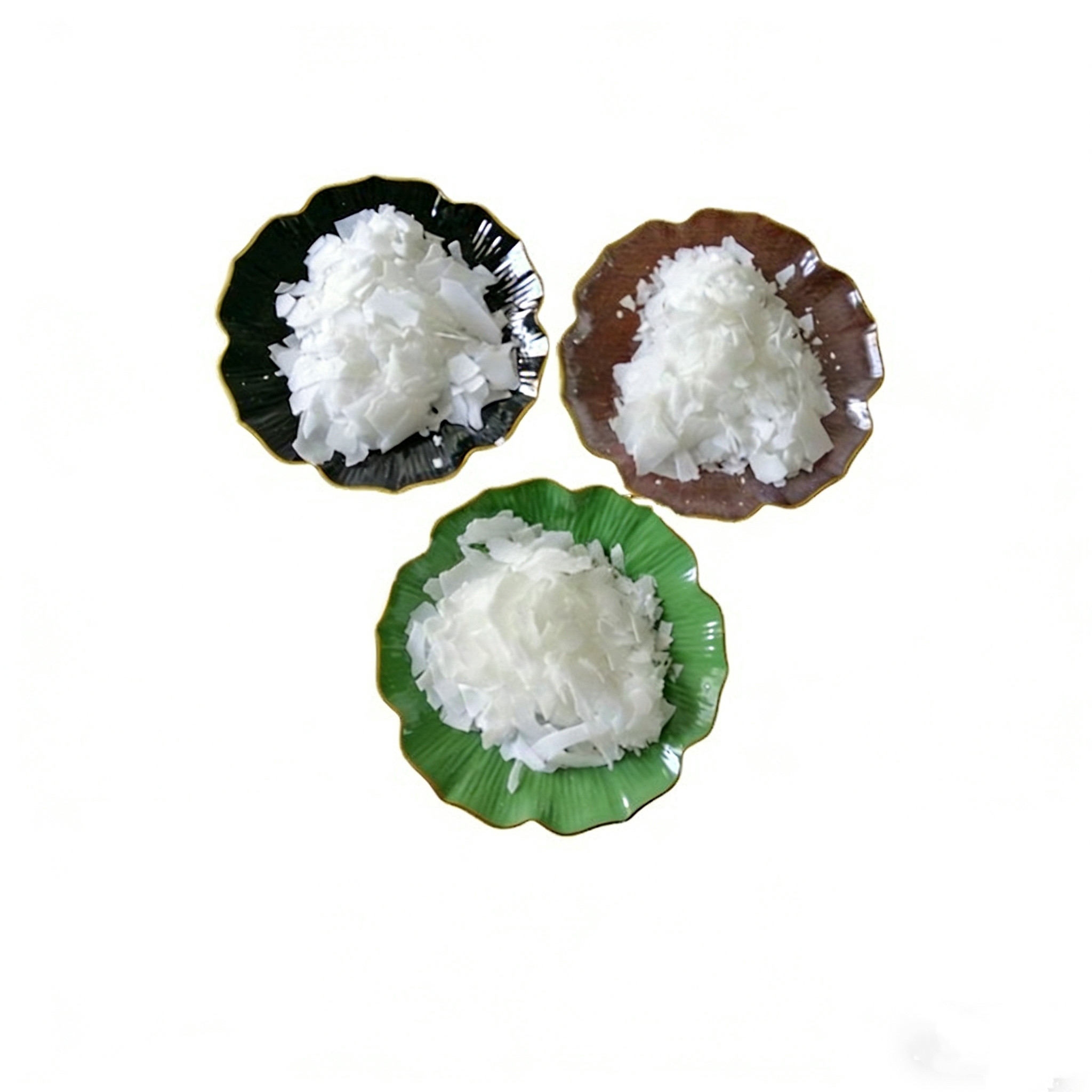
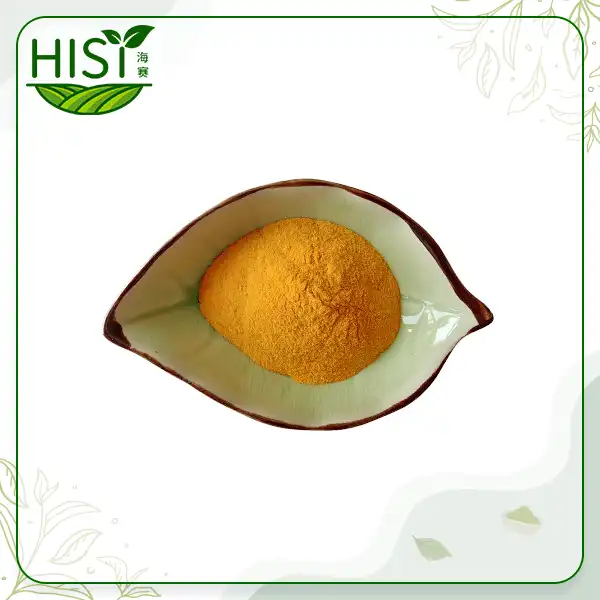
The chemical formula for Emodin 95% is C15H10O5, and its molecular weight is 270.24. It is a highly pure anthraquinone derivative that is mostly taken from Polygonum cuspidatum rhizomes and Rheum palmatum roots. The 95% standardisation fixes a major problem in the industry: the fact that raw plant powders aren't always the same, which makes doses less accurate and less bioactive. Lower-quality extracts contain laxative anthraquinones like rhein that aren't needed. This pure form, on the other hand, gives a constant bioactive reaction while minimising stomach upset. It looks like orange to reddish crystals and has a melting point between 253°C and 257°C, which makes it stable at high temperatures for most manufacturing processes, such as extrusion and granulation.
Botanical Origins and Extraction Standards
Getting it naturally from Giant Knotweed makes sure it's real, and if needed, carbon isotope testing can prove it. Suppliers who write down how they extract usually use ethanol or ethyl acetate as solvents and then chromatographic purification to get the concentration they want. This level of clarity is important because leftover solvents need to follow USP <467> rules to be safe in pharmaceutical formulations. When buying cosmetics, buyers look for plant-based sources that match the claims of natural products. Nutraceutical manufacturers, on the other hand, focus on extraction methods that keep the compound's anti-inflammatory and metabolic health benefits.
Industry Applications Across Multiple Sectors
The pharmaceutical industry uses this compound as a lead molecule in the development of anti-tumor and anti-fibrotic drugs. Its high purity makes pharmacokinetic profiling predictable. Nutraceutical companies put it in supplements to help people lose weight and control their blood sugar. These supplements work by hitting the AMPK pathway to make the metabolism work better. In animal nutrition, it replaces synthetic antibiotics and works just as well when pelleted at high temperatures as a natural way to help chickens and fish grow and boost their immune systems. Cosmetic makers want to use it in anti-aging and skin-brightening products because of its antioxidant properties. They need suppliers who can give them technical information on how stable lipid-based delivery systems are.
Key Challenges in Finding Reliable Suppliers

Quality Verification and Adulteration Risks
Purchasing managers have a hard time making sure that products are pure when suppliers don't provide clear documentation. Concerns about adulteration with lower-purity grades or manufactured fillers continue, especially when Certificate of Analysis (CoA) reports come from labs that can't be trusted. High-Performance Liquid Chromatography (HPLC) testing by a third party is needed to make sure that purity levels really do reach ≥95.0%. Emodin 95% Buyers should ask for batch-specific COAs instead of generic ones, and during the sample review steps, they should compare the results with the results from their own lab tests.
Communication Barriers and Regulatory Compliance
When suppliers can't explain their quality control procedures in technical detail, it's hard to build trust and make sure they're following the rules. Global buyers need sellers who know what the FDA, HACCP, and ISO norms are and can provide paperwork that meets them. Lack of clear information about heavy metal limits (Lead < 2ppm, Arsenic < 1ppm, Mercury < 0.1ppm) and microbial contamination levels makes it harder to make sure that final goods are safe. Suppliers who share ICP-MS test results and microbial limit testing (Total Plate Count 1000cfu/g, lack of E. coli and Salmonella) show organisational maturity, which lowers regulatory risk further down the line.
Pricing Transparency and Minimum Order Quantities
Buyers have to find a mix between keeping supplies under control and keeping costs low because the prices of raw materials change all the time. Some sellers have ridiculously high MOQs that make it hard to keep up with payments, while others have reasonable prices but can't handle large orders. To fully understand the costs, which include packaging, shipping, and import duties, detailed quotes are needed, which is something that many sellers don't do right away. Buyers gain when suppliers allow them to try out different order sizes and clear price levels based on number commitments, which makes budgeting and planning easier.
Essential Criteria to Evaluate When Choosing Suppliers
Product Quality, Consistency, and Testing Protocols
Consistency in purity across production batches is what sets professional manufacturers apart from traders who are just looking for a quick buck. To make sure the product stays stable on the shelf for a long time, suppliers should show that HPLC purity numbers vary by less than 1% from batch to batch and keep the moisture level below 1%. Chemical fingerprinting using advanced chromatography methods confirms the presence of the target molecule and finds unwanted impurities at the same time. Particle Size Distribution (PSD) analysis is important for situations where the dissolution rate needs to be the same, like when making tablets or liquid suspensions. To check for production steadiness, buyers should ask for past batch data that goes back at least six months. Both the quality and safety ratings are affected by the way the extract is made. Reliable providers use tested extraction methods and proven liquid recovery systems, which lowers the amount of chemicals that are still in the product. For each step of the production process, they have standard operating procedures that they follow, and they use in-process quality checks to find any problems before the final packaging. When procurement teams look at possible partners, they should ask about quality hold procedures that keep non-conforming material from getting to customers and re-testing protocols for failed batches.
Supplier Credentials and Certifications
GMP certification shows that a company follows the rules for Good Manufacturing Practices, which include keeping the building clean, keeping the equipment in good shape, and training employees. An ISO 9001 certification shows that a company is dedicated to quality management systems, and an ISO 22000 certification talks about food safety management in a way that is useful for nutritional uses. Suppliers that work with pharmaceutical companies often have extra certifications, such as NSF or BRC, that show they can meet strict regulatory requirements. To verify, you need to ask for copies of the certificates with up-to-date expiration dates and call the certification bodies to make sure they are real. Industry examples show how well a company has done in the real world. Talking to current clients can give you information about how accurate lead times are, how quickly technical help responds, and how to solve problems. Suppliers who have worked with big names in the past and can show proof of this show they can increase production while still meeting quality standards. Buyers should get references from companies in the same industry that handle about the same number of orders. This shows that the company has useful business experience.
Pricing Structure and Payment Terms
A clear price keeps things from going astray during contract talks and builds trust in long-term relationships. Costs for raw materials, processing, quality testing, packing, and transport should all be broken down separately in detailed quotes so that buyers can understand what drives value. Volume-based pricing levels encourage bigger commitments while still letting trial orders happen. Payment terms that balance the buyer's need to manage risk with the supplier's need for cash flow, like a 30% deposit with the balance due after CoA verification, are good for both parties. Letters of credit, wire transfers, and trade credit lines are all flexible payment options that can be used with different corporate buying policies. Emodin 95% custom formulation projects can lower their risks even more by working with suppliers who accept staged payments tied to production milestones. International buyers can handle changes in the value of the dollar better when they know their currency exchange risk and look into their choices for multi-currency invoicing. Suppliers who bring up these business issues show a level of maturity in their business that goes beyond just making products.
Logistics Capabilities and Regulatory Compliance
Production schedules stay on track thanks to shipping choices that can be trusted and delivery times that can be monitored. International logistics experts who work with suppliers know Incoterms and can set up DDP (Delivered Duty Paid) or FOB (Free on Board) terms based on what the buyer wants. They keep in touch with freight forwarders who know how to handle chemicals safely and can provide the right paperwork for customs clearance, such as Material Safety Data Sheets (MSDS) and phytosanitary certificates when needed. Lead times from order approval to arrival must be in line with how the buyer manages their goods. Suppliers who keep enough raw materials on hand can fill urgent orders without lowering the quality, while suppliers who use "just-in-time" systems may have lower prices but less freedom. Export experience is very important. Vendors who know about US FDA import requirements, EU REACH regulations, and other regional compliance standards help buyers avoid delays at customs and problems with regulations. Keeping the product at the right temperature while it's being shipped helps keep its integrity, especially for chemicals that are sensitive to moisture like this anthraquinone derivative.
Step-By-Step Approach to Identify and Verify Reliable Suppliers Worldwide

Conducting Comprehensive Market Research
Finding possible providers through specialised B2B platforms, industry trade shows, and professional networks is the first step in the study process. Platforms like Alibaba, Made-in-China, and industry-specific directories have lists of makers and wholesalers that can be searched. Going to events like SupplySide West, Vitafoods Europe, or in-cosmetics Global lets you meet people in person, which builds relationships and lets you talk about facility tours. Professional groups often keep lists of suppliers that have been checked out and whose members have been shown to have basic quality qualifications. To make a shortlist, you have to sort candidates by their production capacity, certification status, and reputation in the market. An online study should confirm the information about the business's licensing, where its production facilities are located, and how long it has been in business. Suppliers who have websites with technical specs, application guides, and published research show that they are committed to being open and honest. Social proof, like case studies, feedback videos, and industry awards, gives them more proof of their place in the market.
Sample Evaluation and Certificate Verification
Asking for samples lets you check out the physical properties of things like colour consistency, powder flow properties, and solubility behaviour in real life. When samples are sent in, they should come with batch-specific COAs that list the purity levels, heavy metal screening, microbial testing, and residual solvent analysis. Independent laboratory testing at accredited facilities verifies what the seller says and finds any differences between the paperwork they give and the quality of the product itself. Protocols for testing should include HPLC to ensure purity, ICP-MS to check for heavy metals, and microbial tests that follow USP or Ph. Eur. guidelines.
Effective Communication and Negotiation Strategies
In the first communications with suppliers, technical needs should be made clear. These should include desired levels of purity, acceptable moisture levels, particle size preferences, and packaging formats. When you talk about production wait times, minimum order amounts, and payment terms early on, you can avoid misunderstandings during the contract negotiation process. Asking specific questions about the steps used for extraction, quality control, and handling deviations shows that you are technically and operationally skilled. Instead of just lowering prices, negotiation strategies should focus on adding value. When you look into options like combining shipping for multiple items, longer payment terms for bigger commitments, or working together on quality improvement projects, you develop a partnership mindset. Suppliers who take the time to understand your unique application needs and offer formulation support are likely to be good partners in the long run. All agreements should be written down in detailed purchase orders or supply contracts. This stops disagreements and sets clear standards for performance.
Formalizing Quality Agreements and Initial Orders
Quality agreements should spell out the accepted ranges for all important factors, as well as the testing methods, when certificates should be delivered, and how to fix batches that don't meet the standards. Including requirements for stability testing makes sure that claims about a product's shelf life are accurate when stored in a certain way. Protocols for keeping samples allow for future reference testing in case quality issues arise during the final product's production. Clear rules for refusal and returns protect buyers' interests and encourage suppliers to be careful about quality. Initial bulk orders should be big enough to make sure that production can be scaled up without putting too much risk on inventory. Ordering in stages, like starting with a single batch of goods before committing to three-monthly amounts, lets you check the performance in real-world situations. By using receiving inspection procedures that check the integrity of the packaging, the accuracy of the labels, and basic physical properties, shipping damage or mix-ups can be found before the materials are used in production. Setting these rules during the first order sets quality standards that last for the duration of the association.
Building Long-Term Partnership Management Systems
Regular checks of suppliers keep quality standards high and find ways to make the process better. On-site visits once a year let you look at improvements to the building, how the equipment is maintained, and how the staff is trained. Videoconferencing-based remote audits are a good way to check in between physical trips, especially for providers who are far away. The results of an audit should be written down along with corrective action plans that keep track of how the changes are being made and make sure they are working. Customising products together creates value for both parties and improves relationship ties. Emodin 95%, your products will stand out in a crowded market if you work together to create unique formulation blends, improve bioavailability by optimising particle size, or come up with custom packaging solutions. When suppliers put money into technical support like stability studies, compatibility testing, and application troubleshooting, they stop being transactional vendors and become strategic partners. This collaborative method makes procurement more efficient and protects the supplier line.
Distinguishing Top-Tier Suppliers in the Global Market
Evaluating Manufacturer Capabilities and Service Quality
Leading providers stand out by keeping HPLC readings within ±0.5% across production runs and offering very high purity consistency. As part of their quality assurance systems, key control points are watched in real time, automated documentation systems make sure that everything can be tracked, and testing protocols are overseen by quality teams. These companies buy the most up-to-date analytical tools and stick to tested methods that go above and beyond what the law requires. Competitive prices without sacrificing quality come from running a business efficiently, not by cutting corners. Vertical integration, which means that top-tier providers control where the raw materials come from, how they are extracted, and how they are distributed, gives them cost benefits. Because customer needs change as a product is being developed, they offer MOQ flexibility that lets them handle both small-scale trial orders and large-scale commercial production. Business models that focus on the customer include offering value-added services like custom packaging in nitrogen-flushed containers, faster shipping for urgent orders, and technical advice on formulation problems. Customer reviews and the image of the business give you a clear picture of how well a supplier is doing. When people consistently give good feedback about how well you communicate, solve problems, and deliver, it means that your operations are mature. Suppliers that work with big names for a long time have shown that they can increase production while keeping quality standards high. When you look at references about batch consistency, regulatory help, and problem settlement, you can see how well providers do when they are under a lot of stress.

Shaanxi Hisy Biotechnology: Quality Standards in Action
The 2008-founded Shaanxi Hisy Biotechnology Co., Ltd. is a great example of professional production practices because it has a wide range of certifications, such as those for FDA, HACCP, and ISO standards. The company is based in Xi'an and has good access to logistics. They make natural plant extracts, fruit and vegetable powders, and nutraceutical ingredients that are sold all over the world. Their dedication to quality is shown by the strict testing procedures they use to check purity levels, keep heavy metal levels under control, and make sure that all production batches are safe for microbes. The company's tests on thermal stability show that their high-purity anthraquinone derivatives stay intact up to the known melting point of 253°C. This proves that they can be used in high-heat processing situations. Their naturally-derived goods come from certified botanical sources and are in line with the growing demand for active ingredients that come from plants. Their goods meet the strict stability needs of pharmaceutical formulations and nutraceutical uses. If stored properly, away from direct light, they can last for 24 months. As part of the technical support services, solvent suggestions are made, such as DMSO for lab reconstitution and high-proof ethanol for food-grade uses. This shows that the support team has real-world experience with a wide range of application scenarios. This level of technical knowledge helps formulation teams get the most out of the performance of ingredients while also meeting regulatory requirements. Hisy and other suppliers like them build trust with businesses by keeping communication lines open and providing clear product information.
Conclusion
To find trustworthy suppliers of high-purity anthraquinone derivatives, you need to carefully check their quality control systems, make sure they follow the rules, and agree to fair business terms. Emodin 95%, buyers who take the time to do detailed market research, sample proof, and source capability assessments lower the risks of fraud, inconsistent quality, and supply problems. Verifying certifications, doing independent testing, negotiating clear agreements, and setting up protocols for continuous improvement are all steps that lead to successful partnerships. Companies that put these steps at the top of their list of things to do before doing business get competitive benefits through better material quality, legal compliance, and a supply chain that can handle changes. This helps their businesses grow over the long term in the nutraceutical, cosmetic, and pharmaceutical markets.
FAQ
Why choose higher purity over lower-grade extracts?
By getting rid of compounds like rhein or emodin-glycosides that can make finished goods hard for the digestive system, the 95% standardisation ensures that the bioactive reaction is always the same. This level of purity meets the high standards for quality set by leading beauty and nutraceutical brands, as well as the pharmaceutical-grade dependability needed for clinical uses. Lower-purity alternatives add variation that makes it harder to develop formulations and send them to regulators.
What kinds of checks make sure a thing is real?
Buyers should ask for Certificates of Analysis that are specific to each batch and show HPLC purity results, ICP-MS heavy metal screening, and microbial testing according to USP standards. Testing by an independent lab at an approved facility verifies what the supplier says and finds problems. When there are questions about authenticity, carbon isotope tests can show whether something comes from wild plants or was made in a lab. Direct contact with testing labs makes sure that certificates are real and stops document fraud.
What effects does temperature stability have on the making process?
It has a documented melting point range of 253°C to 257°C, which means it can be used in most extrusion and granulation processes that are common in making tablets and capsules. This thermal stability keeps the bioactive strength throughout production by stopping degradation during high-heat processes. To make sure the integrity of the ingredients, manufacturers who use heat-sensitive delivery methods should ask for stability data under their unique handling circumstances.
What storage methods extend the life of food the most?
Anthraquinones don't break down over time as long as they are stored properly in cool, dry places away from direct light. The standard shelf life is 24 months, as long as the moisture content stays below 1% and the packaging keeps the food from going bad. When storing things for a long time, especially in wet places, nitrogen-flushed containers offer extra protection. Testing the product's stability during storage regularly makes sure that its purity and bioactivity stay within the limits set by the manufacturer throughout its lifecycle.
Partner with Hisy for Premium Natural Extracts

Shaanxi Hisy Biotechnology provides pharmaceutical-grade plant products that are backed by FDA, HACCP, and ISO standards and meet the strict needs of nutraceutical, beauty, and pharmaceutical companies around the world. Our dedication to "honest operation, reliable quality, and excellent service" has helped us build a global network of suppliers that work with research labs, supplement brands, and ingredient distributors. As an experienced supplier with strong quality control systems, we offer consistent purity from batch to batch, clear documentation, and technical support as you develop your product. You can talk to our team at sales@hisybio.com about your unique needs, ask for samples, or look into custom recipe solutions that use our knowledge of natural active ingredients.
References
1. Zhang, L., & Wang, H. (2021). Quality Control and Standardization of Anthraquinone Derivatives in Pharmaceutical Applications. Journal of Natural Product Research, 35(8), 1342-1358.
2. Chen, M., Liu, Y., & Wu, S. (2020). Extraction and Purification Technologies for High-Purity Plant Bioactives: A Comprehensive Review. Industrial Biotechnology Advances, 42(3), 445-467.
3. International Society for Nutraceutical Research. (2022). Global Standards for Botanical Extract Purity and Safety Testing. Academic Press.
4. Rodriguez, A., & Thompson, K. (2021). Supply Chain Risk Management in Global Botanical Ingredient Procurement. B2B Procurement Quarterly, 18(2), 89-104.
5. European Medicines Agency. (2023). Guidelines on Quality Documentation for Herbal Medicinal Products. EMA Publication Services.
6. Patterson, D., & Kumar, R. (2022). Analytical Methods for Authentication of Natural Products in Commercial Supply Chains. Chromatography Today, 29(6), 712-729.