

_1752718207094.png)

Why Choose Standardized Emodin 95% Powder for Supplements?
When you use standardized Emodin 95% powder in supplement formulations, the bioactive content is always the same. This guarantees accurate therapeutic results and compliance with regulations. This high-purity anthraquinone derivative, which comes from Polygonum cuspidatum, gets rid of the differences that can be found in raw herbal materials and gets rid of laxative compounds that are bad for digestion. For supplement and nutraceutical brands that want to improve metabolic health, support antioxidants, and reduce inflammation, this standardized grade makes dosing more predictable, improves bioavailability, and makes quality control easier. These are all important for building trust with customers and meeting FDA compliance standards in global markets that are very competitive.
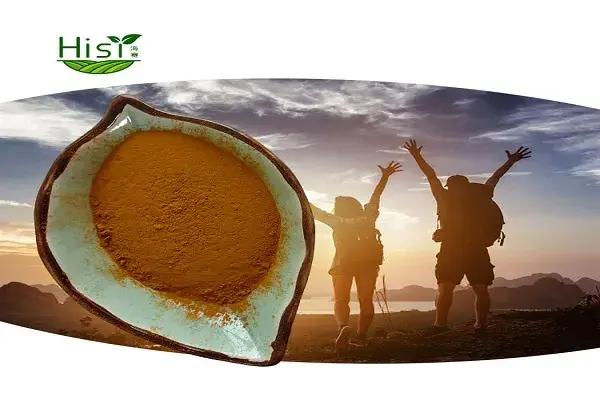
Understanding Emodin 95% Powder: Composition and Benefits
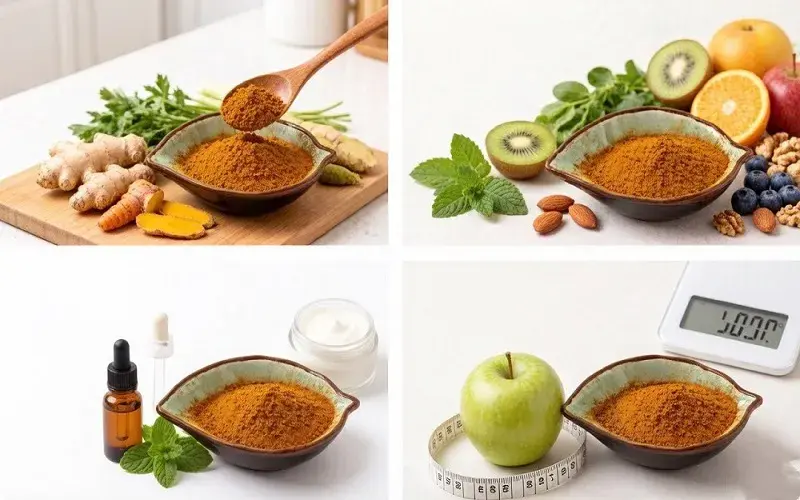
Chemical Profile and Physical Properties
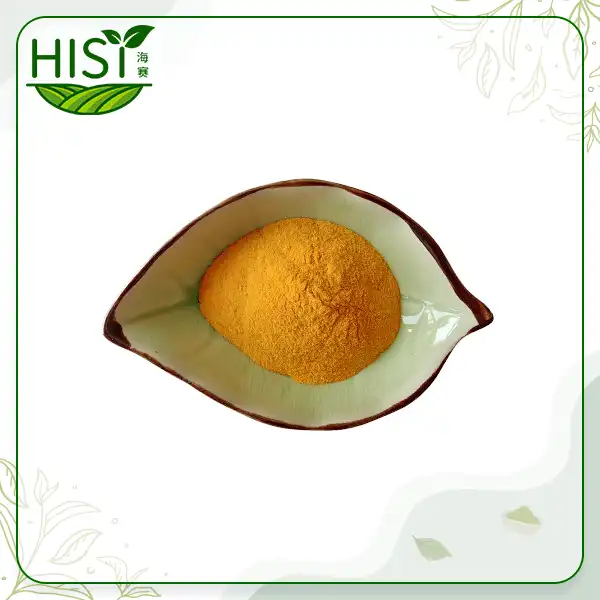
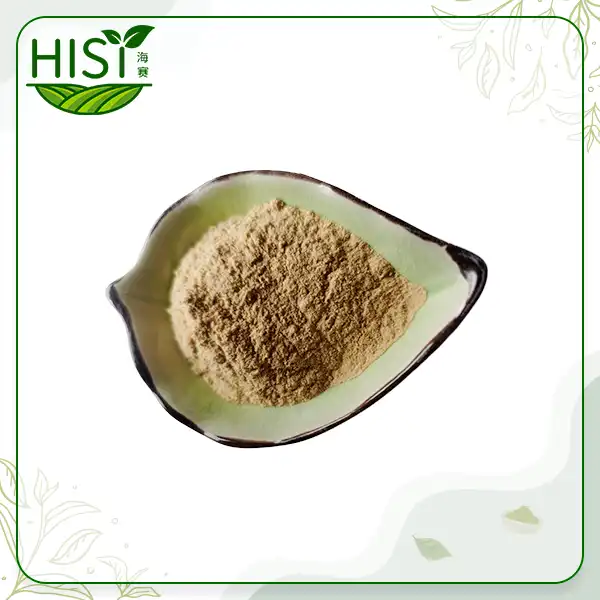
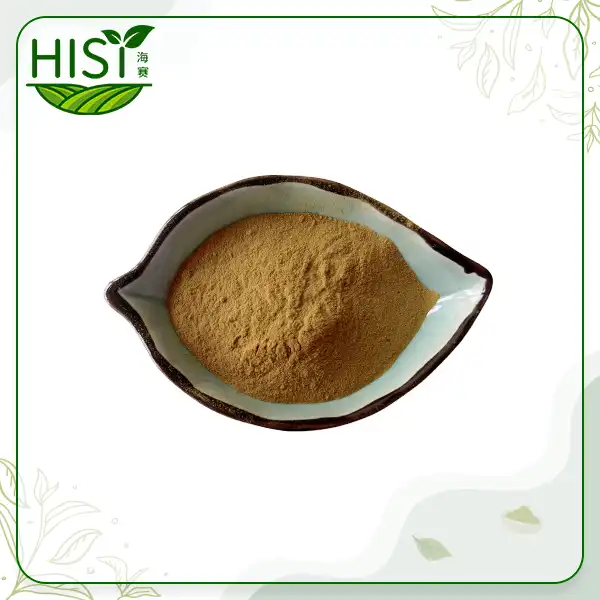
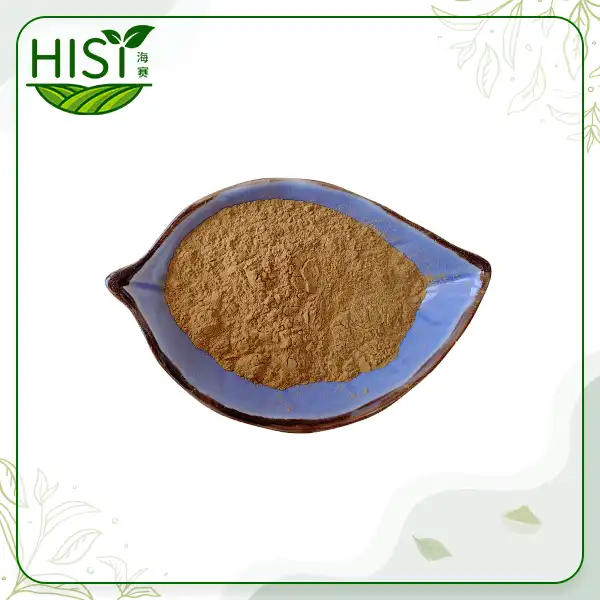
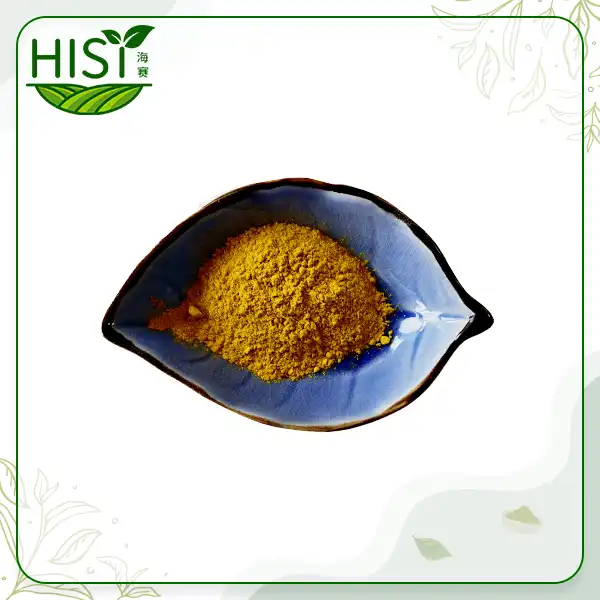
Emodin 95% is a solid powder that is orange to reddish in color. Its molecular formula is C15H10O5 and its molecular weight is 270.24. A melting point range of 253°C to 257°C is listed in the technical specs. This shows that the material is very thermally stable, which is important for high-heat working methods. This compound is lipophilic, which means it dissolves easily in organic solvents like DMSO and alkaline solutions but not so much in water. This property affects how formulations are made. The standardization method makes sure that the purity level is at least 95.0%, as shown by HPLC analysis, and that the moisture content stays below 1.0% so that the product stays stable on the shelf for 24 months and keeps its effectiveness.These technical factors directly lead to advantages in manufacturing. Because it is very stable at high temperatures, it can be used with extrusion and grinding methods that are popular in making tablets and capsules. The fixed moisture level keeps anthraquinones from breaking down when they are stored or transported and are exposed to humidity. By knowing these physical properties, formulators can create delivery systems that make ingredients more bioavailable while keeping their integrity in different dosage forms.
Therapeutic Benefits and Mechanisms of Action
The bioactive properties of this standardized extract come from the way it interacts with different cell pathways. Researchers who have written about pharmacology show that certain substances can effectively neutralize free radicals and protect cell structures from oxidative stress, which is linked to aging and chronic diseases. The NF-κB pathway is changed to have anti-inflammatory effects, which lowers the production of inflammatory cytokines in different types of tissue. Researchers have shown that this chemical can protect the liver by reducing fibrotic changes and encouraging hepatocyte regrowth in hepatotoxicity models.The use of metabolic health in medicine is a very hopeful area. Studies in people have shown that activating the AMPK pathway makes muscle cells more sensitive to insulin and better able to take in glucose. This mechanism helps weight management plans that are aimed at people with metabolic syndrome. The compound's ability to stop adipogenesis and speed up fatty acid oxidation makes it a good ingredient for supplements that deal with health problems related to obesity. These well-documented mechanisms give formulators claims that are backed up by proof that appeal to customers who are becoming smarter and want clear, research-backed products.
Safety Profile and Dosage Considerations
Pharmaceutical-grade extracts are different from raw plant materials because they are safer. Standardized Emodin 95% gets rid of the rhein and emodin-glycosides that make whole rhubarb extracts harsh laxatives and cause digestive problems. Toxicology studies set clear dosage limits. According to human trials, extra doses between 50 mg and 200 mg per day are generally safe. During the purification process, parts of the plant matrix that can cause allergic reactions or medicines to not work as expected are removed.Heavy metal levels must stay well below safety levels, with ICP-MS analysis proving that lead levels must be less than 2ppm, arsenic levels must be less than 1ppm, and mercury levels must be less than 0.1ppm. Microbial limits are very strict, with a Total Plate Count of less than 1000cfu/g and no E. Salmonella and E. coli. These specs follow USP <467> rules for leftover solvents, which means that the amount of ethanol or ethyl acetate is safe. This complete safety profile gives formulators the confidence to make products that can be used for long periods of time, which is common for preventive health supplements.
Comparing Emodin 95% with Other Purity Grades and Analogues
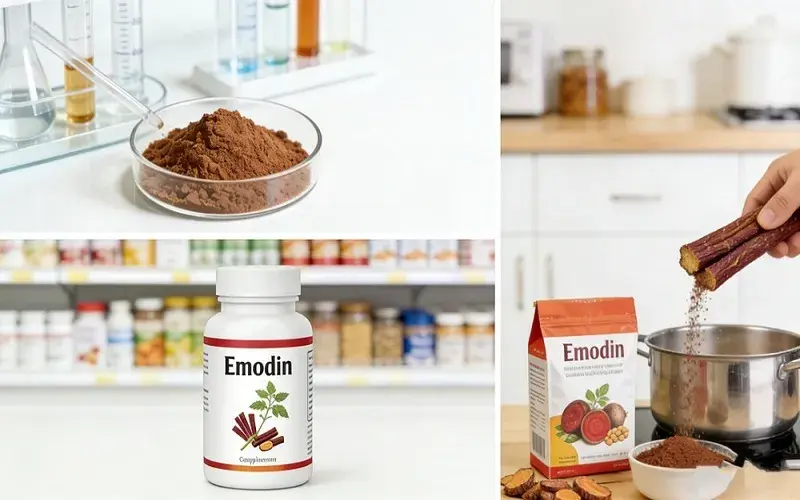
Performance Advantages Over Lower Purity Grades
The Emodin 95% standardization is a planned quality level that strikes a balance between medicinal effectiveness and ease of production. Compared to versions with 90% purity, this grade has 5% more active compound per unit weight, which means that smaller doses are needed and final formulations are more cost-effective. Lower grade extracts have more inactive plant matrix components that add weight to tablets without helping with therapy. This makes it harder to make new formulations and raises the cost of making each dose.At the Emodin 95% level, bioavailability increases can be seen and measured. Because there are fewer compounds that get in the way, absorption works better in the digestive tract. Because it is more bioavailable, formulators can get target plasma concentrations with lower doses. This lowers the risk of side effects and makes it easier for people to follow the directions. Standardization greatly improves batch-to-batch uniformity, getting rid of the 15–30% difference that is common in raw botanical powders. This is a key factor for brands that want to make consistent claims on labels and keep their product image.
Distinction from Related Anthraquinones
The therapeutic uses of this compound are greatly affected by the differences in chemical structure between it and related molecules such as aloe emodin and rhein. Even though they are all in the same family (anthraquinones), the positions of the hydroxyl and methyl groups change how the molecules bind to receptors and how they are broken down. Aloe emodin has stronger laxative effects that make it unsuitable for daily use as a supplement. Rhein, on the other hand, has different anti-inflammatory profiles. By knowing these differences, formulators can avoid making mistakes like switching out one ingredient for another and expecting the same results.Natural sourcing from Polygonum cuspidatum instead of synthetic production has marketing benefits that customers are becoming more and more interested in. The use of carbon isotope tests to confirm organic origin is a reliable way to back up claims of "natural" and "plant-based" origin that are important for brand positioning. This difference is especially important for cosmetics, where natural ingredients affect how they are classified by regulators and how people decide what to buy. Standardization to Emodin 95% creates a uniform chemical fingerprint that lets brands make their own formulas with clinical results that can be repeated.
Form Factor Considerations: Powder Versus Liquid
Powder form has clear benefits for business-to-business buying and production. When it comes to storage, the crystalline powder is more stable than liquid extracts, which can lose concentration over time due to evaporation or solvent degradation. Powder formulations are much cheaper to ship than liquid formulations with solvents because they are lighter and take up less space. Powder can be directly mixed into dry formulations, encapsulated, or reconstituted as needed for different delivery systems. This gives manufacturers more options for how they make their products.The speed of production is affected by how the goods are handled. The powder is free-flowing and has a controlled particle size distribution. This makes it easier to mix evenly during combining operations and stops segregation problems that can affect dose accuracy. Reconstitution procedures let labs make working solutions with DMSO for study purposes or high-proof ethanol and a little heat for making things that are safe for food. This adaptability helps with a wide range of product development strategies, from traditional tablets and capsules to new functional drinks and topical cosmetics that use antioxidants to improve skin health.
Procurement Insights: How to Source Quality Emodin 95% Powder
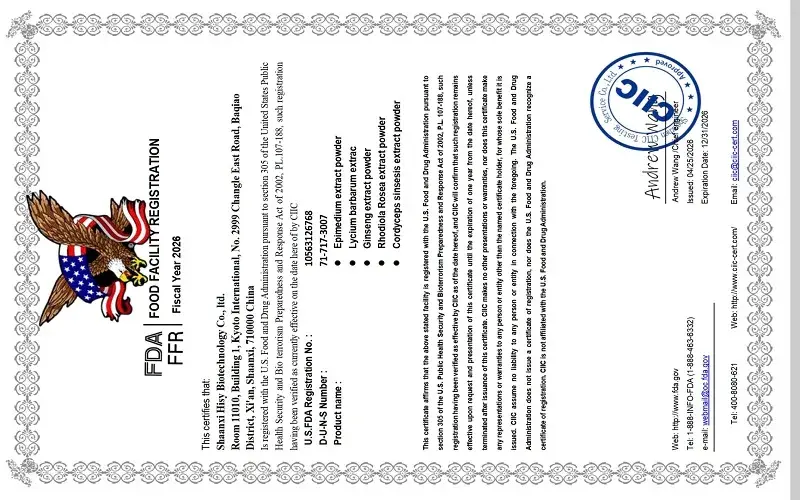
Essential Supplier Qualifications and Certifications
To find trustworthy suppliers, you need to check a lot of different types of credentials that show they know how to make things and follow the rules. GMP certification shows that a facility follows Good Manufacturing Practices by using approved cleaning methods, environmental controls, and training programs for staff. FDA registration means that a company is ready to be inspected by the government, but it doesn't ensure that the product will be of good quality. The HACCP and ISO certifications show organized ways of analyzing risks and managing quality that go beyond just making ingredients and include the whole supply chain.Certificates are not the only type of documentation that is needed. There should be a Certificate of Analysis for each batch that lists the HPLC purity results, the heavy metal testing results, the microbial limit verification results, and the residual solvent analysis results. Handling information on Safety Data Sheets keeps workers safe while they are making things. Failures of expensive products can be avoided by doing stability studies that show how long a product can be stored under certain conditions. When suppliers offer complete technical documentation packages, it means that they are professional businesses that are ready to support B2B partnerships with openness and accountability that can withstand regulatory audits.
Direct Factory Sourcing Versus Intermediaries
Structure of the supply chain has a big effect on both pricing and quality control. When you deal directly with manufacturers, you avoid markups of 20 to 40 percent that come from middlemen. This can directly increase your product margins or let you set prices that are competitive. Factory-direct sourcing lets you see exactly how products are made, so you can do on-site audits to make sure that the real working conditions match the certifications that were given. This insight is very helpful when looking into quality problems or taking corrective measures.How quickly you answer technical questions and requests for unique specifications depends on the communication route. Direct relationships with factories let you talk about things like how to get the best particle size for a certain job, how to package a lot of items in a way that saves space, or how to schedule batches so that they fit with production schedules. Most of the time, intermediaries don't have the power to change standard specs or offer detailed technical help beyond sending questions to makers. Because of the time delays and communication problems that come with intermediated supply chains, there is a higher chance of mistakes that lead to wrong orders of materials or production delays that push back the date of market launches.
Quality Assurance and Batch Consistency Protocols
Manufacturing operations can avoid quality problems by putting in place strong incoming inspection procedures. Identity checking with HPLC fingerprinting makes sure that the material fits reference standards and finds any substitutions or changes that were made. Quantitative purity analysis checks the concentration that was said to be there, finding underdosing that makes the drug less effective or overdoing that raises safety risks. Heavy metal screening protects a brand's reputation from contamination scandals that can destroy consumer trust and lead to enforcement actions by the government.Third-party testing by independent labs gives quality claims more weight, especially for brands that are trying to reach educated consumers who know about quality problems in the supplement business. Keeping certificates from approved analytical laboratories shows that you are committed to verification beyond the documentation provided by the supplier. Setting acceptable tolerance ranges for specifications keeps standards high so that therapeutic performance is always the same and doesn't get thrown out because of unrealistic expectations. With these quality systems, buying things stops being a one-time thing and turns into strategic partnerships with suppliers that help the business grow over the long term.
Why Standardized Emodin 95% Powder Is the Optimal Choice for Supplements
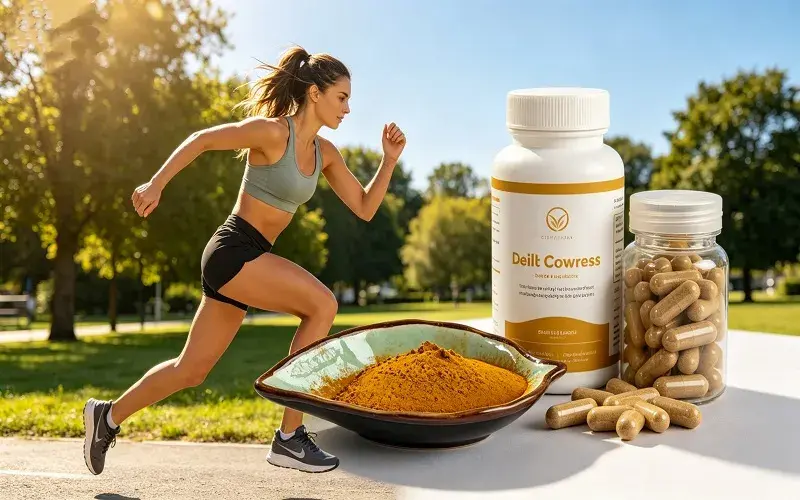
Industry Benchmark Alignment and Regulatory Advantages
Standardization to Emodin 95% is in line with what the pharmaceutical industry does with plant extracts, which makes goods more likely to be approved by regulators. This concentration level shows up a lot in written research studies, which lets brands use peer-reviewed literature when they're making marketing claims and teaching materials. Increasingly, regulatory bodies check supplement ingredients to make sure they are consistent and don't contain any harmful substances. These standards are easier to meet with pharmaceutical-grade standardized materials than with raw botanicals that have different amounts of potency.Stability testing is easier to do during product development because the chemicals are easy to guess. Formulators can set shelf-life limits with confidence that the degradation of ingredients will happen in the same way in all batches. This reliability cuts down on the number of times that goods need to be reformulated before they are stable, which speeds up the product creation process. Documentation that backs up claims of standardization makes answers to regulatory enquiries stronger. This lowers the risk of receiving warning letters or enforcement actions that stop business operations and hurt a brand's image.
Formulation Simplification for OEMs and Private Label Manufacturers
Standardizing ingredients is very helpful for contract manufacturers and private label producers. It's easier to come up with new recipes when the potency of ingredients stays the same across amounts and sources. This makes it possible to create master formulas that always give the same results, no matter when they are made. This cuts down on the number of times they need to be reformulated when working with raw materials that have different strengths. It's easier to plan production when procurement teams can buy from qualified suppliers and be sure that the materials they buy will work the same way in manufacturing processes.When materials are standardized, mixing operations make them more uniform. Controlled particle size distribution of high-quality powder makes sure that excipients and other active ingredients mix evenly. This uniformity directly leads to accurate doses in finished goods, lowering the chance of hot spots with too much concentration or weak spots with not enough active content. Quality control testing becomes more reliable, and batches that don't meet specifications don't need to be looked into and may even need to be thrown away. This has a direct effect on how efficiently and profitably products are made.
Evidence-Based Marketing and Brand Differentiation
As consumers become more knowledgeable about pill quality, brands that stress scientific accuracy will have more chances to sell their products. Standardized extracts used in product formulation show professionalism and quality awareness, which appeals to educated buyers willing to pay higher prices. Serious brands can be told apart from rivals who use vague "proprietary blend" language that hides the actual ingredients by being able to use specific purity grades in their marketing materials.When brands use non-standardized products in clinical studies, they miss out on marketing tools that brands that use standardized materials can use. When studies show that Emodin 95% material works, brands that use the same specifications can legally use that research in educational content and advertising claims. This positioning based on evidence makes customers more confident and supports higher prices. Spending money on good products pays off in the form of brand loyalty, good reviews, and lower customer acquisition costs as happy customers become natural brand champions.
Navigating Challenges and Maximizing Value in Emodin 95% Supplement Development
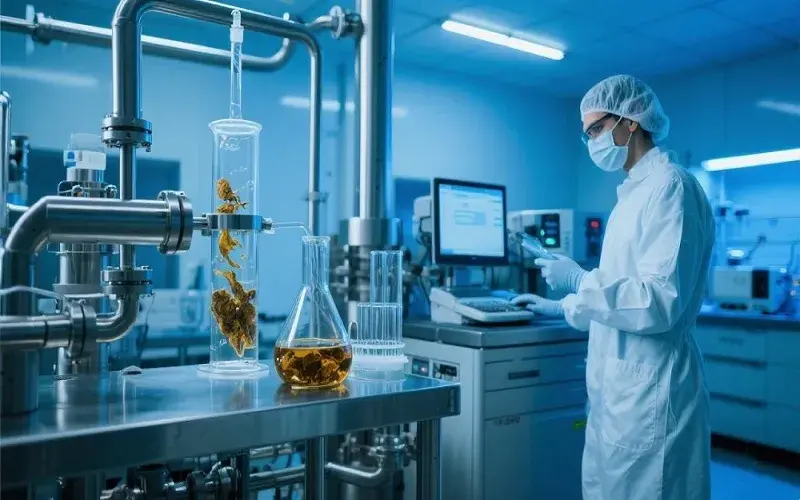
Supply Chain Risk Mitigation Strategies
Global sourcing creates risks that need to be managed proactively. International supply chains are weak because of things like political unrest, changes in trade policy, and pandemics that cause problems. Having relationships with several qualified suppliers in different parts of the world creates redundancy that keeps production going even when primary sources go down. Keeping strategic inventory buffers of key ingredients can help protect against short-term supply problems, but this needs to be weighed against the cost of capital and the need to think about shelf life.Evaluation and monitoring processes are made official by supplier qualification programs. Initial audits check the ability to manufacture, the quality of systems, and the level of compliance with regulations. Performance is constantly being checked to make sure deliveries are reliable, quality is consistent, and technical questions are answered quickly. Regular requalification checks make sure that standards are still being followed. These organized methods keep people from getting too comfortable, which can lead to a drop in quality. They find problems early on, before they affect the quality of the final product. When suppliers don't keep their end of the bargain, contracts that spell out quality requirements, testing protocols, and ways to fix problems give buyers legal options.
Formulation Optimization and Synergistic Combinations
Bioavailability enhancement methods let active ingredients have more worth. When you mix this anthraquinone with bioavailability enhancers like piperine or lipid-based delivery systems, the absorption rate goes up. This means that lower doses are needed to reach therapeutic plasma concentrations. When you pair ingredients that work well together, the benefits are stronger. For example, when you combine antioxidants that work in ways that support each other, you get better free radical scavenging than when you just use one antioxidant. These complex ways of making ingredients set premium products apart from standard ones.The choice of dosage type has a huge effect on how a product is positioned and how appealing it is to the market. Traditional supplement users who are used to traditional forms like pills and capsules can continue to use them. Functional drinks and powdered drink mixes appeal to younger people who like easy-to-carry formats. There are opportunities in the cosmeceutical market for topical applications that deliver antioxidants to improve skin health. Because this standardized powder is stable at high temperatures and dissolves easily in water, it can be used in a variety of delivery systems. This lets brands make full product lines that meet the needs of all consumers in specific health categories.
Emerging Applications and Market Trends
As scientific research goes on, it finds new uses for things, which opens up new market opportunities. Recent veterinary studies show that they work as natural growth promoters and immune boosters in aquaculture and poultry operations. This means that people who are worried about antibiotic use in agriculture can use these alternatives instead. Anti-fibrotic study shows that it might be useful for treating lung and heart diseases. Early adopters of these new applications will be able to create market leadership in new areas before they become saturated.Trends in personalized diet make it possible to make formulas that specifically target certain genetic polymorphisms or health status groups. Products made for people with metabolic syndrome can stress the benefits of AMPK activation and insulin sensitivity. People who are worried about fatty liver disease, which is linked to being overweight and drinking booze, like hepatic health formulas. By understanding new research, companies can plan ahead and make products that meet consumers' needs as health trends change, instead of reacting to competitors who enter crowded market segments.
Conclusion
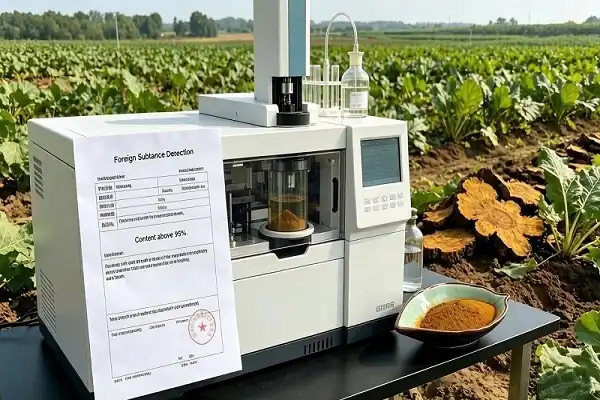
Standardized Emodin 95% powder is an important item for supplement companies that care about quality, effectiveness, and following the rules. Its pharmaceutical-grade purity makes sure that therapeutic results are consistent and gets rid of compounds that aren't needed and cause side effects. Its thermal stability, well-documented safety profile, and ability to work with a wide range of formulations make it possible to develop a wide range of products, including pills, capsules, drinks, and topical uses. Directly sourcing from factories and following strict quality control rules lowers risks in the supply chain and improves cost structures. As the need for natural products backed by evidence grows, this standardized plant extract gives brands a chance to reach higher-end customers by offering scientifically proven health benefits that can be repeated.
FAQ
Why choose Emodin 95% over lower purity extracts?
Its Emodin 95% ensures that the bioactive response is consistent and gets rid of unwanted compounds like rhein or emodin-glycosides that can make digestion problems worse. This standardization gets rid of the batch-to-batch differences that are common in less pure materials. This makes dosing and treatment results more predictable, which is important for earning customer trust and meeting regulatory requirements.
What is the recommended solvent for lab reconstitution?
When used for study purposes that need total dissolution, DMSO works best. When making things for food, high-proof ethanol can be used with a little heat to get the right level of solubility while still keeping the ingredients safe for people to eat, as required by regulations.
How does Emodin 95% perform in high-heat processing?
This substance stays stable at high temperatures up to its freezing point of about 253°C. This means it can be used in most extrusion and granulation processes used to make tablets. This resistance to heat makes it possible to use it in a variety of supplement forms without worrying about degradation that would lower its effectiveness.
Is your Emodin 95% derived from natural or synthetic sources?
Carbon isotope testing, when needed, proves that all of our material comes naturally from Polygonum cuspidatum. This botanical sourcing backs up claims that the product is natural, which is becoming more important to health-conscious consumers, and it meets the clean label formulation standards that are valued in the premium supplement categories.
What is the shelf life and storage protocol?
When kept in cool, dry places away from direct light, which can break down anthraquinones over time, properly stored items will last for 24 months. Moisture-controlled packing and keeping an eye on the temperature while storing make sure that the medicine stays effective for the long shelf life.
Partner with Hisy for Premium Emodin 95% Supplier Solutions

Hisy wants nutraceutical brands, supplement makers, and ingredient distributors to look into the benefits of buying Emodin 95% powder directly from the factory. We are a company based in Xi'an that has been making natural extracts since 2008. We have FDA, HACCP, and ISO certifications that prove we meet world quality standards. Our full technical support helps R&D teams find the best formulations, and our competitive pricing and consistent batch quality help make product development profitable. We offer full documentation packages that include Certificates of Analysis, Safety Data Sheets, and stability studies. These packages make it easier for you to submit your documents to the government. Email our team at sales@hisybio.com to talk about your needs for bulk purchases, to ask for samples to be evaluated, or to set up site checks that will prove we can make what you need. Visit hisybio.com to see our full line of botanical extracts and learn how our dependable supply chains and focus on quality can help you reach your goals for supplement innovation.
References
1. Chen, Y.C., Shen, S.C., and Tsai, S.H. (2020). "Emodin induces apoptosis in human lung cancer cells through AMPK activation and metabolic disruption." Pharmacological Research, 156: 104785.
2. Dong, X., Fu, J., Yin, X., et al. (2019). "Pharmacological and clinical applications of emodin: An updated review." Chinese Medicine, 14(1): 1-22.
3. Iizuka, A., Iijima, O.T., Kondo, K., et al. (2004). "Evaluation of rhubarb using antioxidative activity as an index of pharmacological usefulness." Journal of Ethnopharmacology, 91(1): 89-94.
4. Shrimali, D., Shanmugam, M.K., Kumar, A.P., et al. (2013). "Targeted abrogation of diverse signal transduction cascades by emodin for cancer prevention and therapy." Cancer Letters, 341(2): 139-149.
5. Wang, C.C., Chiang, Y.M., Sung, S.C., et al. (2012). "Plausible role of AMPK-activated kinase-glycogen synthase kinase-3β signaling cascade in hepatoprotective effect of emodin." Molecular Pharmacology, 82(5): 886-895.
6. Zhang, L., He, D., Li, K., et al. (2014). "Emodin targets mitochondrial cyclophilin D to induce apoptosis in HepG2 cells." Biomedicine & Pharmacotherapy, 68(3): 341-348.