

_1752718207094.png)

Natural Carotene Powder Manufacturer Buying Guide for Brands
Before you buy Natural Carotene Powder, you should learn about quality standards, how reliable the seller is, and the different ways the powder can be used. This thorough buying guide shows people who are in charge of buying things how to judge important factors like how reliable botanical sources are and standards like FDA, HACCP, and ISO. This helps companies in the food, beauty, and health products industries find partners they can trust. People who make decisions can be sure that the ingredients they pick will meet consumer demands for clear labels and good nutrition by checking their bioavailability, stability, and compliance with regulations, as well as comparing natural and synthetic alternatives.
Understanding Natural Carotene Powder: Composition, Benefits, and Applications

What Makes Natural Carotene Powder Unique
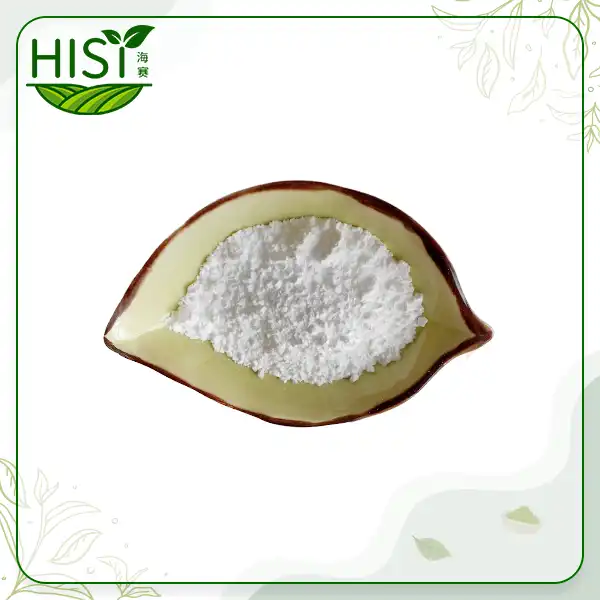
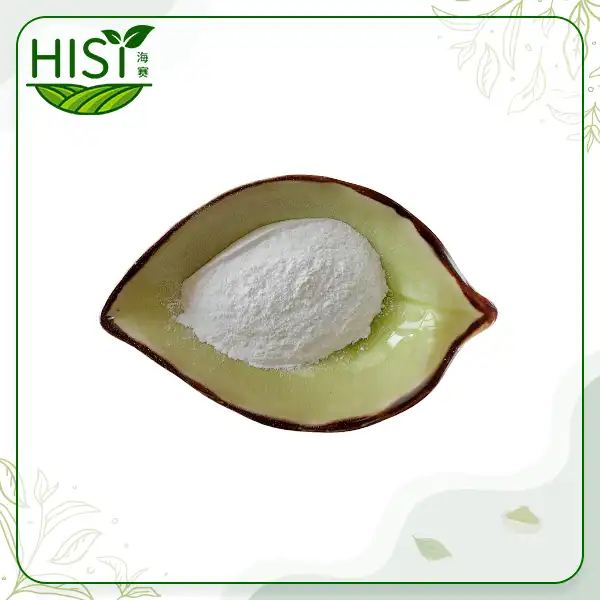
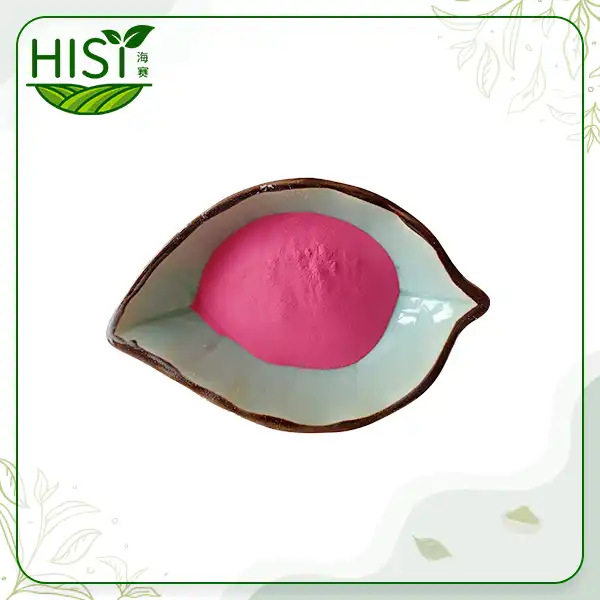
Natural carotene extracts are not the same as man-made ones because they come from plants and have a mix of isomer profiles. A good Natural Carotene Powder, for instance, has at least 1.5% total carotene, with 0.9% ²-Carotene and 0.6% α-Carotene of that amount. This mix has the same kinds of vitamins that you can find in carrots, sweet potatoes, and leafy greens. Bioconversion to Vitamin A is better when it has both 9-cis and all-trans isomers. This makes it healthier than synthetic Vit A that only has one isomer.
Functional Benefits Across Industries
A strong antioxidant, beta-carotene is also a building block for vitamin A. In supplement form, it helps the immune system, eyesight, and cell repair without the risk of hypervitaminosis that comes with retinol that has already been made. Cosmetic companies use it to protect skin from oxidative stress caused by air and UV light. It also makes skin look healthy. Food companies like the bright orange-yellow to orange-red colour because it makes clean labels look good on drinks, dairy, and baked goods. Feed companies use carotene to help animals stay healthy and get colour while they are having babies.
Application Versatility in Product Development
Because they can be mixed with cold water, it's easy to add them to drinks with a pH as low as 3.0, and the colour stays the same over time. Because microencapsulation technology doesn't allow photo-oxidation to happen, things can be used even when they're heated up to 200°C. Nutraceutical capsules with standardised carotene content that meets USP and FCC standards work well, and functional foods use its natural E160a(ii) label instead of man-made dyes. Brands that want to make products that are good for customers and do more than one thing can use Natural Carotene Powder.
Key Criteria for Selecting a Natural Carotene Powder Manufacturer

Quality Assurance and Certification Standards
Manufacturers with a good reputation have many licenses that show they care about safety and quality. FDA registration shows that the company follows U.S. rules, and HACCP certification shows that the company has strong procedures for controlling hazards. Getting ISO 22000 certification means that your food safety management system is complete. Brands should make sure that their providers test different batches of products using HPLC and UV-Vis spectrophotometry to make sure that the levels of carotene are correct. To make sure that goods meet international pharmacopoeia standards, Certificates of Analysis (CoA) should list microbial limits, heavy metal screening, and chemical residues.
Production Capacity and Supply Chain Reliability
The size of a factory has a direct effect on how consistently orders are filled. Facilities with more than two production lines and yearly capacities of more than 200 metric tonnes can handle large orders without affecting the quality. Procurement teams should check to see if manufacturers keep enough raw materials on hand and have backup ways to get them. Delivery times of 4 to 8 days show good logistics coordination, and a range of flexible packaging options, from 1 kg foil bags to 20 kg drums, meet a wide range of formulation needs. When supply chains are stable, there aren't any production delays that could mess up product launches or seasonal demand spikes.
Technical Support and Documentation Transparency
When manufacturers give away free samples, brands can try the products themselves before making big purchases. Stability studies that show the shelf life under different storage conditions should be included in clear documentation. Usually, the shelf life is 24 months when kept away from light and heat below 15°C. Technical teams that are quick to respond can help with formulation and offer the best usage rates for different uses. Suppliers who are ready to talk about how they remove ingredients—whether from plants or fermentation—help brands show customers that they are real. International buyers find it easier to place orders when they can do so online.
Comparison and Decision-Making: Choosing Between Natural Carotene Powder and Alternatives

Natural Versus Synthetic Carotene Analysis
Synthetic beta-carotene is less expensive, but it doesn't have the mixed-isomer profile that makes it more bioavailable. Natural sources offer extra phytonutrients that aren't found in lab-made forms. Regulatory trends are moving more toward natural names. For example, in Europe, there are differences between E160a(i) manmade and E160a(ii) natural versions. Studies on consumer preferences show that 68% of health-conscious buyers actively seek natural alternatives. This could support higher prices. Botanical sourcing claims give brands that are trying to reach clean-label markets an edge over their competitors.
Comparing Natural Powder Options
Carotene can be found in carrot powder and tomato extracts, but concentrated Natural Carotene Powder has a standard strength that is important for vitamins that need to be taken exactly as directed. While turmeric and annatto powders can be used to colour food, they don't contain provitamin A. Dunaliella salina algae extracts come from natural sources, but they may have strong flavours that aren't good for neutral beverage uses. Concerns about microbial contamination caused by Blakeslea trispora fermentation processes are taken care of by non-fermented botanical extracts, which meets certain brand positioning needs.
Cost-Benefit Evaluation Strategies
Organic-certified options cost 30–40% more, but they give you access to natural product markets that are growing quickly. When you buy in bulk, the price per kilogram goes down, and the minimum order quantity to get the best prices is usually 25 kg. When figuring out the total cost of ownership, you should take into account the benefits of stability that lower the risk of reformulation and customer complaints. When brands figure out the cost per serving, they find that concentrated powders with 1.5% total carotene are more cost-effective than lower-potency options that need higher inclusion rates.
Practical Guide to Procuring Natural Carotene Powder for B2B Clients

Defining Application-Specific Requirements
Beverage mixes need forms that can be dispersed in cold water while keeping the steadiness of the suspension. Oil-suspension or starch-matrix carriers that work with gelatin shells are needed for nutritional pills. Extrusion and baking methods in bakeries need to be able to handle high temperatures. Figuring out the amount of beta-carotene you want in each dose affects what you buy. For example, useful foods may aim for 2–4 mg of beta-carotene per day, while therapeutic supplements aim for 15–25 mg. Formulation failures can be avoided by knowing how pH compatibility, processing temperatures, and interactions between co-ingredients work.
Supplier Evaluation and Due Diligence Checklist
As part of a thorough source evaluation, Good production Practices audits of production facilities should be asked for. References from current customers in similar fields prove that the product is reliable and works well. Sample testing procedures should check that the colour is stable, doesn't change, and doesn't disperse when aged quickly. Allergen declarations, GMO status, and country-of-origin certificates that make customs clearance easier must be included in compliance documentation. By looking at normal wait times, minimum order flexibility, and payment terms, you can make sure that they meet the cash flow needs of your business.Supply chain integrity is shown by checking tracking tools. Batch codes help manufacturers keep track of where their raw materials come from, so they can act quickly if quality problems happen. Asking suppliers where their raw materials come from, like which plant species they use or where they grow them, makes marketing claims more clear. Knowing how they handle quality control, from checking arriving materials to releasing finished goods, gives you faith in a steady supply. These steps of due diligence set professional suppliers apart from commodity brokers who don't have control over production.
Negotiation and Contract Management Tactics
By making framework agreements with volume commitments, you can get better prices and still have control over your supply through scheduled releases. Putting quality standards right in the purchase contract stops arguments over what parameters are accepted for the product. Negotiating longer payment terms fits in with when products are supposed to come out and when cash is needed. Working capital is best used by talking about inventory management options, such as vendor-managed inventory or consignment arrangements. Building relationships with providers by being open and honest about changes to forecasts helps them plan production well, which is good for everyone.
Future Trends and Innovations in Natural Carotene Powder Manufacturing

Technological Advancements in Extraction and Stabilization
New ways of supercritical CO2 extraction improve clarity while getting rid of solvent leftovers. Using modified starches and plant-based polymers in new microencapsulation technologies makes products more stable against oxidation, which means they last longer on the shelf than with older formulations. Nano-emulsion techniques improve bioavailability by making particles smaller, which makes it easier for humans to absorb substances. When manufacturers invest in these new technologies, their products work better, which makes partnerships a good idea for brands that want to stand out through ingredient quality.
Sustainability and Organic Sourcing Imperatives
There are more and more partnerships between manufacturers and regenerative agriculture groups because customers want ingredients that are sourced in a way that doesn't hurt the environment. A big part of B2B sourcing decisions is how to care for the environment. Production places that don't release carbon and the use of clean energy can help. Blockchain-based tools for tracking make the whole process clearer, from the farm to the finished product. If a brand works with suppliers that care about the environment, it gives them an edge in markets where sustainability affects what people buy.
Regulatory Evolution and Quality Transparency
More strict rules on heavy metal limits, especially for lead and cadmium, mean that manufacturers need to improve the way they test their products. Changes to Good Manufacturing Practice standards make it more important to keep allergens and contamination under control. There are third-party verification programs that make it easier to get into new markets. Two examples are Non-GMO Project Verification and Informed-Choice sports nutrition approval. Keeping up with changes to rules through ties with providers makes sure that things stay legal in all places around the world. This keeps the product on the market and keeps the recipe from having to be changed in a way that costs a lot of money.
Conclusion

To choose the best Natural Carotene Powder manufacturer, you need to look at how real the botanical sources are, how much they can produce, and their approval qualifications. Knowing the differences in how natural and synthetic alternatives are made helps you make decisions that are in line with your brand's positioning and what customers want. A full evaluation of the supplier, including testing of samples and clear documentation, lowers the risks of procurement and guarantees consistent quality. As new technologies and eco-friendly practices change the ingredients available, brands can gain a competitive edge by working with forward-thinking manufacturers to grow the clean-label market.
FAQ
How Do I Verify Natural Sourcing Claims?
Ask for detailed documentation on the extraction process that shows how botanical sources are different from synthetic production or fermentation methods. Manufacturers who use non-fermented plant extraction can give certifications for botanical species recognition and growth. Organic approvals from a third party back up claims of natural origin. The Certificate of Analysis should say E160a(ii) natural designation instead of E160a(i) manufactured designation.
What Quality Parameters Ensure Product Safety?
Total carotene content should be measured using HPLC, bacteria limits should be set, including total plate count and diseases, and heavy metals like lead, arsenic, cadmium, and mercury should be screened for. Analysis of pesticide residues proves that farming is safe. Shelf life claims are backed up by stability data showing that the drug stays active under normal keeping settings. Getting FDA registration and HACCP approval are both good ways to make sure that food is safe.
What Are Typical Lead Times for Bulk Orders?
Standard lead times for production and shipping are between 4 and 8 days, depending on how much inventory is available. For custom formulations or first-time orders, it may take two to three weeks to plan production and test the quality of the release. International shipping can add one to two weeks, based on where it's going and how quickly it can be cleared through customs. Talking about how to predict wants helps sellers keep the right amount of inventory on hand so that orders can be filled quickly.
Partner with Hisy for Premium Natural Carotene Powder Supply

Hisy sells Natural Carotene Powder, which is backed by 18 years of experience extracting botanicals and strict quality standards. Our plant-based, non-fermented carotene ensures a total concentration of at least 1.5% and the right amounts of β-Carotene and α-Carotene, meeting the high standards of nutraceutical brands, cosmetic formulators, and food makers. With FDA registration, HACCP, and ISO approvals, as well as four specialised production lines that can make more than 200 MT per year, we can guarantee a steady supply without any changes in quality. You can try our better stability and absorption with free samples before deciding to buy in bulk. Get in touch with our sales team at sales@hisybio.com to talk about your unique application needs and find out why global brands trust Hisy as their clean-label Natural Carotene Powder provider.
References
1. Rodriguez-Amaya, D.B. (2019). Natural Food Pigments and Colorants: Chemical Properties and Health Implications. Academic Press.
2. Britton, G., Liaaen-Jensen, S., & Pfander, H. (2021). Carotenoids Volume 5: Nutrition and Health Applications. Birkhäuser Basel.
3. Tanumihardjo, S.A. (2020). "Bioavailability of Plant Carotenoids: Physical and Chemical Determinants." Critical Reviews in Food Science and Nutrition, 60(8), 1324-1345.
4. European Food Safety Authority (2022). "Re-evaluation of Beta-Carotene as a Food Additive in Foodstuffs." EFSA Journal, 20(3), 7092.
5. Stahl, W., & Sies, H. (2018). "Antioxidant Functions of Carotenoids in Human Health." Annual Review of Nutrition, 38, 119-146.
6. Johnson, M.P. & Williams, K.R. (2023). Industrial Manufacturing of Natural Colorants: Quality Control and Regulatory Compliance. CRC Press.