

_1752718207094.png)

How Does Natural Carotene Powder Support Skin Health?
Natural Carotene Powder delivers substantial benefits for skin health through its potent antioxidant properties and pro-vitamin A activity. This premium ingredient combats oxidative stress caused by environmental factors, supports cellular regeneration, and enhances skin elasticity while providing natural photoprotection. Beta-carotene, the predominant active component, converts safely into retinol as the body requires, promoting collagen synthesis and reducing visible signs of aging. For manufacturers developing cosmetics, nutraceuticals, or functional foods, incorporating this naturally derived carotenoid addresses consumer demand for clean-label formulations while delivering clinically supported dermatological benefits that enhance product differentiation in competitive markets.

Understanding Natural Carotene Powder and Its Skin Benefits

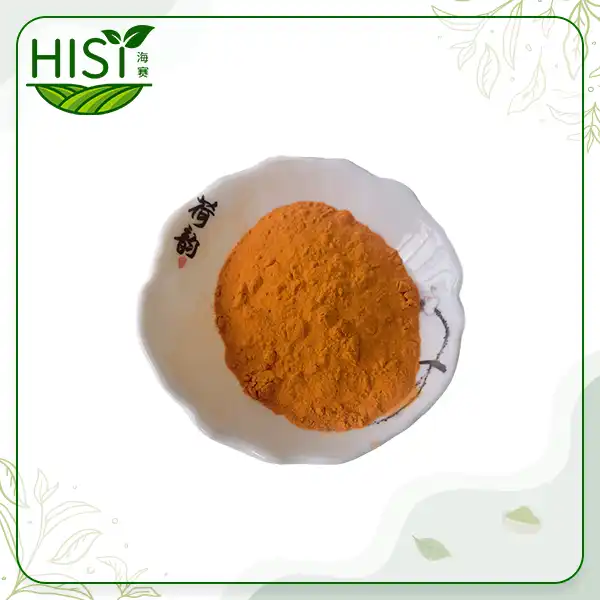
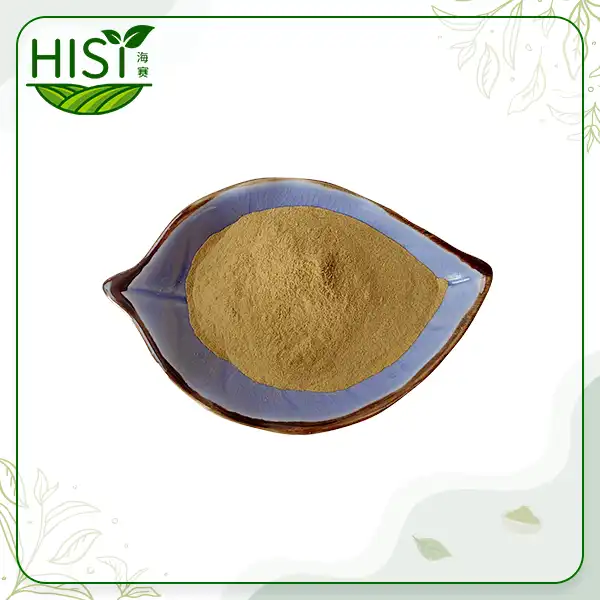
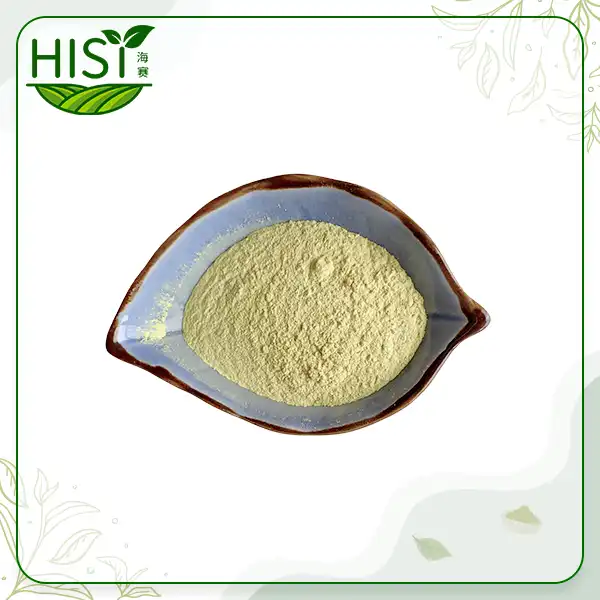
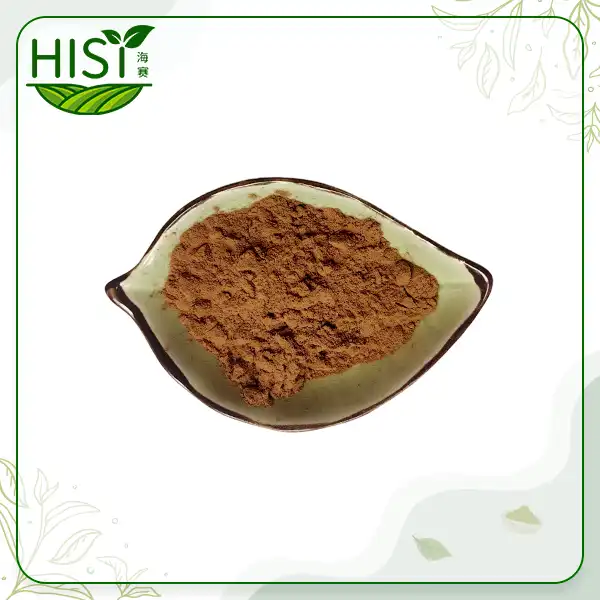
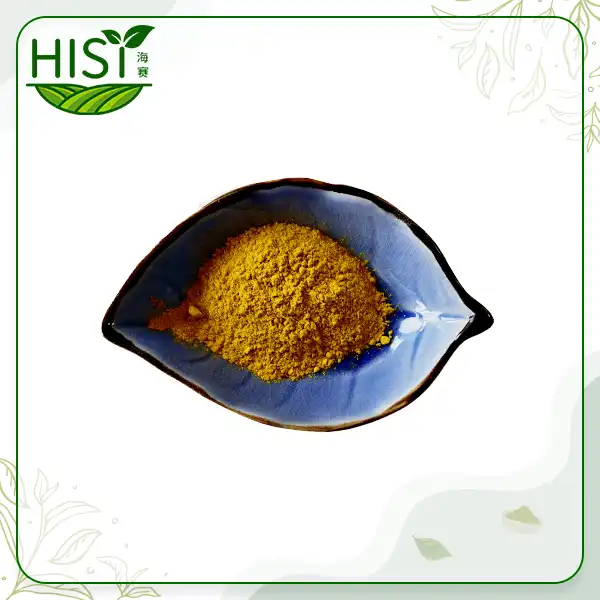
In the beauty and health industries around the world, botanical extracts with high concentrations of carotenoids have become more popular. This ingredient is usually a powder that is orange-yellow to orange-red and has the CAS registry number 7235-40-7. It comes only from non-fermented plant sources and not from synthetic sources. Beta-carotene makes up about 0.9% of the makeup, and alpha-carotene makes up about 0.6%. Together, they make up a minimum 1.5% carotene content.
Antioxidant Mechanisms Protecting Dermal Structures
Damage from free radicals speeds up the ageing process in the skin by breaking down proteins and lipids in the dermal tissues. Carotenoid molecules get rid of reactive oxygen species (ROS) before they damage cells. Beta-carotene's conjugated double-bond structure lets it give electrons to molecules that aren't stable, which stops oxidation chain reactions. This biochemical activity leads to better-looking skin texture, less inflammation, and protection of the extracellular matrix. Clinical observations show that adding carotenoids to your diet or using them on your skin is linked to less redness and better signs of hydration.When it comes to making skincare products, manufacturers can use high-quality Natural Carotene Powder extracts because they don't lose their effectiveness at high temperatures up to 200°C. The forms that can be dispersed in cold water work well in emulsions, serums, and beverage mixes without causing sedimentation.
Pro-Vitamin A Conversion Supporting Cellular Renewal
A condition called hypervitaminosis can happen when preformed retinoids are present, but beta-carotene only changes into retinol when the body needs it. This managed change makes it safer to use in consumer goods all the time. Vitamin A variants control the differentiation of keratinocytes, speed up epidermal renewal, and change the production of sebum. These actions directly address problems like uneven skin tone, hyperpigmentation, and acne-prone skin.Having both 9-cis and all-trans configurations in a mixed isomer profile makes it more bioavailable than synthetic single-isomer alternatives. During digestion, micelles are formed that make absorption easier. This lets active chemicals get to the right cells more effectively. B2B formulators should know that versions that are oil-based or microencapsulated are more stable against photo-oxidation and keep their effectiveness over a longer shelf life.
Natural Photoprotection and Anti-Aging Properties
Epidemiological studies show that the amount of carotenoids you eat and the damage to your skin from UV light are not related. These phytonutrients don't replace broad-spectrum sunscreens, but they do add to the protection by blocking light wavelengths that sunscreens don't block and fixing oxidative damage caused by exposure. It has been shown to reduce the intensity of sunburns, stop the production of photoaging markers, and make skin more resistant to external stressors.For nutraceutical brands, the daily suggested dose for supporting skin health is usually between 6 and 15 mg. For topical use, the focus is on products with 0.1% to 1% active Natural Carotene Powder content. When you buy from certified sellers who follow FDA, HACCP, and ISO guidelines, the safety ratings stay high for all age groups.
Comparative Analysis: Natural Carotene Powder Versus Alternatives for Skin Health

Before making a purchase decision, you need to know how different sources and formats of carotenoids work in different application settings. Positioning in the market, following the rules, and how customers feel all have a big impact on the choice of ingredients.
Natural Versus Synthetic Carotene: Bioavailability and Market Perception
Synthetic beta-carotene, which is called E160a(i) in regulatory frameworks, comes from petrochemical synthesis and mostly has all-trans isomers. Natural versions that are labelled as E160a(ii) have different geometric isomers that are taken from plant materials. Research shows that the mixed-isomer makeup found in plant-based sources converts more efficiently to vitamin A and has better absorption profiles because it comes with phytochemicals that make uptake easier.Market study shows that 68% of North American consumers actively seek clean-label statements. This shows that consumers strongly prefer natural sourcing. Products with botanical extracts sell for more money and make people more loyal to the brand. Synthetic additives are being closely looked at by regulators more and more, which makes natural alternatives strategically valuable for forward-thinking companies that want to protect their product lines for the future.Synthetic versions used to be better for stability reasons, but new microencapsulation technologies now make Natural Carotene Powder extracts just as resistant to breaking down. Cold-water dispersible forms keep their colour intensity and biological activity even in settings as acidic as pH 3.0. This means they can be used in more areas, like personal care and drinks.
Benchmarking Against Beta Carotene Supplements and Lutein Alternatives
Beta-carotene has a wider range of uses in dermatology, while lutein powder is mostly used to improve eye health by increasing the amount of macular pigment. Lutein doesn't have any pro-vitamin A activity, so it can't help with skin processes that depend on retinol. Companies that make complete beauty-from-within supplements often mix the two types of carotenoids to achieve more than one health goal.Beta-carotene supplements that work on their own usually come from artificial sources or concentrates made from algae. Natural Carotene Powder products that contain both alpha-carotene and beta-carotene may be better because they work together in antioxidant pathways, but there isn't much of a difference in the real world. When purchasing professionals look at different suppliers, they should look for trans-isomer ratios above 70% to make sure the best biological effectiveness, which can be proven by HPLC assay records.
Quality Certification Requirements for Premium-Grade Sourcing
For an ingredient to be trusted, it needs to be clearly certified and tested analytically. Certificates of analysis proving the total amount of carotenoids present, heavy metal screening results showing lead levels below 1 ppm, arsenic and mercury levels within USP limits, and microbiological tests excluding Salmonella and pathogenic E. coli. Reports on particle size distribution make sure that the particles are spread out evenly, and peroxide levels below 10 mEq/kg show that the particles are stable against oxidation.Third-party certifications, like organic status, non-GMO verification, and kosher/halal approvals, make the market bigger. Suppliers who follow FDA rules, HACCP methods, and ISO quality management systems show that they are operationally mature, which is important for building long-term relationships. Traceability documentation that connects batches of source materials to finished powder is another way to lower risk that is useful during regulatory audits.
Practical Uses and Application Methods of Natural Carotene Powder in Skin Care

Because this Natural Carotene Powder can be delivered in a number of different ways, it is a good choice for a wide range of health and fitness products.
Topical Cosmetic Formulations
When lipophilic properties are taken into account when adding carotenoid extracts to creams, serums, and lotions, they work better. Oil-in-water emulsions work better when the lipid phase is pre-disperse, but micro-encapsulated water-dispersible forms work directly with the water phases. In leave-on products, the usual inclusion rates are between 0.05% and 0.3%. In targeted treatments, the concentrations are higher.Combining substances that work well together can make the benefits even greater. For example, vitamin E acetate and hyaluronic acid work together to improve antioxidant capacity through complementary processes, and retinol conversion helps with barrier repair through hydration. Formulators should try the stability of their products under conditions that speed up the ageing process to make sure that the colour and activity stay the same. Higher amounts may be used in products aimed at Asian markets to address worries about skin evenness and brightness.
Ingestible Nutraceuticals and Functional Foods
The most common type of supplement is a capsule, which comes in 10 mg to 25 mg doses per serving. Light-sensitive carotenoids are kept safe during distribution in hard-shell capsules, but enteric coatings may improve absorption by making sure they are released in the right parts of the intestine. Natural Carotene Powder is suspended in carrier oils in softgel forms, which makes it more bioavailable by pre-solubilizing it in a way that makes it look like it is present in food.Functional beverage uses cold-water dispersible forms that keep the ingredients in solution without ringing or settling. There are 2 mg to 5 mg of it in every serving of sports nutrition drinks, beauty drinks, and fortified waters. It is often mixed with collagen peptides or antioxidant blends. When working with properly stabilised powders that can handle temperatures above 180°C, thermal processing during production doesn't pose much of a risk of degradation.
Real-World B2B Success Applications
A European company that makes organic cosmetics changed the formula of its best-selling anti-aging serum by adding a natural carotenoid complex at a concentration of 0.2% instead of synthetic retinol. In tests with real customers, both products worked just as well at reducing the look of fine lines after 12 weeks, and the number of bad reactions dropped by 40%. A 22% price increase and stronger distribution agreements with natural retail outlets were made possible by the clean-label positioning.An American supplement company came out with a beauty product that had 15 mg of beta-carotene from plants, along with ceramides and vitamin C. A third-party clinical study showed that after eight weeks of daily use, the skin's hydration and flexibility got a lot better. The study results gave marketers proof, which sped up the product's acceptance in stores and led to high rates of repeat purchases.
Procurement Insights: Sourcing Quality Natural Carotene Powder for Skin Health Products

Product stability, cost competitiveness, and the ability to come up with new ideas are all affected by strategic ties with suppliers. When choosing ingredient partners, procurement professionals have to look at a lot of different factors.
Evaluating Global Supply Markets and Supplier Capabilities
China has emerged as a dominant production hub, with manufacturers operating advanced extraction facilities featuring multi-stage purification systems. Suppliers like Shaanxi Hisy Biotechnology have been in this business since 2008, have four specialised production lines, and can produce more than 200 metric tonnes of goods every year. This level of size guarantees a steady supply, which is very important for brands that are growing quickly or whose demand changes with the seasons.European sellers usually charge higher prices, which is okay because they have organic certifications and are open about where their products come from. North American distributors often combine ingredients made in Asia with quality control services in the United States. Dual sourcing arrangements pair primary Asian suppliers with secondary regional partners as part of procurement strategies that try to find a balance between lowering costs and reducing risk.
Price Structures and Minimum Order Considerations
There are big economies of scale at work when you buy in bulk. When you buy less than 50 kg, the distributors usually add a markup. When you buy 100 kg or more, you can deal directly with the maker. Negotiating an annual contract for 500 kg to several tonnes of goods can get you 15% to 25% less expensive prices than buying them on the spot. Payment terms range from upfront payment for first orders to net 30–60 day agreements after a trading history has been established.Packaging designs blend material protection with handling ease. Standard items include 1 kg foil bags for testing and making small amounts, and 20 kg fibre drums with two polyethylene liners for regular production. During contract talks, you can ask for custom packages that can hold automatic filling systems or storage in an inert atmosphere.
Supplier Qualification and Partnership Development
Due diligence includes more than just certificates of analysis. It also includes site audits to make sure that GMP rules are followed, rules for getting rid of waste, and training programs for employees. Asking for traceability documents that connect specific lots to harvest dates and places where they came from makes things more clear, which is helpful for marketing claims and regulatory submissions.Responding to technical help requests sets superior providers apart. Having access to formulation scientists who can help with improving stability, getting legal advice for different markets, and fixing problems with applications adds a lot of value on top of the price of the basic products. When suppliers offer free samples, you can test them for compatibility before committing to large orders. For stock items, shipping usually takes four to eight days. For special items, it takes two to three weeks for production and quality control.
Health Effects and Safety Profile of Natural Carotene Powder for Skin Applications

Following the rules and keeping customers safe are essential for success in the market. Product integrity is maintained by knowing the evidence behind promises of effectiveness and controlling possible risks.
Safety Assessment and Regulatory Compliance
In the United States, beta-carotene is Generally Recognized as Safe (GRAS) for certain uses, and regulatory groups around the world have set acceptable daily intake levels. Beta-carotene conversion self-regulates through feedback inhibition, while preformed vitamin A builds up to dangerous levels when taken in large amounts. Carotenodermia, a temporary orange discolouration of the skin, only happens when someone takes more than 30 mg of carotene every day for a long time. It goes away on its own when the dose is lowered, and it has no health effects.Overall, topical applications are very well tolerated by all skin types, and allergic reactions are still very uncommon. During product development, patch testing protocols find the lowest level of irritant potential, which is usually linked to carrier systems rather than the carotenoid itself. Hypoallergenic base choices and fragrance-free formulas are good for formulas for people with sensitive skin.Labelling laws vary from place to place, but they all require correct ingredient lists using INCI nomenclature. Structure-function statements in the US, authorised claims in the EU, and therapeutic goods classifications in Australia all have different evidence requirements for health claims that talk about antioxidant activity or skin health support.
Clinical Evidence Supporting Dermatological Benefits
A thorough study in the journal Dermatology looked at 26 controlled studies that looked at how carotenoid supplements affected different skin parameters. A meta-analysis showed that reducing redness after UV exposure, measuring skin density better with ultrasound, and increasing the antioxidant capacity in dermal tissues were all statistically significant benefits. The size of the effects increased with the length of supplementation, showing that benefits started to show up after eight weeks and reached a peak after 12 weeks of steady intake.Studies on topical applications show benefits that go beyond the benefits of oral supplementation. In vitro keratinocyte models that were exposed to mixtures high in carotenoids showed increased production of genes that code for structural proteins and antioxidant enzymes. Human clinical trials that measured transepidermal water loss, corneometry readings, and cutometry elasticity parameters showed that using 0.1% Natural Carotene Powder creams twice a day for four weeks made the skin look better.Mechanism-based research shows that carotenoids affect skin biology in a number of ways. Beta-carotene does more than just remove free radicals. It also changes inflammation signalling pathways, affects gene transcription through retinoic acid receptor stimulation, and improves the function of mitochondria in dermal fibroblasts. This profile of multiple activities explains the wide range of benefits seen in different skin health endpoints.
Conclusion

Scientists have proven that Natural Carotene Powder is a useful ingredient that can be sold and meets important needs in the cosmetic, nutraceutical, and functional food industries. It works as both a strong antioxidant and a safe pro-vitamin A precursor, which makes it useful for brands that want to stand out with a clean label while still providing skin health benefits that have been clinically proven. When purchasing managers choose reliable providers with strong certifications, stable production capacity, and quick technical support, they gain a competitive edge through ingredient dependability. People want products that come from plants, governments like natural ingredients, and there is more and more clinical evidence that these ingredients work. All of these factors make it a strong case for including this versatile carotenoid in product development plans aimed at the growing global wellness market.
Partner with Hisy for Premium Natural Carotene Powder Supply

Shaanxi Hisy Biotechnology is your best bet for Natural Carotene Powder. They have been extracting natural ingredients for 18 years and have helped food, skincare, and nutrition brands all over North America. Our Natural Carotene Powder comes from plants and has a minimum guaranteed amount of 1.5% total carotenoids, which includes 0.9% beta-carotene and 0.6% alpha-carotene. This is proven by a thorough HPLC analysis and is backed up by FDA registration, HACCP methods, and ISO certifications. With four dedicated production lines that make more than 200 metric tonnes of goods every year, we guarantee supply continuity that keeps your purchases from being interrupted. At the same time, our competitive bulk pricing structures keep your costs low. You can get free samples of our cold-water dispersible formulation to see how stable it is, or you can email our technical team at sales@hisybio.com to discuss unique specs that will help you reach your product innovation goals.
References
1. Stahl W, Sies H. "Bioactivity and Protective Effects of Natural Carotenoids." Biochimica et Biophysica Acta - Molecular Basis of Disease. 2005; 1740(2): 101-107.
2. Darvin ME, Fluhr JW, Meinke MC, et al. "Topical Beta-Carotene Protects Against Infra-Red-Light-Induced Free Radicals." Experimental Dermatology. 2011; 20(2): 125-129.
3. Heinrich U, Gärtner C, Wiebusch M, et al. "Supplementation with Beta-Carotene or a Similar Amount of Mixed Carotenoids Protects Humans from UV-Induced Erythema." Journal of Nutrition. 2003; 133(1): 98-101.
4. Grune T, Lietz G, Palou A, et al. "Beta-Carotene Is an Important Vitamin A Source for Humans." Journal of Nutrition. 2010; 140(12): 2268S-2285S.
5. Cooperstone JL, Schwartz SJ. "Recent Insights into Health Benefits of Carotenoids." Handbook on Natural Pigments in Food and Beverages. Woodhead Publishing, 2016: 473-497.
6. Evans JA, Johnson EJ. "The Role of Phytonutrients in Skin Health." Nutrients. 2010; 2(8): 903-928.