

_1752718207094.png)

What Makes Natural Carotene Powder a Popular Ingredient?
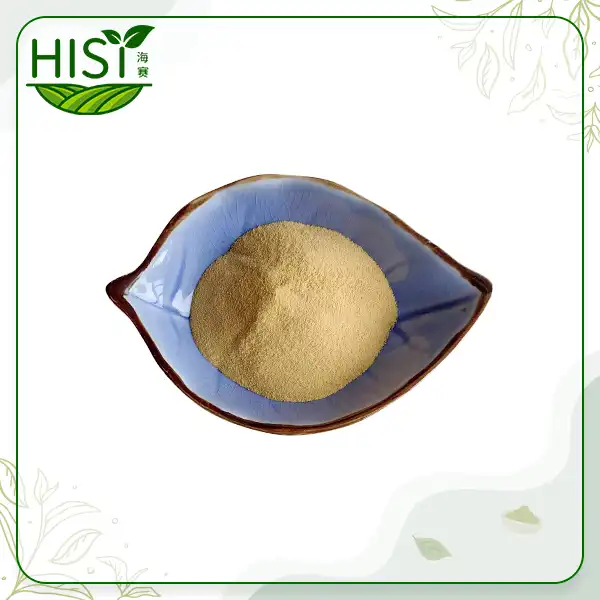
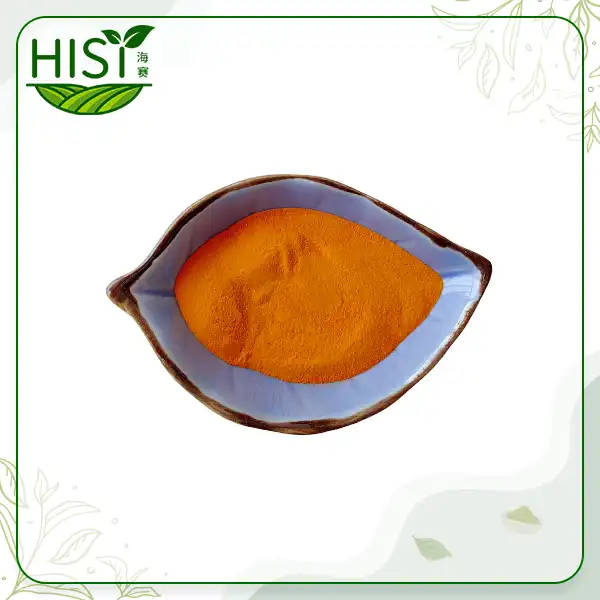
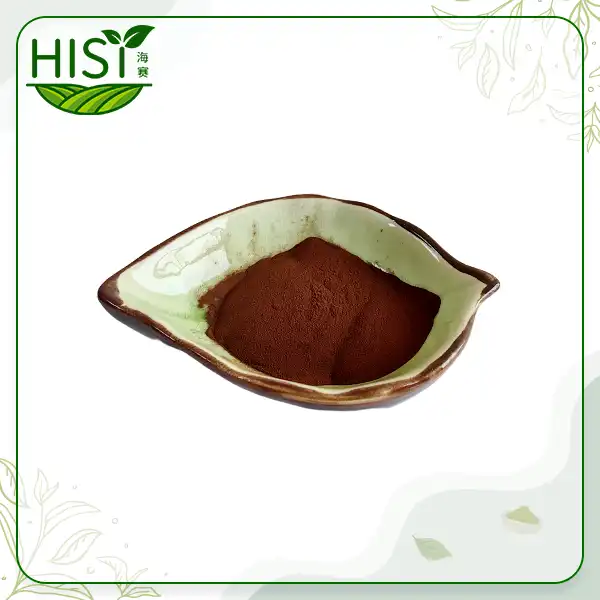
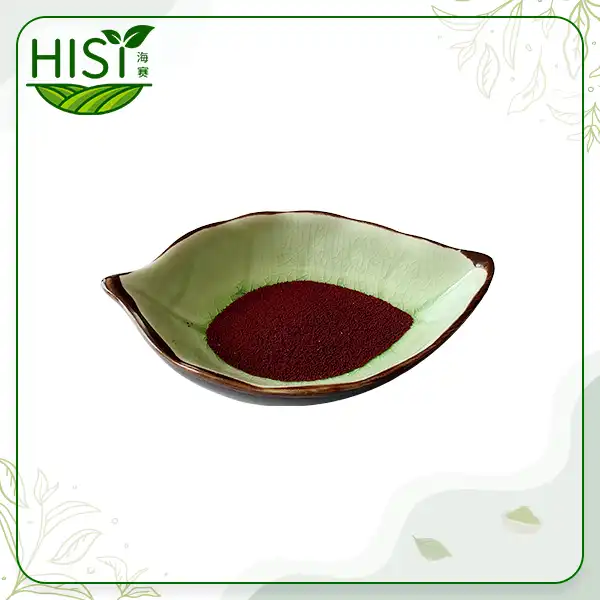
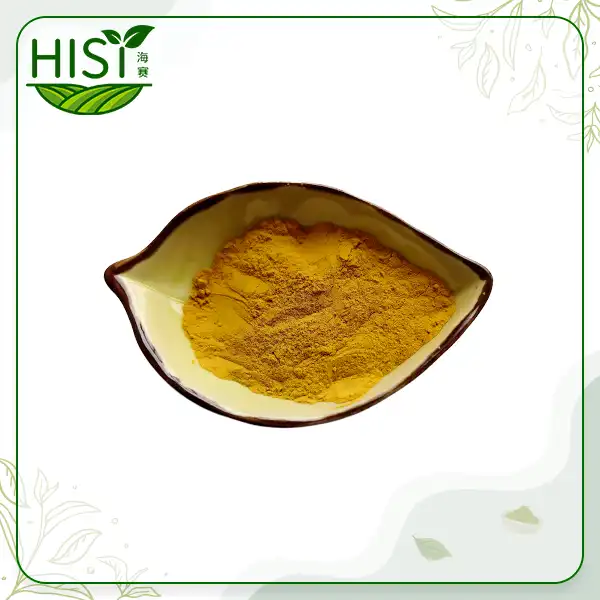
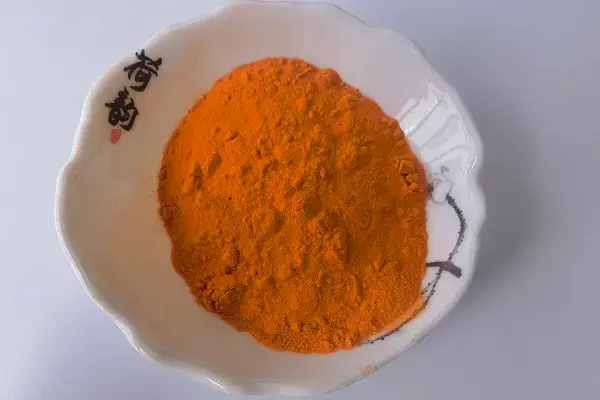
Natural Carotene Powder is an important part of many manufacturing processes because it can be used as a natural colourant that doesn't change and as a healthy source of vitamin A. This orange-yellow to orange-red powder comes from plants like carrots and other carotenoid-rich plants. It meets strict quality standards and meets the growing demand for clean-label goods. These things make it popular: it is better for your body than synthetic alternatives; it stays stable at high temperatures while being processed; and it meets all international food safety standards. Nutraceutical, cosmetic, and functional food companies are choosing natural carotene more and more because it is an antioxidant that makes products look better and doesn't have any man-made ingredients that customers today try to avoid.
Understanding Natural Carotene Powder
What Is Natural Carotene and How Does It Differ From Synthetic Variants?
One of the chemicals in Natural Carotene Powder comes from plants, like carrots, palm fruits, and microalgae like Dunaliella salina. The extraction process keeps the mixed isomer profiles, which include both 9-cis and all-trans configurations. This makes the natural compounds much more bioavailable than synthetic ones. When it needs to, this group of chemicals lets the body change beta-carotene into retinol, which is Vitamin A. This gets rid of the risk of hypervitaminosis A that comes with taking vitamin pills that have already been made. There must be at least 1.5% carotene in the product, with 0.9% β-Carotene and 0.6% α-Carotene making up the rest. The people who made this can really say that it comes from natural sources because it is made from plants instead of chemicals. If you take the powder in its pure solid form, it melts at about 180°C. Commercial formulations, on the other hand, use micro-encapsulation to make it easier to work with and less likely to oxidise.
Nutritional Benefits and Scientific Validation
A lot of research has shown that carotene is a strong antioxidant that protects cells from damage caused by free radicals like those made by UV light, pollution, and metabolic stress. According to research published in nutrition journals, eating foods high in carotene strengthens the immune system, keeps the retina healthy for good vision, and makes skin less likely to age quickly from the sun. The way antioxidants work is by giving reactive oxygen species electrons. This stops cells from getting hurt and stops swelling. Also, carotenoids are the building blocks of vitamin A, which helps fix the problem of nutrition shortages around the world by adding vitamins to food. One way to fight a lack of vitamin A, according to the World Health Organization, is to give beta-carotene tablets to groups that are more likely to need them. It costs a lot for companies to make products that have these health benefits because they are functional foods and dietary supplements.
Extensive Applications Across Multiple Industries
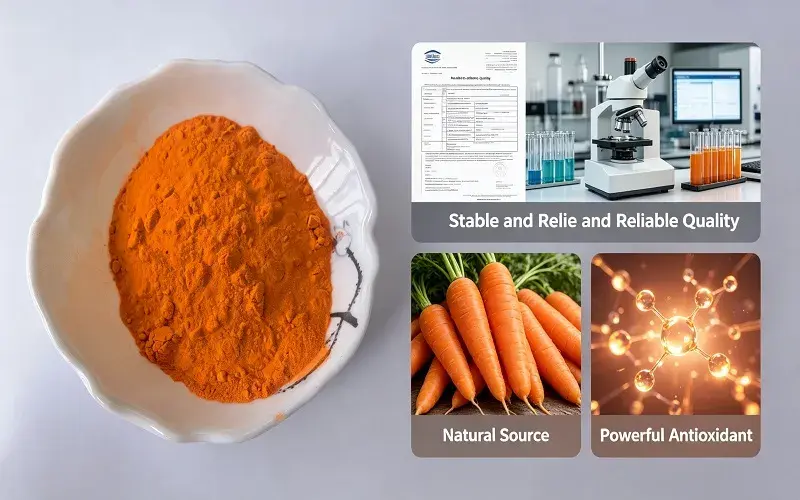
The main places where Natural Carotene Powder can be used are these three. It's used to give natural colour to drinks, baked goods, fizzy soft drinks, and moulded snacks that are made for food and drink. The mixture can be mixed with cold water, and even in 3.0-pH acidic environments, it keeps its colour. Since it doesn't change colour or lose much of its quality at temperatures up to 200°C, it can be worked with at those temperatures. Because it is a good source of vitamin A, beta-carotene is used in multivitamin pills, soft-gel capsules, and powdered supplement blends. The ingredient can handle the reaction stress that comes from the small minerals that are common in vitamin pills. This means that the item can stay fresh longer without losing any of its usefulness. Cosmetic companies put carotene in anti-aging serums, moisturisers, and colour makeup because it gives the skin colour and protects it from damage. The chemical is used in high-end skin care products because it can help the skin's natural healing processes and make it look better and healthier.
Quality and Sourcing Considerations for B2B Buyers
Natural Versus Synthetic: Making the Right Choice
Many things affect the choice between natural and synthetic carotene, such as how the chemicals are regulated by the government, how people feel about them, and how well they work. Natural varieties are more expensive, but they fit with the trend toward "clean labels" that's making people buy more in developed markets. This difference is very important for organic approval, since products that have man-made chemicals can't be in the top group. When Natural Carotene Powder is taken out of plants without fermenting them, it keeps the plants' integrity in a way that synthetic manufacturing can't. This honesty can help with marketing, especially if you want to reach people who care about their health and are willing to pay more for it. Studies on bioavailability show that all-trans synthetic forms of carotene don't change as quickly as natural mixed-isomer carotene. This means that claims of higher efficiency can explain higher input costs.
Certification Standards and Quality Assurance
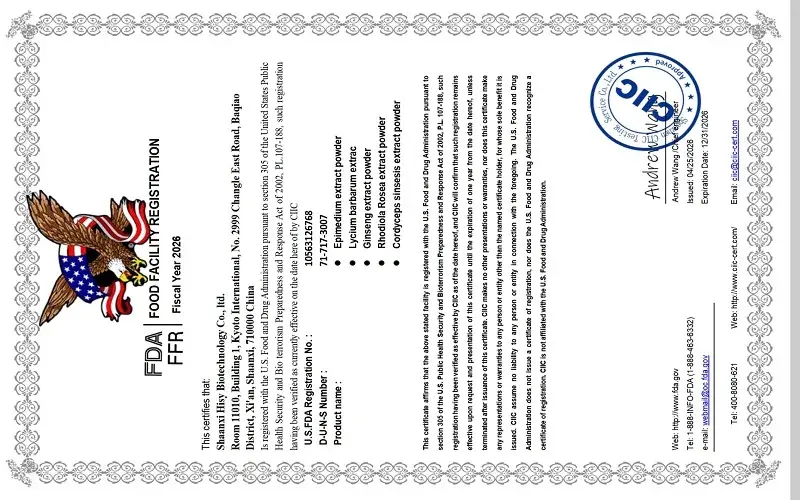
When you choose providers who are registered with the FDA and have HACCP and ISO certifications that can be checked, you know that they meet international quality standards. These certificates show that organised quality management was used at every step of the production process, from getting the materials to putting them in boxes at the end. To get FDA approval, a plant must follow current Good Manufacturing Practices (cGMP). To get HACCP approval, key parts of the production process must be safe. Certificates of Analysis (COA) showing that the HPLC test showed the presence of carotene, that heavy metal screening with ICP-MS revealed lead levels below 1 ppm, and that bacterial testing for Salmonella and E. coli did not find any. E. coli should all be in good paperwork, as well as an analysis of the residual solvent that meets the requirements of the EP/USP pharmacopoeia. It's safer to buy from suppliers who make the test results for each batch public. This shows that they care about quality.
Evaluating Supply Chain Reliability and Sustainability
To make long-term buying relationships work, you need to look at things like production capacity, supply consistency, and the ability to handle logistics. When a manufacturer has more than one production line that can make more than 200 metric tonnes of goods a year, they offer supply security that keeps recipes from being stopped. Find out where a supplier gets their raw materials, like whether they come from algae, carrots, or palms. This will help you figure out how environmentally friendly they are and how easily they can be affected by changes in prices. As more news stories talk about business social responsibility, ethical production problems become more important when deciding what to buy. Institutional buyers look for suppliers that have sustainable farming partnerships, waste reduction programs, and carbon footprint tracking. These are all examples of ESG factors that suppliers must meet. It is possible to find the raw materials if the supply chain is clear about where they come from. This is needed for organic certification and claims of sustainability.
How to Choose the Best Natural Carotene Powder for Your Business
Defining Volume Requirements and Application Specifications
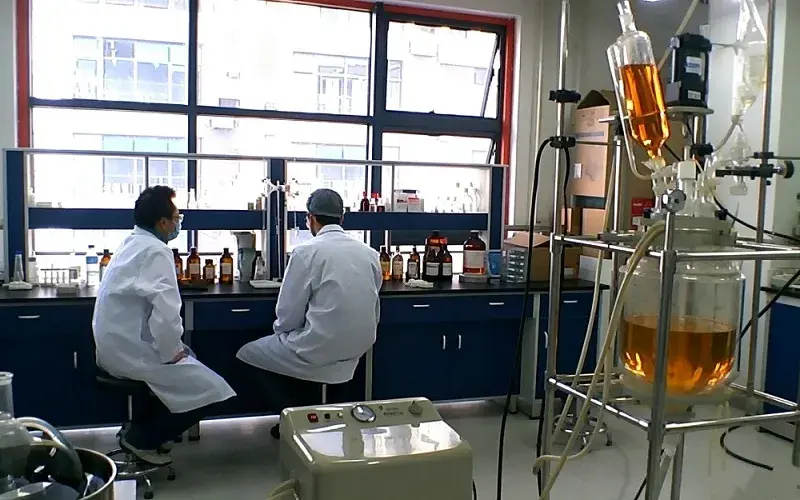
Before you can do good buying, you need to know exactly what the target markets need in terms of amount of use, structure, and legal frameworks. There are different technical needs for each application. For drinks, grades need to be able to mix with cold water and keep solutions stable so they don't settle. For makeup, grades need to be able to mix with oil and work with emulsion systems. Companies that make nutraceuticals focus on making high-concentration powders that keep bioavailability high while cutting down on capsule size. Different places have very different rules about how to follow them. In the US, FDA rules, EFSA rules in the EU, and Health Canada rules all set different levels of purity, labelling requirements, and daily limits for how much can be taken. Procurement teams need to make sure that the qualifications of suppliers match the standards of the final market so that goods don't get held up or turned down at customs.
Critical Quality Metrics for Product Performance
The amount of beta-carotene is the most important quality measure. This is usually checked with HPLC or UV-Vis spectrophotometry. The concentrations in commercial grades are between 1% and 20%. It costs more for higher amounts, but you only need a small amount. Bioavailability is affected by the amount of trans to cis isomers present. Pure all-trans synthetic forms of vitamin A don't convert as well as mixed isomer profiles. For things that people buy because they like the way they look, colour uniformity is important. The particle size distribution is measured by laser diffraction. This affects how well the ingredients mix and feel in drinks or how stable the solution is in creams and lotions. Keeping an eye on the peroxide value shows oxidative stability; lower values mean the food will last longer. Today's food suppliers use microencapsulation technology to protect the Natural Carotene Powder molecules from photo-oxidation, which keeps the colour and nutrients of foods fresh for longer.
Balancing Cost Considerations With Supplier Reliability
There is more to the cost of ownership than just the unit price that needs to be thought about when comparing prices. Things like the minimum order quantity, payment terms, logistics plans, and technical help after the sale can all change the overall cost of buying. Flexible MOQs let smaller manufacturers try out new recipes without having to worry about stocking too much, and volume discounts help suppliers who have been working with a company for a long time. Being a reliable supplier means being able to reliably make goods, speak clearly, and solve problems. When lead times are between 4 and 8 days, business is going smoothly. However, moving goods from another country makes things more difficult and requires careful inventory management. You can check the quality of the goods before making big purchases when you ask for free samples. This lowers the risks that come with buying things online from other countries where you can't return them.
Practical Usage Guidelines and Dosage Recommendations
Dosage Norms Across Different Applications
A lot of things need different amounts of carotene. Food, supplements, and cosmetics all need different amounts. Most functional drinks have between 0.5 mg and 2 mg per dose to get the colour strength they want and add nutritional value that can be written on the labels. Officials in charge of health say that dietary supplements shouldn't have more than the daily suggested amount of beta-carotene. This amount can be anywhere from 3 mg to 15 mg, based on the brand and the health claims it makes. Amounts in finished makeup range from 0.1% to 1.0%. This is done to find a good mix between how well the antioxidant works and how good the product tastes. If you use more, skin care products might turn too orange, so the recipe needs to be changed. Groups like the World Health Organization make rules that food fortification programs make sure to follow. This is one way that the WHO suggests vitamin A equivalents that are made to fit the needs of various groups of people.
Incorporation Methods and Stability Considerations
If you want to successfully combine a product, you need to know about working conditions and how to make it work with other providers. Cold water dispersible grades are easy to mix with water to make stable colloidal solutions that work well for drinks and liquid nutrients. Oil-soluble forms can mix with lipid-based forms that are needed for soft-gel pills, skin emulsions, and foods that contain fat, since fat in the food affects how much of the carotenoids you eat. How stable Natural Carotene Powder is depends a lot on how it is processed. Unprotected carotene may break down at temperatures above 180°C, but versions with microcapsules can handle temperatures up to 200°C for baking, pasteurisation, and ultrahigh temperature (UHT). Amber needs to be kept and packed in dark places because light speeds up photo-oxidation. For checking how sensitive they are to pH in acidic mixtures, new stability technologies let them work in places with a pH as low as 3.0.
Regulatory Labeling and Safety Compliance
Laws have changed that buying teams need to be aware of when labels say the difference between natural and synthetic sources. Any claims of natural carotene need to be backed up by proof that the carotene comes from plants and not drugs. In some places, labelling rules spell out what kinds of health claims are okay. One example is that structure-function lines can be used in the US, but therapy claims must be approved first before they can be sold. When used in normal amounts, natural carotene is still very safe. The process of turning the compound into a provitamin stops the bad effects of the made vitamin A. People who have rare genetic diseases that make it hard for them to absorb vitamin A usually aren't good candidates. Allergen statements have to talk about possible responses to carrots, but allergenic proteins are generally taken out of highly processed foods.
Procurement Best Practices and Market Insights
Current Market Trends and Price Dynamics
Trends toward "clean labels" are making the Natural Carotene Powder market grow. Researchers in the market think that the market will grow at rates higher than 6% per year until 2028. Prices change based on the availability of raw materials, like how many carrots can be picked and how the market for palm oil is moving. Purchasing managers who keep an eye on farm product indices can tell when prices are going to go up and can make contracts that let them do that. As the seasons change, so do trends in demand. For instance, supplement companies buy more before winter, which is when the most sales of items that boost the immune system happen. People who make drinks get more supplies before the busy summer season starts so they can make more drinks that are good for you. If you know about these cycles, you can plan your purchases to get the best deals and make sure you have enough stock for when demand is high.
Logistics and International Trade Considerations
Pay close attention to the Incoterms when you buy in bulk. They explain where duty changes hands, what insurance covers, and how costs are split between buyers and sellers. People who buy something on FOB (Free on Board) terms are responsible for getting it to their home country once it leaves the port of origin. When you use DDP (Delivered Duty Paid) terms, the seller takes on more risk, but they usually charge more. Shipping each unit for less money is possible by optimising containers, and standard packaging in 1 kg foil bags or 20 kg fibre drums makes palletisation easier. Import rules say that commercial invoices, certificates of origin, phytosanitary certificates for plant-based ingredients, and lab analysis reports that show the goods meet the standards of the destination country must all be checked. You will stay on schedule and be sure that your items arrive at the right time at the right temperature if you work with experienced goods forwarders who know how to ship food-grade ingredients.
Building Long-Term Supplier Partnerships
Buying well is more than just making purchases; it also means working together to reach shared goals. Suppliers who give expert support help make formulations better, fix issues with stability, and change goods to meet new rules set by the government. When you regularly talk about production plans, quality standards, and changes in the market, you build trust, which makes it easier to get help when there are supply gaps. After recent problems around the world, it became more important for supply chains to be strong. Buyers now give more weight to providers who can show they have extra production capacity, a number of sources for raw materials, and stable funds. If you want to make sure that quality standards are still being met and that operating skills are still meeting long-term procurement needs, you should check in with your suppliers on a regular basis. You can do this online or in person.
Conclusion

Many companies want to make sure their products meet the needs of customers who want clear signs, health benefits, and care for the environment. Natural Carotene Powder is a good choice for these businesses. The substance is becoming more popular in the food, skin care, and nutraceutical businesses because it can be used to add colour and make things healthier. It is also safe and easy for the body to use. To be a good customer, you need to know about the supplier's skills, application-specific needs, and quality measures. This will ensure that you always get products that meet foreign standards. Buyers need to keep up with market trends, read technical specs, and build relationships with well-known manufacturers. This gives their companies an edge in markets where ingredient quality and buying accuracy are becoming more essential.
FAQ
What distinguishes natural carotene powder from synthetic alternatives?
Natural Carotene Powder has a variety of isomers, such as all-trans and 9-cis forms that come from plants. These are better for your body than all-trans types that are made in a lab. For natural extraction, the phytonutrients that are already there are kept. These help the body absorb the phytonutrients and turn them into vitamin A. If you make manufactured carotene with chemicals, it doesn't have these different isomers and can't be called natural or organic. This makes it harder to sell in high-end product categories.
What concentration is appropriate for supplement formulations?
Beta-carotene amounts in regular multivitamins are around 3 to 6 mg per dose, which is the same as getting 50 to 100% of your daily vitamin A needs met. More powerful antioxidant pills might have 10 to 25 mg in each dose. The provitamin conversion mechanism keeps you safe from toxicity worries and also lets you change the dose based on health claims and to stay competitive.
How can I source certified organic natural carotene powder in bulk?
You can find suppliers with USDA Organic, EU Organic, or similar certifications by looking at their organic handling licenses and the papers that show where their raw materials come from. Manufacturers with a good name will let you track the food from organic fields that have been cleared to the manufacturing plants. Most of the time, the smallest order size for organic grades is 25 kg, and the price is 30–50% higher than for regular natural carotene. This is because the cost of approval is higher and raw materials are hard to come by.
Partner With Hisy for Premium Natural Carotene Powder Supply

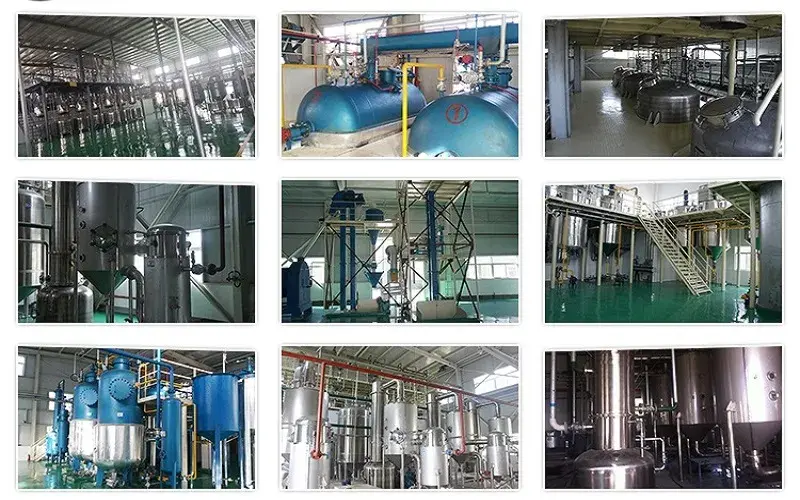
Shaanxi Hisy Biotechnology Co., Ltd., which has been in business for 18 years, can help you. There is at least 1.5% carotene in our Natural Carotene Powder (²-Carotene 0.9%, α-Carotene 0.6%), and it only comes from plants. It has never been lab-made or fermented. Our Xi'an facility has 4 dedicated production lines and can make more than 200 MT of products a year. We make sure there is a steady supply of ingredients so that formulations don't stop. Our FDA registration, HACCP certification, and ISO certification all show that our quality meets the highest standards around the world. We can offer fair prices because we don't have to pay extra to middlemen since we make natural carotene powder ourselves. Also, our goods are the best you can find. You can get free samples of our carotene powder to see how well it works before you decide to buy a lot of it. Our adjustable MOQs make it easy for businesses of all kinds to use it. Send an email to sales@hisybio.com to talk to one of our buying agents about your needs and find out how our reliable supply chain can help your new products with pure and effective natural carotene solutions.
References
1. Rodriguez-Amaya, D.B. (2019). "Update on natural food pigments: A mini-review on carotenoids, anthocyanins, and betalains." Food Research International, 124, 200-205.
2. Maiani, G., Castón, M.J., Catasta, G., et al. (2009). "Carotenoids: Actual knowledge on food sources, intakes, stability and bioavailability and their protective role in humans." Molecular Nutrition & Food Research, 53(S2), S194-S218.
3. Grune, T., Lietz, G., Palou, A., et al. (2010). "Beta-carotene is an important vitamin A source for humans." Journal of Nutrition, 140(12), 2268S-2285S.
4. Burri, B.J., La Frano, M.R., Zhu, C. (2016). "Absorption, metabolism, and functions of β-cryptoxanthin." Nutrition Reviews, 74(2), 69-82.
5. Von Elbe, J.H., Schwartz, S.J. (2018). "Colorants in Food Chemistry: Principles and Applications." CRC Press, Boca Raton, FL.
6. Britton, G., Liaaen-Jensen, S., Pfander, H. (2004). "Carotenoids Handbook." Birkhäuser Verlag, Basel, Switzerland.