

_1752718207094.png)

How to Source Baicalin Powder from China Factories?
When buying Baicalin Powder from Chinese companies, make sure you only buy from approved sources with quality systems that can be checked. Also, make sure you ask for thorough Certificates of Analysis (COA) and talk about clear terms that include specs, MOQ, payment, and delivery. People who want to buy should look for companies that have ISO, HACCP, and FDA certifications. Also, they should get purity tests from a third-party lab (usually 85% to 95% baicalin content) and do a lot of research before placing big orders. For example, they could check out the factory or look at samples. For purchases to go smoothly and for the quality of ingredients used in health, beauty, and medicine products to stay the same, it's important to have clear lines of communication and know the rules for importing goods.
Understanding Baicalin Powder: Essential Knowledge for Buyers
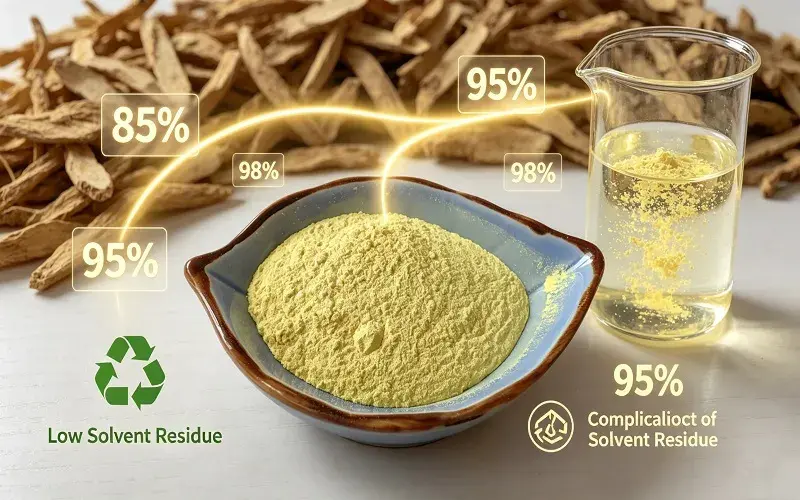
What Makes Baicalin Powder Valuable?
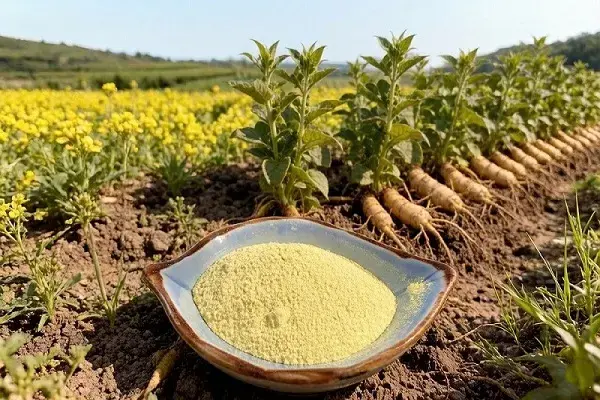
The flavonoid glycoside baicalin is very good. The CAS number for it is 21967-41-9, and its formula is C21H18O11. It can be used to make natural preservatives that are better for your skin than synthetic ones in cosmetics, plant-based active pharmaceutical ingredients (APIs) for supplement mixes, and antibiotic-free livestock food, among other important uses. This stuff stays stable at high temperatures (up to 223°C), which means it can be used in lots of industrial processes that need to hit high temperatures. Nutraceutical goods that contain it have been shown to reduce inflammation, stop the production of melanin (which makes skin lighter), and help the liver work better.
Key Quality Specifications
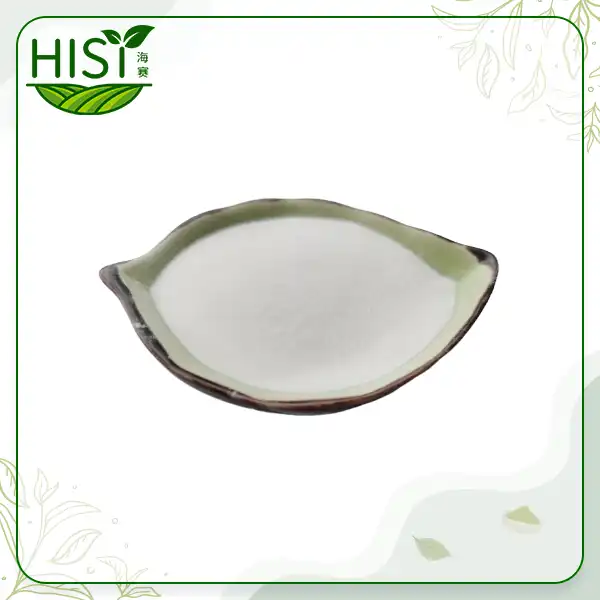
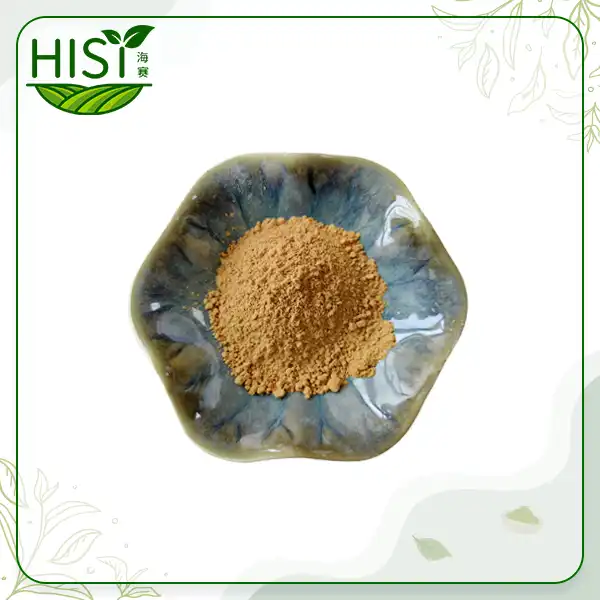
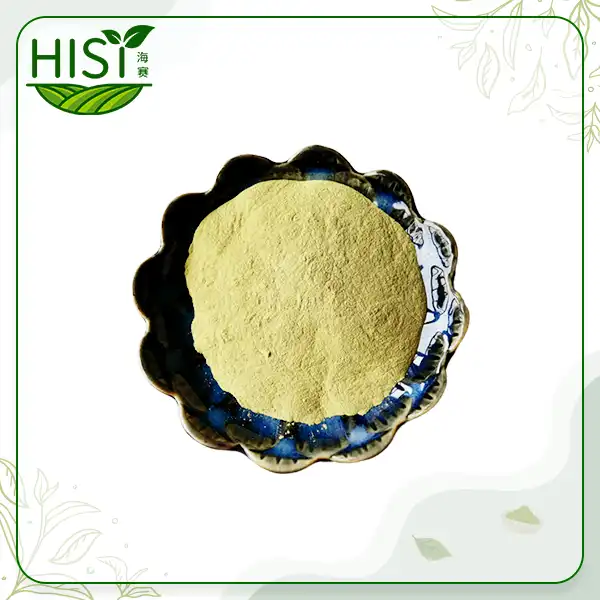
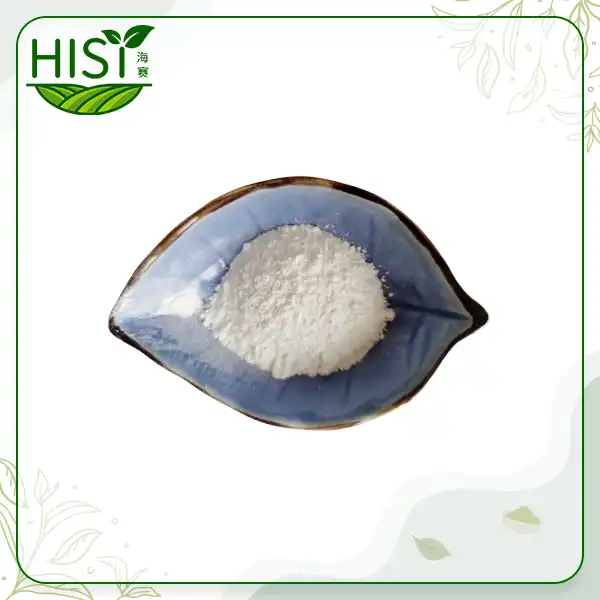
Buyers who are professionals need to know the technical details of what makes Baicalin Powder good. High-Performance Liquid Chromatography (HPLC) tests show that the baicalin content must be between 85% and 95% pure, which is what the industry standard says. This powder generally has crystals that are light yellow and has pieces that are small enough to fit through 80-mesh screens. This makes sure that the powder is spread out evenly in the different formulation matrices. Standards for quality say that the ash content must be less than 1% and the moisture content must be less than 5%. This keeps things stable while they are being stored and stops them from breaking down. The Chinese Pharmacopoeia (CP2020) and global Good Manufacturing Practice (GMP) rules tell us to do things this way.
Baicalin Versus Baicalein: Critical Distinctions
The difference between baicalin and its aglycone form, baicalein, is very important for people who work with formulations. The glucuronic acid part of baicalin makes it easier for water to dissolve when the pH level is high. Baicalein, on the other hand, works better with fats and gets into cells deeper. Baicalin is taken in through the intestines and broken down by enzymes into baicalein. This is the bioactive form that does most of the healing. Because it can go straight into the skin, people who make makeup might choose baicalein. When making supplements that people will eat, on the other hand, baicalin is often used because it stays stable in the stomach longer and spreads out more slowly.
How to Identify Reliable Baicalin Powder Suppliers in China
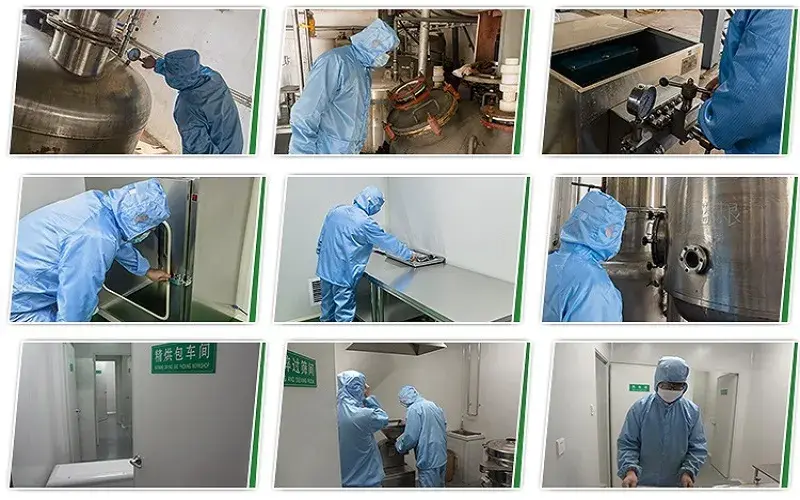
Manufacturing Certifications That Matter
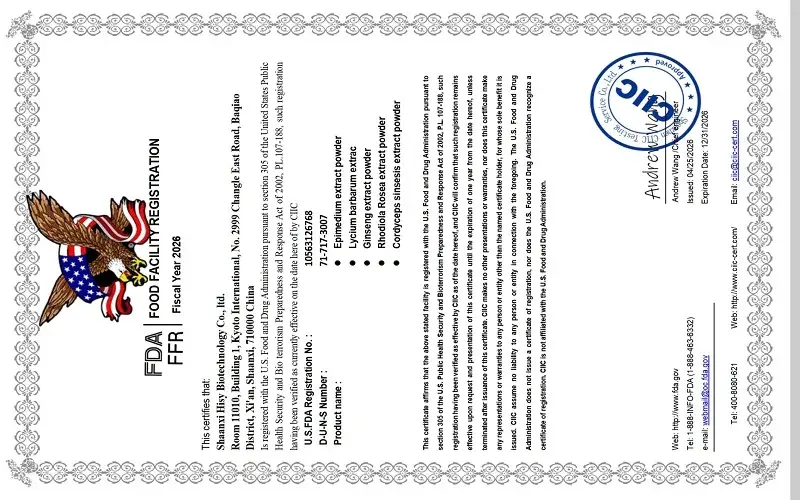
Suppliers are judged by how well their credentials are checked. An honest business keeps its ISO 9001 certification for quality management systems, its HACCP certification for food safety protocols, and its registrations with government agencies like the FDA up to date. With these certificates, you can be sure that the goods meet international standards and are checked for quality in a planned way. Buyers should ask for more than just the certificates shown on websites. They should also ask for up-to-date certification documents that make it clear what they cover and when they are valid. An audit report from a third party, like SGS or Intertek, shows more about how well a product is made and how well its quality processes work. Factories that make things for the food industry need to have FSSC 22000 approval, and factories that make things for the pharmaceutical industry need to show that they follow GMP standards.
Evaluating Factory Capabilities and Reputation
How stable the supply is is directly related to how much can be made. The biggest companies have several oil extraction lines that make more than 200 metric tons of oil every year. It makes sure there is always enough oil, even when a lot of people want it. One company that does this well is Shaanxi Hisy Biotechnology Co., Ltd., which was formed in 2008. It has four specialized production lines and has been extracting plants for 18 years. Buyers should look at the production infrastructure. This includes quality control labs with HPLC and GC-MS instruments, warehouses with the right temperature and humidity controls, and different types of extraction equipment, such as supercritical CO2 or countercurrent extraction systems. It is important to know about the factory's past. Companies that have been around for more than ten years usually have stable supply lines, technical teams with a lot of knowledge, and quality standards that have been around for a long time.
Communication and Sample Evaluation
To work with providers in a good way, it's important to be clear about what you need and how you want it done. As soon as you ask, professional manufacturers send you detailed product datasheets, new COA samples, and technical support documentation. The purity level of Baicalin Powder you want to buy (85%, 90%, or 95%) should be written on the samples you ask for. Check the material's physical properties, like making sure it's the same color all over, the particles are the same size, and there are no clumps or wet spots. Send samples to labs that are not connected to you to be tested. Then, compare the results with what the seller says they found. It checks to see if the maker is consistent from one batch to the next and does what it's told to do. Hisy is one of many well-known companies that lets qualified people try their products for free. This shows that they are sure of the quality of their goods.
Step-by-Step Process to Source Baicalin Powder from China Factories
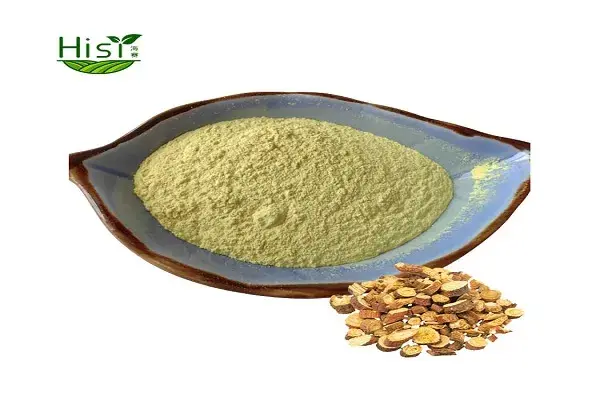
Define Your Specifications and Volume Requirements
The first step to a good purchase is to be clear about what is needed. Figure out what kind of purity you need based on the job. As an example, 85% purity might be fine for cosmetics, but 90–95% content is usually needed for pharmaceuticals. You should decide on acceptable ranges for particle size, moisture content, heavy metal levels, bacteria numbers, and other physical factors. Get a good idea of how much Baicalin Powder you will need to order at first by comparing it to how much you think you will use in a year. Most manufacturers have a minimum order quantity (MOQ) of 25 kg, but some will take smaller orders of 1–5 kg to help them test new goods. If you know how your output will change over time, you can get better prices and be the first to choose when demand is high.
Utilize Verified B2B Platforms and Direct Outreach
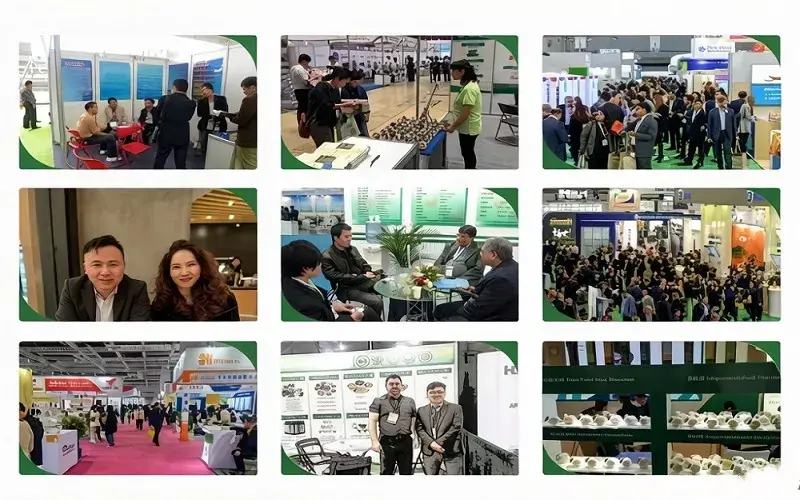
Having more than one route makes it easier to find suppliers. Alibaba, Made-in-China, and Global Sources are well-known business-to-business sites that keep track of makers who have badges that show their business licenses have been checked and they have been reviewed in person. Search for "Scutellaria baicalensis powder supplier" or "baicalin extract manufacturer" to find companies that make the product instead of companies that sell it. Often, the best way to get results is to get in touch with well-known companies that make plant products. These companies know more about the technical needs and legal details. At trade shows like SupplySide West and Vitafoods Europe, Chinese companies can show off their goods and meet buyers in person. People can get to know each other better through these exchanges, which also test your professionalism and level of expertise.
Rigorous Evaluation of COA and Lab Documentation
Each company that makes goods gives out Certificates of Analysis that list the test results for each batch. Many types of certificates can be found on full COAs. Some of them include heavy metal screening for mercury, arsenic, cadmium, and lead, pesticide residue analysis, and microbe testing results that show yeast, mold, and total plate count. Make sure that these results meet your quality standards and any pharmacopoeia standards that apply. Ask for several COAs from different batches of production to see if they are all the same over time. Strong quality and process controls help manufacturers make batches that are very similar to each other. Find out about steady tests and shelf-life studies as well. This is very important for things that will be kept for a long time or sent to markets far away.
Negotiation Strategies and Total Cost Analysis
The price is only one part of how much it costs to land. It's important to compare the unit price to the payment terms, shipping options, security coverage, and any customs taxes that might be due. If you buy more than 100 kg, you usually get a 10–15% discount. If you buy more than 500 kg or 1000 kg, you get even bigger discounts. When a customer first buys from you, they pay the full amount right away. When they come back to buy something again, they pay 30% of the total amount right away, and the rest is due before the shipment. Think about the ways you can ship. Things can get to you faster by air in 4–8 days, but it costs a lot more than by sea, which takes 25–35 days. It is important to think about the costs of customs trading, import taxes (which change depending on the target country and HS code classification), and storing. Find out how much each kilogram of goods actually costs to ship so that you can compare sellers fairly and make accurate budget plans.
Key Challenges and How to Avoid Common Sourcing Pitfalls
Quality Inconsistencies and Counterfeit Products
There are times when quality control goes wrong in the plant extract business. Some of these problems are making the extracts more pure, adding cheaper compounds, or swapping out the natural compounds for synthetic ones. Your supply chain will be safer if you use more than one level of verification. It is important to have independent labs in your own country test the Baicalin Powder and compare the results to the COAs that the maker gives you. When prices are much lower than what the market will bear, testing records are not provided in full, or physical traits vary from batch to batch, these are all red flags that something is not right. Honest makers who are willing to let you do workplace checks or video reviews of their facilities are good to build long-term relationships with. Sellers who you can trust see quality checks as a way to make the relationship better, not as a sign that you don't trust the buyer.
Navigating Import Regulations and Compliance
The rules for international trade say that filing and sorting must be carefully thought out. Depending on how it was made and what it will be used for, Baicalin Powder is typically categorized under HS code 1302.19 or 1302.32. This changes the rules that must be followed and the amount of import tax that is charged. FDA rules say that dietary supplements (21 CFR Part 111) and food chemicals that are brought into the US must follow these rules. In other words, they need to have the right labels, show all the chemicals, and maybe even be checked to make sure they are GRAS. New foods and REACH registration rules must be followed when they are brought into the European Union. These rules are based on how the goods will be used and how they have been used in the past. For phytosanitary certificates, certificates of origin, and compliance statements, make sure you have the right paperwork. To do this, work with experienced customs brokers who know the rules about botanical extracts. Planning ahead for regulations can help keep delays and rejections at ports of entry to a minimum.
Logistics Complexities and Timing Considerations
Problems in the supply chain can make it harder to work with customers and change the schedule for making things. Stock up on extra items in case you have to wait. Shipping by fast air can take anywhere from 4 to 8 days, while shipping by sea can take 25 to 35 days, plus the time it takes to clear customs. For example, Scutellaria baicalensis roots are mostly collected as raw materials in the autumn, which could make it harder to find them in the spring. Be clear about how you want to talk to producers to confirm orders, plan production, and keep track of shipments. Ask to be told ahead of time about any possible delays so that you don't find out about them after the fact. There are risks when you only depend on one source, so some buyers use two sources of supply and make sure they are qualified as backup sources. This is very important for commercial productions that need a steady flow of ingredients for a lot of units.
Case Study and Practical Tips from Experienced Buyers
Successful Procurement Example: Immune Support Supplement Launch
A medium-sized nutraceutical business wanted to bring out a recipe with Baicalin Powder as one of its main active ingredients. On business-to-business (B2B) sites, their buying team began looking for providers. Once they had found five makers, they picked the best ones based on their certifications and how much they could make. Before hiring anyone, they made sure the examples they were given were pure by having a third party test them. Three of the samples sent were 5–12% less pure than what was claimed, but two of them were exactly what was asked for. The team picked a company that could give them batch records that they could rely on for two years and 90% pure baicalin. A 15% volume discount was agreed upon for an initial 200 kg order, along with a promise to place another order every three months. Third-party testing was used to set up quality checks that happen every three months, and processes were put in place to match COAs with new material that came in. During 18 months of commercial production, this organized way kept the product's usefulness and made sure it lived up to what it said on the label. It got better over time as the friendship grew. Custom package specs and special production times during busy times were added.
Building Long-Term Strategic Partnerships
These kinds of relationships save money in the short term, but they aren't strong enough to deal with issues like supply or quality. Strategic partnerships are good for both sides because they allow for open communication, working together to solve problems, and rewards that are in line with each other. Tell providers who can help you grow about your plans. They can use this information to plan how to hire more people or make sure they have enough raw materials to keep up with your growth. Instead of moving providers without saying anything when small problems happen, let them know how each batch is going. This will help you get better. Long-term relationships help buyers with a lot of experience get things like quick access to products when there are shortages, specifics that are made to fit the needs of each formulation, and the chance to work together to improve extraction methods or change particle size. People who sell goods don't just offer goods; they also become parts of the supply chain that help companies stay ahead of the competition.
Red Flags and Warning Signs
There are some clues that the provider might be having trouble. Extreme refusal to let people visit or film the workplace is a sign of bad systems or facilities. If someone gives you vague answers about technical topics like how to extract, where to get raw materials, or quality control, it means they don't know much about those topics. When people are in a hurry to place orders and don't take the time to look over samples or write down their contracts, quality problems can happen. If a manufacturer can't give you regulatory documents that are relevant to the markets you want to sell to, they haven't worked with customers from other countries before. Trust your professional instincts when communication seems rushed, technical skills seem overstated, or prices seem out of line with the market.
Conclusion
Businesses that want to get high-quality plant-based products at a low cost and with better extraction methods can get a lot out of buying Baicalin Powder from Chinese factories. To be successful, you need to carefully check out your suppliers, make sure the work they do is of high quality, and take charge of legal compliance and the tasks that come with it. Companies that are good at procurement use technical standards, quality certifications, and careful due diligence to stand out from those that aren't because of problems with quality or supply. It gives clear directions on everything from laying out exact needs and checking the credentials of makers to negotiating thorough contracts and making strategic partnerships. This book explains how to make the best sourcing decisions. With these rules, it's easy to get plant products that are safe enough for medicinal use while still making money. This can help with both starting new product lines and making supply chains bigger.
FAQ
What minimum order quantity should I expect when sourcing baicalin powder?
As a general rule, most manufacturers set the MOQ at 25 kg. Because it's easier to keep an eye on quality and make things more quickly when batches are smaller. For testing a new product, some suppliers will take smaller orders of 1 to 5 kg, but the price per unit of Baicalin Powder is usually 20 to 30 percent more than what they charge for regular orders. When you order more than 100 kg, you usually get a better price, and the production can start earlier.
How do I verify sample authenticity and purity before placing bulk orders?
Take the samples the seller gives you to labs that are not connected to the seller and are experts in studying plant products. You can ask for HPLC tests to find out how much baicalin, heavy metals, pesticide residues, and microbes are present. If the test reports and the COAs from the supplier are different by more than 2% to 3%, you should look into it. Verification testing is good for producers who want to back up what they say about the quality of their products. It also gives buyers more confidence.
Are there safety considerations for incorporating baicalin into product formulations?
Baicalin is safe at normal supplement levels of 100 to 500 mg daily for nutraceutical uses and at 0.5 to 2% levels in cosmetics that are put on the skin. Check to see what safety studies have been done and what the rules are in the places you want to sell to. The government is more likely to accept Scutellaria baicalensis material that comes from wild roots than material that was made in a lab. There should be allergen and GMO status statements on the paperwork your seller gives you. These are important for the claims and labeling requirements for your product.
Partner with Hisy for Premium Baicalin Powder Supply
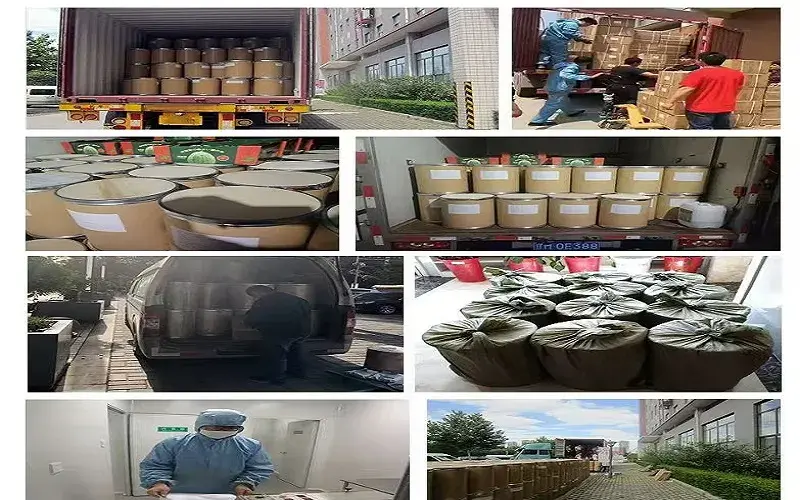
For 18 years, Shaanxi Hisy Biotechnology Co., Ltd. has been a master at extracting plants, and they can help you with your buying needs. Our state-of-the-art plant makes Baicalin Powder that is safe for use in medicine. It comes in three quality levels: 85%, 90%, and 95%. There are four specific production lines that can handle more than 200 metric tons of product every year. Each batch goes through strict HPLC testing on that line. An ISO, HACCP, HALAL, and KOSHER certificate are just a few of the ones we have. This means that your formulations will always be in line with strict global laws, whether you're making functional foods, cosmetics, or nutraceuticals. We care about more than just making great items. Free samples let you test a product without risk, and there are many ways to package them, from 1 kg foil bags to 25 kg drums, so they can fit a range of operational scales. The delivery time is between 4 and 8 days, and we can meet tight production schedules. Our expert team is also available to help with formulation questions and regulatory paperwork needs. Are you ready to buy from a company you can trust? You can talk to our team about your needs and get samples by emailing sales@hisybio.com. Hisy has a track record of helping people get the best ingredients.
References
1. Chinese Pharmacopoeia Commission. (2020). Pharmacopoeia of the People's Republic of China, Volume I. China Medical Science Press, Beijing.
2. Liu, J., Wang, F., & Li, M. (2019). Quality Control and Standardization of Baicalin Extract: Industrial Perspectives and Analytical Methods. Journal of Pharmaceutical and Biomedical Analysis, 165, 412-423.
3. Zhang, H., Chen, L., & Wang, Q. (2021). Supply Chain Management of Botanical Extracts from China: Best Practices for International Procurement. International Journal of Supply Chain Management, 10(3), 87-102.
4. American Herbal Products Association. (2018). Botanical Safety Handbook: Second Edition. CRC Press, Boca Raton, Florida.
5. European Medicines Agency. (2020). Assessment Report on Scutellaria baicalensis Georgi, Radix. Committee on Herbal Medicinal Products, London.
6. Wang, Y., Liu, X., & Zhang, S. (2022). Manufacturing Excellence in Chinese Botanical Extract Industry: Quality Systems and Global Standards Compliance. Natural Product Research and Development, 34(2), 356-367.