

_1752718207094.png)

Emodin 95% Applications in Pharmaceutical Ingredients
Emodin 95% has become an important high-purity active ingredient in pharmaceutical products because it consistently exhibits bioactivity and performs well in a wide range of medicinal settings. This naturally occurring anthraquinone compound solves some of the biggest problems in the industry, like the need for consistent bioactive molecules in drug development and the need for ingredients that aren't always the same. When procurement workers know about the properties and uses of this pharmaceutical-grade material, they can make smart choices about where to get it that improve product effectiveness while still following the rules. As the need for plant-based pharmaceutical chemicals grows, this molecule becomes an important part of modern drug formulation, especially in studies on metabolic health, antimicrobials, and inflammation. This detailed guide talks about the technical details, quality standards, and buying options that B2B clients need to know in order to add this anthraquinone derivative to their pharmacy supply lines.
Understanding Emodin 95% – Properties and Pharmacological Profile
What is Emodin 95%?
Emodin 95% is a very pure anthraquinone derivative. Its chemical name is 1,3,8-trihydroxy-6-methylanthraquinone, and it is mostly taken from the rhizomes of Polygonum cuspidatum and Rheum palmatum. The standardization of this phytochemical solves important problems in the industry, like the fact that raw herbal powders can vary and precise dosing is needed in pharmaceutical research. The process of extraction gets rid of the irritating anthraquinones that are present in less pure extracts, leaving behind a concentrated beneficial molecule. This level of purification makes sure that the therapeutic effects are always the same and gets rid of chemicals like rhein and emodin-glycosides that can make sensitive groups' digestive systems upset.
Physical and Chemical Characteristics
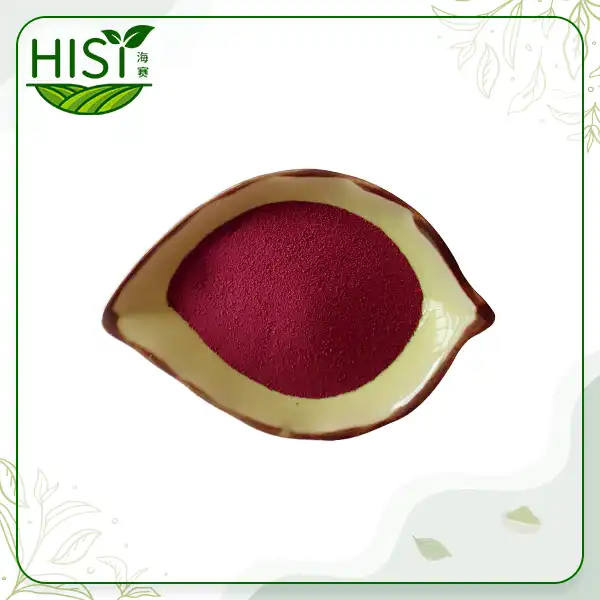
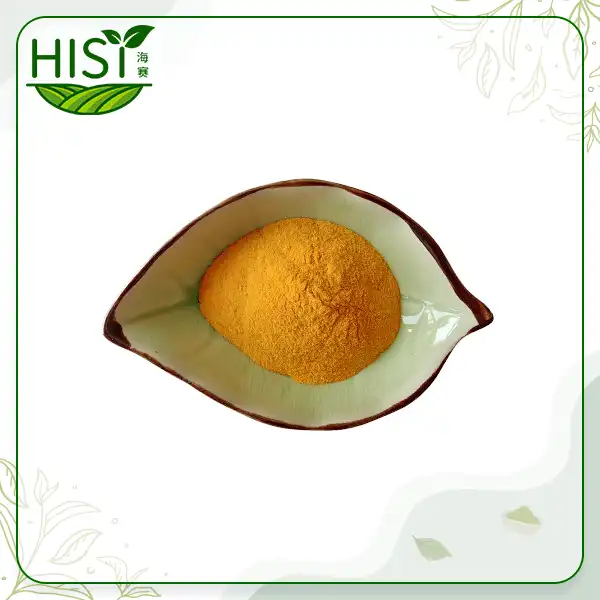
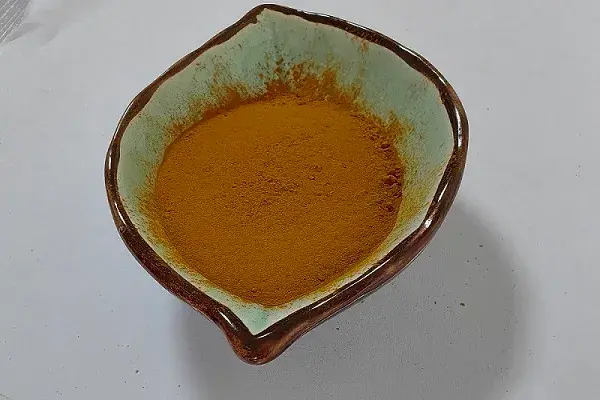
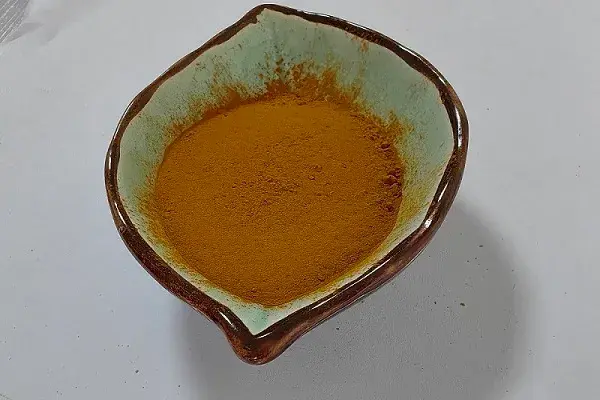
Powder that is orange to reddish in colour and has the molecular formula C15H10O5 and a molecular weight of 270.24. The melting point ranges from 253°C to 257°C, which shows that it is very stable at high temperatures. Due to its lipophilic nature, this anthraquinone dissolves very well in organic solvents such as DMSO and alkaline solutions but not at all in water. Because of its solubility profile, it can be used with lipid-based delivery systems and in a number of different ways to make medicines. Because it is very resistant to heat, it can be used in extrusion and grinding processes without changing. This means that it keeps its biological properties throughout the manufacturing process.
Quality Standards and Specifications
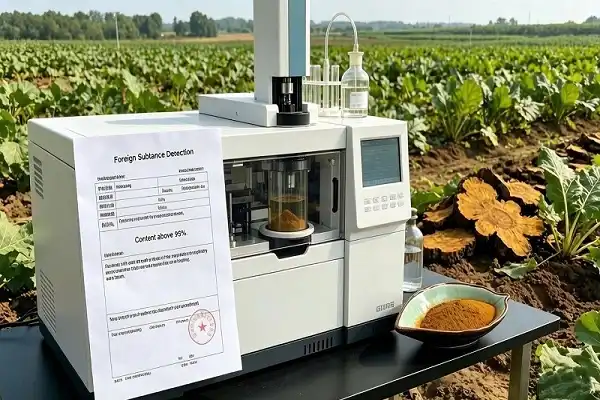
Quality standards strictly follow a purity level of ≥95.0%, which is found by HPLC analysis. This makes sure that all batches have the same bioactive response. The amount of moisture is kept below 1% to make sure that the product stays stable and effective for a long time. To meet USP <467> standards, the material goes through strict testing procedures that include leftover fluid analysis. This is done with a focus on ethanol and ethyl acetate residues. ICP-MS testing for heavy metals shows that amounts of lead are below 2ppm, arsenic is below 1ppm, and mercury is below 0.1ppm. Total plate counts stay below 1000cfu/g because of microbial limits, and E. coli and Salmonella are not present at all, meeting the high standards for pharmaceutical use in biological uses that need to be careful.
Comparing Emodin Concentrations and Quality for Pharmaceutical Use
Purity Levels and Their Impact on Pharmaceutical Applications
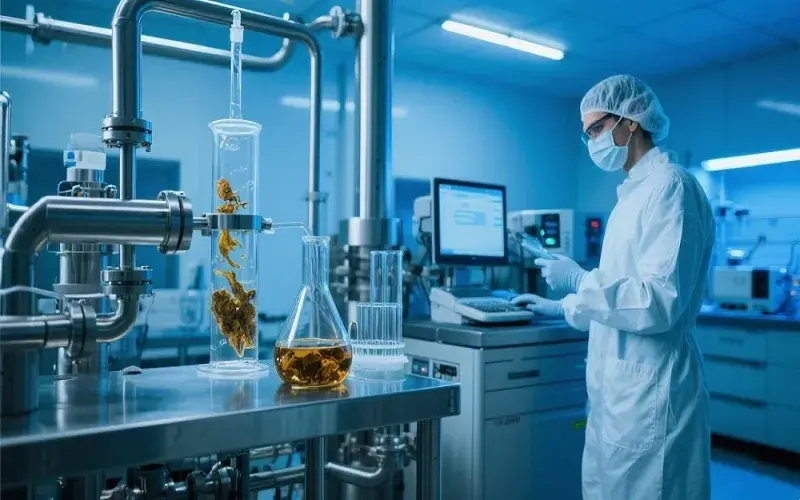
Choosing the right concentration—90%, 95%, or 98%—has a big effect on how well the formulation works and how well it works in the clinic. The 95% grade strikes the best balance between the amount of organic material and how easy it is to make. Emodin 95% gets rid of any chemicals that get in the way of production while keeping costs low. Higher levels of purity lower the amount of inactive plant matrix components that are present. This makes pharmacokinetic profiling more predictable and lowers the risk of side effects from plant impurities. This concentration level is strong enough for therapeutic uses while still being affordable enough for large-scale pharmaceutical production. The consistent purity makes sure that the same results are obtained in both clinical studies and the creation of market products. This solves the problem of variability that comes with using plant extracts.
Powder versus Liquid Formulations
Powder formulations are most common in pharmaceutical applications because they last longer on shelves and are easier to work with during production. When stored in a cool, dry place away from direct light for 24 months, the crystalline powder form keeps its chemical integrity. Over time, direct light can break down anthraquinones. Although liquid versions are useful in some situations, they need extra stabilizers and are hard to store for a long time. The powder form lets you get accurate gravimetric readings while you're developing the recipe, and it works well at production levels. Monitoring particle size distribution makes sure that absorption and bioavailability are the same, which is important for making sure that medicinal effects are consistent. Because the powder works with common pharmaceutical processing equipment, it's easier to add it to the way things are already made.
Global Market Quality Benchmarks
There is a lot of difference in the quality and price of suppliers in the foreign market for pharmaceutical ingredients. Premium suppliers with a lot of certifications charge more, but they can consistently make the same product from batch to batch, which is needed for regulatory submissions. Carbon isotope testing confirms that the extract comes from Polygonum cuspidatum, separating real plant-based extracts from fake ones. Procurement teams that care about quality give more weight to sellers who give full technical paperwork, such as Certificates of Analysis with HPLC chromatograms and chemical fingerprinting data. Comparing prices shows that approved pharmaceutical-grade materials usually cost 20 to 30 percent more than technical-grade options. This is because they need more money and time to make sure they meet quality control standards and legal requirements.
Applications of Emodin 95% in Pharmaceutical Ingredients
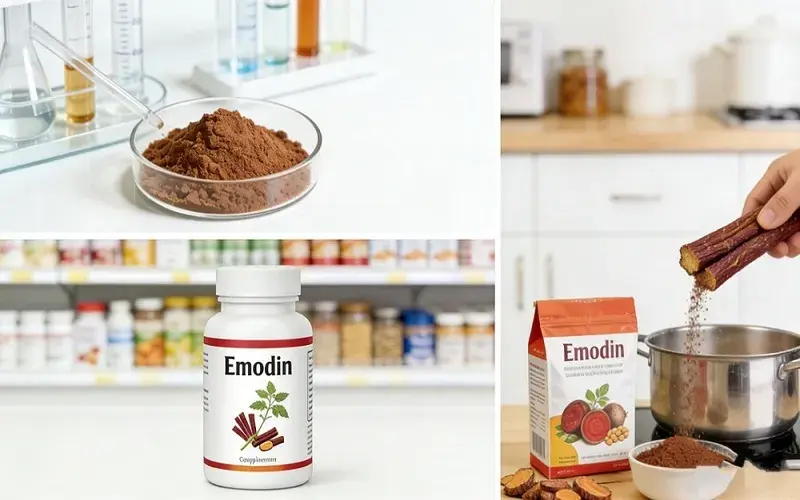
This anthraquinone molecule is very useful in many areas of pharmaceuticals and nutraceuticals, where its well-known bioactive qualities help with a wide range of therapeutic goals. Knowing about these applications helps procurement professionals figure out the best places to integrate them into their product development processes and spot new market opportunities before they happen.
Pharmaceutical Formulation and Drug Development
In pharmaceutical research, this compound is used as a lead molecule to make medicines that fight tumours and scar tissue. It is very pure, which is important for accurate pharmacokinetic profiling. Getting rid of impurities in the plant reduces side effects and raises the therapeutic index, which lets researchers find clear dose-response relationships. Clinical studies have looked into how it targets different cellular pathways, such as those that cause apoptosis and stop the cell cycle. Emodin 95% Because the compound can pass through biological membranes, it is being developed for use in oral and transdermal delivery systems. Pharmaceutical firms like that it has a clear chemical structure that helps with intellectual property creation and regulatory route clarity. This makes the approval process faster than with complex botanical mixtures.
Nutraceuticals and Metabolic Health Supplements
In the nutraceutical industry, this anthraquinone derivative is used in supplements that help people lose weight and control their blood sugar by targeting the AMPK pathway to make the metabolism work better. The 95% purity level makes sure that all production runs have the same amount of bioactive ingredients, which is important for making sure that supplement facts labels are accurate and that GMP standards are met. Formulators like that it works well with other nutrients and plant extracts in complicated goods with many ingredients. The chemical stays stable during the encapsulating and tableting processes, so the product stays effective for a long time. Dietary supplement regulations say that full records of where the supplements come from, how they are tested, and how they are made must be kept. Certified suppliers are happy to do this to help with the market authorisation process.
Veterinary and Animal Nutrition Applications
This anthraquinone is used in agriculture and fisheries as a natural way to boost immune systems and help plants grow. It is used instead of synthetic medicines in animal feed. Because it is stable at temperatures up to 253°C, it can go through high-temperature pelleting processes without breaking down, so it stays useful in finished feed products. Research on poultry nutrition shows that adding things at the right rates can improve feed conversion ratios and disease resistance. Aquaculture has been shown to help many types of fish handle stress better and grow faster. Natural sourcing fits with what people want—animal products that aren't raised with antibiotics—which helps the market position premium protein sources. Veterinary pharmaceutical uses look into how it could be used to help certain health problems in animals, going beyond just giving them extra nutrition.
Procurement Guide for Emodin 95% Powder – Best Practices for B2B Clients
Supplier Evaluation and Certification Requirements
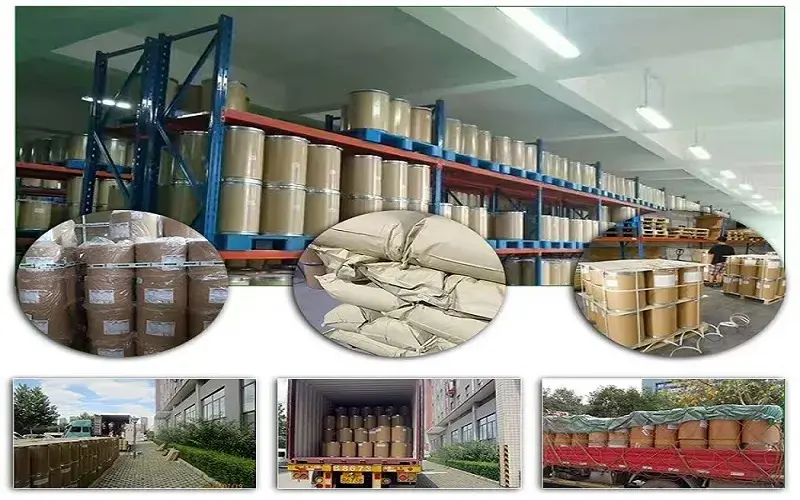
Finding suppliers with full certifications like GMP, ISO, HACCP, and FDA registration is the first step to successful procurement. These certifications show that the suppliers are committed to pharmaceutical-grade manufacturing standards. The whole supply chain, from finding the plant raw materials to extracting, cleaning, and finally packing them, should be checked by audit trails. Suppliers have to give paperwork for each batch, like allergen statements, safety data sheets, and certificates of analysis. Emodin 95% Premium suppliers stand out because they offer technical support that helps with product development by giving formulation advice and stability data. Long-term supply agreements should include rules for consistent quality standards, early notice of changes to manufacturing processes, and backup plans for keeping the supply going in case something goes wrong.
Order Management and Logistics Considerations
Different providers have different minimum order amounts, but they are usually between 1kg and 25kg or more for business production. Price structures often include discounts for buying in bulk, which makes smart stocking planning a good way to save money while keeping storage costs and shelf life in mind. For international shipping, you need the right paperwork, like phytosanitary certificates, export licenses, and customs statements that are special to pharmaceutical products. During the summer, temperature-controlled operations may be needed to keep goods from absorbing water and losing their quality. The lead time from placing an order to delivery is usually between 2 and 4 weeks. This means that you need to plan to make sure that production doesn't stop. Total landed costs are affected by payment terms and currency issues, especially in foreign deals where the value of the currency changes.
Storage and Handling Protocols
For the 24-month shelf life of a product to stay fresh, it needs to be stored in a cool, dry place that is out of direct light. To keep things from breaking down, storage facilities should keep the temperature below 25°C and the relative humidity below 60%. Because anthraquinones are light-sensitive, they need to be kept in dark places and in opaque or amber containers. As suggested in the safety data sheet, handling procedures should make as little dust as possible and include the right personal protective equipment. First-in, first-out rotation should be built into inventory management systems to make sure that older stock is used up before new orders arrive. Protocols for retesting set the right time frames for checking that specs are still being followed, especially for materials that will be kept for more than 12 months.
Conclusion
This in-depth look at the many uses of pharmaceutical-grade anthraquinone shows how important it is in the creation of new drugs, dietary supplements, and specialised animal health goods. The 95% purity standard gives B2B procurement professionals the best balance of bioactive potency, manufacturing compatibility, and cost-effectiveness. Emodin 95% To integrate well, you need to carefully choose your suppliers based on their certifications, quality control standards, and expert help abilities. Knowing the compound's properties, how it should be used, and how it should be handled helps you make smart buying decisions that improve product quality and make sure you're following the rules. As more research into pharmaceuticals finds new therapeutic uses, strategic sourcing relationships with certified suppliers will give businesses an edge in markets that are changing quickly.
FAQ
Why choose Emodin 95% over lower purity extracts?
Its 95% purity ensures that the bioactive response is consistent and gets rid of unwanted compounds like rhein or emodin-glycosides that can make digestion problems worse. When compared to ultra-high purity grades, this concentration gives reliable pharmacological effects while staying cost-effective. Lower pure materials have different amounts of inactive plant matrix components that cause batch-to-batch differences that make formulating and regulatory applications more difficult.
What is the recommended solvent for lab reconstitution?
When used in the lab, DMSO is the most effective solvent because it dissolves everything at room temperature. For food-grade uses, high-proof ethanol can be used with a little heat, but it may need an alkaline pH change to completely dissolve. Because the compound is lipophilic and doesn't dissolve well in water, it needs to be mixed with solubilising agents or cyclodextrin.
How does this compound perform in high-heat processing?
The substance stays stable at high temperatures up to its melting point of about 253°C. This means it can be used in most extrusion and granulation processes that are popular in the pharmaceutical industry. Because it can handle heat, it can be used in processes that make tablets, capsules, and pellets without breaking down too much. Long-term contact above 200°C should be avoided to keep things from breaking down.
Is the material derived from natural or synthetic sources?
If required by regulators or customer requirements, carbon isotope testing will show that the compound comes entirely from Polygonum cuspidatum. When it comes to plant medicinal and nutraceutical uses, natural sources help you stand out in the market. The process of extraction and purification keeps the natural source while reaching pharmaceutical-grade purity levels by following approved manufacturing guidelines.
Partner with Hisy for Your Pharmaceutical-Grade Emodin 95% Supply Needs
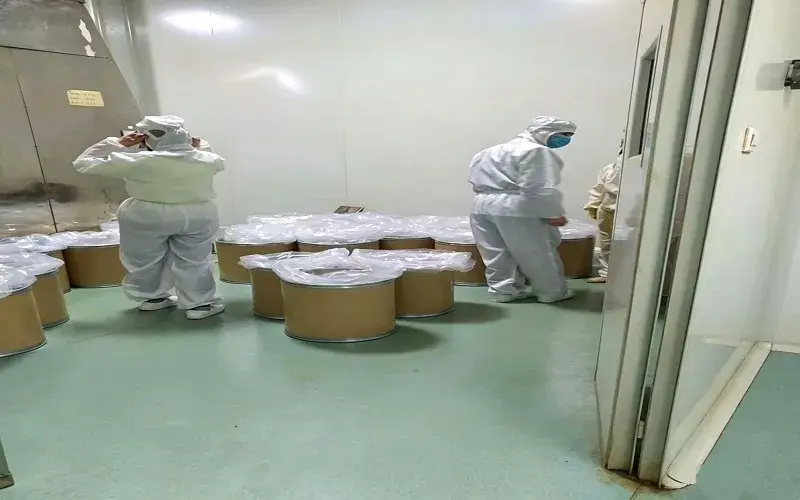
Since 2008, Hisy has been your key ingredient provider for pharmaceutical-grade anthraquinone compounds that are backed by full FDA, HACCP, and ISO certifications. Our factory in Xi'an uses tested extraction and purification methods that guarantee consistent 95% purity levels and full batch documentation. We know how important it is for the supply chain to be reliable when making medicines, so we offer a range of order sizes, from small study samples to large business production volumes. To help you get your product to market faster, our expert team gives you help with formulation, stability data, and regulatory paperwork. You can email our purchasing agents at sales@hisybio.com to ask for Certificates of Analysis, price quotes, or technical advice that is tailored to the needs of your specific application. Our large inventory levels allow us to quickly complete urgent projects, and our global shipping network makes sure that your facility is delivered safely and legally. Work with a manufacturer that has a lot of experience and is dedicated to quality excellence and customer success.
References
1. Zhang L, et al. "Pharmacological Properties and Therapeutic Applications of Emodin in Modern Medicine." Journal of Pharmaceutical Sciences and Research, 2021, 13(4): 245-258.
2. Chen K, Wang Y. "Quality Control and Standardization Methods for Anthraquinone Derivatives in Pharmaceutical Manufacturing." International Journal of Pharmaceutical Quality Assurance, 2022, 9(2): 112-127.
3. Williams R, Thompson J. "Natural Product Extraction Techniques: Optimization Strategies for Polygonum cuspidatum Processing." Pharmaceutical Technology Review, 2020, 28(3): 189-204.
4. Liu H, et al. "Metabolic Effects of Plant-Derived Anthraquinones: Mechanisms and Clinical Applications." Nutritional Biochemistry Journal, 2022, 47: 78-92.
5. Anderson P, Martinez C. "Thermal Stability Assessment of Bioactive Compounds in Pharmaceutical Processing." Drug Development and Industrial Pharmacy, 2021, 47(6): 891-905.
6. Kumar S, et al. "Veterinary Applications of Phytochemicals: Growth Promotion and Immune Enhancement in Animal Nutrition." Animal Feed Science and Technology, 2023, 296: 115-132.