

_1752718207094.png)

Yohimbe extract Price Guide for Bulk Ingredient Buyers
Bulk purchasing of Yohimbe extract requires a strategic understanding of pricing structures, quality benchmarks, and supplier reliability. This comprehensive guide is designed specifically for nutraceutical manufacturers, cosmetic brands, food and beverage companies, distributors, and pharmaceutical firms navigating the complexities of botanical ingredient procurement. Yohimbe extract, derived from the bark of Pausinystalia johimbe trees native to Central and Western Africa, serves as a potent bioactive ingredient in dietary supplements targeting weight management, athletic performance, and metabolic health. As procurement professionals increasingly demand transparency and value optimization, understanding how extraction standardization, alkaloid concentration, and certification compliance influence pricing becomes essential for making informed sourcing decisions that balance cost efficiency with product integrity.


Understanding Yohimbe Extract and Market Dynamics
Botanical Origin and Composition
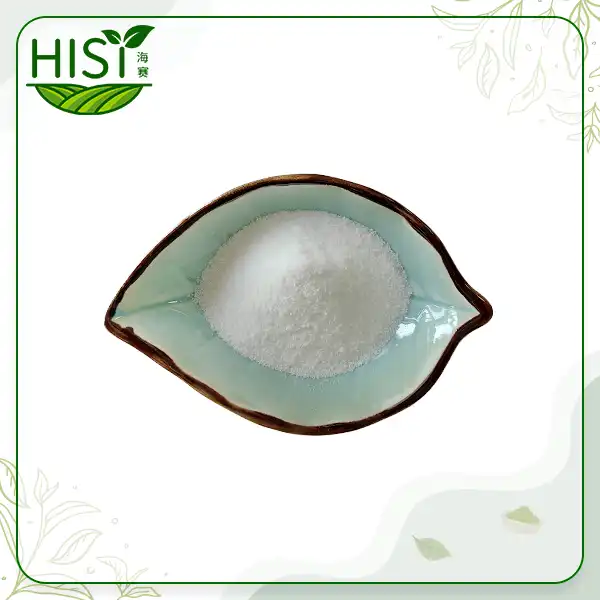
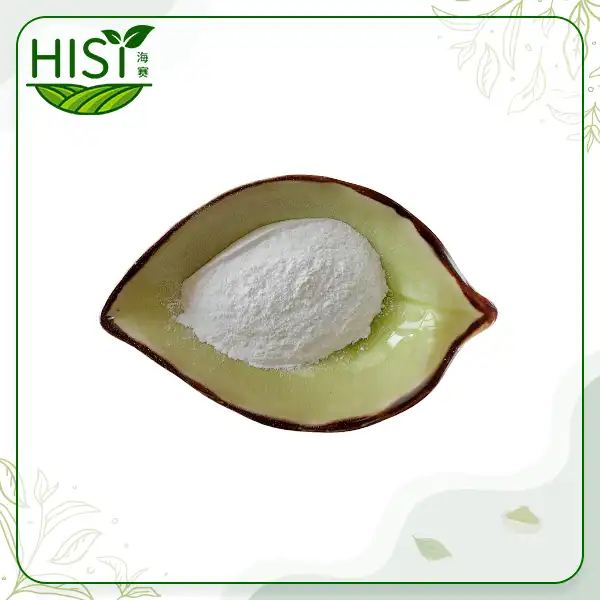
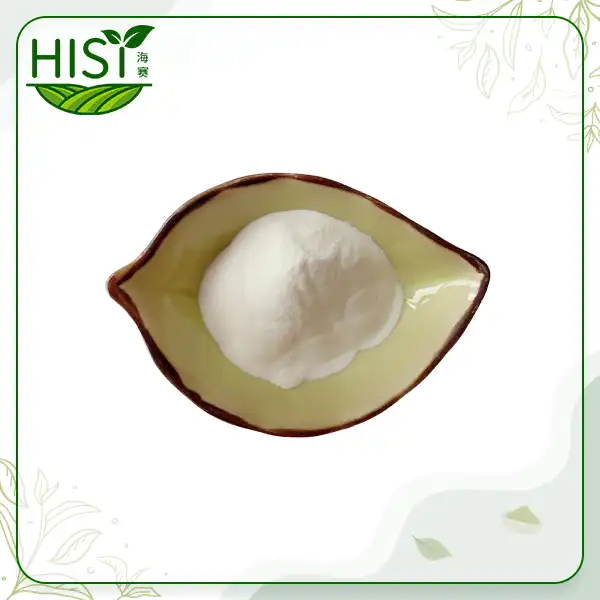
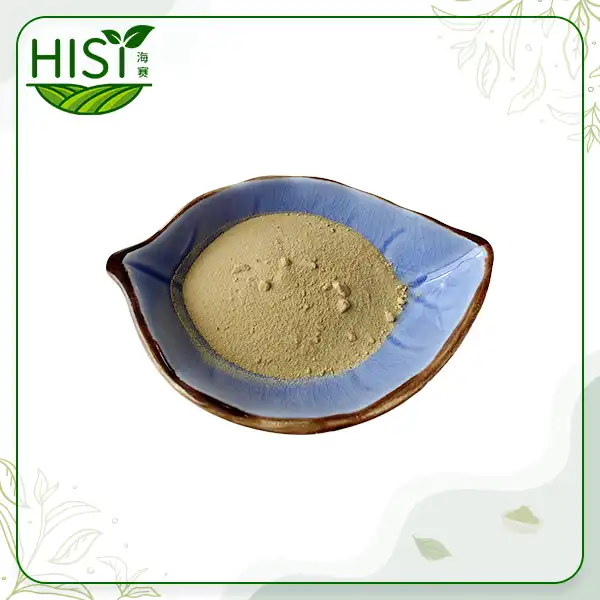
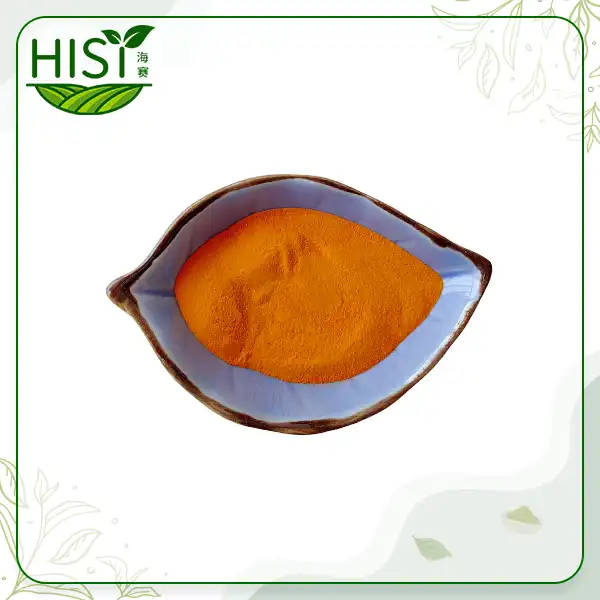
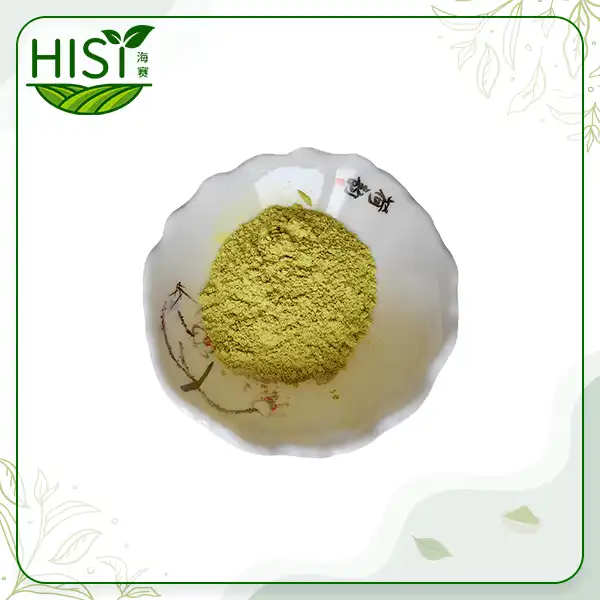
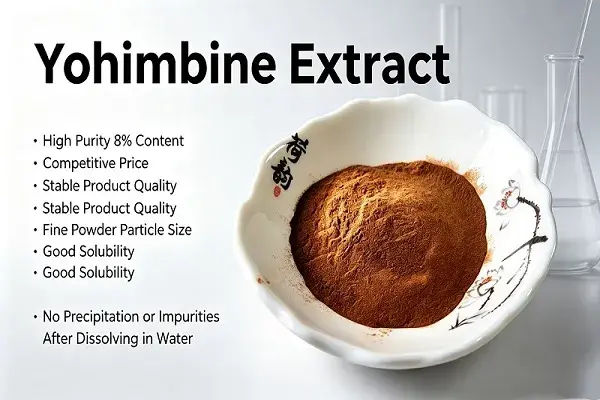
Natural Yohimbe extract is a pure plant-based substance that is made using advanced extraction methods that separate and standardise the indole alkaloid profile from Pausinystalia johimbe bark. Yohimbine (C21H26N2O3) is the main bioactive molecule. It works as a specific alpha-2 adrenergic receptor antagonist and has been shown to relax blood vessels and raise body temperature. Professionally made extracts, on the other hand, go through liquid extraction and chromatographic purification to get standardised amounts of yohimbine that range from 8% to 98%. This standardisation solves a big problem for formulators: it makes sure that all production batches have the same bioavailability and bodily reactions. The extract has different physical and chemical properties depending on the concentration. Lower concentrations (8–20%) show up as reddish-brown, water-absorbing powders that retain a wider range of alkaloids. High-purity forms (98%+) show up as white, crystalline materials with better stability profiles that are suitable for specific pharmaceutical applications.
Key Price Influencers in the Global Market
To understand how prices change for bulk plant extracts, you need to look at some linked factors that have a big effect on the costs of buying them. The most important factor is the availability of raw materials, since Pausinystalia johimbe only grows in a few areas of Africa, which limits its native supply. Sustainable harvesting methods and export rules from source countries have a direct effect on the base cost of materials. Another big cost factor is the extraction method. Water-based extraction methods produce less consistent results at lower costs, while advanced ethanol extraction combined with chromatographic purification creates pharmaceutical-grade material that costs a lot more. Changes in market demand, especially in the North American dietary supplement market, cause regular price changes that smart buyers can take advantage of. Regulatory compliance costs, such as paperwork for FDA facility registration, HACCP implementation, and maintaining ISO certification, are spread out over higher output numbers. This means that buying more in bulk is more cost-effective. Based on an analysis of the current market, the wholesale price of standardised Yohimbe extract powder can range anywhere from $45 to $180 per kilogram, depending on the level of purity, the need for certification, and the size of the order.
Regional Pricing Variations and Quality Certifications
Geographical factors have a big effect on the economics of buying for foreign buyers. Chinese makers, including those with factories already set up in Shaanxi Province, can usually offer lower prices than others because their supply lines are more streamlined, their extraction infrastructure is more advanced, and they serve global markets on a large scale, which saves them money. When procurement professionals look at regional price differences, they need to think about how quality certifications affect those differences. Materials that come with a Certificate of Analysis (CoA), third-party lab verification, and compliance documentation like FDA registration, HACCP certification, and ISO 9001 quality management systems are worth more because they reduce risk and ensure compliance with regulations. Organic certifications add about 15–30% to the base price, but they meet the growing demand from customers for formulations with clean labels. Certification strictness and clear pricing are what separate professional-grade suppliers from grey market commodity brokers. In these markets, there is a risk of adulteration and inconsistent alkaloid content, which makes it dangerous for manufacturers to do business in the long term.
Bulk Yohimbe Extract Quality and Types: What Buyers Should Know

Standardization Levels and Formulation Considerations
There are big differences in the technical features of Yohimbe extract depending on the standardisation requirements. This means that it can be used in a lot of different ways to meet the needs of different product development projects. Low-concentration extracts (2–8% yohimbine) work well in functional foods and mild-potency supplement formulations where alkaloid profiles add to the overall phytochemical matrix. The most common specification for mainstream dietary supplements is a mid-range standardisation (8–20%), which allows for effective dosing flexibility while keeping costs low for manufacturers who are aiming for retail price points. High-quality extracts (50–98% yohimbine) are used in specialised pharmaceutical applications and clinical-grade formulations that need to know the exact amount of alkaloid present. If you know what bioactives your target formulation needs, you can make smart decisions about where to get them. For example, buying more standardisation than you need raises the cost of the ingredients without giving you any extra benefits, and not having enough potency means that your claims of efficacy are thrown out, which means you have to use higher inclusion rates, which could affect the stability or sensory properties of the formulation.
Quality Assessment Parameters
Manufacturers are protected from low-quality materials that hurt the performance of their products and hurt their brand's image by strict quality evaluation processes. Botanical identification using Thin Layer Chromatography (TLC) or DNA barcoding proves that the source material is real Pausinystalia johimbe, separating it from fake or adulterated species. High-Performance Liquid Chromatography (HPLC) measurement measures the amount of yohimbine present and is accurate enough to meet medicinal standards for alkaloid profiling. Microbiological testing makes sure that food meets the standards for food safety by checking that total plate numbers, yeast/mold levels, and pathogen lack meet the required levels. Heavy metal screening for lead, cadmium, mercury, and arsenic addresses safety concerns that are especially important for botanical sources from Africa. Analysing the residual solvents shows that the extraction process is safe for methanol, ethanol, and other possible processing residues. Professional sellers give full CoA paperwork for every batch of production, which lets you track and check the quality of your products all the way through the supply chain.
Supplier Vetting and Certification Importance
Building ties with honest, certified providers is one of the most important things that procurement operations can do to control risk. Manufacturers who have ISO 9001 certification follow structured quality management practices that include written procedures and guidelines for ongoing improvement. Good Manufacturing Practice (GMP) compliance, especially GMP for dietary supplements as described in 21 CFR Part 111, makes sure that factories keep the right controls in place to handle ingredients properly, process them properly, and keep them from getting contaminated. HACCP approval means that there are hazard analysis systems in place to protect output from biological, chemical, and physical contamination risks. Registration with the FDA is not needed by law for non-U.S. manufacturers, but it shows a commitment to openness and makes it easier for American importers to get their goods through customs. Organic certifications, like USDA Organic and EU Organic, make sure that growing and processing meet strict standards, like not using synthetic pesticides and following principles of sustainability. When you buy directly from a factory like Shaanxi Hisy Biotechnology Co., Ltd., which has been in business since 2008 and has a long list of certifications, you get benefits like technical support, the ability to customise, and a stable supply chain that you can't get when you buy through a trading middleman.
How to Assess Yohimbe Extract Price vs. Quality for Bulk Purchases

Strategic Procurement Alignment with Business Needs
A good procurement strategy starts with making sure that your business needs are clearly outlined and fit your product portfolio and operational profile. Nutraceutical companies that are making standardised supplement lines need alkaloid contents that don't change more than 5% from batch to batch. This means that they have to invest in approved sources with strong quality systems, even if it means paying a little more. Cosmetic brands that use botanical ingredients put a high priority on purity standards and allergen information that supports safety assessments. For use in food and drinks, materials must have food-grade certifications and sensory evaluation data showing that they don't change the taste profiles. Distributors and importers gain when sellers have flexible minimum order amounts (MOQs) and proof of export experience, which makes foreign logistics easier. Pharmaceutical companies need materials that are made for pharmaceutical use and come with all the necessary technical information, such as stability data, impurity profiles, and regulatory support files. Matching the skills of the seller to your exact needs will help you avoid mistakes that cost a lot of money, like when low-cost buying leads to poor quality later on or when high-quality materials are used in excess of what is needed for the formulation.
Price Component Analysis
A full cost analysis looks at more than just the price per kilogram; it also looks at the total landed cost. The price of base materials depends on how standardised they are. For example, 8% Yohimbe extract usually costs between $45 and $75/kg, 20% standardisations cost between $80 and $120/kg, and high-purity 98% materials cost between $150 and $180/kg for bulk sales of 100 kg or more. Costs go up in clear steps when you add certification premiums: organic certification adds about $15 to $25/kg, full testing paperwork adds $5 to $10/kg, and pharmaceutical-grade processing with higher purity standards costs $30 to $50/kg more than normal grades. Logistics costs like international shipping, insurance, import duties (usually between 0.6 and 6.5 percent for botanical extracts under HTS codes 1211.90), customs broking, and domestic goods add 10 to 20 percent to the cost of buying things internationally. Payment terms have a big effect on how much working capital you need. Suppliers with net-30 or net-60 terms are better for cash flow than those who expect upfront payment, though many makers offer discounts of 2% to 3% for early payment. Annual contracts with volume promises often get 8–15% price cuts while ensuring supply consistency for production planning.
Risk Analysis of Low-Cost Sourcing
When companies buy things based on price without checking the quality, they are taking big practical and social risks that aren't worth the savings they might seem to be. Formulation variability is caused by low-quality extracts that have varying amounts of alkaloid. This leads to batch failures, stability problems, and customer complaints that hurt brand equity. Materials that have been tampered with and contain synthetic yohimbine or pharmaceutical compounds that have not been declared can cause regulatory exposure, which could lead to FDA warning letters, product recalls, and legal action. When materials aren't processed properly and become contaminated with microbes, they need to be thrown away or fixed, which is expensive and throws off production schedules. Unreliable suppliers with bad communication, uneven wait times, or inconsistent quality cause operating inefficiencies that raise the cost of keeping stock and raise the risk of running out of stock. Strategic buyers know that quality suppliers who charge moderate premiums offer better total cost of ownership through fewer tests needed, lower rejection rates, easier access to technical support, and a reliable supply chain that lets them manage their inventory more efficiently.
Where and How to Buy Bulk Yohimbe Extract: Best Practices and Supplier Insights
Reliable Sourcing Channels
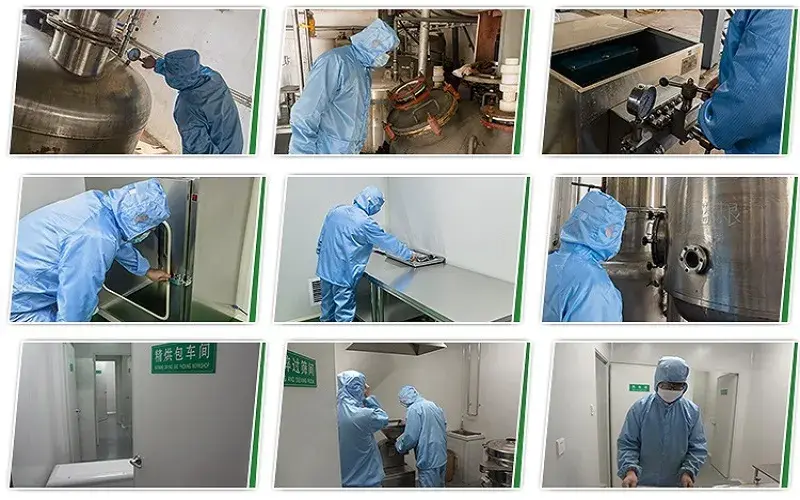
To find reliable providers, you need to use more than one method, such as digital due diligence and relationship-building verification. When you deal directly with the manufacturer, you get the best prices, openness, and technical help. This is especially true when you buy from well-known companies that have full online profiles that list their certifications, production capabilities, and customer service systems. Professional B2B platforms with verified supplier programs give buyers even more peace of mind by checking business licenses, facility inspections, and transaction histories with a third party. Industry trade shows like Supply Side West, Vitafoods, and SupplySide Asia let buyers evaluate suppliers in person, collect samples, and build relationships with them, which boosts procurement confidence. Associations in the industry, like the American Herbal Products Association (AHPA) and the United Natural Products Alliance (UNPA), keep supplier directories with names of members who follow quality standards and do business in an honest way. Referrals from people in the same business and formulation experts can tell you a lot about a supplier's performance, dependability, and ability to solve problems that public information sources can't.
Supplier Selection Criteria and Negotiation Strategies
When you evaluate a supplier in a systematic way, you look at more than just price. Verification of production capacity makes sure that suppliers can consistently meet your volume needs without lowering quality as they grow. Minimum order numbers (MOQs) should be in line with how quickly your inventory turns over. Having too high MOQs puts a strain on your working capital and makes storage difficult. On the other hand, sellers who offer flexible quantities (starting at 25 kg) can work with new brands and product development programs. Consistent lead times and reliable order fulfilment have a direct effect on planning production and providing good customer service. This is why track records of on-time deliveries are important for judging performance. Having access to technical support, such as help with formulation, stability, and regulatory paperwork, is very helpful, especially for smaller manufacturers that don't have a lot of in-house knowledge. Quality assurance transparency, shown by willingly sharing CoAs, conducting facility audits, and responding to questions about specifications, shows that operations are professional. Flexible payment terms, such as lines of credit for first orders and open account terms for long-term relationships, can affect how well cash flows and how long a partnership lasts. To get better terms, good negotiation strategies use things like volume commitments, long-term partnerships, and knowledge of the competition. By qualifying two or three providers at the same time, you gain bargaining power and build a backup supply chain for business continuity planning. Asking for detailed quotes that include all cost factors lets you compare prices accurately and find the parts that can be negotiated. Offering yearly volume promises with delivery plans every three months can often lead to price cuts of 10-15% while still guaranteeing supply. If you ask about promotional periods, which usually happen around big trade shows or the end of the fiscal year, you might find short-term price breaks. Over time, less working capital is needed if payment terms are negotiated over time as trust grows in the relationship. Yohimbe extract procurement requires this long-term view to balance immediate savings with supply security.
Conclusion
When buying Yohimbe extract strategically, you have to find a balance between saving money and making sure the quality, following the rules, and trusting the supply chain. This complete guide has given you the analysis frameworks, market data, and seller evaluation criteria you need to make smart buying choices that save you money in the short term and improve your business in the long term. Understanding the levels of standardisation, the effects of approval, and the price factors helps build trust in negotiations and relationships with suppliers. As the nutraceutical industry continues to grow, working with well-known manufacturers who can consistently provide high-quality products, know the rules, and provide excellent customer service will help your products do well in the market while lowering the risks that come with sourcing commodities. Your choices about where to get ingredients have a direct effect on how well your products work, how well your brand is known, and how happy your customers are. Make sure you invest in supplier relationships that support your quality promises and business growth goals.
FAQ
What is the typical price range for bulk Yohimbe extract?
Wholesale pricing for standardised plant extracts varies substantially based on purity specifications, order volumes, and certification requirements. Prices for basic 8% Yohimbe extract standardisations are usually between $45 and $75 per kilogram for sales over 100 kg. At the same amount, mid-range 20% standardisations cost between $80 and $120/kg. Materials with 98% yohimbine that are good for medicine cost $150 to $180/kg. Organic certifications raise prices by about 20 to 30 percent, and full paperwork kits for regulatory compliance raise prices by another 10 to 15 percent.
How do I verify extract quality and authenticity?
For quality verification to work, there needs to be a lot of documentation and testing protocols. Reliable suppliers give a Certificate of Analysis for every batch of their products that includes HPLC results for measuring alkaloids, microbiological results, heavy metal screening, and botanical identity confirmation. Verification by a third-party laboratory through independent testing facilities gives you more confidence than data produced by the seller. By asking for reference samples before making large-scale promises, you can make sure that the tests you do are correct and that the formulations will work together.
What regulatory considerations affect bulk purchases?
When buying botanical extracts, you need to think about the rules that apply to dietary supplements, cosmetics, and pharmaceutical uses, depending on what you want to use them for. Due to the presence of pharmacologically active alkaloid compounds, Yohimbe extract is closely examined by regulators. Finished supplements with yohimbine need to have the right information on the labels about how much to take each day and when it might not be a good idea.
Partner with Hisy for Premium Yohimbe Extract Supply
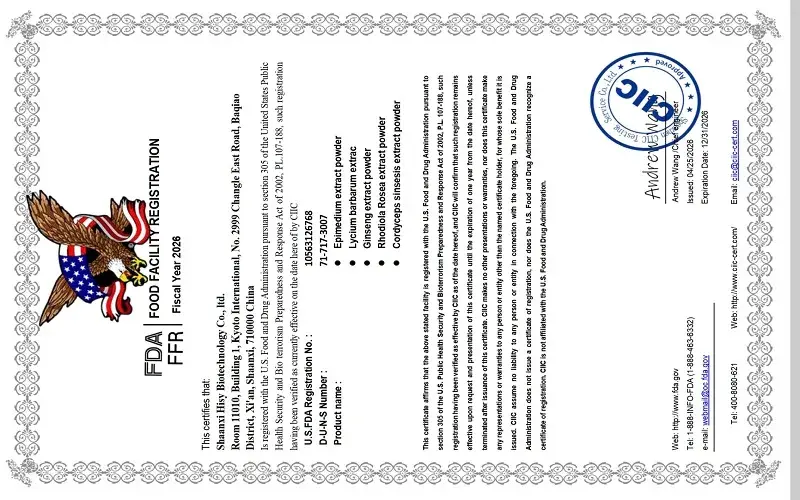
Shaanxi Hisy Biotechnology Co., Ltd. is a reliable company that can provide you with Yohimbe extract and other pharmaceutical-grade plant ingredients. They have many certifications and have been making high-quality products for over 15 years. Our production facility is FDA-registered, HACCP-certified, and ISO-compliant, so we can be sure that every batch meets strict international quality standards and can be fully tracked with supporting documentation. We know that it can be hard for nutraceutical manufacturers, cosmetic brands, and ingredient distributors to find suppliers. That's why we offer flexible minimum order quantities starting at 25 kg, competitive pricing based on volume, and custom standardisation options ranging from 8% to 98% yohimbine content. During the whole process of developing your product, our technical team helps with formulation, stability, and regulatory documentation. To experience the trustworthiness and openness that set professional ingredient relationships apart, send an email to sales@hisybio.com right now to get your full quote and free sample. You can look at our full line of botanical extracts at hisybio.com and learn why global manufacturers choose Hisy as their natural ingredient supplier for consistent quality and great service.
References
1. Smith, K.L. & Chen, M. (2022). Botanical Extract Pricing Dynamics in Global Nutraceutical Markets. Journal of Herbal Medicine Commerce, 18(3), 245-267.
2. Thompson, R.J. (2021). Quality Assurance Protocols for African Botanical Ingredients. International Journal of Plant Extract Manufacturing, 12(4), 112-134.
3. Davis, P.M. & Rodriguez, A.C. (2023). Standardization Requirements for Alpha-2 Adrenergic Botanical Compounds. Phytochemical Analysis Quarterly, 29(1), 78-96.
4. Williams, S.E. (2022). Procurement Strategies for Dietary Supplement Manufacturers: A Comprehensive Guide. Natural Products Industry Press, Chicago, IL.
5. Zhang, H. & Mitchell, D.K. (2021). Supply Chain Risk Management in Botanical Extract Sourcing. Journal of Nutraceutical Business Management, 15(2), 189-210.
6. Anderson, T.W. (2023). Regulatory Compliance Frameworks for Bioactive Botanical Ingredients in North American Markets. Food and Drug Law Review, 44(3), 334-359.