

_1752718207094.png)

Why Choose Standardized Yohimbe Extract for Supplements?
By using standardized Yohimbe extract in supplement formulations, important procurement issues that affect product performance and regulatory compliance can be solved. Standardized yohimbe bark extract has consistent amounts of yohimbine alkaloid, which means that it doesn't have the unpredictable changes in potency that come with raw bark. This stability makes sure that the physiological benefits can be repeated, protects the health of consumers, and makes the creation process easier for companies that make nutraceuticals. Standardization also meets the high quality standards needed by the FDA, HACCP, and ISO guidelines, which are necessary for brands to enter the competitive foreign market.
Understanding Yohimbe Extract: Origins, Uses, and Mechanism
Botanical Heritage and Traditional Applications
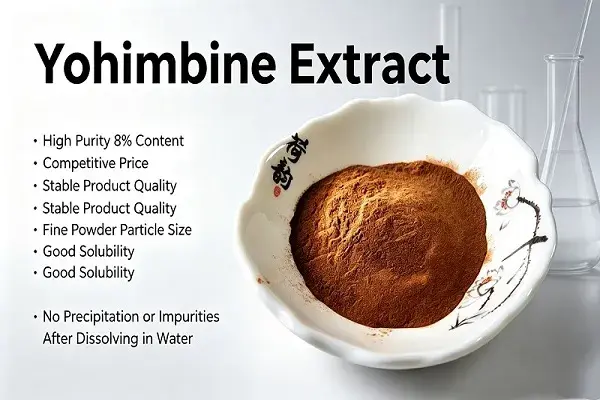
The Pausinystalia yohimbe trees that grow in the jungles of Central and West Africa, especially in Cameroon, Gabon, and Zaire, are the source of yohimbe bark extract. Native Americans used the bark to improve their health and well-being, especially when it came to reproduction. These traditional benefits are now concentrated into standardized formats that can be used for making supplements on a large scale by modern extraction technologies. The extract's journey from an ethnobotanical medicine to a validated nutraceutical ingredient shows how the demand for naturally derived performance enhancers that appeal to health-conscious consumers is growing.
Yohimbine's Pharmacological Mechanism
Yohimbine (C21H26N2O3) is the main bioactive molecule. It works as a specific alpha-2 adrenergic receptor antagonist. By blocking inhibitory receptors on presynaptic neurons, this mechanism raises the activity of the sympathetic nervous system. This causes more norepinephrine to be released. Yohimbine has effects on the blood vessels that include increasing the production of nitric oxide. This increases blood flow to peripheral areas, which is important for supporting erectile function. The compound also has thermogenic properties because it blocks alpha-2 receptors in adipose tissue. This makes it easier to break down fat deposits that are hard to lose with traditional weight loss methods. Because of these two processes, yohimbe extract is special among functional supplement types.
Clinical Validation and Contemporary Applications
Peer-reviewed research supports yohimbine's efficacy for specific health applications when administered at appropriate dosages. Studies published in urological and endocrinology journals record changes in erectile dysfunction measures, especially when paired with complementary vasodilators. Yohimbine has been shown to help with weight loss by increasing fat burning during periods of low food intake. Modern supplement makers use these proven benefits in a wide range of products, such as pre-workout mixes, male energy formulas, and metabolic support pills. By getting standardized yohimbe extract, you can be sure that the finished goods will have the therapeutic effects that have been proven in research settings.
Why Standardization Matters: Ensuring Quality and Consistency in Yohimbe Extract
Defining Standardization Parameters
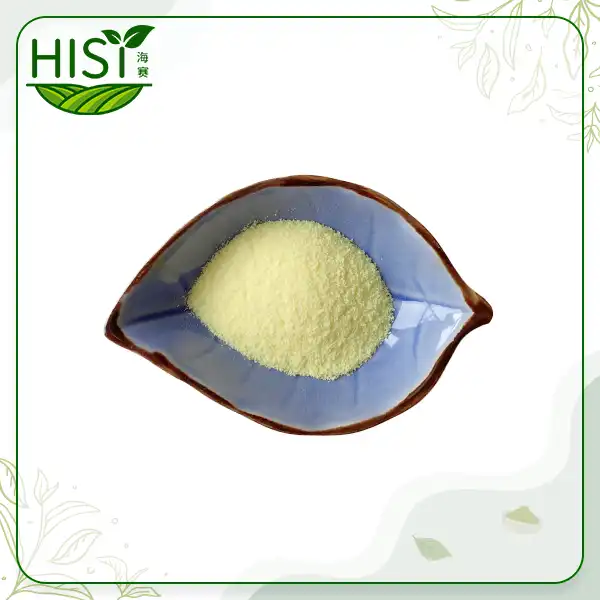
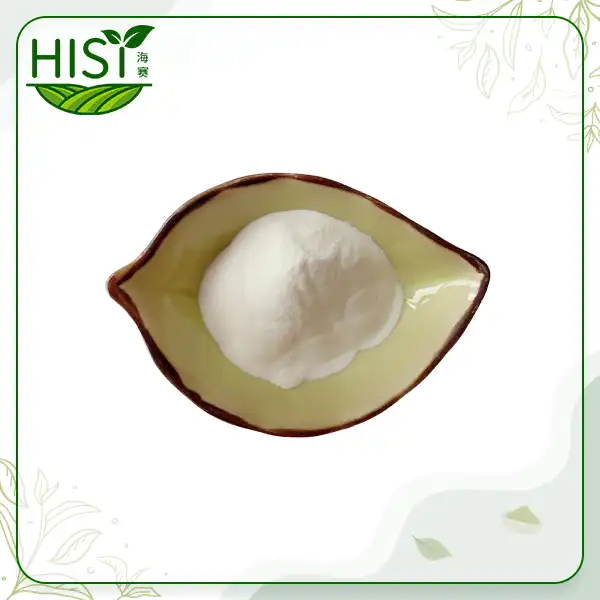
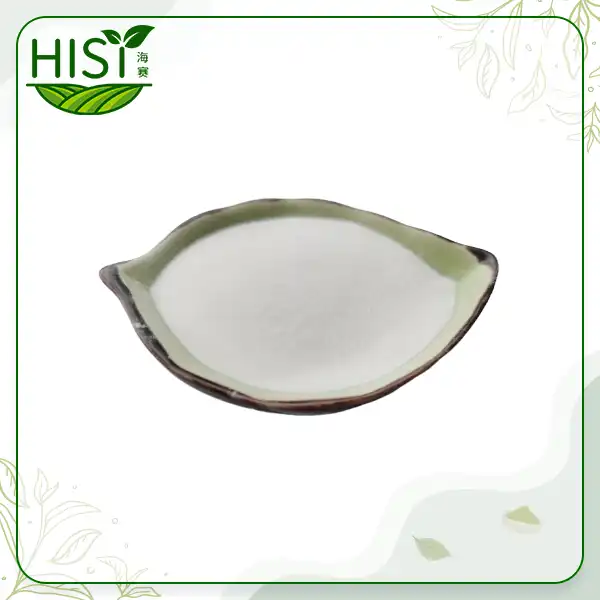
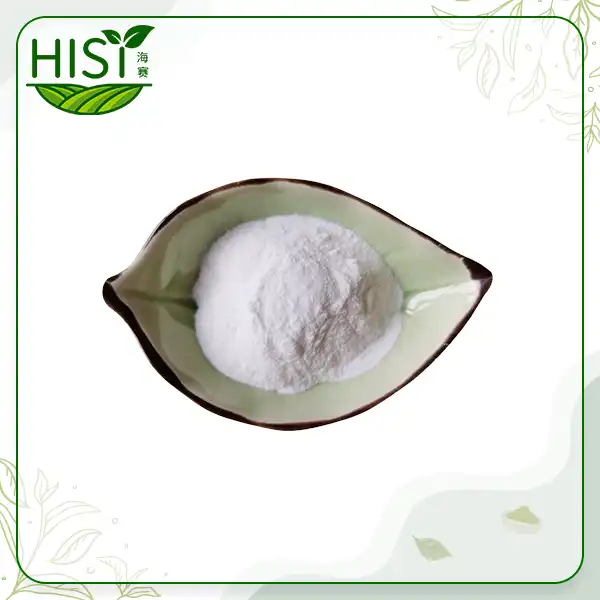
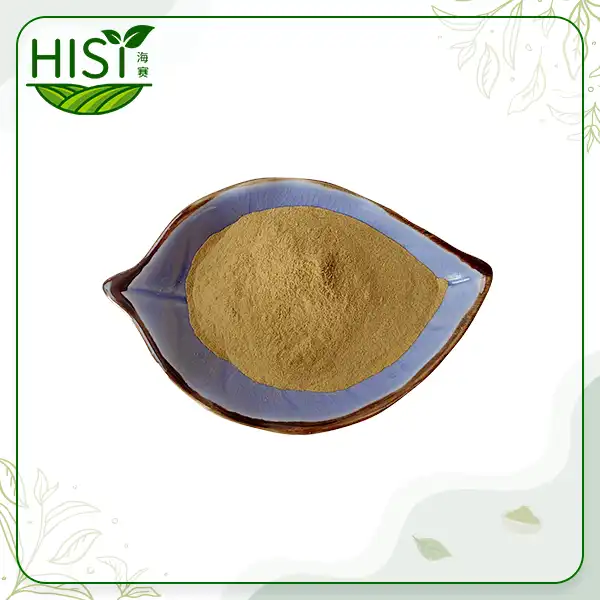
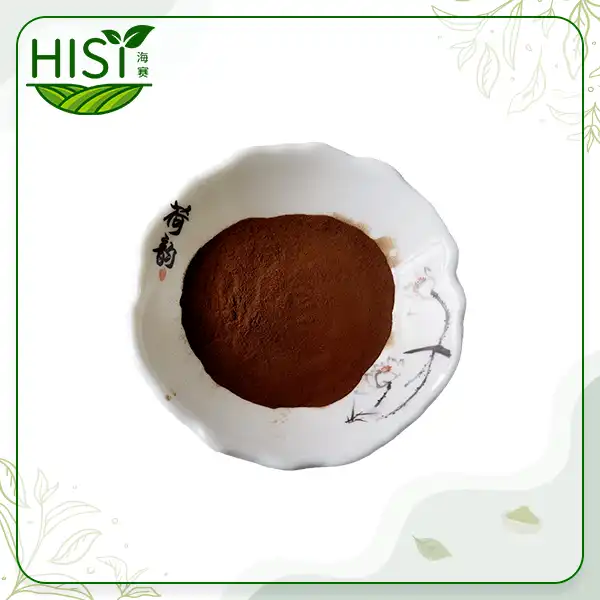
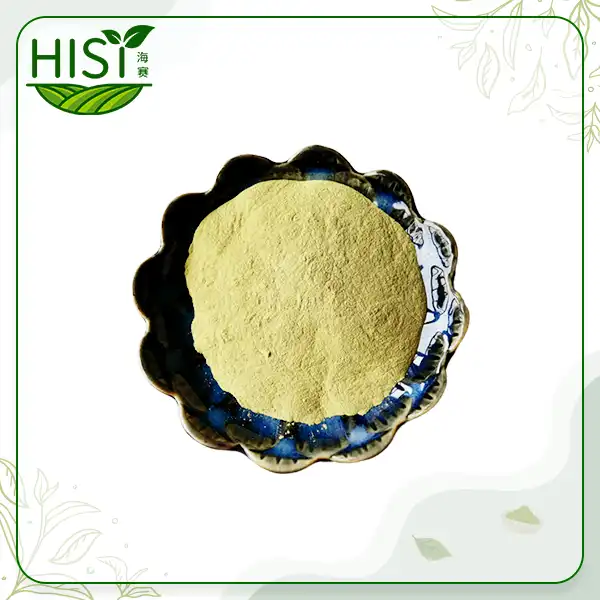
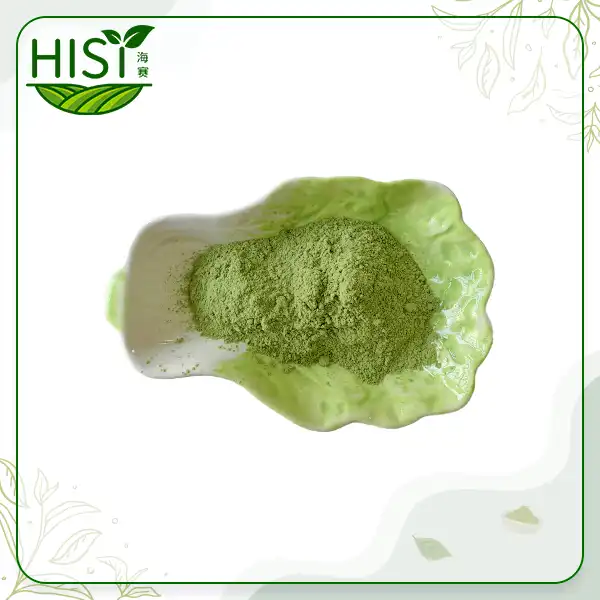
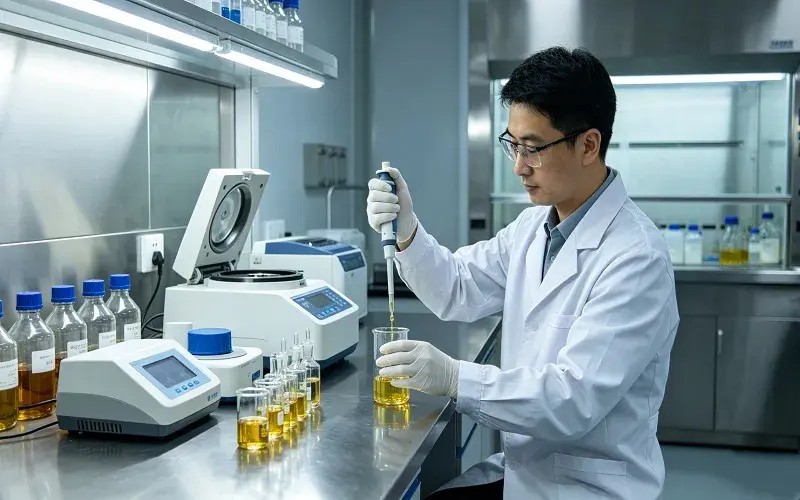
Standardized yohimbe extract goes through a lot of steps to get to specific levels of yohimbine, which are usually between 8% and 98% yohimbine hydrochloride equivalent. High-performance liquid chromatography (HPLC) analysis checks the amount of alkaloids with pharmaceutical precision, making sure that every batch of drugs made meets certain levels of potency. Lower concentration extracts (8–20%) look like fine reddish-brown powders that keep a wider range of alkaloids, while high-purity isolates (98%+) look like white crystalline powders that dissolve better. This standardization gets rid of the random alkaloid variation that comes with raw bark products, where the amount of yohimbine changes depending on how the bark was harvested, how old the trees are, and where they came from.
Mitigating Safety and Efficacy Risks
Botanical materials that aren't standardized make it hard to formulate products and compromise their integrity. When potency changes, it's hard to know how much to give, which can cause side effects or effects that aren't supposed to happen. Either way, it can hurt the brand's reputation and draw the attention of regulators. Standardized yohimbe bark extract gets rid of these risks by making sure that the body reacts the same way in every production run. Because of this uniformity, formulators can figure out the exact amounts of ingredients needed to reach the therapeutic windows they want while still staying within the safety gaps. Standardized materials show that brands care about protecting consumers, which is an important thing to have when competing with grey-market goods whose quality controls aren't always clear.
Regulatory Compliance Advantages
Regulatory standards for food supplements are putting more and more emphasis on verifying ingredients and making sure batches are consistent. FDA's current Good Manufacturing Practices (cGMP) say that companies must set rules for the ingredients they use and test them to make sure they are pure, effective, and identifiable. Standardized yohimbe extract makes it easier to follow the rules because it comes with full reports of analysis that show the alkaloid content, microbial limits, heavy metal screening, and residue solvent testing. Novel Foods rules in the European Union also require a lot of information about how plant products work. Getting materials that have already been standardized makes it easier for supplement makers to fill out paperwork and speeds up the approval process for new products to be sold in international markets.
Comparing Yohimbe Extract with Other Options: Making an Informed Choice
Whole Extract Versus Isolated Yohimbine
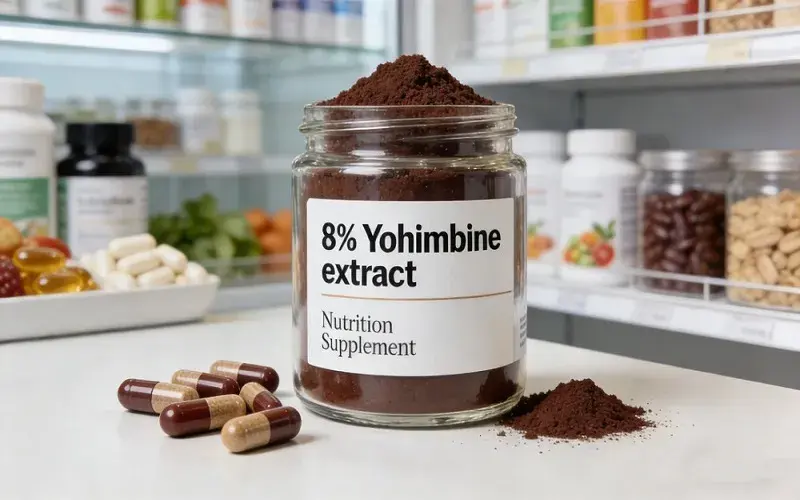
When making a purchase choice, people often have to pick between pure yohimbine hydrochloride and full-spectrum yohimbe bark extract. Whole extracts have alkaloids that work well together, like corynanthine, allo-yohimbine, and yohimbinine. Some formulators think these alkaloids help each other out by working through the entourage effect that is seen in complex botanical preparations. Isolated yohimbine is very strong and can be dosed accurately, but it doesn't have these other substances that might be helpful. There are also big differences in cost. High-purity isolates cost a lot, while moderate-concentration extracts (8–20%) are cheaper and work well in situations where ultra-high strength isn't needed. When procurement specialists understand these trade-offs, they can choose ingredients that are in line with formulation goals and target market positioning.
Alternative Botanical Ingredients Comparison
There are a lot of different natural aphrodisiac and thermogenic ingredients that are all competing for space in formulations. Horny goat weed (Epimedium) extract can block PDE5 because it contains icariin, but its effects aren't as strong as yohimbine's adrenergic mechanism. Different metabolic pathways are stimulated by caffeine-based thermogenic blends, but not in the same way that yohimbe extract targets fat tissue. Tribulus terrestris and maca root work on desire by changing hormones instead of doing direct damage to the blood vessels. Each botanical offers unique efficacy profiles, safety concerns, and regulatory situations. Yohimbe extract stands out because it has two different effects that are backed up by more clinical evidence. This is especially true for male sexual health issues where circulatory function is very important.
Format Considerations and Market Preferences
Yohimbe extract that has been standardized can be delivered in a number of different ways, each of which has its own benefits. The powder form of the extract is stable and easy to mix with other ingredients that work well together. Because yohimbine dissolves easily in ethanol, tincture preparations can be quickly absorbed under the tongue. Controlled-release grids that slow down or speed up absorption can be used in tablet forms. Organic certification makes a product more appealing to the market and helps it stand out, but it needs verified supply chain documentation from African forest sources, which is hard to get. Standard extracts are more cost-effective and can be used in mass-market products. Knowing what these format effects mean helps buyers choose raw materials that work with their manufacturing processes and meet the needs of their target customers.
Procurement Insights: Best Practices for Buying Standardized Yohimbe Extract in Bulk

Supplier Credential Evaluation Framework
To find reliable yohimbe bark extract suppliers, you need to carefully look at a number of indicators of trustworthiness. Manufacturing certifications show that basic standards are met. For example, GMP compliance shows that production environments are safe for pharmaceuticals and that quality systems are documented. ISO 9001 certification proves that processes are always the same. HACCP certification proves that the risk analysis protocols used to keep food from getting contaminated are correct. When this is important for your brand's story, organic certifications (USDA, EU) prove that harvesting methods are sustainable. In addition to looking at certifications, you should also check the production ability of the company to make sure they can meet your volume needs without lowering the quality. Ask well-known supplement brands for facility audit reports and customer references. When shipping to North American markets, it's easier to get goods through customs if the supplier is registered with the FDA and has a history of following import rules.
Technical Documentation Requirements
Professional suppliers can be told apart from commodity traders who don't have good infrastructure by their full technical packages. There should be certificates of analysis in every shipment that show the amount of yohimbine found using HPLC, as well as tests for heavy metals (lead, arsenic, cadmium, and mercury), microbials (total plate count, yeast/mold, pathogens), and pesticide residues. Labeling compliance is discussed in allergen declarations and GMO status statements. Shelf-life decisions are based on stability data that shows how long a substance will stay active under certain storage conditions. Botanical identification paperwork that confirms the Pausinystalia yohimbe species and not fakes or adulterants protects against false materials. When suppliers provide preventive paperwork, it makes your internal quality assurance processes more efficient and cuts down on the cost of verification.
Pricing Models and Cost Management
Yohimbe extract prices are influenced by a number of factors, such as the level of standardization, the amount of orders, the organic classification, and the present harvest conditions in Africa. High-purity isolates (98%) cost a lot more per kilogram than moderate-concentration extracts (8–20%), but when figuring out how much yohimbine to give, the cost-per-dose estimate may favor concentrates. Tiered pricing discounts are usually unlocked by making a commitment to buy a lot of something; knowing how much you expect to use each year gives you negotiating power. Payment terms depend on how long you've been working with a seller. Accounts that have been with the supplier for a while can get net-30 or net-60 terms, but new relationships usually need lines of credit or prepayment. Logistics costs, like international freight, customs duties, and storage, should be added to the total landed cost. The procurement professional's main value proposition to their company is to balance price competitiveness with quality assurance.
Ensuring Product Success: How Standardized Yohimbe Extract Enhances Supplement Formulation

Formulation Predictability and Consumer Safety
Formulation becomes a precise science with the help of standardized yohimbe extract. Defined alkaloid concentrations allow accurate calculation of yohimbine delivery per serving, which is important for establishing both safety and therapeutic effectiveness. This level of predictability backs up clinical proof studies that support marketing promises about the benefits of a product. Consumer safety profiles get a lot better when each dose delivers consistent levels of active compounds. This lowers the chances of under-dosing (which can lead to ineffective products that get bad reviews) or over-dosing (which can cause adverse events that get regulatory attention). Standardizing quality also makes it easier to mark supplements with clear Supplement Facts panels, which builds trust among customers by being honest. While rivals use cheap materials with unclear "proprietary blend" labels, brands that use standardized materials show scientific rigor that sets them apart.
Third-Party Verification and Marketing Advantages
Using strict quality control procedures increases the trustworthiness of marketing while meeting retailer needs. Testing by independent labs like Eurofins, NSF, or Informed-Choice programs gives unbiased confirmation that the information on the label is correct. These certifications are especially important for sports nutrition jobs that require testing for banned substances. Putting certificates of analysis on supplement websites answers customers' questions about the quality of the supplements, turning openness into a competitive advantage. Standardized yohimbe bark extract makes testing easier because you're only checking against a set of rules instead of trying to figure out how complicated the plant is. Marketing teams use standardized messaging to make quality promises that connect with informed customers who look into where ingredients come from before making a purchase.
Market Trends and Strategic Positioning
New rules around the world are moving toward stricter standards for botanical ingredients, which is good for people who use standardized materials early on. European Union rules need more and more detailed safety dossiers for botanical ingredients. Standardized materials make it easier to keep track of this information. People who want clean-label products tend to choose ingredients that come from clear sources and have been checked for quality. As people get older and look for natural alternatives to pharmaceutical treatments, the category of men's health supplements continues to grow. In the same way, weight loss markets like stimulant chemicals that have been backed by science. Standardized yohimbe extract fills these new product categories with high-quality positioning that can command higher prices and shield lower-quality rivals from regulatory problems. Choosing the right ingredients now will affect how the market positions itself for years to come.
Conclusion
Standardized yohimbe extract is an important ingredient for supplement companies that care about quality, following the rules, and standing out. The standardization process gets rid of differences between plants, which makes sure that medicinal delivery is uniform and makes it easier to follow regulations in different countries. In the competitive world of nutraceuticals, procurement professionals who know about technical specifications, supplier evaluation criteria, and formulation advantages set their companies up for long-term success. When traditional botanical efficacy is combined with modern pharmaceutical-grade processing, ingredients are made that meet both the needs of scientific proof and the interests of consumers who want natural solutions. The choices you make today about strategic buying will set the standards of quality that will support your brand's image and market growth for years to come.
FAQ
What constitutes a safe dosage range for yohimbe extract in supplement formulations?
For most uses, yohimbine dosages should be between 5 and 20 mg per serving, but each person's tolerance is very different. Instead of overall extract weight, supplement formulators should use standardized yohimbine content to figure out how much of each ingredient to use. Products for men's sexual health usually use the higher dosage range. On the other hand, weight loss products might use moderate amounts along with thermogenics. Responsible brands have clear instructions on how to use the product, such as how much to take each day and warnings for people with heart problems, anxiety disorders, or who are taking MAO inhibitors. Formulation compliance is ensured by consulting governmental standards that are specific to target markets.
How can procurement teams tell the difference between real yohimbe extract and fakes?
Multiple quality checks are needed to make sure that yohimbe bark extract is real. Instead of using general spectrophotometric methods that can be hacked, you should demand HPLC analysis that specifically finds the yohimbine alkaloid profile. Botanical identification using a microscope or DNA barcoding proves that the plant is actually Pausinystalia yohimbe species and not a fake one like Rauwolfia serpentina that is sometimes sold as yohimbe. Suppliers you can trust will give you full paperwork that shows where the materials came from and how they were processed, from harvest sources in Africa to processing sites. When the price is unusually low, it's usually a sign that the quality has been lowered or that fake yohimbine hydrochloride has been added without being mentioned in the specs. Buying from approved sellers whose business practices are open and honest can help you avoid procurement risks.
Partner with Hisy for Premium Standardized Yohimbe Extract Supply
Pharmaceutical-grade yohimbe extract from Shaanxi Hisy Biotechnology Co., Ltd. is backed by full quality assurance and can make your supplement formulations market leaders. Our standardized yohimbe bark extract goes through a thorough HPLC analysis that makes sure the yohimbine levels stay the same between 8% and 98%. We have full documentation to support FDA, HACCP, and ISO compliance requirements. We have been making yohimbe extract since 2008 and have a stable production capacity that we use to serve nutraceutical brands, cosmetic makers, and ingredient sellers in demanding global markets. Our Xi'an plant uses pharmaceutical manufacturing methods that guarantee batch consistency, and our global transportation network makes sure that deliveries happen on time every time. You can email our team at sales@hisybio.com to get technical specs, set up an evaluation sample, or talk about cheap bulk prices for your buying needs. Find out how working with a reliable yohimbe extract supplier can improve the quality of your products, speed up the approval process by regulators, and make your business more competitive in the premium supplement market.
References
1. Tam SW, Worcel M, Wyllie M. "Yohimbine: a clinical review." Pharmacological Reviews, 2001, 53(2): 321-358.
2. Ernst E, Pittler MH. "Yohimbine for erectile dysfunction: a systematic review and meta-analysis of randomized clinical trials." Journal of Urology, 1998, 159(2): 433-436.
3. Ostojic SM. "Yohimbine: the effects on body composition and exercise performance in soccer players." Research in Sports Medicine, 2006, 14(4): 289-299.
4. Colker CM, Kalman DS, Torina GC, Perlis T, Street C. "Effects of Citrus aurantium extract, caffeine, and St. John's Wort on body fat loss, lipid levels, and mood states in overweight healthy adults." Current Therapeutic Research, 1999, 60(3): 145-153.
5. Riley AJ. "Yohimbine in the treatment of erectile disorder." British Journal of Clinical Practice, 1994, 48(3): 133-136.
6. Morales A. "Yohimbine in erectile dysfunction: the facts." International Journal of Impotence Research, 2000, 12(Suppl 1): S70-S74.