

_1752718207094.png)

What Should Buyers Know Before Sourcing the Best Quality Saffron?
Before looking for the Best Quality Saffron, buyers should know that the best saffron meets ISO 3632-1 Category I standards, which means it has the highest amounts of crocin, picrocrocin, and safranal, which are the bioactive compounds that give food its colour, taste, and smell. Real, high-quality saffron comes from farms in Iran, Afghanistan, or other approved areas and has no flower trash. It also has a moisture level below 12%. To avoid common problems like synthetic dyes, weight fraud, and inconsistent potency that can hurt product formulations and regulatory compliance, procurement teams should give more weight to suppliers who offer full certifications, third-party lab testing, and clear traceability.
Understanding What Defines Best Quality Saffron
International Grading Standards and ISO 3632 Compliance
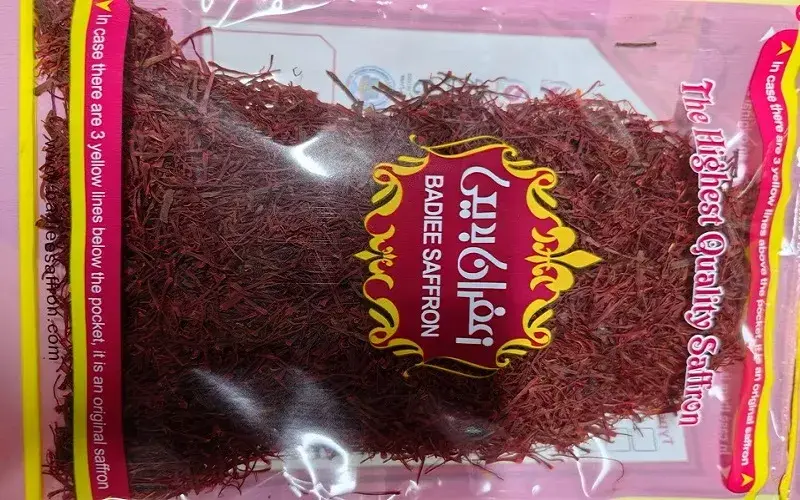
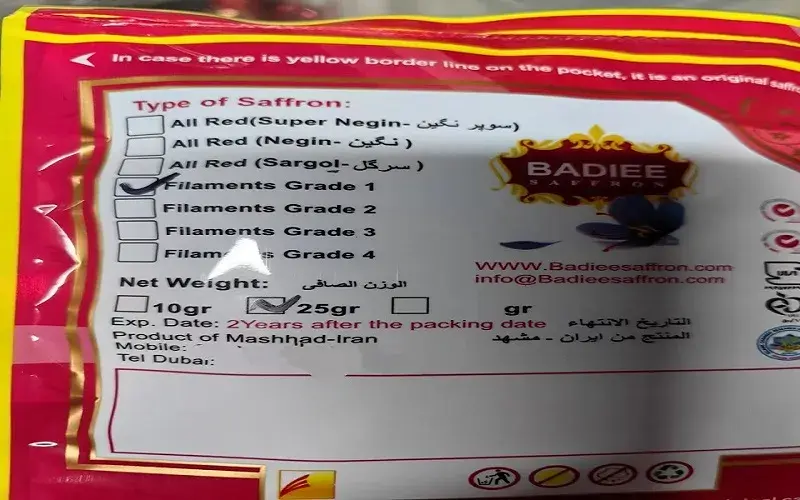
ISO 3632 is the standard for classifying saffron around the world. Based on how much crocin it absorbs, this measure divides saffron into three groups. Crocin levels above 220 are found in Category I saffron, which is also known as quality or export-grade saffron. Elite batches have levels hitting 270 or higher. When you find saffron that meets these requirements, you get ingredients that have consistent colouring power, which is important for making food and cosmetics. For the top level, Super Negin and Negin grades have only the deep red stigma tips with trumpet-shaped ends and no yellow styles.
Physical and Chemical Indicators of Premium Saffron
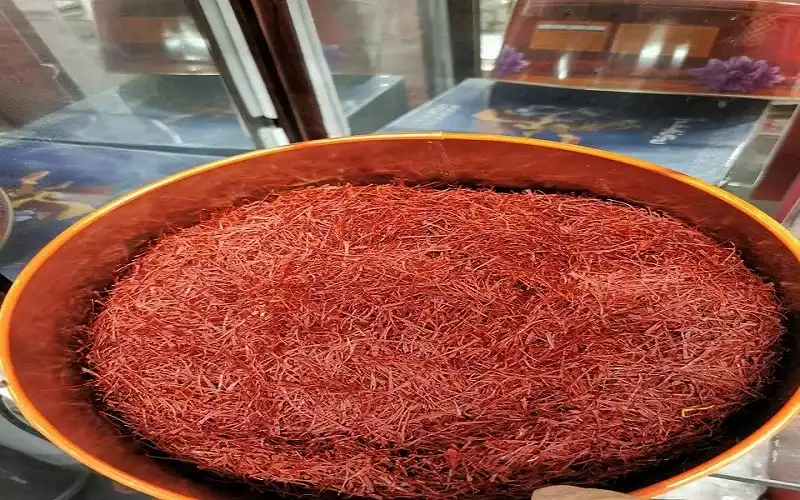
Better saffron threads have certain physical traits that show they are of higher quality. Each thread should be 20 to 30 mm long, have a uniform deep red colour, and stay together without falling apart. The wetness level must stay below 12% to keep volatile oils safe and stop microbes from getting into the food. Chemical testing shows that Best Quality Saffron has picrocrocin levels above 70, which gives it its characteristic bitter taste, and safranal levels between 20 and 50, which gives it the unique smell that sets it apart from cheaper imitations.
Geographic Origins and Their Quality Impact
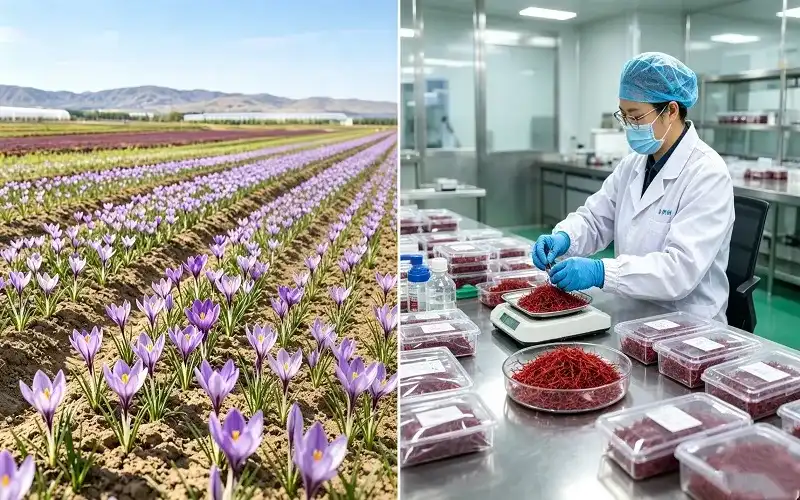
About 90% of the world's saffron comes from farms in the Khorasan area, which is known for growing saffron that is very strong. Herat area in Afghanistan has become another important source because it has low prices and high quality standards. Because it is processed using traditional ways, Spanish saffron from La Mancha is considered to be of higher quality, but production levels are still low. When you think about origin, keep in mind that terroir affects the amounts of bioactive compounds present. Different chemical profiles are made by different altitudes, types of soil, and climates, which affect how well your final product works.
Harvesting and Processing Methods
Saffron must still be harvested by hand in order to keep its quality. Workers pick flowers early in the morning, before the sun breaks down sensitive chemicals. They then separate each flower's three red stigmas by hand. Controlled heat between 35°C and 45°C is used in traditional drying methods to remove water while keeping bioactive compounds. Industrial suppliers may use specialised dehydration equipment that speeds up the process while keeping the quality high. Knowing these methods can help you judge the skills of a buyer and guess how consistent batches will be throughout the buying cycle.
How to Identify and Authenticate Best Quality Saffron
Laboratory Testing Methods
UV-Vis spectrophotometry measures the amounts of crocin, picrocrocin, and safranal, which are the three things that determine the grade of saffron. To see if samples meet ISO 3632 standards, labs dissolve them in water and measure how much they absorb light at certain wavelengths. High-Performance Liquid Chromatography can find fake colourants like Sudan Red or tartrazine that dishonest sellers put into bad batches. By asking for certificates of analysis from approved labs, your business can avoid getting fake goods that could mess up production lines or cause regulatory violations. These scientific ways of verification give us concrete facts that we can't get from our senses. Testing for ash content shows if suppliers added minerals to make the food heavier. Microbiological screening finds contamination risks, such as Salmonella, E. coli, and mould counts that don't follow food safety rules. You can stop low-quality materials from getting into your supply chain by setting standards that require these tests to be done on every shipment.
Sensory Evaluation Techniques
A close look should reveal threads that are bright red throughout and don't have any yellow or white spots, which are signs of lower-quality material. When you rub real, Best Quality Saffron between your fingers, it gives off a honey-like, slightly metallic, and floral scent. To tell the difference between real saffron and coloured corn silk or safflower, which some sellers use instead, the smell should get stronger instead of weaker. Picrocrocin has a bitter taste that can be picked up by taste, but this method needs to be used with care to be accurate.
Quick Authenticity Tests
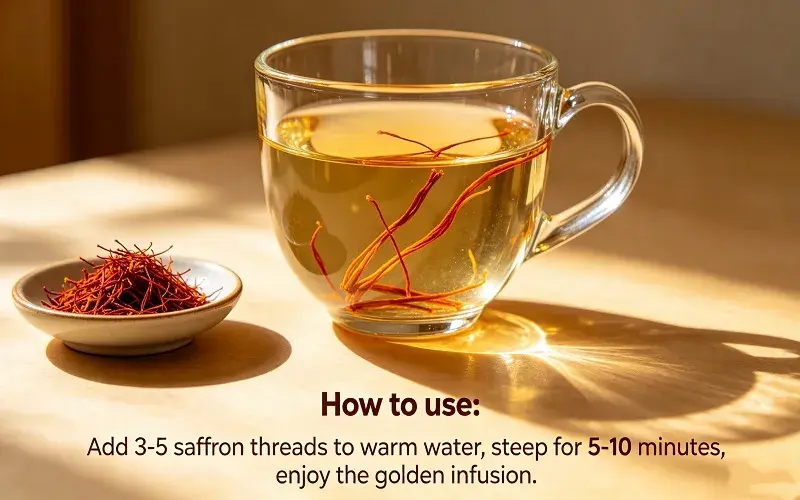
The cold water test gives you instant information about verification. Drop a few threads into water that is at room temperature and watch the colour come out. Real saffron slowly turns water golden yellow, but threads stay red for 10 to 15 minutes. Artificial dyes give off colour right away and quickly turn water bright orange or red. In the same way, the baking soda test works: real saffron turns yellow when mixed with a sodium bicarbonate solution, while fake dyes turn red or orange. With these easy steps, the receiving department can mark suspicious shipments before they are sent to other parts of the building.
Common Adulterants and Counterfeit Risks
Moisture scam is a common problem where sellers spray finished saffron with water or glycerin to make it heavier, then charge you more for the water. Botanical adulterants are things like calendula petals, yellow styles, or corn silk that has been dyed. Chemical adulterants include adding Sudan Red powder or covering poor saffron with manufactured dyes. Some suppliers mix old, oxidised saffron with new batches to keep older stock from going bad. Knowing about these practices can help you come up with inspection methods and seller audit criteria that lower the risks of buying.
Comparing Best Quality Saffron with Other Market Options
Grade Comparison and Cost-Benefit Analysis
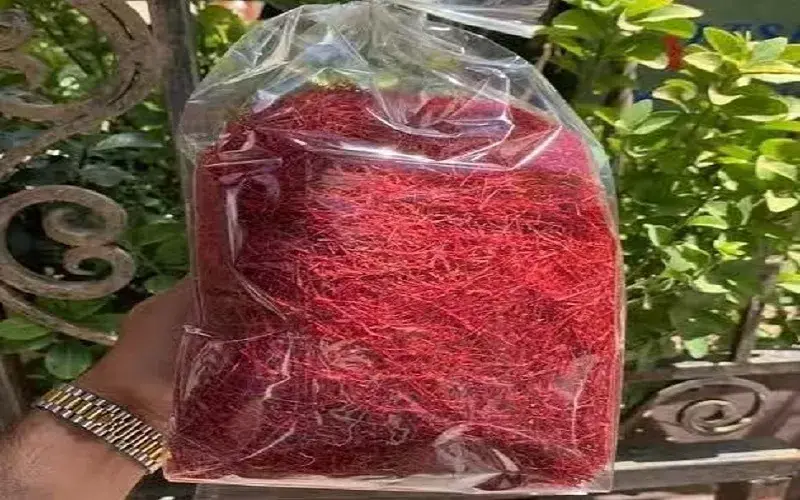
Sargol grade has only red stigmas and some broken threads. It is 80–90% as strong as Super Negin but costs 60% less. Filaments grade includes some yellow styles, which lowers the amount of beneficial substances by 30 to 40 percent while also cutting costs by a large amount. Powdered saffron is the most likely to be fake because grinding it hides flaws in quality and makes it easier to mix with cheaper ingredients. Cost per unit of crocin is usually a better way to look at it than cost per gram. This is because higher types have better colouring strength, so you only need to use smaller amounts of them in your recipes.
Price Variations by Origin and Grade
On the market right now, Super Negin from Iran costs between $3,000 and $5,000 per kilogram for verified batches that meet Category I standards. Afghan saffron sells for $2,500 to $4,000 a kilogram, and buyers who are ready to spend time checking out the supplier can get a better price. Because it is hard to find and has a protected designation status, Spanish saffron costs between $6,000 and $8,000 per kilogram. These price bands change with the seasons. From October to November, when crops are being harvested, there are temporary rises in supply. Long-term contracts can keep prices stable and make sure that supplies are distributed when there aren't enough supplies.
Packaging Innovations and Storage Solutions
The shelf life of safranal and crocin is increased from 12 months in standard packaging to 24–36 months when stored in UV-proof glass containers. Oxidation reactions happen more slowly in vacuum-sealed pouches that have oxygen absorbers inside them. Aluminium foil laminate bags cover large amounts of goods at a low cost while still having barrier qualities. When you list the requirements for packaging, keep in mind that nitrogen flushing adds very little cost and keeps a lot of the potency. Keeping things in temperature-controlled storage at 15-20°C and below 40% humidity works with packing technology to keep things in good shape throughout the life of your product.
Procurement Insights: Strategies for Buying Best Quality Saffron in Bulk
Selecting Certified Suppliers
Registration with the FDA, certification with HACCP, and compliance with ISO 9001 all show that suppliers have quality management systems that meet international standards. Organic approvals from the USDA or EU prove that crops were grown without using synthetic pesticides. This meets the growing demand from consumers for foods that are safe to eat. Country-of-origin certificates and phytosanitary paperwork make it possible to track goods, which is needed for customs clearance and following the rules. Request facility audit reports from third-party certification bodies and check credentials through issuing organisations when evaluating possible suppliers. Don't just depend on the paperwork the seller gives you. Maintaining direct relationships with cultivation cooperatives by suppliers can help with quality control and making prices clearer. This method is used by Shaanxi Hisy Biotechnology, which has partnerships with farms in China, Iran, and Afghanistan that give them access to verified Best Quality Saffron that meets the standards for pharmaceutical, nutraceutical, and cosmetic use. With 18 years of experience working with plant extracts, they know how hard it is for supplement makers, food makers, and cosmetics brands to get products that are of uniform quality across production runs of more than 200 metric tonnes per year.
Evaluating Supplier Capabilities
Verification of production ability makes sure that providers can meet your volume needs without rushing the process and lowering the quality. Find out about the land used for growing, the processing equipment, and the storage facilities to see how well they will work as your business grows. As part of the infrastructure for quality control, there should be on-site labs that test regularly for moisture, crocin content, and microbial contamination. When making new formulations, having access to technical support is important. Suppliers who offer application advice can help you find the best usage rates and processing conditions for your goods.
Negotiation Strategies and Contract Terms
Negotiating better pricing structures with tiered discounts that reward larger purchases is possible with volume commitments. Payment terms should balance your need for cash flow with the cost of financing from the supplier. Letters of credit protect both parties during initial transactions and build trust for future net-terms agreements. Shipping lead times, which are usually 30 to 45 days from Asia to North America, must be taken into account when setting delivery schedules. Including "force majeure" clauses shields against crop failures or international problems that stop the supply chain from continuing. Quality specifications written into purchase contracts make standards that can be enforced and offer solutions for shipments that don't meet standards. Instead of just referring to ISO norms, set acceptable values for crocin, picrocrocin, and safranal levels. Set up rules for sampling and testing, as well as ways for a third party to settle disagreements about the results. Set standards for packing, labelling, and the paperwork that is needed to follow the rules. These specific deals keep things clear and give ways to work out problems without hurting relationships with suppliers.
Practical Usage and Handling Tips for Best Quality Saffron
Preparation Techniques for Maximum Potency
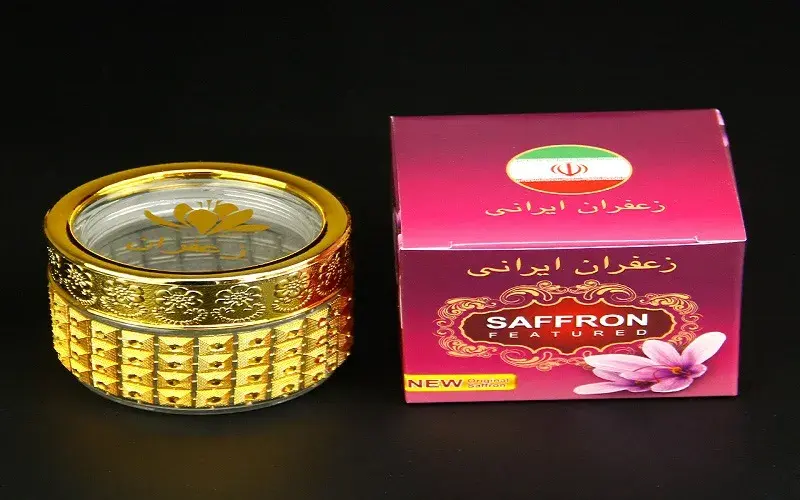
Using a mortar and pestle to grind saffron threads right before using them increases the surface area that can be used to remove compounds. Ground saffron that has been soaked in warm water or milk for 15 to 20 minutes makes strong infusions that are spread evenly throughout recipes. For some uses, briefly dry-toasting threads to bring out the aroma compounds before grinding can be helpful. When you're making recipes or production plans, you should try out different ways of preparing the ingredients to get the best extraction results for your processing conditions and the flavours you want to achieve.
Optimal Storage Conditions
Airtight containers stop oxidation, which breaks down crocin and safranal, which are the volatile compounds that make saffron valuable. Light speeds up the breakdown of compounds, so keep containers in dark places. Even electric lighting lowers effectiveness by 15-20% every month. Refrigerating opened containers at 2-8°C extends their shelf life, but because of the risk of condensation, the containers must be left at room temperature before they are opened. Bulk buyers should use first-in, first-out inventory rotation and keep track of batch dates to make sure that the freshest items are used first.
Handling Bulk Quantities
Breaking down large purchases into smaller amounts that can be used reduces the number of contact rounds that hurt quality. To keep saffron from getting mixed up with other items, only use equipment that is made for that purpose. Staff training on the right way to handle things cuts down on waste from spills and wet surfaces. By monitoring the environment in storage areas, changes in temperature or humidity can be caught before they hurt the quality of the goods. By keeping the premium qualities you paid extra for, these operational practices give you the best return on your Best Quality Saffron investment.
Conclusion
To find Best Quality Saffron, you need to know about the grading standards, authentication methods, and market dynamics that set premium material apart from cheaper alternatives. For procurement to go well, you need to work with certified suppliers who offer clear traceability, thorough testing, and technical support that meets your quality standards. Buying verified high-grade saffron gives you a measurable return on your investment through reliable product performance, following the rules, and building trust in your brand among customers. As the need for natural ingredients grows around the world, building reliable supply chains with skilled manufacturers will give your company a long-term edge over the competition.
FAQ
How can I be sure that the saffron I'm getting is real when I get it in bulk?
Put the threads in room-temperature water for the cold water test. Real Best Quality Saffron slowly releases its golden colour while keeping the red thread colour. Ask for analysis certificates from ISO-approved labs that show crocin levels above 220, moisture levels below 12%, and no synthetic dyes found through HPLC testing.
How long should I use premium saffron before it goes bad?
If you store saffron properly in airtight, UV-proof containers, it will stay useful for 24 to 36 months. To keep things as fresh as possible, don't buy more than you can use in 18 months. Keep track of the dates on each batch and rotate your goods so that you use older stock first before opening new orders.
What kinds of certificates show that saffron sellers are trustworthy?
Check for quality management systems like FDA registration, HACCP certification, and ISO 9001 certification. Organic approvals prove that crops are grown without using pesticides. Traceability is possible with country-of-origin certificates and testing by a third-party lab. Suppliers who offer facility audit reports from third-party licensing groups show that they are honest and dedicated to quality standards.
Partner with Hisy for Certified Saffron Supply
Hisy Biotechnology is a reliable source for the Best Quality Saffron. They offer Super Negin, Negin, Sargol, and Filament types that come from farms in China, Iran, and Afghanistan that have been approved by the government. Our facility is FDA-registered, HACCP-certified, and ISO-certified. It handles more than 200 metric tonnes of goods every year on four separate production lines, making sure that each batch meets the requirements of ISO 3632-1 Category I and has full documentation for its traceability. Whether you need 1g bottles for testing a new product or large packaging for mass production, our 18+ years of experience with plant extracts means that we can help you with your formulation problems quickly and effectively. Send an email to sales@hisybio.com right now to get product samples and cheap quotes that are made to fit your needs.
References
1. International Organization for Standardization. (2011). ISO 3632-1:2011 - Saffron (Crocus sativus L.) Part 1: Specification. Geneva: ISO Publications.
2. Melnyk, J. P., Wang, S., & Marcone, M. F. (2010). Chemical and biological properties of the world's most expensive spice: Saffron. Food Research International, 43(8), 1981-1989.
3. Carmona, M., Zalacain, A., Sanchez, A. M., Novella, J. L., & Alonso, G. L. (2006). Crocetin esters, picrocrocin and its related compounds present in Crocus sativus stigmas and Gardenia jasminoides fruits. Tentative identification of seven new compounds by LC-ESI-MS. Journal of Agricultural and Food Chemistry, 54(3), 973-979.
4. Bathaie, S. Z., & Mousavi, S. Z. (2010). New applications and mechanisms of action of saffron and its important ingredients. Critical Reviews in Food Science and Nutrition, 50(8), 761-786.
5. Maggi, L., Carmona, M., Zalacain, A., Kanakis, C. D., Anastasaki, E., Tarantilis, P. A., & Alonso, G. L. (2009). Changes in saffron volatile profile according to its storage time. Food Research International, 42(5-6), 726-731.
6. Cardone, L., Castronuovo, D., Perniola, M., Cicco, N., & Molino Lova, R. (2020). Saffron (Crocus sativus L.), the king of spices: An overview. Scientia Horticulturae, 272, 109560.