

_1752718207094.png)

How to Verify Aloe Emodin Powder Quality Standards?
Checking the quality of Aloe Emodin Powder includes checking its chemical purity with HPLC tests, looking at its colour and particle size, making sure the seller has certifications like FDA and ISO, and reviewing Certificates of Analysis. To make sure that consistent, pharmaceutical-grade material that meets USP or EP monograph requirements for safe use in supplements, cosmetics, and pharmaceuticals, procurement managers have to look at heavy metal content, residual solvents, and microbial contamination. They also have to compare suppliers' reputations and extraction methods.
Understanding Aloe Emodin Powder Quality: Core Parameters
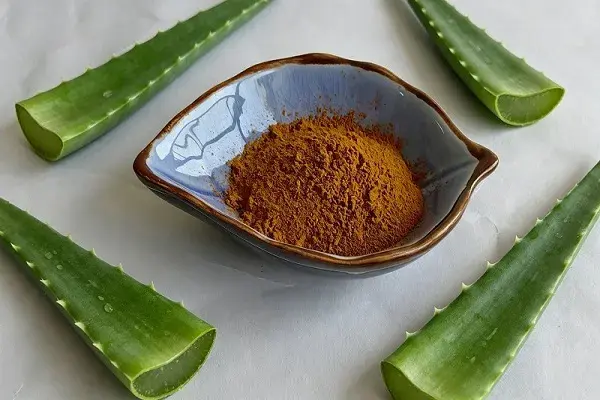
To make a good purchase, you must first be clear on what "premium-grade" material means. The framework for judging quality is based on technical specifications that show how well the product is made and how reliable the supply chain is.
Chemical Purity and Composition Standards
Chemical purity is the basis for checking the quality of something. According to High-Performance Liquid Chromatography, Premium Aloe Emodin Powder typically has a purity of 95% to 98%. The formula for this beneficial molecule is C15H10O5, and its molecular weight is 270.24 g/mol. The material's normal freezing point range is between 223°C and 225°C; any variations could mean that it was tampered with or processed incorrectly. Knowing the compound's solubility profile can help you guess how well a formulation will work. Some powders don't dissolve well in water or cold ethanol, but they do dissolve very well in hot ethanol, ether, and benzene. Because it is lipophilic, it works well in liposomal capsule systems and cosmetics that are based on oil. Buyers who want to use functional ingredients in drinks should ask for information on how to make the ingredients dissolve better or look into microencapsulated versions.
Physical Characteristics and Appearance Indicators
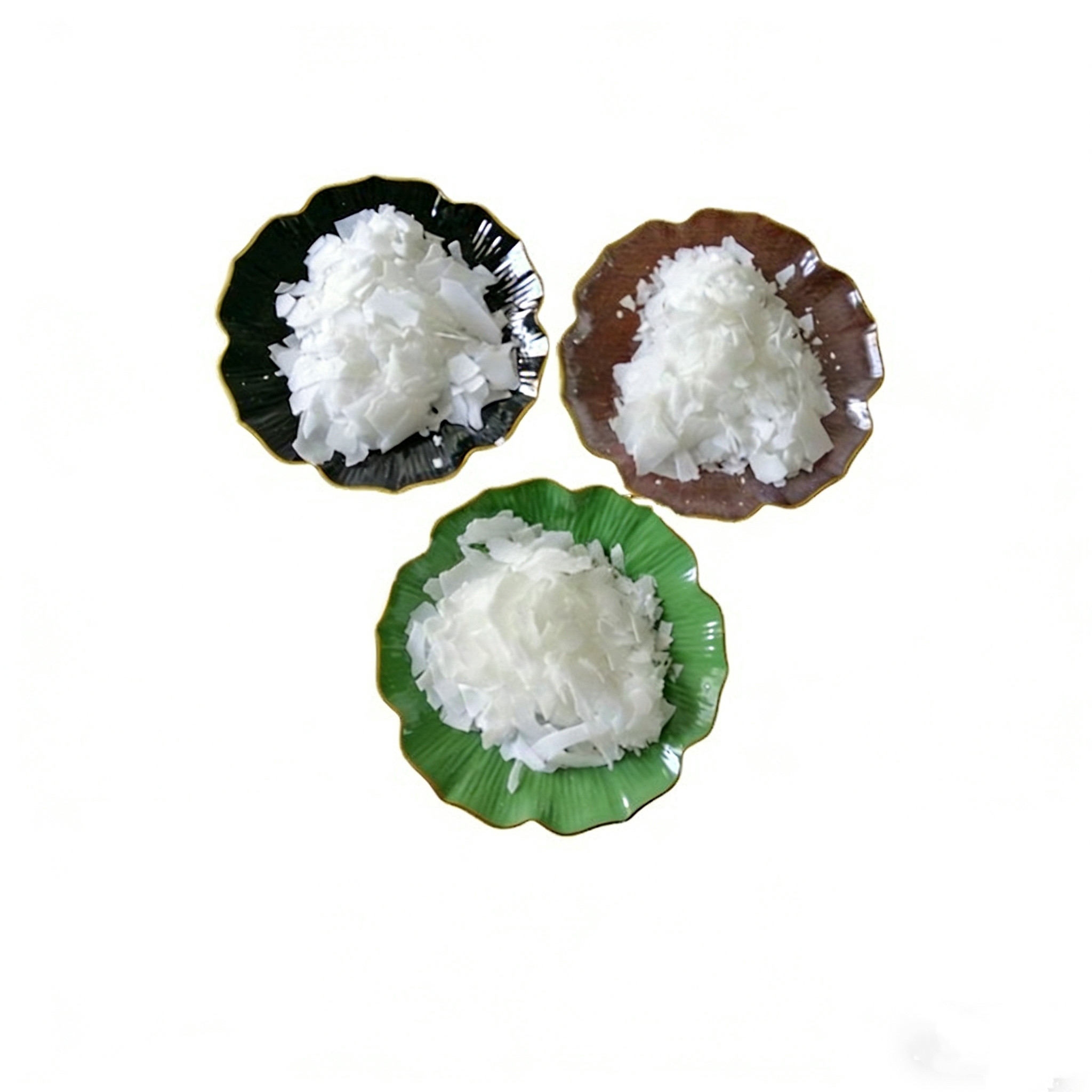
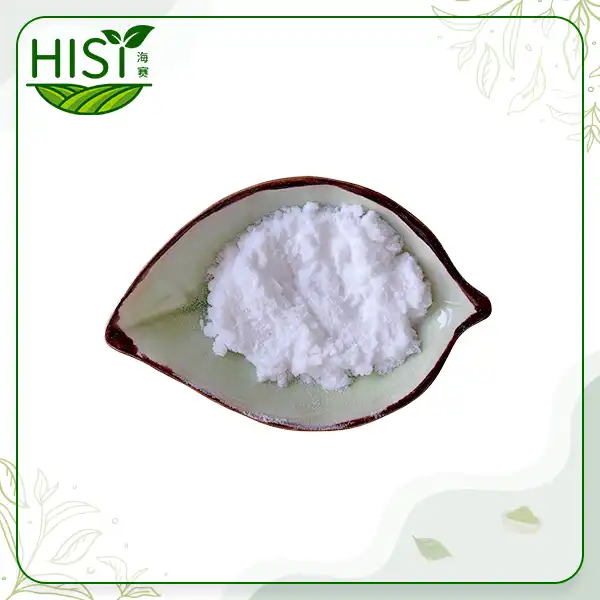
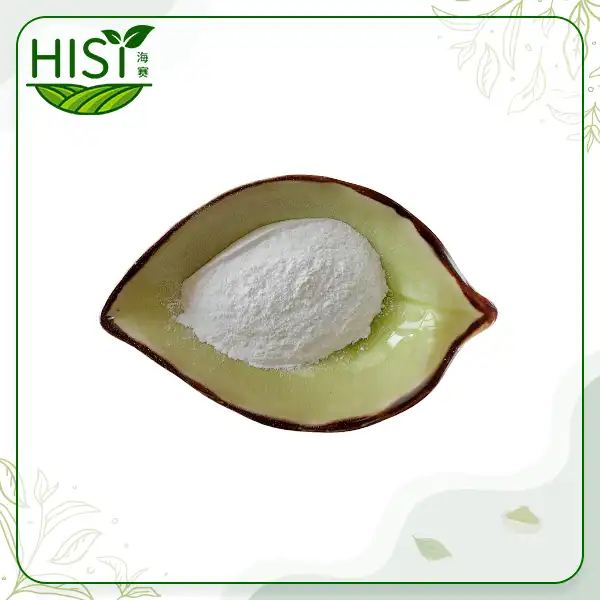
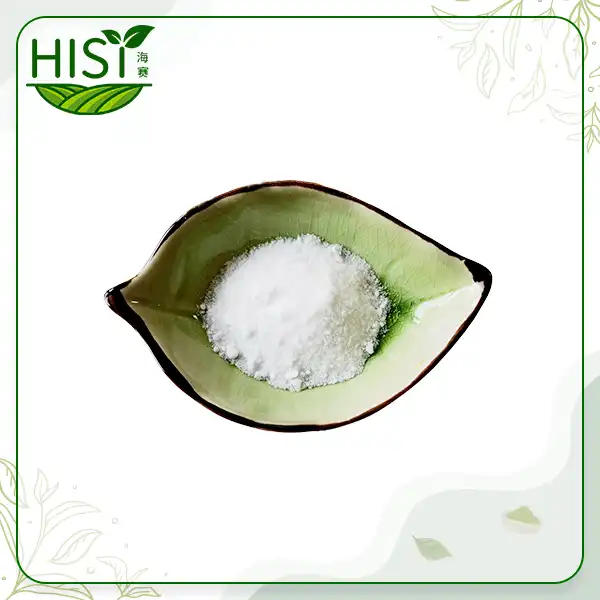
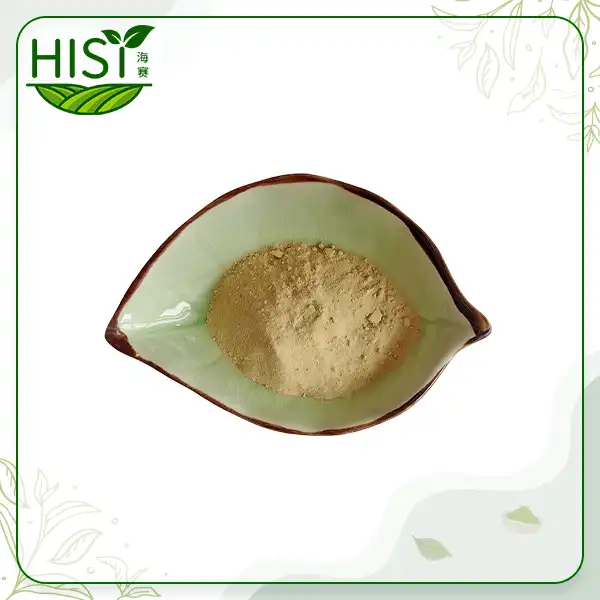
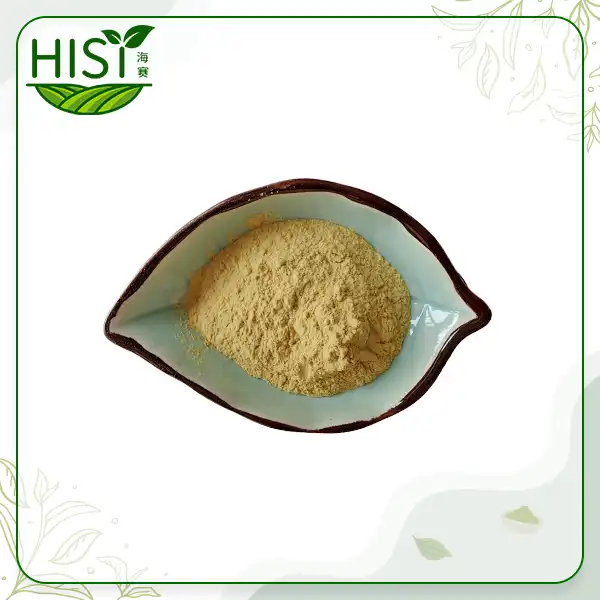
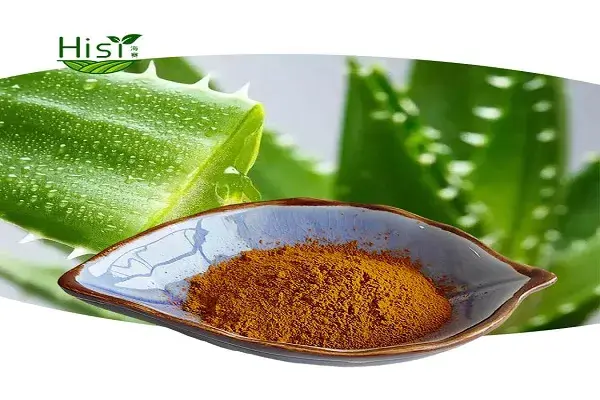
Visual inspection gives you immediate feedback on quality. Real Aloe Emodin Powder looks like a fine, crystalline orange-yellow to earthy yellow powder. Depending on how it was crystallised, it can also look like orange needle crystals. Big changes in colour, like brownish or greenish shades, could mean that chlorophyll residues contaminated the food or that it was damaged by oxygen during storage. Bioavailability and industrial accuracy are both affected by particle size uniformity. Standard requirements call for particle sizes to be spread out over an 80-mesh grid. This makes sure that tablets are mixed evenly and skin treatments spread out smoothly. Asking for particle size distribution analysis reports is a good way to make sure that suppliers follow the same milling procedures for all production batches.
Regulatory Certifications and Pharmacopeial Compliance
Certifications are like third-party approval of the standards for making things. By registering with the FDA, a facility shows that it follows Good Manufacturing Practices for making food and health products. Systematic risk analysis is shown by HACCP certification in production routines, and recorded process controls are shown by ISO quality management systems.The requirements for the materials should be in line with either the Chinese Pharmacopoeia (CP) or the United States Pharmacopoeia (USP) monographs. These sources set upper and lower limits for moisture content (usually less than 1.0%), loss on drying parameters, and levels of residual solvent. European Pharmacopoeia (EP) standards are especially important for cosmetics that are meant to be sold in the EU. Suppliers who won't say if their products are compliant with pharmacopoeia rules often don't have normal quality controls.
Contaminant Screening Requirements
Heavy metal pollution is very bad for health and the environment. Lead, arsenic, mercury, and cadmium must all stay below 10 parts per million (ppm) according to quality standards. Buyers should ask for reports from ICP-MS or atomic absorption spectroscopy tests that confirm these limits. Materials that come from places where pollution from factories has happened in the past need extra care. Another very serious problem is microbial poisoning. Depending on the use, the total plate count, yeast and mould counts, and virus screening (E. coli, Salmonella) must meet standards for food or medicine. Materials meant for cosmetics on the skin have different microbial limits than materials used in supplements for the mouth. By being clear about your specific application, you can help suppliers test the material in the right way. Solvents left over from extraction processes, mostly hexane and methanol, need to be within the limits set by USP Class 2. The end products of ethanol extraction methods are usually cleaner than those made with petroleum-based solvents, but acceptable residue amounts can still be reached with other extraction methods if the right purification steps are taken.
Proven Methods to Test and Verify Aloe Emodin Powder Quality
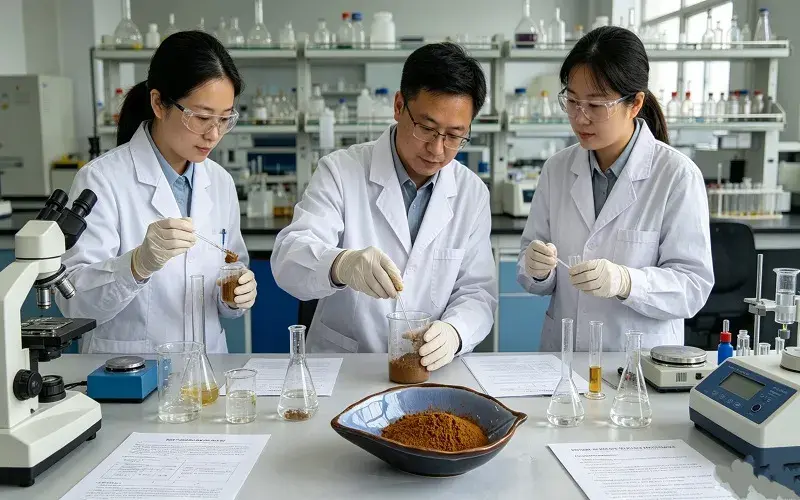
Putting in place strong testing methods turns source claims into data that can be checked. As part of the verification process, lab tests, reviews of records, and sensory assessments are all used together.
Laboratory Analytical Techniques
For confirming purity, High-Performance Liquid Chromatography is still the best method available. This method accurately measures the amount of Aloe Emodin Powder by separating it from anthraquinones with similar structures, such as emodin and rhein. Request chromatograms that clearly show how the peaks are separated and how the retention time stays the same from batch to batch. Reliable suppliers are happy to share these analytical profiles, which show that they are open about how they control quality. Additionally, UV-Vis spectrophotometry can be used to confirm concentrations. In the ultraviolet range, Aloe Emodin Powder absorbs light in a certain way. This method gives a quick first look, but it's not as accurate as HPLC. Some buyers keep portable spectrophotometers on hand for the checking procedures they use before taking large packages. Gas Chromatography-Mass Spectrometry is very good at finding volatile impurities and solvents that are still present. This method finds sources of contamination that other methods can't see, like chemical leftovers from farming, solvent carryover from extraction, or degradation results from bad storage. Materials that say they are organic should have pesticide screening reports made with GC-MS analysis.
Physical and Sensory Inspection Protocols
Simple sensory checks give you immediate feedback on the quality of something before you spend a lot of money on expensive lab tests. Strong musty or fermented smells indicate microbial contamination or aged material, while fresh Aloe Emodin Powder has a very subtle aroma. The texture should feel fine and even, with no clumps, which would mean that moisture got in during storage. Simple solubility tests can be done on-site with very little equipment. A clear orange-yellow solution should be made by adding a small amount of sample to hot ethanol. Persistent cloudiness or sediment formation signals flaws or wrong material replacement. This quick test helps make sure the item is real before handling the whole package.
Documentation Verification Framework
Certificates of Analysis (CoA) are the main way that sellers say what quality the goods are. Full COAs have batch numbers, dates of production, HPLC purity reports, heavy metal screening, microbial tests, and residue solvent analysis. Compare the CoA data to your specification requirements. If there are any differences, they need to be explained right away before they can be accepted. Certifications for manufacturing show that the quality of the whole system is good. GMP certificates prove that work settings are organised and that standard operating procedures have been written down. To get an organic certification from the USDA or the EU, farming and processing methods must be thoroughly checked. When working with new suppliers, check with the certification groups directly to make sure that the certificates they give you are real. In foreign trade, fake documents do get around. Reports from independent laboratories that were tested by a third party are more reliable than data made by the supplier. Unbiased tests are done by accredited labs that follow ISO 17025 guidelines. Some buyers build relationships with testing facilities close to where the suppliers are located. This lets the buyers do random audit testing during long-term supply agreements. This method lowers the chance of quality shift over time by a large amount.
Comparing Aloe Emodin Powder from Different Suppliers
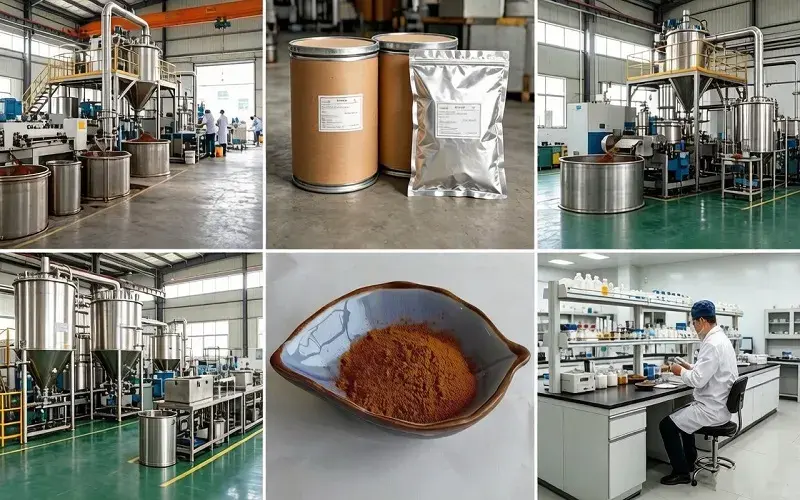
Choice of supplier has a big effect on product consistency and risk exposure. Systematic evaluation systems help tell the difference between real manufacturing knowledge and selling operations.
Evaluating Supplier Credentials and Transparency
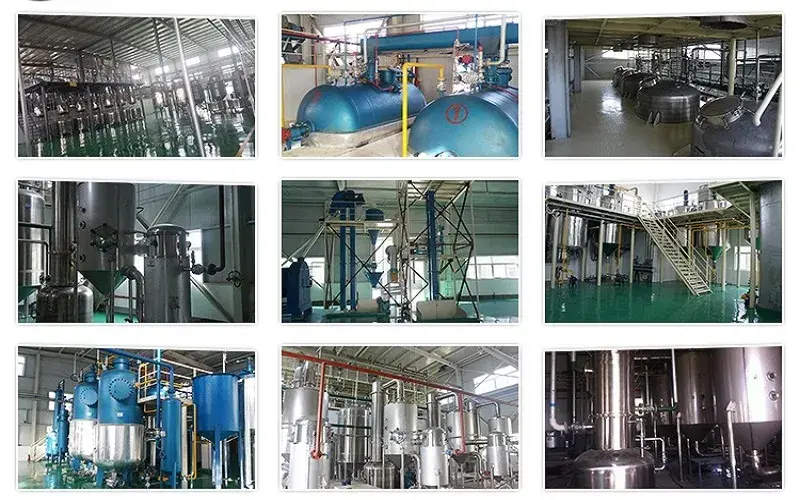
There is a strong link between manufacturing experience and quality reliability. Suppliers that have been in business for 15 to 18 years have shown that they can handle changes in regulations and keep consistent sourcing relationships. This is shown by Shaanxi Hisy Biotechnology, which was founded in 2008 and has been specialising in plant extracts for over 18 years. Their 150 m² production facility has four dedicated processing lines, which shows that they have put a lot of money into infrastructure for more than just trading. Clear information about output potential shows how partnerships can grow. Production volumes of more than 200 metric tonnes per year indicate that supply chains are well-established and that the company has the purchasing power to get good raw materials. Smaller businesses may find it hard to keep specifications the same when they increase production volumes, which could mean they have to make changes to the formulation in the middle of development. Being willing to give samples shows that you have faith in the quality of the product. When suppliers offer free samples, you can compare two products side by side before making a decision. Some buyers ask for samples from more than one batch to check the consistency from one lot to the next. This is an important factor for pharmaceutical uses that need to make sure the specifications are met over long production runs.
Understanding Extraction Methods and Sourcing Practices
The way the extraction is done has a big impact on the end product's properties. When compared to petroleum-based methods, ethanol extraction usually leads to cleaner profiles with fewer worries about leftover solvents. Supercritical CO2 extraction gives you the purest results, but it costs a lot more. Making the methods of gathering clearer helps explain why prices vary between providers. Finding raw materials adds a lot of quality factors. When Aloe vera is grown in controlled farming settings, the active compound profiles are more uniform than when it is collected from the wild. Heavy metal baseline levels depend on where the plants are grown. For example, plants grown in industrial areas take in pollutants from the soil and irrigation water. If organic certification is important for your business, suppliers should tell you where the crops are grown and show proof of soil tests.
Analyzing Pricing Structures and Value Propositions
Price study needs more than just comparing prices per kilogram. When the price is very low, it usually means that the quality has been lowered by adding lower-quality materials, not doing enough to clean the product, or getting rid of old stock. Materials that are priced 20–30% below the market average should be looked at more closely and tested thoroughly. The total cost of ownership should be taken into account when figuring out value. Suppliers with fast shipping (4–8 days), a range of packing choices (1 kg foil bags to 25 kg drums), and helpful technical support make operations run more smoothly. These service elements keep production from being held up and avoid extra costs and delays that are much bigger than the initial material savings. Setting up long-term quality deals with trusted partners is often more cost-effective than switching suppliers all the time to find the smallest price benefit.
Practical Guide to Handling and Testing Aloe Emodin Powder Onsite
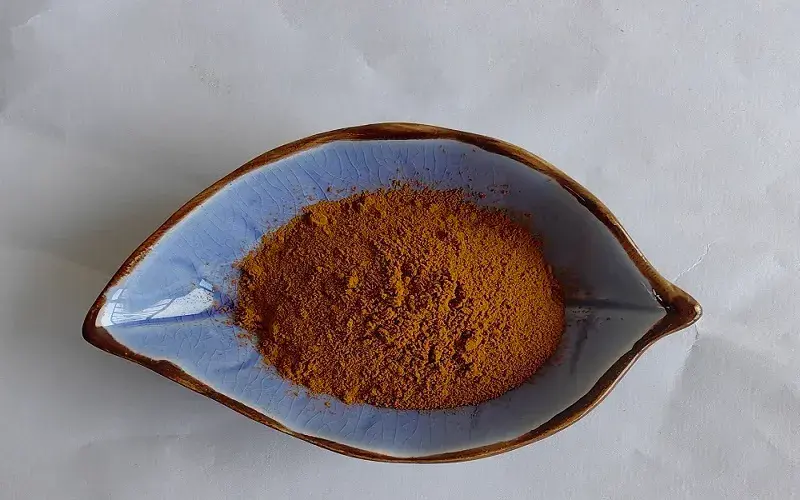
When receiving protocols work well, they find problems with the quality of the materials before they are used in production. This stops expensive batch failures and regulatory problems.
Packaging Inspection and Storage Requirements
Using the right wrapping keeps things in good shape while they are being shipped or stored. In standard configurations, two plastic bags are placed inside fibre drums to keep out moisture and light, which breaks down anthraquinone compounds. Check the seals as soon as you get the package—if the packaging is broken, the whole shipment should be rejected, no matter what the other quality parameters are. The way something is stored has a big effect on how long it lasts and how well it works. Aloe Emodin Powder should be kept in cool, dry places that are below 25°C and have a relative humidity of less than 60%. Light speeds up oxidative breakdown, so portions that need to be repackaged need to be kept in opaque containers or amber glass. Using first-in, first-out inventory rotation keeps old items from hurting the quality of new items.
Quick Onsite Testing Protocols
Setting up easy receiving tests is a quick way to find big problems with the quality of the goods without having to wait for full laboratory analysis. Besides the solubility test we already talked about, checking the pH of aqueous solutions is another way to be sure. Standard materials should have pH values that are slightly acidic to neutral. Strongly acidic or alkaline readings are signs of contamination or bad processing. Visual comparison with kept reference standards helps find colour changes that mean the product is degrading or being tampered with. Keep protected reference samples from batches that have already been approved in a controlled environment. When you put two things next to each other, you can see small differences that are hard to remember.
Leveraging Third-Party Laboratory Partnerships
Building ties with accredited analytical labs near your factory lets you do proof testing quickly. A lot of labs offer fast services for important shipments, getting results to you within 48 to 72 hours. Setting up standard testing protocols speeds up the process because laboratories will keep up with your specification needs and run standardised test panels on their own. Some buyers use "skip-lot" testing strategies with well-known suppliers. They do a full analysis on every third or fifth shipment and do basic checks for taste and solubility on deliveries in between. This method strikes a balance between quality control and limited testing funds. Any changes in the basic tests lead to a full analysis right away, which keeps an eye out for quality decline.
Building Supplier Communication Frameworks
Quality surprises can be avoided by communicating ahead of time. Ask suppliers for notice before they change the way they extract materials, where they get their materials, or the equipment they use to process them. These changes can slightly change the end product's properties, even if the standards are still met. Early awareness lets you test for validity before you commit to big orders. Setting up quality agreements makes it official what is expected in terms of specification tolerances, testing methods, and corrective action protocols. These papers make it clear how to settle disagreements and what level of quality is accepted. This clears up any confusion that could hurt relationships with suppliers. Regular quality review meetings, either every three months or every six months, keep everyone on the same page as your product needs change and your providers improve their services.
Key Industry Research and Trends Impacting Aloe Emodin Quality Standards
Keeping up with changes in science and the law will help your buying strategy stay ahead of market shocks.
Emerging Research on Efficacy and Safety Profiles
New drug studies keep proving that Aloe Emodin Powder can be used as a medicine and make safety rules better. Research in phytomedicine journals shows that anti-inflammatory effects depend on the dose, which helps scientists figure out the best concentration ranges for supplement formulations. These results help explain why high-purity materials that cause expected physiological reactions cost more. Safety profile research looks at the effects of long-term exposure and how they might interact with pharmaceutical compounds. More and more, regulatory bodies need this kind of information to approve new ingredients. When suppliers invest in toxicological studies and provide detailed safety paperwork, it makes it easier to submit to regulators, which speeds up the time it takes for new products to hit the market.
Regulatory Landscape Evolution
Global efforts to harmonise quality standards are slowly bringing them into line across all markets, but there are still big differences between regions. For dietary supplements, the US Food and Drug Administration (FDA) continues to stress the importance of following Current Good Manufacturing Practices (CGMPs), which means that ingredients are being checked more closely. Novel Food framework rules in the European Union require a lot of paperwork for botanical ingredients that haven't been used much before 1997. China's changing export rules change how the supply chain works. New rules say that botanical extracts must have better documentation for tracking and be registered for export. These changes give more weight to large manufacturers with strong compliance systems compared to smaller trading businesses. Knowing these governing currents helps find providers that will be around for a long time.
Technological Advances in Extraction and Purification
New developments in extraction technology offer higher purity levels and better environmental ratings. Enzyme-assisted extraction methods increase yield while decreasing the amount of solvent needed. With membrane filtration technologies, target chemicals can be separated from plant materials more precisely. When suppliers use these advanced methods, they often get better consistency with specifications, but the initial capital investments show up in pricing structures. Green chemistry ideas are having a bigger impact on how things are made. Buyers who want to sell to environmentally conscious customers should work with providers who can show that their products have smaller environmental impacts by using green solvents and preparing them in a way that uses less energy. These practices are in line with corporate social responsibility efforts and prepare for future rules about how to make manufacturing more environmentally friendly.
Market Demand Shifts Toward Certified Organic and Pharmaceutical-Grade Materials
Upstream quality requirements are set by what consumers want. As the need for organically certified supplements and natural cosmetics grows, it creates niche markets that are willing to pay more for goods. Getting early access to organic-certified Aloe Emodin Powder sources gives you a competitive edge as big brands move toward a "clean label" stance. When used in pharmaceuticals, the strictest standards for quality and paperwork are needed. Materials that meet the requirements of the USP standard are more expensive, but they can be used in the development of prescription drugs and in clinical studies. The line between nutraceuticals and pharmaceuticals is blurring, which opens up strategic opportunities for ingredient suppliers who can provide pharmaceutical-grade products.
Conclusion
Aloe Emodin Powder. When done in a planned way, quality control goes from being an issue to an advantage in the market. This complete framework, which combines chemical analysis with sensory evaluation, paperwork review with seller relationship management, gives you the power to make smart choices about where to buy things. Understanding basic factors like HPLC-verified purity, pharmacopoeial compliance, and heavy metal limits sets standards that can't be changed. Using third-party laboratories for validation and putting in place testing protocols on-site to catch deviations early are both good ideas. In addition to price, suppliers are also judged on their manufacturing infrastructure, openness, and long-term dependability. As consumer expectations rise and government rules get stricter, partnerships with certified manufacturers who consistently supply pharmaceutical-grade materials turn into strategic assets instead of simple transactions.
FAQ
What are the most reliable quality indicators when evaluating aloe emodin powder?
The most objective way to tell if something is good is to use HPLC purity analysis. The best materials can get purity levels of 95 to 98%. Physical features, such as uniform orange-yellow colour and 80-mesh particle consistency, make proof visible right away. Full Certificates of Analysis that include heavy metals (below 10 ppm total), microbial counts, and leftover chemicals prove that safety standards have been met. Supplier certifications, such as FDA registration, HACCP, and ISO standards, show that they can handle quality in a way that goes beyond checking each batch separately.
How can buyers verify the authenticity of supplier certificates and testing reports?
Instead of using the contact information given by the seller, get in touch with certification groups directly using information from their websites. Check certificate numbers against records of the issuing body when possible. Instead of master specs, ask for batch-specific Certificates of Analysis to make sure that the paperwork matches your real shipment. Get random verification tests done by independent third-party laboratories. Differences between what the supplier says and what the independent labs say show problems with reliability that mean the relationship needs to be looked at again.
What safety risks should procurement managers consider with aloe emodin powder?
The biggest safety risk comes from heavy metal contamination, especially the buildup of lead and arsenic in the soil. Solvents left over from extraction processes may be harmful if they are in amounts higher than what is allowed by USP. Microbial pollution makes produced goods less stable and could be harmful to your health. People who are easily allergic are affected by allergenic latex proteins that are carried over from the crude extraction. When compared to lower-grade options, pharmaceutical-grade material from certified manufacturers with thorough testing protocols is better at reducing these risks.
Partner with Hisy for Certified Aloe Emodin Powder Supply Excellence
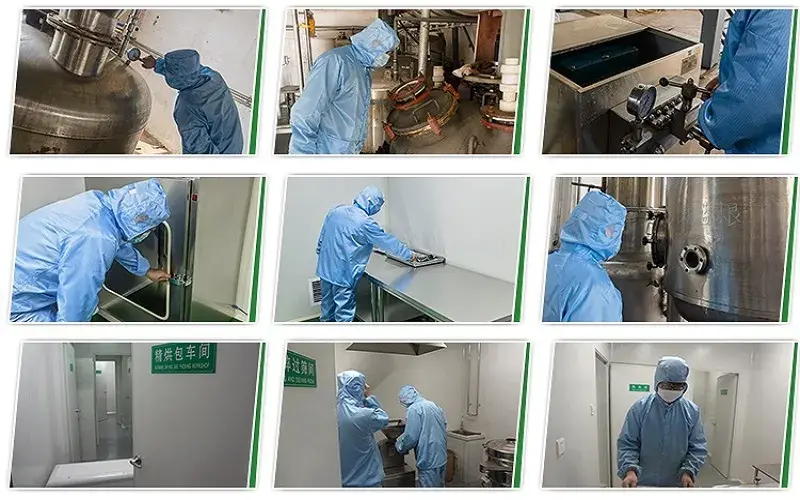
Concerns about quality go away when you build partnerships based on clear communication and high-quality manufacturing that can be proven. Shaanxi Hisy Biotechnology sells Aloe Emodin Powder that is safe for use in medicines. They have been specialising in plant extracts for 18 years and have earned many foreign certifications, such as FDA registration, HACCP, and ISO quality management systems. Our 95% and 98% purity grades have been tested and found to be consistent with each other using HPLC. Full testing also shows that heavy metals are below 10 parts per million (ppm) and that any solvents left over meet USP standards. We can meet both research sample and full-scale manufacturing needs because we can produce more than 200 metric tonnes of goods every year and offer flexible delivery times of 4 to 8 days. Get free samples from our company by emailing sales@hisybio.com. We have technical experts who understand the needs of nutraceutical, cosmetic, and pharmaceutical formulations and can help you with your specific application. As an experienced Aloe Emodin Powder manufacturer, we provide the documentation, reliability, and responsive service that transforms ingredient sourcing from operational challenge to competitive advantage.
References
1. Zhang, L., & Tizard, I. R. (2021). Quality control and standardization of botanical extracts: Analytical methods and regulatory frameworks. Journal of Pharmaceutical and Biomedical Analysis, 195, 113-126.
2. World Health Organization. (2020). Guidelines on good manufacturing practices for herbal medicines. WHO Technical Report Series, No. 1010.
3. American Herbal Products Association. (2019). Guidance policies for contaminants and residues in botanicals and dietary supplements. Silver Spring, MD: AHPA.
4. European Medicines Agency. (2021). Quality of herbal medicinal products and traditional herbal medicinal products. Committee on Herbal Medicinal Products.
5. Chen, W., Van Wyk, B. E., Vermaak, I., & Viljoen, A. M. (2018). Analytical methods for quality control of natural products: A comprehensive review. Natural Product Reports, 35(4), 444-473.
6. United States Pharmacopeial Convention. (2022). General chapter on botanical dietary supplements and herbal medicines. USP 45-NF 40, Rockville, MD.