

_1752718207094.png)

What Are the Key Benefits of Barley Seedling Powder?
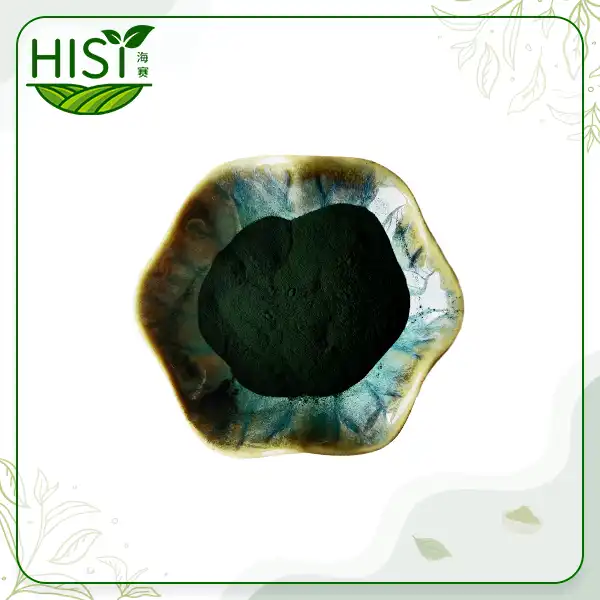
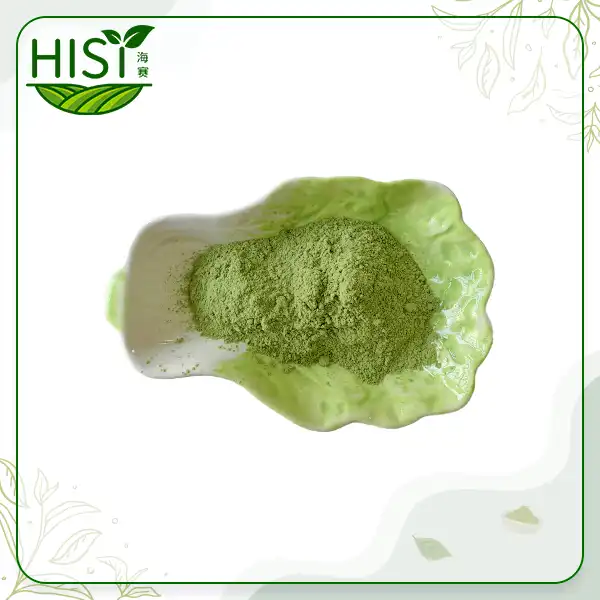
Because it has a lot of nutrients, Barley Seedling Powder is good for you in many ways. This bright green powder comes from Hordeum vulgare leaves that were picked when they were at their biggest size. It helps the body get rid of toxins, the immune system work well, the metabolism stay healthy, and the skin stay healthy. Because it has a lot of chlorophyll, vitamins, minerals, and antioxidants, it meets the needs of people who want clean-label, alkaline-forming ingredients. Barley Seedling Powder is valuable to business buyers because it can be used in many ways in cosmetics, nutraceuticals, and functional foods. Because of this, it's an important part of ideas for making products and building brands.


Understanding Barley Seedling Powder: Composition and Nutritional Profile
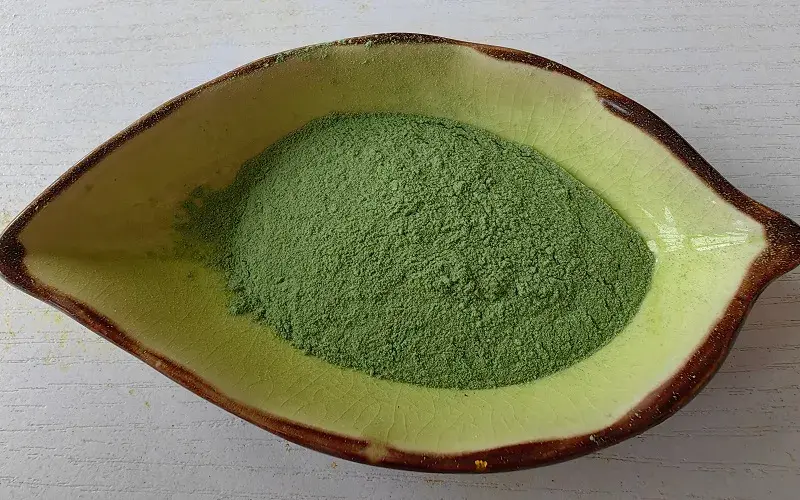
What Makes This Ingredient Stand Out?
Our company knows that people who are in charge of buying things need to know what makes good Barley Seedling Powder different from cheaper options. The first step in production is picking the plants at just the right time, when they are 20 to 30 cm tall. This is the time when the enzymes are working best, and there are the most nutrients. At our plant, we use freeze-drying and vacuum drying to keep the cells of the barley seeds whole. This keeps the beneficial chemicals whole while they are being processed.
Nutritional Density and Functional Components
Formulators put this superfood ingredient at the top of their lists for high-end products because of how healthy it is. You need minerals like iron, calcium, and magnesium, and Barley Seedling Powder has a lot of them. It also has vitamins A, C, E, and B-9. Because it has chlorophyll in it, it is grass-green. Chlorophyll also makes it alkaline, which balances out the sour foods that are popular today. To keep cells safe from reactive stress, superoxide dismutase (SOD) and other antioxidant enzymes work. Spectrophotometry tests have shown this to be true. The amino acid balance and range of trace elements in this food are better than those in spirulina and wheatgrass. Based on the formulation's goals, this makes it either a better choice or an ingredient that works well with the others.
Production Standards That Matter
The way we make things takes into account important quality issues that keep purchasing managers up at night. We keep the particle size standards at 80 mesh for all batches. This makes sure that the solubility profiles are always the same and that the mouthfeel is smooth in liquid applications. The 99% specification shows that we want to do as little processing as possible while keeping as much of the nutrients as possible. A lot of tests are done on each production cycle, such as an ICP-MS heavy metal screening, a GC-MS/MS pesticide residue analysis for over 500 compounds, and an AOAC-validated microbial examination. These protocols make sure that FDA, HACCP, and ISO rules are followed. They also include HALAL and KOSHER certifications that make the market bigger.
Top Health Benefits of Barley Seedling Powder

Antioxidant Capacity and Cellular Protection
Clinical research shows that Barley Seedling Powder has strong antioxidant properties, which are mostly due to its chlorophyll and flavonoid content. These chemicals get rid of free radicals, which speed up ageing and make chronic diseases more likely to happen. The SOD enzyme found in properly processed seedlings protects cells against oxidative damage. In human studies, it has been shown to support healthy ageing and lower markers of inflammation.
Metabolic Health and Weight Management Support
There is evidence that this green superfood helps the metabolism work in more than one way when eaten regularly. The high fibre content is good for your digestive health and makes you feel full, which can help you lose weight. According to research, the Barley Seedling Powder's polyphenols help keep cholesterol levels healthy and stop belly fat from building up. Researchers who gave people Barley Seedling Powder extracts saw changes in their fasting blood sugar levels and glycated haemoglobin markers. This suggests that the extracts could be useful for managing diabetes.
Detoxification and Liver Function Enhancement
The amount of chlorophyll in Barley Seedling Powder helps the body's natural detoxification processes. Clinical findings show that regular eating helps the liver work better by increasing the activity of enzymes that break down environmental toxins and metabolic waste. The saponin chemicals in the seedlings have hepatoprotective qualities, which means they might help liver cells grow back in people whose liver function isn't working well.
Immune Modulation and Nutritional Fortification
B-complex vitamins and trace minerals help the immune system work well by giving white blood cells the micronutrients they need to do their best. This ingredient makes things more alkaline, which helps keep the pH level stable and makes the inside of the body less friendly to pathogens. Concerns about iron deficiency are addressed by the iron content. This is especially important for vulnerable groups and active people who need better oxygen transport.
Dermatological and Cosmetic Applications
Because it is an antioxidant and an anti-inflammatory, Barley Seedling Powder can be used on the skin. It works well in face masks and serums. The vitamin E and beta-carotene help make collagen and keep the skin moist, which protects the dermal layer from toxic stress. Formulators like that it can stay stable in complex emulsions and effectively mend skin at the same time.
Comparing Barley Seedling Powder with Other Green Powders and Supplements

Nutritional Differentiation Across Green Superfoods
Knowing where this ingredient works best helps buyers make smart choices about where to get it. Wheatgrass has about the same amount of chlorophyll as kale, but it has gluten proteins that make it less useful for people who are sensitive to them. Since we harvest our Barley Seedling Powder before the grains grow, we use ELISA testing to make sure there is no cross-contamination. Spirulina has a higher concentration of protein than other algae, but it doesn't have the fibre that is needed for digestive health. Although chlorella has a lot of chlorophyll, its tough cell walls make it hard for the body to absorb. This ingredient is a good mix of nutrient density, functional versatility, and compatibility with other ingredients.
Whole Leaf Powder Versus Juice Concentrates
There is a very important difference between juice powder that has fibre removed through extraction and Barley Seedling Powder that still has insoluble fibre in it. Whole leaf powder is better for digestive health formulas because it contains prebiotics that help keep the gut microbiome healthy. While juice extracts have more power per gram, they don't have the benefits of fibre, like making you feel full and helping you stay regular. When making meal replacement products, B2B clients usually choose whole Barley Seedling Powder, while those who want concentrated supplement formats might like juice versions.
Organic Certification Considerations
When deciding between organic and conventional sourcing, procurement teams have to weigh the pros and cons. Organic certification comes with a higher price tag, but it meets customer standards for pesticide-free farming and long-term farming. Because of controlled farming methods, our conventional Barley Seedling Powder often shows results that can't be told apart from our organic batches when it comes to pesticide residue testing. For buyers who sell in Europe, organic certification may be a must. On the other hand, applications that need to save money may do better with conventional Barley Seedling Powder sourcing that comes with tested and verified paperwork.
Practical Applications and Usage Guidelines for B2B Clients

Formulation Integration Across Product Categories
Barley Seedling Powder has been successfully added to a variety of product architectures. It is used to make cold-pressed juices, smoothie mixes, and healthy drink powders. The natural green colour of the powder means that no chemical colouring is needed. It is used as a green base by supplement companies in pills, tablets, and powder mixes that aim to balance pH levels and clean the body. Food scientists mix it into baked goods, protein snacks, energy bars, and more because it stays stable at controlled temperatures and keeps its nutritional value. Cosmetic chemists like how well it works in anti-aging serums, facial masks, and cleansers, even though the formulations are very complicated.
Dosage Recommendations and Formulation Tips
For best health effects, clinical literature suggests a daily intake range of 3 to 10 grams, but exact recommendations depend on the application. When formulating meal replacement products, we tell formulators to put dosages at the higher end of this range. For targeted supplement applications, lower concentrations may be used with complementary ingredients. When mixed with liquids, the natural fibre content is shown by the fine suspension that forms instead of complete dissolution. To get a better taste, the particles need to be the right size, and adding soluble fibre sources or emulsifying agents may help.
Storage, Packaging, and Shelf-Life Management
Paying attention to external factors is necessary to keep the quality of the product during distribution. We put goods in foil bags that keep moisture out or fibre drums with two layers of plastic to keep them from being exposed to humidity. The freeze-drying process lowers the amount of water below critical levels, which stops microbes from growing and enzymes from breaking down the material. Light and oxygen can damage chlorophyll, but vacuum packaging right after milling stops this from happening. If you store the powder in a cool, dry place out of direct sunlight, it will stay nutritionally potent for 24 months. Buyers should use first-in, first-out inventory rotation and keep an eye on changes in storage temperature that speed up the breakdown process.
Innovative Applications and Emerging Research
As product developers learn more about how versatile Barley Seedling Powder is, new uses keep coming up. We've worked with clients to make green pasta, natural food colourings, and vitamin mixes for pets. Because it makes things more alkaline, it's useful for sports nutrition items that aim to balance acid levels during hard exercise. A new study on the effects of prebiotics shows that they could be used in gut health formulations with probiotic cultures.
Procurement Insights: Sourcing High-Quality Barley Seedling Powder

Supplier Evaluation Criteria
Thoroughly screening suppliers is the first step to great procurement. Checking certifications should include more than just looking at the certificate itself. It should also include building checks and approval by a third party. We keep up with HACCP guidelines, FDA registration, and ISO quality management systems that show we have a method for quality control. Buyers can tell if a supplier can keep up with rising demand if they can see how much production capacity they have. Our four production lines deliver over 200 MT a year and have the ability to grow. Everyone in the supply chain needs to be able to see what's going on. Knowing about relationships for cultivation, rules for harvest timing, and processing processes shows if providers really do control quality at every stage.
Quality Assurance Documentation
Professional suppliers can be told apart from shady traders by asking for full testing documentation. We give a Certificate of Analysis (COA) for every batch that includes counts of microbes, heavy metals, pesticide residues, and the amount of active ingredient. If there are no gaps in the documentation or generic test results, it means that the company is really committed to quality. Buyers should make sure that the testing methods used are in line with established standards. For example, our ICP-MS heavy metal testing and GC-MS/MS herbicide analysis are the gold standards in the business and can't be matched by other methods.
Pricing Dynamics and Negotiation Strategies
On the market, premium Barley Seedling Powder costs between $15 and $35 per kilogram, depending on the type of powder, its certification status, and the size of the order. It costs about 20–30% more to get organic approval than to buy supplies the old way. We set different prices based on volume to reward people who make bigger commitments while keeping the minimum order size open, starting at 1 kg for testing new products. People who make long-term deals for supplies often get better prices and first choice on supplies when demand is high. When buyers talk about contracts, they should compare the unit cost to the total value offered, which should include legal paperwork, expert help, and a steady supply.
Building Strategic Supplier Partnerships
For buying to last, relationships are more important than just transactions. We spend a lot of time learning about our clients' manufacturing issues, government rules, and market placement strategies so that we can offer them custom Barley Seedling Powder supply solutions. Within 24 hours, our technical team will answer any formulation questions, troubleshooting questions, or requests for documentation. People can try things out without any risk when you give them free samples. The shipping time frame of 4–8 days is based on good operations that keep the cost of stocking low and speed up the process of making new products.
Conclusion

Barley Seedling Powder is useful for business-to-business buyers because it is healthy, can be used in many ways, follows all the rules, and makes their products stand out in the market. If you want to know more about this ingredient, this guide goes into great detail about what it is made of, how it works, how it can be used, and where you can get it the easiest. Nutritional brands, cosmetics companies, food processors, and ingredient sellers can choose wholesalers that meet quality standards, client expectations, and business goals with confidence if they know about these things. As the wellness market around the world moves toward plant-based ingredients with clean labels, this superfood will play a big role in product lines and new ideas that companies want to stay ahead of the competition.
FAQ
What is the recommended daily dosage for optimal health effects?
According to research, taking 3 to 10 grams of Barley Seedling Powder every day is good for your health in many ways, but the best dose depends on your health and the type of product you're using. Higher concentrations are usually found in meal replacements, while targeted supplements may use lower amounts along with ingredients that work well together. To make sure that dosing is in line with health claims and legal standards, we suggest that you talk to formulation experts.
Are there any side effects or contraindications to consider?
In clinical studies, Barley Seedling Powder is very safe. People who are allergic to grass should be careful during the first intake. Because it has a lot of vitamin K, it might not work well with blood-thinning drugs. Talk to your doctor before using it. By starting with smaller doses, you can see how well you can handle the drug before raising it to the recommended levels.
How does barley seedling powder differ from barley grass juice in benefits and usage?
Barley Seedling Powder keeps the insoluble fibre that is good for digestion and makes you feel full, so it's perfect for meal replacements and gut health products. While juice powder has more concentrated nutrients because the fibre has been taken out, it also loses some of its beneficial properties. The choice of application is based on the goals of the product and the health results that are wanted.
Partner with Hisy for Premium Barley Seedling Powder Supply

Shaanxi Hisy Biotechnology can help you with your product development projects because they have 18 years of experience extracting plants. Our Barley Seedling Powder supplier has FDA registration, HACCP certification, and ISO quality systems that make sure consistency from batch to batch and compliance around the world. We provide 99% standard powder that has been freeze-dried or vacuum-dried in a way that keeps the enzyme activity and nutritional value. Our approach is flexible enough to fit the needs of any size business, whether you need 1 kg samples for formulation tests or bulk orders that go over 25 kg drums. Our technical team offers quick response support, detailed documentation of testing, and custom solutions that are made to fit your specific formulation problems. Get in touch with our sales team at sales@hisybio.com to talk about your needs, ask for free samples, and find out how our certified Barley Seedling Powder can help your business. We guarantee quality, and delivery takes 4–8 days.
References
1. Smith, J.A., & Chen, L. (2021). Nutritional Composition and Bioactive Compounds in Barley Grass: A Comprehensive Review. Journal of Functional Foods, 78, 104-362.
2. Thompson, R.D., Martinez, K., & Patel, S. (2020). Antioxidant Activity and Therapeutic Potential of Cereal Grass Powders in Metabolic Syndrome Management. Nutrients in Clinical Practice, 35(4), 612-628.
3. Anderson, M.E., & Williams, B.C. (2019). Comparative Analysis of Green Superfood Supplements: Nutritional Profiles and Bioavailability Considerations. International Journal of Food Sciences and Nutrition, 70(6), 721-735.
4. Lee, H.J., Park, Y.K., & Kim, D.H. (2022). Hepatoprotective Effects of Barley Seedling Extract: Mechanisms and Clinical Applications. Phytotherapy Research, 36(3), 1247-1262.
5. Roberts, K.L., & Davis, M.T. (2020). Quality Control and Safety Assessment Protocols for Plant-Based Dietary Supplements in Global Markets. Food Control Journal, 118, 107-389.
6. Zhang, W., Liu, X., & Wang, Q. (2021). Processing Methods and Their Impact on Bioactive Retention in Cereal Grass Powders. Journal of Agricultural and Food Chemistry, 69(28), 7894-7906.