

_1752718207094.png)

What Are the Main Applications of Berberine Hydrochloride Powder?
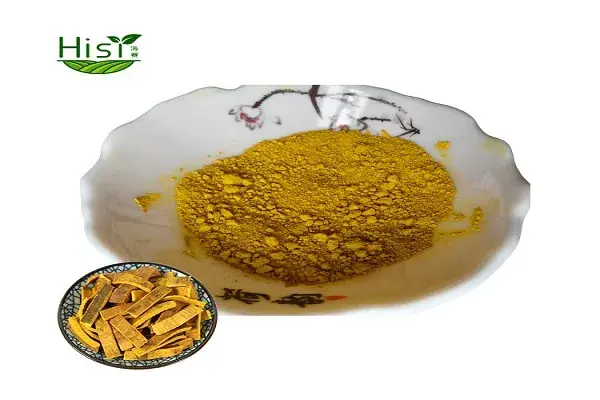
Berberine Hydrochloride Powder serves as a versatile, high-purity bioactive ingredient with applications spanning pharmaceutical formulations, nutraceutical supplements, cosmetic products, and functional foods. Extracted primarily from plant roots such as Phellodendron amurense and standardized to ≥97% purity, this yellow crystalline compound addresses metabolic health, antimicrobial needs, and skin care formulations. Its robust clinical backing and compliance with international standards like CP2020, USP, and EP make it an essential raw material for manufacturers seeking quality, consistency, and regulatory confidence in their product lines.
Understanding Berberine Hydrochloride Powder and Its Core Benefits
Chemical Nature and Sourcing Methods
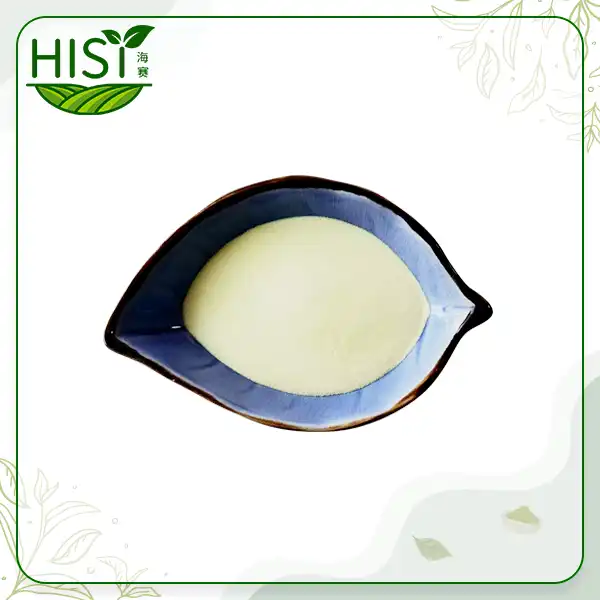
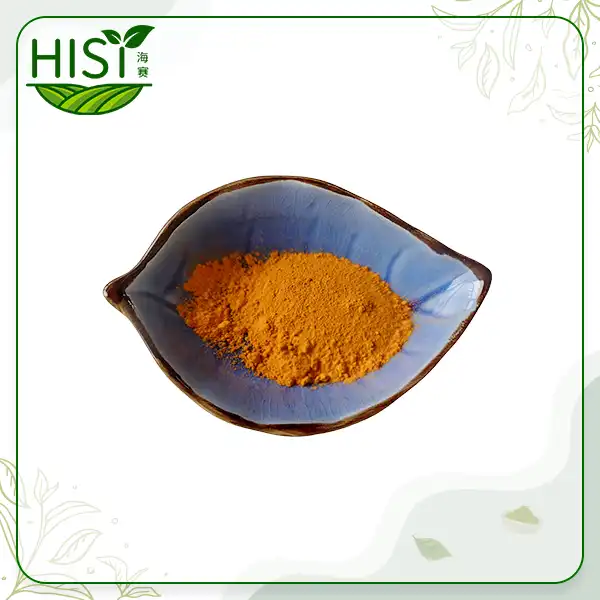
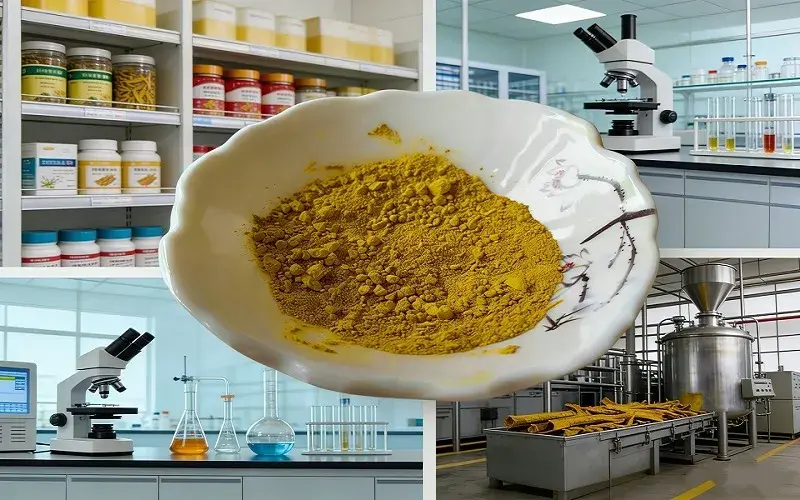
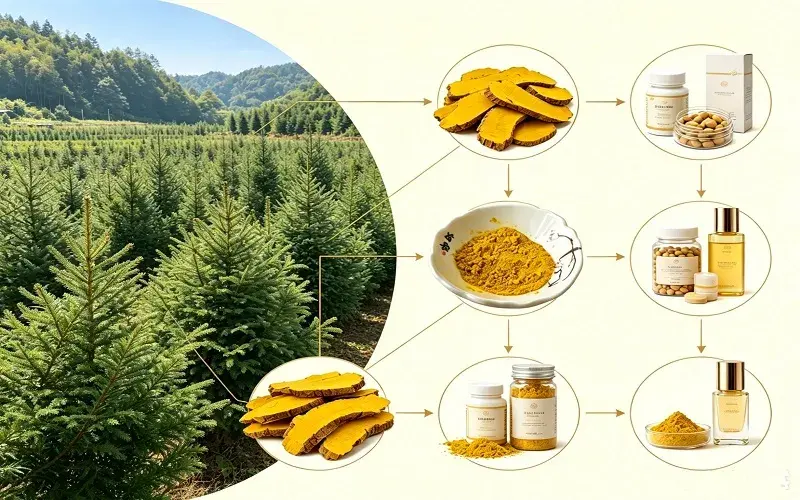
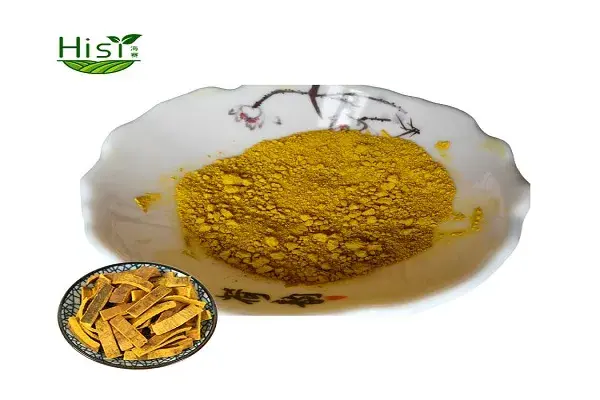
Berberine Hydrochloride Powder is a quaternary ammonium salt from the isoquinoline alkaloid family. Its scientific name is 633-65-8. Unlike raw plant extracts, which have different amounts of alkaloid, pharmaceutical-grade berberine hydrochloride always has the same level of strength and chemical stability. We carefully take it from the roots of Phellodendron amurense Rupr to make our product. First turn it into a crystal until it is 97% pure, which we can check with titration and HPLC analysis. The bright yellow crystalline powder is made up of particles that are 80 meshes wide. This means that it can be mixed directly into pill and tablet formulas without having to be micronised first.
Essential Certifications for B2B Confidence
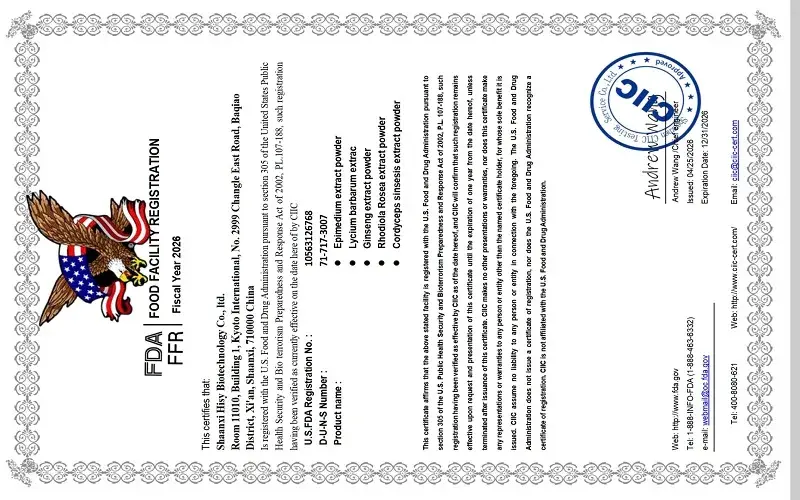
The first step in making sure quality is getting certifications for making things. This 150 m² workshop is GMP-compliant and follows FDA, HACCP, and ISO rules. It is also registered with the FDA. Heavy metal screening makes sure that each batch has less than 3.0 parts per million (ppm) of lead and less than 1 ppm of arsenic. Pathogens are checked for in the ingredients using microbiological tests, and our Certificate of Analysis (COA) shows that each batch is safe to the government. These approvals address the main concerns of vitamin brands and pharmaceutical companies that want to make sure their products are safe, can be tracked, and meet international pharmacopoeial standards.
Therapeutic Benefits and Mechanisms of Action
One important metabolic regulator that controls how glucose and fats are used in the body is activated by the compound. It lowers rising blood sugar and makes insulin work better, which has been shown in clinical tests to help people with type 2 diabetes. Berberine hydrochloride lowers cholesterol and kills both gram-positive and gram-negative germs, which is good for your heart health as well as keeping your blood sugar in check. It changes the bacteria in the gut, among other things, which makes it a useful ingredient for goods that treat metabolic syndrome. The daily recommended dose is usually between 900 mg and 1500 mg, spread out over several doses to improve bioavailability and reduce stomach pain.
Key Industrial Applications of Berberine Hydrochloride Powder
Pharmaceutical Formulations and Antidiabetic Therapies
A pharmaceutical company adds Berberine Hydrochloride Powder, which is an active pharmaceutical ingredient (API), to diabetes drugs. It can be taken by itself or with other medicines. It works in a way that complements metformin without causing the same side effects, giving doctors more ways to treat patients. Dosing mistakes that happen with raw plant extracts don't happen with this substance because its purity has been standardised. This lets tablets and hard gelatin capsules be made very accurately. Our four dedicated lines can make 200 MT of product a year, which makes sure that big pharmaceutical companies have a steady supply of goods when they need to keep track of batch quality and regulatory paperwork.
Nutraceutical Supplements for Metabolic Health
In the food supplement business, berberine hydrochloride is used to make products that help with metabolic health, blood sugar, and weight loss. People like berberine-based products because they are natural alternatives to drugs that are made in a lab. It can be made by itself or with chromium, alpha-lipoic acid, or cinnamon powder to boost its benefits. It's easier to make the product and lasts longer because the powder has a high bulk density and can be stored for 36 months in cool, dry, dark places. Because the material absorbs some water, it needs to be packed safely in our normal 1 kg foil bags or special 25 kg drums with two layers of plastic. Controlling the amount of wetness is important during sealing because of this.
Cosmetic and Personal Care Applications
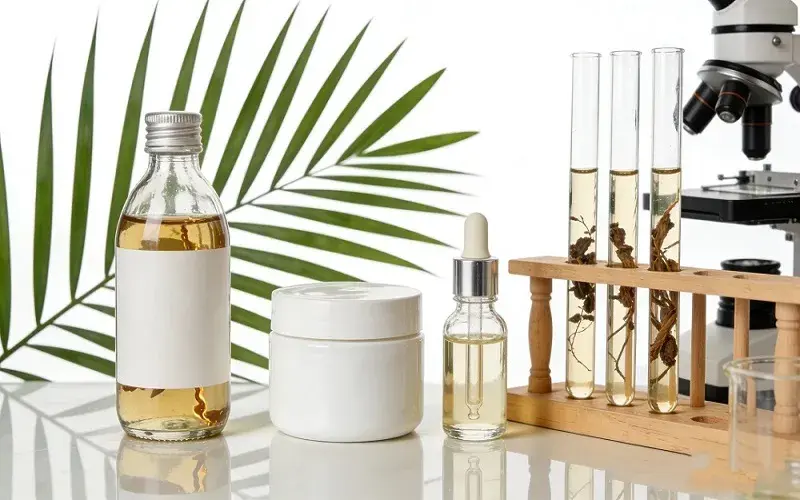
Berberine hydrochloride is used in skin care products that try to fight ageing, make the face look brighter, and kill germs. A new study backs this up. Free radicals can damage cells, but this plant oil can stop that harm. It also kills bacteria that cause acne. Cosmetic businesses like that it comes from natural sources and meets safety standards. However, the pH of the mixture needs to be changed because it tastes bitter and is very yellow. It helps with healing when added in the right amounts (usually between 0.5 and 2% for topical uses), and it doesn't change how the product looks or how stable it is.
Functional Foods and Beverage Innovations
Food and drink makers are looking at berberine hydrochloride as a possible ingredient in functional drink powders, nutritional bars, and snacks that have extra minerals and vitamins added to them. It's hard to create because it tastes bitter, but encapsulation technologies and taste-hiding agents make it possible to mix in without any issues. The substance is heat stable, which means it can work at high temperatures and still be bioactive during production. Because regulations vary from place to place, it's important to pay close attention to what the label says and how much you can use it. Our trained staff helps customers understand these rules and makes sure that goods are made properly from the time they are first thought of to the time they hit the market. Berberine hydrochloride is one of the most important ingredients for importers and distributors because it can be used in so many ways. People who sell the material can make a lot of money and be seen as all-around solution providers since it can be used in food, makeup, nutraceuticals, and medicines.
Comparing Berberine Hydrochloride Powder with Other Berberine Forms
Hydrochloride vs. Sulfate vs. Pure Alkaloid
There are several types of berberine salts, and each one has its own properties that change how it is made and how bioavailable it is. Berberine Hydrochloride Powder is better than sulphate versions at staying stable in water and not oxidising. This makes it last longer, which is helpful for people who buy in bulk and need to keep track of their stock. The hydrochloride form can only be made in a certain way because it doesn't dissolve completely in water or ethanol. It also predictably dissolves in stomach acid. It is most powerful when it is pure berberine alkaloid, but it can swell and not always absorb well, which makes it less useful for business uses.
Efficacy Comparison with Metformin and Alternative Supplements
Some studies compare berberine to metformin and find that both are good at lowering HbA1c and fasting plasma glucose, but berberine is better at lowering lipids. Instead of the stomach problems that are common with metformin, berberine hydrochloride causes different side effects. When you first take it, you might feel stomach pain that goes away as you keep taking it. Berberine is a better choice for formulation than new metabolic supplements like alpha-lipoic acid or gymnema sylvestre because it has more clinical proof and can work through more than one route. These strategies help nutraceutical brands make their products stand out in busy markets while still making truthful claims about their goods.
Natural vs. Synthetic Sourcing Considerations
Botanical extraction is still the most popular way to get ingredients from plants, even though synthetic berberine hydrochloride is more uniform from batch to batch and may be cheaper. We use natural sources and pharmaceutical-grade cleaning to get the best results from our Phellodendron amurense root extraction. This meets both quality and market placement needs. You don't have to worry about synthesis waste or extra catalysts with this method. It also meets the needs for clarity and stability in pharmaceutical and cosmetic uses. They should check how sellers get rid of substances, look for solvent residue, and make sure the source plants can keep going to make sure the supply chain works in the long term.
Procurement Guide for Berberine Hydrochloride Powder in the Global B2B Market
Supplier Evaluation and Certification Requirements
To find a Berberine Hydrochloride Powder supplier you can trust, look at their skills and systems for quality control. A few of the most important certifications are GMP compliance for pharmaceutical-grade production, ISO quality management systems, and product-specific COAs that list the amount of heavy metals, microbes, active ingredients, and solvents that are still present. The FDA has recognised Hisy, and they have been making good items since 2008, for more than 18 years. It is important to get proof of how much can be produced each year, the smallest batch size that can be made, and the quality control methods, which should include HPLC analysis methods. When making long-term deals for OEM or white-label partnerships, having a third-party audit or visit the seller can give you extra peace of mind.
Bulk Purchasing Strategies and MOQ Negotiations
The price of berberine hydrochloride that is good for drugs is based on how pure it is, how much it costs to certify, and how much it costs to make. When you buy in bulk, you can place orders as small as 25 kg or as large as several tonnes with well-known manufacturers. Even though our prices are competitive, they make it easy for new brands to get started and reward customers who buy in bulk. You can try out different formulations before you buy a lot of them. We give free samples to approved buyers so they can test them analytically and see how well they work with other products. When delivery times are between 4 and 8 days from the time an order is confirmed, just-in-time stocking works better. This saves money on storage and keeps the factory running.
Import Procedures and Quality Assurance
If you buy something from another country, you need to know the rules in the country where you're going, fill out the right paperwork, and follow the unified tariff numbers. Our export team makes sure that everything runs easily by giving all the paperwork that is needed, like commercial bills, packing lists, COAs, and phytosanitary certificates. Independent labs that test on a third-party basis add to the quality guarantee, which is especially helpful when getting to know new sources. When you know the rules about bringing in plant-based goods and pharmacy raw materials, you can avoid long delays that cost a lot of money. Our team can answer questions about regulations and provide detailed data to help with import clearance. With a reliable supply chain, you can tell the difference between transactional and experienced suppliers. This helps you keep to your production schedules and market commitments.
Best Practices for Using and Handling Berberine Hydrochloride Powder
Storage and Stability Protocols
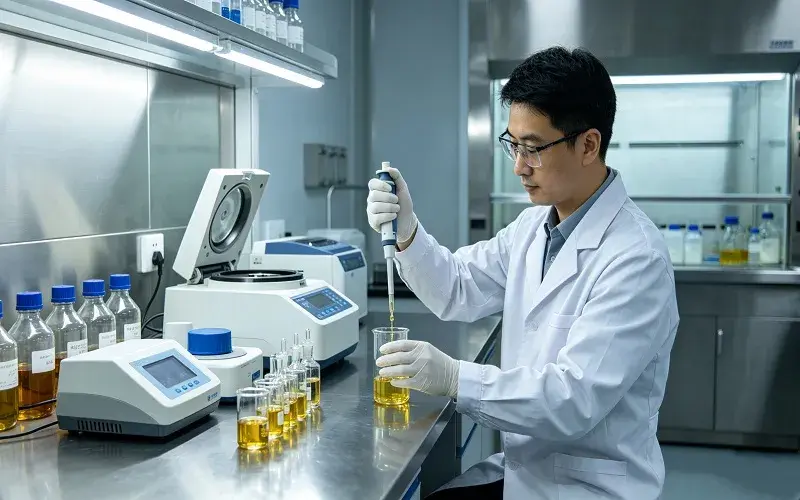
Berberine Hydrochloride Powder can be stored for 36 months, but it needs to be kept in a controlled space. Keep packages with lids in cool (below 25°C), dry places that are not in direct sunlight. Humidity levels must be managed because the material is slightly sensitive to being wet. This is especially important in factories near the coast or in tropical areas. Our foil-lined bags or fibre drums with two layers of plastic keep moisture out while they are being shipped or stored. Any food that is left over after it has been opened should be kept out of the air as much as possible in containers that don't let air in. Regular stability testing during long-term storage protects the quality of the finished product and the truth of the label claim by making sure that the product's potency and purity stay the same.
Formulation Guidance for OEM Manufacturers
You need to know how berberine hydrochloride works in order to make a good mix. The particles are 80 mesh, which makes it easier to mix with other things evenly. The high bulk density also makes it easy to put 400–500 mg amounts into pills. Granulation techniques can help make it easier to compress tablet formulations, and the right binders and disintegrants can make sure the tablets break down properly. The bright yellow colour of the substance could change how the final result looks. You could use opaque capsules or coating systems to get a neutral look. Don't let things stay too long in alkaline conditions while they're being processed, because changes in pH can make them less stable. Our technical team helps with making things by doing things like studying stable methods and compatibility for each product idea.
Regulatory Compliance and Documentation
To make a precise label, you must first have the right paperwork for the raw materials. Before the material is added to formulas, it is checked for a Certificate of Analysis to make sure it meets the standards. Labels on finished goods need to say exactly how much berberine hydrochloride is in each serving. This needs to be backed up by stability tests that show the drug works after its expiration date. Making food additives must follow 21 CFR Part 111 GMP rules set by the FDA, and there must be written standard operating procedures for getting, testing, and handling raw materials. For food to be sold in European markets, new rules must be followed about the largest amounts that can be used. We help with regulatory issues by giving you technical data sheets, allergen statements, and GMO-free labels that make it easier to send in regulatory papers and ask for market approval in more than one place.
Conclusion
For businesses looking to use bioactive compounds that have been shown to boost metabolism, kill bacteria, and protect the heart, Berberine Hydrochloride Powder is a crucial ingredient. It can be used in a lot of different ways, like in medicines, dietary supplements, cosmetics, and functional foods. There is strong scientific evidence to back up these claims. It is more steady in the form of hydrochloride salt, is at least 97% pure, and meets international drug standards. They meet important quality and safety standards for markets all over the world. A successful purchase depends on a careful assessment of the seller, which includes looking at their licenses, output capacity, and availability of expert support. When you handle and mix ingredients the right way, they will work better, and you will stay in line with the rules throughout the life of a product.
FAQ
What is the typical purity level of pharmaceutical-grade berberine hydrochloride?
HPLC tests and ways for calibrating show that material fit for use in medicines is at least 97% pure. The normal amount of berberine hydrochloride in our product is 97%, which is what the Chinese Pharmacopoeia (CP2020) calls for. There are grades of pure that are close to 98% for uses that need the most power and the fewest impurities.
How does berberine hydrochloride compare to berberine sulfate?
The hydrochloride form lasts longer than the sulphate form because it is better at keeping out rust and water. If stored properly, it should last for 36 months. Most of the time, both forms work the same way in living things, but the hydrochloride form is better for commercial products that need to last longer and keep their quality.
What certifications should I verify when selecting a supplier?
As far as certificates go, some of the most important ones are FDA registration, GMP compliance, ISO quality control systems, and HACCP for food contact. As for Certificates of Analysis, each batch should have its own. These should list the purity, the amount of heavy metals, the bacteria limits, and any liquids that are still present. Third-party testing reports from different labs add to the quality assurance while suppliers are being screened.
Partner with Hisy: Your Trusted Berberine Hydrochloride Powder Supplier
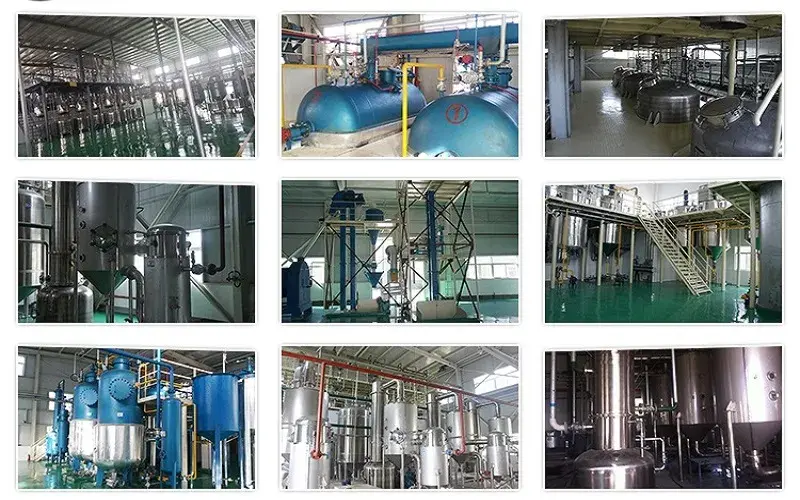
Berberine Hydrochloride Powder that can be used in drugs is sold by Hisy. They have been making good items for more than 18 years and have all the quality standards they need. Tough tests are done on our regular 97% pure product to check for heavy metals, microbes, and chemical stability. It is checked to make sure it fits important standards for cosmetic, drug, and food names set by the FDA, HACCP, and ISO. We help both new brands and established manufacturers who need a reliable, scalable supply. We have four dedicated production lines that can make more than 200 MT per year, and we deliver quickly, within 4–8 days. Putting the customer first is more than just selling things to us. It also includes helping with technical formulations, paperwork for regulations, and making unique packaging. You can count on our team to know the market and make sure the products are of high quality, whether you're making metabolic health products, new drug formulations, or new beauty uses. Send us an email at sales@hisybio.com to get free samples, full product information, and specific ways to buy that fit your business needs and recipe requirements.
References
1. Yin, J., Xing, H., & Ye, J. (2008). Efficacy of berberine in patients with type 2 diabetes mellitus. Metabolism: Clinical and Experimental, 57(5), 712-717.
2. Dong, H., Wang, N., Zhao, L., & Lu, F. (2012). Berberine in the treatment of type 2 diabetes mellitus: a systematic review and meta-analysis. Evidence-Based Complementary and Alternative Medicine, 2012, 591654.
3. Kong, W., Wei, J., Abidi, P., Lin, M., Inaba, S., Li, C., Wang, Y., Wang, Z., Si, S., Pan, H., Wang, S., Wu, J., Wang, Y., Li, Z., Liu, J., & Jiang, J. D. (2004). Berberine is a novel cholesterol-lowering drug working through a unique mechanism distinct from statins. Nature Medicine, 10(12), 1344-1351.
4. Feng, X., Sureda, A., Jafari, S., Memariani, Z., Tewari, D., Annunziata, G., Barrea, L., Hassan, S. T. S., Smejkal, K., Malanik, M., Sychrova, A., Barreca, D., Ziberna, L., Mahomoodally, M. F., Zengin, G., Xu, S., Nabavi, S. M., & Nabavi, S. F. (2019). Berberine in cardiovascular and metabolic diseases: From mechanisms to therapeutics. Theranostics, 9(7), 1923-1951.
5. Kumar, A., Ekavali, Chopra, K., Mukherjee, M., Pottabathini, R., & Dhull, D. K. (2015). Current knowledge and pharmacological profile of berberine: An update. European Journal of Pharmacology, 761, 288-297.
6. Imanshahidi, M., & Hosseinzadeh, H. (2008). Pharmacological and therapeutic effects of Berberis vulgaris and its active constituent, berberine. Phytotherapy Research, 22(8), 999-1012.