

_1752718207094.png)

How to use kale powder in daily smoothies and drinks?
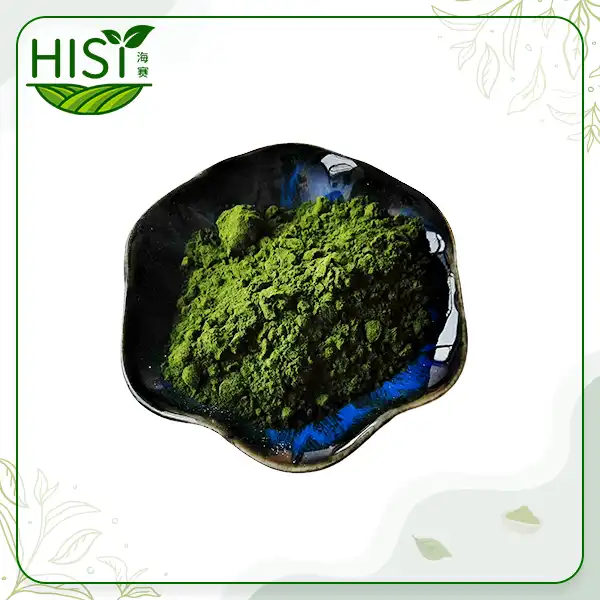
By adding kale powder to your everyday smoothies and beverages, you can turn a regular drink into a functional one full of nutrients. Simply stir 1-2 tsp of quality Kale Powder right into your blender with fruits, veggies, or protein bases. The small 80-mesh particle size guarantees flawless dispersion without any sediment or clumping, making for smooth textures that appeal to health-conscious customers. High-quality green vegetable powder is made using air-drying procedures that retain vitamins A, C, K, and glucosinolates, thereby prolonging shelf life while retaining nutritional integrity. This concentrated superfood ingredient mixes seamlessly into cold-pressed juices, protein shakes, detox blends, and functional beverage formulas, providing producers and distributors with an economical way to build superfood-enriched product lines.
Understanding Kale Powder and Its Benefits
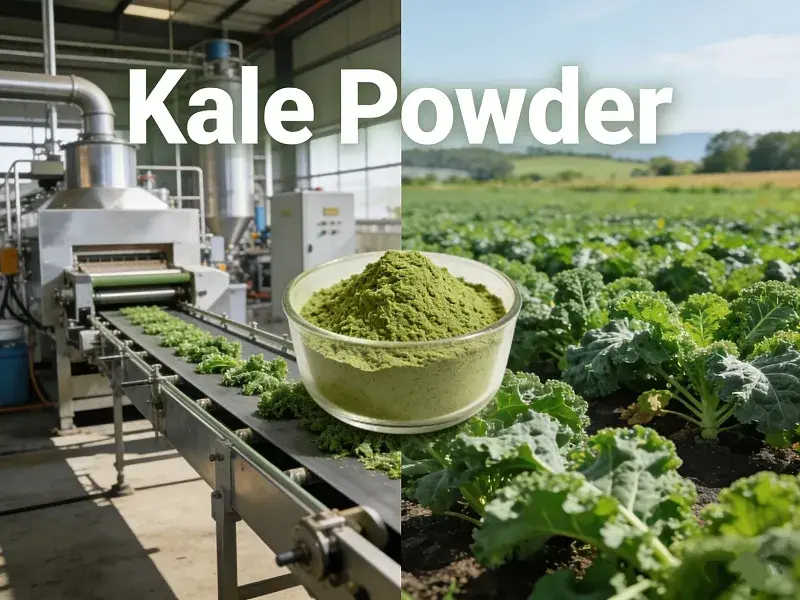
Dehydrated leafy greens are a rich source of nutrients that come from fresh Brassica oleracea var. beaked DC. leaves by drying and milling them in a controlled way. This change makes the product last a lot longer on the shelf than fresh produce while keeping the bioactive chemicals that are important for health. The air-dried method keeps heat-sensitive nutrients better than traditional drum drying, so it can be used for high-end supplement recipes and functional food uses.
Nutritional Profile and Functional Advantages
Laboratory studies reveal that excellent green vegetable powder still contains extremely high concentrations of vitamins A, C, and K, as well as glucosinolates, flavonoids, and nutritional fibre. Vitamin K levels assist the body's metabolism and heart health, while vitamin C is a potent antioxidant. Brassica vegetables contain specific compounds called glucosinolates, which aid the body in detoxification. This makes them helpful for preparing beverages focused on cleansing. Calcium, iron, and magnesium further enhance the functional profile by filling up micronutrient deficits that are common in contemporary diets.
Dehydration combines these elements such that a teaspoon of powder contains nearly the same nutrients as a cup of fresh vegetables. The higher concentration is useful to formulators who are producing portion-controlled products, such as single-serve packs or ready-to-drink bottles, since it allows them to add fresh ingredients without adding a lot of volume.
Comparing Processing Methods and Quality Standards
When reviewing suppliers, procurement teams need to be able to tell the difference between air-dried and freeze-dried processes. Air-dried goods are more cost-effective and still meet standards for 99% purity and a constant grass-green color, which is important for the look of clear beverage packages. Freeze-dried alternatives keep a little more of the enzyme activity, but they cost more, which might not fit with how a mass-market product is positioned. By understanding these trade-offs, you can make smart choices about your target market and how to set your prices.
Organic approval is still a big deal in high-end markets, especially in North America and Europe, where USDA and EU Organic marks affect shoppers' decisions about what to buy. But conventional Brassica oleracea leaf powder options that meet strict testing standards for pesticide residues offer cheaper options for price-conscious groups without sacrificing safety.
How to Use Kale Powder in Daily Smoothies and Drinks
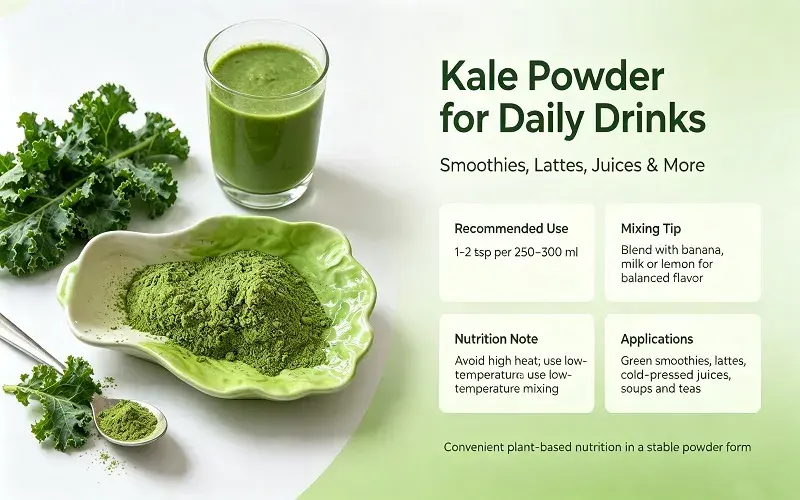
If you want to make dried greens work in drinks, you need to pay attention to the right amount, how it mixes, and how the flavors balance out. The tips below will help product makers make formulations that are appealing to consumers and deliver the most nutrients to them.
Recommended Dosage and Preparation Guidelines
For every 250-300ml of drink, the standard serving size is one to two teaspoons, which is about three to six grams. This dose gives you a lot of nutritional value without making flavors too strong or causing texture problems. The 80-mesh particle standard makes sure that the particles mix well in liquids, getting rid of the gritty texture that comes with larger vegetable powders and makes people not want to buy them.
For best nutrient preservation during formulation, don't process at high temperatures for long periods of time. Cold-blending methods keep the vitamin C's integrity and stop color changes caused by oxidation. When making ready-to-drink foods that can last on the shelf, you should test their stability more quickly to make sure the colors stay the same and the drinks don't turn brown, which is a common problem with cheap vegetable powder.
Recipe Templates for Commercial Formulation
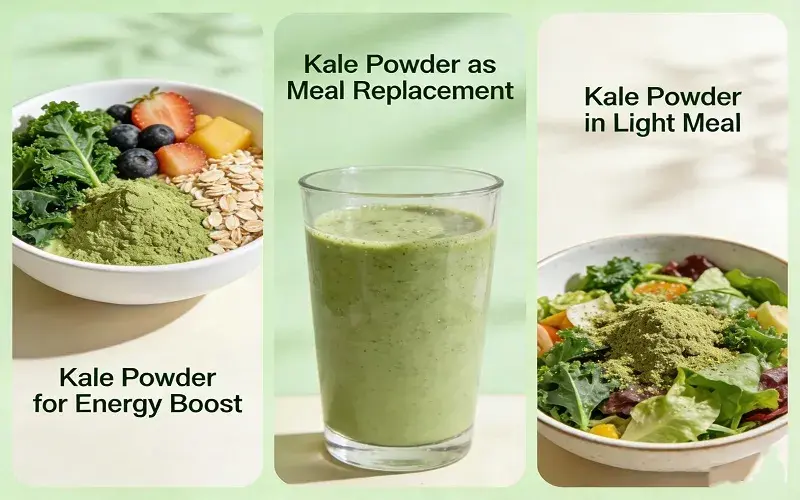
Dried greens are mixed with other ingredients to balance raw flavours and make green smoothies healthier. A simple recipe uses banana or mango for sweetness, plant-based milk for creaminess, and lemon juice for brightness and green colour stability. Add functional additives, adaptogens, protein powders, and other health claims-focused substances to this template.
Fitness enthusiasts choose protein-rich meal replacements made with green vegetable powder, pea protein, hemp protein, or whey isolates. Fibre helps reduce weight by filling you up. Avocado, coconut oil, and nut butters make meals taste better and help your body absorb vitamins that dissolve in fat.
Glucosinolate-rich dry greens are mixed with liver-healthy chlorella, ginger, and turmeric in detox beverages. The formulations are for cleanse and wellness clients who desire natural detoxification. Natural green complements the brand's cleanliness and plant-based dietary themes by showing health advantages.
Versatility Across Beverage Categories
Besides smoothies, green vegetable powder works nicely in other beverages. Cold-pressed juice producers use small quantities to boost nutrients without altering flavour. Compared to fresh greens, stable powder simplifies cold-chain logistics, reduces waste, and boosts profits.
Wellness cafés and retailers provide energising "green lattes" made with dried greens in functional coffee and tea blends. Mixtures including matcha, algae, or adaptogens sell better in specialised beverage categories. By visually promoting healthy ingredients on social media, the grass-green colour encourages participation.
Warm liquids, including broths, soups, and herbal teas, may employ green vegetable powder. Because air-drying doesn't modify the nutritional content, unlike fresh vegetables, which lose nutritional value fast.
Selecting the Best Kale Powder for Your Business Needs
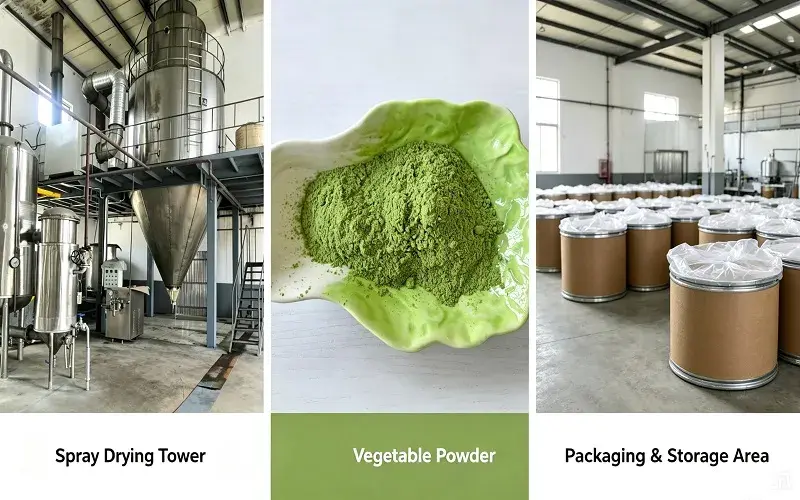
In the competitive market for green superfood ingredients, quality standards separate high-end suppliers from low-cost ones. Professionals in procurement have to look at a lot of factors to make sure that products are always the same, that regulations are followed, and that supplies will be reliable in the long run.
Critical Quality Indicators and Certifications
Purity standards are the most important way to measure quality, and 99% purity standards mean that there are almost no fillers, carriers, or adulterants. This high purity level makes sure that the nutritional content is consistent across batches, which is important for accurate supplement facts panels and meeting buyer standards for openness. Make sure that sellers give you full Certificates of Analysis that show the product's cleanliness, moisture content, and microbial testing results.
Color uniformity shows that the work was done well and that the items were stored properly. Controlled drying temperatures and protective wrapping help premium Brassica oleracea leaf powder providers make sure that all of their production lots have the same grass-green color. Color differences from batch to batch are a sign of bad quality control systems, which could lead to formulation errors that hurt the brand's reputation.
Supplier Evaluation and Partnership Opportunities
Leading producers show they follow the rules by being registered with the FDA, having HACCP approval, and using ISO quality management systems. These credentials make it easier to fill out paperwork for imports and lower the risk of not following the rules when entering regulated markets. Suppliers who offer full testing records, such as pesticide residue screening, heavy metal analysis, and microbiological certification, make it possible for faster product development and regulatory submissions.
In addition to providing basic ingredients, private label and OEM partnership options add strategic value. Formulation creation help, custom blending services, and branded package design from manufacturers help get goods to market faster with less money. Flexible minimum order quantities allow for both small-scale production runs and large-scale production, supporting the growth of a business without requiring early inventory commitments.
Packaging and Logistics Considerations
In addition to item prices, the total cost of ownership is affected by the type of bulk packing used. Foil-lined containers are better at keeping out moisture and oxygen than regular plastic ones, so they last longer and keep their nutritional value. The 10kg and 20kg pack sizes make it easier to handle products in commercial production settings while still protecting them.
When buying things from other countries, the lower shipping costs that come with dried forms become even more important. Getting rid of the water weight cuts shipping costs by about 90% compared to fresh produce, which makes landing costs much better for buyers from other countries. Just-in-time inventory tactics that use as little working capital and storage costs as possible are supported by fast shipping windows of four to eight days.
Integrating Kale Powder into Your Product Line or Supply Chain
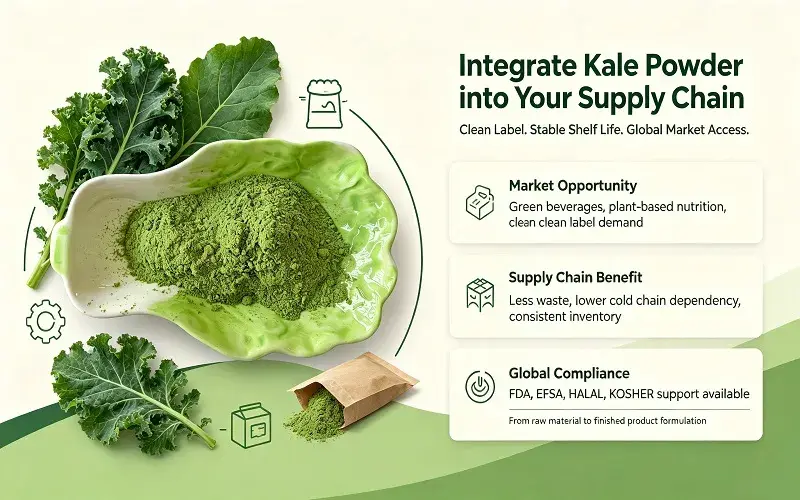
To strategically add green superfood ingredients, you need to know how the market works, what consumers want, and the best ways to run a business, which have been proven by successful manufacturers and distributors in the real world.
Market Opportunities and Consumer Demand Analysis
Functional beverage sales in North America are promising. Green beverages should increase faster than soft drinks. Consumer studies demonstrate that green beverages convey health advantages, making them attractive on the shelf and encouraging consumers to try them. This nutrition-themed graphic allows marketers to charge more than for clear or brown functional beverages.
Clean-label vegetable powders with one ingredient and no additional colours, flavours, or preservatives are ideal. Honest goods with basic ingredient listings and plant names are preferred. This positioning advantage is particularly important when competing with synthetic vitamin mixtures that buyers distrust.
Dehydrated vegetables minimise food waste, transportation emissions, and cold chain energy usage. Brands that promote sustainable ingredients appeal to eco-conscious consumers prepared to pay extra.
B2B Integration Case Studies and Best Practices
Regional smoothie chains have successfully added green vegetable powder by letting customers customize their orders at the point of sale. This has helped them make more money and improve their nutritional standing. This method requires little operating complexity because pre-measured amounts make training staff easier and make sure that the quality of the product is always the same. Because the shelf life is steady, there is no inventory loss like there is with fresh food, which greatly improves unit economy.
Supplement companies that are making capsules and tablets use custom particle sizing and flowability optimization to get high encapsulation rates and keep production from stopping. Working with suppliers who offer technical support during product development speeds up the time it takes to get a product to market and cuts down on the cost of redoing the formula. Non-disclosure agreements keep secret formulas safe during this process of working together to make something.
Regulatory Compliance and Market Entry Requirements
Dietary supplements must satisfy FDA DSHEA guidelines to enter the US market. The label must reflect correct supplement information and current Good Manufacturing Practices. Fully regulated suppliers with allergy declarations and "Generally Recognised as Safe" certification make compliance easy and reduce legal risks.
EFSA regulations require Novel Foods reviews for certain cooking techniques and health claim evidence for EU markets. Suppliers with extensive EU expertise can assist you in navigating these complex approval procedures and prevent expensive delays and rejected orders.
HALAL and KOSHER certifications reach larger markets, notably Middle Eastern distribution channels and boutique shop groupings. These premium market opportunities will stay available by assessing providers annually to ensure they maintain these credentials.
Conclusion
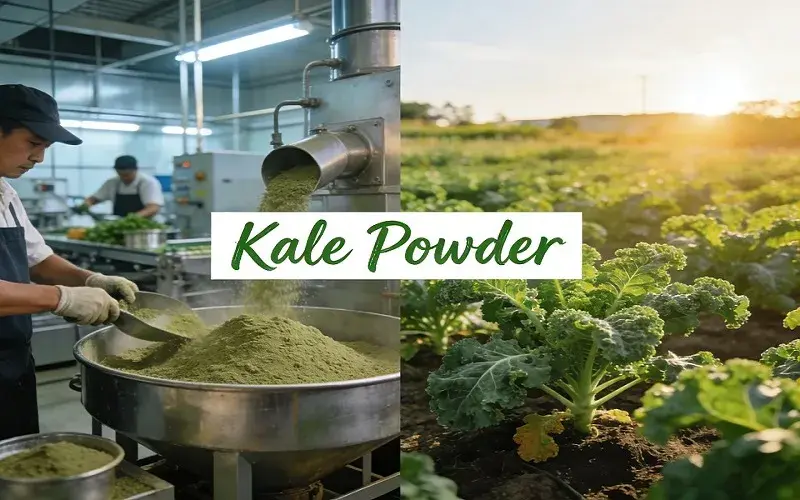
By improving nutritional positioning, operational efficiency, and consumer appeal, adding high-quality green vegetable Kale Powder to smoothies and other drinks can be very beneficial for business. The concentrated nutrient profile, longer shelf stability, and lower transportation costs create many value drivers in product development, supply chain management, and strategies for setting a brand apart. When B2B buyers choose suppliers that show consistent quality through strict testing methods, regulatory compliance, and technical partnership skills, they set themselves up for long-term growth in the functional beverage market, which is already growing. This guide gives practical formulation advice and quality standards so that procurement professionals can make smart buying choices that balance nutritional effectiveness, cost-effectiveness, and customer happiness across a wide range of product uses.
FAQ
1. Is kale powder nutritionally equivalent to fresh kale?
When made using the right low-temperature methods, dried veggie powders keep most of the vitamins, minerals, and phytochemicals that are in fresh vegetables. Minerals like calcium and iron, vitamin K, and glucosinolates are very stable when dried in the air. Some nutrients, like vitamin C, are slightly damaged by heat, but they usually keep 80–90% of their fresh levels. Because of the concentration effect, a smaller amount of food provides the same amount of nutrition, which means that many people who have trouble getting enough fresh food every day can actually get more nutrients.
2. What storage conditions maintain product freshness for bulk purchases?
If you keep unopened foil-lined packages in a cool, dry place below 25°C for 24 months, they will stay stable against moisture, oxygen, and light. Once the container is open, move the contents to sealed containers and keep air contact to a minimum to avoid hygroscopic clumping. Controlling humidity is very important in tropical areas or during the summer. Using the right storage methods will keep the grass-green color and stop oxidation, which hurts both the look and the nutritional value.
3. How do I verify organic quality standards in bulk purchases?
Ask your sellers for pictures of their organic certification papers, such as USDA or EU organic certificates, that show they are still valid. Check to see if the certifying body is on the official list of recognized bodies. Check the Certificates of Analysis for each production lot to make sure that testing for pesticide residue yields results that can't be detected across all screening screens. Reliable suppliers provide full traceability documentation that connects finished goods to certified farm sources. This makes it possible to check the organic integrity all the way through the supply chain.
Partner with Hisy for Premium Kale Powder Supply
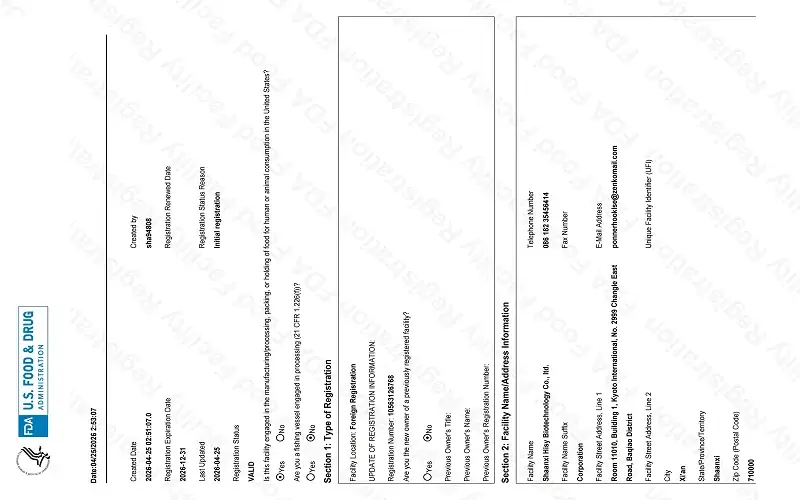
Shaanxi Hisy Biotechnology is a great choice for business buyers who need a trusted Kale Powder provider because we care about quality, following the rules, and building relationships with our customers. Our 99% pure green vegetable powder has a consistent grass-green color and the right 80-mesh particle size. It is made in FDA-registered, HACCP-certified facilities and comes with all the necessary regulatory paperwork for easy entry into any market around the world. With 18 years of experience making things and a capacity of 200 MT per year, we can help your business grow from small-scale samples to large-scale production. We offer flexible order amounts and fast delivery in four to eight days. You can get a free sample of our high-quality products right now, or you can email our technical team at sales@hisybio.com to talk about custom formulation development, private label opportunities, and volume pricing that fits the needs of your business.
References
1. Manchali, S., Murthy, K. N. C., & Patil, B. S. (2012). Crucial facts about the health benefits of popular cruciferous vegetables. Journal of Functional Foods, 4(1), 94-106.
2. Šamec, D., Urlić, B., & Salopek-Sondi, B. (2019). Kale (Brassica oleracea var. acephala) as a superfood: A review of the scientific evidence behind the statement. Critical Reviews in Food Science and Nutrition, 59(15), 2411-2422.
3. Olsen, H., Aaby, K., & Borge, G. I. A. (2010). Characterization and quantification of flavonoids and hydroxycinnamic acids in curly kale (Brassica oleracea L. convar. acephala var. sabellica) by HPLC-DAD-ESI-MSn. Journal of Agricultural and Food Chemistry, 58(7), 4039-4049.
4. Fellows, P. J. (2017). Food Processing Technology: Principles and Practice (4th ed.). Woodhead Publishing.
5. Granato, D., Barba, F. J., Kovačević, D. B., Lorenzo, J. M., Cruz, A. G., & Putnik, P. (2020). Functional foods: Product development, technological trends, efficacy testing, and safety. Annual Review of Food Science and Technology, 11, 93-118.
6. Martínez-Villaluenga, C., Peñas, E., & Frías, J. (2017). Bioactive compounds in fermented foods: Impact of fermentation processes on bioactive compounds of legumes and cereals. In Fermented Foods in Health and Disease Prevention (pp. 193-223). Academic Press.