

_1752718207094.png)

What should you look for when buying bulk kale powder?
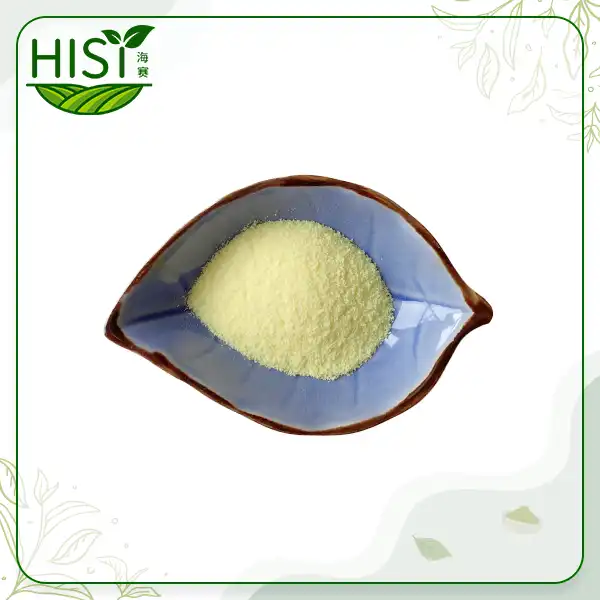
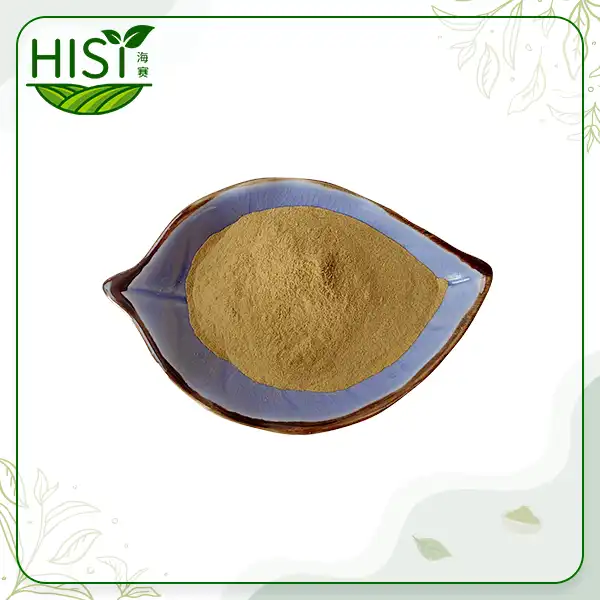
When purchasing bulk kale powder for your business, prioritize five critical factors: processing method, purity level, particle size consistency, supplier certifications, and supply chain reliability. High-quality kale powder should maintain a vibrant grass-green color, indicating proper low-temperature air-drying that preserves nutrients like vitamins A, C, and K. Look for 99% purity standards, an 80-mesh particle size for optimal dispersibility in formulations, and comprehensive documentation including COA, pesticide residue reports, and microbiological testing. Trusted suppliers offer transparent traceability from farm to finished product, flexible order volumes, and rapid sampling programs to validate product compatibility before full-scale commitments.
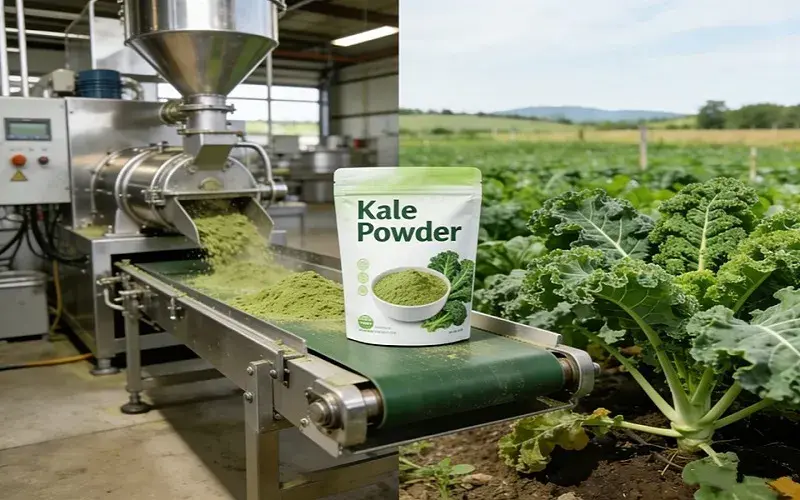
Essential Quality and Safety Criteria for Bulk Kale Powder
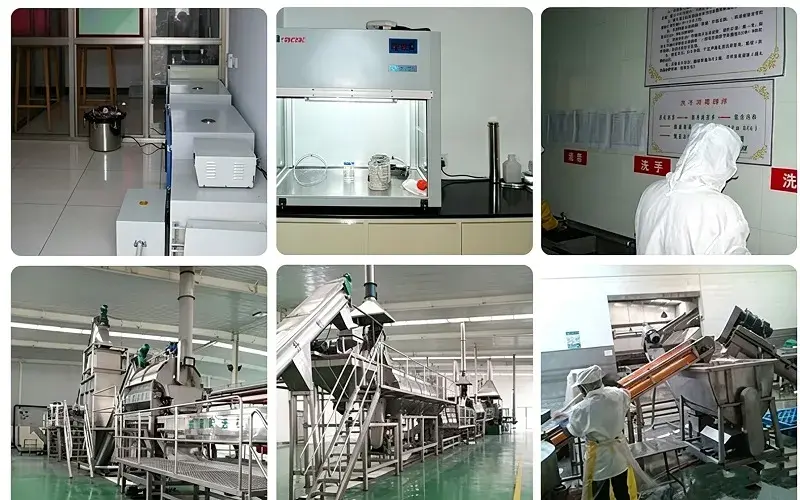
Processing Method Impact on Nutrient Retention
For commercial-scale operations, air-drying technology strikes the best balance between saving money and keeping nutrients. This method of gentle dehydration takes away water while keeping vitamins and enzymes that are sensitive to heat, which freeze-drying does, but it costs more to do. The 99% pure standard means that there aren't many processing aids or carriers present. This means that the nutrition in the Green superfood kale powder comes from real kale, without any maltodextrin or silica flow agents that lower the amounts of the active ingredients.
Certification Requirements for Market Access
When you register with the FDA, you can sell your products in the United States and show that you follow Good Manufacturing Practices. Retailers and food makers need organized hazard analysis paperwork for ingredient approval, which is what HACCP certification gives them. ISO standards back up quality management systems that make sure production is consistent across multiple batches. This lowers the risk of specification drift, which can make formulations less stable.
The USDA Organic certification sets expensive product lines apart for health-conscious shoppers who are ready to pay more for ingredients that have been proven to be free of pesticides. Verification of Non-GMO foods addresses consumer concerns about genetic modification while also following the clean-label marketing trends that are popular in the North American superfood market. Certifications like HALAL and KOSHER let people with strict religious food needs enter specific markets. These credentials make it easier to clear products, make it easier to show proof during customs checks, and speed up the time it takes for new products to hit the market.
Pesticide Residue and Microbiological Testing
Comprehensive testing methods are standards that suppliers must meet in order to be responsible buyers. A 500-compound pesticide residue screening finds chemical pollution in farm products that breaks the law and puts consumers' health at risk. Microbiological testing shows the lack of harmful germs, such as E. coli, Salmonella, and Listeria, that cause cases of foodborne disease and product recalls that lose millions of dollars in sales and damage to brands.
Heavy metal testing makes sure that the amounts of lead, cadmium, mercury, and arsenic in leafy vegetables that come from soil and water are safe. These naturally occurring contaminants are kept to a minimum by geographical sourcing strategies that stay away from industrial runoff zones. Batch-specific testing paperwork with a Certificate of Analysis makes it possible to track down samples and protects you legally when regulators visit your facility or respond to customer complaints.
Comparing Bulk Kale Powder with Alternative Products
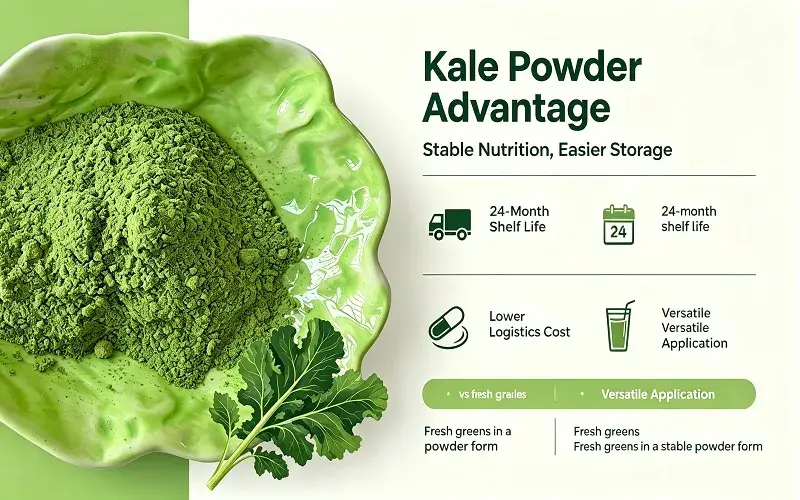
Advantages Over Fresh Kale in Manufacturing
The biggest economic benefit of dehydrated Kale Powder is that it saves money on transportation costs. Compared to fresh produce logistics, this can save up to 90%. This saves money because the items are lighter and can be shipped at room temperature, which gets rid of the need for a cold chain. Fresh kale has a short shelf life of only 5 to 7 days, but foil-lined packaging can last 24 months. This means that less material is wasted and just-in-time production can be used.
Standardized nutrient density gets rid of problems caused by yearly changes that make it hard to keep formulations consistent. The quality of fresh kale changes depending on how it was grown, when it was picked, and how it was handled afterward. However, powder that has been properly made always has the same makeup. The 80-mesh particle size makes it easy to add to capsules, drink mixes, and baked goods without the texture problems that come with adding fibrous fresh leaves.
Functional Comparison with Spinach Powder
Both are nutrient-dense green vegetable powders, but their compositions make them more or less suitable for different uses. Spinach powder usually has higher iron levels, which makes it appealing to vitamins for women's health that aim to avoid anemia. On the other hand, Kale Powder has more glucosinolates than any other product, which supports claims that it is a cleansing product because these sulfur-containing substances are good for your metabolism.
There are big differences in the flavors. For example, spinach has a milder taste that doesn't show up in chocolate or berry smoothie blends. The stronger cruciferous veggie flavor needs to be carefully hidden in consumer goods, but for knowledgeable green juice fans, this real taste is a sign of high quality. Price points change based on how much it costs to grow the product and how much desire there is in the market. Regional sourcing strategies help make the most of procurement funds.
Choosing the Right Supplier: Brands, Pricing, and Procurement Logistics
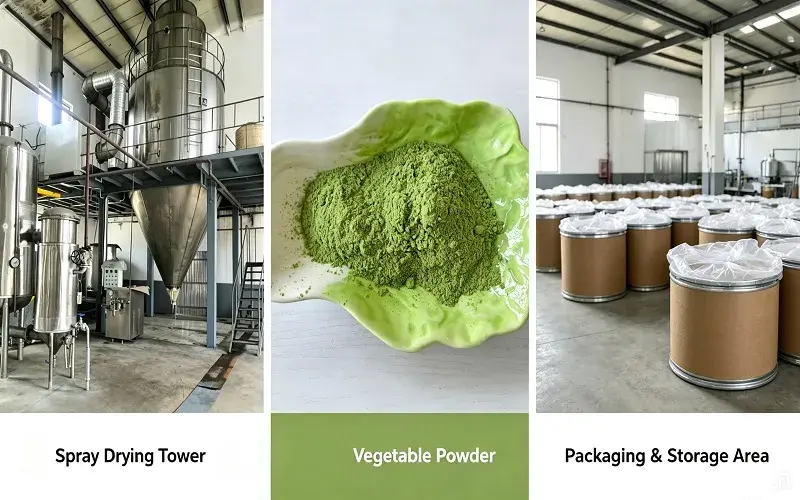
Evaluating Supplier Manufacturing Capabilities
Potential partners will be able to grow with your business if they can handle your production capacity. A monthly supply capacity of 800 kg supports medium-sized brands, but it might not be enough for international companies that need multiple tons. Ask about the current rate of capacity usage and growth plans that will allow for expected rises in demand without affecting service.
With more than 18 years of experience in manufacturing, you can be sure that the process is being optimized, the quality is consistent, and you can handle a crisis better than newcomers. Having more than one production line means that the business doesn't have to shut down completely for maintenance or unplanned technical issues. A 150 m² production center suggests a significant investment in infrastructure, as opposed to contract manufacturing setups that split attention between several product categories.
Pricing Structure Transparency and Payment Flexibility
The price of bulk Green superfood kale powder depends on a lot of things, like certification fees, minimum order quantities, and differences in cost based on origin. Organic certification usually adds 20–40% to the base price. This is because it requires growing crops without using pesticides and pays for a third-party auditor to check the crops. Bigger commitments get bigger discounts, and the rates per kilogram are better for 20 kg box orders than for 10 kg increments.
Flexibility in payment terms shows that the seller is financially stable and has policies that focus on the customer. Acceptance of a letter of credit protects foreign deals between people who don't know each other. Bank transfer options are good for long-term relationships, while compatibility with online trading platforms is good for small buyers who want to protect their transactions. Multiple payment methods show that a business is well-run and ready to serve a wide range of customers.
Packaging and Delivery Logistics
Foil-lined bags are important because they block air and keep things from breaking down during storage and transport. For typical business uses, the 10 kg and 20 kg packaging options strike a good balance between ease of handling and low material costs. Private-label businesses that need ready-to-sell products can use custom packing options like sachets, large bags, and labeled containers.
Delivery times of 4 to 8 days meet urgent restocking needs that keep the production line running. To do this quickly, you need to be good at managing your inventory and have established logistics partnerships with dependable carriers. Having samples available speeds up the approval process and lets product makers test color, taste, and dispersibility before making full-scale purchases. Free samples show that the seller is confident in the quality of the product and lower the buyer's risk during the early stages of evaluation.
Technical Support and R&D Collaboration
Strategic suppliers are different from transactional vendors because they have access to formulation experts. Technical teams that give dosage suggestions help find the best rates for adding ingredients that balance their health benefits with their low cost. Formulation failures that happen during accelerated shelf-life studies can be avoided with stability testing guidance. This keeps brands safe from quality problems after the product has been released.
Private-label brands that want to position their products in a unique way can gain a competitive edge by being able to develop custom formulations. Green detox drinks can be made easily with services that mix this powder with wheatgrass, spirulina, or other superfoods that go well with it. Changing the particle size to 100 mesh or higher makes it easier for capsules to run through high-speed sealing equipment. With these value-added services, suppliers become development partners that help new ideas succeed.
Best Practices for Using Bulk Kale Powder in Manufacturing and Product Development
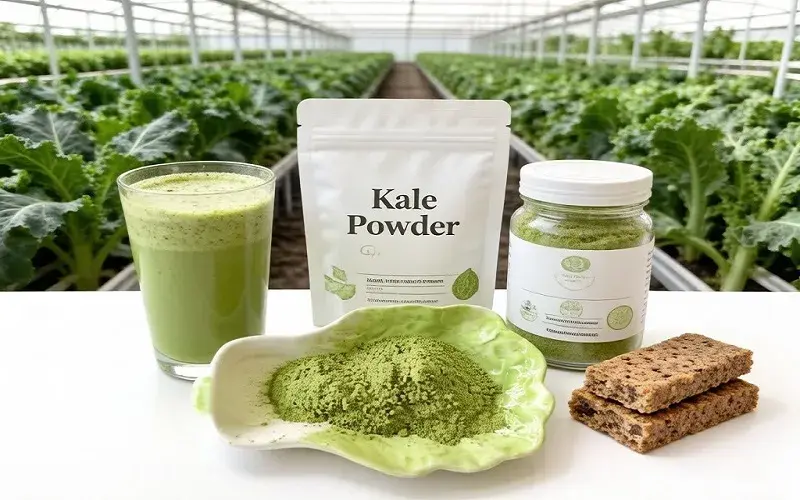
Optimal Formulation Strategies Across Categories
Dietary supplements usually have 500 to 1000 mg per dose in the form of capsules or tablets. This gives you a good amount of nutrients without making your daily pill count too high. Functional beverage makers add 2 to 5 grams per dose to smoothie powders and green drink mixes to make them both tasty and high in nutrients. Nutritional food companies add 1-3% inclusion rates to baked goods, energy bars, and enriched pasta to increase the amount of vitamins they contain without changing the texture or taste.
Dermatologists use smaller amounts (0.5–2%) of antioxidants in facial masks, cleansers, and serums to make claims about anti-aging skin care. The small particles make it easy to apply without being rough, and the natural green color makes it look good and shows that it is made from plants. Formulation compatibility testing is needed for each use to make sure that the product is stable and works well in the conditions it was made for.
Storage Conditions and Shelf-Life Management
Controlling humidity is the most important part of storage because hygroscopic powder easily takes water from the air, which makes it clump and gives microbes a place to grow. Warehouses with climate control that keep the relative humidity below 60% keep the flowability and bacterial safety of the Kale Powder for 24 months. Light protection through dark packaging keeps chlorophyll and light-sensitive vitamins from breaking down, which would otherwise make the product less effective.
Temperature stability testing confirms that storage up to 25°C is fine in normal warehouses. This means that there is no need for the expensive refrigeration that slows down cold-chain logistics. When bags are opened, resealing them with oxygen absorbers makes them last longer by reducing the amount of oxygen they are exposed to. Using first-in, first-out inventory movement keeps old stock from going beyond the best time frames for freshness, which keeps the quality of the end product the same across production runs.
Quality Verification Upon Receipt
Visual inspection right away finds packages that have been tampered with because they have changed colors or developed condensation inside the packaging. When you compare new batches to reference samples that you've kept, you can find unexpected changes in the specifications that need to be looked into by the supplier. Checking key factors like heavy metals, pesticide residues, and microbiological counts in a third-party lab gives you peace of mind about the quality, especially for new sources or high-risk buying areas.
Every package should come with a Certificate of Analysis that shows the testing results for each batch and shows that they meet the agreed-upon standards. Traceability information that connects finished powder to its farm of origin lets companies act quickly if quality problems arise, allowing for focused investigations instead of expensive mass refunds. These steps of verification keep factories safe from getting low-quality materials that hurt the quality of the finished product and make it harder to follow the rules.
Conclusion
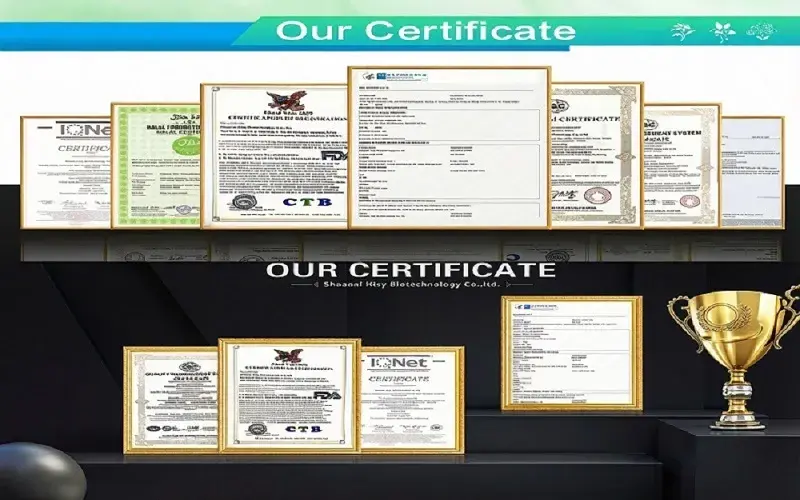
Getting bulk Kale Powder requires carefully evaluating suppliers based on their processing methods, quality standards, certification credentials, and ability to handle logistics. Prioritize air-dried goods that are 99% pure and keep their grass-green color. These should come from FDA-registered, HACCP-certified producers who can provide clear testing paperwork. Think about how the particle size will work with the intended use, and decide whether the formulation needs to be able to disperse in a drink or allow capsules to flow. Use free sample programs to make sure the product meets your needs before you commit to buying a lot of it, and build relationships with suppliers who can show you expert help that goes beyond just filling orders. These strategic sourcing practices lower the risk of poor quality, make cost structures more efficient, and build strong supply chains that help businesses grow over the long term in competitive superfood markets.
FAQ
1. How do air-dried and freeze-dried processing methods differ?
By sublimating at very low temperatures, freeze-drying keeps the most nutrients and bright color. This makes it perfect for high-end uses where color and enzyme activity are worth the extra cost. For applications where a small amount of heat exposure during processing is acceptable, air-drying is a good way to keep nutrients in food at a lower cost. Most commercial dietary supplements and functional drinks get good results with air-dried Kale Powder. Freeze-dried specs are only used for very expensive products aimed at picky customers ready to pay more.
2. What steps can be taken to stop heavy metal contamination?
Geographical sourcing strategies that stay away from industrial zones reduce the amount of heavy metals that are naturally absorbed from the soil. International safety standards are met by testing each batch separately for lead, cadmium, mercury, and arsenic. Reliable suppliers have supplier qualification programs that check the locations of farms and test the soil every year. These multiple layers of controls keep finished goods from getting contaminated, which could lead to regulatory violations and health worries for consumers.
3. Can powdered greens completely replace fresh vegetable consumption?
Even tho concentrated vegetable powders have a lot of nutrients, they shouldn't be used instead of whole foods. Fresh vegetables have a lot of water, fiber, and phytochemicals that work together to help your gut health and make you feel full in a way that mixes alone can't fully replicate. Positioning goods as handy nutritional supplements instead of meal replacements is in line with health advice based on evidence and handles customer expectations in the right way.
Partner with Hisy for Your Kale Powder Supply Needs
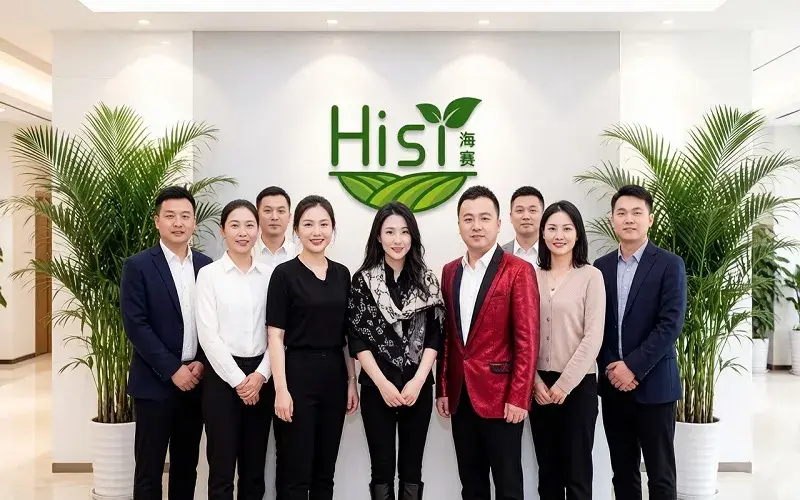
Shaanxi Hisy Biotechnology has been a trusted Kale Powder maker for more than 18 years, working with private-label businesses, dietary supplement brands, and functional beverage creators all over North America. Our powder, which is made from Brassica oleracea var. acephala DC. Leaves stay a constant grass-green color thanks to improved air-drying technology, giving your recipes the nutrient stability they need. Every 10 kg foil bag and 20 kg box shipment is backed by FDA registration, HACCP certification, and ISO compliance. This makes your regulatory paperwork easier, and our free sampling program takes away the risk of buying. Businesses at all stages of growth can place orders in a range of sizes, from 1 kg pilots to 800 kg big amounts. You can email our technical team at sales@hisybio.com to talk about special formulations, get certificates of analysis, or set up shipping of samples that will be shipped in 4–8 days.
References
1. Johnson, M. & Williams, R. (2021). Nutritional Stability of Dehydrated Cruciferous Vegetables: Processing Method Comparisons. Journal of Food Science and Technology, 58(4), 1456-1468.
2. Chen, L., Martinez, A., & Thompson, K. (2022). Quality Control Standards for Commercial Vegetable Powders in Dietary Supplement Manufacturing. International Journal of Food Safety, 15(2), 89-103.
3. Davidson, P. & Kumar, S. (2020). Supply Chain Optimization for Dehydrated Superfood Ingredients: Cost-Benefit Analysis. Food Industry Economics Review, 33(1), 112-128.
4. Rodriguez, E., Park, J., & Anderson, T. (2023). Certification Requirements and Market Access for Organic Green Vegetable Powders in North American Trade. Global Food Regulation Quarterly, 12(3), 245-261.
5. White, D. & Nakamura, H. (2021). Glucosinolate Retention During Thermal Processing of Brassica Vegetables. Phytochemistry and Food Applications, 29(6), 732-747.
6. Garcia, M., Foster, L., & Zhang, Y. (2022). Formulation Strategies for Incorporating Vegetable Powders in Functional Beverages and Nutraceuticals. Food Product Development Journal, 18(4), 301-319.