

_1752718207094.png)

How to test the content of Tanshinone IIA in Danshen extract?
Testing the content of Tanshinone IIA in Danshen extract requires High-Performance Liquid Chromatography (HPLC), which remains the gold standard for quantifying this bioactive diterpene quinone. When procuring botanical extracts like Tanshinone IIA 20% Powder, understanding the testing methodology becomes critical for verifying batch consistency and regulatory compliance. HPLC testing provides precise quantification through separation, detection, and analysis of Tanshinone IIA molecules, ensuring that products meet specified concentration thresholds and quality benchmarks essential for cardiovascular supplements and pharmaceutical formulations.
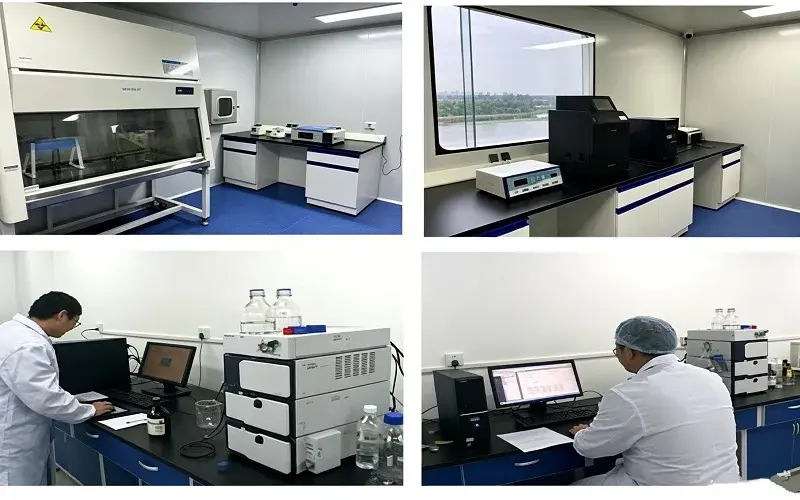
Methods for Testing Tanshinone IIA Content in Danshen Extract
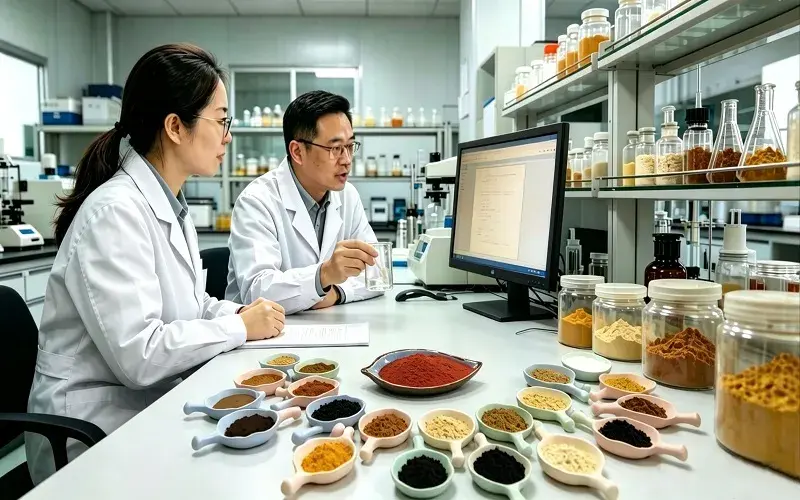
There are many different ways to measure Tanshinone IIA, but they are not all the same in terms of how accurate they are, how easily they can be repeated, and how well they are accepted by regulators. Knowing these differences helps buying teams set up the right standards for quality control and how to judge suppliers.
Traditional Screening Methods
Thin-layer chromatography (TLC) is a quick way to do preliminary screening because it separates compounds based on how they move differently through silica gel plates. TLC can quickly prove the presence of Tanshinone IIA raw material powder and find large amounts of contamination, but it is not precise enough to accurately measure the amount. Ultraviolet Spectrophotometry (UV) measures how much light is absorbed at certain wavelengths, but it can't tell the difference between Tanshinone IIA and other compounds that have similar structures and are found in complex botanical matrices. For uses where quality is very important, chromatographic techniques have mostly replaced these older ways.
High-Performance Liquid Chromatography (HPLC) Testing
HPLC is now the standard way to measure Tanshinone IIA because it is very accurate, can be used over and over, and is accepted by regulators. Using this method, different chemicals are separated by pumping a mobile phase solvent at high pressure through a fixed-phase column. As each compound elutes, a detector measures it and makes chromatographic peaks that are proportional to the concentration. Modern HPLC systems with photodiode array detectors can identify the name of a chemical by matching its spectra and measure its content against approved standards at the same time.
The standard HPLC method for checking Tanshinone IIA starts with carefully preparing the sample. Analysts weigh about 0.1 grams of extract powder and use ultrasonic extraction to mix it in methanol for 30 minutes. The solution is injected into a C18 reverse-phase column after being filtered through a 0.45-micron membrane. The mobile phase is usually made up of acetonitrile and water, with the right conditions for the gradient. Tanshinone IIA absorbs most light at a wavelength of 270 nanometers, which is where detection takes place. Analysts figure out the exact amount of Tanshinone IIA in a sample by comparing its peak areas to a calibration curve made from reference standards.
Ultra-Performance Liquid Chromatography (UPLC)
UPLC is better than regular HPLC because it uses smaller particle columns and higher pressures to get better resolution and faster analysis times. This method works especially well for labs that need to process large amounts of samples or need higher accuracy for finding traces of substances. UPLC systems can do Tanshinone IIA analysis in less than 10 minutes, while traditional HPLC takes 30 to 40 minutes. This cuts down on operational costs while keeping accuracy at the same level or higher. It makes financial sense for big producers and testing labs that support large-scale production processes to buy UPLC instruments.
Factors Influencing Test Accuracy and Best Practices
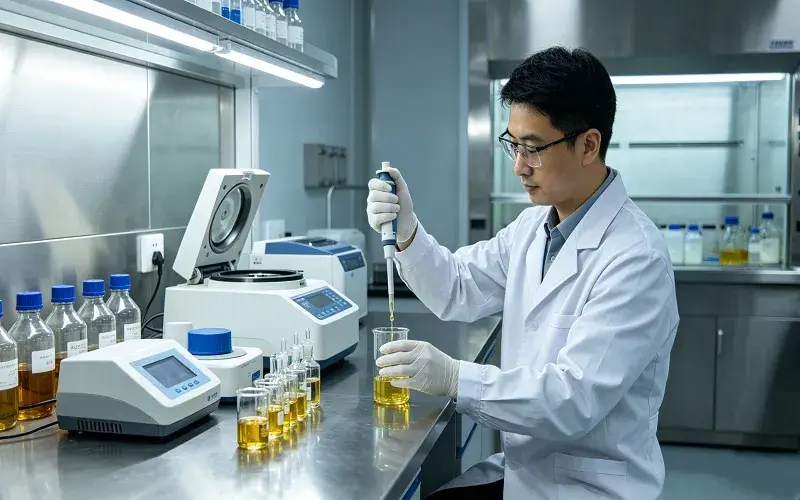
To accurately measure Tanshinone IIA, you need to pay close attention to things that can cause measurement errors or differences between measurements. When procurement workers know about these factors, they can better evaluate the quality systems of suppliers and make sense of test results by putting them in the right context.
Sample Collection and Preparation
A good test starts with a sample that is representative of the whole. There may be differences in the concentration of botanical extracts in large containers because of particle size separation or moisture movement during shipping and storage. To properly sample, you need to take several pieces from different levels and locations in the container and then mix and homogenize them to make a single sample that really represents the whole batch. Controlling things like solvent type, temperature, and duration during sample preparation stops compounds from breaking down or not being fully recovered, which would lead to results that are too low.
Instrumental Calibration and Reference Standards
For HPLC quantification, it is necessary to compare unknown samples to certified standards that have purity values that can be tracked. Laboratories need to get pharmaceutical-grade Tanshinone IIA reference materials from trustworthy sources and make new calibration curves on a regular basis, usually once a day or once a week, based on how stable the instruments are. Multi-point calibration models that cover the expected concentration range make sure that all sample kinds can be accurately measured. Over time, measurement accuracy is kept up by regular instrument maintenance like conditioning the column, replacing the detector lamps, and testing the system's suitability.
Common Testing Pitfalls and Prevention
Several things can make tests less accurate and cause buyers and suppliers to argue about quality. When samples are tainted by bad handling or not properly cleaning glasses, foreign peaks show up and make it impossible to measure Tanshinone IIA. When samples are put under direct light during preparation or analysis, the quinone ring structure breaks down. This causes the real amount to be underestimated. When samples are shipped, changes in temperature can cause oxidation reactions that lower the amount of Tanshinone IIA that can be measured. Another common mistake is misreading the chromatogram. When co-eluting chemicals have overlapping bands, they need to be carefully integrated, and the method may need to be optimized to achieve baseline separation.
Data security is protected by putting in place standard working procedures that deal with these weaknesses. This includes working with samples in amber glassware with dim lighting, keeping the samples cold during transport, analyzing samples as soon as they are ready, and using quality control samples with known Tanshinone IIA levels to make sure each analytical batch is correct. These steps help people trust test results and make decisions that can be defended all along the supply chain.
Comparison of Tanshinone IIA 20% Powder with Other Concentrations
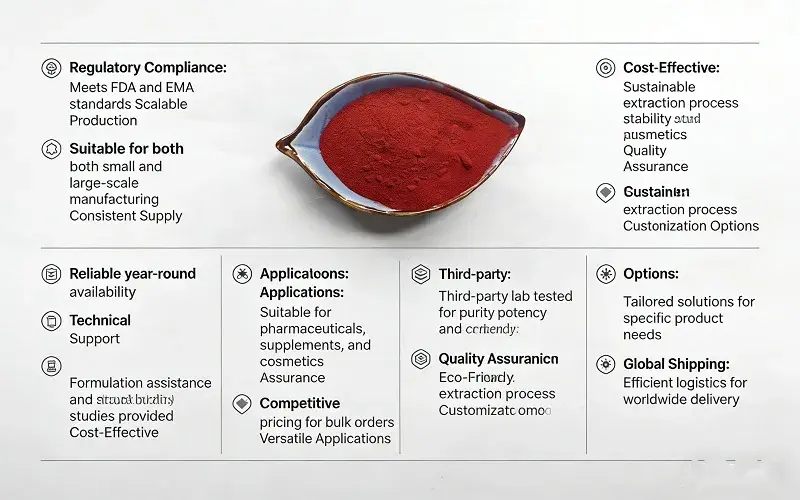
To choose the best Tanshinone IIA concentration, you have to balance therapeutic needs, formulation limitations, and cost concerns. There are different concentration grades that work best for different types of applications and market groups.
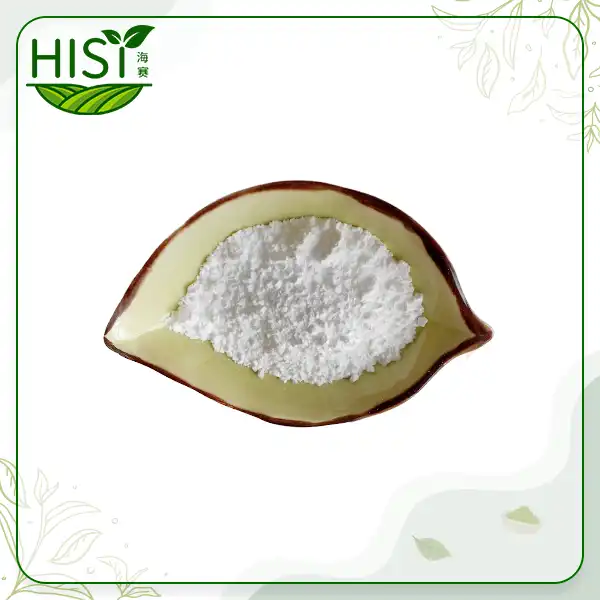
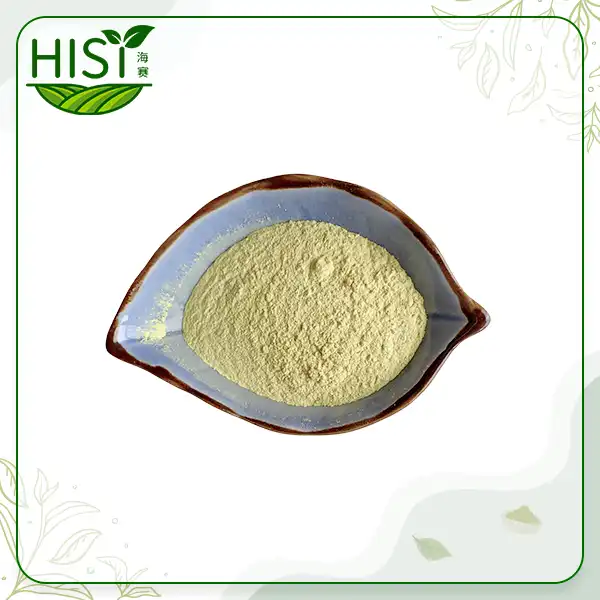
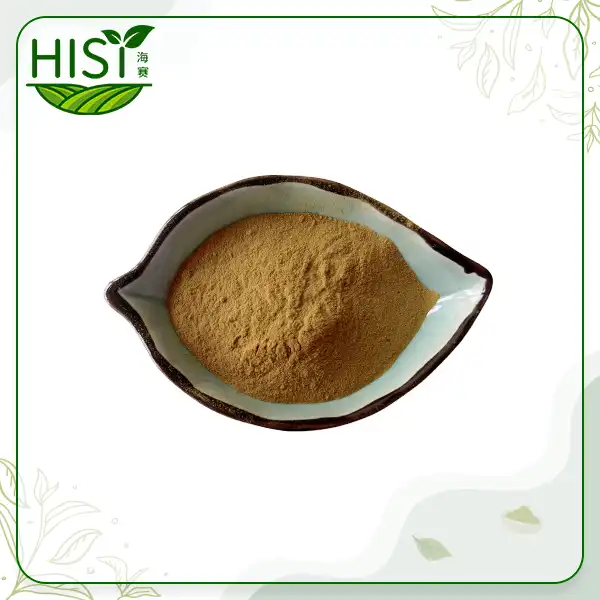
The Tanshinone IIA raw material powder 20% Powder specification is very important in the botanical extract market because it meets the needs of most companies that make heart-healthy supplements. This concentration gives clinically relevant doses in normal capsule forms without the need for a lot of extra ingredients or special delivery methods. 20% extracts that have been properly handled can survive normal temperatures for encapsulation and tableting, which makes the production process easier. When it comes to price, 20% extracts are the best choice because they are more affordable than ultra-high purity grades but have a lot more potency than crude powders or low-concentration extracts.
Higher concentration grades, like 50% and 90% powders, are used in formulas that need the most potency in the least amount of space. These specifications make it possible to use high-dose protocols in small delivery forms that can be used in pharmaceuticals or high-end supplement lines. The 98% pharmaceutical reference standard is the purest product on the market. It is mostly used in research labs and drug development projects where exact chemical identification and counting are very important. For each of these concentration levels, the cleaning processes get more difficult, which makes production more difficult and costs more per unit.
Lower concentrations, around 5–10%, are used in cosmeceutical formulations because they have softer action levels that keep skin from getting irritated. These watered-down versions also make it easier for them to spread evenly in creams and serums. Knowing how concentration impacts not only therapeutic results but also formulation stability, manufacturing compatibility, and the overall cost-effectiveness of a product helps procurement teams set standards that balance technical needs with business goals.
How to Source and Procure Quality Tanshinone IIA 20% Powder
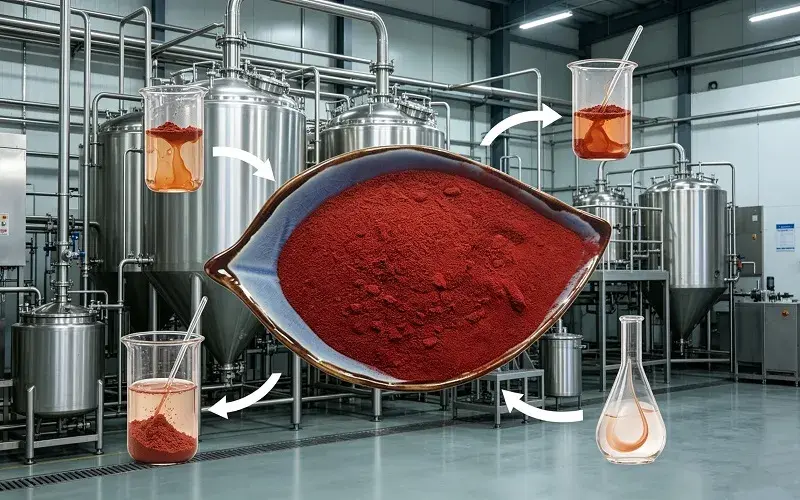
To build trusting partnerships for standardized botanical extracts, suppliers must be carefully evaluated, communication must be clear, and quality must be checked on a regular basis. When planning how to buy things in the U.S. market, keep the following things in mind.
Supplier Qualification Criteria
Third-party certifications like GMP (Good Manufacturing Practice), ISO 9001 quality management, and HACCP (Hazard Analysis Critical Control Points) food safety methods show that a company is committed to quality. These certificates show that providers have organized quality management systems with written processes, trained staff, and regular checks. FDA registration gives goods entering U.S. trade extra security, but it does not mean that a product is approved. When looking at possible providers, you should ask for facility audit records, read their quality guidebook, and check out their analytical laboratory's capabilities, such as the instruments they have on hand and the qualifications of their analysts.
Transparency about the mining method is a big part of how suppliers are judged. Compared to traditional organic solvent methods, supercritical CO2 extraction technology makes cleaner extracts with almost no solvent residue. This clean-label benefit appeals to people who care about their health and makes following the rules easier. Suppliers should be able to easily show process flow diagrams, talk about the parameters they use for extraction, and describe their methods for purification, including any steps like recrystallization or chromatographic refinement that make the product purer than it was after the extraction.
Understanding MOQ and Logistics
For initial qualification samples, the minimum order quantity is usually 1 kilogram. For regular commercial orders, the minimum order quantity is 25-kilogram drums. Making MOQ needs clear early on in the supplier talk stops misunderstandings and lets you plan your budget correctly. Lead times for normal 20% concentration goods are usually between 4 and 8 days for known sources that keep stock, but custom concentration requests may take longer. When you negotiate framework deals with committed yearly volumes, you can often get better prices and first picks during times of high demand.
Throughout the marketing chain, the integrity of the product is protected by following the right rules for keeping and handling. To keep from breaking down, tanshinone extracts need to be kept away from light, heat, and water. Double-layered plastic bags should be put inside light-proof metal foil bags, or fiber drums with desiccant packets should be used for packaging. When stored below 25°C in climate-controlled areas, the product stays stable for the full shelf life, which is usually 24 months for properly stored items. Putting these requirements in buy orders and checking that suppliers follow them by inspecting their packaging lowers the chance of getting damaged goods.
Establishing Quality Verification Protocols
Instead of depending only on seller COAs, smart procurement practices include testing received materials by someone other than the provider. By hiring accredited third-party laboratories to do regular verification tests, you can check that what the supplier says is true and see if the quality has changed over time. The number of times something is tested should depend on how dangerous it is—more often for new sources or important uses, and less often once the supply is reliable. In addition to checking the amount of Tanshinone IIA, testing for heavy metals, chemical residues, and microbes on a regular basis also helps protect the quality of finished products and the safety of consumers.
Long-term competitive advantages come from working together with suppliers in ways that value open communication, common quality goals, and constant improvement. Partnerships get stronger, and the supply chain is more resilient when quality measurements, market trends, and capacity plans are discussed in regular business reviews. If your providers know about your technology needs, application limitations, and growth plans, they can offer solutions and assign resources to help you succeed.
Conclusion

The most important part of making sure the quality of Danshen extract is that the Tanshinone IIA content is tested accurately using a validated HPLC method. Procurement professionals can confidently find high-quality standardized extracts by understanding the technical details of analytical testing, identifying factors that affect measurement accuracy, and putting in place thorough supplier qualification protocols. The Tanshinone IIA 20% Powder dosage is the best mix of therapeutic strength, formulation flexibility, and cost-effectiveness for cardiovascular supplement uses in the U.S. market. B2B buyers can be sure of a reliable supply chain that supports consistent product performance and market success by working with certified manufacturers who show they have the technical knowledge, analytical skills, and dedication to following all regulations.
FAQ
1. Why choose Tanshinone IIA 20% Powder over total tanshinones extract?
Tanshinone IIA is the molecule in the tanshinone family that has been studied the most and is the most soluble. The therapeutic window for standardized 20% extracts is clear and backed up by clinical data. On the other hand, the standards for total tanshinone include a number of similar compounds with different bioactivity profiles. This accuracy makes it easier to predict how the formulation will work and how the end product will be positioned by regulators.
2. How should manufacturers address the poor water solubility during formulation?
Because Tanshinone IIA is lipophilic, it can be hard to formulate, but this can be fixed with special delivery technologies. Self-microemulsifying drug delivery systems (SMEDDS) and cyclodextrin inclusion complexes make it much easier for drugs to dissolve in water and be absorbed by the body when taken by mouth. Phospholipid-based carriers help the substance be absorbed better while also keeping it from breaking down in the gut. This is especially helpful for cardiovascular uses that need stable plasma levels.
3. What storage conditions prevent potency loss and color fading?
The quinone ring structure breaks down when exposed to light, which fades the color and lowers its effectiveness. For proper storage, double-layer polyethylene bags should be kept inside light-proof metal foil bags or fiber drums, and the temperature should be kept below 25°C in places with low humidity. These conditions keep the chemicals stable for the normal 24-month shelf life, which has been proven by rapid stability testing methods.
Partner with Hisy for Reliable Tanshinone IIA 20% Powder Supply
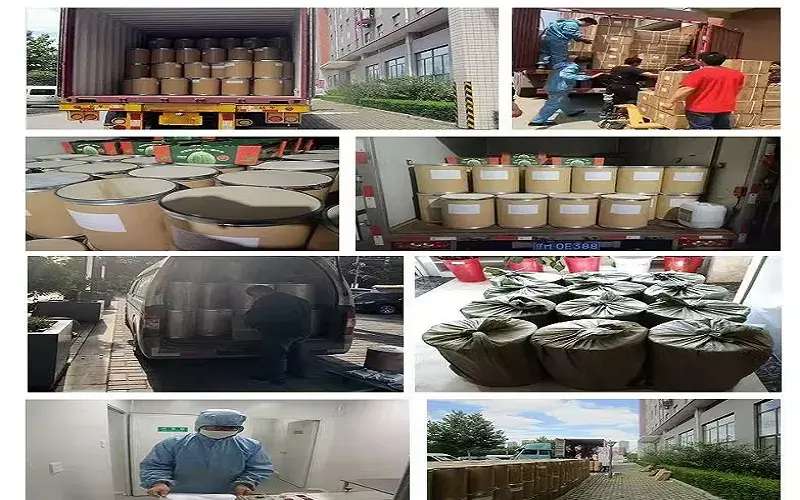
Shaanxi Hisy Biotechnology Co., Ltd has been making botanical extracts for more than 16 years and supplies approved, high-purity ingredients to the cardiovascular supplement and pharmaceutical businesses around the world. Our supercritical CO2 extraction method creates extracts with no waste that meet the strict quality standards set by the FDA, HACCP, and ISO for the U.S. market. We make standard Danshen extracts with concentrations that have been checked to be between 10% and 98%. Each batch of production comes with full HPLC testing paperwork and heavy metal screens.
As a reliable supplier of Tanshinone IIA 20% Powder, we keep our monthly production at 200 kilograms and our lead times short, at just 4 to 8 days. This way, your supply chain stays uninterrupted even during times of high demand. Our technical team can help you with formulation, regulatory documentation for DSHEA compliance, and making sure that the concentration is just right for your application. Cardiovascular supplement makers depend on Hisy for quality assurance, technical partnership, and supply dependability. This is true whether they need 1-kilogram qualification samples for initial testing or established commercial amounts with dedicated account management. You can talk to our team about your Tanshinone IIA needs and get product details that are made to fit your buying needs by emailing sales@hisybio.com.
References
1. Wang, L., et al. (2019). "Analytical Methods for Quality Control of Salvia miltiorrhiza Extracts: A Comprehensive Review." Journal of Pharmaceutical and Biomedical Analysis, 165, 199-211.
2. Chen, Z., and Liu, Y. (2020). "Pharmacological Effects and Clinical Applications of Tanshinone IIA in Cardiovascular Disease." Phytotherapy Research, 34(5), 984-997.
3. Zhang, H., et al. (2021). "Optimization of HPLC Conditions for Determination of Tanshinone IIA in Botanical Supplements." Journal of Chromatographic Science, 59(3), 267-274.
4. Li, M., and Wang, X. (2018). "Stability Studies of Tanshinone IIA Under Various Storage Conditions and Formulation Matrices." International Journal of Pharmaceutics, 548(2), 428-436.
5. European Pharmacopoeia Commission (2022). "Monograph on Salvia miltiorrhiza Radix et Rhizoma." European Pharmacopoeia 10th Edition, Council of Europe, Strasbourg.
6. United States Pharmacopeia Convention (2023). "Botanical Dietary Supplements: General Chapters on Quality Control and Testing." USP-NF 2023, Rockville, Maryland.