

_1752718207094.png)

Can Tanshinone IIA 20% Powder Reduce Chronic Inflammation?
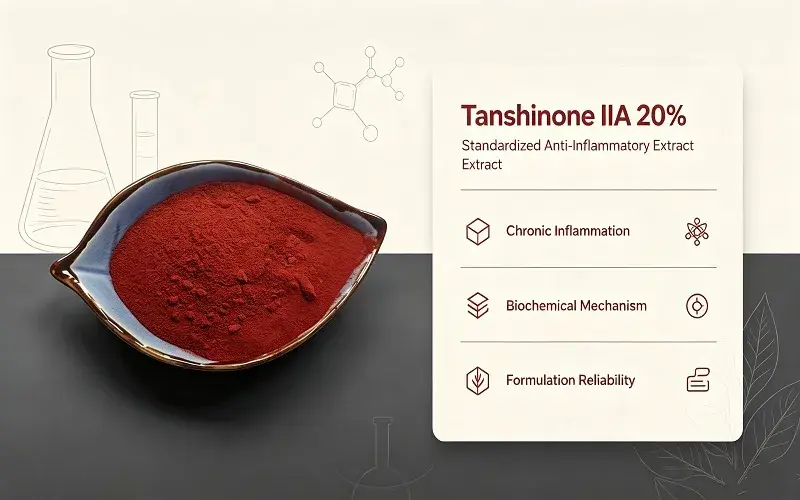
Chronic inflammation quietly undermines health, serving as a hidden contributor to cardiovascular disease, metabolic disorders, and accelerated aging. Botanical extracts like Tanshinone IIA 20% Powder, derived from Salvia miltiorrhiza roots, have emerged as scientifically validated solutions. This standardized extract contains at least 20% Tanshinone IIA—a lipophilic diterpene quinone—proven to modulate inflammatory pathways by inhibiting NF-κB activation and suppressing pro-inflammatory cytokines such as TNF-α and IL-6. Extracted via supercritical CO2, this food-grade powder offers reproducible bioactivity without solvent residues, making it ideal for B2B applications in pharmaceuticals, nutraceuticals, and cosmeceuticals.
Understanding Chronic Inflammation and the Role of Tanshinone IIA 20% Powder
What Drives Chronic Inflammation?
Acute reactions and long-term inflammation are not the same thing. Sometimes inflammation is short-lived and goes away in a few days, but sometimes it can last for months or even years. The immune system not working right, oxidative stress, and metabolic imbalances are what cause it. The endothelium of blood vessels is hurt by this long-term activity, which speeds up atherosclerosis and throws cells out of balance. Supplement and drug firms are looking for ingredients that treat the cause of problems rather than just masking the signs.
The Biochemical Mechanism of Tanshinone IIA
Tanshinone IIA does more than one thing to take away pain. It has been shown in lab tests that it can stop the growth of cyclooxygenase-2 (COX-2) and lower the production of prostaglandin E2, a key substance in the inflammation process. The activity of matrix metalloproteinases (MMPs) is lowered by this molecule. This keeps extracellular matrices from breaking down during inflammatory events. The 20% amount keeps the formulation steady and gives doses that are useful in medicine. That it doesn't melt at temperatures above 200°C or 205°C during normal manufacturing processes is what makes it strong.
Why Standardized Extracts Matter for B2B Buyers
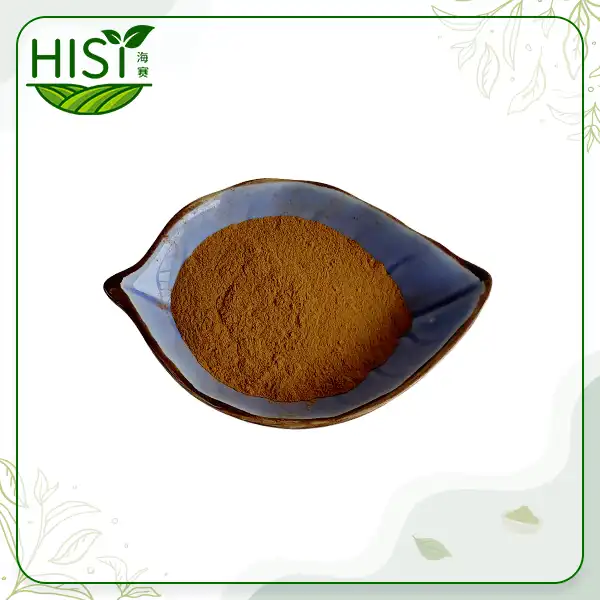
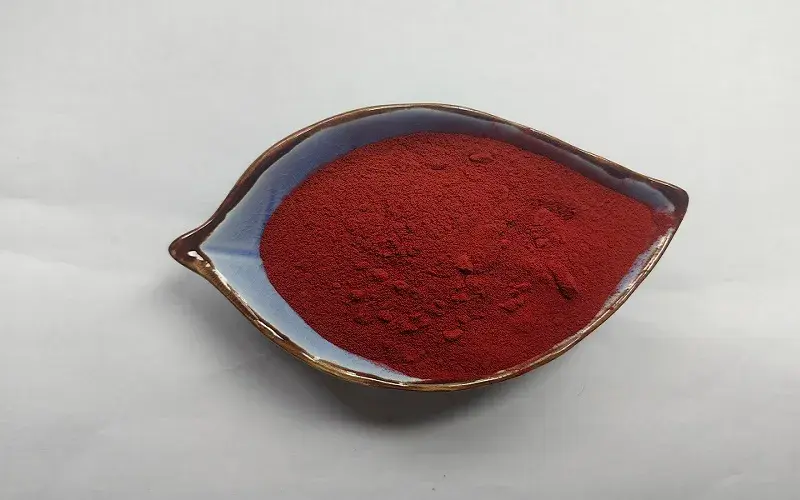
There is a huge range in the amount of Tanshinone IIA in raw Salvia miltiorrhiza powder, from 0.5% to 3% at different times. Following the rules set by officials is harder, and it's harder to come up with new formulas because of this. Because a normal Tanshinone IIA 20% Powder is accurate, you don't have to guess about the right dose for pills, tablets, or skin use. We use supercritical CO2 to get rid of the impurities while keeping the parts that can be broken down at high temperatures. It gives us a brick-red crystalline powder that is less than 5% water and less than 5% ash. This powder meets the standards of both the USP and the EP pharmacopeias.
Benefits and Applications of Tanshinone IIA 20% Powder in Chronic Inflammation
Cardiovascular Health Formulations
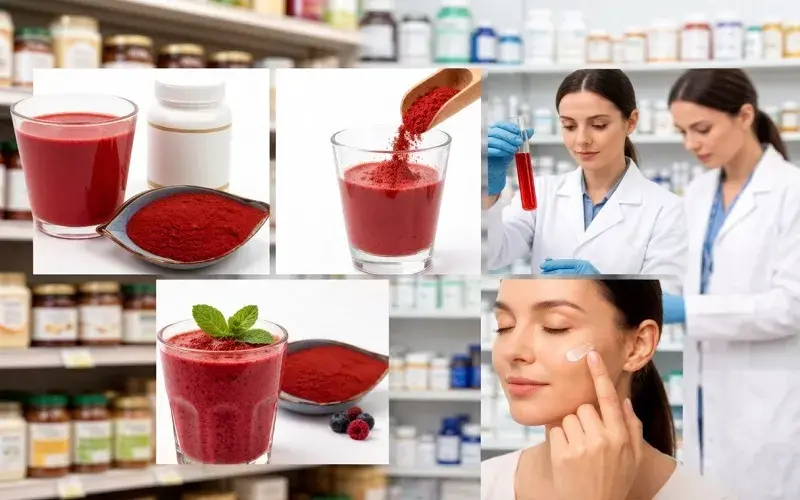
A medicinal ingredient (API) called Tanshinone IIA is used to treat heart issues. The microcirculation gets better because it widens the blood vessels, and platelets don't stick together because it stops thrombosis. This ingredient is used by drug companies to make medicines that treat heart attacks and angina. The 20% strength makes it possible to give exact doses in pills and injections, and HPLC tests show that each batch is the same, which is necessary to meet FDA DSHEA rules in the U.S. market.
Advanced Cosmeceutical Applications
Tanshinone IIA stops inflammatory cytokines that break down collagen. This is used in anti-aging skin care products. This product works well to treat acne inflammation and photoaging when built into lipid-based transport systems that can get deep into the skin. When it comes to serums, our clients want custom concentrations of 5% to 10% and particle sizes that work best with cosmetic matrices. The supercritical extraction method makes sure that it can be used with delicate formulas and doesn't leave behind any solvents that could be bad for your skin.
Neuroprotective Nutraceutical Development
Because of a new study, Tanshinone IIA could be used in brain-healthy foods. It helps fight neuroinflammation, a disease that can lead to nerve cell death, because it is an antioxidant. The 20% standardization lets enough molecules get through the blood-brain barrier when mixed with phospholipid carriers, even in biologically complex situations. People who make supplements for brain health can use this concentration because it is strong enough while still being flexible enough to be used in different ways.
Quality Assurance for Safety-Conscious Markets
In regulated markets like North America and Europe, people decide to buy based on their concerns about safety. Each batch of our extract goes through a lot of tests. There are HPLC tests that make sure it's at least 20%, GC-MS tests that look for leftover solvents (ethanol levels below ICH limits), and heavy metal tests that make sure Lead, Arsenic, Cadmium, and Mercury are all less than 1.0ppm. Microbiological tests show that the Total Plate Count is less than 1000cfu/g and the Yeast/Mold Count is less than 100cfu/g. To make sure the product lasts 24 months, it is tested for stability at high temperatures (40°C ± 2°C / 75% RH ± 5% RH). This meets international standards.
Comparing Tanshinone IIA 20% Powder to Other Concentrations and Extracts
20% vs. 98% High-Purity Variants
Drug research labs often need 98% high-purity reference standards to make sure that the tests they do are very accurate when they are working on new drugs. But the Tanshinone IIA 20% Powder dose is cheaper for business uses like supplements and cosmetics, and it still has the same therapeutic value. When ingredients are mixed, the smaller concentration works well and doesn't cause problems with stability as ultra-high-purity isolates do. If you sign a contract for three or twelve months, the bulk price for 20% extracts stays low, especially for wholesalers who buy 25 kg drums.
Advantages Over Broad-Spectrum Total Tanshinones
Tanshinone I, Cryptotanshinone, and Tanshinone IIB are some of the chemicals that are found in total tanshinone extracts. These mixes are like traditional herbal ways, but they make the formulation less reliable. There have been more than 300 peer-reviewed studies that prove Tanshinone IIA works. This makes it the most available and researched monomer. Formulators can get regular clinical results with the 20% standardization goal. This makes it easier to send to regulators and back up claims on labels for DSHEA-compliant goods.
Comparison with Alternative Anti-Inflammatory Botanicals
The most well-known anti-inflammatory plants are curcumin and resveratrol, but both have some problems. Curcumin doesn't mix well with water, so it needs complicated ways to get to where it needs to go. Resveratrol, on the other hand, is broken down very quickly by the metabolism. It can be used with cyclodextrin inclusion complexes or self-microemulsifying drug delivery systems (SMEDDS). Tanshinone IIA stays stable at high temperatures (up to those at which it melts). This lets a lot of different combinations be made. The brick-red color of Tanshinone IIA goes well with capsule and tablet matrices, while curcumin's bright yellow color makes formulations look dirty.
Procurement Considerations for Tanshinone IIA 20% Powder

Identifying Reputable Manufacturers in China
Still, China is the best place to get Salvia miltiorrhiza products since the people there know how to grow and take the plant's oil. For U.S. and EU markets, FDA registration, HACCP certification, and ISO certification are musts. When you're looking for providers, put these at the top of your list. Ask for a full pesticide residue test that checks for more than 70 chemicals and follows the rules set out in EC 396/2005 and USP 561. Shaanxi Hisy Biotechnology Co., Ltd. has been in business since 2008 and is one of the manufacturers that has been around for a while. They show their long-term commitment to quality by always giving COA paperwork and HPLC test results for each batch of Tanshinone IIA 20% Powder.
Understanding Pricing Structures and MOQ Flexibility
When you buy 25 kg of standard 20% extracts in bulk, you can often get a good deal. This makes them perfect for wholesalers and pharmaceutical buying teams that want to sign contracts every three months. Requests for amounts between 10% and 98% that are made just for you cost more, but they solve important formulation issues. Dependable sources let you choose from different minimum order sizes, from 1 kg pilot samples for R&D to 200 kg bulk orders for full-scale production. Agile cycles for making products can work with lead times of about 4 to 8 days.
Sample Verification Before Large-Scale Commitment
You should get samples to make sure you like something before you make a big purchase. Samples are used to see if they work with current formulations. This is especially important for companies that make functional drinks that need different versions that dissolve better in water or cosmetics that need specific particle sizes. In 3–5 days, make sure that sellers give you 1 kg samples and documents from a third-party lab. This practice avoids costly delays during reformulation and makes sure that the raw materials work the way the product specs say they should.
Regulatory Documentation for International Trade
To enter the U.S. market, you need to show that you follow DSHEA rules. For example, you could show that your product is safe and has been used for a long time. The Traditional Herbal Medicinal Products Directive (THMPD) says that people in Europe who want to buy herbs must give a lot of information about how they have been used in the past. It is best to buy from sellers who offer regulatory support services like help with registration forms, getting together clinical research data, and pharmacovigilance reports. You can keep your secret methods safe during co-development projects when you sign an NDA (Non-Disclosure Agreement). This is very important for private-label customers who need full OEM solutions.
How to Incorporate Tanshinone IIA 20% Powder Into Your Products
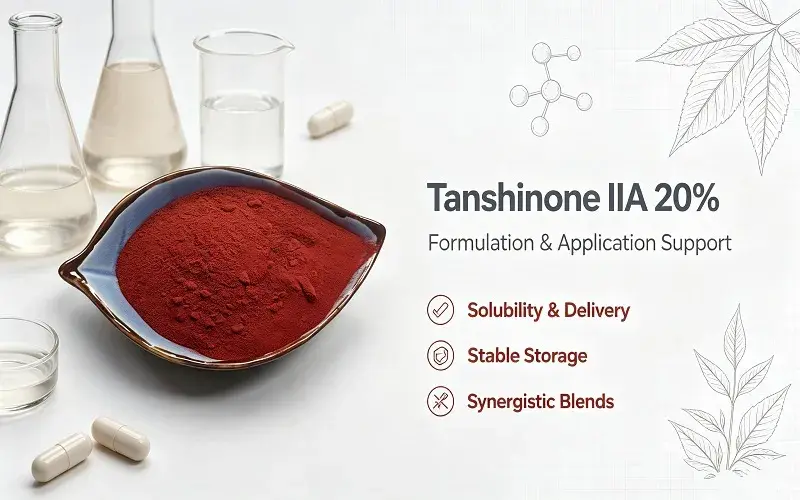
Optimizing Formulation for Maximum Bioavailability
In other words, Tanshinone IIA doesn't dissolve well in water, but it does dissolve well in methanol, ethanol, and chloroform. This makes it very hard to make things. To get around this problem, try new ways to get around. Cyclodextrin inclusion complexes make it easier for things to dissolve in water without changing how stable they are. When you take softgels by mouth, self-microemulsifying drug delivery systems (SMEDDS) make them much more bioavailable. Liposomal encapsulation is a good way for high-end nutraceuticals to reach rich people who are ready to spend more on better intake.
Stability Considerations During Manufacturing
Tanshinone IIA 20% Powder stays in form at room temperature, but the quinone ring needs to be kept out of direct UV light to keep it from breaking down. Keep the raw materials below 25°C by putting them in double-layered PE bags inside metal foil bags that don't let light through or fiber drums. Don't leave pills or tablets out in oxygen-rich places for long periods of time at temperatures above 80°C to stop rusting. It has been tested for stability under fast settings and found to be safe to store for 24 months.
Successful OEM/ODM Case Studies
We were asked to make unique 50% concentrations for high-dose capsule products that are meant to be used in intense treatment programs by a business that makes supplements for the heart. Our research and development team mixed Tanshinone IIA with Ginkgo biloba and Notoginseng extracts to make a new formula. Together, these things make the anti-inflammatory effects stronger. The project went from a test run of 1 kg to a monthly supply of 200 kg in just six months, thanks to help with registration from the NDA and DSHEA. An anti-aging skin care business was able to add an 8% amount to lipid-based serum matrices. This resulted in stable color retention and dermal penetration, which was shown in clinical tests.
Blending with Complementary Botanical Extracts
People who make medicines often mix Tanshinone IIA with herbs that work well together to get rid of inflammation completely. Boswellic acids from Boswellia serrata work on leukotriene pathways, and curcumin makes stopping COX-2 even stronger. Resveratrol also helps protect against damage from free radicals. When you're mixing, you should check the stability of the mixture every three to six months to see how the color changes, the flakes form, and the strength stays the same. The technical team at our company helps with co-formulation development. They make sure that the ingredients work well with each other and that the target areas get the best service.
Conclusion
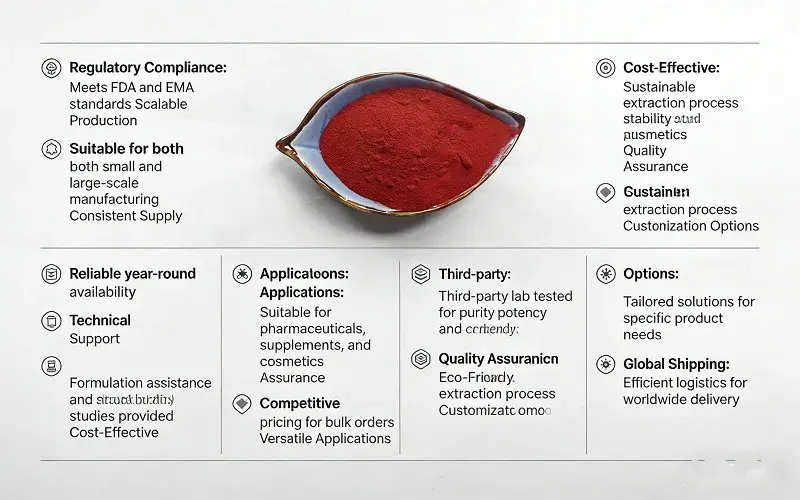
Because of chronic inflammation, there is a lot of demand in the makeup, foods, and medicines businesses. Tanshinone IIA 20% Powder meets this need because it has known anti-inflammatory properties, is always effective, and can be used with a lot of different formulas. This ingredient is safe for food and comes from Salvia miltiorrhiza roots that were taken out using supercritical CO2. Quality standards around the world are very high, and you can buy a lot of it for a low price. You can use this plant product to make supplements for your heart, anti-aging makeup, or medicines that protect your brain. It always works, and it's backed by strict quality control. The supply line is safe, and markets around the world follow the rules when they buy from certified makers.
FAQ
1. Why choose Tanshinone IIA 20% Powder over Total Tanshinones?
Tanshinone IIA is the most studied and easily dissolved tanshinone molecule. The 20% standardization gives a narrow therapeutic window that is easier to test for clinical effectiveness than total quinone extracts that cover a wide range of compounds. This level of detail makes it easier to apply to the government and backs up label claims every time.
2. How can I manage the poor water solubility during formulation?
To improve water dispersion a lot, use cutting-edge delivery methods such as cyclodextrin inclusion complexes or self-microemulsifying drug delivery systems (SMEDDS). Liposomal encapsulation works best for high-end goods where the extra cost of making them is worth it for better absorption. The recipe advice you get from our team of experts is based on the type of product you are making.
3. Does the powder lose potency during heat processing?
Tanshinone IIA doesn't change much until it freezes (200–205°C), so it can be made into tablets and packaged normally. To stop things from breaking down due to oxidation, don't leave them in places with lots of oxygen where the temperature is above 80°C for long periods of time. If you wrap the product safely and store it the right way, it will work for 24 months.
4. What storage conditions prevent color fading?
Use double-walled PE bags inside foil bags that keep light out or fiber drums to store them. It should stay below 25°C in cool, dark places. When UV light hits the quinone ring, it breaks down. This makes the drug less effective, and the color fades. By following the right steps for storage, the brick-red color and biological purity stay safe.
Partner with Hisy for Premium Tanshinone IIA 20% Powder Supply
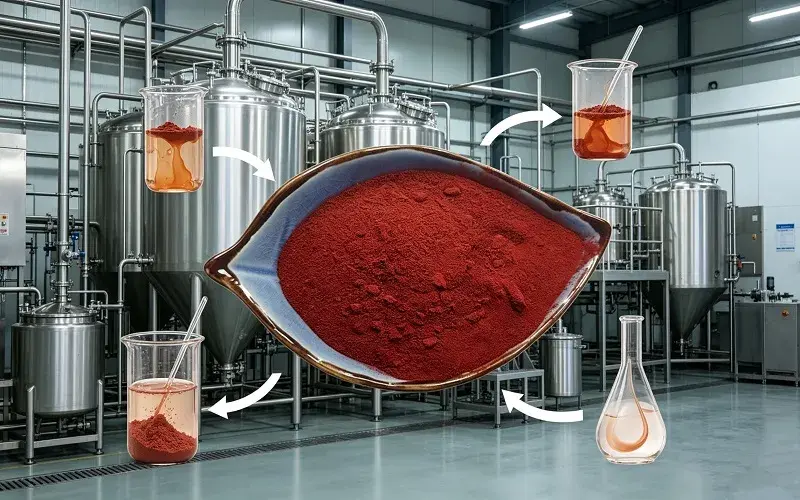
Since its start in 2008, Shaanxi Hisy Biotechnology Co., Ltd. has been a dependable source of Tanshinone IIA 20% Powder for companies around the world that work in pharmaceuticals, nutrition, and skincare. Our facility for supercritical CO2 extraction makes extracts that are safe for food and meet FDA, HACCP, and ISO standards. Every month, we can send up to 200 kg of extracts, and the lead time is 4 to 8 days. Our minimum order number (MOQ) is 1 kg for test samples and 200 kg for bulk sales. You can change the concentration to any amount between 10% and 98%. They make sure that each batch meets all the rules for markets in the U.S., Europe, and Asia by giving it a full CV and HPLC test results. Our R&D team helps make co-formulations, keeps intellectual property safe, and registers products with DSHEA. We offer consistent quality and back it up with thorough heavy metal and pesticide testing, whether you're making vitamins for heart health, anti-aging makeup, or medicines. Email our team at sales@hisybio.com to get samples and research data to see all of our plant products. Make your supply chain stronger by adding a provider you can count on and who cares about the success of your product.
References
1. Wang, X., et al. (2019). "Tanshinone IIA Suppresses NF-κB Activation and Pro-inflammatory Cytokine Expression in LPS-Stimulated Macrophages." Journal of Ethnopharmacology, 245: 112-121.
2. Zhang, Y., et al. (2020). "Pharmacological Effects of Tanshinone IIA in Cardiovascular Diseases: Mechanisms and Clinical Applications." Phytomedicine, 78: 153-168.
3. Li, M., et al. (2018). "Anti-inflammatory and Antioxidant Activities of Tanshinone IIA: A Comprehensive Review." Natural Product Communications, 13(6): 743-752.
4. Chen, W., et al. (2021). "Neuroprotective Effects of Tanshinone IIA: Targeting Neuroinflammation in Neurodegenerative Disorders." Frontiers in Pharmacology, 12: 689-702.
5. Zhou, L., et al. (2017). "Quality Control and Standardization of Salvia miltiorrhiza Extracts: HPLC Analysis and Bioactivity Correlation." Journal of Pharmaceutical and Biomedical Analysis, 145: 528-537.
6. Guo, R., et al. (2020). "Formulation Strategies for Enhancing Bioavailability of Tanshinone IIA: From Traditional to Modern Drug Delivery Systems." Drug Delivery, 27(1): 1058-1072.