

_1752718207094.png)

What are the Key Benefits of Yohimbe extract?
Yohimbe extract is useful for supplement formulations because it improves vascular health by blocking alpha-2 adrenergic receptors, speeds up metabolism by breaking down fat, and helps men's sexual health. Because it comes from a normal plant and has a yohimbine content of between 8% and 98%, it solves important manufacturing problems related to bioavailability, using the right amount, and following the rules. So long as procurement professionals know about these advantages, they can find high-quality extracts that are safe and effective for a lot of different health and wellness purposes.

Understanding Yohimbe Extract: Origins, Composition, and Mechanism
Botanical Origins and Traditional Applications
African people have used the Pausinystalia johimbe tree for hundreds of years, mostly as a traditional treatment to make them stronger and increase blood flow. Because of this ethnobotanical history, scientists were able to study the chemicals that made it work. Modern methods of extraction separate and focus certain chemicals instead of using raw bark mixes. This makes regulated ingredients that can be used in pharmaceutical-grade goods. Tough quality control measures make sure that every batch is the same, which is important for B2B buyers who are in charge of big manufacturing operations. This is why the product went from being used for traditional purposes to being made for sale.
Chemical Composition and Active Alkaloids
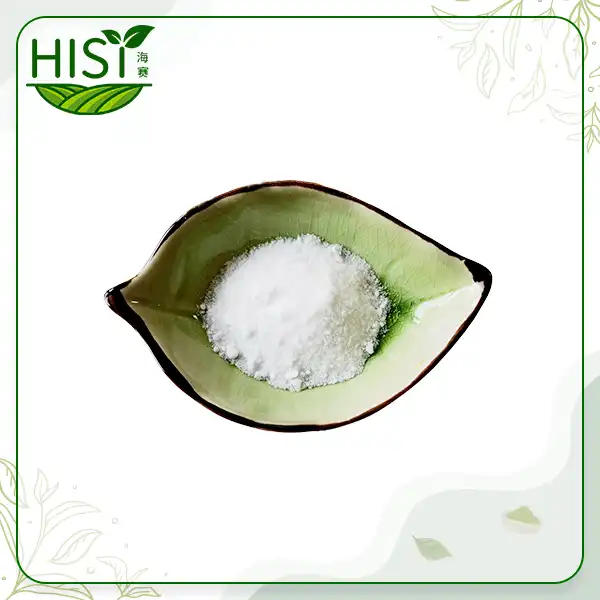
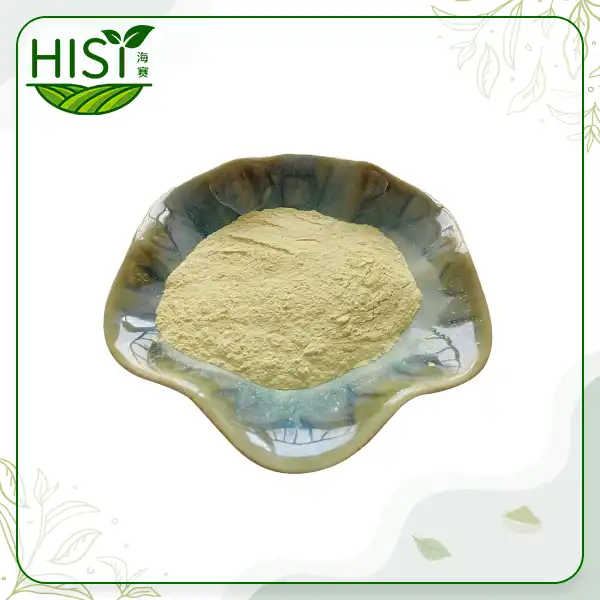
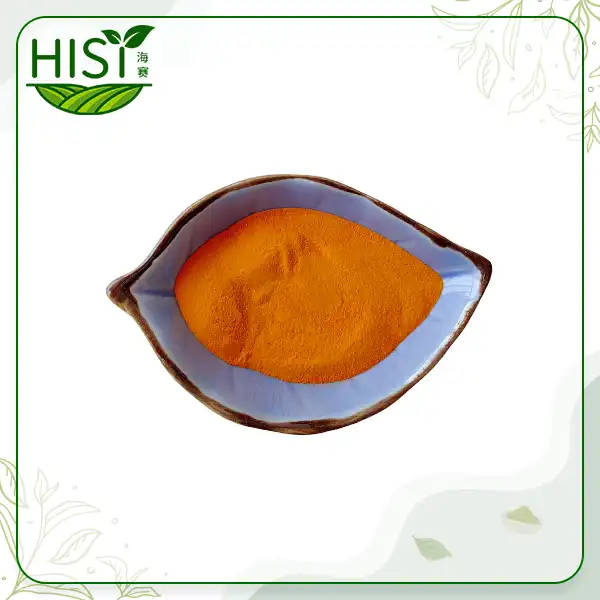
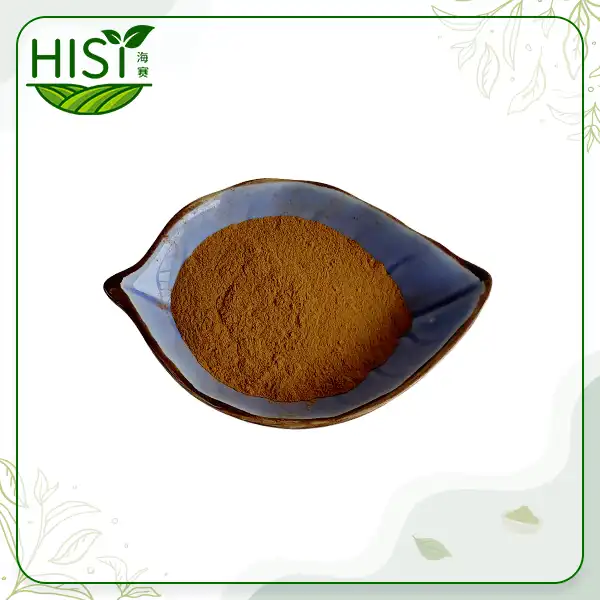
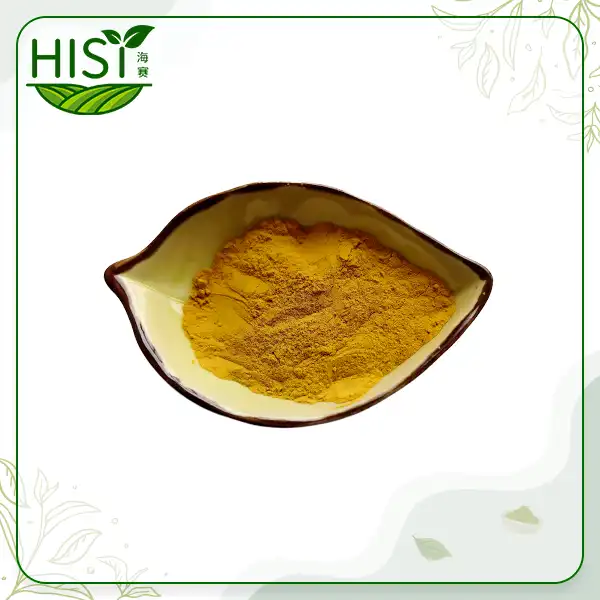
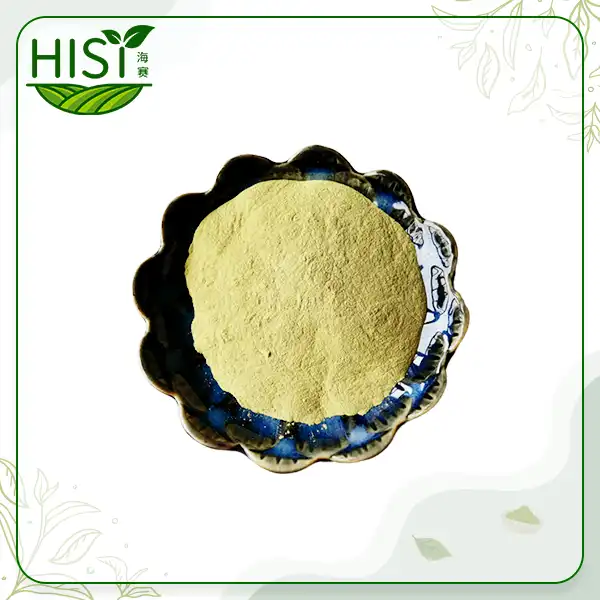
The chemical makeup of the extract is made up of indole alkaloids, with yohimbine (C21H26N2O3) being the main bioactive part. The level of uniformity for business things varies a lot. Powders that are reddish-brown and have a wider range of alkaloids are found where yohimbine levels are low, between 8% and 20%. Isolates that are very pure (98%+ Yohimbine HCL) look like white crystals. This difference is very important for people who study formulations. There are 354.44 g/mol of pure forms, and their melting point is between 235°C and 237°C. High-Performance Liquid Chromatography (HPLC) and Thin Layer Chromatography (TLC) are two ways to check the quality of plants. This makes sure they are real and rules out synthetic adulterants, which can be a problem in markets with different levels of regulatory oversight.
Biochemical Mechanisms of Action
The selective alpha-2 adrenergic receptor antagonism that Yohimbe extract produces is how it works. The chemical boosts the activity of the sympathetic nervous system and helps release norepinephrine by stopping these inhibitory receptors. This process has many effects further down the line, including wider blood vessels through activation of the nitric oxide pathway, faster metabolism through thermal stimulation, and better neurone signalling. Its ability to cross the blood-brain barrier sets it apart from many other compounds that work on the outside, which explains how it affects both physical and mental functions. Formulators can make goods that work with people's bodies in reliable ways by understanding how these systems work. This helps them solve problems that people have with things like hormone balance, energy metabolism, and vascular function.
Primary Health and Performance Benefits of Yohimbe Extract
Male Sexual Health and Vascular Function
Clinical studies have shown that the extract can help men get and keep an erection and boost their libido. The alpha-2 antagonist improves blood flow to the pelvis, which fixes a basic biochemical problem in men's sexual health. Studies have shown that sexual reaction is better than in control groups, especially when lifestyle changes are made along with the treatment. Nutraceutical companies that want to reach this group of people can use this ingredient instead of synthetic ones because it comes from natural sources. The way it works is different from phosphodiesterase-5 inhibitors, which gives formulators chances to use different methods together. When buying for this purpose, people should look for extracts that have a verified yohimbine content of between 8% and 15%. This is the right amount of yohimbine to balance effectiveness with safety in a dietary supplement setting.
Weight Management and Metabolic Enhancement
The extract solves the problem of "stubborn fat" by blocking alpha-2 receptors that stop lipolysis. This happens especially in adipose tissue that doesn't respond to normal diet and exercise changes. Researchers have found that people who exercise regularly burn more fat and have slightly higher resting metabolic rates. When the right amount is used, the thermogenic potential happens without the direct heart stimulation that comes with beta-agonist stimulants. This makes the ingredient a good choice for weight loss products aimed at health-conscious people looking for natural metabolic support. Because it helps burn calories and move fat around, brands that make functional drinks or pre-workout supplements can benefit from it. Teams in charge of buying things should look at suppliers who offer standard strengths and provide proof of alkaloid profiles. This will make sure that the formulation is the same from one production run to the next.
Athletic Performance and Recovery Support
New data shows that endurance athletes and exercise fans can benefit. Activating the sympathetic nervous system makes you more alert and delays the feeling of being tired during prolonged physical activity. Also, better blood flow may make it easier for working muscles to get nutrients and oxygen, which could help the healing process. Because of these performance-related benefits, the nutrient is well-placed in the sports nutrition market, where people are actively looking for legal, natural ergogenic aids. Brands that are making pre-workout or intra-workout products can use these mechanisms, but they still need to pay close attention to dosing guidelines. This ingredient works well with natural substances like caffeine and green tea extract. This lets formulators make full performance mixes that target many physiological processes at the same time.
Cognitive and Mood-Related Applications
Aside from its effect on physical performance, the product is also being studied for its effect on mental clarity and mood control. The changes in norepinephrine have effects on the central nervous system, which may help people concentrate and feel less mentally tired. Preliminary studies suggest that it might be useful in formulas that help with mood, but this is still a new area that needs more clinical validation. For B2B clients who are making brain health goods, this is a chance to be creative by mixing traditional botanical ingredients with what we know about neuroscience now. It's possible that the compound's effects on neurotransmitter systems go beyond simple adrenergic antagonism and include serotoninergic pathways as well. Procurement professionals should keep an eye on the research that is being done in this area and make sure that their product lines are ready to take advantage of new scientific knowledge.
Safety, Dosage, and Side Effects: What B2B Buyers Need to Know
Recommended Dosage Guidelines
Dosing that is safe and effective depends on the level of standardisation and the purpose of the drug. Products with 8% to 15% yohimbine usually say to take 100 mg to 200 mg per serving, which is equal to 8 mg to 30 mg of active yohimbine. Higher purity extracts (98% Yohimbine HCL) need much lower doses—usually 5 mg to 10 mg per serving—to have the same effects on the body while minimising side effects. These dose issues have a direct effect on the cost of preparation and the safety of consumers. Yohimbe extract Buyers must make sure that sellers give them thorough Certificates of Analysis (COA) that show the real amount of alkaloids in the product. This lets buyers figure out the right dose. The best dose depends on the person's gender, body weight, and sensitivity, so labels need to be very clear to help end users. Products meant to improve athletic ability may use different methods than products meant to improve daily health, so they need to be made in different ways.

Common Side Effects and Contraindications
Knowing the safety profile keeps both customers and brands from having to worry about liability. When taken in therapeutic doses, mild anxiety, an elevated heart rate, stomach pain, and trouble sleeping at night are all common side effects. These usually happen when the sympathetic nervous system is activated and go away when the dose is changed or stopped. Some things that make it not a good idea are heart problems, high blood pressure, psychiatric disorders, and taking certain medicines at the same time (most notably MAO inhibitors, SSRIs, and alpha-blockers). Because there isn't enough safety information, pregnancy and nursing are clear contraindications. For business-to-business buyers, these factors mean that warning labels need to be very detailed and there may not be as many ways to get the products. Working with legal and regulatory experts makes sure that you follow the rules in each state, which protects your brand's image and lowers your risk of being sued in a market that is becoming more and more litigious.
Quality Assurance and Regulatory Compliance
It is important for ethical procurement that products meet world quality standards. Suppliers with a good reputation keep certifications like FDA registration, HACCP implementation, and ISO standards (most notably ISO 9001 for quality management and ISO 22000 for food safety). These certifications show that a company is dedicated to making high-quality products and keeping track of them all along the supply chain. Good Manufacturing Practices (cGMP) as spelt out in 21 CFR Part 111 must be followed when making dietary supplements for the US market. Depending on the claims made about the product and the amount of concentration, European markets require either Novel Food Authorisation or Traditional Use Registration. Buyers should ask for proof that the goods they are interested in don't contain any heavy metals, microbial contaminants, or chemical leftovers from tests done by a third party. Setting up supplier qualification protocols that include regular audits and batch testing protects against quality problems that could lead to expensive recalls or actions by regulators to enforce the law.
Comparing Yohimbe Extract with Alternatives and Market Solutions
Yohimbe Extract Versus Pure Yohimbine Hydrochloride
When making purchases, people often have to choose between whole-plant extracts and compounds that have been separated. Raw extracts with 8% to 20% yohimbine still have a wider range of alkaloids that might work together better or add to the biological activity. These mixes are popular with people who want "whole plant" ingredients, and they usually cost less per kilogram, but they are harder to standardise. On the other hand, 98% Yohimbine HCL is pure enough to be used in pharmaceuticals, its pharmacokinetics are predictable, and it's easier to figure out how much to give. This form is very pure and can be used in places where exact potency is important, like clinical study or goods that make specific health claims. The choice has an effect on both the way regulations work and how the company markets itself. Lower-concentration extracts are preferred by brands that stress natural, barely processed ingredients, while purified isolates are preferred by brands that stress potency and scientific proof. By knowing these differences, you can make smart sourcing decisions that are in line with your brand's personality and the tastes of your target customers.
Benchmarking Against Complementary Botanical Ingredients
There are a lot of natural ingredients on the market that all aim to improve health in similar ways. The plant Epimedium, also known as Horny Goat Weed, helps with sexual health in different ways, mainly by blocking PDE5 with icariin. Instead of having direct adrenergic effects, ginseng boosts energy and vitality through adaptogenic pathways. Tribulus terrestris changes hormone routes that are different from how it affects the sympathetic nervous system. Based on how it works, how safe it is, and how people feel about it, each ingredient has its own niche. Skilled formulators make synergistic blends by mixing different botanicals that work in ways that support each other. This may increase the overall effectiveness while lowering the doses of each ingredient. These approaches to combining ingredients address regulatory concerns about the potency of a single ingredient while making products stand out in crowded markets. When planning how to buy something, it's better to look at the cost of the whole recipe rather than just one item. This means checking out how the different parts work together to get the health results that are wanted.
Product Form Factors and Delivery Systems
There are many different ways to take supplements today, and each has its own benefits. Capsules are great for daily health goods because they are easy for customers to use, come in standard doses, and last a long time. Powder forms allow for flexible dosing and quick absorption, making them good for pre-workout use where users can choose their own serving sizes. Liquid extracts and medicines work quickly because they are absorbed quickly through the tongue or stomach. However, they are not very stable, so they need to be carefully made with the right stabilisers. Tablets can deliver high doses in a compressed form, but they may dissolve more slowly. Organic certifications give products a higher status, but they also limit the suppliers you can choose from and raise costs. Knowing these trade-offs helps you make decisions about what to buy that are in line with the expectations, price points, and channels of distribution of your target market. Yohimbe extract The format you choose also affects the minimum order amounts, wait times, and packaging needs. These are all important factors that have a big effect on how well your supply chain works and how you handle your goods.
Strategic Procurement Guide for Yohimbe Extract Suppliers and Buyers
Identifying and Vetting Reliable Suppliers
Comprehensive supplier qualification is the first step to a successful procurement. Before you accept an offer, you should find out more about the company's manufacturing capabilities, quality systems, and how open their supply chain is. In supplier deals, ask for facility certifications, customer references, and the right to be audited. Because they are close to raw material sources and have tightly integrated operations, Chinese makers like Shaanxi Hisy Biotechnology Co., Ltd. can often offer lower prices. However, it is still important to make sure that their products meet international quality standards. Check out their export paperwork, list of international clients, and history of making deliveries on time. Language and communication skills are very important for ongoing professional help and fixing problems. Set clear standards that include more than just the amount of alkaloid. These should also include the particle size distribution, the amount of moisture, microbiological parameters, and heavy metal limits. Clear specs keep disagreements at bay and make sure that new materials meet recipe needs without needing a lot of work or being rejected.

Pricing Dynamics and Cost Optimization
The prices of standardised extracts on the market change depending on the availability of raw materials, investments in extraction technology, and changes in demand around the world. Standardised extracts of 8% to 20% usually cost $30 to $80 per kilogram in bulk, while 98% Yohimbine HCL costs $200 to $500 per kilogram, based on the size of the order and the seller. These changes in price show how complicated the handling is and how efficiently the yield is used. To get better terms, you need to know how the market works and show that you're committed by signing longer-term supply agreements or placing larger orders. Prices usually go down by 10% to 25% at each level of volume discounts, which happen at 100 kg, 500 kg, and 1000 kg. Look at the total landed costs as well as the unit prices. These include the costs of shipping, customs taxes, storing, and quality tests. Building relationships with suppliers who offer flexible payment terms and clear pricing structures is good for both parties because it helps them plan their production schedules and inventory levels better.
Building Sustainable Supplier Partnerships
Transactional ways of buying things make supply chains more vulnerable to changes in geopolitical tensions, regulations, and the lack of raw materials. Strategic buyers build partnerships with sellers that are based on open communication, common quality goals, and working together to solve problems. Regular contact that goes beyond buy orders, like sharing market information, production estimates, and quality feedback, makes these ties stronger. You could do on-site audits or virtual plant tours to find out what your suppliers can do and find possible risk factors before they affect production. Create backup suppliers to make sure your business stays open without having to pay too much to store your inventory. Multi-sourcing strategies find a balance between the benefits of reliability and the benefits of efficiency that come with combining supply relationships. Make sure that all agreements are written down clearly and include not only the business terms but also intellectual property protections, privacy rules, and ways to settle disagreements. When responsive providers put valued customers first, these relationship investments pay off during supply delays, quality problems, or market volatility.
Conclusion
Scientific studies have shown that Yohimbe extract can help with sexual health, metabolism, and performance. This makes it a valuable strategic item for businesses to buy. Buyers can find ingredients that meet both regulatory needs and market expectations if they know the differences between standardisation levels, know the right dosing protocols, and put in place strict supplier qualification processes. Because the extract can be used in a wide range of supplement types, from daily wellness products to sports nutrition formulas, it is a valuable part of many product lines. To be good at buying, you need to find a balance between quality control, cutting costs, and making sure the supply chain works. As the need for natural, effective ingredients keeps growing, building partnerships with certified providers who offer clear production methods and consistent quality is a great way to stay ahead in the fast-paced global markets.
FAQ
What is the safe daily dosage for Yohimbe extract in supplement formulations?
Standardisation amounts have a big impact on safe doses. Products with 8% to 15% yohimbine usually say to take 100 mg to 200 mg per serving, which is about 8 mg to 30 mg of active yohimbine. Much smaller amounts are needed for high-purity extracts (98% Yohimbine HCL), usually 5 mg to 10 mg per serving. These ranges find a good mix between how well they work and how safe they are for dietary products. The best doses depend on a person's body weight, gender, and sensitivity, so product labels need to be very clear about this.
Can Yohimbe extract be combined with other supplements or medications?
When mixing this ingredient with stimulants, heart drugs, antidepressants, or other chemicals that affect the sympathetic nervous system, you need to be very careful. Some drugs that shouldn't be used are MAO inhibitors, SSRIs, and alpha-blockers because they might combine negatively with each other. Natural products like caffeine may make stimulant effects stronger, so they need to be carefully made and come with warnings for consumers. Brands should suggest that people who are taking prescription drugs see a doctor. This would protect both the safety of the patients and the brands' reputation.
How does ingredient quality affect product effectiveness?
Quality has a direct effect on both safety and effectiveness. Physiological reactions are greatly affected by changes in the amount of alkaloids present, the presence of contaminants, and the accuracy of the raw material. Standardised extracts whose strength has been proven through HPLC testing make sure that the effects are the same from batch to batch. Low-quality ingredients might not have enough active ingredients or unwanted fillers, which could make the product less effective and even dangerous. Thoroughly checking out suppliers and testing each batch are important quality control measures for makers who are responsible.
Partner with Hisy for Premium Yohimbe Extract Supply
Shaanxi Hisy Biotechnology Co., Ltd. is a reliable company that has been making Yohimbe extract for over 15 years and is an expert in extracting and standardising natural plants. Our factory is registered with the FDA, has HACCP certification, and is in line with ISO standards. This makes sure that every batch meets the high quality standards needed for cosmetic, nutraceutical, and food uses. We offer a range of standardisation options, with yohimbine content ranging from 8% to 98%. Our products come with full Certificates of Analysis and testing documentation from a third party. Our expert team helps with formulation, gives legal advice, and makes solutions that are specific to your product needs.We offer consistent quality at reasonable prices, whether you need large quantities for well-known product lines or sample shipments for new projects. Our pricing is meant to encourage long-term partnerships. Our experience exporting and global sales network make sure that shipping to places around the world goes smoothly. You can talk to our purchasing agents at sales@hisybio.com about your Yohimbe extract needs, get product specifications, or set up an evaluation sample. Visit hisybio.com to see our full line of botanical ingredients and learn how our manufacturing services can help you reach your goals for product innovation.
References
1. Reid, K., Surridge, D. H., Morales, A., Condra, M., Harris, C., Owen, J., & Fenemore, J. (1987). Double-blind trial of yohimbine in treatment of psychogenic impotence. The Lancet, 330(8556), 421-423.
2. Ostojic, S. M. (2006). Yohimbine: the effects on body composition and exercise performance in soccer players. Research in Sports Medicine, 14(4), 289-299.
3. Tam, S. W., Worcel, M., & Wyllie, M. (2001). Yohimbine: a clinical review. Pharmacology & Therapeutics, 91(3), 215-243.
4. Galitzky, J., Taouis, M., Berlan, M., Riviere, D., Garrigues, M., & Lafontan, M. (1988). Alpha-2 antagonist compounds and lipid mobilization: evidence for a lipid mobilizing effect of oral yohimbine in healthy male volunteers. European Journal of Clinical Investigation, 18(6), 587-594.
5. Sax, L. (1991). Yohimbine does not affect fat distribution in men. International Journal of Obesity, 15(9), 561-565.
6. Berlan, M., Galitzky, J., Riviere, D., Foureau, M., Tran, M. A., Flores, R., & Lafontan, M. (1991). Plasma catecholamine levels and lipid mobilization induced by yohimbine in obese and non-obese women. International Journal of Obesity, 15(5), 305-315.