

_1752718207094.png)

How is Yohimbe extract manufactured and tested?
To make Yohimbe extract, the bark of Pausinystalia johimbe trees that are grown in Central Africa is processed in several stages. The yohimbine alkaloids are then isolated using either solvent-based or supercritical CO2 extraction. The process includes checking the authenticity of the raw materials, extracting them at a controlled temperature, cleaning them with chromatography, and making sure that the amounts are all the same so that the yohimbine content ranges from 8% to 98%. High-Performance Liquid Chromatography (HPLC) is used in testing protocols to measure active compounds, as well as heavy metal screening, microbial analysis, and pesticide residue detection. This is done to meet FDA, HACCP, and ISO compliance standards, which are necessary for B2B purchases in pharmaceutical and nutraceutical uses.
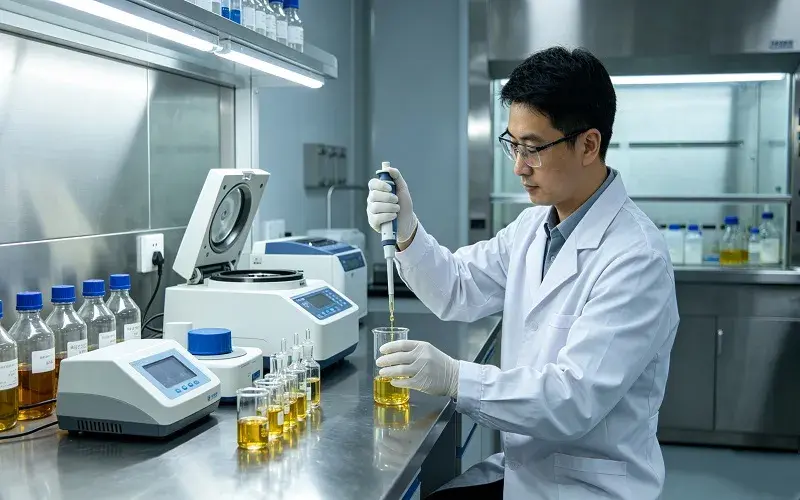
The Yohimbe Extract Manufacturing Process
Raw Material Sourcing and Authentication
The process of making it starts with carefully choosing bark from old Pausinystalia johimbe trees, which are usually cut down during times when the alkaloid content is highest. Reliable suppliers use sustainable forestry methods to protect the environment and keep a steady supply of raw materials. When Yohimbe bark gets to processing facilities, botanical experts do a preliminary authentication using both macroscopic and microscopic examination to tell the real thing from possible fakes like Corynanthe pachyceras.Thin Layer Chromatography (TLC) is the first screening method that makes unique fingerprint patterns that prove the species identity. This step of identification stops the common problem in the business of using cheaper bark materials that don't have medicinal alkaloids. Certified sellers keep records of where the animals were harvested so that they can be tracked. This makes sure that they follow the rules of the Convention on International Trade in Endangered Species (CITES) when they apply. This basic quality control stops problems with later manufacturing and regulatory issues.
Extraction Technologies and Methodologies
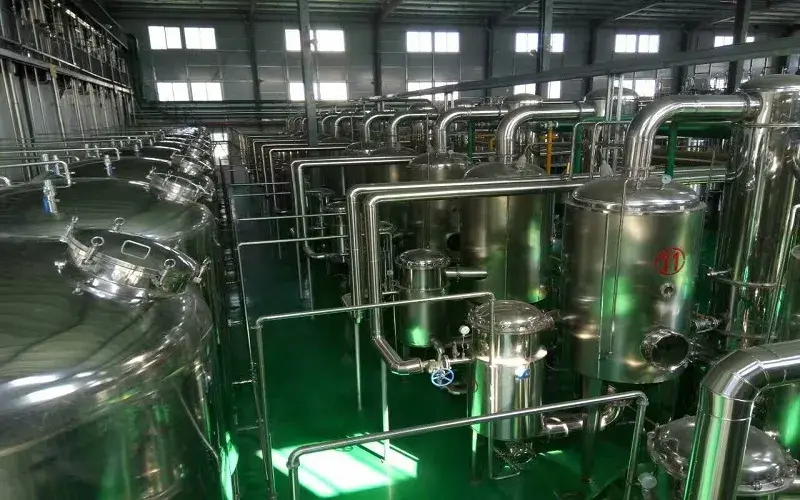
Modern extraction facilities use a variety of methods depending on the concentration they want to reach and the needs of the application. Traditional solvent extraction with ethanol or methanol is still widely used because it is cheap and can handle only alkaloid chemicals. To do this, dried bark is ground up into small pieces. This makes more surface area for the solvent to interact with, and then the material is macerated at a controlled temperature for a long time.Modern producers now use supercritical CO2 extraction technology, which has clear benefits. This method uses carbon dioxide at certain temperatures and pressures, where it behaves as both a liquid and a gas. This gives it great solvent qualities without leaving behind any chemical leftovers. The process uses cooler temperatures than usual, which protects alkaloids that are sensitive to heat and makes cleaner extracts that don't need as much cleaning afterward.Ultrasonic-assisted extraction is another new idea. It uses high-frequency sound waves to break down cell walls and speed up the release of alkaloids. This technology cuts the time it takes to extract compounds from days to hours while keeping their integrity. The alkaloid profile of the final product depends a lot on the extraction method used. More advanced methods are usually needed for high-purity pharmaceutical-grade extracts.
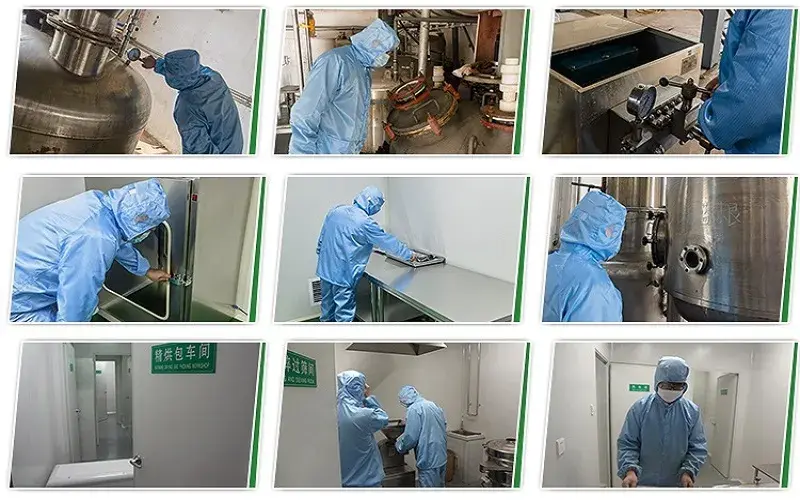
Purification and Concentration Techniques
After the first extraction, the crude solution goes through several steps of purification to get rid of plant waxes, tannins, and chemicals that aren't intended to be used. Colour bodies and leftover particles are removed by filtering through activated carbon or specialized membrane systems. The extract that has been cleared then goes into concentration tools, which are usually rotary evaporators that work in a vacuum. These machines get rid of the solvents at low temperatures so that the alkaloids don't break down.Manufacturers can separate certain alkaloid parts using chromatographic methods, especially column chromatography with silica gel or special resins. When making standardized extracts with sure yohimbine amounts, this step is very important. Yohimbe extract Some facilities use counter-current chromatography, a more advanced method that separates things better without using solid support media. This lowers the risk of contamination and raises the yield.To turn liquid concentrates into stable powders, the concentrated extract is either sprayed dry or freeze-dried. Spray-drying exposes the extract to short bursts of high-temperature airflow, which makes fine particles that are very good at dissolving. Freeze-drying is more expensive, but it works at cryogenic temperatures and in a vacuum to make high-quality powders that keep more of the alkaloids and last longer on the shelf.
Final Product Formulation and Packaging
To make final dosage forms, manufacturers mix standardized liquids with the right excipients. Anti-caking agents, such as silicon dioxide, may be used in powder formulations to stop them from absorbing water. Automated systems that make sure weight consistency and reduce contamination are used in encapsulation processes to precisely fill vegetable or gelatin packages with the right amount of material. To make a liquid medicine, normal extracts are dissolved in alcohol-water solutions that have to be the right mix to keep the alkaloids stable.Packaging is done in controlled environments with materials that don't absorb water. When you store and transport food, aluminum foil laminate bags that are flushed with nitrogen keep food from going bad. For bulk orders going to business-to-business customers, extra protected wrapping is used, such as fibre bins with polyethylene liners that keep the product's structure while it's being shipped internationally. Proper packing has a direct effect on shelf life. Under the right storage conditions, well-protected extracts will stay effective for 24 to 36 months.
Quality Testing and Assurance Protocols
Active Compound Quantification
HPLC analysis, which is the gold standard for measuring alkaloid amounts, is the first step in testing for pharmaceutical use. This method separates yohimbine from related indole alkaloids like yohimbiline, ajmaline, and corynantheine, allowing for accurate concentration readings down to 0.1%. For the test, extract samples are dissolved in the right solvents and then injected into special columns filled with stationary phase materials. Compounds are then found using UV-Vis spectroscopy at wavelengths where yohimbine absorbs the most light.Gas Chromatography-Mass Spectrometry (GC-MS) works with HPLC to help identify molecules by looking at how they are broken up. This two-technology approach makes sure that both the amount and the identity of the compound are checked, avoiding false positives from compounds that look a lot alike. Reliable labs keep reference standards that are calibrated to meet the requirements of the United States Pharmacopoeia (USP) or the European Pharmacopoeia. This makes sure that measurements are correct across all production batches.Usually, standardization methods aim for certain yohimbine percentages. Common commercial grades range from 8% for general dietary products to 98% for pharmaceutical-grade isolates. These numbers are written down on the certificate of analysis (CoA) that comes with each batch. This gives buying managers important quality information. At Hisy Biotechnology, our in-house lab tests every production lot three times, making sure that the written numbers match the real composition of the product.
Contaminant Screening and Safety Testing
Heavy metal analysis handles worries about consumer safety that come from polluting the environment during cultivation. Inductively Coupled Plasma-Mass Spectrometry (ICP-MS) can find small amounts of lead, cadmium, mercury, and arsenic, making sure that the limits set by California Proposition 65 and FDA guidance documents are met. Because these elements can be taken up by natural plant materials from the soil, manufacturers who care must do this testing.Multiple residue methods are used in pesticide residue screening so that hundreds of agricultural chemicals can be found in a single analysis. Organophosphates, carbamates, and manufactured pyrethroids that might be in farmed bark sources can be found using Liquid Chromatography-Tandem Mass Spectrometry (LC-MS/MS). Testing against the highest residue limits set by both the US and the EU makes sure that finished products containing the extract can be sold all over the world.Microbial testing includes counting the number of yeast and mould on aerobic plates, as well as specific pathogen screening for Salmonella, Staphylococcus aureus and E. coli. The USP <61> and <62> methods set standard procedures that labs all over the world can use. Acceptable limits are different for each type of product, with tighter rules for materials that are meant for people who don't have strong immune systems. Microbial problems are rare in properly made extracts that lose enough water during processing, but they must still be checked.
Stability and Shelf-Life Validation
Accelerated stability studies put extracts through conditions of high temperature and humidity, which are like storing them for a long time in a short amount of time. After six months of storage at 40°C and 75% relative humidity, samples give information that is equal to about 24 months of storage in a usual warehouse. HPLC analysis done at set times monitors the rate at which alkaloids break down, figuring out the best way to store them and when they go bad.Real-time stability programs keep an eye on actual storage conditions for long periods of time, which is in addition to accelerated studies. These tools look for possible routes of degradation that might not be seen under faster conditions. Yohimbe extract Smart makers keep stability chambers with precise environmental control in order to collect data that regulatory agencies need for new food ingredient reports or drug applications.Packaging suitability studies make sure that the materials used for containers don't react with the chemicals that are being extracted. For testing, goods are stored in the suggested packaging configurations and then checked for contaminants that came from the containers or alkaloid losses from absorption. This testing, which is often overlooked, keeps expensive problems from happening after the product has been released to the market.
Key Challenges and Solutions in Yohimbe Extract Manufacturing
Managing Natural Variability
Botanical raw materials naturally have different amounts of alkaloids depending on the age of the trees, the harvest season, the location, and how they were handled after being picked. When compared to cultivated sources, bark that is collected from the wild is less consistent, which makes it harder to manufacture products that meet specific standardization levels. To get uniform finished goods, processors have to change the extraction settings and blending ratios between batches because of this.Leading makers deal with this problem by testing all of their raw materials thoroughly and controlling the process statistically. Before processing, production teams look at the alkaloid profile of each bark shipment to figure out the exact extraction conditions and blend ratios that are needed to meet standards. With this data-driven method, unpredictable raw materials are turned into standardized products for sale. Having relationships with more than one bark supplier gives you options for backup supplies in case some harvest lots don't meet quality standards.Advanced extraction facilities use systems that keep an eye on things all the time and have analytical instruments that are built in so they can give real-time feedback on the amount of alkaloid present. These systems automatically change extraction factors like temperature, liquid flow rate, and residence time to account for changes in the raw material during processing, so problems aren't found when the final test is done.
Preventing Adulteration and Ensuring Authenticity
The global plant extract market has long had problems with adulteration that is done for financial reasons. Suppliers who aren't honest may use cheaper plant materials, add fake yohimbine to low-quality products, or lie about the concentration levels. These actions cause big issues for brands whose goods are tested by outside groups, leading to failed label claims and government actions.DNA barcoding technology can now positively identify species by looking at genetic markers that are only found in Pausinystalia johimbe. This molecular method can find even small amounts of substitute materials in products that have been mixed. When combined with alkaloid fingerprinting through HPLC-UV-MS, which shows patterns that make natural extracts different from synthetic additions, these technologies make strong identification methods.Blockchain-based tracking tools are a new way to make the supply chain more open. These platforms keep track of every change of ownership, from the harvest to the final packaging. This way, procurement managers can check that the records can't be changed. Even though adoption is still low, suppliers who are looking to the future know that clear paperwork gives them a competitive edge in markets that expect responsibility.
Maintaining Stability During Storage and Transport
Yohimbine alkaloids are easily broken down by heat, light, and water, which makes them risky to store and ship internationally. When goods are shipped by water and get tropical temperatures or too much humidity in stores that aren't properly controlled, they can lose a lot of their effectiveness before they reach their final users. This instability is especially bad for powdered extracts that have a lot of surface area that is exposed to the environment.Some types of protective packing are aluminum foil laminate bags with heat-sealed seals and nitrogen flushing to get rid of air. Temperature-monitoring devices keep track of the environment during transport, which is helpful for bulk shipping because it gives proof if the goods are damaged. Some companies use enteric coatings or antioxidants like ascorbic acid in their recipes to make them more stable without changing how bioactive they are.Climate-controlled storage spaces keep the temperature between 15°C and 25°C and the humidity below 60%, which are the best conditions for preserving. Pharmaceutical-grade transportation experts who work as distribution partners know these needs and keep the right equipment up to date. At Hisy Biotechnology, we've put in place strict stability protocols for our whole supply chain. These include temperature-controlled storage and faster shipping options for markets that are sensitive to temperature changes. This way, we can be sure that our customers get the best products possible.
Comparison of Yohimbe Extract with Related Products
Natural Extract Versus Synthetic Yohimbine
Natural bark extracts have a lot of different alkaloid compounds in them, such as yohimbine and other related chemicals like yohimbiline, ajmaline, and corynanthine. This variety of phytochemicals may help create synergistic effects that synthetic yohimbine alone can't do. People who want "whole plant" formulations like natural goods, and they fit into clean label marketing tactics that are becoming more important in the nutraceutical industry.Laboratory chemical synthesis creates synthetic yohimbine hydrochloride, which is completely pure and can be dosed precisely, which are both important for medicinal uses. Usually, making something costs less than extracting plants, and the supply doesn't depend on changes in agriculture. Regulatory classification is different, and as pharmaceutical ingredients rather than food supplement components, synthetic substances are often subject to tighter monitoring.When buying things, natural products need more thorough testing because they are made up of many different parts and could be exposed to contaminants during growing. Synthetic options make quality control easier, but they might not be well received by customers in places where natural ingredients are valued more. Which one to make depends on the preferences of the target market, the regulatory strategy, and how the product is positioned.
Standardization Levels and Applications
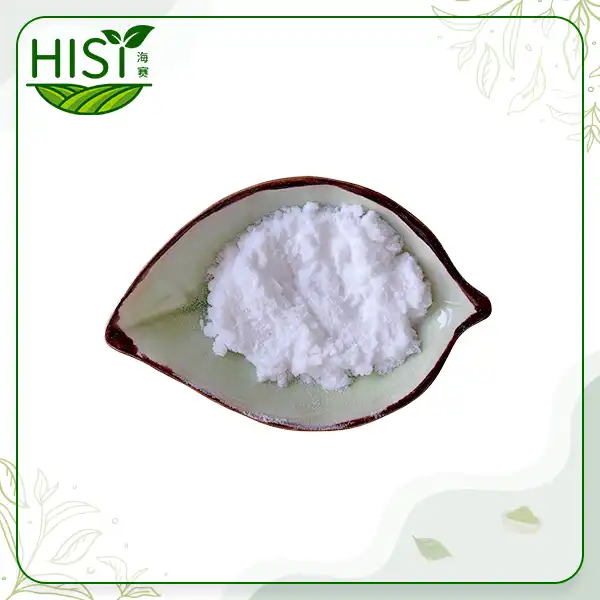
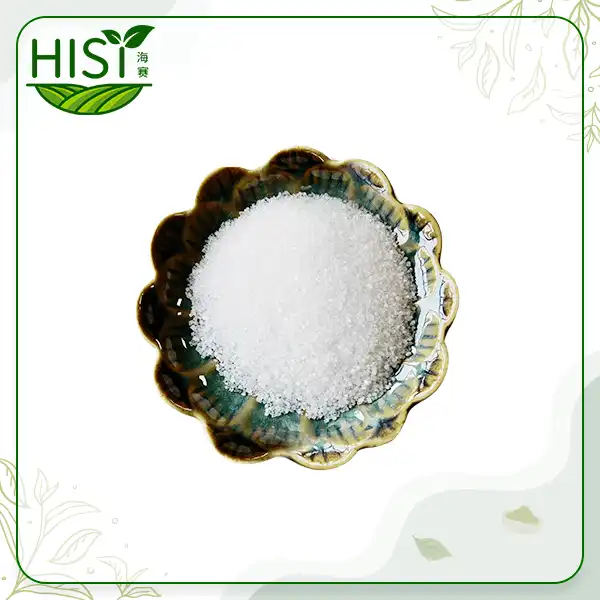
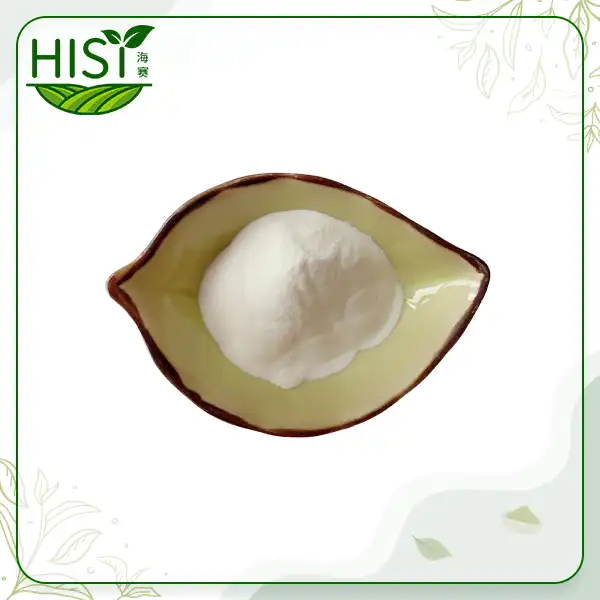
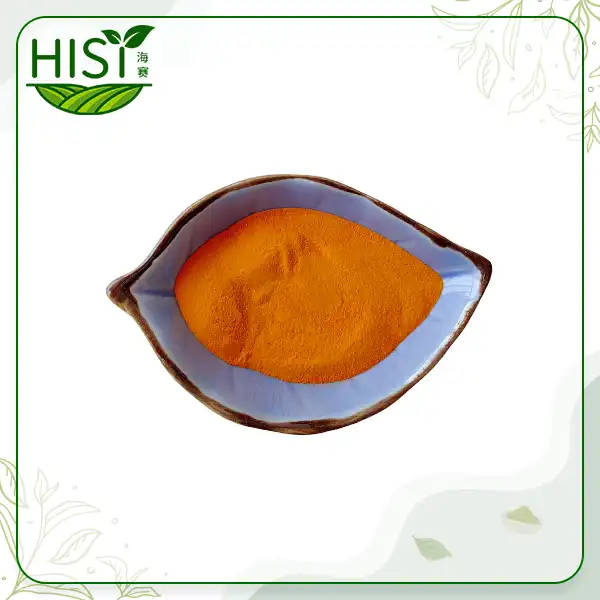
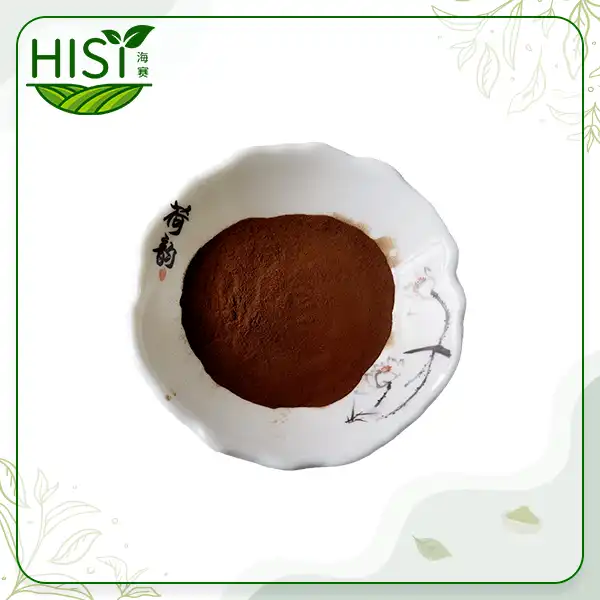
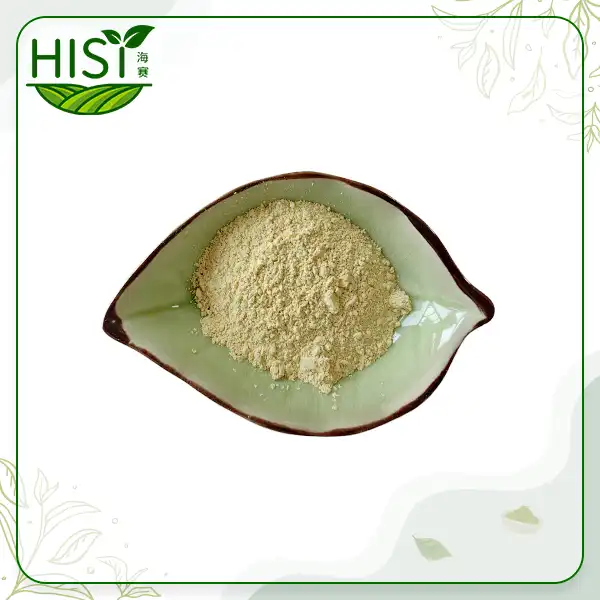
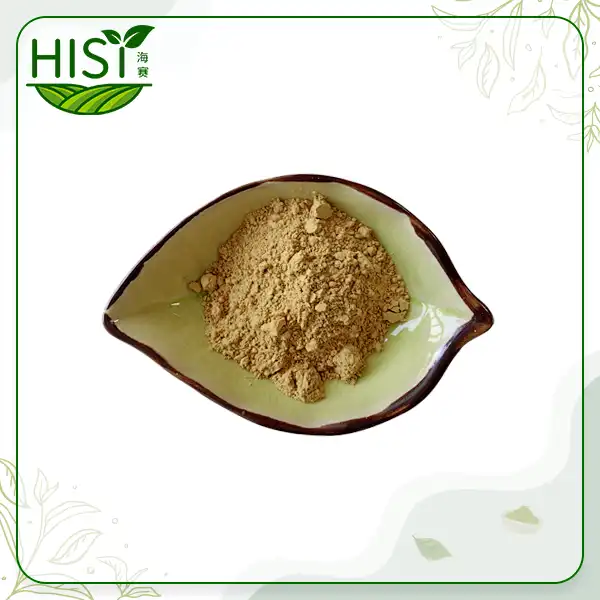
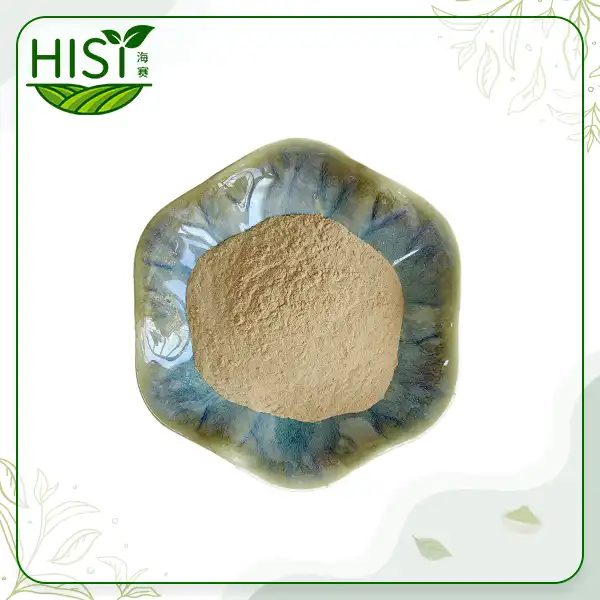
On the market, you can find standardized extracts ranging from 2-8% for mild dietary supplements to 98% for pharmaceutical-grade isolates. Lower standardization goods (8–20%) look like reddish-brown powders that have wider alkaloid profiles and are very water-attracting, so they need to be handled carefully. These work well in general health formulas where exact dosing isn't as important and whole-plant interactions are important.Mid-range standardizations (20–50%) strike a good balance between potency and ease of production. They provide enough alkaloid concentration for effective dosing while still having better flow properties than higher concentrations. A lot of companies that make capsules like these grades because they mix well with other ingredients and stay stable in finished products.Ultra-high pure extracts with about 98% yohimbine content look like white crystalline powders that look like man-made materials. These pharmaceutical-grade products are used for specific tasks that need accurate dosing, like clinical research and prescription drugs. To make them, you need to use complex chromatographic methods, which makes them much more expensive than regular extracts. The melting point of pure forms is between 235 and 237°C, which is another way to check for quality.
How to Evaluate and Procure High-Quality Yohimbe Extract for Your Business
Essential Supplier Qualification Criteria
A thorough review of the seller that looks at a number of quality factors is the first step in effective procurement. Ask for copies of the most recent ISO 9001, HACCP, and GMP certifications from outside auditing bodies. To avoid false claims, check these documents directly with the organizations that issued them. Registration of a manufacturing facility with the FDA for facilities that export to the US gives extra assurance of following the rules and being ready for inspections.Ask possible providers to show you proof of their production ability to make sure they can meet your volume needs without lowering the quality as they go up. Site checks, which can be done by the manufacturer themselves or by a third-party inspection service, show how quality control is actually being used and how the production process is actually going. Check batch production records to see if test results are consistent across multiple production runs. This will help you find suppliers who have good process control.Ask well-known names in similar markets for customer examples, and then make your own calls to confirm the information. Yohimbe extract Having long-term relationships with reputable businesses shows that you can be trusted to deliver high-quality goods on time. Check the technical support, especially to see if the suppliers have qualified staff who know the rules in the markets you want to reach and can help you with formulation.
Critical Documentation and Testing Requirements
Every shipment of a product should come with full CoA paperwork that lists all the quality factors we talked about earlier, such as the amount of alkaloids found using HPLC, the presence of heavy metals, pesticide residues, microbes, and identity proof. Specific testing methods and acceptance standards must be listed in these papers, along with dates of tests that have been approved by quality control staff.Check that the testing takes place in ISO/IEC 17025-certified labs, whether they are in-house or hired third-party labs. This certification makes sure that laboratories keep up quality management systems and competency standards that meet international standards. Some purchasing managers need split-sample testing, which means that parts of each batch are analyzed separately at the labs they choose. This makes sure that the data provided by the supplier is correct.Ask for full specification sheets that list the product's chemical parameters (solvent residues, moisture content), physical qualities (such as look, particle size, and bulk density), and packing information. Technical paperwork should come with stability data to back up shelf-life claims and suggested keeping conditions. During regulatory inspections and customer audits, these detailed records are very important.
Building Strategic Supplier Relationships
Switching from one-time purchases to long-term partnerships builds mutual value and supply chain resilience. Talk to your suppliers about long-term volume projections. This will help them figure out the best times to buy raw materials and schedule production. This openness often lets you get better prices and faster distribution when supplies are limited.Work together on projects to make things better all the time and share opinions about how the product works in your unique situations. Good providers are open to talking to customers and use what they learn to improve their production methods and come up with custom solutions. Some manufacturers offer private label options or custom standardization levels that are made to fit proprietary formulations. This helps their products stand out in markets where competition is high.Set up clear rules for conversation, such as who to talk to about technical, business, and logistical issues. Regular reviews of the business that look at quality trends, service performance, and changes in the market help to build relationships and find ways to make things better. Hisy Biotechnology sees its clients as partners and invests in their success by providing quick technical support, letting them choose the minimum order quantity, and making sure that each client's formulation problems are solved in a way that fits their needs.
Conclusion
To make pharmaceutical-grade natural plant extracts, you need to use advanced processing technology, do a lot of scientific testing, and stick to quality standards at all times. Yohimbe extract When procurement professionals understand these complicated processes, they can make smart choices about where to buy things that protect the brand's image and make sure they follow the rules. Between African tree bark and standardized extract, there are a lot of important control points where good supervision is needed to tell the difference between high-quality products and lower-quality ones.As the need for natural ingredients used in health and wellness continues to grow around the world, supply chain transparency and documented quality become competitive necessities instead of nice-to-haves. Partnering with qualified makers who follow strict testing methods, follow all regulations, and show consistent production capabilities is the key to developing great products and selling them well.
FAQHow can I verify a supplier's manufacturing quality?
Ask for a lot of paperwork, like up-to-date ISO, HACCP, and GMP certifications from well-known auditing bodies. Look over several batch CoA paperwork to see if the analytical data are consistent across production runs. You might want to do supplier audits yourself or hire a qualified third-party inspection service. Ask well-known brands for client references and check their stories on your own. Split-sample testing, in which you look at parts of batches at the lab of your choice, gives you objective quality confirmation that goes beyond the data provided by the supplier.
What safety tests are essential for botanical extracts?
ICP-MS technology is used for heavy metal screening for lead, cadmium, mercury, and arsenic, which is an important part of safety testing. Multi-residue LC-MS/MS methods should be used for pesticide residue analysis to cover hundreds of compounds. Microbial testing needs to count all aerobic bacteria, yeast, and mould, as well as look for certain pathogens like Salmonella and E. coli. Quantifying alkaloids using HPLC proves the amount of active compounds and looks for possible contaminants. These thorough tests make sure that consumers are safe and that rules are followed in all foreign markets.
Does extraction method affect product efficacy?
The way the alkaloids are extracted has a big effect on their profile, purity, and bioavailability. Supercritical CO2 extraction makes cleaner goods with less solvent waste and better protection for chemicals that break down at high temperatures. Traditional solvent extraction is still a cheap option, but it needs to be tested for residual solvents in a thorough way. The choice impacts the quality of the finished product, the cost of production, and the product's position in the market. This is especially true for clean label products, where customers closely examine the processing methods used.
Partner with Hisy for Certified Yohimbe Extract Supply
Shaanxi Hisy Biotechnology has been a trusted producer of Yohimbe extract for over fifteen years, working with nutraceutical brands, beauty formulators, and pharmaceutical creators all over North America. Our state-of-the-art factory in Xi'an is registered with the FDA and has HACCP and ISO certifications to make sure that every batch of products we make meets the strict standards your business needs.We offer standardized Yohimbe bark extract with yohimbine contents ranging from 8% to 98%. It comes with full analytical documentation that includes heavy metal screening, microbial testing, and HPLC quantification. Our technical team can help you with formulation and help you choose the best specs for your uses while also meeting the regulatory needs of the markets you want to reach. Hisy is your best bet for a steady supply of high-quality goods because of its low bulk prices, flexible minimum orders, and dependable foreign operations.Email our team at sales@hisybio.com to get samples of our products, full product specifications, and custom quotes. Find out how our dedication to quality, openness, and customer satisfaction can help your supply chain and speed up the development of your products.
References
1. Tam SW, Worcel M, Wyllie M. "Yohimbine: a clinical review." Pharmacological Reviews 2001; 53(3): 417-440.
2. Ernst E, Pittler MH. "Yohimbine for erectile dysfunction: a systematic review and meta-analysis of randomized clinical trials." Journal of Urology 1998; 159(2): 433-436.
3. Ostojic SM. "Yohimbine: the effects on body composition and exercise performance in soccer players." Research in Sports Medicine 2006; 14(4): 289-299.
4. United States Pharmacopeial Convention. "Botanical Extracts: General Chapter <565>." USP-NF 2023. Rockville, MD: United States Pharmacopeial Convention; 2023.
5. Betz JM, White KD, der Marderosian AH. "Gas chromatographic determination of yohimbine in commercial yohimbe products." Journal of AOAC International 1995; 78(5): 1189-1194.
6. Cohen PA, Wang YH, Maller G, et al. "Pharmaceutical quantities of yohimbine found in dietary supplements in the USA." Drug Testing and Analysis 2016; 8(3-4): 357-369.