

_1752718207094.png)

Patent Landscape of β-Nicotinamide Mononucleotide Powder Technologies
The patent landscape for β-Nicotinamide Mononucleotide Powder shows that intellectual property laws are always changing because of new discoveries in how to make the drug, how to formulate it, and how to deliver it. This compound has gotten a lot of attention from research centers, pharmaceutical companies, and companies that make nutraceuticals because it is an important NAD+ precursor. When business-to-business buyers know about the patent environment, they can find trustworthy sellers with unique technologies, evaluate freedom-to-operate issues, and predict how the market will change when patents expire or new intellectual property claims come up. This study gives procurement workers the strategic information they need to make smart choices about where to buy things while navigating the complicated regulatory and competitive world.
Overview of β-Nicotinamide Mononucleotide Powder and Its Market Potential
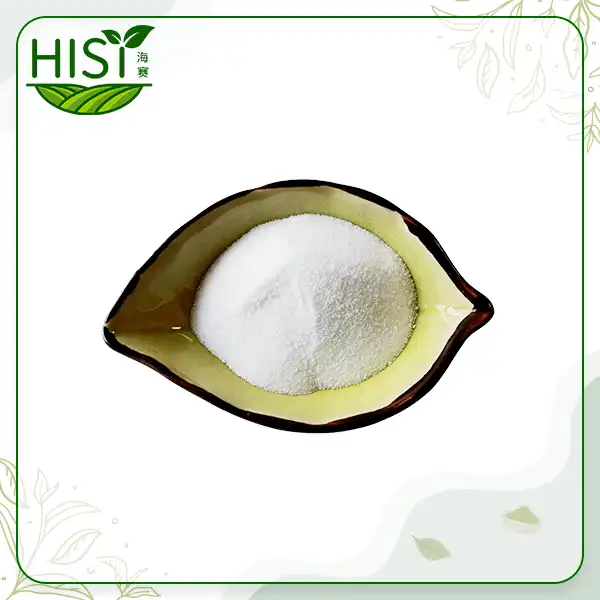
β-Nicotinamide Mononucleotide Powder is a groundbreaking chemical in the study of cellular metabolism. This solid powder that is white to off-white is a direct precursor to nicotinamide adenine dinucleotide (NAD+), a coenzyme that is needed to make energy, fix DNA, and send signals between cells. Its molecular weight of 334.22 g/mol and ability to dissolve in water make it very useful for formulating new medicines.
Chemical Structure and Functional Properties
This mononucleotide is different from other isomers because it has a β-configuration that makes it more bioavailable and easier for cells to take up. When we look at the technical details of high-quality β-Nicotinamide Mononucleotide Powder, we can see that the purity levels are always higher than 98%. This is proven by HPLC and LC-MS tests. At Shaanxi Hisy Biotechnology, our special enzymatic synthesis process keeps the integrity of molecules and achieves 99.2% purity, which is higher than the standard in the industry. The powder is very stable at high temperatures and has a tapped density of between 0.4 and 0.6 g/ml, which makes packaging much more efficient during production.
Expanding Market Demand and Applications
The global market for NAD+ precursor supplements is growing at a speed that has never been seen before. This is because people are living longer and becoming more aware of the health of their cells. The compound can be used in many areas, such as anti-aging supplements, formulas for improving brain function, metabolic health products, and new cosmetics. B2B buyers should be aware that different countries have very different regulatory systems. For example, FDA GRAS status in the US and Novel Food approval processes in Europe affect how buyers can get into the market. As part of our commitment at Hisy, we give international manufacturers and distributors all the regulatory paperwork they need to enter new markets easily.

Patent Landscape Analysis of β-Nicotinamide Mononucleotide Powder Technologies
Since early synthesis patents came out in the 2000s, the intellectual property environment for β-Nicotinamide Mononucleotide Powder technologies has changed a lot. Understanding this evolution is very important for procurement professionals who are evaluating the skills of suppliers and the viability of long-term partnerships.
Evolution of Synthesis Patents
The first patents were mostly about chemical synthesis methods that used nicotinamide and ribose-5-phosphate as building blocks. Even though these methods worked, the products they made were often not as pure and had chemical solvent residues that made people worry about their safety. In modern inventions, enzymatic synthesis routes that work like biological processes are getting more and more attention. At Shaanxi Hisy Biotechnology, we've put money into advanced enzymatic catalysis technologies that get rid of all harmful chemical residues. This makes a product that is only β-isomer and doesn't have any chiral impurities. This new technology solves important quality problems for uses that are used in pharmaceuticals.
Geographical Distribution of Patent Activity
Patent filing activity shows clear geographical patterns that point to places where new ideas are most likely to be accepted. The US has the most patents filed overall, especially for new drug formulations and transport systems. Japanese companies have made important contributions to enzymatic synthesis methods, while Chinese companies have quickly filed more patents on technologies that make them more scalable and cheaper. Improvements to purity and stability are often emphasised in European patents. This variety of locations makes it possible for business-to-business buyers to find suppliers from areas with strong technologies that meet their quality and price needs.
Core Technology Clusters
Patent research shows that there are a few main groups of technologies that are affecting the competition. Purity enhancement technologies deal with crystallisation methods and purification protocols that meet the strict requirements for pharmaceutical use. Patents on delivery systems look into ways to make medicines more bioavailable, such as liposomal formulas, microencapsulation, and sublingual release. The main goal of stability patents is to stop breakdown in water, which is very hard to do because the molecule is naturally acidic. Patents on combination formulations look into how they work together with other NAD+ precursors or nutrients that work well with each other. By understanding these clusters, procurement teams can tell if possible sellers can come up with new ideas or just use standard ways to make things.
Patent Expiration Opportunities
Several important patents that cover basic synthesis methods are now or soon will be in the public domain, which means that buyers who want to save money can get them. Patent expiration dates suggest that there will be more competition and prices may go down in the next three to five years. But later patents that cover advanced formulation methods and delivery systems are still valid. This means that high-priced, unique goods will continue to control the market. When choosing providers, buyers have to weigh the costs of quality standards and intellectual property risks.

Comparative Evaluation of β-Nicotinamide Mononucleotide Powder Technologies and Market Solutions
Before making a purchase choice, it's important to look at all of the different methods and suppliers that are available to find the best balance between quality, cost, and supply reliability.
Comparison with Other NAD+ Precursors
There are a number of different NAD+ predecessors on the market, and each has its own pros and cons. Nicotinamide Riboside (NR) has similar effects, but it needs more steps of enzyme processing inside cells, which could make it less effective. Resveratrol turns on sirtuins in different ways, but it doesn't directly help make NAD+. At reasonable amounts, nicotinenic acid makes you flush, which is not what you want. However, high-purity β-Nicotinamide Mononucleotide Powder supports NAD+ directly, is more bioavailable, and has fewer side effects than other options. This makes it the best choice for high-end anti-aging formulas. Hisy's technical team gives B2B clients detailed comparative data that helps them understand these differences and place their products correctly.
Synthetic versus Biosynthetic Production Methods
The way a product is made has a big effect on its quality, its cost, and its place in the market. The purity that is usually achieved through traditional chemical synthesis is good enough for general supplement uses, but it may introduce small amounts of contaminants that make it less useful for pharmaceutical use. Biosynthetic ways that use enzymatic catalysis make goods that are cleaner, more pure, and more consistent. Shaanxi Hisy Biotechnology uses advanced biosynthetic methods to make sure that the consistency from batch to batch is more than 99% pure and that there is little variation from lot to lot. This consistency is very important for companies that make controlled health goods that need to meet strict specifications.
Supplier Credential Assessment
Several types of credentials must be carefully looked at when evaluating possible β-Nicotinamide Mononucleotide Powder providers. Third-party testing documents that prove purity, heavy metal content, and microbial limits should be part of laboratory validations. Standards for certification like ISO 9001, GMP, and HACCP show that a company is dedicated to quality systems and process controls. Our building has ISO 9001:2015, GMP, HACCP, Kosher, and Halal certifications, so it can meet the needs of a wide range of customers. Client reputation indicators, such as testimonials, repeat purchases, and recognition in the industry, give people even more confidence. Before making big purchases, buyers should ask for Certificates of Analysis that include a list of test items, specifications, and actual results.
Procurement and Supply Chain Considerations for β-Nicotinamide Mononucleotide Powder
When buying β-Nicotinamide Mononucleotide Powder strategically, you need to keep an eye on a number of supply chain factors that can change the total cost of ownership and affect the ability to keep operations running.
Volume and Pricing Benchmarks
When buying in bulk, the smallest order size is usually between 1 and 5 kilograms for testing purposes. For regular production runs, the order size goes up to 25 to 100 kilograms. Prices on the market today vary a lot depending on the level of purity, the requirements for certification, and the reputation of the supplier. Premium material made for pharmaceuticals costs more, but it's worth it because it goes through a lot of testing and documentation. At Shaanxi Hisy Biotechnology, we keep our quality standards high and offer competitive bulk pricing structures that reward long-term partnerships. Volume savings become significant when quarterly promises go over 500 kilograms, which helps established makers negotiate contracts.
Logistics and Lead Time Management
When sending β-Nicotinamide Mononucleotide Powder across international borders, it is important to be aware of the right storage conditions and follow all the rules. The compound is stable at room temperature, but it works best in places with controlled humidity because it doesn't absorb water. Usually, it takes two to four weeks from the time an order is confirmed until it is delivered, but this depends on where it is going and how quickly it can be cleared through customs. We can meet tight production plans thanks to our well-organised logistics network and big inventory. For urgent needs, we can also offer faster shipping. For first orders, payment terms usually include a letter of credit or an advance payment. Once a relationship is established and credit is checked, payment terms change to net terms.
Quality Verification and Consistency Assurance
Using strong quality control procedures keeps you from getting low-quality materials that could hurt the performance of your product or make it harder to follow the rules. During the incoming review, the identity should be confirmed using spectroscopic methods, the purity should be confirmed using HPLC, and the moisture level should be found. Shelf life and storage needs can be predicted by testing stability under accelerated conditions. Assessing batch consistency across multiple shipments makes sure that the supplier can be relied on. With every batch, we send a full set of technical information, such as a detailed Certificate of Analysis, data on stability, and formulation guidelines. Our research and development (R&D) team is always available to help customers improve their formulations and figure out any problems that come up during product development.
Future Trends and Innovation Outlook in β-Nicotinamide Mononucleotide Powder Technologies
B2B buyers can make smart buying choices that take advantage of new market possibilities by guessing how β-Nicotinamide Mononucleotide Powder technologies will change in the future.
Breakthrough Scientific Research
We are still learning more about how β-Nicotinamide Mononucleotide Powder affects human health through clinical studies. The results of recent research are encouraging when it comes to improving cognitive ability, managing metabolic syndrome, and heart health. Trials are still going on to find the best ways to give doses, how to use combination treatments with chemicals that work well together, and how certain groups of people react. These results encourage manufacturers to come up with new products and open up new market segments for them. Staying in touch with a supplier like Hisy that keeps an eye on scientific progress guarantees access to formulation insights and application guidance that help set your product apart from the competition.
Advancements in Synthesis and Delivery Systems
The goal of technological progress is to make both production more efficient and products work better. Next-generation enzymatic synthesis methods offer even lower costs while keeping or even raising the level of purity. Bioavailability problems and patient preferences for ease of use are met by new delivery systems, such as sustained-release formulations, transdermal patches, and sublingual fast-dissolving tablets. Microencapsulation technologies keep the active ingredient from breaking down in harsh conditions. This makes finished products more stable and extends their shelf life. Shaanxi Hisy Biotechnology is always working on research and development (R&D). Because of this, we are at the head of these new ideas and can give our OEM and ODM partners early access to better products.
Regulatory Evolution and Supply Chain Dynamics
As authorities learn more about NAD+ precursors and their safety profiles, regulatory landscapes continue to change. Toughening standards might make it more expensive to follow them, but it will also give suppliers with well-established quality systems and lots of paperwork a competitive edge. Prices and availability are affected by things in the global supply chain, such as where to get raw materials, how much capacity there is for production, and international issues. Diversifying your relationships with suppliers across different regions lowers the risk of disruptions while keeping your supply going. Our long-term operations in China's biotechnology hub combine the benefits of sourcing locally with international quality standards to provide a steady supply even when the market is volatile.
Conclusion
The number of patents for β-Nicotinamide Mononucleotide Powder shows that the industry is moving from basic innovations in synthesis to more advanced formulation technologies and delivery systems. B2B procurement pros have to find their way through this complicated intellectual property landscape while keeping quality standards, cost concerns, and supply security in mind. Businesses can make smart buying choices that will help them succeed in the growing anti-aging and cellular health markets by knowing when patents will expire, what technologies are popular, and how the rules are changing. In this fast-paced business, working with well-known manufacturers that offer full certifications, technical know-how, and regular quality gives you a competitive edge. As more studies confirm health benefits and new ideas lead to better goods, smart buyers will take advantage of new possibilities while minimising the risks that come with the market.

FAQ
What is the recommended dosage of β-Nicotinamide Mononucleotide Powder for supplement formulations?
For consumer supplements, the usual dose is between 250 mg and 500 mg per serving. However, doses up to 1,000 mg per day have been safely tested in clinical studies. When making formulation decisions, you should think about the people you want to reach, the benefits you want to achieve, and the rules that apply in each market. Our expert team gives dosage advice based on the goals of current research and formulation.
How can buyers verify the quality and authenticity of NMN powder?
To check the quality, you need to ask for full Certificates of Analysis that show HPLC purity testing, heavy metal screening, and microbial limits. Independent confirmation comes from testing done in a lab by a third party. Reliable providers keep ISO, GMP, and HACCP certifications, which show that they have strict quality controls in place. Hisy is open to third-party audits and provides full paperwork openness to help buyers feel confident.
What are the primary storage and handling requirements?
The powder should be kept in cool, dry places that are out of direct sunlight and sealed containers. The food is stable at room temperature, but keeping it in the fridge makes it last longer. Stay away from wetness, which can cause degradation. Throughout the supply chain, proper treatment keeps products from getting contaminated and keeps their purity.
Partner with Hisy for Premium β-Nicotinamide Mononucleotide Powder Supply
If you need pharmaceutical-grade β-Nicotinamide Mononucleotide Powder for product creation or manufacturing, Shaanxi Hisy Biotechnology is ready to help. They offer full expert support and strict quality control. As a well-known NMN powder manufacturer, we use cutting-edge enzymatic synthesis technologies and have ISO 9001, GMP, and HACCP certifications to make sure that the quality always meets international standards. We are the best partner for nutraceutical brands, cosmetic makers, and ingredient sellers looking for stable supply because our bulk prices are reasonable, our minimum order amounts are open, and we can do OEM/ODM work. You can email our team at sales@hisybio.com to ask for samples, technical details, and quotes that are specifically made for your needs. You can look at our full line of products at hisybio.com and learn how our dedication to quality can help your recipes stand out in the competitive anti-aging and cellular health markets.
References
1. Yoshino J, Baur JA, Imai SI. "NAD+ Intermediates: The Biology and Therapeutic Potential of NMN and Related Molecules." Cell Metabolism, 2018, 27(3): 513-528.
2. Mills KF, Yoshida S, Stein LR, et al. "Long-Term Administration of Nicotinamide Mononucleotide Mitigates Age-Associated Physiological Decline in Mice." Cell Metabolism, 2016, 24(6): 795-806.
3. Poddar SK, Sifat AE, Haque S, et al. "Nicotinamide Mononucleotide: Exploration of Diverse Therapeutic Applications of a Potential Molecule." Biomolecules, 2019, 9(1): 34.
4. Rajman L, Chwalek K, Sinclair DA. "Therapeutic Potential of NAD-Boosting Molecules: The In Vivo Evidence." Cell Metabolism, 2018, 27(3): 529-547.
5. Gomes AP, Price NL, Ling AJ, et al. "Declining NAD+ Induces a Pseudohypoxic State Disrupting Nuclear-Mitochondrial Communication during Aging." Cell, 2013, 155(7): 1624-1638.
6. Hong W, Mo F, Zhang Z, et al. "Nicotinamide Mononucleotide: A Promising Molecule for Therapy of Diverse Diseases by Targeting NAD+ Metabolism." Frontiers in Cell and Developmental Biology, 2020, 8: 246.