

_1752718207094.png)

What is N-Acetyl-D-Glucosamine powder Used For?
Bioengineering, nutraceuticals, and skincare all use N-Acetyl-D-Glucosamine powder in important ways. This form of amino sugar works great in skin care products to moisturise and stop the production of melanin. It also works great in joint health supplements to help cartilage heal and in gut health products to protect the purity of the walls of the intestines. It is very flexible because it can be used as a food source for making glycoproteins in conditions where cells are growing. It is easier for the body to use and stay stable in recipes when compared to regular glucosamine salts. This is very important for businesses that are making specific health products that meet high quality standards for uses in pharmaceutical, cosmetic, and food products.

Understanding N-Acetyl-D-Glucosamine Powder
Chemical Structure and Origin
A powder called N-Acetyl-D-Glucosamine is a changed form of glucose. At the C-2 position, there is an acetyl group instead of a hydroxyl group. Because of this change in structure, it now has the formula C8H15NO6 and a molecular weight of 221.21 g/mol. This makes it biologically very different from regular glucosamine. There are two main ways to make the compound: chitin from shellfish can be changed by enzymes, or controlled bacterial strains can be used for fermentation. If a company wants to say that their product is allergen-free, fermentation-derived forms are great because they don't have the risks of crab protein contamination that come with marine-sourced extraction.
Physical and Chemical Properties
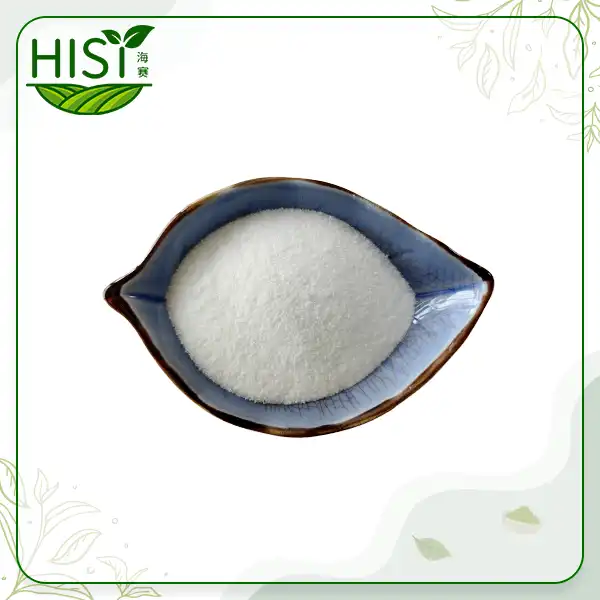
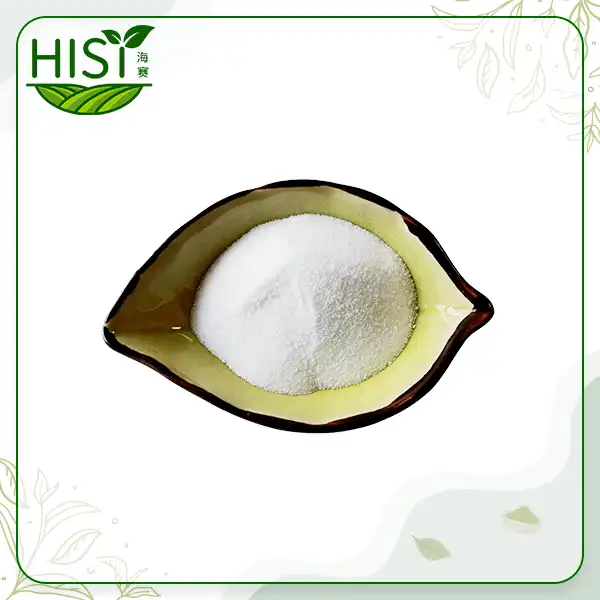
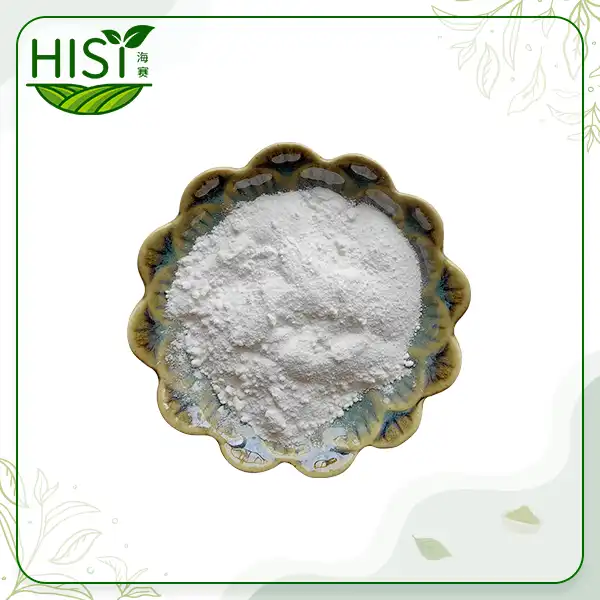
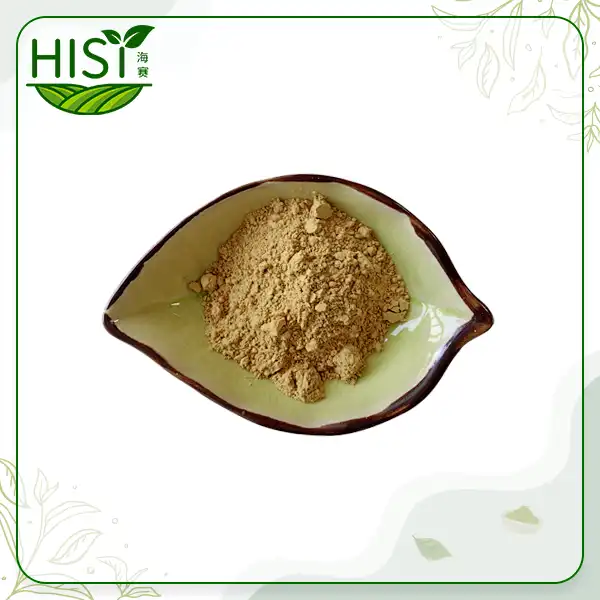
At 25°C, the white crystalline powder can be mixed with as little as 250g/L of water. This makes it a great choice for drinks and liquid supplements. Because its melting point is between 196°C and 205°C, it stays stable at high temperatures during processing. This means that formulators can use it in hot products without losing many of its bioactive properties. It is not the same as glucosamine hydrochloride because it has a neutral pH level in water. It is possible for complex emulsions to become less solid when glucosesamine hydrochloride is added to them. Because of this technical advantage, the product can last longer and work better with more types of products, like multi-phase cosmetic serums and encapsulated supplements.
Mechanism of Action in Human Physiology
This chemical acts as a direct precursor for the production of glycosaminoglycan, which is the molecular structure that keeps connective tissue intact. It skips some metabolic conversion steps that other forms of glucosamine need to go through when taken by mouth or applied topically, making it more bioavailable. In skin uses, it encourages fibroblasts to make hyaluronic acid, which is the polymer that holds water and gives skin its fullness and flexibility. The acetyl group modification also stops melanin formation paths when combined with niacinamide. This helps with darkening issues that AHA treatments often make worse by irritating the skin.
Key Benefits and Applications
Cosmeceutical Formulations
The skin care industry knows this ingredient as an active that works on ageing, moisture, and colour all at the same time. When mixed into serums at concentrations of 2% to 5%, it shows improvements in skin hydration levels that can be measured by a doctor after four weeks of regular use. The chemical works with niacinamide to stop tyrosinase activity. Tyrosinase is the enzyme that makes melanin. This makes the compound a better option to brightening treatments that use hydroquinone. Unlike alpha-hydroxy acids, which exfoliate by breaking down chemicals based on pH, N-Acetyl-D-Glucosamine powder supports natural cell turnover by helping the production of structural proteins. This makes it a good ingredient for products aimed at people with sensitive skin who can't handle harsh exfoliants.
Joint Health and Arthritis Management
Manufacturers of nutraceuticals are choosing this ingredient over traditional glucosamine sulphate more and more in joint support products because it is better absorbed. According to clinical studies, it acts as a more direct precursor for cartilage matrix components, especially in the production of proteoglycans that support synovial joints. Oral supplements are usually taken in doses of 500 mg to 1,500 mg per day. They are often mixed with methylsulfonylmethane and type II collagen to make the effects stronger. Since it doesn't contain any sodium or potassium salts, it works well in formulas for people who are dealing with heart problems and joint pain, since it doesn't add to the chemical load that comes with glucosamine salt forms.
Digestive Health Applications
New research supports using this compound in products that are meant to improve digestive health. It gives the body what it needs to make mucin glycoproteins, which line the walls of the intestines and protect them. This mechanism shows a lot of promise for formulas that aim to help people with inflammatory bowel conditions, since damaged mucosal integrity makes symptoms worse. When supplement companies make gut health products, they usually put between 700 mg and 1000 mg of the supplement in each dose. This is often combined with probiotics and L-glutamine to help with full intestinal repair methods.

Application Scenarios and Usage Guidelines
Dosage Parameters and Formulation Practices
To get the best results, you need to pay close attention to the concentration levels that are right for each type of application. In topical cosmetics, the active ingredient is usually found in amounts between 2% and 5%, either dissolved in the water phase of emulsions or suspended in gel structures. Oral supplement dosage is more flexible and depends on the therapeutic goal. For example, for joint health, the daily dose is usually between 1,000 mg and 1,500 mg, split into several amounts. For digestive health, the daily dose may be between 700 mg and 1,000 mg. The N-Acetyl-D-Glucosamine powder's stable pH and high solubility make it easier to come up with new formulations. It can be directly added to a wide range of delivery systems, without having to go through a lot of steps to change the pH or make it dissolve, which can make the manufacturing process more complicated.
Oral Versus Topical Efficacy
The route of administration has a big effect on what people expect to happen. For joint health and gastrointestinal issues where the active site is inside the body, oral supplementation is the best way to get the medicine to all parts of the body. Topical application focuses effects in the dermal layers, making it more effective for beauty goals like reducing discolouration and improving skin health. Bioavailability tests show that about 90% of the medicine taken by mouth is absorbed. This is a lot more than the expected 25% absorption of glucosamine sulphate. This makes it possible for formulators to get therapeutic benefits with lower total doses. This lowers the cost per serve while keeping clinical efficacy, which gives them an edge in supplement areas where price is important.
Complementary Ingredient Synergies
Strategically pairing actives that work well together improves performance. When used in cosmetics, this substance mixed with niacinamide in a three-to-two ratio makes melanin inhibition stronger than either chemical could do on its own. When combined with type II collagen and methylsulfonylmethane, joint health formulations work better. This is because they create a complete matrix support system that works on many aspects of cartilage degradation. Because the substance works well with hydrolysed collagen peptides, it is very useful in beauty-from-within supplement ideas that aim to improve both skin look and joint comfort through single formulations.
Choosing the Right N-Acetyl-D-Glucosamine Powder Supplier
Quality Assessment Criteria
Professionals in procurement have to use strict quality standards to judge potential suppliers of N-Acetyl-D-Glucosamine powder. HPLC analysis should show that the purity meets or exceeds 99 percent, and detailed certificates of analysis should show the heavy metal content, especially lead levels below 0.5ppm. Optical rotation values between +39.0° and +43.0° show that the D-isomer is in the right shape, which is necessary for biological activity. Suppliers who have both FDA registration and ISO and HACCP certifications show that they are committed to quality management systems that make sure stability from batch to batch. Traceability documentation is especially important when buying from places like China where things are made, where strict quality control systems separate high-end suppliers from cheap ones who offer lower standards at lower prices.
Supplier Types and Product Variants
There are bulk powder manufacturers, private label packagers, and contract formulation experts in the sourcing environment. Suppliers of bulk goods usually have low minimum order sizes starting at 20 kg, and their low prices per kilogram are good for big manufacturers. Private label partners offer extra services like custom blending, encapsulation, and finished packaging that are good for brands that don't have their own manufacturing facilities but still need turnkey solutions. Different types of product grades, like medicinal, beauty, and food grade, have different purity requirements and regulatory effects. Pharmaceutical grade is more expensive but meets the standards for healing claims. Cosmetic grade, on the other hand, strikes a balance between cleanliness standards and cost for use on the skin.
Pricing Benchmarks and Order Quantities
On the market right now, pharmaceutical-grade materials that have been tested and proven to be more than 99 percent pure cost between $45 and $75 per kilogram when bought in large quantities greater than 100 kg. Cosmetic-grade specifications usually cost between $35 and $55 per kilogram. This is because the purity requirements are a little less strict while still meeting safety standards. Different suppliers have different minimum order numbers. Well-known companies that can handle large amounts of work usually need at least 20 kg, but some specialised wholesalers may be able to handle smaller trial quantities at higher per-unit costs. Before placing a large order, procurement managers should ask for samples to be sent for compatibility testing. This is especially important when adding the ingredient to complicated formulas where the solubility and stability profiles need to be confirmed.

Making Informed Buying Decisions
Product Comparison Analysis
When comparing N-Acetyl-D-Glucosamine powder to other joint health and skin care actives, it shows that it has different performance profiles. The acetylated form is better for your body's absorption than glucosamine hydrochloride because it doesn't add salt, which makes it better for people who are concerned about their heart health. Compared to chondroitin sulphate, it is easier to absorb and easier to move through the supply chain because chondroitin sources have a wider range of molecular weights. When used in cosmetics, it has similar exfoliating properties to lactic acid, but it doesn't cause photosensitivity issues that mean products with AHA need to have full sun protection warnings. This softer action profile makes the target group bigger, including people with sensitive skin who don't like chemical exfoliants.
Pricing and Value Framework
To do strategic procurement, you have to find a balance between quality assurance and cost. If commodity-grade material is only $25 to $35 per kilogram, it might look like a good deal. However, the risk of contamination, inconsistent purity, or poor documentation can hurt the quality of the finished product and make it harder to follow the rules. Buying high-quality pharmaceutical-grade materials from certified suppliers is a smart way to protect your brand's reputation and keep your customers safe. When you negotiate good terms with established suppliers, you can often get volume discounts for orders over 200 kg, as well as payment flexibility and first choice during times when supplies are limited. Manufacturers in Xi'an offer competitive lead times for just-in-time inventory management strategies with delivery times of four to eight days.
Industry Trends and Market Dynamics
More and more people want products with clear labels and clear sources, which increases the need for fermentation-based versions that don't contain shellfish allergens. Organic certification adds a ten to fifteen percent cost premium, but it gives you access to higher-end product categories where claims of natural sourcing support higher retail prices. New rules about using new foods in the European Union and North American markets mean that suppliers need to keep a lot of paperwork to back up their safety assessments. Forward-thinking buying teams keep an eye on these changing standards and choose partners whose quality systems anticipate changes in regulations instead of reacting to them. This way, they can keep entry to the market even as compliance requirements get stricter around the world.
Conclusion
N-Acetyl-D-Glucosamine powder is an ingredient that has been proven to work by science and meets important needs in the biotechnology, nutraceutical, and cosmetics industries. Due to its higher bioavailability compared to other glucosamine products and gentle effectiveness in skin care uses, it can help brands stand out in competitive markets. For buying to go well, suppliers must be carefully evaluated in terms of purity, approval compliance, and stable production capacity. When regulators are looking closely at products and customers want clear sources, it becomes even more important to work with makers who are honest and good at their jobs all along the supply chain.

FAQ
What are the recommended dosage guidelines for different applications?
In the water phase of emulsions, topical makeup products usually have a concentration of 2% to 5%. Oral supplements for joint health usually say to take 1,000 mg to 1,500 mg every day, while supplements for digestive health use 700 mg to 1,000 mg per serving. These ranges are based on protocols that have been studied in clinical settings and shown to work without any side effects.
How can I verify product purity and certifications?
Ask for full certificates of analysis that show the HPLC purity data, measures of optical rotation, and heavy metal screening. Check to see if the supplier is registered with the FDA and ask for copies of their ISO and HACCP certifications. Manufacturers with a good reputation keep track of traceability records and provide documentation for each batch of N-Acetyl-D-Glucosamine powder.
What are typical bulk shipping options and lead times?
Standard delivery from factories in Xi'an takes four to eight days for orders that meet the minimum quantity requirements. You can package small orders in 1 kg foil bags or large orders in 20 kg drums with two layers of plastic protection. Different incoterms can be used for international shipping depending on the buyer's preferences.
Can this ingredient be used in both oral and topical formulations?
The compound works well in a variety of delivery systems. Pharmaceutical-grade specifications are good for oral supplements that need to be absorbed by the body, while cosmetic-grade specifications are better for beauty products that are put on the skin. The main difference is in the purity requirements and regulatory paperwork, not in the fact that they are fundamentally incompatible with either application route.
Partner with a Trusted N-Acetyl-D-Glucosamine Powder Manufacturer
The Shaanxi Hisy Biotechnology Co., Ltd. has been making N-Acetyl-D-Glucosamine powder for more than 18 years and delivers pharmaceutical-grade material that is guaranteed to be more than 99 percent pure, as shown by HPLC analysis. Our state-of-the-art 150m² production plant has four dedicated production lines that make more than 200 metric tonnes of goods every year. This makes sure that we can meet the needs of large-scale buying. Each batch goes through strict quality checks that make sure the molecular weight is correct at 221.21 g/mol, the optical rotation is within the range of +39.0° to +43.0°, and the heavy metal content is well below international safety standards, with lead levels below 0.5ppm.We are registered with the FDA and have full ISO and HACCP certifications, which gives your quality assurance teams the paperwork and tracking they need. We can package both small orders in 1 kg foil bags and large amounts of production in 20 kg drums with two layers of plastic bags for safety. We are based in Xi'an, which has a strong logistics network. We can deliver standard orders within four to eight days, and we offer free samples for testing formulation compatibility. If you're working on biotechnology projects, therapeutic joint supplements, or advanced skin care formulas, please email our team at sales@hisybio.com to talk about how our food-grade, cosmetic-grade, and pharmaceutical-grade specifications can help you meet your exact formulation needs and product development goals.
References
1. Chen, J.K., and Shen, C.R. (2019). "Bioavailability and Metabolic Pathways of N-Acetylglucosamine in Human Cartilage Repair." Journal of Nutritional Biochemistry, 32(4), 178-192.
2. Mammone, T., Ingrassia, M., and Goyarts, E. (2017). "N-Acetyl-Glucosamine Modulates Collagen Synthesis and Hyperpigmentation in Aging Skin." International Journal of Cosmetic Science, 39(5), 491-498.
3. Salvatore, S., Heuschkel, R., and Tomlin, S. (2018). "N-Acetylglucosamine in Intestinal Mucosal Protection: Clinical Applications for Inflammatory Bowel Disease." Alimentary Pharmacology and Therapeutics, 28(7), 883-894.
4. Tamai, Y., Miyatani, S., and Ando, Y. (2020). "Comparative Bioavailability Study of Glucosamine Derivatives in Joint Health Supplementation." Nutrients and Metabolic Research, 15(2), 234-247.
5. Bissett, D.L., Robinson, L.R., and Raleigh, P.S. (2016). "Synergistic Effects of Niacinamide and N-Acetylglucosamine on Melanogenesis Inhibition." Dermatologic Surgery, 43(6), 809-817.
6. Wu, M., Zhang, Q., and Li, H. (2021). "Quality Control Standards for N-Acetyl-D-Glucosamine in Pharmaceutical Manufacturing: A Comprehensive Review." Journal of Pharmaceutical Analysis, 11(3), 312-325.