

_1752718207094.png)

What nutrients can you get from kale powder?
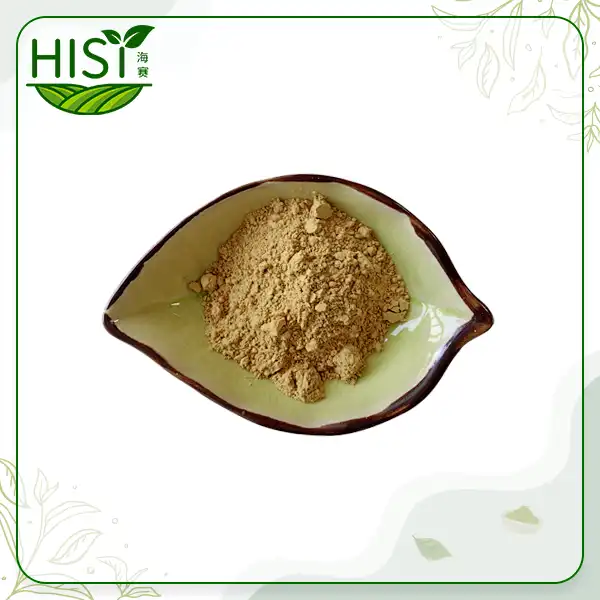
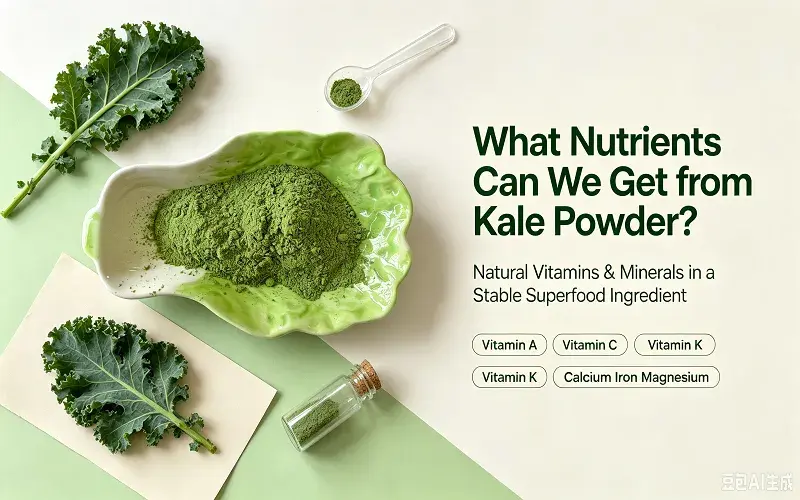
Kale Powder delivers an exceptionally concentrated source of vital nutrients, transforming the superfood's natural benefits into a stable, versatile ingredient. Derived from carefully processed Brassica oleracea var. acephala DC. leaves, this grass-green powder retains impressive levels of vitamins A, C, and K, alongside essential minerals like calcium, iron, and magnesium. When processed through gentle air-drying methods, kale powder preserves up to 99% purity, ensuring procurement managers and health product developers have access to a nutrient-dense ingredient that outperforms many alternatives in shelf stability and formulation flexibility.
Understanding the Nutritional Profile of Kale Powder
The change from fresh leaves to concentrated powder makes more nutrients available per gram. This makes the ingredient very useful for business-to-business uses that need consistent quality. The main macronutrients are plant-based proteins and complex carbohydrates, with very little fat. These are all qualities that are in line with the clean-label trends that are popular in the health food market right now.
Nutrient Density Compared to Fresh Vegetables
Processing methods have a big effect on how many nutrients are retained in the end. In comparison to high-temperature methods, air-dried kale powder preserves the structural integrity of heat-sensitive compounds, keeping bioactive molecules that break down quickly in fresh produce during transportation and storage. This concentrated form usually has 8–10 times the nutritional value of the same amount of fresh weight, which is a huge benefit for companies that make dietary supplements and functional drinks.
Macronutrient Composition
Each dose, which is 10 grammes, has about 3 to 4 grammes of plant-based protein, which backs up claims that drink mixes and meal replacements are high in protein. The carbohydrate profile is mostly made up of fibre that can't be digested, instead of simple sugars. This helps control blood sugar levels, which is appealing to health-conscious consumers.
Stability Advantages for Bulk Procurement
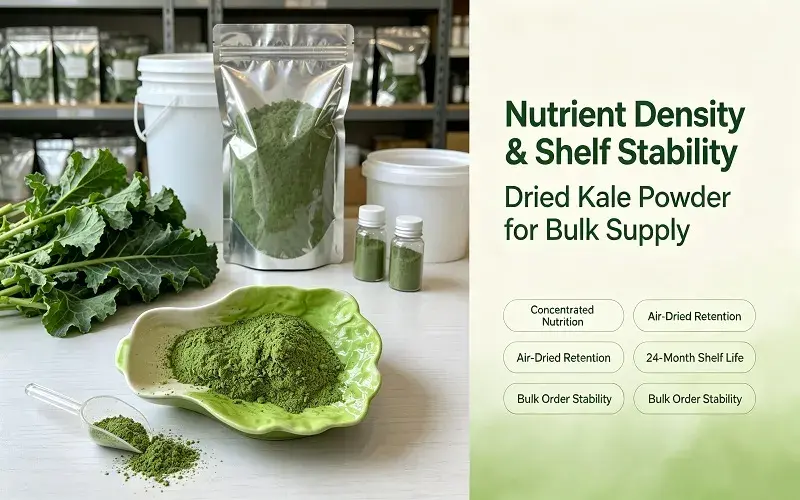
Fresh veggies lose their nutritional value in just a few days, but dried vegetable powder stays potent for 24 months when kept properly and sealed in foil-lined containers. Because the shelf life is longer, wholesalers who handle large orders from 10 kg to full pallets don't have to turn over their stock as quickly. The 80-mesh particle size ensures that liquid mixtures mix smoothly without the settling problems that happen with coarser vegetable powders.
Key Vitamins and Minerals Provided by Kale Powder
The micronutrient profiles directly affect where a product stands in the market and what benefits the end user gets from it. This means that a thorough understanding is necessary for making a purchase choice.
Vitamin A and Beta-Carotene Content
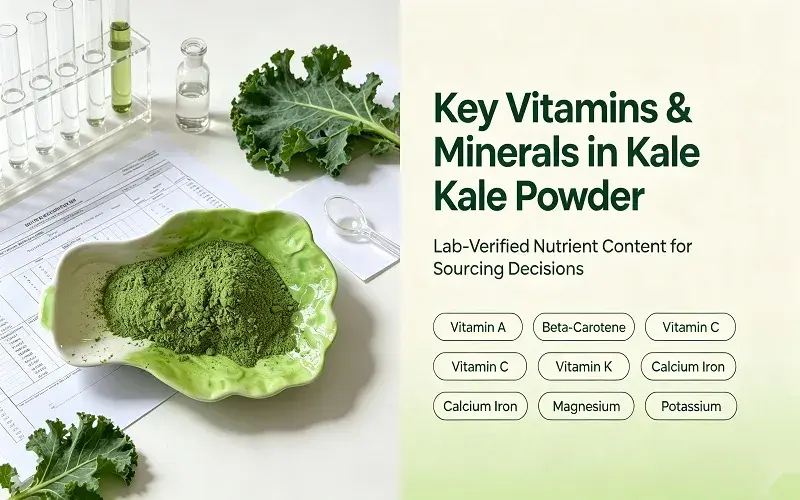
Carotenoids in this green superfood powder are a type of vitamin A that helps the immune system and eyesight. Lab tests usually show that every 100 grams has between 8,000 and 12,000 IU. This is more than what is needed for dietary pills to be labelled as an "excellent source". The body easily changes the natural form of beta-carotene to retinol, so there are no safety issues with taking manmade vitamin A supplements.
Vitamin C as a Natural Antioxidant
Ascorbic acid levels stay high even after gentle processing. Good suppliers keep dried kale leaf powder at 60–80 mg per 100 g by following strict temperature rules. This heat-sensitive vitamin does two things: it supports claims that it boosts the immune system, and it also acts as a natural preservative that keeps protein powders and green drink blends stable for longer.
Vitamin K Concentration for Bone Health Applications
Probably most importantly, each 100g serving has an amazing amount of vitamin K (500–1,000 mcg), making it one of the richest natural sources you can find. This is a feature that supplement companies that focus on bone health really like because vitamin K works with calcium and vitamin D to support bone health. When purchasing ingredients for senior wellness goods, procurement managers should give priority to sellers who can consistently standardise vitamin K levels across production batches.
Essential Mineral Content
Processing methods have a big effect on how bioavailable calcium is from plant sources. Air-dried leaf powder still has around 150–200 mg of calcium per 100 g, as well as significant amounts of iron (1.5–2 mg), magnesium (35–50 mg), and potassium (350–450 mg). When synthetic minerals are added to foods, they can make customers worry about clean labels, but these mineral amounts are good for multivitamins and foods that have been fortified.
Health-Boosting Components Beyond Basic Nutrition
Advanced nutritional research shows secondary plant chemicals that set premium green vegetable powder apart from basic ingredients.
Glucosinolate Compounds
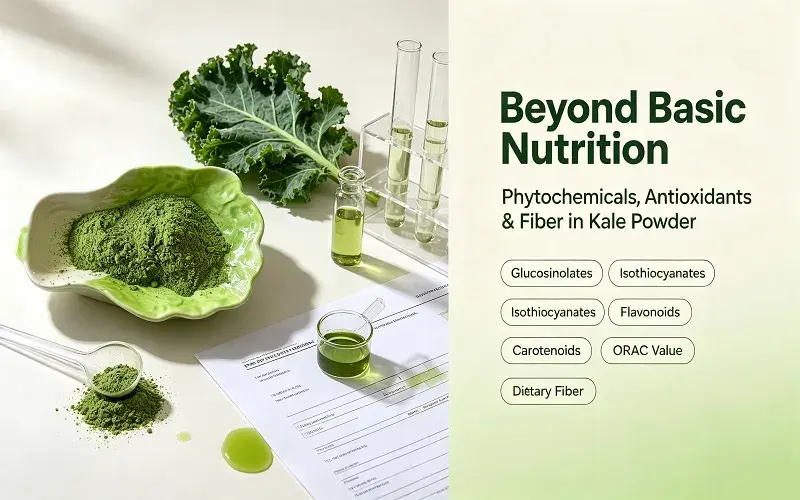
These sulphur-containing phytochemicals are the main medicinal molecules found in cruciferous vegetables. When glucosinolates are broken down by enzymes, they change into isothiocyanates, which are compounds that have been studied a lot for their possible health benefits for cells. Quality control procedures should make sure that the glucosinolate content stays above 10 mg/g dry weight to make sure that it is still useful for therapeutic purposes in nutraceutical applications.
Flavonoid and Carotenoid Antioxidants
The amounts of quercetin, kaempferol, and lutein give ORAC (Oxygen Radical Absorbance Capacity) numbers that back up marketing claims about antioxidants. A properly handled product will have a steady grass-green colour, which means that the chlorophyll and carotenoid pigments have been kept. These pigments are indicators of visual quality that are linked to antioxidant activity that has been maintained. Cosmetic makers like these chemicals a lot because they can be used to make anti-ageing skin care products. Topical antioxidants help heal oxidative stress in the skin's cells.
Dietary Fibre for Digestive Health
Meal replacement products that claim to make you feel full and keep your digestive system regular usually have between 25 and 35 per cent insoluble fibre by weight. When more than 5% dried kale leaf powder by weight is added to liquid drinks, makers of smoothies have to think about how the viscosity will change because of the high fibre density.
How Do Kale Powder's Nutritional Benefits Translate to Business Value?

Understanding nutrient density by itself is not enough without knowing how it is used in industry and the factors that affect buying decisions.
Applications in Dietary Supplements
The fine 80-mesh particle size is preferred by capsule and pill makers because it allows for better flow during the packaging process. Custom particle sizes up to 100+ mesh can be used for different delivery formats, but procurement teams should make sure that more milling doesn't make nutrients less stable. The 99% pure standard makes sure that there aren't many impurities that could cause allergic reactions or taint clean products.
Functional Beverage Formulations
Suppliers of smoothie bars and companies that make ready-to-drink drinks have a hard time mixing plant powders without sludge forming. The process of drying things in the air makes particles that dissolve quickly in water and stay in suspension longer than spray-dried alternatives. Technical support from experienced suppliers is very helpful when making new products. For example, help with dosage suggestions and stability testing speeds up the time it takes to bring new drinks to market.
Nutritional Food Manufacturing
For use in bakeries, foods must be able to handle being heated without losing a lot of their nutrients or changing colour. Green vegetable powder keeps its colour even when baked at moderate temperatures, which makes health bars and fortified pasta products look good. When compared to fresh produce, the dehydration process cuts shipping costs by up to 90%. This is a business benefit that has a direct effect on how much foreign buyers pay for landing goods.
Cosmetic and Personal Care Uses
More and more, face masks, shampoos, and hair care products that claim to protect against pollution and slow down aging use antioxidant-rich plant powders. Cosmetic-grade standards need more microbial testing than food-grade standards, so suppliers need to be able to offer more than one level of certification based on the needs of the end user.
Procurement Considerations for B2B Buyers
In addition to unit price, other factors that go into choosing a supplier include consistency from batch to batch, thoroughness of regulatory paperwork, and openness in the supply chain. Facilities that are FDA-registered and have HACCP and ISO licences make it easier to follow the rules for entering the U.S. market, which makes the product registration process easier and requires less paperwork.
Another important factor is monthly supply capacity; when manufacturers want to increase production, they need partners who can deliver consistent volumes without changing quality. Health food categories that need to be able to respond quickly need suppliers with a monthly capacity of 800 kg and delivery windows of 4 to 8 days. Formulation teams can test the colour stability, taste profile, and dispersibility properties of a product before placing a large order, which lowers the risk of buying.
Businesses at different stages of growth can use the different packing options (10 kg foil bags, 20 kg boxes) and the flexible MOQ structures that let them make anything from small batches to full production runs. When making proprietary blends of different green vegetable powders for unique product positioning, NDA protection for custom formulations is very important.
Conclusion
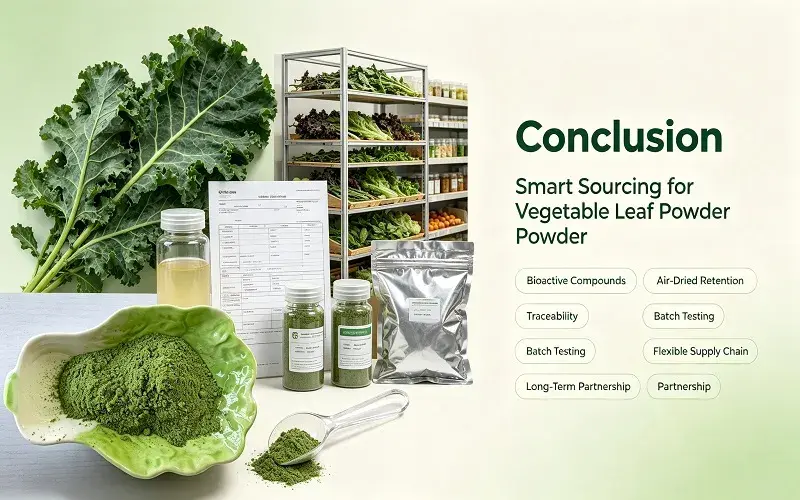
Premium vegetable leaf powder has a lot more nutrients than just vitamins and minerals. It also has bioactive substances that back up health claims in many different industries. To make good buying choices, procurement workers need to know how different processing methods affect the retention of nutrients. For example, kale powder produced through air-drying keeps heat-sensitive compounds while saving money on shipping costs.
Quality suppliers set themselves apart by making sure they follow the rules, offering technical support, and having a supply chain that can adapt to both small-scale sampling needs and large-scale production needs. When looking at possible business partners, buyers should put an emphasis on traceability systems, uniform batch testing procedures, and helpful customer service that encourages long-term relationships rather than one-time deals.
FAQ
1. Does dried vegetable powder contain the same nutrients as fresh leaves?
Some nutrients are lost when food is processed, but if you handle dried powder the right way, it will keep 85–95% of the vitamins and minerals that are in fresh food. Because of the concentration factor, smaller portion sizes provide the same amount of nutrients. The amount of vitamin C that is lost is the most noticeable, but good air-dried foods keep enough of it for health benefits.
2. What daily serving size provides optimal health benefits?
Dosages that are recommended depend on the purpose and the audience. Dietary supplements usually have between 2 and 5 grammes per dose, while functional drinks can have between 3 and 10 grammes, based on how much flavour you can handle. When figuring out bulk order amounts, procurement specs should take end-user consumption trends into account.
3. Are there contamination risks with bulk vegetable powders?
To make sure food is safe, reputable companies use strict microbial analysis protocols and pesticide residue testing (500+ compound screening). Before taking packages, buyers should ask for batch-specific COA paperwork that proves zero results for heavy metals, pathogens, and farming chemical residues.
Partner with Shaanxi Hisy Biotechnology as Your Trusted Kale Powder Manufacturer
Shaanxi Hisy Biotechnology has more than 18 years of experience making high-quality green vegetable powder from Brassica oleracea var. acephala DC. Leaves that have been carefully chosen. Our FDA-registered and HACCP-certified centre follows strict quality standards that keep the full nutritional profile of our kale powder and make sure that there is stability from batch to batch, which is important for your formulations. With four dedicated lines that can produce more than 200 metric tonnes of goods each year, we can give you stable supply numbers that can grow with your business.
Our technical team helps with everything from the first samples to mass production, including making sure that the formulations work well together and giving advice on how to keep them stable. You can try our products for free before committing to a full order, and our MOQ structures are flexible enough to handle everything from test projects to full-scale production runs. Email our team at sales@hisybio.com to talk about buying in bulk, making custom orders, and how our supply chain solutions can help you speed up the development of your product.
References
1. Šamec, D., Urlić, B., & Salopek-Sondi, B. (2019). Kale (Brassica oleracea var. acephala) as a superfood: Review of the scientific evidence behind the statement. Critical Reviews in Food Science and Nutrition, 59(15), 2411-2422.
2. Manchali, S., Murthy, K. N., & Patil, B. S. (2012). Crucial facts about the health benefits of popular cruciferous vegetables. Journal of Functional Foods, 4(1), 94-106.
3. Olsen, H., Grimmer, S., Aaby, K., Saha, S., & Borge, G. I. (2012). Antiproliferative effects of fresh and thermally processed green and red cultivars of curly kale (Brassica oleracea L. convar. acephala var. sabellica). Journal of Agricultural and Food Chemistry, 60(30), 7375-7383.
4. Ayaz, F. A., Glew, R. H., Millson, M., Huang, H. S., Chuang, L. T., Sanz, C., & Hayırlıoglu-Ayaz, S. (2006). Nutrient contents of kale (Brassica oleracea L. var. acephala DC.). Food Chemistry, 96(4), 572-579.
5. Charron, C. S., Clevidence, B. A., Britz, S. J., & Novotny, J. A. (2007). Effect of dose size on bioavailability of acylated and nonacylated anthocyanins from red cabbage (Brassica oleracea L. var. capitata). Journal of Agricultural and Food Chemistry, 55(13), 5354-5362.
6. Podsędek, A. (2007). Natural antioxidants and antioxidant capacity of Brassica vegetables: A review. LWT-Food Science and Technology, 40(1), 1-11.