


Why Choose Pharmaceutical-Grade Riboflavin Sodium Phosphate Powder?
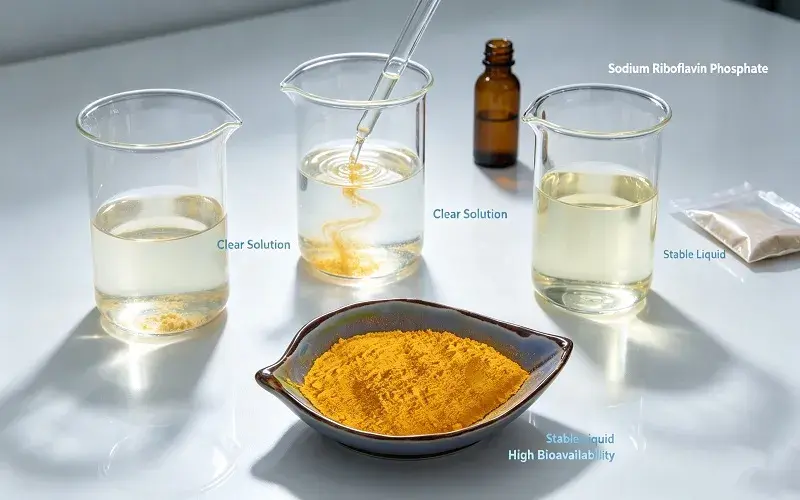
When sourcing ingredients for liquid multivitamins, parenteral nutrition, or functional drinks, you already know that typical Riboflavin causes recurrent headaches — low solubility, sedimentation, and uneven bioavailability. Riboflavin sodium phosphate powder solves all three problems in one formulation-ready ingredient. It is the water-soluble sodium salt of Riboflavin-5’-phosphate (CAS No. 130-40-5) and dissolves at roughly 30 g/L in water, keeping your liquid goods transparent, stable, and therapeutically effective throughout the manufacturing line to the end user.
Understanding Riboflavin Sodium Phosphate Powder: Essential Knowledge for B2B Buyers
It's helpful to know exactly what you're buying and why the chemistry of it is important to your formulation team before you place a large order.
Chemical Identity and Physical Properties
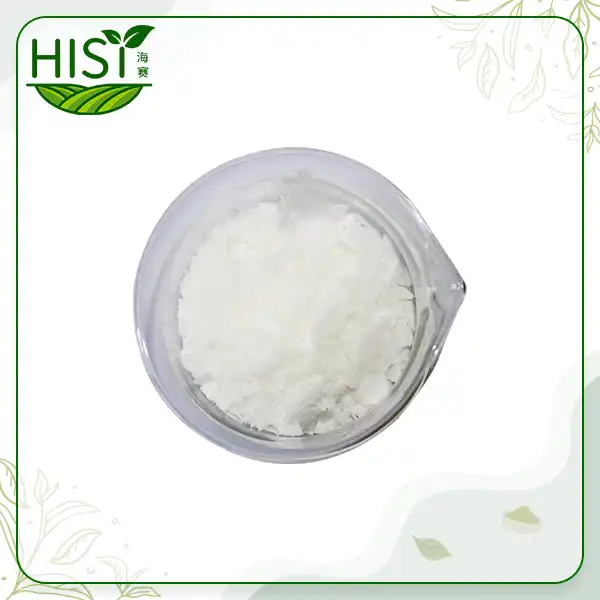
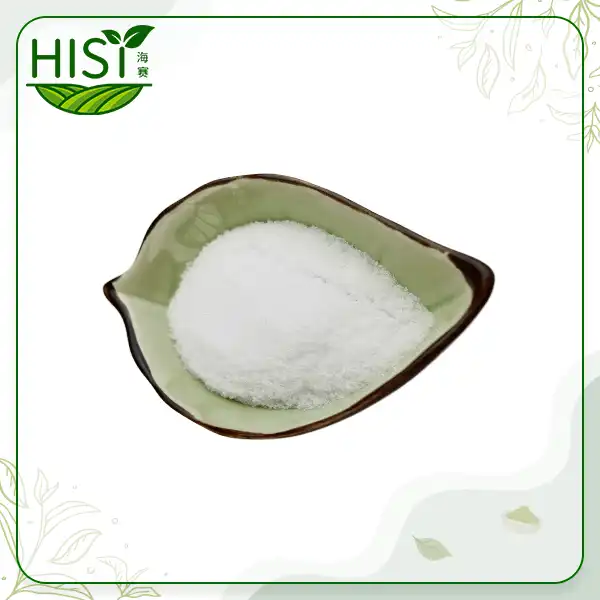
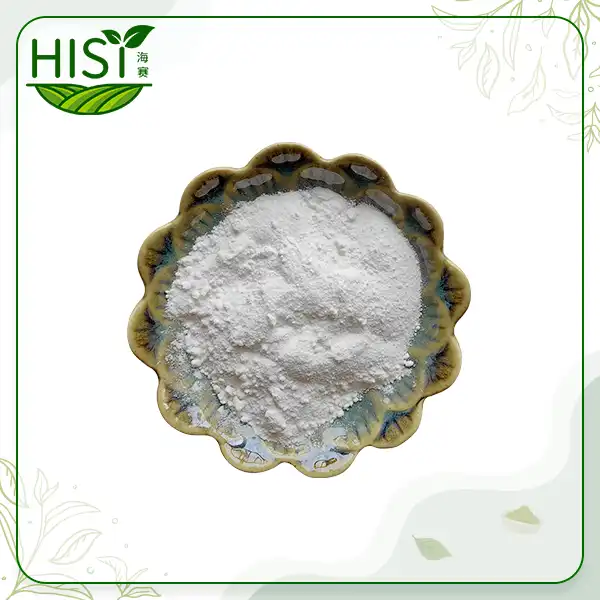
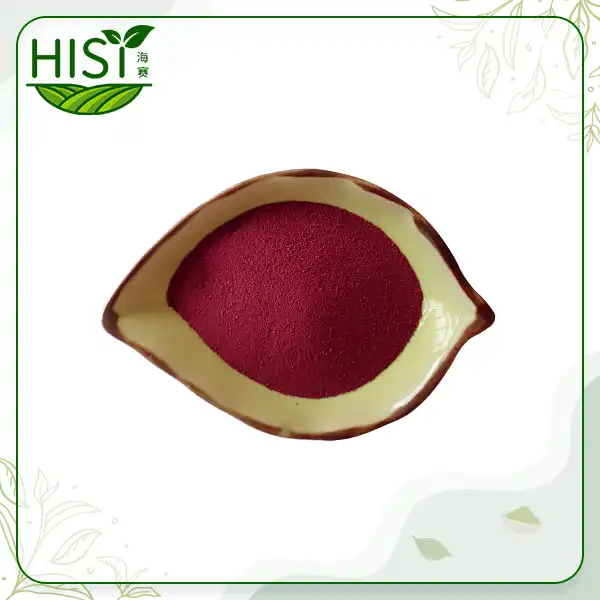
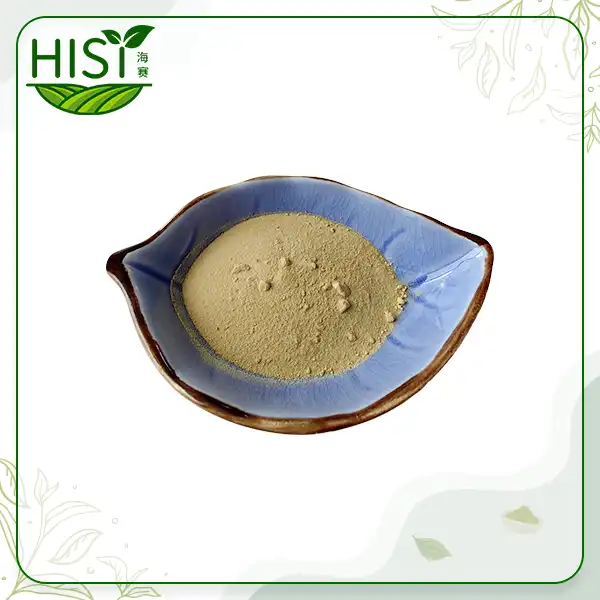
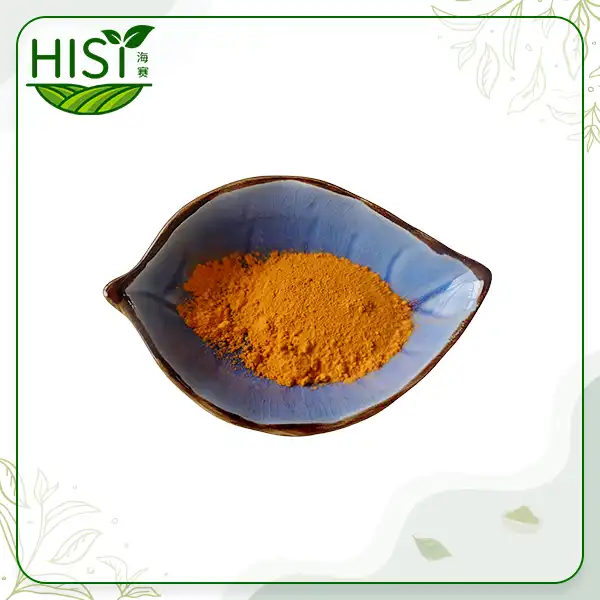
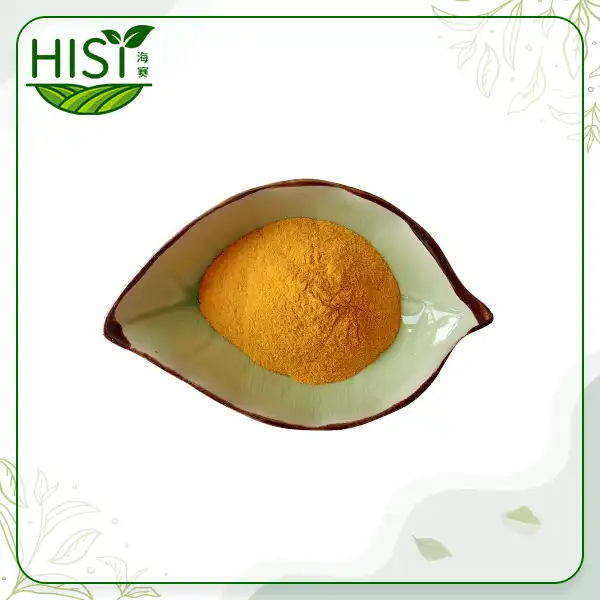
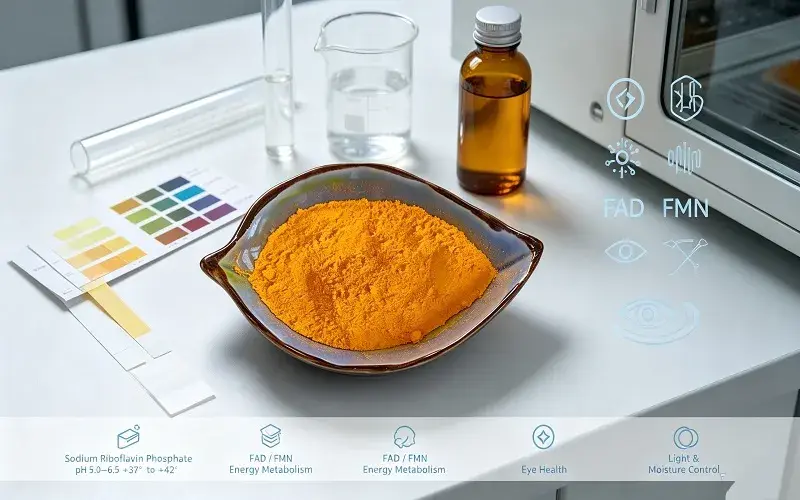
B2 riboflavin sodium phosphate powder is an orange-yellow solid powder. It’s practically odourless, a little bitter, and absorbs water, so it needs to be kept sealed. It has a pH of between 5.0 and 6.5 in a 1% solution of water. Its rotating speed is between + 37° and + 42°. These parameters are not plucked out of thin air. They are a direct test to ensure that your finished product is consistent from batch to batch and molecularly sound.
Role in Energy Metabolism and Eye Health
This is the available, phosphorylated form of Vitamin B2. It is a building component of the coenzymes FAD and FMN. Both are essential for energy synthesis in the mitochondria, for the burning of fatty acids, and for the maintenance of glutathione, a vital antioxidant in cells. A 2017 study published in the journal Nutrients found that cells take up the phosphorylated form of riboflavin more quickly than the free form of riboflavin. That’s why formulators of high-quality liquid supplements like it.
Stability, Solubility, and Shelf Life
The material is somewhat heat stable in the pH range of acidic to neutral. It can take regular processing temperatures without too much breakdown. Its greatest weakness is light, which breaks it down to the inactive compound, lumichrome. Stored in an amber package that is impervious to air and light and in a cold, dry environment, it will remain effective for as long as feasible.
Pharmaceutical-Grade vs. Other Grades: Why Quality Matters
There are different kinds of riboflavin phosphate salt powder. The grade you choose affects how safe the product is, how well it works in formulations, and how well regulators accept it.
Comparing Pharmaceutical, Food, and Industrial Grades
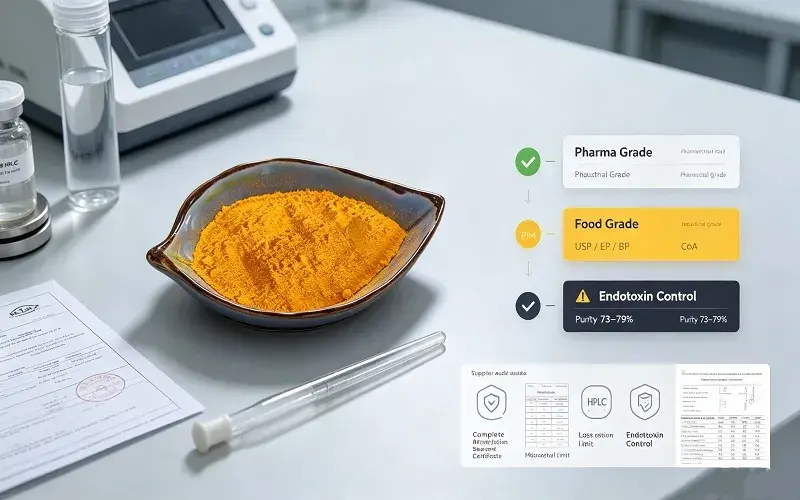
Pharmaceutical-grade riboflavin sodium phosphate powder meets the norms of the USP, EP, and BP pharmacopeias. For example, each lot is tested by HPLC for heavy metals, bacterial endotoxins, assay (often 73% to 79% active component), and the like. Food-grade products may not be tested for endotoxins at all and are therefore not appropriate for parenteral use. The industrial-grade ones are more likely to contain toxins like lumiflavin, which makes them less soluble and reduces shelf life.
Riboflavin-5-Phosphate vs. Other Riboflavin Derivatives
The sodium salt of riboflavin 5′-monophosphate is the optimum riboflavin compound for liquid systems, since it is readily soluble and has the highest biological activity. In contrast, riboflavin acetate is mostly utilised in solid-dose formulations. If your product requires a clean, stable solution that does not precipitate, the riboflavin sodium phosphate powder we provide with 80 mesh particles spreads fast and leaves no gritty residue in the end product.
Key Quality Criteria for Supplier Evaluation
When reviewing Vitamin B2 sodium phosphate providers, make sure you have a thorough Certificate of Analysis (CoA) showing assay, loss on drying (goal <10%), specific rotation, pH, HPLC-based related chemicals, and microbiological limits. If you are creating medications, you need to know the bacterial endotoxin data. You do not have to deal with a vendor that will not provide you with all of this paperwork up front.
How to Make an Informed Procurement Decision for Riboflavin Sodium Phosphate Powder
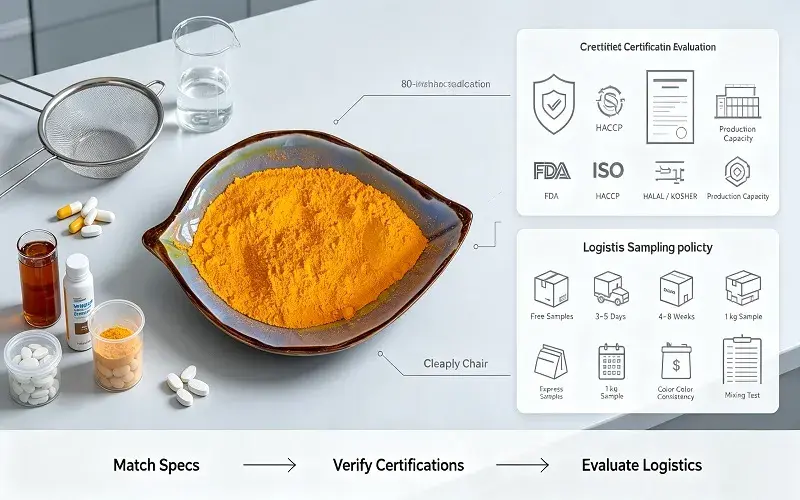
There's more to choosing a provider than just looking at prices. Here is a planned way to go about it.
Align Specifications with Your Application
Different end-products need different requirements. Our Riboflavin phosphate salt powder, an 80-mesh orange-yellow crystalline powder, dissolves quickly and keeps its color, which is exactly what liquid multivitamins and energy drinks need. Capsule and pill makers might need particles that are smaller (100 mesh or less), while microbial compliance is the most important thing for veterinarian water-soluble premixes. Before you ask for a sample, make sure the specs match up with how you plan to use the product.
Vet Supplier Reliability Through Certifications
Certifications aren't just for looks; they show that processes have been checked. A trustworthy company that makes riboflavin sodium phosphate powder should be registered with the FDA, have HACCP certification, ISO certification, and, if possible, HALAL or KOSHER certification so that their products can be sold all over the world. The facility's yearly production capacity is also important. A factory that only makes a few hundred kilograms per year can't support a growing brand, but a recognized factory that makes over 200 MT per year gives you the supply security you need.
Evaluate Logistics and Sampling Policy
A seller that sends out free samples in 3–5 days and full orders in 4–8 days shows that they are confident in their product and run their business efficiently. Before committing to a full purchase order, ask for a 1 kg sample to check the color consistency, how well it mixes with your base formula, and the taste profile.
Why Choose Hisy for Your Riboflavin Sodium Phosphate Supply?
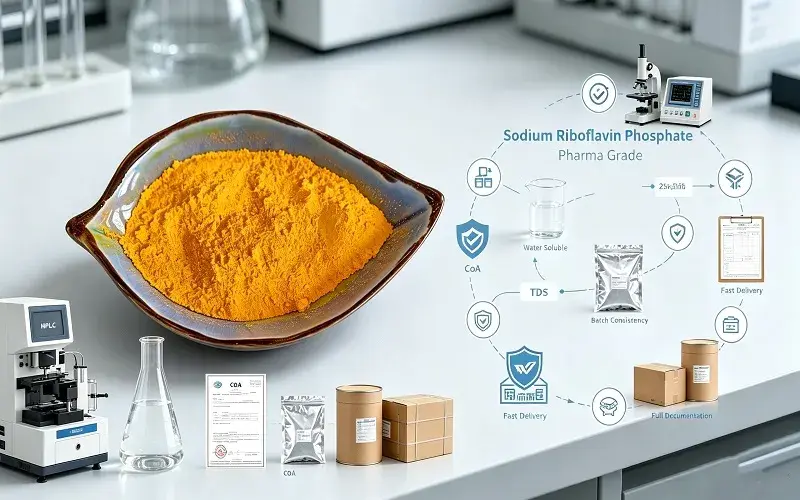
Since 2008, Hisy (Shaanxi Hisy Biotechnology Co., Ltd.) has been making riboflavin sodium phosphate powder that is safe for use in medicine. Our Xi'an plant has four dedicated production lines that make more than 200 MT of product every year. This is more than enough to meet the needs of both small R&D batches and big commercial orders without any supply problems.
The main things that make our riboflavin sodium phosphate powder stand out are the following:
- Verified Pharmacopeia Compliance: Every batch meets USP, EP, and BP standards, with CoA data covering assay (73%–79%), pH (5.0–6.5), specific rotation (+37° to +42°), and HPLC-confirmed purity to minimize degradation products like lumiflavin.
- Superior Water Solubility: At approximately 30 g/L, our product dissolves rapidly in aqueous media, preventing sedimentation in liquid multivitamins, pediatric syrups, and parenteral solutions.
- Flexible Packaging Options: We supply 1 kg foil bags for R&D trials and 25 kg paper drums (double-lined with inner plastic bags) for bulk production runs. Custom packaging is available on request.
- Fast, Traceable Delivery: Commercial shipments reach buyers within 4–8 days from our Xi'an logistics hub. Free samples are dispatched quickly so you can validate quality before ordering.
- Full Documentation Package: FDA registration, HACCP and ISO certifications, CoA, MSDS, and TDS are all provided. Online transactions are accepted for streamlined procurement.
These benefits directly address the two biggest problems that procurement managers tell us they have: quality that varies from batch to batch and sellers who can't provide all the necessary papers. Hisy gets rid of both problems.
Conclusion
Picking the correct type of riboflavin sodium phosphate powder can affect the security of the product, its approval by regulators, and the safety of the end user. Pharmaceutical-grade materials with verified certifications, clear testing data, and a dependable supply chain are not a luxury; they are what every serious formulator needs to buy. Hisy has been selling this standard to customers around the world in the veterinary, nutritional, and pharmaceutical industries for more than 18 years, and we're ready to do the same for your next product development cycle.
FAQ
What distinguishes riboflavin sodium phosphate powder from standard riboflavin?
Standard riboflavin doesn’t mix well with water; therefore, it’s best administered as solid tablets. Riboflavin sodium phosphate powder melting point is around 30 g/L. It is the ideal source of Vitamin B2 for injectables, clear liquids, and liquid formulae.
How should this powder be stored to protect potency?
It takes in water and light and therefore has to be stored in cases that keep the air out and the light out. Best stored in a cool and dry environment away from direct light and moisture, in amber packaging.
Does Hisy's product meet international pharmacopeia standards?
Yes. The USP, EP, and BP all agree with the quality of our riboflavin sodium phosphate powder. Assay, specific rotation, pH, and microbe limits are all listed on the full COA that comes with each batch.
What applications is this ingredient suitable for?
It's used in parenteral nutrition, liquid multivitamins, syrups for kids, functional energy drinks, and water-soluble premixes for animals—anything that needs to dissolve completely and be bioavailable. We send out free 1-kg samples right away before making any business commitments so that you can check the quality, including color, dispersibility, and taste.
Is a free sample available before a bulk order?
Yes. We offer free 1 kg samples for quality evaluation, including color, dispersibility, and taste assessment, dispatched promptly before any commercial commitment.
Partner with Hisy — Your Trusted Riboflavin Sodium Phosphate Powder Manufacturer
Hisy offers pharmaceutical-grade riboflavin sodium phosphate powder that is fully compliant with pharmacopeia standards. You can order any amount from 1 kg to 25 kg drums, and it will be shipped to you in 4–8 days. Since 2008, our FDA-registered, HACCP-, and ISO-certified plant has served customers all over the world. Start today by visiting hisybio.com or emailing our expert team at sales@hisybio.com to get your free sample or a custom price.
References
1. Powers, H.J. (2003). Riboflavin (Vitamin B2) and health. American Journal of Clinical Nutrition, 77(6), 1352–1360.
2. Pinto, J.T., & Rivlin, R.S. (2013). Riboflavin. In Advances in Nutrition, 4(2), 225–230.
3. Thakur, K., Tomar, S.K., & De, S. (2016). Lactic acid bacteria as a cell factory for riboflavin production. Microbial Biotechnology, 9(4), 441–451.
4. Combs, G.F., & McClung, J.P. (2017). The Vitamins: Fundamental Aspects in Nutrition and Health (5th ed.). Academic Press.
5. Massey, V. (2000). The chemical and biological versatility of riboflavin. Biochemical Society Transactions, 28(4), 283–296.
6. United States Pharmacopeia and National Formulary (USP–NF). (2023). Riboflavin 5'-Monophosphate Sodium monograph. United States Pharmacopeial Convention.