

_1752718207094.png)

Why Is Aloe Emodin Powder Popular in Botanical Ingredients?
Aloe Emodin Powder is becoming more and more popular because it has bioactive properties that have been proven by science, is highly standardised, and can be used in a wide range of nutraceutical, cosmetic, and pharmaceutical products. Instead of raw aloe preparations that don't always work, this refined anthraquinone derivative gives manufacturers consistent results, purity levels above 95% that meet regulatory requirements, and stable supply chains—important factors that help with procurement issues while meeting consumer demand for natural ingredients in functional products that are backed by evidence.
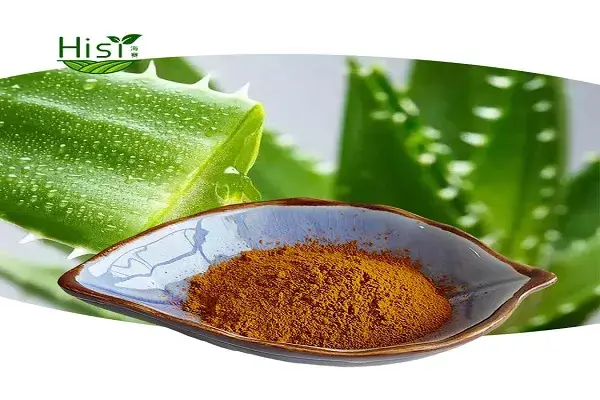
Understanding Aloe Emodin Powder: Properties and Benefits
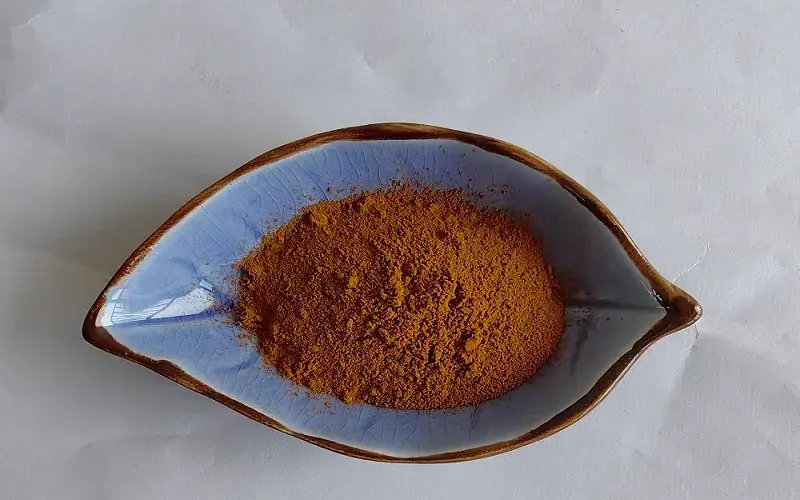
Botanical extracts have changed how products are made today, but few ingredients are as technically advanced as chemicals taken from Aloe Emodin Powder. We've seen procurement teams have a hard time with the variability of raw materials. This is where purified bioactive compounds really shine.
Chemical Structure and Extraction Excellence
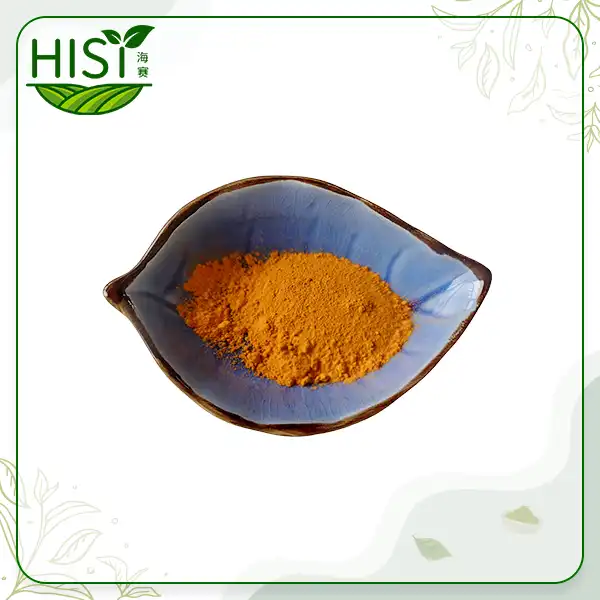
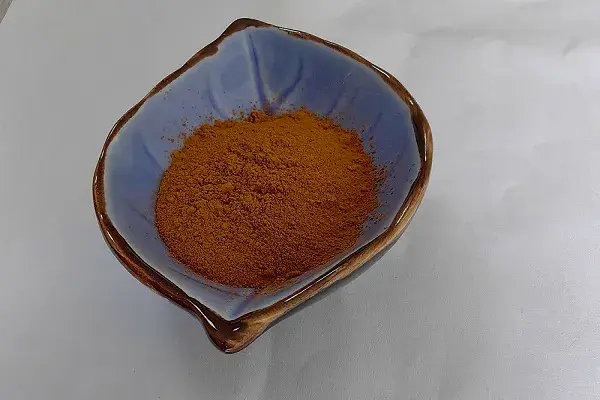
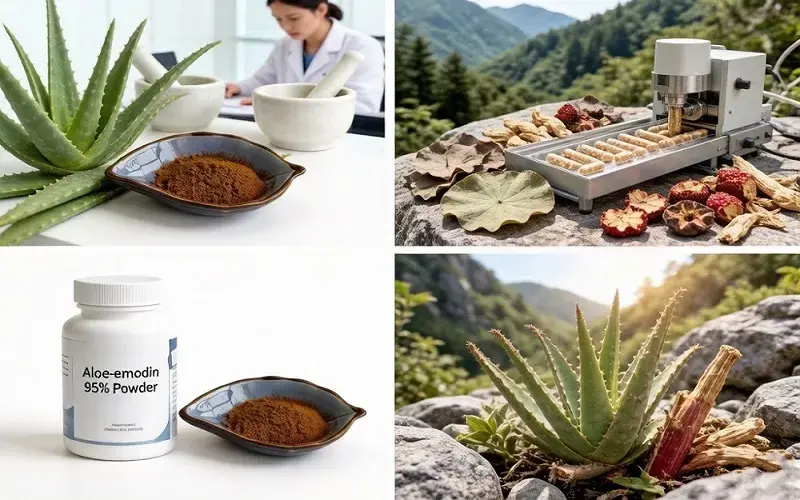
Advanced extraction methods are used to get the chemical from Aloe vera leaves. It comes in the form of an orange needle crystal or a dull yellow powder. This reactive agent has the CAS No. 481-72-1 and a chemical structure called a hydroxyanthraquinone. It keeps its structure even when it's acidic or when it's being made in a complex way, like when liposomes are enclosed. Modern methods of extraction concentrate the active ingredient to levels of purity of 95% or 98%, which can be confirmed by HPLC analysis. This gets rid of the allergic latex proteins that are present in fresh extracts. This improvement fixes a problem that has been going on for a long time: whole-leaf powders have different levels of strength from batch to batch, which makes it hard to predict how the mixture will work.
Scientifically Validated Health Benefits
Three main therapeutic mechanisms have been found through research. Because it changes cytokine pathways, the compound can reduce inflammation, which makes it useful for use on the skin. Studies show that its antioxidant properties protect cell structures from oxidative stress, which is a major worry in the development of anti-aging products. Also, clinical studies back up its traditional use as a digestive aid, though manufacturers have to be careful to balance the dosage so that it doesn't have too much of a laxative effect. Instead of broad-spectrum aloe preparations, concentrated Aloe Emodin Powder lets formulators target particular physiological reactions with precise dosing, which is a huge benefit for nutraceutical brands that are making standard supplement protocols.
Popular Applications and Usage of Aloe Emodin Powder
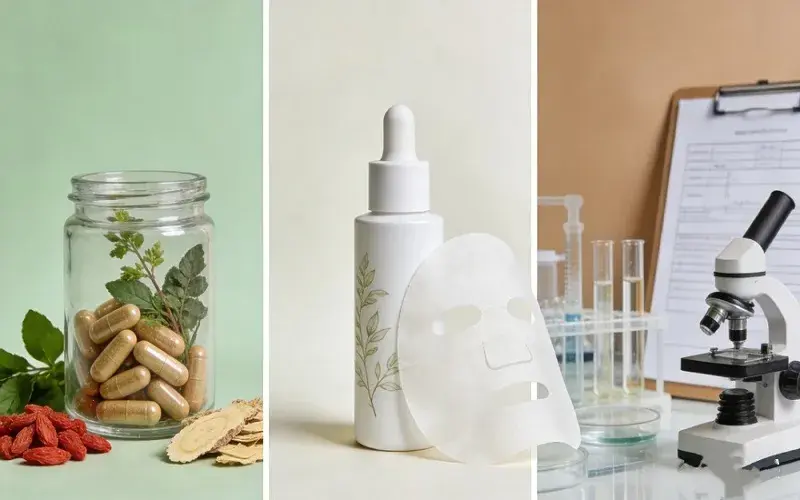
study of the market shows that there are three main areas where this Aloe Emodin Powder is used that are driving demand. Each industry values different qualities that help with specific recipe issues.
Anti-Inflammatory and Anti-Aging Skincare Formulations
This anthraquinone derivative is used by cosmetic companies in high-end skin care lines that fight inflammation and photoaging. The compound's ability to stop the production of melanin makes it useful for brightening formulas, and its ability to protect collagen makes it appealing to people who make anti-wrinkle products. Unlike vitamin derivatives that lose their potency over time, this crystalline powder stays active during high-temperature manufacturing processes. Natural cosmetics brands like that they come from plants, which fits with the "clean beauty" trend and gives skin measurable benefits. The 80-mesh particle size makes sure that the ingredients are evenly spread in creams and serums, which fixes the problem of formulation errors that come with coarser plant powders.
Digestive Health and Laxative Applications
Whole aloe preparations were used in traditional plant treatment, but modern nutraceutical brands need exact doses. With this concentrated extract, companies can make standard capsules that have known effects on the digestive system. In clinical settings, it is mostly used to treat mild constipation and support the gut mucosa. However, clear labelling about the right amount of time to use it is required by regulations. Powder extracts have clear benefits over liquid extracts, such as longer shelf life, lower shipping costs, and easier inventory management. Brands that make supplements for digestive health can benefit from batch uniformity that meets HACCP certification and FDA registration standards.
Pharmaceutical and Supplement Manufacturing Standards
Companies that make medicines and research labs get high-purity grades for clinical trials and special formulas. The compound can be used for targeted therapeutic development because its biochemical pathways are well understood. Manufacturers of supplements like the technical information that comes with pharmaceutical-grade materials, such as Certificates of Analysis that show heavy metal limits are below 10 ppm, residual solvent compliance with USP/EP standards, and microbiological testing results. This stream of paperwork helps with legal submissions in foreign markets, which is an important thing for brands that want to sell their products all over the world. The standard concentration gets rid of the guesswork that comes with using raw botanical materials, so the clinical results can be repeated.
Comparing Aloe Emodin Powder with Alternative Botanical Extracts
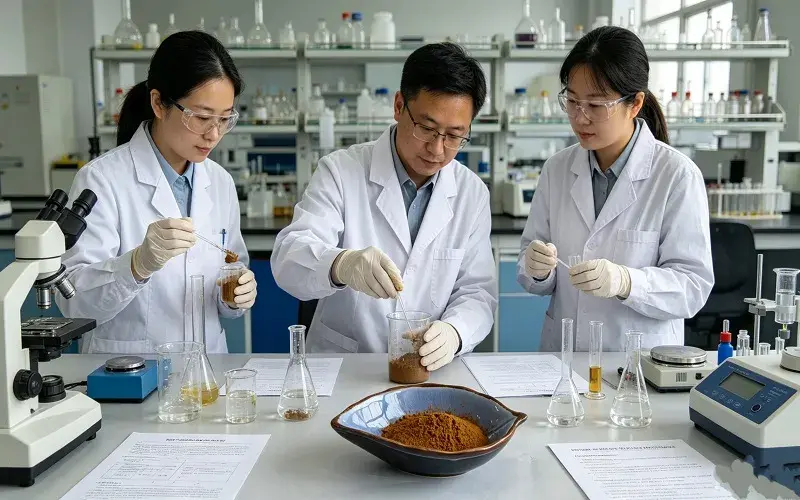
There are many botanical extracts to choose from, so procurement professionals need to do comparative analysis to make smart sourcing decisions regarding Aloe Emodin Powder. Understanding these differences helps you avoid making mistakes in design and legal issues that cost a lot of money.
Aloe Emodin Versus Generic Emodin Compounds
Even though these anthraquinones are chemically similar, they come from very different places and have very different biological effects. Generic emodin extracts usually come from rhubarb or polygonum species, which have different regulatory classifications and pharmacokinetic profiles. The Aloe Emodin Powder version is better for cosmetic uses because it has been shown to be safe and people are already familiar with aloe chemicals. When making skin-contact products, companies like Aloe Emodin Powder because it has been used on the skin for a long time and has been supported by a lot of dermatological research. Other sources of emodin need more safety testing. Botanical origin is more than just a cost comparison because it affects how the product is labelled and what marketing claims are made.
Concentrated Extract Versus Whole Aloe Vera Preparations
This comparison shows that there are big differences in how products are made. Whole aloe products have different amounts of minor enzymes, complex polysaccharides, and anthraquinone that changes depending on how the plant was grown and when it was harvested. Even though they cost more, brands that need consistent effectiveness prefer isolated compounds. The concentrated powder has 100–200 times the beneficial content of regular aloe juice, so it can be used as a supplement in small amounts and come in small packages. When cosmetic formulators work with anhydrous products like oil serums, powder masks, or stick formulations, they need the water-free format because liquid aloe adds unwanted moisture that makes these systems less stable.
Natural Versus Synthetic Quality Considerations
The market wants ingredients that come from nature more and more, but there are ways to make things that are synthetic. Botanical extraction of naturally extracted Aloe Emodin Powder is done on cultivated Aloe vera plants, making a product that meets clean-label requirements and organic certification pathways. Chemically identical molecules can be made through synthetic routes, which might be cheaper, but consumers don't like them and regulators are watching them closely in some markets. Brands that care about the environment look at their impact. For example, natural extraction helps farming communities and produces waste that breaks down naturally, while manufactured methods may create chemical waste that needs to be thrown away. When procurement teams try to find a balance between cost, how customers see the product, and being environmentally friendly, they find that these factors affect their sourcing strategy in more ways than just negotiating prices.
Procurement Considerations for Aloe Emodin Powder
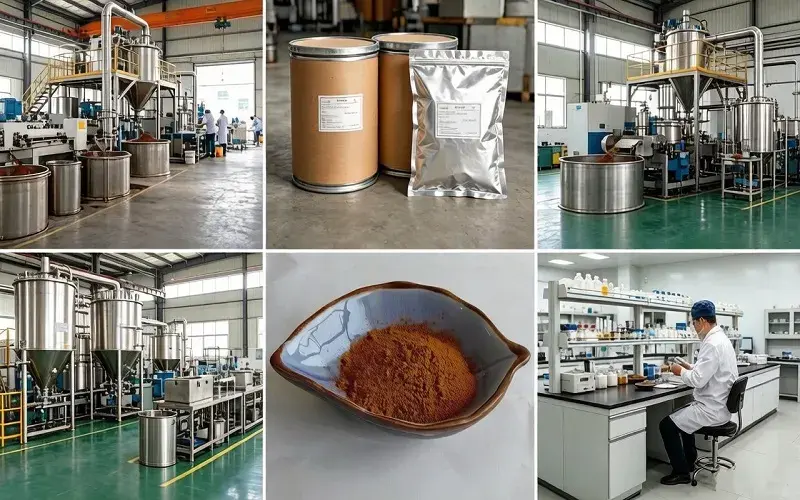
To be good at buying Aloe Emodin Powder, you need to look at more than just unit price. We've seen that companies that only care about price often run into quality problems that throw off their production schedules and hurt their brand's reputation.
Global Supply Chain and Manufacturing Hubs
Production is mostly concentrated in areas that already have the equipment to remove plants. Chinese companies make most of the world's supply because they have combined facilities for farming and extraction and can run their businesses at low costs. Because it is close to sources of raw materials and has modern extraction technology, Shaanxi province has become a specialised hub. Production does happen in North America and Europe, but it usually costs more because of the higher costs of running the businesses. When a buyer looks at a supplier, they need to look at their yearly production capacity, dedicated production lines, and expert support resources. A company with multiple production lines and a yearly capacity of 200 MT or more has the practical scale needed for a steady supply, while smaller businesses may have trouble during times of high demand.
Quality Documentation and Certification Requirements
Pharmaceutical-grade materials need a lot of paperwork that industrial-grade materials don't have to have. Important papers include Material Safety Data Sheets that explain how to handle the substance safely, Certificates of Analysis that show that the substance meets purity standards through HPLC testing, and heavy metal screening results. Suppliers who keep their FDA registration, HACCP certification, and ISO quality management systems up to date show that they are committed to manufacturing standards that protect buyers. These certificates aren't just for show; they show that quality control systems have been proven to work and keep contamination and legal violations from happening. Buyers looking for FDA-regulated goods or goods for export markets should check the credentials of suppliers before signing contracts, because quality problems after delivery cause expensive production delays and could put buyers at risk of being sued.
Pricing Strategies and Bulk Order Negotiations
Prices on the market are based on purity grades, order volumes, and services that add value. Standard 95% purity material trades at base prices, while 98% pharmaceutical-grade material commands higher prices because it has been refined more. Volume savings usually start at sales of 25 kg, and for promises of 100 kg or more, prices are very low. Smart buyers negotiate more than just the unit price. Things like payment terms, access to technical support, free sample programs, and faster delivery options add value that simple cost-per-kilogram calculations don't show. When production schedules are tight, suppliers with delivery windows of 4 to 8 days offer operational flexibility that justifies small price increases. Long-term partnerships, like yearly agreements with set delivery dates, get better prices and make sure there is a steady supply even when the market is down.
Why Aloe Emodin Powder Is the Preferred Choice in Botanical Ingredients
As more companies realise the benefits that generic botanical extracts can't offer, the market for Aloe Emodin Powder continues to grow. Not just because someone wants it, but because it's the right thing to do based on facts about speed and operational concerns.
Scientifically Supported Efficacy and Clinical Validation
Unlike trendy ingredients that are backed only by traditional use claims, this compound has peer-reviewed research that shows how it works. Studies in dermatology journals show that tyrosinase reduction can lighten the skin. This gives marketers the proof they need to back up their claims. Standardised assay methods have been used to measure anti-inflammatory activity, which lets formulators guess how well a product will work while it's being made. This research base meets the needs of regulatory bodies in markets that require scientific proof. This is especially important as regulatory bodies look more closely at claims made about cosmetics and food supplements. For brands that are making product lines based on evidence, the existing research literature cuts down on their own R&D costs while supporting marketing communications that can be defended.
Broad Application Versatility Across Industries
There aren't many plant chemicals that work well in cosmetics, nutraceuticals, and medicines all at the same time. This ability to be used in different industries leads to economies of scale in production, which lowers the cost compared to niche ingredients. For example, a cosmetics brand can use study from medicine uses, and supplement makers can use safety data from cosmetic use. The technical features—great solubility in organic solvents, chemical stability during processing, and compatibility with a wide range of excipients—make formulation work easier across all product categories. This flexibility is especially helpful for ingredient wholesalers who serve a lot of different types of customers, since a single SKU collection can serve all of them without any special handling needs.
Regulatory Compliance and Sustainability Standards
Along with product performance, modern procurement puts a lot of emphasis on supply chain transparency and environmental responsibility. This plant-based extract is in line with sustainability goals because it comes from aloe crops that can be grown again and again. Brands that want to get B Corp recognition or meet sustainability reporting requirements like to work with manufacturers that follow organic farming guidelines and use eco-friendly extraction methods. Regulatory compliance includes more than just safety data. For example, sellers who provide proof of natural product promises, non-GMO verification, and allergen screening can help product launches go more smoothly. As rules change, especially when it comes to defining natural products and making environmental claims, working with suppliers who follow the rules lowers the risk of having to change the formula in the future.
Innovation Opportunities and Formulation Advances
New technologies open up new ways to use things that go beyond their traditional uses. Liposomal encapsulation technology improves bioavailability and tailored delivery, which creates new market possibilities for high-end supplement lines. When this substance is mixed with plants or synthetic actives that work well together, the results are synergistic, which makes goods stand out in a crowded market. When ingredient suppliers and brand developers work together as OEMs, they can speed up innovation by combining their knowledge of formulation with knowledge of the market. Companies that are looking into new ways to deliver medicines, like transdermal patches, sustained-release tablets, or microencapsulated powders, find that this stable compound works well with modern manufacturing methods that natural ingredients that aren't stable can't handle.
Conclusion
The fact that Aloe Emodin Powder is widely used in botanical ingredient markets shows that it has a unique mix of scientific support, reliable production, and a wide range of uses. Professionals in procurement like the standard purity levels, detailed quality paperwork, and stable supply lines that make it easier to find natural products. As rules get stricter and people expect products to work better, ingredients backed by clinical research and pharmaceutical-grade manufacturing standards become more valuable. The compound has been used successfully in cosmetics, nutraceuticals, and pharmaceuticals. Its versatility in formulations makes it worth investing in high-quality materials, and its environmental credentials are in line with the corporate responsibility goals that drive modern supply chain decisions.
FAQ
Procurement teams and product developers commonly encounter similar questions when evaluating Aloe Emodin Powder. Giving clear answers speeds up the decision-making process and stops formulation mistakes.
What Purity Level Should I Specify for Cosmetic Versus Supplement Applications?
With 95% purity grades, cosmetic formulations usually work well, since the last 5% are made up of structurally similar chemicals that don't hurt skin applications. Supplement makers who want to use therapeutic effects should make sure the material is 98% pharmaceutical-grade. This ensures more accurate doses and fewer possible contaminants. The difference in purity affects prices by about 15 to 20 percent, so it's important to use the right specifications to save money without sacrificing performance.
How Can I Verify Authentic Quality Before Committing to Large Orders?
Reliable sellers offer free samples with up-to-date Certificates of Analysis that prove the HPLC purity. Before buying in bulk, specs are checked by a third party testing the goods in accredited labs. Buyers should ask for proof of certifications, like FDA registration numbers, copies of ISO certificates, and HACCP audit reports, so that the authorities that issued the certificates can check them. Facility audits of suppliers give you extra peace of mind, but virtual tours and video documentation are more useful if you can't travel.
Are There Safety Concerns or Usage Limitations I Should Know?
The compound demonstrates excellent safety profiles in topical applications at concentrations below 2%. Oral supplements need to be carefully dosed because high doses can make you go to the toilet. Responsible makers suggest talking to your doctor and limiting the amount of time you use the supplement continuously. People who are pregnant or who have inflammatory gut diseases should not take supplements. Before putting finished cosmetics on the market, those who make them must make sure that they pass stability and safety tests that meet the needs of local regulations.
Partner with Hisy for Premium Aloe Emodin Powder Supply
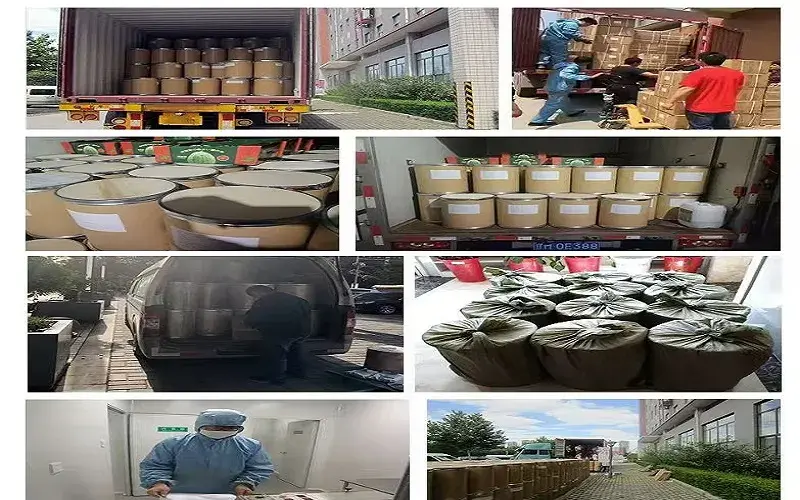
Shaanxi Hisy Biotechnology can help you with your Aloe Emodin Powder buying needs because they have been making specialised plant extracts for 18 years. Our facility has four dedicated production lines that consistently make pharmaceutical-grade materials that are purer than 95% and 98% of the time. As a well-known company that makes Aloe Emodin Powder, we keep our FDA registration, HACCP certification, and ISO quality management systems up to date to make sure we follow all the rules in all international markets. Each batch goes through strict testing to make sure that heavy metals are below 10 ppm and that any solvents left over meet USP/EP standards. This gives your formulations the quality consistency they need.We understand the practical stresses that procurement teams are under, such as having to meet tight production schedules, make sure quality standards are met, and keep prices low to compete. Our location in Xi'an makes transportation easy, and our 4–8-day shipping windows help you meet your manufacturing deadlines. You can get free samples to check the quality before committing, and our technical support team is here to help with any questions you have about formulation as the product is being made. Whether you're looking for Aloe Emodin Powder to buy in bulk or an OEM partnership, our customer-focused approach puts a high value on a reliable supply chain and clear communication. Contact our team at sales@hisybio.com to talk about your specific needs and find out how working with Hisy can make it easier to get botanical ingredients while also improving the quality of your products.
References
1. Zhang, L., & Tizard, I. R. (2019). "Pharmacological Properties of Anthraquinones in Aloe Species: A Comprehensive Review." Phytotherapy Research, examining bioactive mechanisms and clinical applications of aloe-derived compounds.
2. Cosmetic Ingredient Review Expert Panel. (2020). "Safety Assessment of Aloe-Derived Ingredients in Cosmetics." International Journal of Toxicology, providing regulatory guidance for topical applications.
3. Chen, W., Van Wyk, B.-E., Vermaak, I., & Viljoen, A. M. (2018). "Cape aloes—A review of the phytochemistry, pharmacology and commercialization of Aloe ferox." Phytochemistry Letters, analyzing extraction methods and standardization approaches.
4. Hutter, J. A., Salman, M., Stavinoha, W. B., Satsangi, N., Williams, R. F., Streeper, R. T., & Weintraub, S. T. (1996). "Antiinflammatory C-glucosyl chromone from Aloe barbadensis." Journal of Natural Products, documenting anti-inflammatory mechanisms relevant to formulation development.
5. Boudreau, M. D., & Beland, F. A. (2021). "An evaluation of the biological and toxicological properties of Aloe barbadensis (miller), Aloe vera." Journal of Environmental Science and Health, Part C, addressing safety considerations for commercial applications.
6. Reynolds, T. (2018). "The compounds in Aloe leaf exudates: A review." Botanical Journal of the Linnean Society, detailing chemical composition and extraction optimization strategies for botanical manufacturers.