

_1752718207094.png)

Best Quality Saffron Supply Guide for International Markets
When you're looking for fine saffron for your global supply chain, you need to pay close attention to quality, authenticity, and the dependability of the seller. This detailed guide talks about the specific problems that nutraceutical brands, cosmetics makers, food makers, ingredient distributors, and pharmaceutical companies face when they want to buy high-quality saffron. We look at the important traits that make premium-grade stigmas from Crocus sativus L. stand out, compare the best places to get them, and give you smart advice to help you build supply relationships that are open and legal. Best Quality Saffron Knowing how to find real, potent saffron will protect your brand's reputation and make sure your products perform consistently in global markets that are very competitive. This is true whether you're making dietary supplements, natural cosmetics, or bulk ingredients for functional drinks.
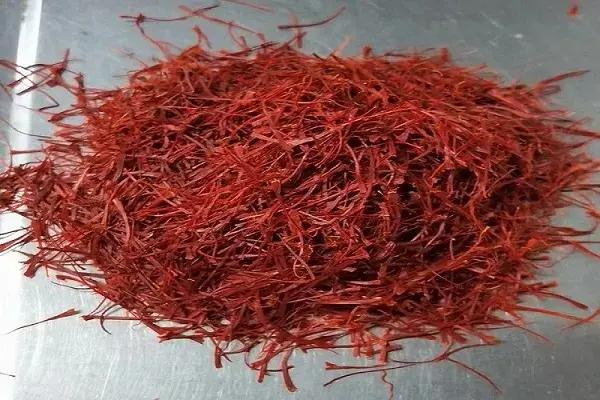
Understanding Best Quality Saffron: Characteristics and Identification
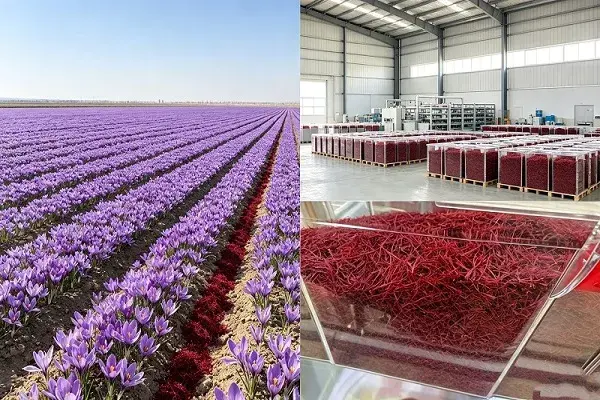
When procurement workers look at saffron providers, they need clear criteria to tell the difference between real Best Quality Saffron material and cheaper options. Adulteration, moisture manipulation, and grade misrepresentation are problems that the global market has to deal with all the time. These problems can affect your formulas and your ability to follow the rules.
Defining Premium-Grade Saffron Standards
Premium saffron meets the requirements of ISO 3632-1 Category I, which is the best worldwide standard for this plant-based ingredient. For this group, the stigmas must be free of any flower trash, like yellow styles, stamens, and other plant parts that aren't needed. The bioactive profile needs to show high levels of three important compounds: crocin (which gives the fruit its intense golden colour), picrocrocin (which adds bitter flavour notes), and safranal (which gives the fruit its unique smell). Testing labs use HPLC and UV-Vis spectroscopy methods that have been proven to work to measure these parts. Suppliers with a good reputation give a Certificate of Analysis for every batch of production to show that it meets these measurable standards. Another important factor is the amount of moisture in the material. High-quality materials should have a moisture content below 12% to stop microbes from growing and enzymes from breaking them down during transport and storage.
Visual and Chemical Assessment Techniques
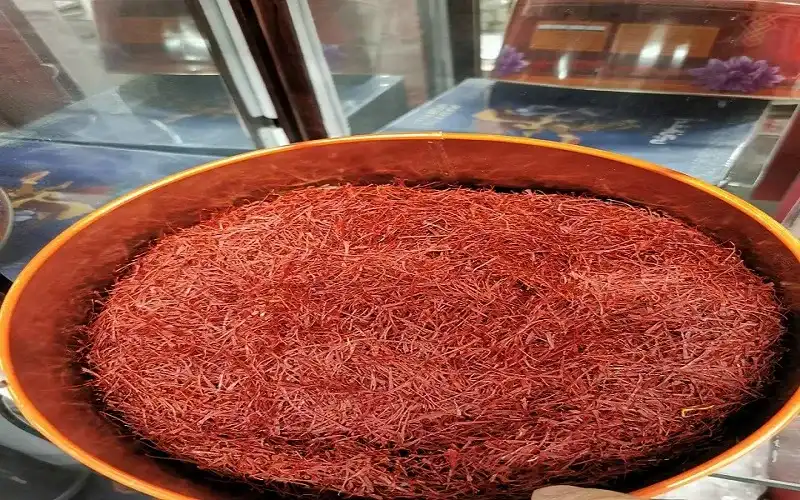
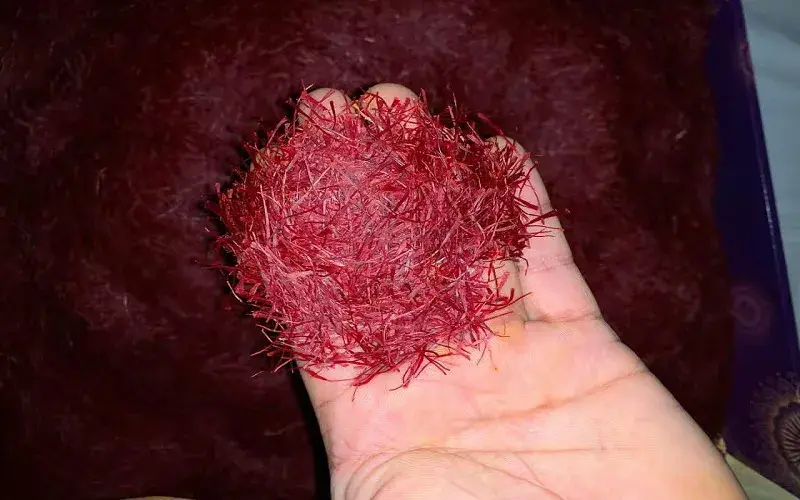
Teams in charge of buying things can use useful review methods before making big purchases. The colour of premium threads is deep crimson all the way through, with only a few yellow or orange segments that show style inclusion. Thread architecture should have stigmas that are trumpet-shaped and 25–30 mm long, with tips that are slightly ragged. When the threads are gently warmed between your fingers, the scent profile releases sweet, hay-like notes with light flower undertones. Chemical authentication is more than just looking at something. It uses lab tests to find artificial colours like Sudan Red or tartrazine that skilled counterfeiters sometimes add. The crocin-to-picrocrocin ratio is checked using advanced testing methods. This ratio stays the same in real materials but changes a lot in fakes. UV spectroscopy at certain wavelengths (440nm for safranal and 257nm for crocin) gives numbers that back up claims of quality and stop economic fraud.
Regional Harvesting Impact on Quality Consistency
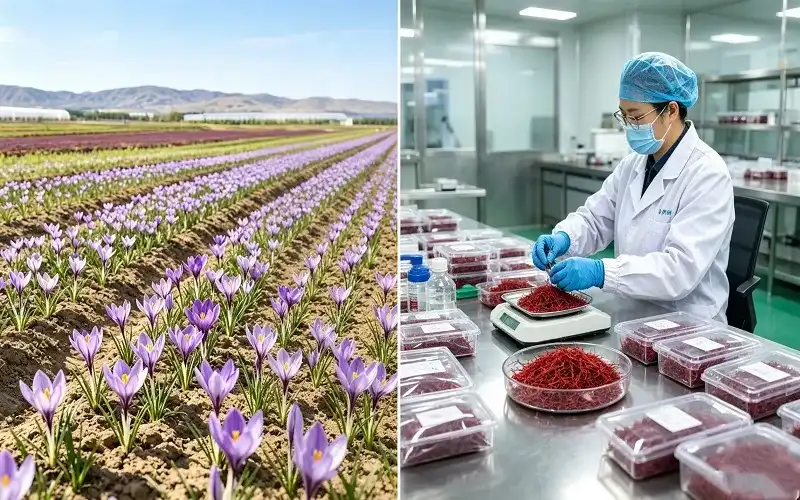
Where the saffron stigmas come from has a big effect on their chemical makeup and overall quality. About 90% of the world's supply comes from Iran, with areas like Khorasan creating their own unique ways of growing crops over hundreds of years. Afghanistan's production has grown a lot, and now it offers competitive prices while still meeting quality standards. Chinese farming, especially in provinces like Zhejiang and Anhui, is based on controlled greenhouse production, which keeps the soil's wetness level stable and lowers the risk of contamination. When you harvest directly affects how strong it is—stigmas that are picked early in the morning, before the flowers open, have the highest concentrations of bioactive compounds. Post-harvest processing methods, such as instant drying processes and temperature control, keep volatile compounds that break down quickly in the wrong conditions. By understanding these regional differences, buyers can choose origins that meet their specific quality needs and budget limits.
Comprehensive Comparison of Best Quality Saffron Varieties and Origins
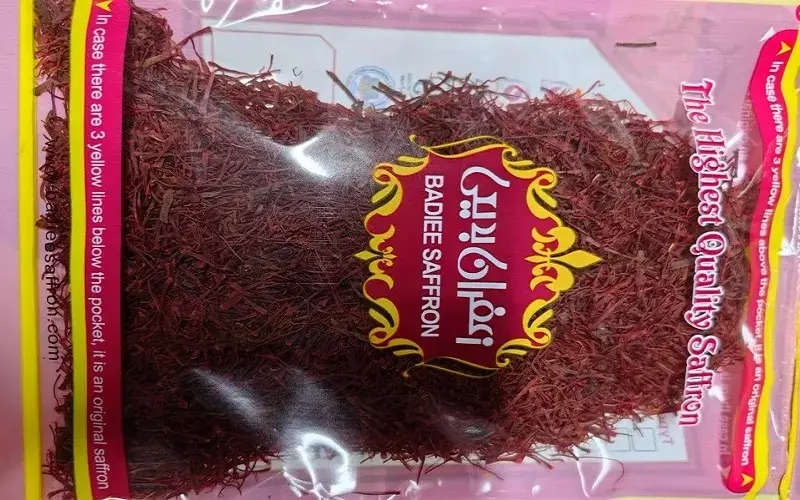
It's helpful for international buyers to know how different production regions and grade classifications affect both quality standards and where a product stands in the global market. With this information, you can make smart choices about where to buy Best Quality Saffron that matches cost with technical performance needs.
Iran, Afghanistan, and China: A Nuanced Origin Analysis
Iranian saffron is the most popular in the premium market because it has a long history of cultivation that goes back thousands of years. The best grade of negin is from Iran; it has only red stigma parts, the longest threads, and more than 250 colouring strength units of crocin. Negin grade has the same level of purity as Sargol, but the threads are a little shorter. Sargol only has red parts and lets the lengths vary by a shorter amount. Afghan production has similar chemical profiles and costs about 15–25% less, which makes it appealing to buyers who want to save money without sacrificing quality. The high-altitude farming areas of the country produce stigmas that are very colourful and have high levels of safranal. Asian manufacturers benefit from Chinese production because it puts their supply chains closer together and makes export paperwork easier. Also, quality control systems are getting smarter. Production facilities in China often have direct relationships with growers in Iran and Afghanistan. This allows for a variety of sourcing strategies that protect against geopolitical supply disruptions and make sure that materials are always available for manufacturing schedules.
Organic Certification Versus Conventional Production
The market for organic saffron has grown a lot as more people want to buy items with clean labels and that come from safe sources. To get USDA Organic, EU Organic, or a similar certification, it must be proven that the crops are grown without using synthetic pesticides, chemical fertilisers, or genetic modification. For products to be certified organic, they must be able to be tracked all the way through the supply chain, from the farm plots to the processing facilities to the final packaging. This openness is especially appealing to cosmetic and nutraceutical brands whose customers care about where their ingredients come from. Conventional production usually saves 10 to 20 percent of the cost of certified organic options. This means it can be used to make food when organic claims are not important for business reasons. When buying conventional materials, residue testing is very important. Reliable suppliers do multi-residue screens for pesticides, heavy metals (lead, cadmium, arsenic), and microbial contamination to make sure they meet food-grade and pharmaceutical-grade standards.
Authenticity Verification and Synthetic Adulteration Risks
The substantial price differential between genuine saffron and common spices creates strong economic incentives for fraud. Sophisticated adulterers use a variety of methods, such as adding safflower stigmas, corn silk fibres that have been dyed with synthetic colours, or glycerin injections to change the amount of water in the product to make it heavier. Laboratory identification uses a number of different chemical methods to find these lies. Thin-layer chromatography shows unique chemical patterns that are only found in real Crocus sativus material. DNA barcoding technology can definitely prove that a plant is what it says it is, but it costs more and takes longer to do. Reliable suppliers allow testing by a third party and keep their relationships with independent labs open and honest. Some manufacturers use blockchain tracking systems to keep track of every transaction in the supply chain. These systems create permanent records from harvesting to exporting. Before placing an order, ask for samples to be tested by a third party when evaluating potential suppliers. Also, make sure that the contract includes language that requires consistency from batch to batch, backed up by analytical data.
Best Practices for Procuring and Sourcing Best Quality Saffron Internationally
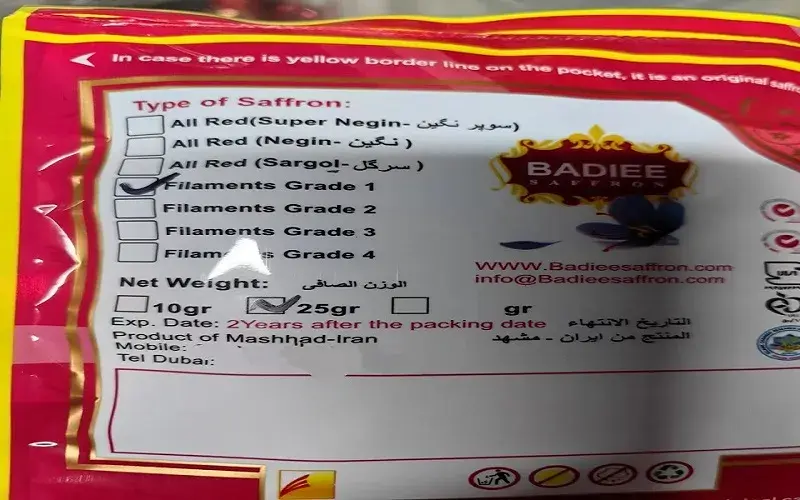
To set up reliable Best Quality Saffron supply chains, companies need to pay attention to following rules, making the most of logistics, and using seller relationship management strategies that keep the quality of the products safe during foreign shipping.
Supplier Certification and Compliance Verification
Professional purchasing starts with thorough screening of suppliers that makes sure they follow all the rules and apply quality systems. Registration with the FDA gives suppliers that want to sell to people in the U.S. a lot of credibility because it shows that they know how to comply with American import rules and are dedicated to food safety standards. If a provider has HACCP certification, it means that they have put in place systematic risk analysis processes that look at biological, chemical, and physical contamination risks during production and packing. With ISO 22000 approval, these ideas are turned into full food safety management systems. When looking at potential partners, you should ask for copies of up-to-date certificates and check that they are still valid by searching issuing authority databases. Read audit records to learn about the conditions of the building, how to maintain tools, and how to train staff. Reliable suppliers have written procedures for qualifying suppliers, inspecting raw materials, controlling the production process, testing finished products, and dealing with complaints. These procedures show operational maturity that goes beyond basic certification requirements.
Bulk Purchasing Logistics and Minimum Order Quantities
When buying saffron, the minimum order size is usually between 1 and 5 kilograms for testing purposes and between 25 and 100 kilograms for normal production needs. The types of packaging you choose should match how you make things and how much space you have for them. People who only buy a small amount of something usually choose 1g bottles, 20g bags, or 100g bags, which keep the product fresh and make managing their inventory easier. People who buy in bulk may choose bigger sizes, like 500g or 1kg sealed cases, which lower the cost of packing each unit and keep the goods from getting wet or light during storage in a warehouse. Customs paperwork, phytosanitary certificates, and import permit requirements that change from country to country make international shipping more difficult. Exporters with a lot of experience keep in touch with goods forwarders who know the rules about botanical ingredients and can quickly handle the paperwork that needs to be done. Lead times are usually between three and six weeks from when an order is confirmed to when it is delivered. This includes planning production, making sure the quality is good, getting the goods cleared for export, shipping them by sea or air, and clearing customs at the destination. Having extra safety stock on hand helps keep production going even when there are delays in the supply chain.
Sample Validation and Certificate Review Protocols
Smart buyers never make big purchases without first carefully examining samples and checking certificates. Because quality can change a lot from lot to lot, ask for samples that are typical of the production batches or farming seasons that will be used to fill your order. Set clear acceptance standards that are in line with your product needs. These should include crocin level limits, moisture limits, microbial specs, and sensory characteristics. Instead of relying only on Certificates of Analysis from the supplier, send samples to accredited independent laboratories for validation testing. If there are any differences between what the lab says and what the supplier says, it could mean that there are problems with quality control or that the supplier is lying. Carefully read the product specification sheets and make notes of the country of origin, grade classification, plant identity, and chemical makeup ranges. Check the test methods to make sure that suppliers use internationally recognised protocols instead of their own methods that haven't been approved by a third party. This investment in approval protects you from expensive quality problems that could hurt your finished goods and your relationships with customers.
Trusted Best Quality Saffron Suppliers and Brands for International Markets
Choosing the right supply partner has a big effect on your ability to keep Best Quality Saffron consistent and stay competitive in international markets that are very picky. In addition to basic quality parameters, strategic supplier selection looks at how well the supplier can make things, how knowledgeable they are in technology, and how open the relationship is.
Evaluating Established Producers and Export Specialists
Shaanxi Hisy Biotechnology Co., Ltd. has all the qualities that sophisticated buyers look for in a saffron supply partner. Hisy has been in business since 2008 and has a certified 150-square-meter production facility in Xi'an, China. This facility is in a great location to access both domestic cultivation and direct relationships with growing regions in Iran and Afghanistan. The company can make more than 200 metric tonnes of products a year on four specialised processing lines. This gives brands that need a lot of products peace of mind about their supply. Hisy provides a wide range of grades, from Super Negin to Negin to Sargol and Filaments, purchased from China, Iran, and Afghanistan to meet a variety of quality needs and price strategies. Each production batch goes through strict quality control tests to make sure it meets the requirements of ISO 3632-1 Category I. These tests pay special attention to the amounts of crocin, picrocrocin, and safranal that can affect how well the product works in food, cosmetics, and nutraceuticals. The factory keeps its FDA registration, HACCP certification, and ISO quality management system up to date. This shows that it is committed to international regulatory standards that make it easier for buyers to comply and make the import process go more smoothly.
Certification Benchmarks and Traceability Documentation
Professional sellers can be told apart from greedy traders who don't have direct control over production by how transparent they are. Leading makers provide detailed tracking paperwork that keeps track of materials from where they are grown to where they are processed, tested, and packed. This paperwork usually has information about the date and place of the harvest, the preparation that happened after the harvest, the storage conditions, lab test results, and the date the food was packaged. Full traceability lets you act quickly if there are quality problems, allowing for focused investigations and fixes instead of large-scale product returns. Suppliers who have been working with plant extracts for 18 years or more have a lot of technical knowledge that can help you solve problems with formulation and get the most out of the ingredients in your finished goods. You can talk to technical help about bioavailability, excipient compatibility, stability under different handling conditions, and the paperwork that regulators need. Best Quality Saffron There are many types of flexible packaging that can be used for a wide range of markets, from 1g bottles for retail supplement brands to bulk formats for food manufacturing. Respondent customer service that knows how to work with people in different time zones and understands their communication preferences makes buying things easier and builds stronger long-term partnerships.
Building Strategic Partnerships with Suppliers
To successfully source saffron, you need to do more than just buy it. You also need to build long-term relationships with suppliers that are mutually beneficial. Set up clear quality agreements that spell out requirements, testing schedules, acceptance criteria, and ways to fix problems when material doesn't meet standards. Talk about price plans that take into account promises to buy a certain amount of goods while also leaving room for changes in the market and the harvest. Set up regular times to talk, like once a quarter for business reviews, during harvest season for updates, and to share market intelligence. This will help the relationship stay strong and help you spot problems before they get worse. Think about signing multi-year supply agreements with trusted partners who always provide quality and service. These partnerships can help you get better supplies when they're in short supply and also allow you to work together to create new products. Share your product roadmap and estimates of the ingredients you'll need so that suppliers can plan their production capacity and help you keep better track of your inventory. The best supplier partnerships work like extra members of your procurement team, finding solutions to new problems before they happen and giving you technical information that makes you more competitive.
Benefits and Applications of Best Quality Saffron in Global B2B Markets
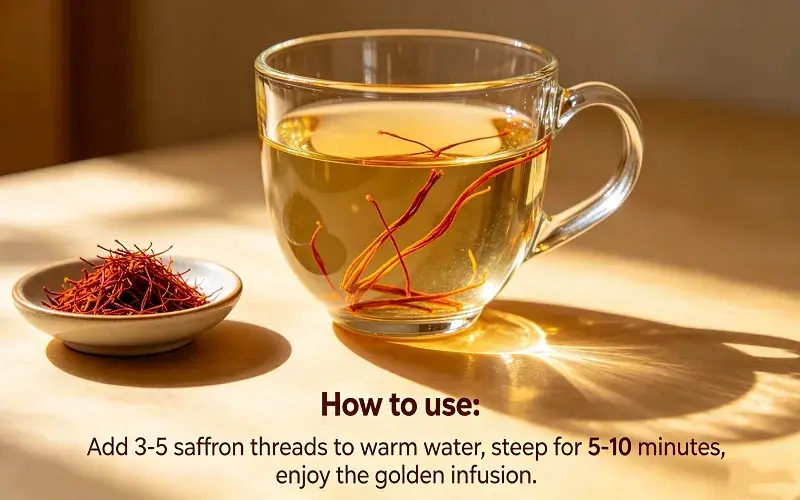
Knowing the different ways that premium saffron is used helps buyers understand the Best Quality Saffron standards that are needed in various industries and the new market opportunities that open up new demand channels.
Expanding Applications Across Multiple Industries
Premium saffron has a huge range of business uses that go far beyond its traditional cooking uses. The nutraceutical market is the one that is growing the fastest. This is because clinical research has shown that these products can help with mood, eye health, and brain function. Supplement companies put saffron extracts in capsules and tablets at standard doses, usually 30 mg per day, that give the same amount of bioactive compounds for functional claims. Formulation scientists like the high levels of crocin and safranal that make the product therapeutically effective while still keeping the natural ingredient status and clean label positioning. More and more, cosmetic and personal care brands are using saffron ingredients in high-end skin care products that claim to fight ageing, make skin brighter, and protect it from free radicals. The bioactive chemicals help make collagen, lower discolouration by controlling melanin, and fight free radicals that make skin age faster. Food and drink companies use saffron to make functional drinks, gourmet foods and speciality seasoning blends where the natural colouring and flavour profiles are valuable enough to command higher prices. Pharmaceutical research institutions need carefully characterised materials for clinical studies that look into how these materials might be used to treat mood disorders, macular degeneration, and metabolic syndrome.Here are the main benefits that saffron brings to all of these different areas of use:Culinary and Food Manufacturing: The deep golden colour and unique scent make rice meals, desserts, drinks, and gourmet preparations taste and smell real. A lot of crocin keeps the colour stable even when heated, and it also makes the product last longer, so it looks good as it's being shipped. The concentrated flavour makes it possible to use at low inclusion rates, which saves money and gives the product a premium image.Dietary Supplement Formulation: Strong antioxidant qualities come from crocin and crocetin chemicals, which have been shown to be very good at getting rid of free radicals in lab tests. Multiple clinical studies have shown that safranal and crocin's effects on the serotonin and dopamine brain systems are what make them mood-boosting. Standardised composition makes sure that doses are always the same and that results can be repeated, which backs up product claims and keeps customers happy.Cosmetic Applications: Tyrosinase reduction brightens the skin by lowering the production of melanin, which helps with problems like discolouration and uneven skin tone. Anti-inflammatory traits calm sensitive skin and help the skin's barrier function heal. The bioactive compounds help the skin's elasticity and increase collagen production. This gives users noticeable anti-aging benefits after regular use.Pharmaceutical Research: For clinical studies, you need materials that are proven to be pure, genuine botanicals, and consistent from batch to batch and follow strict research methods. The standard bioactive profile makes it possible to compare studies in a useful way and helps with regulatory submissions when therapeutic uses get closer to being sold. Traceable sourcing gives research institutions the proof of ownership that they need to follow the rules for grants and make sure that publications are reliable.These different uses show how important quality parameters are—changes in bioactive concentrations have a direct effect on functional performance, whether the goal is to deliver authentic flavour in gourmet preparations or therapeutic efficacy in supplement formulations.
Emerging Trends in Sustainable Sourcing and Product Innovation
As supply chains go longer, the market tends to favour suppliers who show they care about social responsibility, sustainable farming, and protecting the environment. Organic farming methods don't use any man-made chemicals, and they also improve soil health and protect biodiversity. Certification as a fair trade product makes sure that small farmers who do the hard work needed to grow and gather saffron are fairly compensated. These green qualities are especially appealing to millennials and Gen Zers, who care a lot about ethical sources and the effect of their purchases on the environment. As formulators find new ways to use saffron's unique properties, the number of product creation possibilities keeps growing. Functional drink makers use saffron in mood-boosting, sleep-aid, and relaxation drinks to appeal to people who are becoming more interested in mental health. Beauty companies are putting out high-end sheet masks, overnight serums, and eye products with saffron in them. Supplement makers mix saffron with plants that work well together, like ashwagandha, rhodiola, or lutein, to make powerful mixtures that help with a wide range of health issues. As a result of these innovation trends, brands that can reliably get their hands on a strong supply of authentic saffron will have access to new demand outlets and business possibilities.
Conclusion
To successfully buy saffron from other countries, you need to know how to evaluate quality, the characteristics of the origin, how to evaluate suppliers, and the specific needs of the application that set premium material apart from inferior alternatives. This guide gives companies that make nutraceuticals, cosmetics, foods, ingredients, and medicines useful strategies for choosing suppliers, making sure the quality of the products they sell, and managing their relationships with those suppliers. Best Quality Saffron As demand continues to grow around the world for a wide range of products, from mood-boosting supplements to anti-aging skin care, it becomes more and more important to have reliable access to true, powerful saffron in order to stay competitive. Thoroughly checking out suppliers, validating samples, and verifying certifications will protect your brand's reputation and make sure that your products always meet customer expectations in tough international markets.
FAQ
How can I be sure that the saffron I'm buying is real and that the quality is good?
Use multi-layered verification that includes testing in the lab, visual inspection, and sensory evaluation. Look at the shape of the threads to see if they have stigmas that are trumpet-shaped and very red, with only a little yellow style inclusion. Ask for Certificates of Analysis that show the product meets the requirements of ISO 3632-1 Category I for certain levels of crocin, picrocrocin, and safranal. Send samples to independent, accredited labs for validation testing, such as HPLC analysis, UV-Vis spectroscopy, and adulterant screening. Check the certifications of suppliers by looking at databases maintained by the granting body and reading audit records. Include in the contract language that requires batch uniformity and analysis records to back it up.
What are the usual shipping times and choices for ordering a lot of saffron?
Standard lead times are 3 to 6 weeks from the time the purchase order is confirmed until the goods are delivered to their destination. This includes planning production, making sure the quality is good, getting export paperwork ready, shipping the goods internationally, and clearing customs. When compared to ocean freight, air freight cuts transit time to 5–10 days but costs 3–5 times more to ship. Expert sellers keep in touch with specialised goods forwarders who know the rules about plant ingredients and can speed up the customs process. Plan to keep enough goods on hand to cover 8 to 12 weeks of industrial needs in case there are problems in the supply chain.
How many items do international buyers need to order in order to place an order?
Initial sample amounts are usually between 100g and 1 kg and are used for testing and formulating. For speciality grades, production orders usually need at least 5 to 25 kg, while for standard commercial grades, they may need at least 25 to 100 kg. When you commit to a larger volume, you can often get better pricing and a guaranteed spot during times when supply is low. Talk to your sellers about how much you expect to need each year so that you can discuss terms that are right for your business.
Partner with Hisy for Reliable Premium Saffron Supply
Hisy has 18 years of experience making botanical extracts and shipping them all over the world. This makes us your reliable partner for buying premium saffron. Our plant is FDA-registered, HACCP-certified, and ISO-certified. It works with Super Negin, Negin, Sargol, and Filaments types that come from verified growers in China, Iran, and Afghanistan. Each batch of production goes through a lot of quality checks to make sure it meets ISO 3632-1 Category I standards for the highest levels of crocin, picrocrocin, and safranal. We know the problems that nutraceutical, cosmetic, food, and drug companies face, like the risk of contamination, moisture fraud, and inconsistent quality. That's why we've built our reputation on being honest and dependable. Our state-of-the-art quality control lab checks every batch for purity, moisture content, and bioactive compounds, and with every shipment, they include full traceability paperwork. We provide consistent quality that meets the high standards of buyers around the world, whether you need 1g bottles for retail packaging or bulk formats for large-scale production. You can email our technical team at sales@hisybio.com to ask for samples, talk about bulk prices, and look into unique packaging options that fit your needs. As a saffron seller that has been around for a while and has direct ties with growers and export experience, we can give your business the supply security, reasonable pricing, and quick support it needs.
References
1. Cardone, L., Castronuovo, D., Perniola, M., Cicco, N., & Candido, V. (2020). Saffron (Crocus sativus L.), the king of spices: An overview. Scientia Horticulturae, 272, 109560.
2. Khorasanchi, Z., Shafiee, M., Kermanshahi, F., Khazaei, M., Ryzhikov, M., Parizadeh, M.R., Hassanian, S.M., & Avan, A. (2018). Crocus sativus a natural food coloring and flavoring has potent anti-tumor properties. Phytomedicine, 43, 21-27.
3. Mzabri, I., Addi, M., & Berrichi, A. (2019). Traditional and modern uses of saffron (Crocus sativus). Cosmetics, 6(4), 63.
4. International Organization for Standardization (2011). ISO 3632-1:2011 Spices — Saffron (Crocus sativus L.) — Part 1: Specification. Geneva: ISO.
5. Alonso, G.L., Zalacain, A., Carmona, M., & Fernández, J.A. (2016). Saffron quality assessment and authenticity. In R. Lal (Ed.), Encyclopedia of Soil Science (3rd ed., pp. 2155-2160). CRC Press.
6. Bathaie, S.Z. & Mousavi, S.Z. (2010). New applications and mechanisms of action of saffron and its important ingredients. Critical Reviews in Food Science and Nutrition, 50(8), 761-786.