

_1752718207094.png)

Aloe Emodin Powder Exporter Guide for International Markets
Finding high-quality plant extracts requires care, and foreign buyers need to know what Aloe Emodin Powder shippers can do. This hydroxyanthraquinone chemical (CAS No.: 481-72-1), which is taken from Aloe vera leaves, has standardised strength levels of ≥95% and 98% purity, which are important requirements for companies that make nutraceuticals, cosmetics, and medicines. Pharmaceutical-grade aloe emodin has consistent bioactivity for anti-inflammatory, antimicrobial, and skin-health uses, unlike whole-leaf extracts that have different concentrations. This guide walks procurement managers through quality standards, supplier evaluation criteria, and regulatory pathways to help them find reliable sources while lowering risks in global supply chains.
Understanding Aloe Emodin Powder: Properties, Benefits, and Applications
Chemical Composition and Extraction Methods
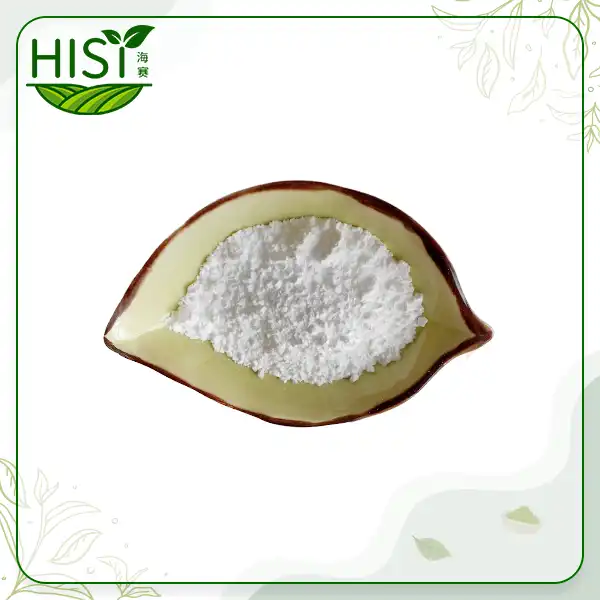
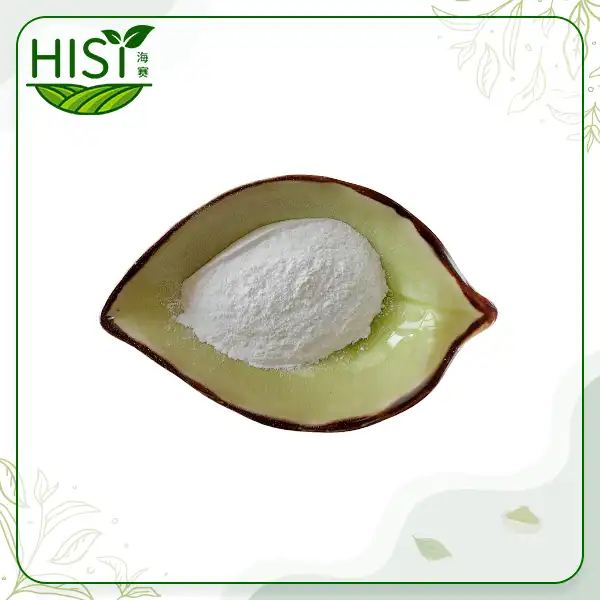
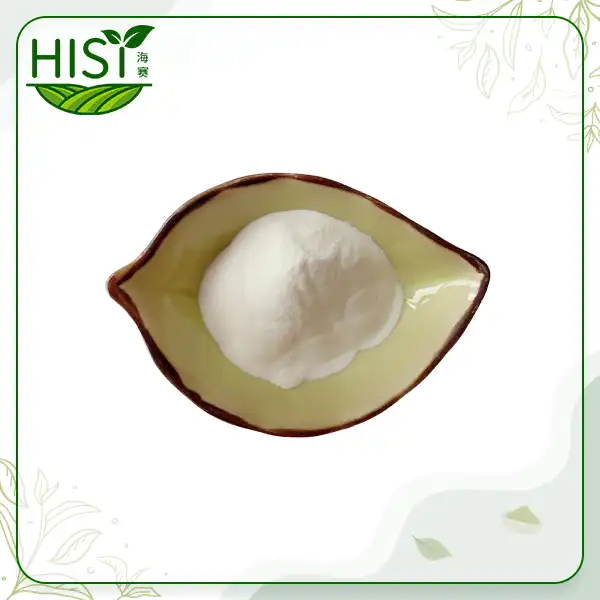
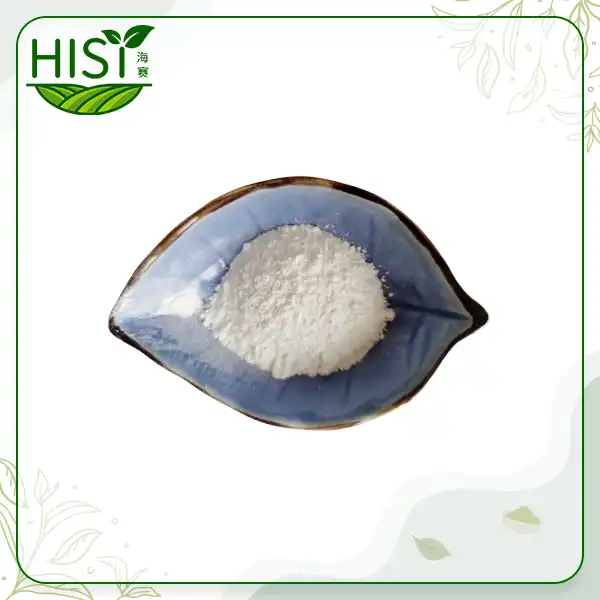
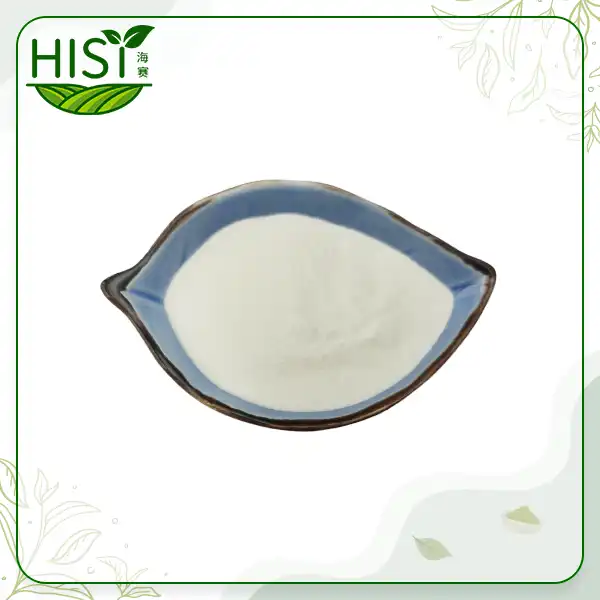
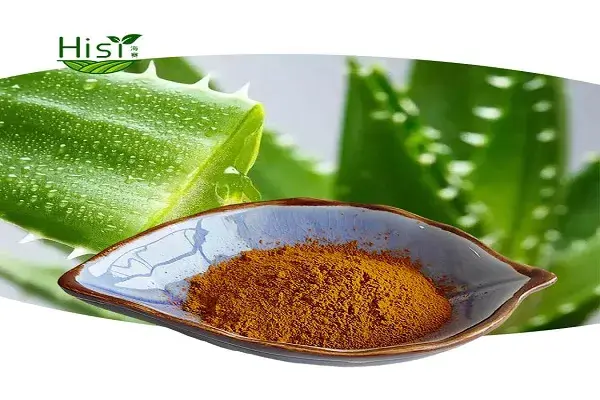
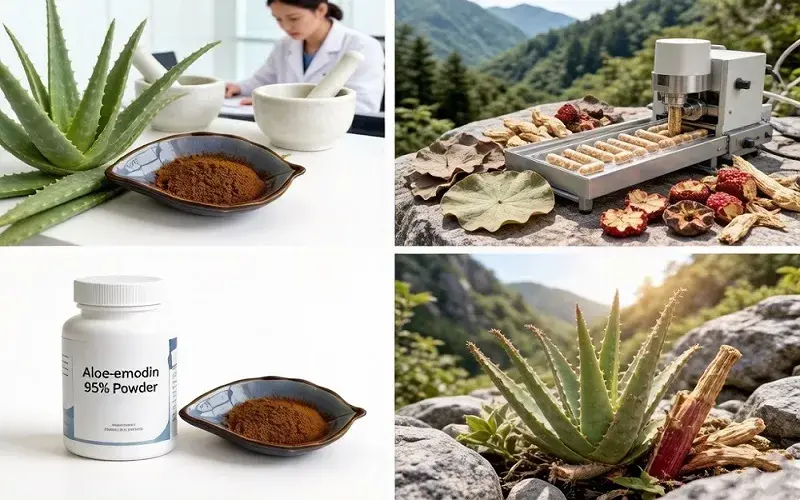
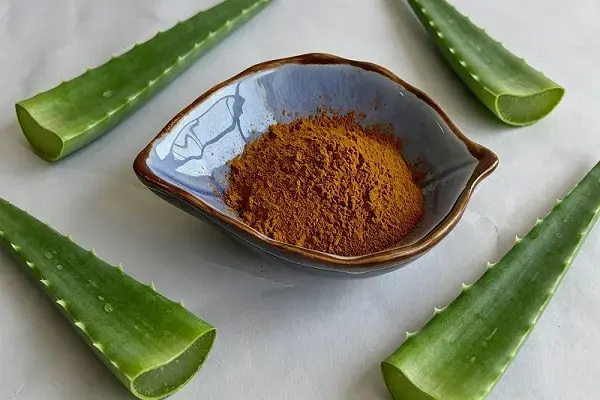
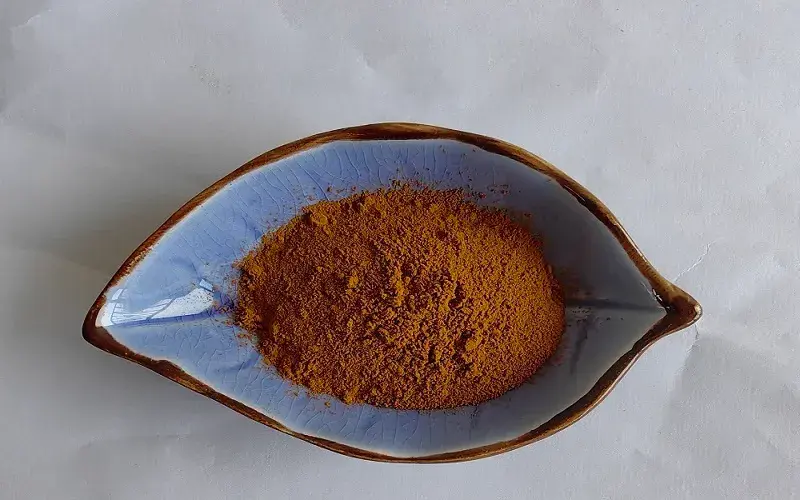
Aloe Emodin Powder is a unique anthraquinone derivative that is very different from other aloe vera gel extracts. We only get this compound from Aloe vera leaves by isolating it using a solvent and then purifying it using chromatography. This gives us an orange needle crystal or an earthy yellow crystalline powder with a very clear molecular structure. The bioactive substance dissolves easily in organic liquids and water when the pH level is high. This makes it useful for a wide range of formulation needs. Our production method keeps the compound's structure while getting rid of the allergenic latex proteins that are common in crude extracts. This gives us pharmaceutical-grade material whose standard strength has been confirmed by HPLC analysis.
Pharmacological Benefits and Industrial Applications
In many different areas of medicine, this anthraquinone compound shows amazing healing abilities. It helps the digestive system by gently making you go to the toilet, and in clinical studies, it has been shown to reduce inflammation. Cosmetic companies use it in anti-aging serums and reparative creams because it brightens the face and fights free radicals. Pharmaceutical study shows that it could be used to make antibacterial medicines and improve the health of cells. It has been shown that the compound can change the pathways that cause inflammation. This makes it very useful for functional food development, where companies are looking for natural ingredients that have been shown to work. Knowing about these uses helps buyers make sure that the specs of a product match up with its intended uses and legal classifications.
Dosage Considerations and Safety Profiles
When adding this substance to finished goods, it is still very important to keep the amount under control. In dietary supplements, the usual concentration ranges from 10 mg to 50 mg per serving, but different uses may need different levels. Our 80-mesh particle size makes sure that particles are evenly spread out in matrices, which lets you precisely control the formulation. Safety tests show that the compound is safe at the levels that are recommended, but manufacturers should still test its stability in their own formulations. Our normal purity, which is either 95% or 98%, lets formulators figure out exact amounts without the uncertainty that comes with using lower-quality materials. This level of accuracy stops both under-dosing, which lowers the drug's effectiveness, and over-dosing, which raises safety issues.
Market Comparison and Quality Assessment of Aloe Emodin Powder
Natural vs. Synthetic Production Methods
When making sourcing choices, people often have to choose between materials that are naturally taken and those that are made in a lab. Natural extraction from Aloe vera leaves keeps the Aloe Emodin Powder's original molecular structure and adds phytochemicals that may make it more bioavailable. Our method keeps the plant's natural stereochemistry, which some research suggests helps cells recognise each other better. Synthetic production is cheaper, but it might introduce isomeric differences that change how living things react. Brands that want to be seen as "natural" can use plant extracts to boost their credibility and possibly even help with health problems. We keep clear records about where our botanicals come from so buyers can check the accuracy of clean-label claims. This is becoming more and more important in consumer markets that want clear ingredient information and environmentally friendly practices.
Purity Standards and Certification Requirements
To judge quality, you must first understand purity standards and the certifications that go with them. Our products with concentrations of ≥95% and 98% meet pharmaceutical-grade standards, which are much higher than the usual requirements for plant extracts. Heavy metals (Pb, As, Hg, and Cd below 10 ppm) and solvents that meet USP/EP standards are tested thoroughly in every production batch. Our FDA registration, HACCP approval, and ISO Quality Management System badges show that we follow safety rules around the world. Every package comes with a Certificate of Analysis (COA), which is a third-party confirmation of the specs. These quality guarantees keep buyers safe from the risks of adulteration and legal noncompliance that come with buying from lower-tier providers. When procurement managers look at quotes, they shouldn't just focus on price, but also on suppliers who offer full documentation. This is because inconsistent quality causes expensive problems later on in the product development and market approval processes.
Global Pricing Analysis and Supplier Evaluation
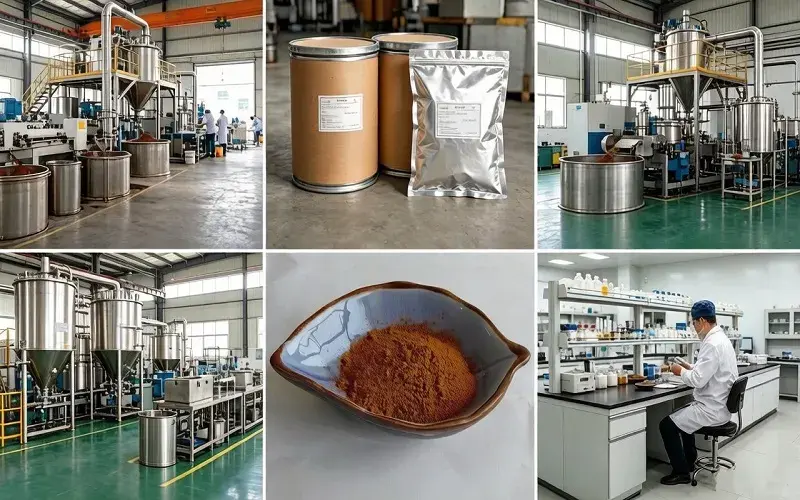
Prices on the market right now depend on a lot of things, like the level of purity, the number of orders, and the credibility of the supplier. Pharmaceutical-grade materials with full documentation usually cost more than alternatives that haven't been checked out. Buyers should look at the total cost of ownership instead of just the unit price. Things like shipping stability, technical help, and consistency from batch to batch have a big effect on how efficiently production works. Our competitive stance strikes a mix between fair pricing and quality assurance, backed by 18 years of experience making things. The position in Xi'an is better for shipping goods internationally because it cuts down on wait times and transportation costs. When comparing sources, look at how much they can make (our plant makes more than 200 MT a year), making sure they can keep up with your growth without lowering the quality. Ask current clients in your industry for references to back up claims of performance and responsiveness during supply chain disruptions.
How to Choose the Right Aloe Emodin Powder Supplier: A B2B Buyer's Checklist
Essential Certifications and Documentation
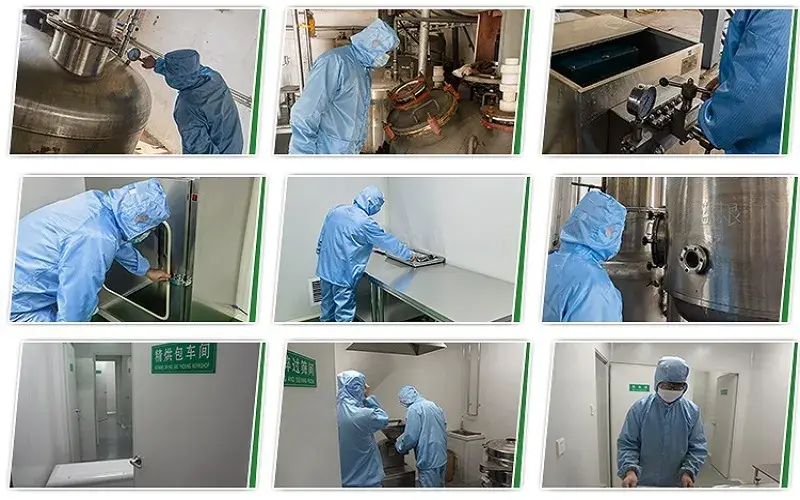
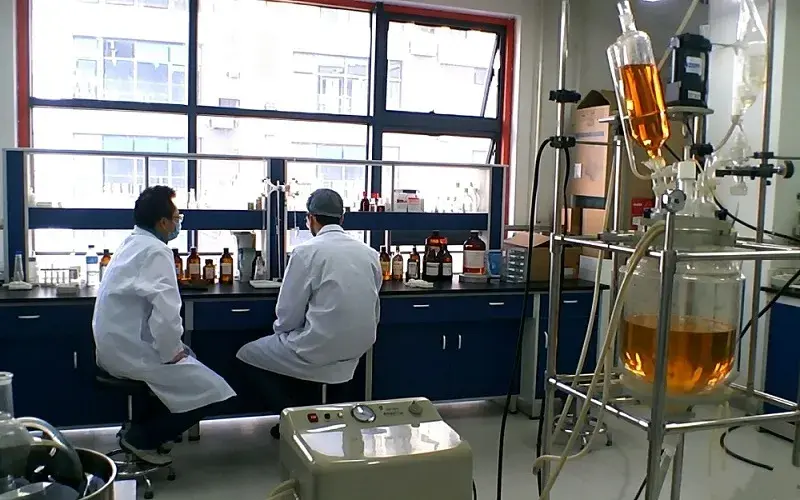
Before choosing providers, procurement managers should set up a method for evaluating them. To start, check that you have the right regulatory credentials for the Aloe Emodin Powder markets you want to reach. Our building is registered with the FDA, has HACCP certification, and is accredited by the ISO Quality Management System. These are all basic requirements for providing goods and services to the pharmaceutical and nutraceutical industries. Instead of relying on what the website says, ask to see recent copies of the certifications and make sure they cover the type of product you need. Check to see if sellers give you product-specific information like stability studies, microbial testing results, and allergy statements, in addition to basic compliance. Because our 150 m² production facility has four separate production lines, we are completely open and allow qualified partners to visit for audits. This level of openness shows faith in quality processes and the way things are made.Certificates of Analysis for each batch should be included in documentation packages. These should clearly state the purity levels that were checked using HPLC methods. Check the testing procedures to make sure they meet your quality standards. Some suppliers use less strict analytical methods that give the impression of higher purity than it really is. Our testing process looks at microbiological parameters, heavy metal content, and pesticide residues, giving you full peace of mind about safety. Ask potential providers how they get their raw materials and how they keep track of them. We keep close ties with Aloe vera growers to make sure the plants are real and that they are harvested in a way that doesn't harm the environment. This helps keep the supply stable over time.
Production Capacity and Supply Chain Reliability
Disruptions in the supply chain put manufacturing schedules and market commitments at great risk. Check how much production capacity possible suppliers have compared to what you think you will need, taking into account yearly changes and growth patterns. Our yearly production, which is more than 200 MT, meets large orders while keeping quality high. Ask about plans for what to do if there are problems with the supply chain. Facilities with multiple production lines and inventory storage are more reliable. We offer flexible shipping within 4–8 days, which helps just-in-time manufacturing methods without the high costs of keeping too much inventory on hand. This response comes from efficient transportation management and proactive production planning.Check out suppliers' financial stability and how long they've been in business, not just their capacity numbers. Since we started in 2008 and have 18 years of specialised experience, we have been in the market for a long time and know how to run a business well. New companies may offer good prices, but they also pose a greater chance of business stability problems. Ask for client references from companies that buy similar amounts of things and have similar technical needs. Conversations like these show how suppliers deal with problems like changes to specifications, delivery delays, or technical questions. These are important details that formal presentations miss. We have repeat business relationships with international brands in the pharmaceutical, cosmetic, and nutraceutical sectors because we are dedicated to being honest and putting the needs of our partners first.
Technical Support and Sample Evaluation
Instead of being transactional vendors, good suppliers act as technical partners. Check out the experts who can help with formulation and regulatory issues. Throughout the lifecycle of a partnership, our team is available to help with questions about compatibility, stability, and application-specific suggestions. This technical accessibility is very helpful during the development stages of a product, when quickly fixing problems speeds up the time it takes to get the product to market. We offer free samples for quality verification before commitment, allowing your R&D team to conduct compatibility testing within your specific formulations. Sample plans should include enough samples for a full evaluation, which should include stable studies and analytical confirmation.When you test samples, you should do your own analysis to make sure that the specifications match what the supplier says they are. Check the physical features of our product—its orange needle crystal or earthy yellow crystalline look at 80-mesh particle size—against the records. Check how the solubility changes in the solvents you want to use, and check how well it works in pilot-scale production. Write down any changes or concerns you have, and talk to suppliers about them before signing the agreement. This careful planning keeps expensive re-formulation work and output delays from happening. Our clear communication and technical documentation help people make smart decisions, which boosts confidence in the partnership's ability to work.
Best Practices for Importing and Using Aloe Emodin Powder in International Markets
Regulatory Compliance and Documentation Requirements
To follow the rules for foreign trade, you have to pay close attention to paperwork and rules for compliance. United States imports must meet FDA requirements for Aloe Emodin Powder including proper labeling, ingredient statements, and facility registration for goods entering food or pharmaceutical channels. Regulations in the European Union say that chemical substances must be registered under REACH and that personal care products must use makeup ingredient databases. Our FDA registration and comprehensive documentation packages facilitate customs clearance across major markets. Buyers should work with customs agents who know how to bring plant extracts into the country to avoid delays or inspections.Each shipment comes with a Certificate of Analysis that lists the purity levels, analytical methods, and information on how to track each batch. During quality audits and inspections by regulators, these documents are very important. Maintain organized records linking arriving materials to finished product batches, building clear chains of custody. When bringing into controlled markets, make sure that the certifications of the seller meet the requirements of the target country. Some countries only accept certain standards, while others require more testing. We answer regulatory questions with technical support, guiding buyers through complicated approval processes and answering questions from authorities about where ingredients come from and how products are made.
Storage Conditions and Handling Protocols
Throughout the supply chain, proper material handling keeps the integrity of the product safe. Aloe Emodin Powder should be kept in sealed cases that are out of the light and away from wetness. In places with low humidity, the temperature should stay below 25°C. The 1 kg foil bags and 25 kg drums with double plastic-bag liners that we offer are strong ways to protect your goods while they are being shipped or stored. As soon as you get the materials, check the packaging for damage and move them to storage areas with controlled conditions. Use first-in, first-out inventory systems to keep things fresh, and keep in mind that our standard shelf life is three years under normal conditions.During production, wear the right safety gear, like dust masks, when working with powdered materials to keep your lungs from getting exposed. The substance is safe at the suggested concentrations, but you should still be careful when coming into close touch with the concentrated powder. Keep records of each batch that show how it was stored and when it was used. These records can help with quality investigations if there are questions about how well the product worked. The molecule is very stable chemically in acidic environments and during complicated formulation processes like liposomal encapsulation. However, it is still important to get baseline stability data for your individual matrix. Do accelerated ageing studies to figure out how long finished products will last on the shelf, and if they start to break down, change the formulations.
Risk Management and Quality Verification
Material that isn't real or up to par can seriously hurt the quality of a product and the image of the company. Do supplier audits that look at their testing facilities, quality systems, and manufacturing facilities. Qualified auditors are welcome at our facility, which shows that we are open and trusting in our operations. After the initial qualification, do regular re-evaluations to make sure they are still meeting your standards. Set up clear quality agreements that spell out the accepted amounts of contamination, particle size, and purity, as well as clear steps for dealing with materials that don't meet the standards.Testing incoming materials adds another level of assurance. Even if you trust your sources, you should still test their identities on a regular basis using methods like HPLC fingerprinting to make sure the material is real. This investment guards against supply chain breaches and changes that are made by accident. If there are disagreements or strange results that need to be confirmed, build relationships with independent analytical laboratories that can do testing without bias. These worries aren't as big because we're committed to quality consistency, but strong verification systems are still a good way to manage risk. When important concerns come up, talk to your sellers about them right away instead of finding ways that could hurt the safety or effectiveness of the product.
Future Trends and Opportunities in the Aloe Emodin Powder Global Market
Emerging Applications and Research Innovations
As more research is done, more uses for this Aloe Emodin Powder compound are being found. New research looks into its part in how cells stay healthy, how to make antibiotics less effective, and how to use specific delivery methods to make drugs more bioavailable. Researchers in the pharmaceutical industry are looking into how it could be used in combination medicines, where its anti-inflammatory qualities could work well with other active ingredients. These changes open the door for new ways to position products and protect formulations with patents. Nutraceutical brands are looking for ingredients that have published clinical evidence to back up their health claims. The growing body of research on Aloe Emodin Powder supports marketing claims and regulatory support.
Sustainability and Ethical Sourcing Demands
Consumer awareness of environmental and social impacts reshapes ingredient sourcing criteria. Brands increasingly demand transparency regarding cultivation practices, water usage, and fair labor conditions throughout supply chains. For long-term botanical supply, our sustainable buying methods make sure that Aloe vera is grown in ways that are good for the environment. Certifications showing ethical sourcing and environmental stewardship become competitive differentiators as brands react to customer standards. Organic certification is a smaller part of the market right now, but it's growing steadily as more high-end brands focus on using clean, sustainable ingredients.Traceability systems that let you follow ingredients from the farm to the finished product help with claims of authenticity and sustainability. Blockchain technologies and digital document sites make the supply chain more open than ever before. When suppliers use these methods, they put themselves in a good situation as rules and customer expectations change. We keep direct contact with botanical sources, which allows us to track our products and support environmentally friendly gathering methods. This promise makes sure that materials are available and that natural resources are protected, which is very important as the need for plant-based ingredients grows in many fields.
Strategic Partnership Opportunities
As the market changes, working together with suppliers is becoming more popular than just buying and selling. Companies that want to stay ahead of the competition work with ingredient providers that can help them with technology issues, following rules, and coming up with new ideas. We see our relationships with clients as partnerships where both of us succeed. This way of thinking shows up in flexible buying systems, quick technical help, and regular updates on changes in the supply chain. If a brand is planning to launch a new product, involving suppliers early on in the formulation development process can help make sure that the ingredients will work together and that the brand can get the ingredients.Long-term supply agreements guarantee availability and stable prices, which is especially helpful when the market is volatile or there are supply problems. Because of these agreements, providers can put money into increasing output and quality, which helps partners grow. Because our production capacity is stable and our finances are stable, we can be trusted to be partners for a long time and can grow with our clients' needs. As international markets grow and applications become more varied, it becomes more important to choose suppliers with the ability to grow and a deep understanding of technology. When it comes to product quality, supply reliability, and competitive positioning, procurement strategies that focus on building partnerships over just comparing prices work better.
Conclusion
To successfully source Aloe Emodin Powder, you need to find a balance between quality control, following the rules, and a reliable supply chain. This guide laid out important evaluation criteria, such as purity standards, licensing requirements, and paperwork processes that are needed for buying things from other countries. Knowing the compound's features, how it's used, and how the market works helps you choose a seller in a way that reduces risk and encourages new product development. As things change, there are big chances for brands that use ingredients that have been proven scientifically and come from clear sources. Prioritising relationships with certified, experienced manufacturers guarantees uniform quality, regulatory trust, and technical help throughout the lifecycles of products. As the need for medicines, cosmetics, and nutraceuticals grows around the world, strategic supplier relationships become valuable assets that offer long-term benefits that go beyond commodity pricing.
FAQ
What certifications should I verify when sourcing Aloe Emodin Powder internationally?
Give more weight to sellers who are registered with the FDA, have HACCP certification, and are accredited by the ISO Quality Management System for making plant extracts. Ask for up-to-date certificates and make sure they cover the types of products you want to sell. Also, make sure that sellers give you batch-specific Certificates of Analysis that show the product's purity through HPLC testing, heavy metal levels below 10 ppm, and compliance with USP/EP guidelines for residual solvent. These credentials show that the company follows the rules and maintains the quality standards needed for pharmaceutical, nutraceutical, and cosmetic uses in international markets.
How does Aloe Emodin Powder differ from standard Aloe Vera extracts?
After carefully extracting and purifying Aloe vera leaves, a certain anthraquinone substance called Aloe Emodin Powder was found. It has standardised amounts of 95–98% purity. Polysaccharides, vitamins, and different anthraquinones are just some of the compounds that can be found in standard aloe vera extracts. The separate molecule has exact dosing control, better stability, and specific pharmacological qualities that make it useful for certain uses. This standardisation gets rid of the variation that comes with whole-leaf extracts. It also provides consistent bioactivity, which is important for controlled businesses that need consistent performance from batch to batch.
What typical dosages and safety considerations apply to this compound?
Recommended doses depend on the use, but in nutraceutical formulations, they are usually between 10 and 50 mg per serving. However, for some uses, the dose may need to be changed depending on the desired effects and the rules in place. Even though the compound is safe at the recommended concentrations, manufacturers should still test its stability in certain formulations. Our standardised pharmaceutical-grade material makes it possible to accurately figure out the amounts of active ingredients that are needed. Buyers should look at the rules that apply to the markets they want to sell to and make sure that the safety tests they do are in line with the types of products they are buying, what they are supposed to be used for, and the quality standards that apply to medicines, cosmetics, and dietary supplements.
Partner with a Trusted Aloe Emodin Powder Manufacturer for Your Global Needs
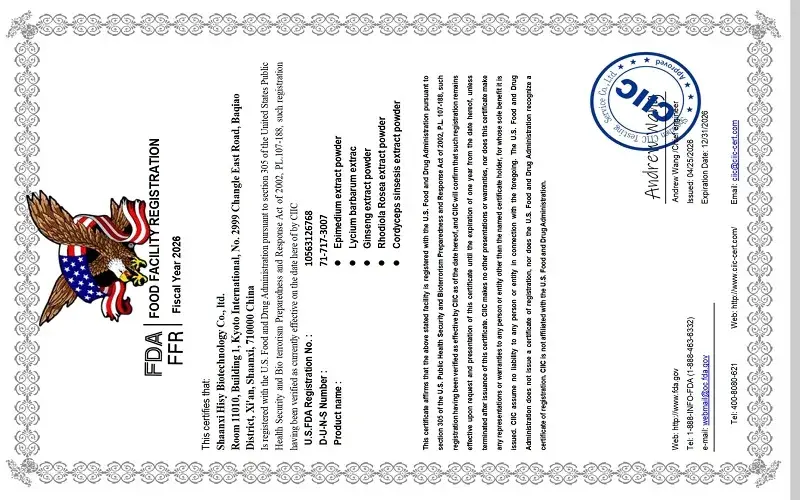
Your product's success in competitive international markets depends on how well you choose your Aloe Emodin Powder manufacturing partner. Shaanxi Hisy Biotechnology Co., Ltd. has 18 years of experience in producing high-purity plant extracts. They offer pharmaceutical-grade aloe emodin at concentrations of 95% to 98%, which have been proven by a thorough HPLC analysis. Our many certifications, including FDA registration, HACCP, and ISO Quality Management System, show that we are firmly committed to safety and following all rules in all areas of the world. We can meet your strict manufacturing schedules because we can produce more than 200 MT of goods every year and deliver them in as little as 4 to 8 days. Email our team at sales@hisybio.com to get free samples, talk about technical details, or look into possible business possibilities. We offer clear paperwork, reasonable pricing, and quick support throughout the whole procurement process. This helps us build trustworthy supply chains that help your brand grow and boost market confidence.
References
Chen, Y., Liu, T., & Wang, K. (2021). Anthraquinone derivatives from Aloe species: Extraction, purification and biological activities. Journal of Ethnopharmacology, 266, 113458.
Gupta, S., Sharma, R., & Singh, A. (2020). Quality assessment and regulatory considerations for botanical extracts in international trade. Pharmaceutical Technology International, 44(3), 32-39.
International Trade Centre. (2022). Exporter's guide to natural ingredients: Quality standards and market access requirements. Geneva: ITC Publications.
Li, X., Zhang, D., & Wang, F. (2023). Application of aloe-derived compounds in cosmeceutical and pharmaceutical formulations. Natural Product Research, 37(8), 1289-1305.
Roberts, M. J., & Thompson, L. K. (2021). Supply chain management for botanical ingredients: Best practices for quality assurance and traceability. Journal of Business Logistics, 42(2), 156-173.
Zhang, H., Wu, J., & Chen, L. (2022). Regulatory landscape for importing botanical extracts: Comparative analysis of US, EU and Asian markets. Regulatory Toxicology and Pharmacology, 128, 105087.