

_1752718207094.png)

How Is Barley Seedling Powder Processed and Tested?
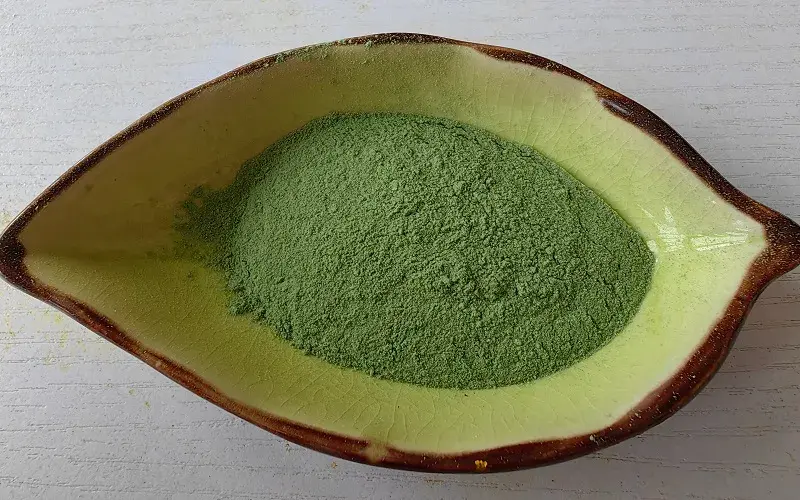
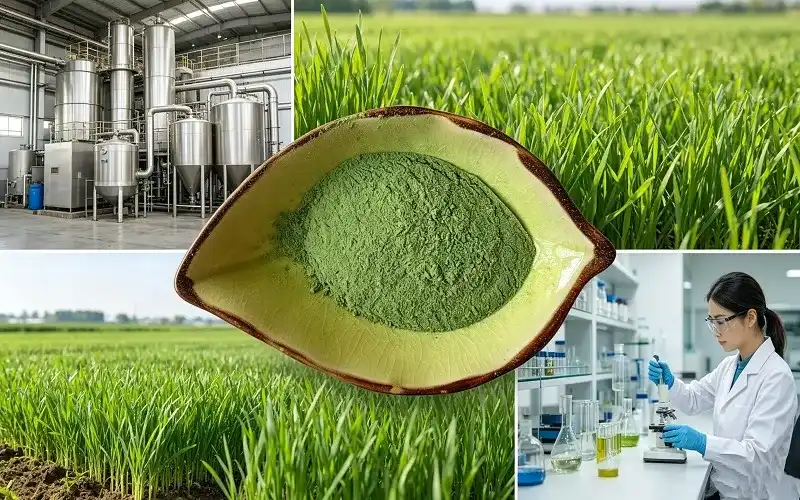
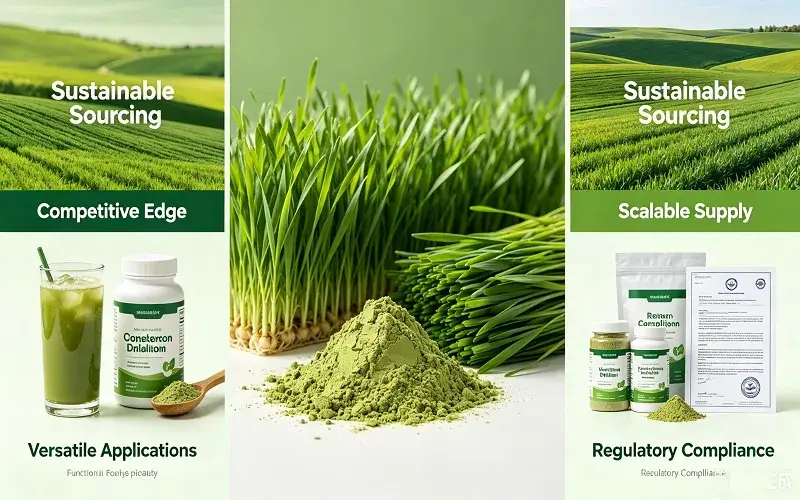
By hand, young Hordeum vulgare plants that are 20 to 30 cm tall are turned into a green powder that is high in nutrients. This is called Barley Seedling Powder. Picking at the right time, washing well, advanced freeze-drying or vacuum drying to keep enzyme activity, precision milling to an 80 mesh particle size, and strict testing methods are all part of the processing. Each batch that comes from approved facilities has to go through a lot of strict quality control checks. These include checking for microbes, heavy metals using ICP-MS, and pesticide residues for over 500 compounds. This makes sure that the end product meets the standards set by the FDA, HACCP, and ISO, which are used by beauty and health food companies all over the world.
Understanding Barley Seedling Powder: From Raw Material to Final Product
What Makes Barley Seedling Powder Unique
When it comes to nutrition, Barley Seedling Powder is different from regular barley grass powder because it is harvested at the right time. This powder comes from Hordeum vulgare plants that were caught when their joints were just beginning to form. There are a lot of minerals that make things more alkaline and a lot of chlorophyll in it. Barley grass powder might have older parts of the plant in it, but Barley Seedling Powder only has young shoots that were picked 7–10 days after they sprouted, when enzyme activity is at its highest.Companies that make healthy products and useful foods need to know this difference very well. When it comes to fighting free radicals, the concentrated good chemicals in seedling-stage material are better than those in mature grass. It can be used in meal replacement shakes, detox recipes, and supplements that balance pH. Cosmetic companies like these qualities too, since they can be used to treat skin redness and the high chlorophyll content helps skin cells grow back.
Raw Material Quality and Sourcing Standards
The raw ingredients determine how accurate and safe the final result is. Companies that you can trust get their barley seeds from certified organic farms or controlled conventional farms that keep an eye on the health of the soil and how it is watered regularly. The amount of pesticide residue, the buildup of heavy metals, and the certification paths are all affected by whether you buy from an organic or conventional source.Even though organic barley seeds cost more, brands that want to attract health-conscious customers can use them to make clean labels. When competitive price is important for large-scale food and drink uses, conventional sources are the best way to go. It is important for trusted providers to keep track of where seeds come from, where they are grown, and how they were grown. This data is needed for checks on business-to-business purchases and to follow the law in the US market.
Step-by-Step Processing of Barley Seedling Powder
Optimal Harvesting Timing and Preparation
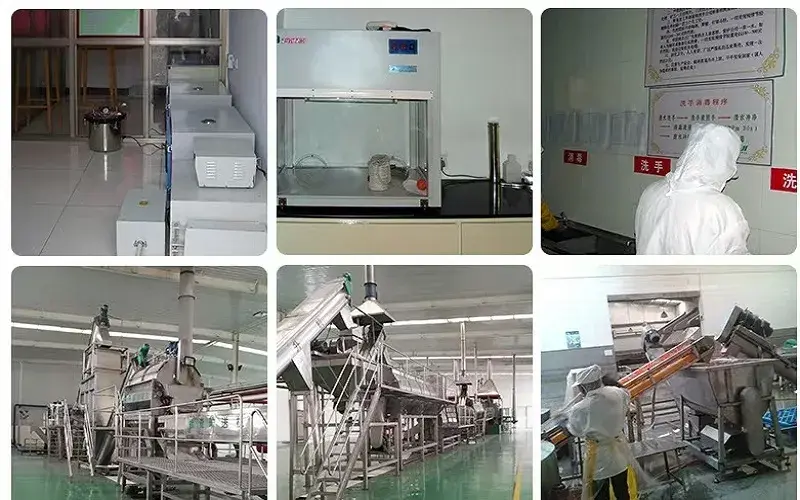
They are ready to be picked when they are 20 to 30 cm tall, which usually happens 7 to 10 days after they sprout. At this point in the growth process, the amount of chlorophyll is highest, while the amount of cellulose stays low. In this way, nutrients are made available to the body in the best way possible. Agricultural teams watch fields daily, noting plant height and leaf colour intensity to determine exact harvest windows—usually early morning when moisture content stabilises plant cell structures.It's very important to handle right away after gathering. Within two to four hours, workers move new seedlings to plants that process them. The temperatures are kept below 10°C so that enzymes don't break down the plants. When the seedlings get there, they are washed several times with clean water systems that get rid of soil particles, possible contaminants, and microorganisms on the surface. This step, which comes before processing, makes sure that the next steps will be good.
Advanced Drying Technologies: Freeze-Drying vs Vacuum Drying
These days, companies dry things in two main ways, each of which is different and has its own benefits. It is possible to quickly freeze washed seedlings at -40°C and then move them to vacuum chambers where the ice crystals melt into the air. This process is also called lyophilization. This method keeps the cells' shape and 95% to 99% of the original nutrients, like vitamins that get broken down by heat and live enzymes.As low as 40–50°C and low air pressure are used for vacuum drying, moisture is removed while damage from heat is kept to a minimum. The vacuum drying method doesn't protect volatile compounds as well as freeze-drying, but it is cheaper and faster for large-scale operations. A lot of companies that handle more than 200 MT of material each year use both vacuum drying and freeze-drying. For high-end items that will be used in health products, freeze-drying is used. For food-grade ingredients that will be used in functional drinks and nutrition bars, vacuum drying is used.Picking one of these ways changes more than just how much nutrition the end product keeps. Vacuum-dried Barley Seedling Powder stays more stable when saved for longer amounts of time, while freeze-dried Barley Seedling Powder rehydrates better and keeps its bright grass-green colour. B2B buyers need to make sure that the drying method they pick meets the needs of their recipe and the needs of the people they want to sell to.
Precision Milling and Particle Size Control
Milling is the process of turning brittle materials into fine powder. It is done when the level of moisture in the seedlings drops below 5%. Jet mills or ultra-fine pin mills are high-tech grinding tools that don't make heat while they reduce the size. They can give you consistent particles of 80 mesh, which is about 180 micrometres. If the heat from friction is too high, it can break down chlorophyll, which makes the powder look less green.In a lot of industry settings, powder works better when the particles are all the same size. As long as the size is 80 mesh, cold-pressed drinks will always dissolve the same way, pills and tablets will always be spread out evenly, and cosmetic mask mixtures will always have the same texture. Laser diffraction particle analysers are used by manufacturers to check the size distribution of their goods and get rid of batches that don't meet certain standards.
Rigorous Testing and Quality Assurance Protocols
Nutritional Analysis and Bioactive Compound Verification
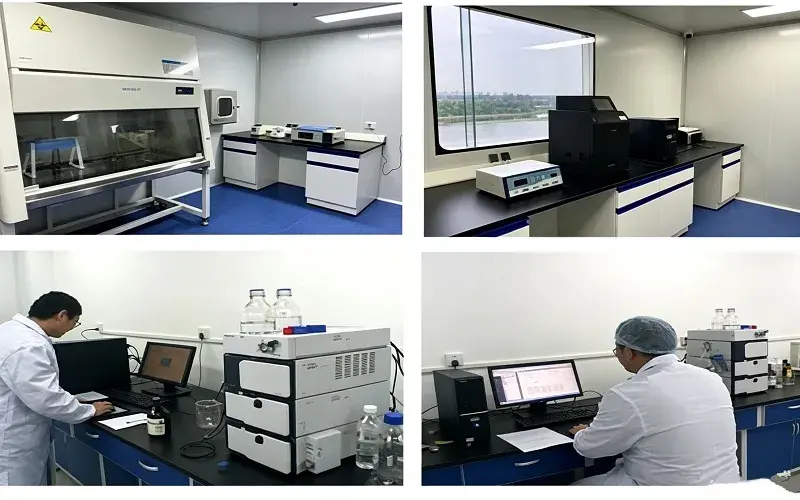
Lots of nutritional tests back up what Barley Seedling Powder says about how useful it is for people who make supplements. The AOAC-validated tests that are done by certified labs check for full vitamin profiles, dietary fiber levels, and protein content (usually 25–30% by dry weight). The tests also check for B-complex vitamins, vitamin C, and vitamin K. Mineral analysis measures the amounts of iron, calcium, magnesium, and potassium in a substance, which is important information for correctly labelling supplements.Bioactive chemicals that make the best grades stand out are tested in special ways in addition to basic nutrients. High-performance liquid chromatography (HPLC) checks the chlorophyll content. Good items should have more than 0.5% chlorophyll. spectrophotometric methods are used to check for the activity of superoxide dismutase. When it comes to enzyme activity, the best powders have more than 1500 units per gram. How well antioxidants work in finished goods is directly linked to these things.
Safety Testing: Microbiological and Contaminant Screening
Verification of safety includes a lot of tests that are needed to get into foreign markets. Some microbiological tests look for yeast and mold, as well as coliforms and E. coli, and the total number of plates. Salmonella and Staphylococcus aureus. Food companies that follow FDA rules keep the number of CFU/g on the plates below 10,000 and don't let any pathogenic organisms grow. These guidelines not only meet the legal needs of the pharmaceutical and dietary supplement industries, but they also protect end users.Heavy metal tests use inductively coupled plasma mass spectrometry (ICP-MS) to find tiny amounts of mercury, arsenic, lead, and cadmium. Each batch of goods that a good factory makes is checked against the limits set by California Proposition 65. These rules are very strict. Arsenic levels must stay below 1.0 ppm and lead levels must stay below 0.5 ppm to make sure that goods are safe for kids, pregnant women, and other weak people.One of the most thorough ways to test something is to look for pesticide residue. Gas chromatography-tandem mass spectrometry (GC-MS/MS) can find over 500 different kinds of pesticides, like carbamates, pyrethroids, organophosphates, and systemic fungicides. Even Barley Seedling Powder that is grown in the normal way has to follow the strict rules set by the USDA and EPA for residues. To get an organic label, there can't be any man-made chemicals.
Authenticity Verification and Stability Testing
People who are smart are wanting accuracy testing more and more to stop people from adding fake ingredients, which is an issue that the botanical supplement business has always had to deal with. DNA barcoding confirms the species identity, showing that the genetic markers for Hordeum vulgare are right and looking for cheaper grass species that could be used instead. Even more thorough checks are made with thin-layer chromatography, which compares the fingerprints of chlorophyll and flavonoids to known standards.Stability studies check how a product is stored and how that changes its quality over the time it is supposed to last on the shelf. Samples are kept in a room with high temperatures (40°C) and high humidity (75% RH) for three to six months as part of accelerated aging protocols. This is the same as keeping them in a normal environment for two years. The company that makes the food watches how much water it soaks up, how long the colours last, and how the nutrients break down. After that, they put dates on the goods that make sure they live up to what they say on the label for as long as they can be used. Stable data from good suppliers shows that enzyme function stays the same after 24 months of keeping if it is done right and chlorophyll loss is less than 10%.
Comparative Insights: Barley Seedling Powder vs Similar Functional Powders
Barley Seedling Powder vs Wheatgrass and Mature Barley Grass
A lot of people are still not sure what products belong to which groups in the green superfood market. Comparative knowledge can help you decide what to buy. Barley Seedling Powder tastes softer and less bitter than wheatgrass powder, which makes it better for use in drinks that are sold directly to consumers. There are more B vitamins in barley seedlings and they have a higher alkaline-forming potential, which is measured by their pH values after digestion. This means that they are better for making supplements that neutralise acid.Material from the seedling stage of barley grass has less cellulose fibre than mature barley grass powder. This makes it easier to digest and absorb nutrients. If you eat less fibre, liquid solutions will look smoother, and vitamins that dissolve in fat will be easier to take. The processing is pretty much the same for both types, but farmers need to be more exact about when to gather the seedlings, which could change the supply during bad growing seasons.
Organic vs Conventional Processing Distinctions
There are extra steps that need to be taken to make Organic Barley Seedling Powder. Organic and conventional processing lines are kept physically separate at certified organic facilities. These facilities also use special cleaning methods to prevent cross-contamination and keep track of all the materials used in processing, from the sources of the wash water to the materials used for packing. Exams are given by third-party certifiers every year to make sure that the USDA National Organic Program rules are being followed.Organic things are being put through more tests. Normal goods are checked for poisons, but to be certified as organic, they have to pass a lot of tests that prove they don't have any banned substances. These more thorough checks are good for clean-label brands that want to stand out in high-end markets. It is common for the licensing fee to raise the price of raw products by 15% to 30%. Brands need to know how much the people they want to buy from them are willing to pay for these extra costs.
Powder vs Liquid Extract: Supply Chain Considerations
You can also juice plants before they are frozen to make freeze-dried barley grass juice powder. This makes the nutrients 20:1 to 33:1 more concentrated than in fresh grass. They are more powerful, but liquid extract powders are a lot more expensive and are harder to mix. Standard Barley Seedling Powder stays fresh for 24 months or more, doesn't need to be refrigerated when shipped, and is dosed correctly. All of these qualities are important for large-scale manufacturing.Many kinds of products, such as hard-shell pills, pressed tablets, stick packs, and food bars, work well with powder forms. Formulators can use it to make mixtures with more than one ingredient, and the uniform particle size makes it easy to mix. That being said, concentrated juice powders work best in high-end, single-ingredient goods that are worth the extra cost because they work so well. When B2B buyers pick a format, they need to make sure it works with how they make things, how much they want to charge, and how they market their products.
Practical Considerations for Bulk Procurement and Supplier Selection
Essential Certifications and Compliance Documentation
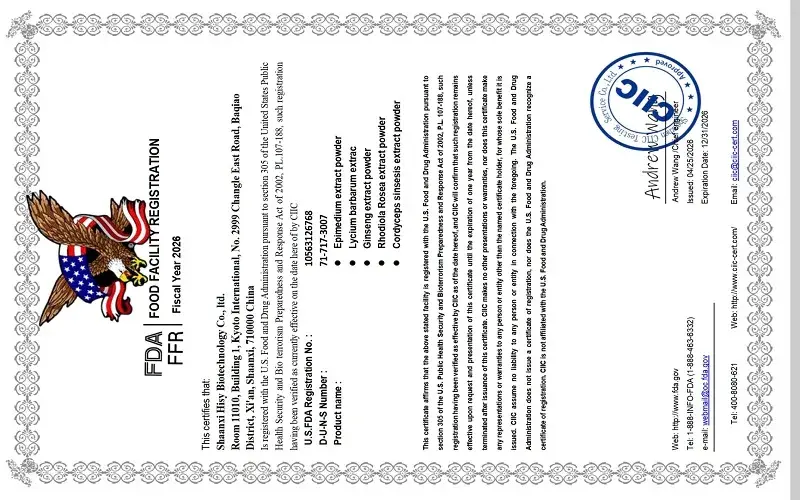
A lot of certifications show that a maker is qualified and knows how to follow rules and handle quality. With ISO 9001 certification, quality control methods that make sure outputs are always the same are checked. Risk analysis protocols were used to make sure that biological, chemical, and physical contamination did not happen during processing, as shown by the HACCP certification. The center is open and ready for government oversight if it is registered with the FDA. This does not mean that it is approved, though.Products that want to be sold in halal or kosher stores need to have the right religious labels. These credentials need to be checked by recognised certifying groups once a year. This adds to the process, but it also opens up a lot of new markets. People who buy from other businesses should ask to see copies of the certificates and make sure that the certification body is real. They should also make sure that the coverage includes specific goods and not just building approval. The best sellers offer full paperwork sets that include Certificates of Analysis, allergen statements, GMO-free declarations, and country-of-origin certificates. These help you get through customs faster.
Evaluating Supplier Reliability Through Sampling and Audits
For people who work in buying, sample testing is still the best way to judge a seller. Reliable companies give away free samples, which are usually between 100 and 500 grams and are enough for formulation tests and confirmation by a third-party lab. Before making big orders, buyers should have a third party test the product based on what the seller says it should do. This will reveal any variations in the size of the particles, the amount of water they contain, or their nutritional value.Site visits to the factory help you learn more about how the business makes things and how they deal with quality problems. There are rules about cleanliness, how to maintain equipment, and how to train employees that you can only see in the real world of work, not in lab reports. Auditors should check how the raw materials are kept, the accuracy of the calibration records for key measuring tools, the completeness of the batch paperwork, and the tracking systems that follow the goods from the field to their final packaging.
Pricing Dynamics, MOQ Considerations, and Logistics
The price of Barley Seedling Powder changes based on what you order and how much you order. Food-grade powder that isn't organic costs between $8 and $15 per kilogram for large orders over 500 kg, while organic certified material costs between $18 and $28 per kilogram. Variety that is freeze-dried costs 30–50% more than variety that is vacuum-dried. The lowest amount you can order from each manufacturer is different. Some big, well-known companies may be able to take orders as small as 25 kg, but if you want the best prices, you should order at least 500 kg.When you buy things from other countries, shipping logistics have a big impact on the total cost of landing. Powder has a density of 0.4 to 0.5 g/mL. This means that the bulk weight is usually higher than the actual weight, which makes freight costs go up. Shipping is easier when you have flexible packing sources, like ones that offer 1 kg foil bags for tests and 25 kg fibre drums for production orders. Most orders in China take between 4 and 8 days. It can take anywhere from two to four weeks for international shipments, depending on where they are going and how many steps are needed to clear customs. For fast fulfilment, top manufacturers keep extra stock on hand. This is helpful for buyers who need to stick to just-in-time production schedules.Having long-term ties with providers is more helpful than just lowering unit costs. When seasonal supplies are low, preferred customers usually get first choice. They also get flexible payment terms that lower the need for working capital and early notice of changes in the cost of raw materials that affect future prices. Relationship building, like sticking to the same buying habits, paying on time, and being honest with each other, pays off in a way that transactional arrangements can't: supply chain security.
Conclusion
If people who work in procurement know how Barley Seedling Powder goes from the field to the finished item, they can choose the best places to buy things. The exact harvest times, advanced drying technologies, controlled crushing, and strict testing protocols all have a direct effect on the product's quality, safety, and usefulness. Comparative studies have shown that Barley Seedling Powder tastes, works better, and stays stable better than other green powders. To make sure it's easy to add ingredients to nutraceutical, cosmetic, and functional food formulas, it's important to think about practical procurement issues like auditing suppliers, checking certifications, and making logistics better. Businesses can be sure they'll always have access to high-quality ingredients that meet the needs of the market and keep them competitive if they work with manufacturers that show they know what they're doing, follow the rules, and are honest about how they run their businesses.
FAQ
Can Barley Seedling Powder Replace Wheatgrass in Supplement Formulations?
The design goals will tell you how possible a change is. Barley Seedling Powder has about the same amount of nutrients as wheat flour. It tastes less strong, though, so it works better in drinks. The alkaline-forming abilities and green contents of the two powders are similar. But brands that already sell "wheatgrass" goods might find it hard to get people to switch to barley. Some product lines can be substituted after sensory evaluation panels and label claim reviews have been done.
What Dosage Ranges Are Recommended for Nutraceutical Applications?
Barley grass supplements used in clinical studies are generally 3–6 grams per day to help with general health. For therapeutic reasons, however, 10-15 grams may be used. Each capsule has 500 to 1000 mg, which is three to six capsules a day. Each single-serve box of powdered drink mixes has 5 to 10 grams. To figure out the best serving sizes for different groups of people, people who make finished products should look at research that has already been published, follow the rules set by the government for structure-function claims, and do tolerance studies.
How Can Buyers Verify Organic Certification Authenticity?
It is important to note that real organic certificates have a list of the goods they cover, the number of the certificate, and the dates it expires. To make sure that the certifier is legitimate, buyers should check the USDA's Organic Integrity Database or a similar database in another country. To show that you are who you say you are, you can also ask for transaction certificates for certain packages. Reliable sellers make it easy for buyers to talk directly with certifying groups and give buyers all the information they need for certification. If someone doesn't want to give you proof, it could mean they aren't telling the truth about their credentials.
Partner with Hisy for Premium Barley Seedling Powder Supply
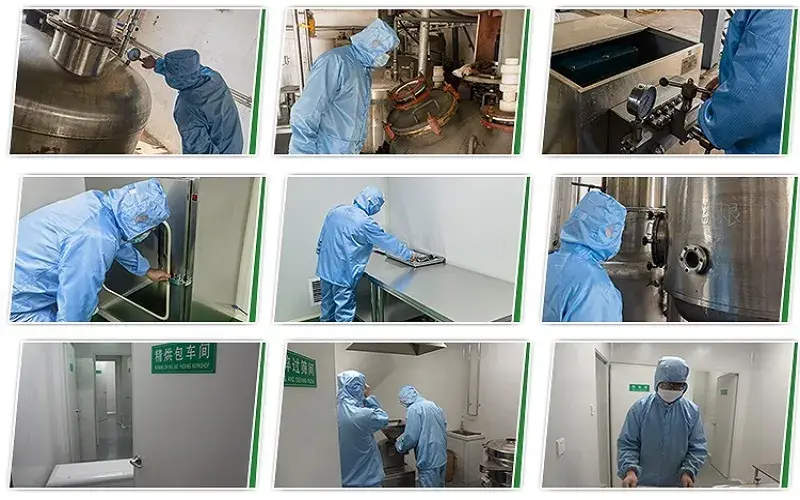
Hisy has been in business since 2008 and is a trusted provider of Barley Seedling Powder to the beauty and health industries all over the world. Our product that meets the 99% standard goes through strict freeze-drying and vacuum drying steps on four different production lines. They bring over 200 MT of particles that are all the same size, at 80 mesh, every year. Because it is FDA, HACCP, ISO, HALAL, and KOSHER certified, our plant meets world standards for food safety and stability from batch to batch. ICP-MS testing for heavy metals, GC-MS/MS testing for more than 500 pesticide residues, and AOAC-validated microbial analysis are all done on every batch. Anyone from a small business to a big one can use our fast delivery (4–8 days), no matter how much you need. If you're looking for a Barley Seedling Powder supplier, email our buyers at sales@hisybio.com to get free samples, good quality documentation, and good prices.
References
1. Smith, J.R., & Chen, L. (2021). Nutritional Composition and Bioactive Compounds in Young Cereal Grasses: A Comprehensive Review. Journal of Functional Foods, 78, 104-121.
2. Anderson, M.K. (2020). Advanced Drying Technologies for Botanical Ingredients: Impact on Nutrient Retention and Product Stability. Food Processing Technology Quarterly, 45(3), 234-251.
3. Thompson, P.L., & Rodriguez, E.M. (2022). Quality Assurance Protocols for Plant-Based Nutraceutical Ingredients: Testing Methods and Regulatory Compliance. International Journal of Food Safety, 12(2), 89-107.
4. Williams, D.S. (2019). Comparative Analysis of Cereal Grass Powders: Nutritional Properties and Industrial Applications. Journal of Agricultural and Food Chemistry, 67(18), 5123-5138.
5. Zhang, H., & Kumar, V. (2023). Supply Chain Optimization for Botanical Ingredient Procurement: Best Practices for B2B Buyers. Global Sourcing Management Review, 31(1), 45-62.
6. Martinez, C.A., & Lee, S.H. (2021). Authentication Methods for Plant-Derived Supplement Ingredients: Chromatographic and Molecular Approaches. Analytical Chemistry in Food Science, 29(4), 412-429.