

_1752718207094.png)

How Can Berberine Hydrochloride Powder Improve Formulas?
Berberine Hydrochloride Powder makes solutions better by adding standardised, high-purity bioactive molecules that are more stable chemically, more bioavailable, and have been shown to have health benefits in scientific studies. This high-quality botanical ingredient lets companies make unique dietary supplements, functional foods, and cosmetics that meet customers' needs for natural metabolic support, cardiovascular health, and antimicrobial effectiveness while keeping quality the same from batch to batch.When working in the competitive health and wellness market as a B2B buying worker, picking the right active ingredient can make or break a product. It's important for purchasing managers, formulation engineers, and distributors to know how berberine's unique properties can be used to make formulas better as they become more focused on ingredients with strong clinical validation and reliable supply chains. This guide shows you how to use this strong alkaloid in your product development plan, backed up by information on how to make it and rules for making sure it's safe.
Understanding Berberine Hydrochloride Powder and Its Role in Formulas
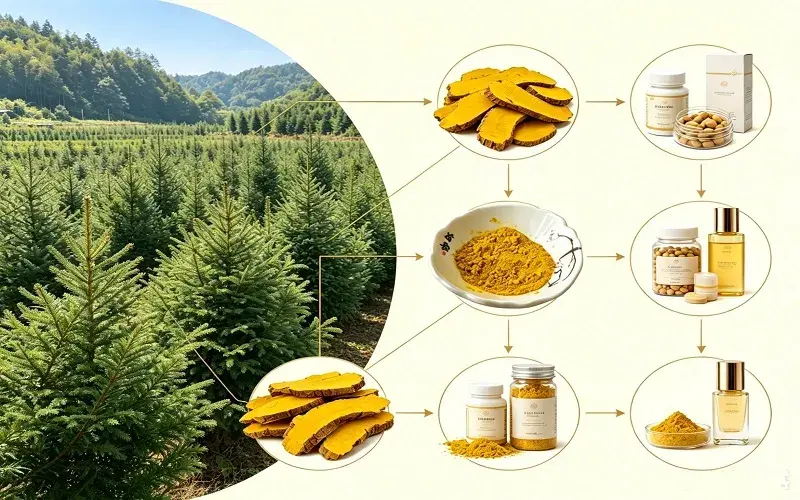
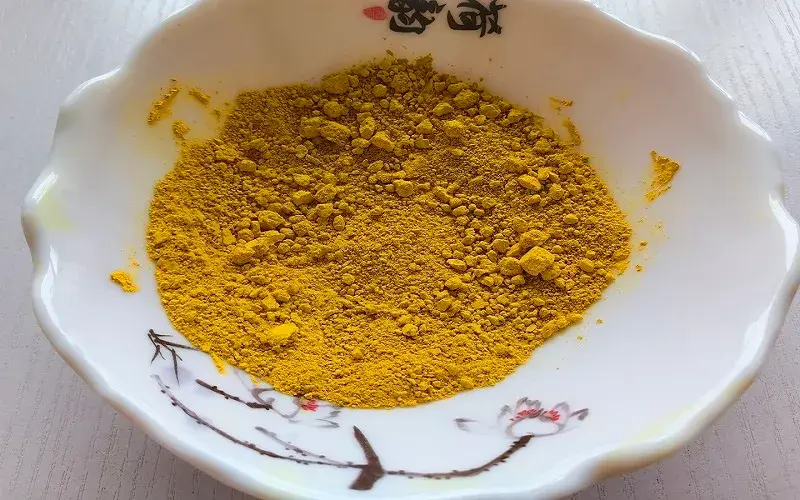
Berberine Hydrochloride Powder is the most stable and commercially viable salt form of berberine, an isoquinoline alkaloid that is usually taken from plants like the Amur Cork Tree, Berberis aristata, and Coptis chinensis. Compared to raw herbal extracts, which can have alkaloid levels ranging from 2% to 8%, standardised Berberine Hydrochloride Powder has a consistent purity level of ≥97%. This solves important formulation problems related to dosage accuracy and consistency from batch to batch.
Chemical Characteristics and Standardization
There are clear benefits to the hydrochloride salt form of berberine compared to other forms, like the sulphate or citrate forms. This bright yellow crystalline powder has the molecular formula C20H18ClNO4 and the CAS number 633-65-8. It dissolves easily in water and is perfect for use in pharmaceutical and nutraceutical products. The standard specification of 97% Berberine Hydrochloride Powder, which can be checked through titration, makes sure that label claims are accurate. This is especially important for companies that want to sell their products in countries with strict legal requirements.When plant roots are extracted, a product is made that is more resistant to oxidation than crude extracts. This chemical stability directly leads to a longer shelf life—usually 36 months under the right storage conditions—which cuts down on waste and makes it easier for distributors who deal with large amounts to keep track of their stock. The 80-mesh particle size requirement improves flowability during the packaging and tableting steps, which speeds up the production process.
Mechanisms of Action in Formulations
Berberine Hydrochloride Powder can be used as a medicine because it works on many different targets by activating AMP-activated protein kinase (AMPK), which is a key cellular energy sensor. This pathway affects how glucose is used, how lipids are managed, and how mitochondria work. It gives scientists a way to build formulas that can help with metabolic syndrome, diabetes, and heart health. The compound changes the make-up of the microbiota in the gut and kills different types of pathogens, which means it can be used in more dietary supplements and functional foods.Formulation engineers can make mixes that work better when they understand these biological processes. When mixed with alpha-lipoic acid, chromium picolinate, or milk thistle extract, Berberine Hydrochloride Powder can make the recipe work better and support a number of health claims that are backed by clinical studies.
Core Advantages of Incorporating Berberine Hydrochloride Powder into Your Product Formulas
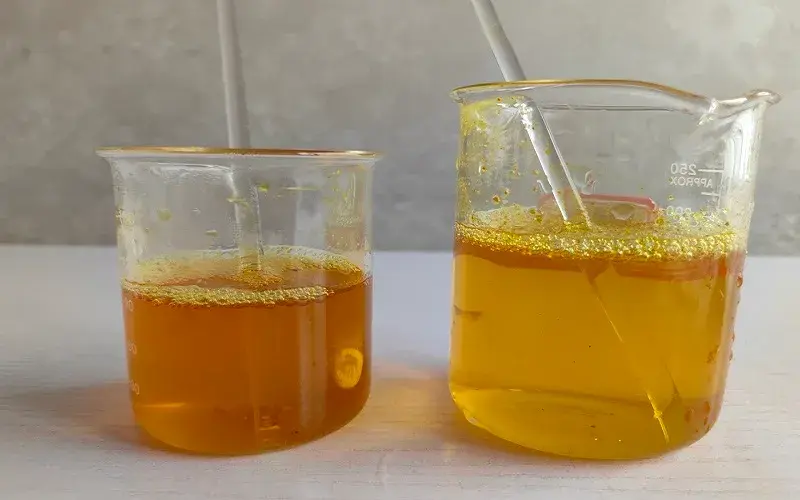
In a market that is getting more and more crowded, companies that add this premium alkaloid to their products have a big advantage over their competitors. The benefits go beyond the basic operation of the ingredients and include trust in the supply chain, following the rules, and consumers.
Superior Bioavailability and Potency
Clinical tests show that Berberine Hydrochloride Powder has psychoactive effects that can be measured at amounts of 900 to 1,500 mg per day, spread out over several doses. This fairly low effective dose makes it possible for capsules to be small and formulations to be made that are cheap. The crystalline structure speeds up dissolution compared to raw herbal powders, which improves absorption in the digestive tract and increases the delivery of bioactives to target tissues.Berberine Hydrochloride Powder has been shown to be effective in ways similar to some pharmaceutical treatments. This is good for companies that are making weight loss solutions, glucose control supplements, or cholesterol-balancing products. Berberine has been studied in metabolism-focused journals and found to lower fasting blood sugar by 15-20% and improve lipid profiles. This supports marketing claims that health-conscious consumers will believe.
Quality Control and Regulatory Compliance
Our factory follows CP2020, USP, and EP pharmacopeial standards when making Berberine Hydrochloride Powder. This makes sure that every batch meets the highest quality standards around the world. Heavy metal screening is part of strict testing protocols that keep lead levels below 3.0 ppm and arsenic levels below 1.0 ppm. Full microbiological analysis is also part of these protocols. These quality control steps are especially important for brands that want to get FDA approval or sell their products in stores that need third-party certifications.Standardised purity confirmed by HPLC analysis gets rid of the variations found in pure plant extracts, where alkaloid content can change a lot depending on the time of year and location of origin. This makes it possible for makers to keep the performance of their products the same across production runs. This lowers the chance of customer complaints and boosts the image of the brand.
Formulation Flexibility and the Potential for Synergy
Berberine Hydrochloride Powder can be easily dissolved in a number of different types of delivery systems, such as vegetarian capsules, tablets, softgels with bioenhancers, and even functional drinks. The characteristic bitter taste can be hidden with enteric coating technology or mixed with flavourings in powder blends, which makes it easier to make new products.Formulators can use berberine's combined effects by mixing it with other ingredients that work on similar routes. When you mix Berberine Hydrochloride Powder with curcumin, the anti-inflammatory effects get stronger. Adding probiotics to it makes the gut microbiota modulation effects stronger. When brands use these kinds of strategic combinations, they can make premium, multi-benefit formulas that can command higher prices and keep customers coming back because they work so well.
Comparing Berberine Hydrochloride Powder with Alternative Ingredients and Treatments
People who make decisions about purchases have to compare Berberine Hydrochloride Powder to other forms of berberine and other ingredients that aim for similar health effects. This comparison makes it clear when this particular form of salt is most useful.
Hydrochloride vs. Other Berberine Salt Forms
The hydrochloride salt is more stable than berberine sulphate when it comes to dampness and oxidation. This is important to keep in mind for goods that are shipped to different climates or that are stored for a long time before they are sold. The sulphate forms may have slightly lower raw material costs, but the hydrochloride form has a longer shelf life of 36 months, which cuts down on inventory loses and the cost of reformulating.Testing for chemical stability shows that Berberine Hydrochloride Powder stays more than 95% pure even after 24 months at room temperature, while other forms break down faster than 5% in the same settings. This advantage in stability means that label claims can be trusted throughout the lifecycle of the product, protecting brands from compliance issues related to potency.
Positioning Against Alternatives to Drugs
Berberine Hydrochloride Powder is one of a kind on the market because it is a natural ingredient that has almost as much clinical support as prescription drugs like metformin. Comparing berberine to metformin for controlling blood sugar levels has shown that both are equally good at lowering haemoglobin A1c levels. However, berberine usually needs to be taken in higher doses and has different side effects.With this proof, supplement companies can market their products as natural additions to or replacements to pharmaceutical treatments for people who want to try something different. The way they are regulated is very different. Supplements with Berberine Hydrochloride Powder don't need prescriptions in most places as long as they are marketed with the right structure-function claims instead of disease treatment claims. While still following FDA rules for dietary supplements, this regulatory advantage creates big market opportunities.
Procurement Guide: How to Source High-Quality Berberine Hydrochloride Powder
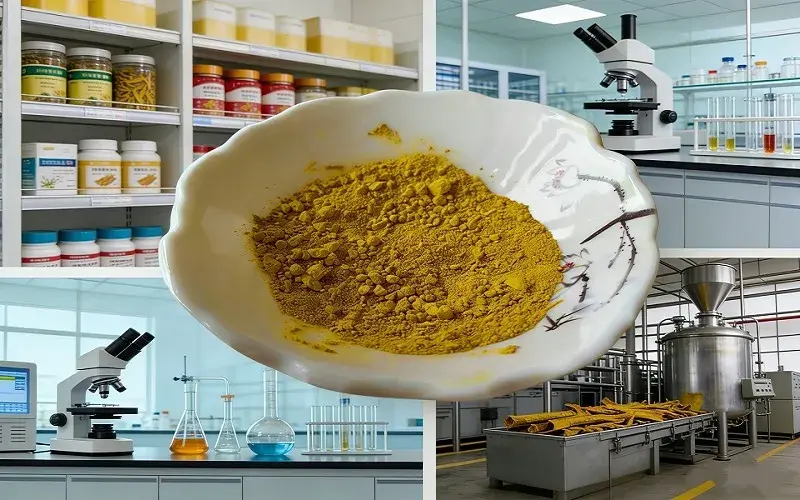
To get a steady supply of high-quality Berberine Hydrochloride Powder, you need to carefully evaluate your suppliers and build smart partnerships. To protect their brand's image and make sure products always work well, B2B buyers have to find a balance between cost and quality.
Supplier Evaluation Criteria
When looking at possible Berberine Hydrochloride Powder suppliers, give more weight to partners who have full certifications, such as GMP compliance, ISO quality management systems, and HACCP food safety protocols. With these certifications, you can be sure that the quality control system is set up and can meet the needs of multiple orders. Suppliers who are registered with the FDA show that they know what foreign regulations expect, which lowers the risk of noncompliance for brands that want to sell in the U.S.Another important evaluation factor is testing by a third party that is open and honest. Reliable suppliers give Certificates of Analysis (CoA) for every production batch that show how pure the product is by testing for heavy metals, microbes, and pesticide residues using HPLC. Being able to track raw materials back to specific plant sources improves supply chain openness, which is something that brands that care about sustainability and ethical sourcing are thinking about more and more.Production capacity and turnaround times have a direct effect on how inventory is managed and when products are released. Facilities that make more than 200 metric tonnes of goods a year on dedicated production lines can handle both small orders at first and larger orders later on without affecting delivery times. Our delivery window of 4–8 days allows for faster time-to-market than suppliers who need 4-6 weeks for lead times. This gives us a competitive edge in market segments that are changing quickly.
Pricing Structures and Minimum Order Quantities
The price of Berberine Hydrochloride Powder depends on how much you buy, your purity standards, and any other testing that needs to be done. When you buy 25 kg or more in bulk, you can usually get 10–20% off the per-kilogram price compared to buying smaller amounts. By knowing about these price levels, procurement pros can find the best order sizes by weighing the costs of capital investment, keeping inventory, and expected demand.A lot of well-known suppliers offer flexible packaging options that can be used for a range of production sizes. For formulation development and small-batch production, smaller businesses may benefit from 1 kg foil bag packaging. On the other hand, high-volume manufacturers can save money by buying 25 kg drums. Custom package layouts can be worked out for private label partnerships or contract manufacturing deals, which speeds up handling further down the line and cuts down on the number of steps needed to move materials.
Sample Requests and Quality Verification
Before making big purchases, buying teams should ask for examples of the products they want to buy along with full analytical paperwork. Quality control in production can be improved by looking at things like colour consistency, particle size regularity, and moisture content. Testing samples by a third party, preferably an accredited lab, makes sure that what the supplier says is true and sets the standard for quality for future orders.Aside from testing samples, you should also do small-scale recipe trials to see how well they work with other ingredients in the formula, how stable they are under the conditions you want to store them, and how well they work in your specific production processes. These early tests find possible problems before a lot of money is spent, which keeps the company from having to pay a lot of money to change the recipe or return a product because of an incompatible ingredient.
Practical Applications: Case Studies and Formulation Success Stories
Berberine Hydrochloride Powder improves product performance across a wide range of market segments, as shown by real-life examples of its use. These examples show how to use strategic formulation methods to turn the properties of ingredients into commercial success.
Metabolic Health Supplements
A North American supplement company changed the way its glucose support supplement works by switching from chromium-only versions to ones that contain 500 mg of Berberine Hydrochloride Powder per dose along with chromium and cinnamon extract. After the product was released, customers were 35% happier with it than with the previous version. They also said it had a bigger impact on their energy levels and hunger control. The new recipe used berberine's AMPK activation process, which gave marketing claims that set the product apart in a crowded supplement category a scientific basis.The brand's purchasing team worked with a certified Berberine Hydrochloride Powder provider that offered steady 97% purity and fast supply cycles. This allowed for just-in-time inventory management, which cut storage costs by about 18%. Because the provider was ready to help with technical issues during formulation optimisation, the development process went faster, and the better product hit the market three months early.
Cardiovascular Support Formulas
A European company that makes food supplements for older people came up with a complete recipe for heart health that includes Berberine Hydrochloride Powder, coenzyme Q10, omega-3 fatty acids, and garlic extract. The scientific basis for product positioning came from clinical literature that showed berberine's effects on lipid metabolism and arterial health.The manufacturer chose Berberine Hydrochloride Powder because it has better shelf stability, which is important for a product that will be sold in many European markets where the temperature and humidity will change while it is being shipped and stored. Independent stability testing confirmed that the berberine component stayed more than 95% effective after 24 months. This met the brand's quality standards and supported a three-year expiration date, which helped retailers and cut down on product returns.
Weight Management Solutions
A functional food company added Berberine Hydrochloride Powder to a ready-to-drink drink that is meant to improve digestive health. One of the hardest parts of formulating was hiding the bitter taste of berberine while keeping the ingredients stable in a liquid setting. The development team used microencapsulation technology along with natural sweeteners and citrus flavouring to make a tasty product that kept the bioactivity of berberine.Market research showed that people were very interested in plant-based weight management ingredients that had scientific support. This made the product stand out as an expensive option compared to alternatives that use stimulants. The success of the drink showed that Berberine Hydrochloride Powder can be used in more than just capsules and tablets. This means that innovative brands willing to invest in new formulation technologies can make new types of products.
Conclusion
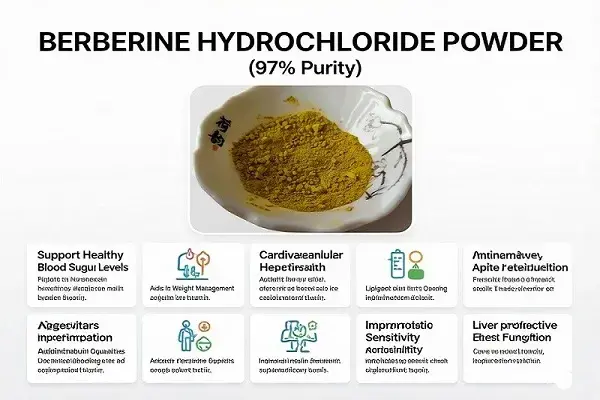
Berberine Hydrochloride Powder is a useful ingredient for companies that want to make high-effective products that are backed by strong clinical evidence. It has a normal purity of ≥97%, great chemical stability, and multiple processes that help with metabolic health, circulatory support, and antimicrobial functions. These properties make it useful in nutraceutical, functional food, and cosmetic formulations. Professionals in procurement can get more done when they work with certified providers who offer clear quality paperwork, flexible order numbers, and help with technical formulation. The compound's good regulatory status as a food ingredient, along with rising customer desire for natural alternatives to pharmaceutical treatments, makes berberine-containing products a good choice for long-term market growth. In the competitive wellness market, manufacturers can make compelling product formulas that deliver measurable results and build lasting consumer trust by carefully evaluating supplier credentials, conducting thorough quality verification, and taking advantage of berberine's synergistic potential with complementary ingredients.
FAQ
What is the recommended dosage range for berberine in dietary supplements?
Doses of 900 mg to 1,500 mg per day, split into two or three meals, are usually used in clinical studies. This method of divided dosing improves absorption and lowers the risk of stomach pain. Stability testing should be done by manufacturers to make sure that their specific formulations keep their berberine potency throughout the product's shelf life. This will make sure that consumers get the right doses.
How can I verify the purity and authenticity of berberine hydrochloride?
Ask for Certificates of Analysis that show the results of the HPLC tests. These should prove that the material is at least 97% pure for medicinal use. Verification by a third party through independent labs adds another level of quality guarantee. Check the product's physical features, like how it looks like bright yellow crystals, and make sure it meets pharmacopeial standards like CP2020, USP, or EP requirements listed in the supplier's paperwork.
What are the primary side effects or contraindications to consider?
Some people may have stomach problems, like diarrhoea or constipation, when they take berberine, especially when they take bigger doses. It might not work well with some medicines, like those broken down by cytochrome P450 enzymes. Manufacturers should put warnings on the labels that say people should talk to their doctors, especially pregnant or nursing women and people who are taking prescription drugs. These steps protect the safety of consumers and meet government labelling standards at the same time.
Partner with Hisy for Premium Berberine Hydrochloride Powder Supply

Hisy Biotechnology is a great choice for companies that need a reliable source for Berberine Hydrochloride Powder with high quality standards and helpful customer service. Our specialised production plant has had FDA registration, HACCP, and ISO certifications since 2008. This shows that we are committed to making high-quality products and following all international regulations. Our standardised Berberine Hydrochloride Powder is ≥97% pure, as proven by strict HPLC testing. We can produce more than 200 metric tonnes of it every year, so you can always get what you need for your formulations. We offer flexible packaging ranging from 1 kg foil bags to 25 kg drums, fast shipping (4–8 days), and free samples that let you fully assess the quality before committing to a purchase. Get in touch with our technical team at sales@hisybio.com to talk about your unique manufacturing needs and find out how our Berberine Hydrochloride Powder for sale can help you make better products by giving you access to scientifically proven ingredients and a reliable supply chain.
References
1. Yin J, Xing H, Ye J. "Efficacy of berberine in patients with type 2 diabetes mellitus." Metabolism: Clinical and Experimental, vol. 57, no. 5, 2008, pp. 712-717.
2. Dong H, Wang N, Zhao L, Lu F. "Berberine in the treatment of type 2 diabetes mellitus: a systemic review and meta-analysis." Evidence-Based Complementary and Alternative Medicine, vol. 2012, 2012.
3. Zhang Y, Li X, Zou D, Liu W. "Treatment of type 2 diabetes and dyslipidemia with the natural plant alkaloid berberine." Journal of Clinical Endocrinology and Metabolism, vol. 93, no. 7, 2008, pp. 2559-2565.
4. Kong W, Wei J, Abidi P, Lin M. "Berberine is a novel cholesterol-lowering drug working through a unique mechanism distinct from statins." Nature Medicine, vol. 10, 2004, pp. 1344-1351.
5. Chang W, Chen L, Hatch GM. "Berberine as a therapy for type 2 diabetes and its complications: From mechanism of action to clinical studies." Biochemistry and Cell Biology, vol. 93, no. 5, 2015, pp. 479-486.
6. Imenshahidi M, Hosseinzadeh H. "Berberine and barberry: a clinical review of its pharmacological properties." Phytotherapy Research, vol. 33, no. 3, 2019, pp. 504-523.