

_1752718207094.png)

Why Is Vitamin A Palmitate Powder the Ultimate Vision Shield?
Vitamin A Palmitate Powder serves as the ultimate vision shield because it delivers a stable, bioavailable form of retinyl palmitate that directly converts to retinal in the body—the critical molecule responsible for photoreceptor function in the retina. Unlike unstable vitamin A oils, this water-soluble beadlet powder maintains potency through encapsulation technology, ensuring consistent efficacy in dietary supplements, functional foods, and infant formulas designed to combat night blindness and age-related vision decline.
Understanding Vitamin A Palmitate Powder: What It Is and Its Core Benefits
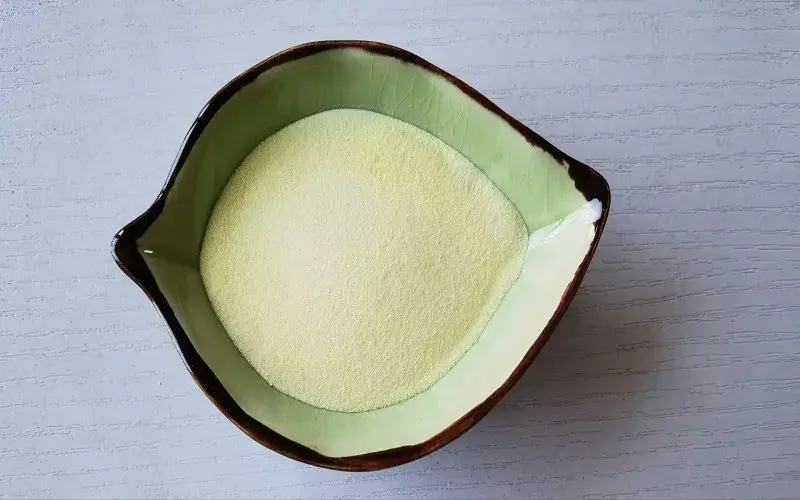
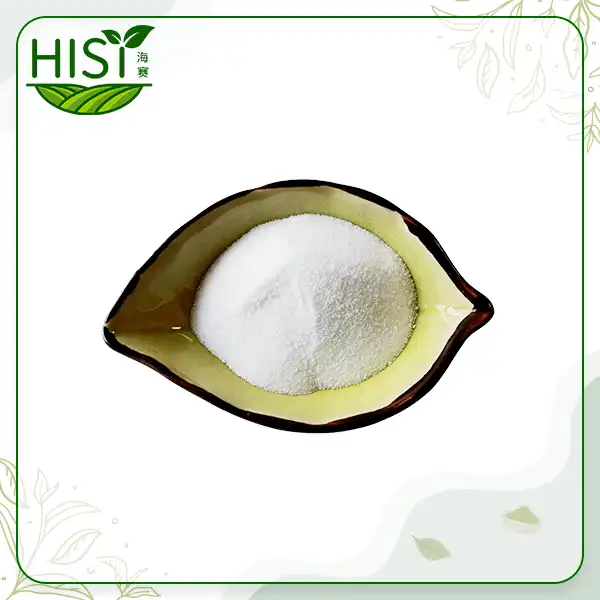
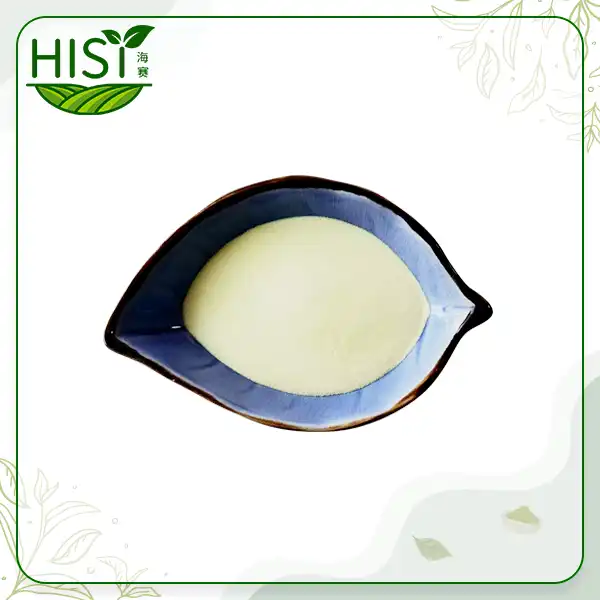
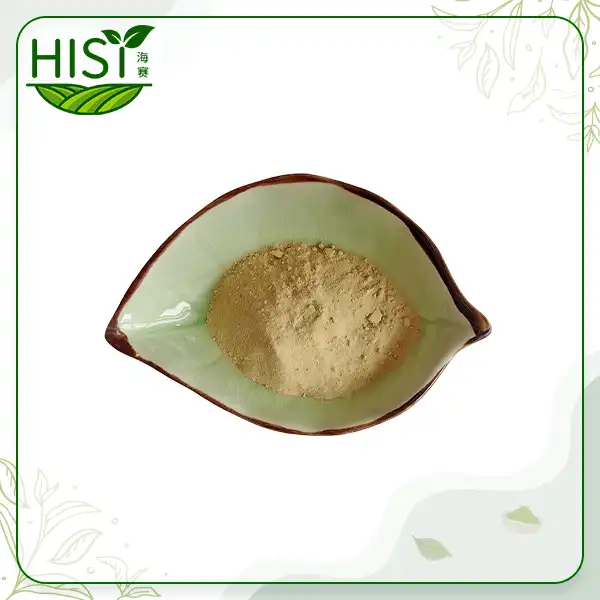
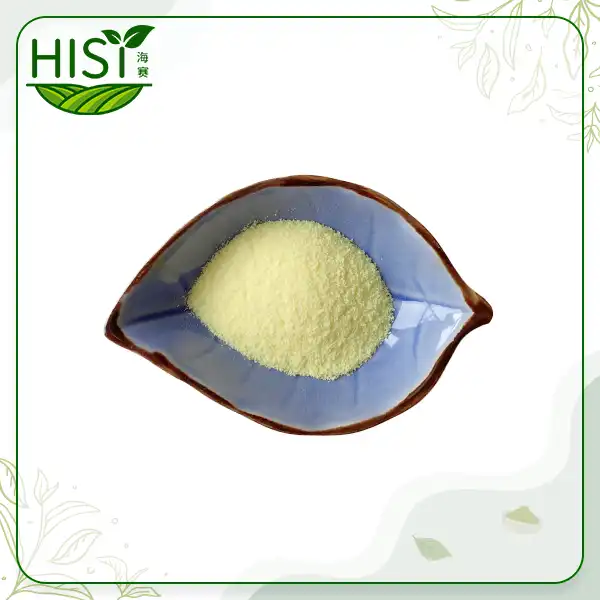
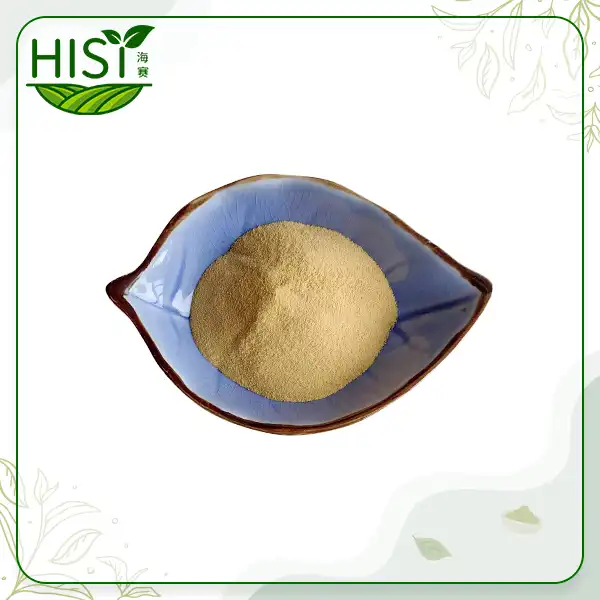
When retinol binds to palmitic acid, a stabilized ester called retinyl palmitate is formed. This compound has great shelf stability. This ingredient is sold as a light yellow powder that flows freely and has a standard of up to 325,000 IU/G. It is made using modern spray-drying and microencapsulation techniques. The beadlet structure keeps the active retinol safe from light, heat, and moisture, which are all things that quickly break down regular vitamin A compounds.
Chemical Structure and Stability Advantages
When compared to free retinol, the palmitate ester structure is more resistant to external stresses. During production, the upper matrix, which is usually made up of modified starch, gelatin, or gum arabic, forms a barrier that keeps the product's effectiveness for 24 to 36 months when stored properly. Because it is stable, the powder is perfect for dry blending tasks where oil would cause the final product to clump or be spread out unevenly.
Core Physiological Benefits for Vision
When retinyl palmitate is eaten, it is changed by enzymes in the lining of the intestines. This releases retinol, which binds to retinol-binding proteins and is transported to target tissues. In the eye, retinol changes into 11-cis-retinal, which is the chromophore part of rhodopsin, the protein that lets you see in dim light. A clinical study shows that getting enough vitamin A lowers the risk of xerophthalmia by 68% and protects the eye by controlling the production of mucin. This nutrient changes the differentiation of epithelial cells, which improves the barrier function in skin and respiratory tissues.
Safety Parameters and Dosage Considerations
As an adult, you can take up to 10,000 IU per day, but most therapeutic approaches for eye support are between 2,500 and 5,000 IU. To keep the powder matrix from breaking down, manufacturers must take into account loss on drying values below 5%. To keep the antioxidant system that protects the retinyl ester working well, it should be stored below 25°C in tightly sealed containers that stay out of direct sunlight.
Vitamin A Palmitate Powder vs. Other Vitamin A Forms: A Comparative Insight for Decision Makers
When purchasing, people look at Vitamin A Palmitate Powder; they can choose between beta-carotene, retinyl acetate, and retinyl palmitate. Each form has its own benefits that depend on the needs of the application, the rules that apply, and the type of people who will be buying the product.
Bioavailability and Conversion Efficiency
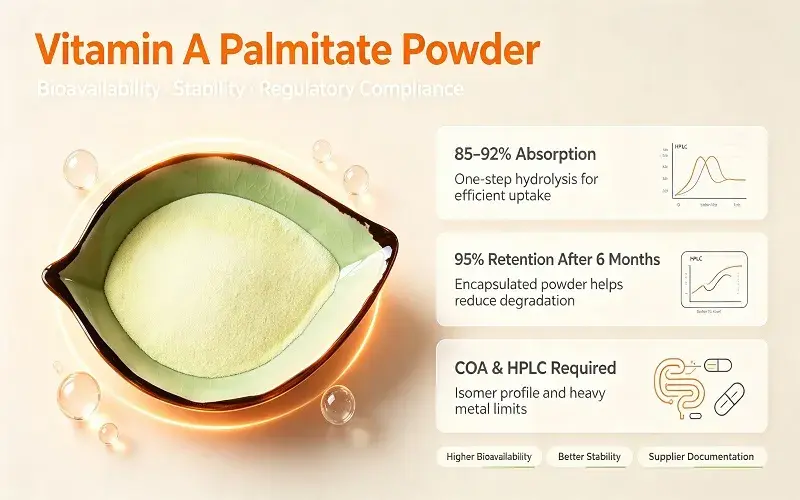
Retinyl palmitate is absorbed 85–92% of the time by healthy people, which is about the same as retinyl acetate but better than provitamin A carotenoids like beta-carotene, which need to be changed twice and only work 12:1 of the time (12 μg of beta-carotene makes 1 μg of retinol equivalent). The palmitate ester only needs one step of hydrolysis, which makes it the best choice for people who have trouble absorbing fat or who have conditions that affect the carotenoid cleavage enzymes.
Chemical Stability in Manufacturing Environments
When tested for stability under accelerated conditions (40°C/75% RH), properly encapsulated retinyl palmitate powder stays 95% effective after six months, while free retinol breaks down by 40% in the same conditions. With the powder form, you don't have to worry about oil moving around in tablet forms, which happens a lot with liquid vitamin A and makes tablets softer and discolored. When used in drinks that need to be mixed with cold water, special beadlet versions dissolve quickly without making oil drops or bad tastes that happen with fat-soluble alternatives.
Regulatory and Sourcing Considerations
The U.S. market needs FDA approval and HPLC tests to prove the amount of all-trans-retinol isomer, since cis-isomers are less biologically active. California's Proposition 65 says that arsenic and lead levels must be below 1 ppm and below 2 ppm, respectively. Teams in charge of buying things must make sure that suppliers give full Certificates of Analysis that include chromatograms that show how isomers are separated. There isn't much of a difference in function between natural and synthetic sources, but C14 isotope testing can prove synthetic origin if regulatory requirements require it for marketing claims that come from natural sources.
How Vitamin A Palmitate Powder Protects Vision: Scientific Mechanisms and Application Methods
The retina uses up vitamin A very quickly. The outer parts of photoreceptors need a steady supply of retinoid to rebuild rhodopsin after it is photoisomerized by light. Because of this metabolic pressure, vitamin A shortage is the main preventable cause of blindness in children around the world.
Biochemical Pathways Supporting Retinal Function
After being absorbed, retinyl palmitate enters the visual cycle through the following process: retinyl esters kept in liver stellate cells are released as retinol bound to RBP and transthyretin. Lecithin retinol acyltransferase (LRAT) changes retinol into retinyl esters so that it can be stored in the retinal pigment epithelium. When it is needed, retinoid isomerohydrolase (RPE65) makes 11-cis-retinol, which then oxidizes to 11-cis-retinal. This is the form that opsin joins with to make rhodopsin that works. One photon bleaches off one rhodopsin molecule, so vitamin A must always be available for this renewal cycle to keep going.
Antioxidant Protection Against Photoxidative Stress
Light exposure and high metabolic activity both cause a lot of reactive stress on retinal cells. Vitamin A can get rid of free radicals through its conjugated double-bond system. This stops reactive oxygen species from hurting photoreceptor membranes that are high in polyunsaturated fatty acids. Studies show that keeping blood retinol levels above 30 μg/dL is linked to a 34% lower chance of age-related macular degeneration getting worse.
Practical Formulation Applications
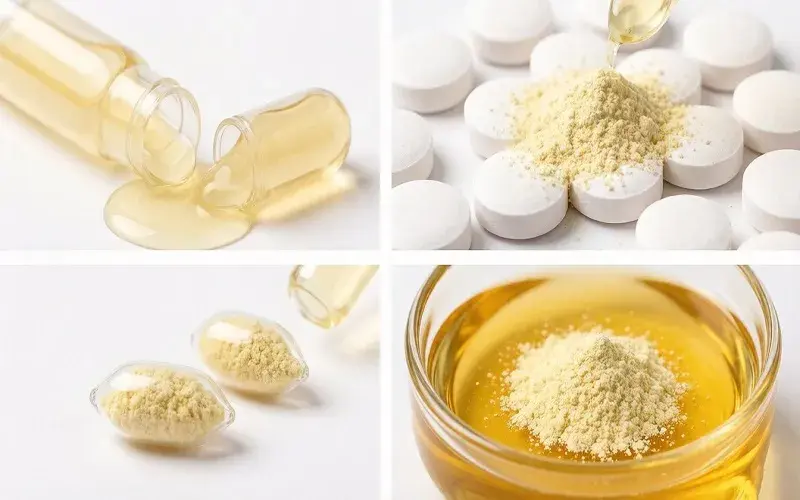
When making dietary supplements, Vitamin A Palmitate Powder can be mixed in easily with tablet bases at amounts between 0.5 and 2.0% by weight, based on the strength that is needed. The 80-mesh particle size makes sure that the particles are spread out evenly during blending. When making drinks with enriched milk or juice, drink formulators use grades that can dissolve in cold water and stay stable at pH 3.5 to 7.0 without forming precipitates. Customized potency levels for infant formula are needed, usually at 250,000 IU/G to meet legal limits while still giving enough nutrition. Premature babies benefit the most from supplements because their livers don't have a lot of retinol stored at birth.
Quality controls during production must make sure that the product's strength stays within ±10% of what it says on the label for the whole time it's in the store. Accelerated stability protocols at 40°C predict the shelf life at room temperature, with acceptable degradation rates of no more than 5% per year. Antioxidants like butylated hydroxytoluene (BHT) at a rate of 0.02-0.05% and proper nitrogen flushing during packing help keep the product's strength while it's being stored and shipped.
Procurement Guide: How to Source High-Quality Vitamin A Palmitate Powder for B2B Buyers

To build reliable supply chains for retinyl palmitate, you need to look at suppliers in more than just terms of price per kilogram. A partnership's long-term value is based on its quality assurance systems, legal compliance paperwork, and manufacturing capability.
Critical Evaluation Criteria
Assuring potency through HPLC, heavy metal screening results showing lead below 2 ppm and arsenic below 1 ppm, and microbiological testing meeting USP <61> and <62> standards (Total Plate Count <1,000 CFU/g, absent Salmonella and E. coli) should all be included in every shipment. Reliable sellers keep their FDA registration up to date, follow HACCP rules, and have current ISO 9001 certification. The makeup of the encapsulation matrix is very important. Gelatin-based systems offer better oxidative protection than cheaper starch options, but they make it harder to make vegetarian or vegan formulas.
Manufacturing Capacity and Lead Time Considerations
Manufacturers of a lot of supplements—500 to 2,000 kg per month—benefit from sources that have multiple specialized production lines that can meet the consistency needs of each batch. Hisy has four specialized production lines that can make more than 200 metric tons of goods every year. This makes sure that there is a steady supply even when demand is high at certain times of the year. The standard delivery window from Xi'an to major U.S. ports is 4–8 days, using well-established logistics networks. This keeps inventory costs low while keeping the just-in-time supply chain running smoothly.
Quality Verification and Sampling Protocols
Before placing large orders, procurement workers should ask for free samples to try on their own. You should look at how the powder flows, check for foreign particles, and have third-party laboratories confirm its effectiveness. Because top types are water-soluble, they should completely dissolve in room-temperature water in 60 seconds with no oil slicks left behind. A check of the integrity of the packaging confirms that fiber drums have two polyethylene inner bags that keep moisture out, along with desiccant packets for extra safety.
Suppliers who are open and honest give detailed technical data sheets with information on how to store, handle, and make sure that common excipients used in tablet compression or capsule filling are compatible with each other. Material Safety Data Sheets (MSDS) must be sent with every shipment. These sheets explain what to do in an emergency, even if the ingredient is generally recognized as safe (GRAS).
Best Practices and Future Outlook: Enhancing Vision Health with Retinyl Palmitate
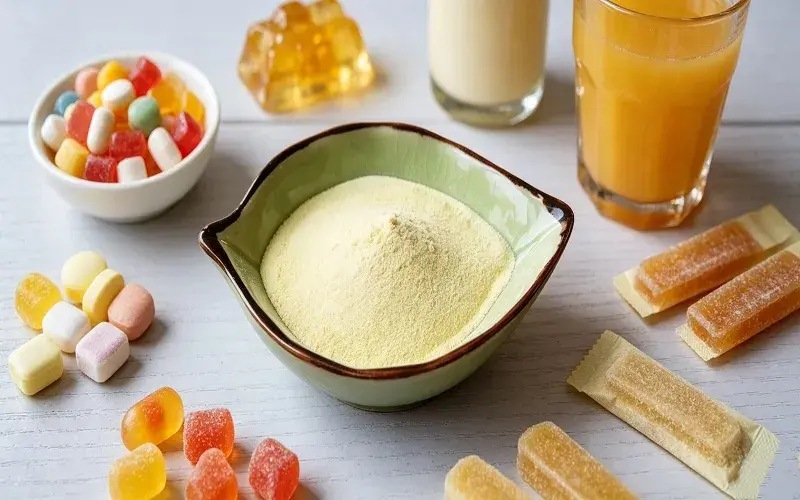
The nutraceutical market is always changing because people want better labels and companies want to make formulas that give real health benefits. Vitamin A Palmitate Powder is in the middle of these trends because it has been shown to work through decades of clinical study.
Emerging Formulation Innovations
Nano-emulsion systems and lipid-based transport structures are two new technologies that are focusing on making drugs more bioavailable. People with conditions that make it hard to absorb fat, like cystic fibrosis or chronic pancreatitis, will benefit the most from these changes. Liposomal encapsulation methods offer absorption rates of up to 98%, but they aren't widely used in business yet because they are expensive. There is a lot of growth in the functional beverage market, and the eye health angle is becoming more popular among people who use computers and other digital devices all day and get tired of their eyes.
Addressing Common Formulation Challenges
Because vitamin A has a small effective window, accurate dosage is still very important. Because overdosing during pregnancy can cause birth defects, products for women of childbearing age need to be carefully made. As a safety measure, the suggested daily allowance (RDA) of 3,000 IU for adult men and 2,333 IU for adult women is used. However, eye support formulas usually include 5,000 IU because studies have shown that this number is effective. On product labels, manufacturers must make it clear what the safest uses are and when they shouldn't be used.
The Importance of Supplier Partnerships
For a product to be successful in the long run, it needs providers who see quality as a must and not just a cost center. When manufacturers work with certified suppliers, they get access to technical support teams that can fix formulation problems, make blends more uniform, and keep up with changing regulatory requirements. Suppliers with flexible minimum order quantities—from 1 kg samples to 25 kg drums and full-container bulk shipments—can work with companies at all stages of growth, from new names just starting out to established companies that need to make more.
The global market for vitamin A ingredients keeps growing at a rate of 4.2% per year. This is because older people are looking for ways to improve their vision, and developing countries are making it more mandatory to add vitamins and minerals to food to make up for micronutrient deficiencies. Purchasing managers who build relationships with dependable manufacturers put their companies in a good position to take advantage of this growth while still upholding the quality standards that protect the brand's reputation and keep customers safe.
Conclusion

As far as eye protection goes, Vitamin A Palmitate Powder is the best option because it is chemically stable, bioavailable, and has been shown to work in clinical trials. The encapsulated beadlet format solves important problems in manufacturing and keeps the product's effectiveness constant over time. When B2B procurement teams look at vitamin A sources, they give more weight to providers with strong quality systems, lots of regulatory paperwork, and flexible production options. This helps make sure that new products start well and stay competitive in the market. There is more and more scientific proof that vitamin A can help keep your eyes healthy. This makes this ingredient an important part of any nutritional supplement brand that wants to be evidence-based.
FAQ
1. Is vitamin A palmitate safe during pregnancy?
To avoid possible teratogenic effects, pregnant women should not take more than 10,000 IU of vitamin A every day, especially during the first trimester. There is no risk with natural food sources or pregnancy vitamins made according to RDA standards. Before starting supplements while pregnant or breastfeeding, it is still important to talk to a healthcare provider.
2. What distinguishes retinyl palmitate from retinol in skincare applications?
Retinyl palmitate needs to be changed into retinoic acid by enzymes. This makes it easier for the product to penetrate the skin and cause less irritation than applying retinol directly. Retinyl palmitate is used in cosmetics at amounts of 0.5 to 1.0% to slow down the aging process, but it works more slowly than prescription-strength tretinoin. The ester form is more stable in creams that are exposed to air and light while being used by consumers.
3. How does potency testing ensure label claim accuracy?
HPLC separates all-trans-retinol from inactive cis-isomers, which lets you measure how much biologically active content there is. Manufacturers with a good reputation test the product's strength at production, mid-shelf life, and expiry to make sure that degradation stays within acceptable limits. For quality-conscious brands that need independent proof before releasing a product, third-party laboratory verification adds another layer of security.
Partner with Hisy for Premium Vitamin A Palmitate Powder Supply

Shaanxi Hisy Biotechnology has been making nutritional ingredients for 18 years and has FDA-registered, HACCP-certified, and ISO-certified facilities in Xi'an. Our Vitamin A Palmitate Powder manufacturing skills ensure uniform ≥325,000 IU/G effectiveness by using strict quality standards on four separate production lines. Whether you need 1 kg samples to help you come up with a new formula or full-container bulk sales that are more than 25 kg drums, our expert team can help you with formulation, stability, and all the paperwork you need for the government, like COAs, MSDSs, and allergen statements. We know the problems that supplement makers and food fortification distributors face when they try to buy things: they need to be able to rely on their supply chains, make sure that each batch is the same, and find cheap products without sacrificing quality. Email our team at sales@hisybio.com to get free samples and talk about how our shipping window of 4–8 days and flexible customization choices can help you reach your product development goals.
References
1. Sommer, A., & Vyas, K.S. (2012). "A Global Clinical View on Vitamin A and Carotenoids." American Journal of Clinical Nutrition, 96(5), 1204S-1206S.
2. Tanumihardjo, S.A., Russell, R.M., Stephensen, C.B., et al. (2016). "Biomarkers of Nutrition for Development (BOND)—Vitamin A Review." Journal of Nutrition, 146(9), 1816S-1848S.
3. Saari, J.C. (2012). "Vitamin A Metabolism in Rod and Cone Visual Cycles." Annual Review of Nutrition, 32, 125-145.
4. World Health Organization. (2009). "Global Prevalence of Vitamin A Deficiency in Populations at Risk 1995-2005." WHO Global Database on Vitamin A Deficiency, Geneva.
5. Biesalski, H.K., & Nohr, D. (2003). "Importance of Vitamin-A for Lung Function and Development." Molecular Aspects of Medicine, 24(6), 431-440.
6. Institute of Medicine (US) Panel on Micronutrients. (2001). "Dietary Reference Intakes for Vitamin A, Vitamin K, Arsenic, Boron, Chromium, Copper, Iodine, Iron, Manganese, Molybdenum, Nickel, Silicon, Vanadium, and Zinc." National Academy Press, Washington DC.