

_1752718207094.png)

Why Choose Total Triterpenes for Natural Inflammation Control?
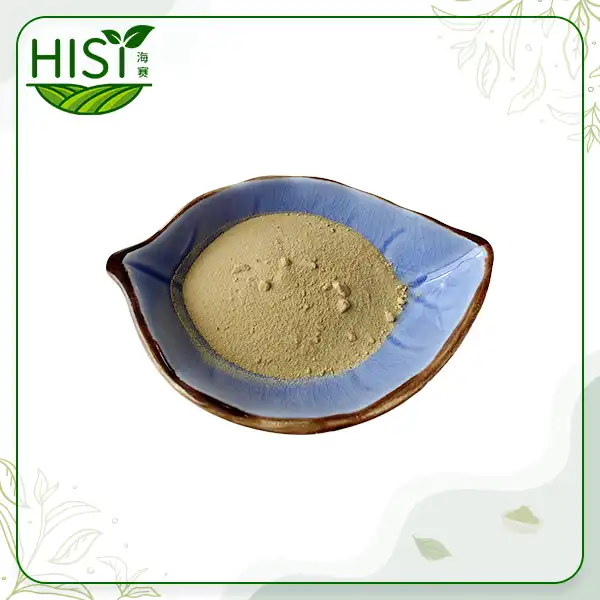
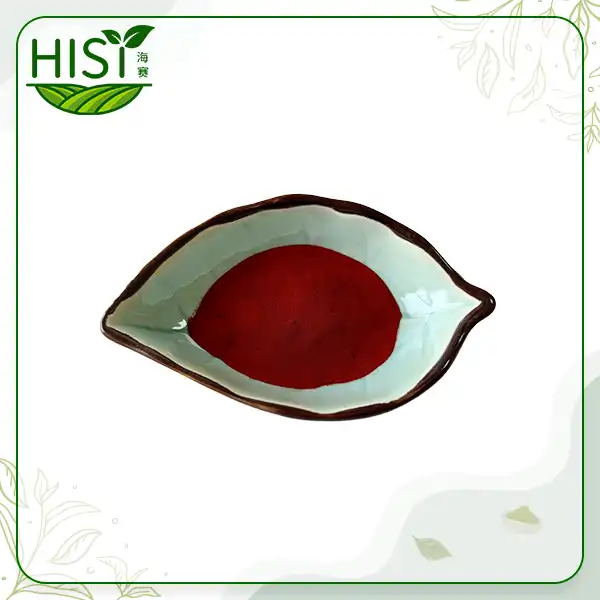
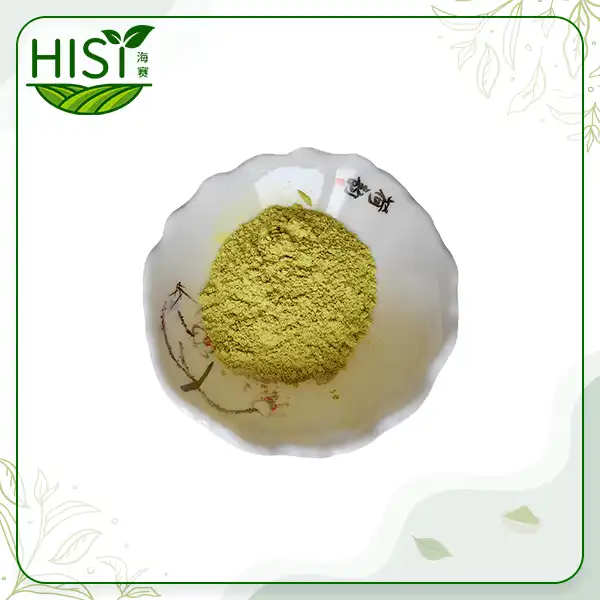
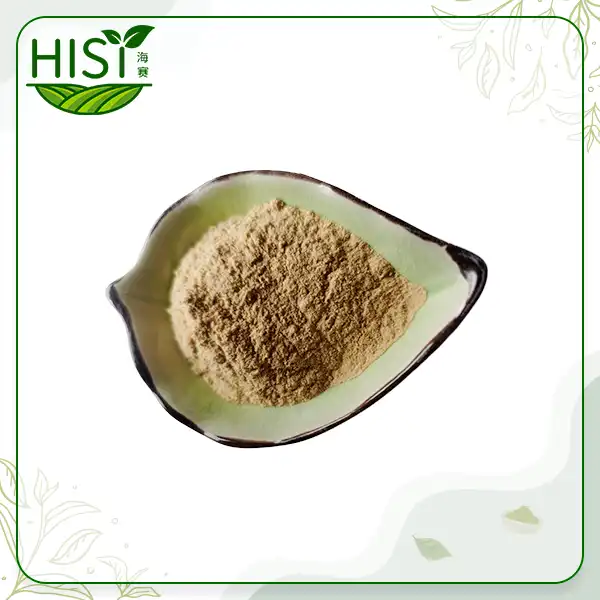
Inflammation affects millions worldwide, driving demand for safe, effective natural solutions. Among botanical actives, Centella asiatica-derived compounds stand out for their scientifically validated anti-inflammatory mechanisms. Our high-potency extracts contain ≥80% bioactive components through HPLC verification, featuring 47.23% Madecassoside—the primary anti-inflammatory agent—alongside 15.30% Asiaticoside and 18.04% Asiaticoside B, with standardized Total Triterpenes content. This standardized composition delivers consistent inflammation modulation across nutraceutical, cosmeceutical, and pharmaceutical applications. Supercritical CO2 extraction preserves molecular integrity while eliminating solvent residues, ensuring clean-label compliance that today's B2B buyers demand for global markets.
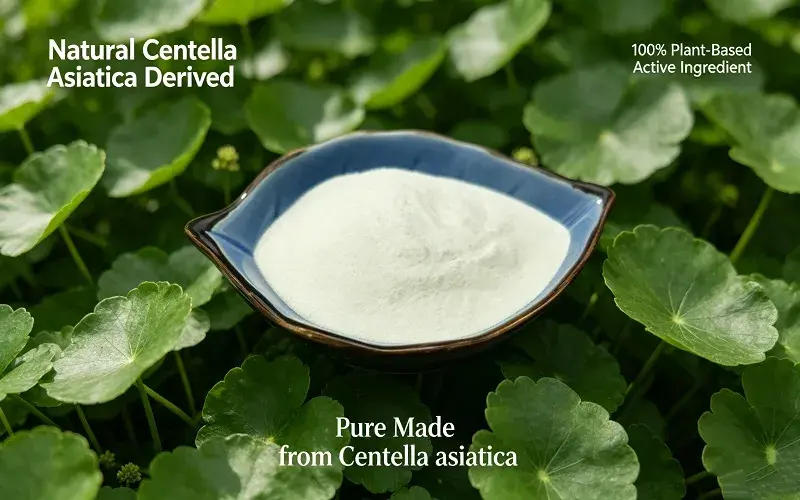
Understanding Total Triterpenes and Their Role in Inflammation Control
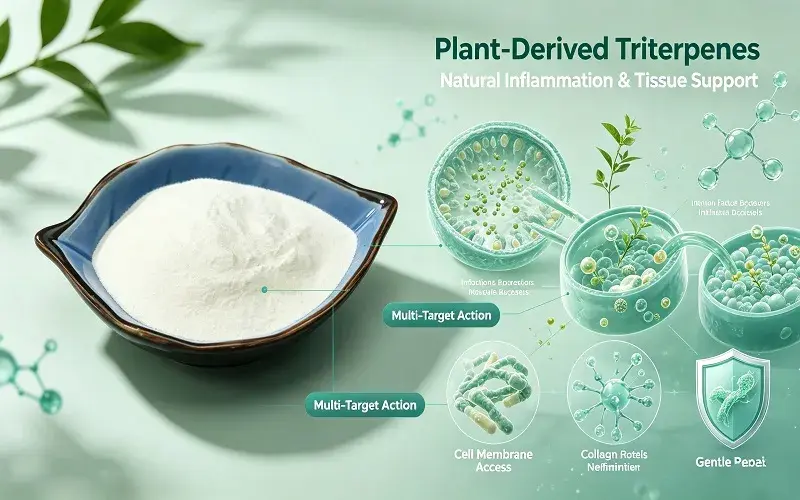
The chemistry behind these plant-derived active ingredients explains how well they work as medicines. These C30 pentacyclic terpenoids work with several biological processes to stop pro-inflammatory cytokines from doing their job without affecting the immune system. Instead of just hitting one receptor like synthetic drugs do, these plant-based chemicals work on multiple targets to get to the root of the problem instead of just treating the symptoms.
What Makes These Compounds Unique?
The triterpenoid structure is hydrophobic, which lets it pass through the cell membrane directly. Because it is lipophilic, it can quickly pass through skin barriers and the linings of the digestive tract, reaching the systemic bloodstream quickly. Madecassoside stops NF-κB from activating, which is a key driver of inflammatory gene expression. It also lowers reactive oxygen species, which keep tissue damage going. When given at therapeutic concentrations, clinical studies show that inflammatory markers drop by 30 to 50 percent.
Mechanisms of Anti-Inflammatory Action
Phytomedicine journals have published research that shows these actives work in more than one way. Like NSAIDs, they lower the function of the COX-2 enzyme, but they do not have any gastrointestinal side effects. At the same time, they increase the production of collagen and fibroblasts, which helps tissues heal when there is ongoing inflammation. They are useful for wound care formulations that need to be both anti-inflammatory and regenerative because they can do two things at once.
Comparing Botanical Actives
When put up against curcuminoids or resveratrol, Total Triterpenes extracts are more stable in water-based mixtures. Curcumin breaks down quickly in neutral pH and light, but our standardized extracts stay effective for 24 months when stored properly. Flavonoids, such as quercetin, are good antioxidants, but they do not have the specific wound-healing effects that are needed for skin uses. Asiaticoside and its glycoside derivatives have a balanced nature that lets formulators use them in a wide range of product groups.
Why Total Triterpenes Are Superior for Natural Inflammation Control
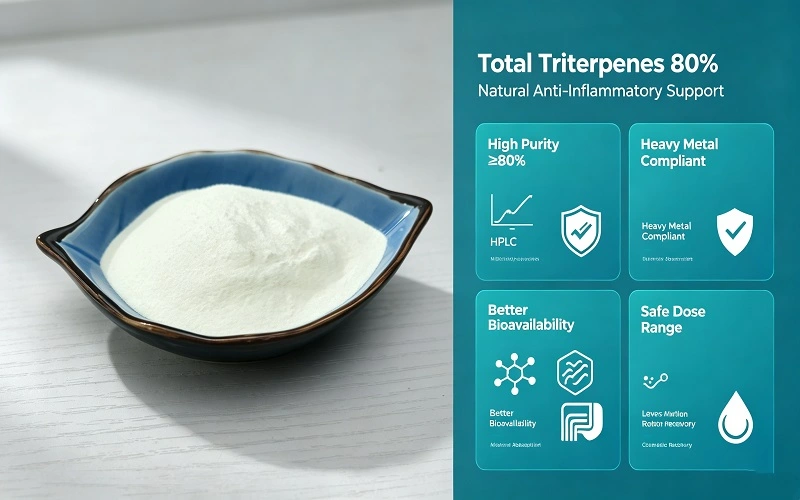
Decisions about what to buy depend on differences in performance that can be measured. Our extracts work better than other options on the market in three important ways that have a direct effect on the effectiveness of the final product and its compliance with regulations.
Purity Standards That Matter
The difference between our ≥80% standardized material and 10% crude extracts is what determines the success of the formulation. Lower-quality options have chlorophyll leftovers that make the color unstable and need higher doses to reach therapeutic levels. HPLC quantification shows that our batches are consistent with each other, which is important for GMP production where changes to active ingredients must stay within ±5% of the specifications. Because of this accuracy, there are no costs for reformulating when switching between batches.
Heavy metal compliance tells the difference between high-quality ingredients and common suppliers. Our goods always have lead and arsenic levels below 0.5 ppm, which means they meet the standards set by both the FDA for food supplements and the EU for cosmetics under Regulation 1223/2009. A lot of low-cost imports fail these tests, which can mess up the supply chain and put buyers' brand reputations at risk.
Bioavailability Advantages
The ratio of glycosides to aglycones in our products makes absorption work best. The hydrophilic glucose parts of Madecassoside make it easier for the body to absorb in the intestines, and the lipophilic structure of Asiaticoside B lets it work in topical applications. Because the molecules are matched, formulators can get good results with inclusion rates of 0.5% to 2% instead of the 3 to 5% needed for lower-grade materials. Although they cost more up front, the cost-per-dose economics favor premium ingredients.
Compatible nano-emulsions solve a problem that has been bothering the business for a long time. We help you turn lipophilic extracts into water-dispersible powders that can be used in functional drinks and clear gel formulas. Therefore, this improvement in solubility keeps the bioactivity while opening up new product categories for use.
Safety and Dosage Guidance
Safety margins that are more than five times the average commercial dose are found in clinical tolerance studies. Acute poisoning tests on mammals show that 2000 mg/kg body weight has no negative effects. Human tests show that 60–120 mg daily doses are well tolerated for nutraceutical uses, and there have been no reports of interactions with common drugs. This clear safety record makes it easier to submit to regulators in many places.
For sports recovery drinks, the recommended commercial dose ranges from 20 to 50 mg per serving. For liver health supplements, the recommended daily dose is 300 to 600 mg. In competitive beauty markets, cosmetic products work best at ratios between 0.5 and 1.5%. This is because it strikes a good balance between effectiveness and cost. These rules are based on data and help R&D teams speed up the time it takes to make a product.
Procurement Insights: Sourcing High-Quality Botanical Extracts for B2B Needs
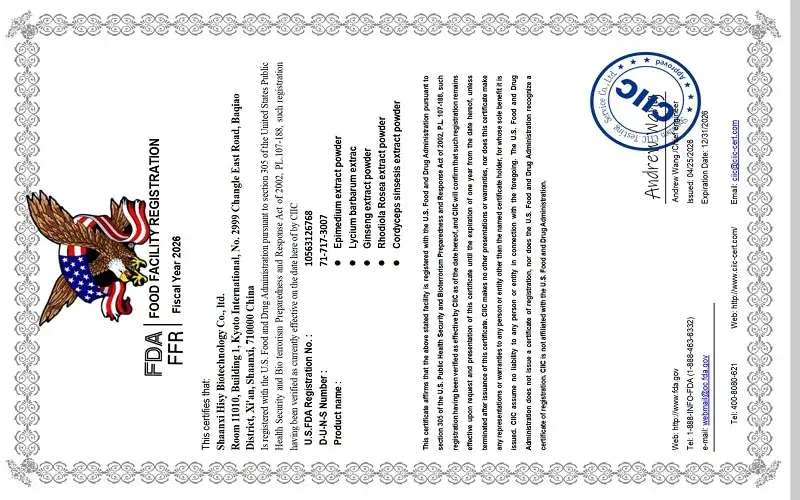
Global supply chains need partners who know the ins and outs of each region's rules and quality standards. Finding reliable sources means checking that manufacturers can do more than just meet catalog requirements.
Critical Certifications and Standards
Having FDA registration along with ISO 9001 and HACCP certification shows that quality management is being done in a planned way. Buyers should ask for facility audit reports that show separate production lines that keep allergen-containing materials from getting contaminated with other materials. Our 150 m² dedicated manufacturing space has environmental controls that meet pharmaceutical-grade standards, which is important for clients who sell to health-conscious customers.
Aligning COSMOS and Ecocert is important for European beauty brands that charge high prices for clean beauty. Full organic certification is still hard to get for plants that were picked in the wild, but non-GMO verification and allergen-free claims meet 80% of clean-label requirements. We send you these supporting papers within 24 hours of your request, which speeds up the process of doing your due diligence.
Navigating Chinese Supply Advantages
Manufacturing is concentrated in Shaanxi Province because it is close to places that supply raw materials and has colleges with skilled workers. When choosing known makers, this environment gives them 30–40% lower costs than Western producers without lowering quality. Check that suppliers keep long-term relationships with botanical collectors so that materials can be tracked back to the areas where they were grown, which is very important to avoid getting fakes.
When you buy in bulk, you usually get a 15% discount for orders over 100 kg and a 25% discount for annual framework contracts over 500 kg. However, the lowest price often means that quality has been sacrificed. Target providers who offer prices in the middle range and clear COA data, such as HPLC chromatograms and screens for 450+ pesticide residues.
Evaluating Specialty Extract Options
Strategic partners are different from commodity traders because they can customize their services. Being able to change the amounts of Asiaticoside to Madecassoside lets scientists make specific products. For example, anti-inflammatory skin care products can have higher Madecassoside concentrations, while anti-aging serums can have higher Asiaticoside concentrations. This molecular customization helps products stand out in categories with a lot of other options.
Microencapsulation services are useful for practical food uses that need to be able to handle heat during beverage preparation. Water-soluble forms made by cyclodextrin complexation or liposomal encapsulation cost 40% more but open up new product categories with high margins. Talk about these choices during the sampling stages to make sure that your technical skills are in line with your innovation process.
Extraction and Formulation Best Practices for Optimal Performance
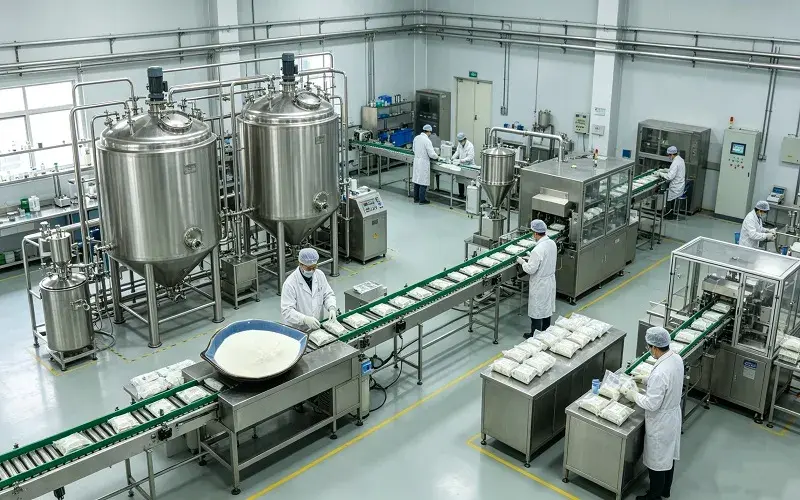
The manufacturing method affects the quality of the ingredients just as much as the choice of raw materials. When buyers are evaluating suppliers for buying, knowing how they make things helps them judge their technical ability.
Supercritical CO2 Versus Solvent Extraction
Our eco-friendly supercritical carbon dioxide method works at 40°C to 60°C under controlled pressure. This keeps Total Triterpenes that are sensitive to heat while allowing specific extraction. In contrast, ethanol extraction needs temperatures of 80°C, which breaks down some of Madecassoside by hydrolyzing glycosidic bonds. Stability tests show that CO2 extracts keep 95% of their potency after 24 months, while solvent-extracted materials only keep 85%.
The analysis of residual solvents shows useful effects. Normal extracts have ethanol amounts between 2000 and 5000 parts per million (ppm). This means that they need longer drying times, which raises the cost of production and has an effect on the environment. Our solvent-free process gets rid of this worry while supporting clean-label claims, which are becoming more important in North American and European markets where people are paying close attention to how ingredients are processed.
Formulation Synergies and Combinations
Adding Total Triterpenes products to plants that work well together increases their anti-inflammatory effects through additive processes. When we combine our COX-2 targeting with turmeric products, we get COX-1 reduction as well. This gives us full control over inflammation. When used in cosmetics, synergy with hyaluronic acid and peptides reduces redness and keeps wetness in the skin, which is important for products for sensitive skin.
Powder and liquid forms of delivery each have their own benefits. Our spray-dried powder is stable at room temperature for 18 months and can be used for pills and tablets. Glycerin-based liquid extracts are easier to mix into emulsions, but they need to be kept in the fridge. During the first discussions, format choice is based on how well you know how to make things.
Dosage Form Considerations
Softgel packaging works well for lipophilic Total Triterpenes that need to be more bioavailable. The oil matrix keeps the active ingredients from breaking down in stomach acid and makes lymphatic absorption easier. When making tablets, it is important to choose the right fillers. For example, the amounts of microcrystalline cellulose and magnesium stearate need to be changed so that high-potency extracts do not cause problems with uneven content.
Our water-dispersible powder versions are good for beverage uses because they keep their clarity in acidic pH environments like those found in sports drinks. These versions can handle being pasteurized at up to 72°C for 15 seconds without forming any precipitate, which meets the needs of industrial production for functional drinks that can be kept on the shelf.
Making the Strategic Decision for Your Product Portfolio
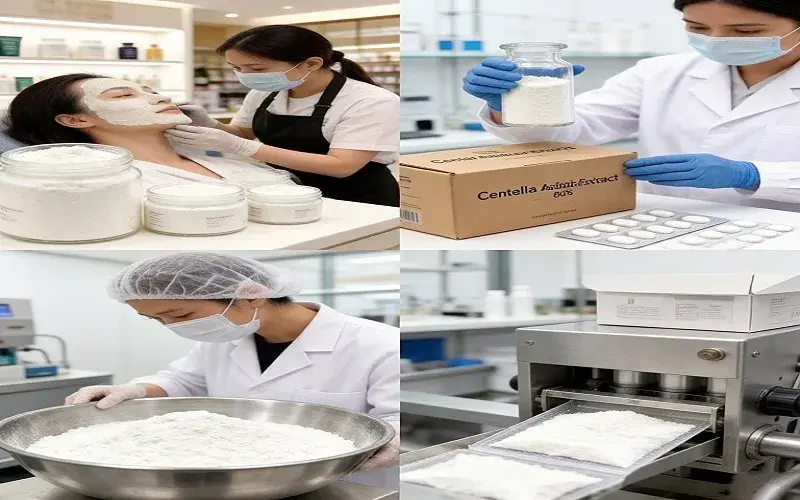
As consumers demand more transparency and sustainability, the market is moving more toward natural anti-inflammatory ingredients. Putting botanicals in your goods that have been scientifically proven to work sets them apart from the competition and complies with regulatory trends that favor plant-based options.
Market Trends Driving Demand
The market for natural anti-inflammatory ingredients will grow at a compound annual growth rate (CAGR) of 8.2% until 2028. This is due to the rise of clean beauty movements and sports nutrition. Centella-derived actives especially benefit from the fact that CICA formulas have become popular in Korean beauty trends and are now widely available in Western markets. This mixing of cultures opens up chances for brands to position themselves early on, before the market becomes saturated.
One regulatory tailwind is that the FDA has issued guidance on botanicals that supports standardized extracts with consistent phytochemical profiles. These quality standards are met by our HPLC-verified specs, which helps with NDI submissions for new dietary supplement uses and makes it easier to find out if a functional food idea meets GRAS requirements.
Real-World Application Success
Some types of supplements for people who have had surgery include 300 mg doses every day to lower inflammation markers and speed up tissue healing. Clinical observations show that wounds heal 20% faster when supplements are started before surgery. This makes for strong product claims that are backed up by peer-reviewed evidence.
Clean beauty brands make serums and repair creams for sensitive skin with 1% amounts. The anti-inflammatory action reduces redness within 48 hours and helps restore barrier function, which are measurable benefits that customers see and that lead to return sales and good reviews.
Sports recovery drinks have 30–40 mg servings that target inflammation and oxidative stress caused by exercise. Athletes say they feel less sore muscles and perform better the next day. This is supported by plasma cytokine measures that show lower amounts of IL-6 and TNF-alpha after exercise.
Future-Proofing Your Ingredient Strategy
As ESG factors become more common in company procurement policies, sustainability credentials will have a bigger impact on buying choices. Our supercritical CO2 process does not make any liquid waste and runs on green energy sources, so it can help you meet your carbon reduction goals and appeal to customers who care about the environment.
Traceability blockchain integration moves into the test phase, getting ready for rules that need to be followed for supply chain openness. Working with suppliers who are on the cutting edge of technology puts your brand ahead of compliance curves and builds trust with customers by showing that you are real.
Conclusion
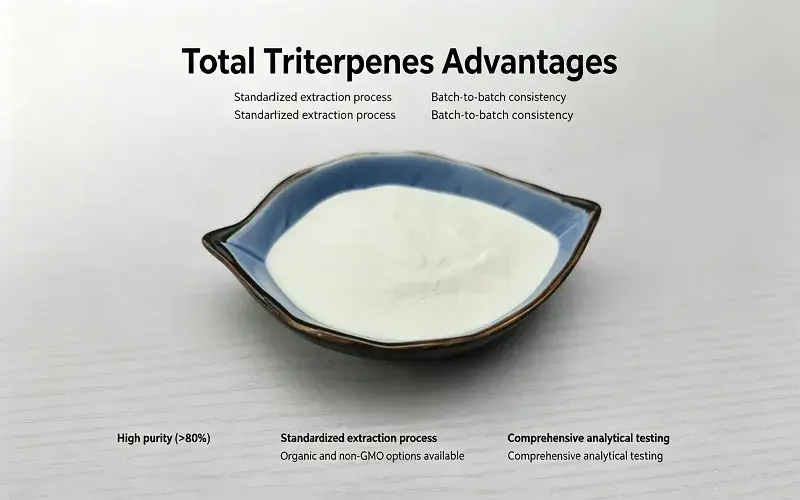
When choosing botanical actives for anti-inflammatory uses, you have to find a balance between evidence of effectiveness, quality consistency, and the reliability of the supply chain. Scientists have proven that high-purity Total Triterpenes products from Centella asiatica are useful in the nutraceutical, cosmetic, and medicinal fields. Standardized composition, high bioavailability, and clean extraction methods all work together to meet the performance and compliance needs of B2B buyers. As markets for natural ingredients get bigger, working with providers who can customize products, help with regulations, and provide clear quality records can give you a big edge over your competitors. The data-driven approach to choosing ingredients—putting HPLC verification, heavy metal compliance, and extraction methodology at the top of the list—makes sure that your goods meet changing market standards while still living up to the claims of effectiveness that make people want them.
FAQ
1. How do verification methods differ between UV and HPLC testing?
When compared to HPLC, which counts compound-specific amounts, UV spectrophotometry often gives wrong results by 15-20% when it comes to broad-spectrum chromophores. HPLC gives molecular fingerprinting, which is needed to find adulteration and make sure that the triterpene ratios are always the same. In order to make sure that the active ingredients in a formulation are correct for future use and regulatory reports, business-to-business buyers should include HPLC verification in their purchase deals.
2. What quality control parameters should procurement teams prioritize?
Ask for pesticide residue screening that includes more than 450 chemicals with detection limits below 0.05 ppm. This will go beyond the purity of the test. ICP-MS heavy metal analysis for arsenic, lead, mercury, and cadmium makes sure that all global markets are following the rules. The safety of the finished product is ensured by microbiological testing that shows total plate counts of less than 1000 CFU/g and no pathogens. Pharmaceutical-grade suppliers can be told apart from commodity brokers by full COAs that list these parameters.
3. Can these extracts withstand typical manufacturing conditions?
They can withstand temperatures between 60°C and 80°C for short periods of time during encapsulation or emulsion processing. Long-term heating above 85°C breaks down glycosidic bonds, which lowers the amount of Madecassoside present. It is suggested that extracts be added to hot-process formulas while they are cooling. The stable pH range is from 4.0 to 7.0. Conditions above pH 8.5 make it more alkaline, which leads to hydrolysis. These processing factors help choose the right tools and create the right production protocols.
Partner with Hisy for Premium Triterpene Solutions
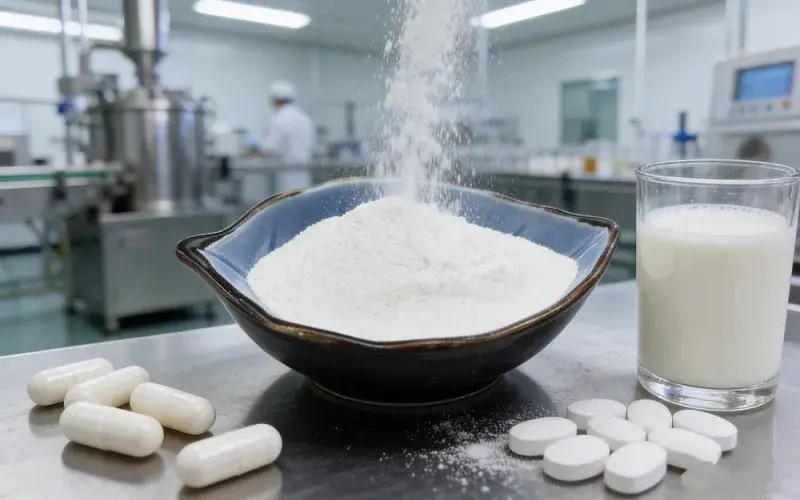
Shaanxi Hisy Biotechnology has been making specialized botanical extracts for 18 years and can help you with your product development problems. Our Centella asiatica extracts are the purest in the industry at 80.57%, and they contain exactly 47.23% Madecassoside. This was confirmed by batch-specific HPLC analysis, which backs up your quality claims. No matter what state your product's lifecycle is in, our flexible MOQ method can help. We can send you 1 kg samples for formulation trials within 4–8 days, or we can sign a multiton annual supply contract with customized triterpene ratios. As a certified supplier of Total Triterpenes with FDA registration and ISO and HACCP certifications, we offer the regulatory paperwork and technical support needed to enter the global market successfully. Our team can help with formulation, such as improving the stability of nano-emulsions and creating custom dose forms. For confidential innovations, we offer full NDA protection. Email sales@hisybio.com to talk to one of our experts about how our high-purity extracts can help your anti-inflammatory product line stand out while also meeting the strict quality standards that B2B buyers around the world expect.
References
1. Brinkhaus B, Lindner M, Schuppan D, Hahn EG. Chemical, pharmacological and clinical profile of the East Asian medical plant Centella asiatica. Phytomedicine 2000;7(5):427-448.
2. Gohil KJ, Patel JA, Gajjar AK. Pharmacological Review on Centella asiatica: A Potential Herbal Cure-all. Indian Journal of Pharmaceutical Sciences 2010;72(5):546-556.
3. Kimura Y, Sumiyoshi M, Samukawa K, Satake N, Sakanaka M. Facilitating action of asiaticoside at low doses on burn wound repair and its mechanism. European Journal of Pharmacology 2008;584(2-3):415-423.
4. Lawrence T. The Nuclear Factor NF-kappaB Pathway in Inflammation. Cold Spring Harbor Perspectives in Biology 2009;1(6):a001651.
5. Orhan IE. Centella asiatica (L.) Urban: From Traditional Medicine to Modern Medicine with Neuroprotective Potential. Evidence-Based Complementary and Alternative Medicine 2012;2012:946259.
6. Somboonwong J, Thanamittramanee S, Jariyapongskul A, Patumraj S. Therapeutic effects of Centella asiatica extract on TNBS-induced colitis in rats. BMC Complementary and Alternative Medicine 2012;12:102.