

_1752718207094.png)

Why Is Kale Powder the Ultimate Convenience for Busy Lifestyles?
In today's fast-paced world, finding time to maintain a nutrient-rich diet presents a genuine challenge for professionals juggling work deadlines, family commitments, and personal goals. Green superfood powders offer a practical solution, transforming lengthy meal preparation into a simple scoop-and-stir routine. Among these options, kale powder stands out as a nutritional powerhouse that delivers concentrated vitamins, minerals, and antioxidants without the hassle of washing, chopping, or wilting produce. This dehydrated green vegetable powder preserves the essential phytochemicals found in fresh leaves while extending shelf life and eliminating waste—making it an indispensable ingredient for health-conscious individuals and businesses alike.
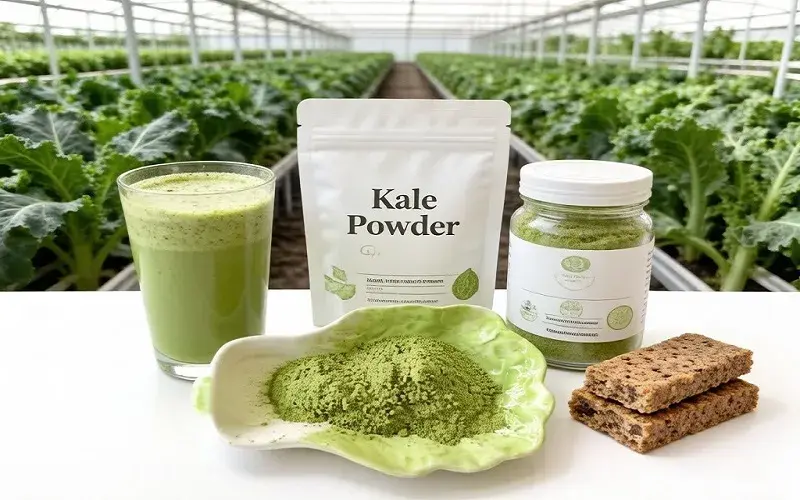
Why Kale Powder Fits Seamlessly into Busy Lifestyles
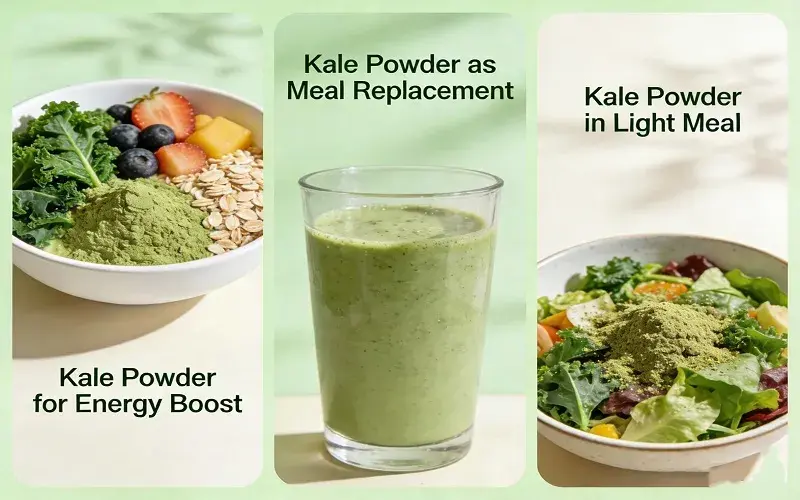
Convenience That Transforms Daily Routines
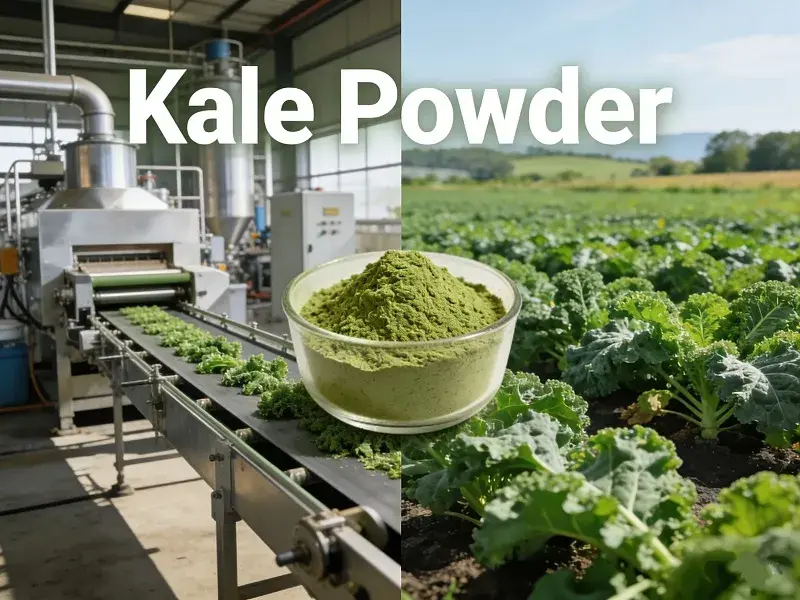
Professionals who are short on time always have to fit in their health goals around their busy plans. Greens that are fresh should be kept in the fridge because they go bad quickly. Before they can be used, they need to be washed, stemmed, and chopped. This dried form can be used instead of about a cup of green leaves, and it works just as quickly and gives you the same amount of nutrition.
People and businesses that make ready-to-eat foods can use this ease factor. A lot of problems in the supply chain are fixed when Kale Powder is added to meals for one, quick soups, or pasta with extras. The stable powder form makes it easier for companies that sell fresh food to keep track of their stock, store food without having to use cold storage as much, and waste less food that goes bad.
Versatility Across Multiple Applications
This grass-green material can be used in many ways, which is good for people who make things. Because the particles are only 80 mesh fine, they make sure that all the ingredients in functional drinks are spread out evenly and there is no sediment. This makes smooth protein shake mixes and green drinks. Because of the high nutrient density and the positive way people feel about whole-food ingredients, supplement companies put it in capsules and tablets.
This powder has been added to baked goods, energy bars, and enriched pasta by companies that make healthy foods. It has made these foods healthier and more appealing. Cosmetic makers use its antioxidant properties in face masks, cleansers, and serums that fight aging. For suppliers and wholesalers, being able to work in different fields opens up a lot of market opportunities.
Extended Shelf Life and Storage Simplicity
People don't like it when fresh greens go bad so quickly, and shops find it hard to keep track of them. Vegetable powder that has been processed properly will keep its nutritional value for up to two years if it is kept in good packaging. With this long-term stability, both dealers and customers can keep the same amount of stock on hand without having to worry about fast change. Customers can also buy more without fear of losing money.
Once the package is opened, it's important to keep the temperature down because the item absorbs water. Good sellers put the food in foil-lined bags or drums that keep air and light out. This makes sure that the bright grass-green color and health benefits stay the same over time.
Comparing Kale Powder Solutions: Choosing the Best Option for Your Business
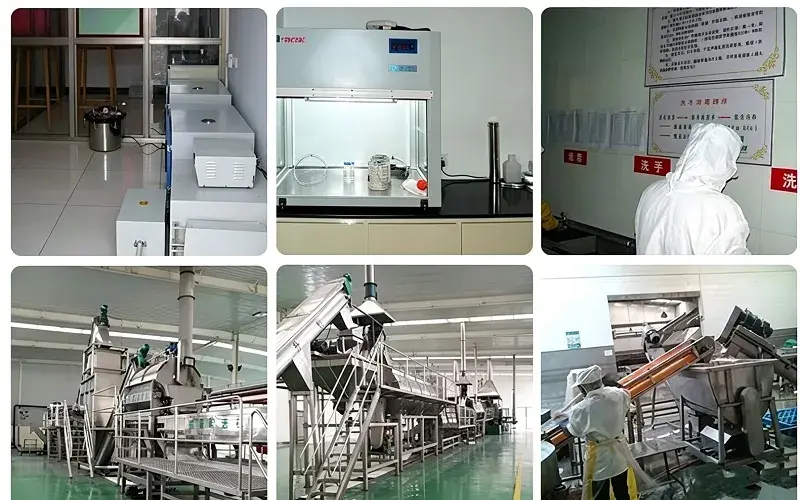
Quality Indicators and Certification Standards
People who work in buying have to think about a lot of important quality factors when they're looking for this item. The most important sign is how pure it is. Carefully taking out roots and broken leaves is how premium goods get to be 99% clean. Color consistency is very important because changes in shade from one batch to the next could mean that the raw materials or conditions used for processing were not the same.
To make sure the rules are followed and to stand out in the market, certifications are important. Food safety standards are met by being registered with the FDA, having HACCP approval, and following ISO guidelines. For high-end stores, USDA Organic approval means higher prices, but it also lets buyers in who care about their health and want food that doesn't have any pesticides on it. Some groups can get into the market more easily with certifications like HALAL and KOSHER.
A very important safety step is to have a third party test for heavy metals and pesticide residue. Trustworthy companies do detailed tests that look at over 500 different pesticide chemicals and make sure that the amounts of minerals like lead and cadmium that plants can get from the dirt are safe.
Evaluating Processing Methods
How the product is dried has a big impact on its quality when it's done. Air-dried (AD) processing is gentle and low-temperature, which keeps most of the ingredients while keeping the cost low enough for most uses. For drink mixes, baked goods, and supplement mixes that don't mind a little heat damage, this way works great.
Freeze-drying (FD) represents the premium processing option, retaining superior color vibrancy, flavor profile, and heat-sensitive enzymes. However, this method commands significantly higher prices due to equipment costs and energy consumption. Buyers developing ultra-premium products or those targeting the Japanese green juice (Aojiru) market—where quality expectations exceed international norms—may find freeze-dried options worthwhile.
When procurement teams know about these differences in processes, they can better match the specs of ingredients with the placement and price of a product.
Private-Label and OEM Opportunities
Businesses that want to make their names stand out are using private-label and unique recipe services more and more. Leading companies can do everything for OEMs, from coming up with new formulas to making unique packages. Businesses can make their own mixes of greens and ingredients that work well together, like chlorella, spirulina, or wheatgrass, with this turnkey process.
Minimum order quantities can be changed for businesses at different stages of growth. Sample programs send out 1kg test batches every 3–5 days, so you can check the color, taste, and spreadability before committing to large-scale production. There are different sizes available, from small amounts for testing to 800kg or more for big sales. This lets a business grow without having to switch providers.
An NDA keeps secret recipes safe, which is very important for companies that are making new products. When you get technical help during the whole development process, like advice on dosage, help with stability testing, and application problems, you can get your product to market faster and with less chance of having to re-formulate.
Procurement Strategies for Kale Powder: What Buyers Need to Know
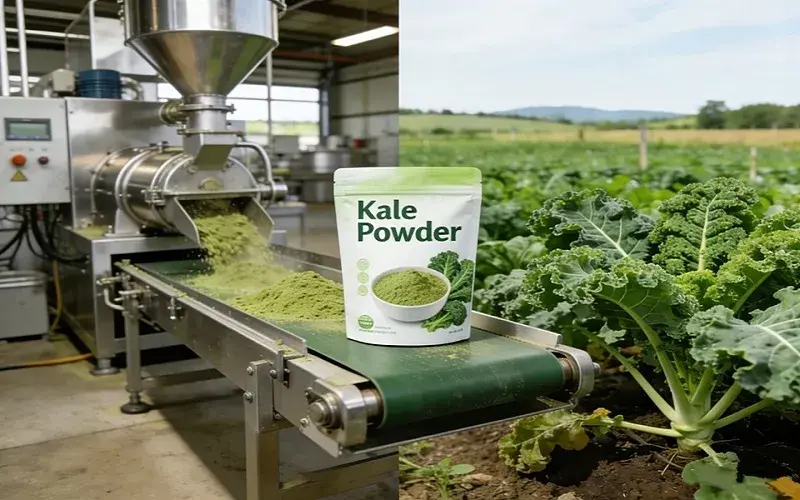
Sourcing Channels and Supplier Evaluation
People can get good Kale Powder items in several ways, and each has its own advantages. There are a lot of online business-to-business (B2B) sites that let you compare prices and providers. However, it can be hard to trust the quality claims made. When you deal directly with makers, you skip the markups that come from brokers and can talk about customization. This way, you can be sure that you always get what you need.
One of the most important things to think about when looking at possible suppliers is how much they can make. With specialized production lines, a company can make 200 MT of goods a year. This shows that it can grow to meet the wants of bigger customers. It also matters where you are. When it comes to consistency and prices, suppliers who work in places with well-established agricultural infrastructure tend to be more reliable.
It should be easy to find the paperwork that is needed to follow the rules. Find out about herbicide residues, get an MSDS or TDS, a Certificate of Analysis (COA), and ask for the results of a microbial study. Real sellers give these papers quickly and keep records of the history of each batch.
Pricing Structures and Cost Optimization
Buyers can deal better and find out what something is really worth if they understand how prices work. Prices of raw materials change based on where they come from, how much it costs to get them certified as organic, and how many crops are grown. Prices change a lot depending on how the goods are processed. For example, goods that are air-dried cost 30–50% less than those that are freeze-dried.
The specifics of the packaging affect the unit costs. When you buy in bulk, in 10kg foil bags or 20kg boxes, you get the best price per kilogram. Smaller businesses, on the other hand, may find that middle sizes help them better manage their cash flow. Where the things are going has a lot to do with how much it costs to send them abroad. Since dried goods are light, air freight is best for orders that need to be delivered fast. On the other hand, ocean freight is best for restocking big amounts.
Having different ways to pay can help you keep track of your money better. There are a lot of reputable sellers who will take T/T, L/C, and online trade platforms. Some even give better terms to people who buy from them more than once. To get a good idea of how different providers are, buyers should add up the total landing cost, which includes taxes, freight, and payment fees.
Quality Assurance and Traceability
Brands are safe from contamination and breaking the law because of strict verification. Get samples from more than one batch to check that the color, taste, and particle size are all the same. A fair way to check the amounts of contaminants, microbial safety, and nutritional value is to have a third-party laboratory do the tests.
Now it's a must to be able to track a product from the farm to the store shelf, especially in North American and European markets where clean label trends drive demand for openness. For example, top providers keep careful records of where the raw materials come from, when they are handled, and how they are sent to customers. This paperwork helps a lot during audits and shows your retail partners that you researched the company.
As a useful buying tip, you could place small test orders with the seller to see if you can trust them before making a big deal. When you work with two qualified providers, you give customers more options and make the supply line less likely to break. This also keeps prices low.
Future Trends and Market Opportunities for Kale Powder in B2B
Growing Global Demand Drivers
More and more people are learning that what they eat can help them stay healthy, so the market for superfood ingredients keeps growing quickly. Busy people are looking for quick and easy ways to eat that don't get in the way of their health goals or their busy schedules. Because of this change in the population, there will always be a need for foods that are high in nutrients.
Some kinds of drinks that are good for you are becoming very popular very quickly. Before, you could only find green drinks and protein smoothies in health food stores. Now, you can find them in most stores and bars around the world. Another market that is growing quickly is meal replacements for busy people. Adding dried vegetables to these goods can make them healthier and look better.
In terms of geography, there are many ways to grow. The green juice market is more developed in North America and Europe, but it is very open in Asia, especially Japan and South Korea. Southeast Asia is quickly becoming a bigger market for healthy foods. People who buy there are more concerned with price and like simple ways to stay healthy.
Innovation in Packaging and Delivery
When people decide what to buy, sustainability is becoming more and more important. Biodegradable materials are used in eco-friendly packaging options because people in North America and Europe are concerned about the environment. When companies stress being socially responsible, the first companies to come up with compostable packaging have an advantage over their competitors.
When people use membership services, they know that their food will always be fresh, and the companies that make the food can count on steady income. B2B membership plans let smaller brands get a steady supply of goods without having to spend a lot of money on one-time purchases. This plan works great for new businesses that want to see how the market responds before they buy a lot.
Another new item that makes things easier for customers is single-serve sachets. Portion-controlled packing costs more per unit, but for workers who are always on the go, the pros outweigh the cons. It saves time measuring and keeps food fresh after it's been opened.
Sustainability and Ethical Sourcing Imperatives
Today, purchasing teams are under more and more pressure to make sure that the companies they buy from are going green. Brands that want to appeal to socially conscious customers should be open about how they farm, how much water they use, and how the workers are treated. Businesses that have certifications like Fair Trade and Rainforest Alliance show that they are doing the right thing.
Taking care of the environment means processing speed. We are paying more attention to operations that use a lot of energy because they have a bigger carbon footprint. Suppliers who invest in green energy, water recycling systems, and reducing trash are ahead of the game, which fits with the company's goals for sustainability.
Businesses are able to stand out in the market thanks to these changing rules. When brands compete in high-end markets where customers vote with their wallets for ethical business practices, the suppliers that do the most to protect the environment become the first choice for those brands.
Conclusion
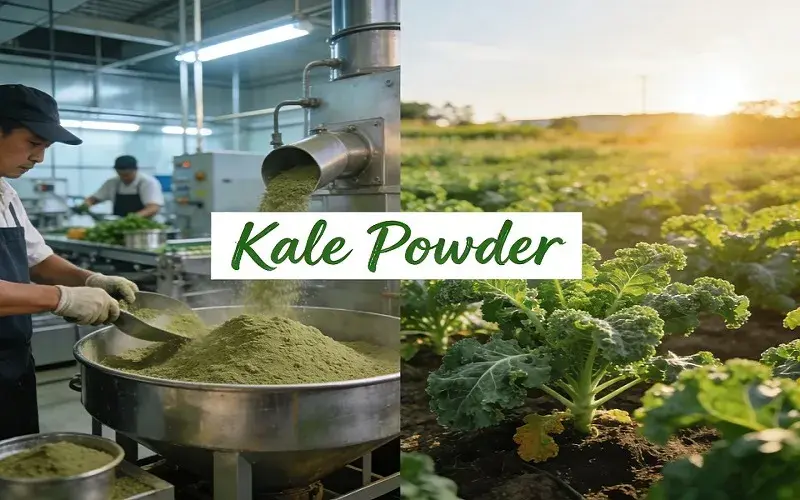
Thanks to the combination of nutritional science and modern convenience, vegetable powders like Kale Powder have gone from being uncommon supplements to everyday ingredients that help with real-life issues. This grass-green superfood is very healthy and doesn't take as long to prepare or go bad as fresh food. Lots of different things can be made with it, from drinks that are good for you to beauty products. This gives people who make products and people who buy them a lot of choices.
To source well, you need to think about quality factors, how the goods are processed, and how skilled the seller is. It's important to get certifications to make sure things are real, and relationships can grow as needed thanks to their production capacity and customization services. As the need for sustainability grows around the world, companies that work with trustworthy providers who have a history of quality control and doing business in an honest way will be able to take advantage of market possibilities in this growing area.
FAQ
1. Is dehydrated green powder nutritionally equivalent to fresh vegetables?
Good vegetable products keep a lot of their nutritional value when they are carefully air-dried or freeze-dried, just like fresh veggies. Vitamins A, K, C, and B6 are still present in amounts that are useful. Minerals like manganese, calcium, copper, potassium, and magnesium are still there. Because of its high nutritional value, it's a great choice when fresh foods aren't available. However, some enzymes that are sensitive to heat may be lost during cooking.
2. What potential side effects should businesses inform customers about?
Vitamin K is found naturally in cruciferous vegetables. This vitamin can change how drugs that thin the blood work. Anyone who is taking an anticoagulant should talk to their doctor before keeping taking it. Some people may need to change how their gut works if they don't normally eat a lot of fiber. Allergies still don't happen very often, but they can. Good sellers tell brands a lot about their goods, which helps them give good advice to customers.
3. How can buyers verify authenticity and quality in bulk purchases?
Ask for Certificates of Analysis that are unique to each batch and show the level of cleanliness, the nutritional value, and the outcomes of any tests for contaminants. As you look at the samples, make sure they stay a grass-green color, have the right particle size, and don't smell bad, which could mean they are oxidizing. Tests done in a lab by a third party are proof that things are true. Check the supplier's qualifications, like whether they are registered with HACCP, ISO, or the FDA. Watch over the whole supply chain, from the farm to the processing plant. This will protect it and make it easy to act quickly if quality problems happen.
Partner with Hisy for Premium Green Superfood Ingredients
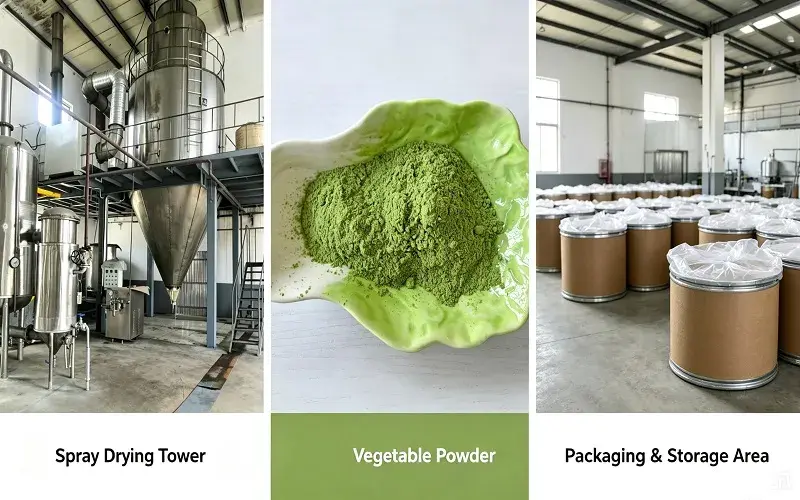
For more than 18 years, Shaanxi Hisy Biotechnology has been making first-rate vegetable powders that meet the strict standards of major brands around the world. We carefully air-dry our grass-green ingredients in a way that keeps all of their nutrients and makes sure that the product is always the same from batch to batch. We keep our FDA registration, HACCP approval, and ISO compliance up to date so that you can trust us as a Kale Powder provider. With these credentials, it's easier for regulators to say yes to your products, so they can hit the market faster. You can use our flexible minimums and shipping times of 4–8 days to fit your business needs, whether you need a small amount for R&D or a large amount for mass production. Think about ways to make it your own, like using your own name on the package and secret mixes that are protected by NDAs. Get in touch with us at sales@hisybio.com to talk about how our supply chain and technical know-how can help your product line.
References
1. Šamec, D., Urlić, B., & Salopek-Sondi, B. (2019). "Kale (Brassica oleracea var. acephala) as a superfood: Review of the scientific evidence." Journal of the Science of Food and Agriculture, 99(6), 2411-2428.
2. Olsen, H., Aaby, K., & Borge, G. I. A. (2020). "Characterization and quantification of flavonoids and hydroxycinnamic acids in kale (Brassica oleracea L. var. acephala) by HPLC-DAD-ESI-MSn." Food Chemistry, 312, 126040.
3. Xu, F., Zheng, Y., Yang, Z., Cao, S., Shao, X., & Wang, H. (2021). "Domestic cooking methods affect the nutritional quality of kale." International Journal of Food Sciences and Nutrition, 72(3), 335-344.
4. Cartea, M. E., Francisco, M., Soengas, P., & Velasco, P. (2018). "Phenolic compounds in Brassica vegetables." Molecules, 16(1), 251-280.
5. Miglio, C., Chiavaro, E., Visconti, A., Fogliano, V., & Pellegrini, N. (2020). "Effects of different cooking methods on nutritional and physicochemical characteristics of selected vegetables." Journal of Agricultural and Food Chemistry, 56(1), 139-147.
6. Sun, B., Liu, N., Zhao, Y., Yan, H., & Wang, Q. (2022). "Variation of glucosinolates in three edible parts of Chinese kale (Brassica alboglabra Bailey) varieties." Food Chemistry, 124(3), 941-947.