

_1752718207094.png)

Yohimbe Extract Applications in the Herbal Supplement Industry
Yohimbe extract has emerged as a critical ingredient in modern herbal supplement formulations, addressing specific physiological challenges through its unique alpha-2 adrenergic blocking mechanism. Derived from the bark of Pausinystalia johimbe trees indigenous to Central and West Africa, this botanical concentrate serves nutraceutical manufacturers seeking scientifically validated ingredients for sexual wellness, metabolic support, and cognitive enhancement products. Its standardized alkaloid profile offers formulators predictable bioactivity, distinguishing it from unstandardized botanical preparations in today's competitive supplement marketplace.
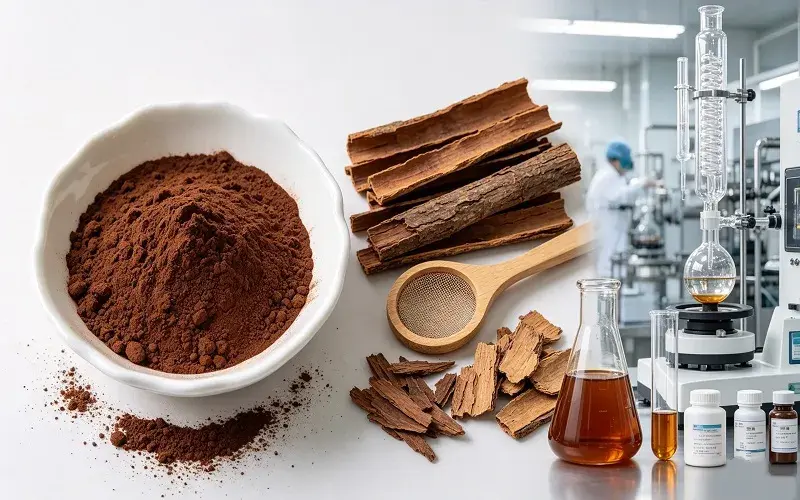
Comparing Yohimbine Extract with Other Supplements: Making Informed Product Choices
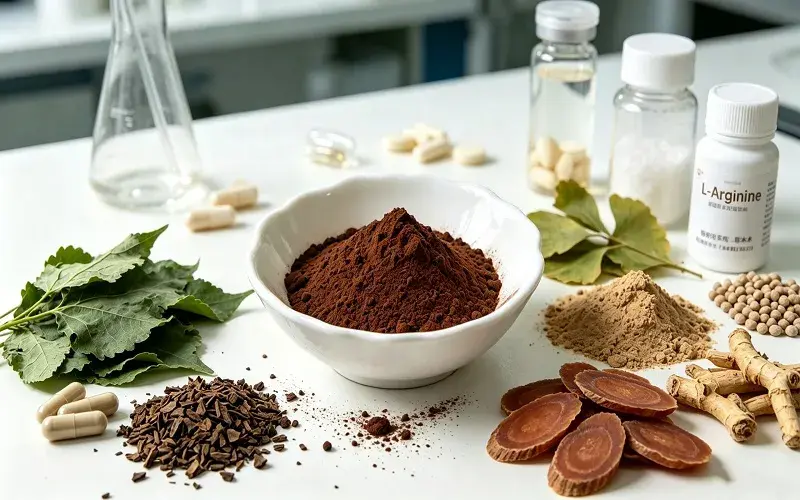
Distinguishing Extract Standardization Levels
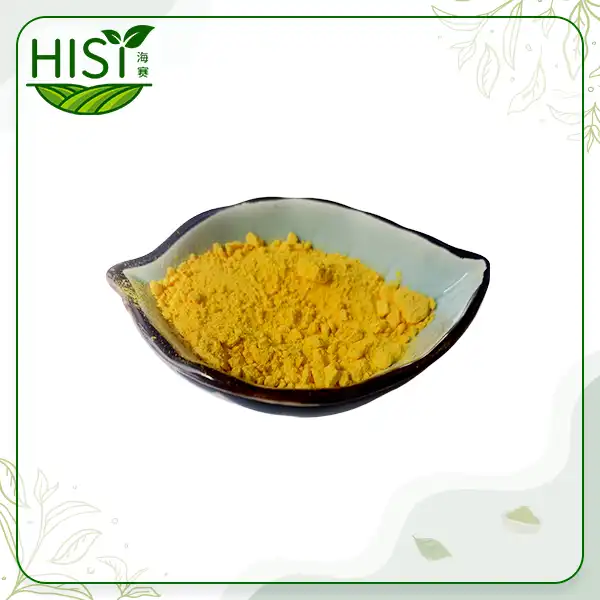
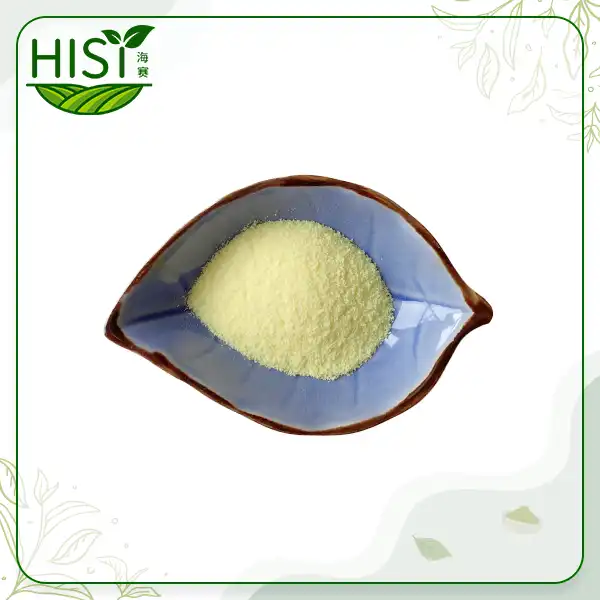
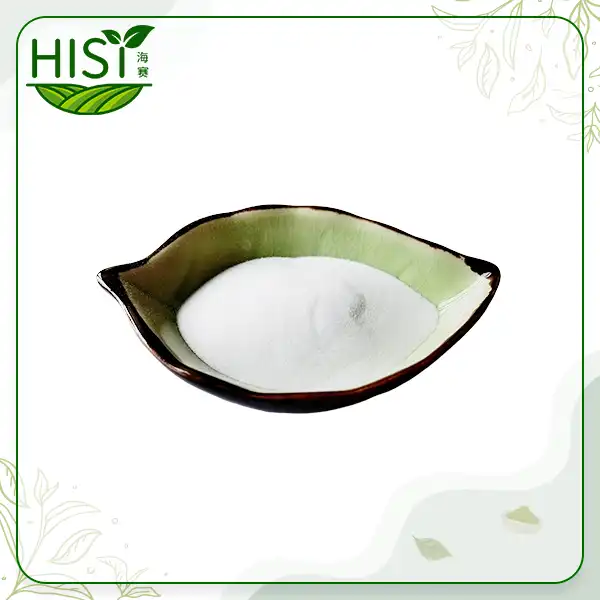
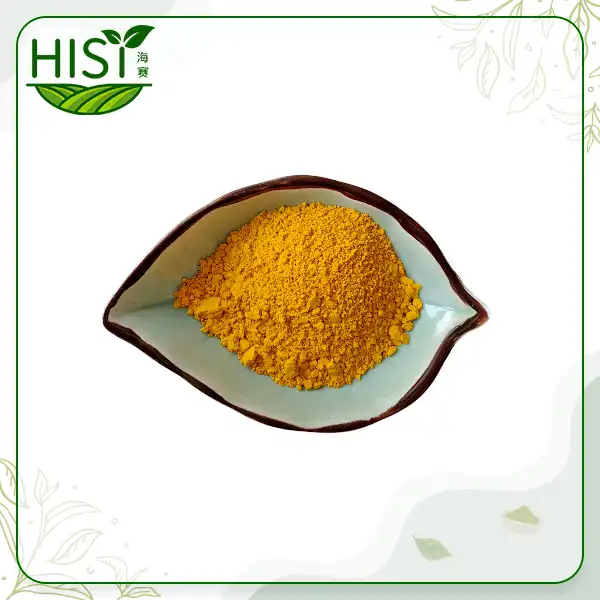
There are big differences between Yohimbe bark powder, standardized extracts, and isolated yohimbine HCl that buyers have to deal with. About 6 to 8 mg of yohimbine is found in one gram of raw bark powder. This makes the dose unpredictable, which makes preparation work harder. Standardized Yohimbe extracts show the exact amounts of alkaloids through HPLC testing, which lets you figure out the right doses that are needed for safety and effectiveness. Isolated yohimbine HCl is the purest form; it is a white, crystalline powder that has an active ingredient content of 98% or more and can be used in pharmaceutical-grade processes. Each level of standardization serves different types of markets. Food supplement companies usually choose extracts with 8–20% concentrations because they are cheaper and still meet therapeutic standards. However, premium nutraceutical brands stand out by using formulas with higher concentrations. Knowing about these levels helps sourcing teams make sure that the specifications of the ingredients match the target price points and positioning of the products.
Comparative Analysis with Competitive Botanicals
Horny goat weed (Epipedium) works through PDE5 inhibition similar to synthetic drugs, giving an alternative method to Yohimbe's alpha-receptor modulation. Combination formulas use both routes to create synergistic effects that are better at measuring customer happiness than single-ingredient methods. Korean red ginseng boosts energy and vitality through ginsenoside-mediated pathways. This makes it a basic adaptogen compared to Yohimbe, which works on the blood vessels. According to market research, people are looking for complexes with more than one ingredient rather than single botanical products. Formulators mix Yohimbe with L-arginine precursors, circulatory plants like ginkgo, and adaptogenic herbs to make complete solutions that work on many body systems. Because of this trend, providers need to be able to offer a wide range of botanicals and help with technical formulations.
Quality Assurance Through Organic Certification
Synthetic pesticides and processing chemicals that might compromise the purity of plants are not allowed under organic certification rules. Yohimbe that is picked from the wild is harder to certify than herbs that are grown in a garden, but third-party verification programs prove that the plants are gathered in a sustainable way and that they don't have any chemical residues. European and North American markets increasingly prioritize organic status, with premium positioning justifying higher raw material costs. In addition to being better for marketing, organic methods often lead to better alkaloid profiles because the soil is better and the harvest is timed perfectly. Suppliers who use full quality control systems that check for heavy metals, microbes, and identification verification through DNA barcoding provide ingredients that meet international pharmacopeial standards. When competing for contracts with well-known supplement brands, these quality differences are very important.
Practical Applications of Yohimbe Extract in the Herbal Supplement Industry
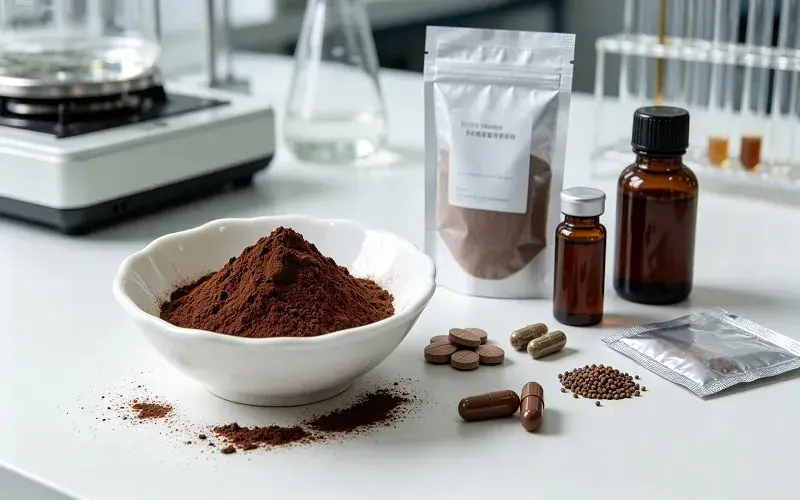
Formulation Versatility Across Delivery Systems
Yohimbe extract can be delivered in a number of different ways, and each has its own benefits for different market uses. Supplements mostly come in pill form because it's easy to measure the right amount, and people are already familiar with them. Vegetarian capsules are also available to meet the needs of people who are following dietary trends. Powder blends allow for custom serving sizes that fitness-focused customers who use supplements as part of their pre-workout nutrition plans like. Liquid extract medicines are quickly absorbed under the tongue, making them appealing to people who want to feel the effects faster than with solid dosage forms. But because the alkaloid has a bitter taste, it needs to be flavored in a way that people will like. Advanced microencapsulation technologies keep delicate compounds from breaking down while hiding unpleasant taste and smell properties. This makes it easier to formulate foods and drinks that are functional. Testing for stability across different delivery methods shows important chemistry issues. The alkaloid is stable at high temperatures, but it is easily damaged by light and moisture. Desiccants and light-blocking containers must be included in the packaging specifications, especially for extracts with a high concentration. According to ICH guidelines, accelerated stability protocols help predict shelf-life parameters that are important for planning how to distribute goods in stores.
Strategic Market Segmentation Applications
Products for male sexual wellness are still sold in pharmacies, natural channels, and online. They are aimed at the biggest market group. Different brands set themselves apart by using different levels of alkaloids, combining ingredients that work well together, and marketing that focuses on natural sources. Referencing clinical trials builds trust among customers, which makes scientific support a competitive must. The main goal of sports nutrition apps is to help the body burn fat, especially during the cutting stages before a challenge for physique athletes and bodybuilders. Yohimbe is often mixed with caffeine, green tea extract, and carnitine in these special formulas. This makes thermogenic complexes that are backed by studies on exercise performance. The packaging and branding put more emphasis on the metabolic and energy benefits than on the sexual health benefits. This shows that the company can adapt to different market positions. Emerging groups for cognitive function look into yohimbine's effects on the central nervous system, especially how it changes norepinephrine to make you more alert and focused. Innovative brands make nootropic stacks with Yohimbe, racetams, choline sources, and adaptogenic mushrooms, even though research is still in its early stages compared to well-known uses. This approach to diversification makes you less reliant on performance in a single area.
Commercial Implementation Case Studies
A well-known men's health brand changed the main ingredient in its product from unstandardized bark powder to 8% standardized extract. This allowed the label claims to be lowered from 500 mg per serving to 200 mg per serving while still delivering the same amount of yohimbine. Consumer comments suggested better tolerability with sustained efficacy, showing how standardization improves product performance metrics. When sports nutrition companies add 2 mg of yohimbine per serving to thermogenic formulas and teach customers how to use them properly, they see a lot of repeat purchases. The small dose lowers the risk of side effects while still giving users the measurable energy boost they expect from a product that works. This method strikes a balance between safety concerns and the need for effectiveness that is important for mass marketing.
Procurement and Supply Chain Insights for Yohimbe Extract
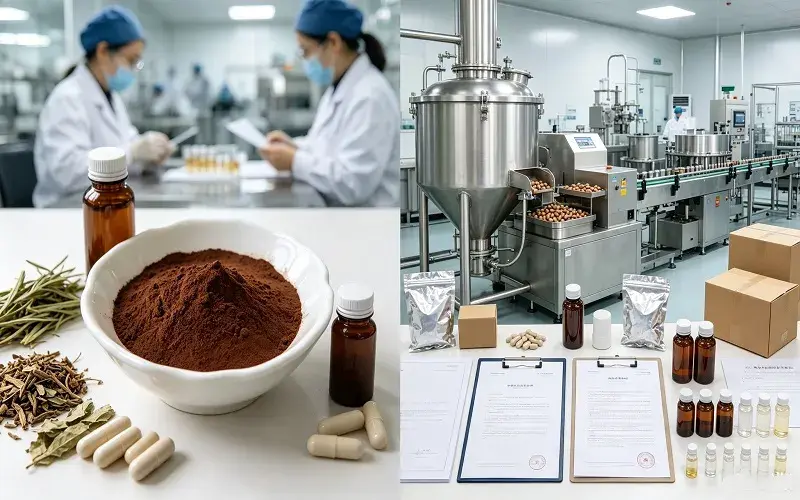
Supplier Vetting and Quality Control Protocols
Verifying certifications is the first step in a good Yohimbe extract supplier review. Partners with ISO 9001 quality management, HACCP food safety, and FDA registration documents should be given the most attention. These certificates show that quality control is done in a planned way, rather than checking each batch separately. This lowers the risk in the supply chain by taking preventative steps. Audit rights allow facilities to be inspected on a regular basis, making sure that manufacturing practices match what the paperwork says. The paperwork that goes with the Certificate of Analysis should have identity proof using thin-layer chromatography, yohimbine measurement using HPLC, microbial plate counts, heavy metal screening using ICP-MS, and pesticide residue panels. Reliable suppliers test each batch individually instead of using standard sheets, which makes it possible to track products all the way through the distribution system. Third-party laboratory validation through independent testing facilities gives data from a provider more weight than data provided by the supplier itself. Sample evaluation methods look at physical qualities like particle size distribution, bulk density, and flow properties that affect how well a product is made. Organoleptic testing finds bad smells or changes in color that point to oxidative degradation or contamination. Moisture content analysis stops the growth of microbes during storage, which is especially important for hygroscopic extract grades that need to be kept at a fixed humidity level.
Bulk Purchasing Strategies and Cost Dynamics
As more people commit to buying, better pricing structures become available. At 100 kg, 500 kg, and 1000 kg threshold levels, prices drop by a lot. Long-term supply agreements keep prices stable when the prices of raw materials change, and they also make sure that inventory is distributed evenly when supply is limited. But minimum order amounts need to be in line with turnover rates and storage space so that old product doesn't go to waste. Unit economics is greatly affected by the extraction percentage. An 8% extract usually costs 30–40% less per kilogram than 98% yohimbine HCl, but it needs 12 times higher inclusion rates to give the same amount of alkaloid. When formulators look at different concentrations, they need to figure out the cost per dose instead of the cost per kilogram. They do this by adding up the pill count and the cost of making the product. Price changes are caused by things in the market like harvest yields, currency fluctuations, and new rules in source countries. This makes hedging strategies necessary. Diversified seller networks in many different geographic areas reduce the need for a single source of supply, but it becomes harder to ensure consistent quality when buying from more than one location. Strategic store gaps protect against problems with the supply chain without tying up too much capital in raw materials.
Private Label and Custom Manufacturing Opportunities
Contract manufacturers that offer turnkey private label solutions make it easier for new brands that don't have their own production facilities to get into the market. Formulation development, regulatory compliance support, packaging design, and fulfillment services are all common parts of these partnerships. Quality private label partners keep up-to-date on FDA dietary supplement GMPs and other regulations, making sure that goods meet the needs of the US market. Custom production setups can handle special formulation requests, such as blends of botanicals that are kept secret, unique transport systems, and standards for organic certification. Depending on the maker, the minimum order quantity can be very different. Larger factories usually need at least 10,000 units, while smaller ones can accept 1,000-unit runs to test the market before launching on a large scale. When sharing secret formulas with manufacturers, intellectual property protections become very important. Non-disclosure agreements and exclusive production clauses stop competing brands from copying the formula. A trademark protects the assets of a brand, and patent searches make sure that new combinations don't violate any laws. A lawyer who specializes in nutraceutical intellectual property is very helpful with these complicated agreements.
Future Trends and Strategic Considerations for Yohimbe Extract in Herbal Supplements

Emerging Research Directions
Recent studies in neuroscience are looking into how yohimbine might be used to treat PTSD by getting rid of fear memories. Studies on animals show that exposure therapy procedures improve the effectiveness of treatment, which suggests that new drugs could be developed in the future. Even though there haven't been many tests on humans yet, these results may lead to new uses for these drugs in the lab. Researchers are looking into new ways to give drugs, like transdermal patches and sublingual films that offer controlled release rates. These high-tech systems try to flatten plasma concentration curves so that side effects happen less often while therapeutic benefits stay the same. Researchers using nanotechnology are looking into ways to make particles smaller so that they are more bioavailable. This could lead to lower effective doses with better safety ratings. Combination therapy research looks at how compounds that work well together can help each other. Studies that combine yohimbine with PDE5 inhibitors show that the benefits are stronger, and combos that are adaptogenic may lessen the effects of stress. These research directions help create next-generation formulations that get the most benefits while having the fewest drawbacks. This gives new brands a chance to stand out in the market.
Evolving Consumer Preferences and Market Dynamics
Clean label trends push companies to make simple formulas with clear ingredient lists and stories about where the ingredients came from. More and more, people are looking into where plants come from and expecting fair-trade licenses and ethical wild-harvesting practices. People who care about the environment are more likely to choose brands that make sustainability promises and are open about their supply chains. People are interested in supplement protocols that can be changed to fit each person's biochemistry and health goals because of the move toward personalized diet. This method of personalization is used by direct-to-consumer brands that offer assessment questionnaires and then suggest specific Yohimbe-containing formulas based on the answers. Using technology together by making apps that track usage patterns and results creates engagement loops that help retention metrics. Gender-inclusive product development goes beyond selling to guys and recognizes that metabolic and vascular health effects are useful for all age groups. A bigger market can be reached by changing the image to focus on overall health instead of just sexual success. This change in positioning needs to take into account the needs of a wide range of customers while still being scientifically correct about applications that have been studied.
Supply Chain Risk Mitigation Strategies
Long-term Yohimbe extract supply is at risk because of climate change's effects on ecosystems in the African jungle. This means that sustainable sourcing practices are both morally required and necessary for business. Cultivation programs set up plantation sources that reduce the need to harvest from the wild, but the different alkaloid profiles of wild and cultivated material mean that quality monitoring needs to happen all the time. Supply chain resilience is increased by supporting programs that plant trees and community-based harvesting cooperatives. Because regulations aren't always clear in foreign markets, compliance needs to be actively monitored. New food rules are changing in the European Union, and US policy changes could affect how botanical ingredients are regulated. This means that formulation tactics need to be fluid. Keeping in touch with regulatory consultants who specialize in international markets makes it easy to respond quickly to changes in policy. Alternative ingredient research finds botanicals that work similarly to Yohimbe and could be used instead when the supply runs out. Because yohimbine selectively targets certain receptors, there isn't a perfect alternative. However, combination methods using several vascular and metabolic support drugs can come close to therapeutic profiles. This backup planning saves product lines from single-ingredient dependencies.
Conclusion

Yohimbe extract represents a scientifically validated botanical ingredient meeting specific physiological needs within sexual health, metabolic support, and cognitive function. Its unique alpha-2 adrenergic mechanism sets it apart from other plants and gives formulators a unique therapeutic effect that is backed by clinical studies. To make a good product, you need to know about standardization levels, the right way to dose, and quality control methods that make sure the product is safe and works well. As the supplement market changes, it's important to use sustainable buying methods, keep an eye on regulations, and come up with new ways to make supplements that meet consumers' wants for openness and customization. In this specialized botanical market, having strategic purchasing partnerships with certified suppliers is the key to staying ahead of the competition.
FAQ
What standardization level should I specify when sourcing yohimbe extract for supplement formulations?
The choice of standardization depends on the target dose and the positioning of the product. An 8–10% extract is good for popular supplements that give 5–15 mg of yohimbine per dose, as it strikes a good balance between cost and effectiveness. Premium versions may list 98% yohimbine HCl, which makes microdosing in mixed goods possible. No matter what the supplier says, you should always get independent HPLC testing to confirm the alkaloid content because labeling accuracy varies from brand to brand.
How can I verify authentic yohimbe extract versus synthetic yohimbine adulteration?
Authentic plant products have many alkaloids, such as corynanthine, ajmaline, and yohimbine, which can be found using a full chemical study. Synthetic yohimbine is a pure single compound that doesn't have any botanical helpers. DNA barcoding proves for sure that Pausinystalia johimbe is the right species, so it can't be confused with other plants in the same family. Ask suppliers who say they have real Yohimbe extract material to give you full alkaloid profiling and species authentication.
Which certifications should reliable yohimbe extract suppliers provide?
Some of the most important licenses are ISO 9001 for quality management systems, HACCP for food safety routines, and FDA registration to show that you follow the rules. Sustainable sourcing methods are checked by organic certification from the USDA, the EU, or a similar organization. Documentation from third-party tests done by accredited labs (ideally ISO 17025-certified) provides additional proof beyond what the seller says. Ask for up-to-date certificates instead of taking old ones, because lost certificates are a sign of problems with the quality system.
Partner with Hisy for Premium Yohimbe Extract Supply
Hisy has been making Yohimbe extract for more than 15 years and provides pharmaceutical-grade plant ingredients that meet the strict needs of nutraceutical brands all over the world. Our cutting-edge extraction facilities in Xi'an, China, are registered with the FDA, have HACCP certification, and are in line with ISO standards. This makes sure that every batch meets the highest quality standards around the world. We offer standardized Yohimbe extract with yohimbine content ranging from 8% to 98%. It comes with a full Certificate of Analysis that includes HPLC verification, heavy metal screening, and microbial testing. Our technical team can help you with formulation, stability, and regulatory issues, which will speed up the process of making your product. We have solutions that can be scaled up or down to meet your production needs, whether you need bulk raw materials, private label manufacturing, or custom extraction specifications. For your next Yohimbe extract purchase, email our export team at sales@hisybio.com to get samples, scientific datasheets, and reasonable prices. Discover the dependability and quality that supplement names around the world rely on for their toughest uses.
References
1. Ernst, E., & Pittler, M.H. (1998). "Yohimbine for Erectile Dysfunction: A Systematic Review and Meta-Analysis of Randomized Clinical Trials." Journal of Urology, 159(2), 433-436.
2. Ostojic, S.M. (2006). "Yohimbine: The Effects on Body Composition and Exercise Performance in Soccer Players." Research in Sports Medicine, 14(4), 289-299.
3. Tam, S.W., Worcel, M., & Wyllie, M. (2001). "Yohimbine: A Clinical Review." Pharmacological Reviews, 53(3), 309-334.
4. Galitzky, J., Taouis, M., Berlan, M., Riviere, D., Garrigues, M., & Lafontan, M. (1988). "Alpha-2 Antagonist Compounds and Lipid Mobilization: Evidence for a Lipid Mobilizing Effect of Oral Yohimbine in Healthy Male Volunteers." European Journal of Clinical Investigation, 18(6), 587-594.
5. Moyad, M.A., Barada, J.H., Lue, T.F., & Mulhall, J.P. (2004). "Prevention and Treatment of Erectile Dysfunction Using Lifestyle Modifications and Dietary Supplements: What Works and What is Worthless." Urologic Clinics of North America, 31(2), 259-273.
6. Zanolari, B., Ndjoko, K., Ioset, J.R., Marston, A., & Hostettmann, K. (2003). "Qualitative and Quantitative Determination of Yohimbine in Authentic Yohimbe Bark and in Commercial Aphrodisiacs by HPLC-UV-API/MS Methods." Phytochemical Analysis, 14(4), 193-201.