

_1752718207094.png)

Is Berberine Hydrochloride Powder a Popular Herbal Ingredient?
One of the most sought-after plant products on the market right now is Berberine Hydrochloride Powder. It has a good reputation because it has been clinically tested and proven to work in many different ways in both nutraceutical and pharmaceutical products. Also, more and more people are looking for natural bioactive compounds that are good for their health. Buying managers see this standardised alkaloid extract as an important ingredient that combines old knowledge of plants with new quality standards more and more. Because of this, it is an important part of plans to make new products that improve metabolic health, circulatory health, and food innovation.
What is Berberine Hydrochloride Powder?
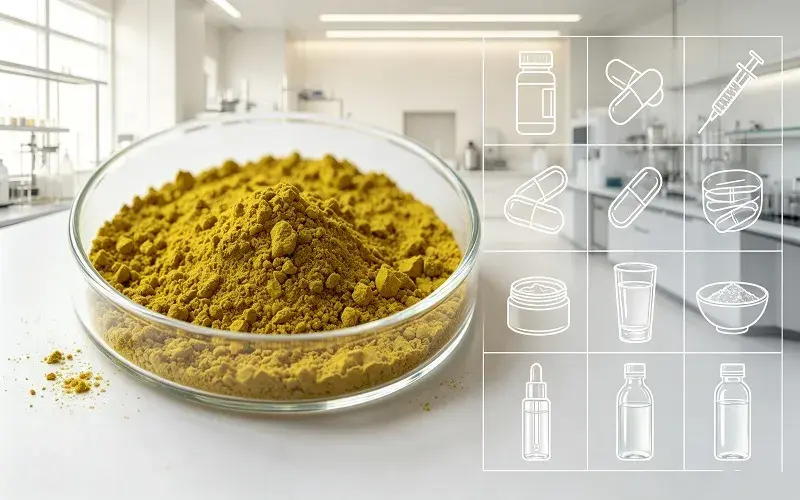
It is important to know what this thing is chemically made of and where it comes from botanically before you buy it. The form of hydrochloride salt is better because it is more stable and easier to prepare for use.
Chemical Structure and Natural Origins
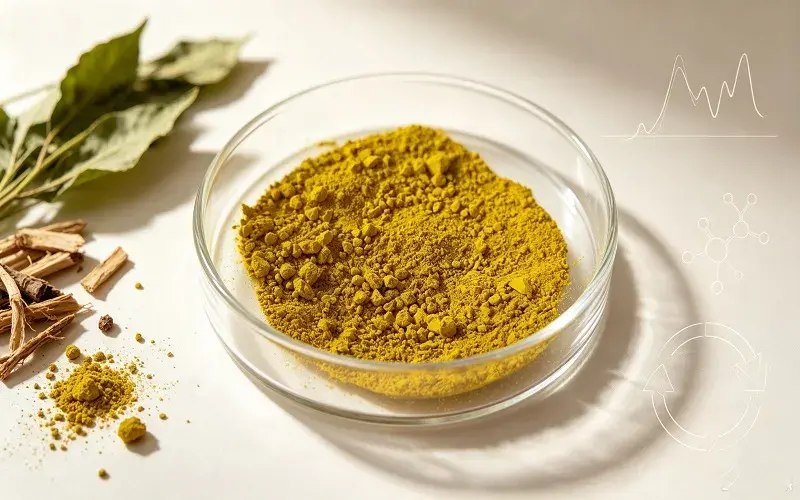
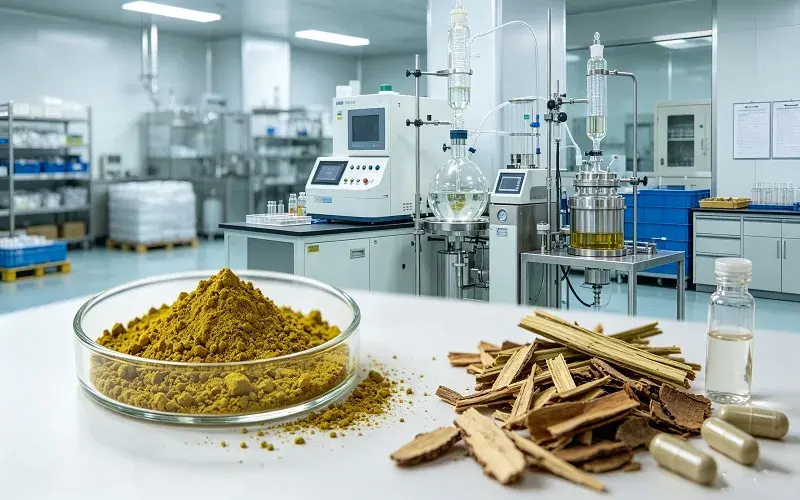
Because it is a quaternary ammonium salt, Berberine Hydrochloride Powder is an isoquinoline alkaloid. In terms of chemistry, it is in the protoberberine group. Mostly taken from the stems of Phellodendron amurense Rupr. CAS number 633-65-8 is for this bioactive chemical, which is made up of the molecules C20H18ClNO4·2H2O. It lives in Berberis species and species that are linked to them. It is possible to use titration methods to find a bright yellow solid powder with particles that are 80 mesh in size and a standard purity of ≥97% after the extraction process. The hydrochloride form is much more stable against oxidation and water breakdown than berberine sulphate or crude plant products. In other words, it won't go bad for 36 months. It is very important for makers that ingredients work the same way throughout production processes and that they are chemically stable.
Biological Mechanism and Bioavailability
AMP-activated protein kinase (AMPK), which controls how cells use energy, is one of the many pharmacological processes that make it work. Because of this, it works in a way that is similar to some drug treatments on glucose homeostasis and lipid metabolism. Bioavailability is hard to reach, though, since the body burns food quickly and the intestines don't absorb nutrients very well. To make absorption rates better, new ways of making formulations have been created, such as micronization and lipid-based delivery systems. This helps the people who make medicines make sure that the finished goods work as well as possible for treating illnesses.
Industrial Applications Across Sectors
You can make a lot of different things with this stuff. Drug companies put it in metabolic health products that are meant to keep blood sugar in check. Food products made by nutraceutical brands help people lose weight and keep their hearts healthy. You can get these vitamins in the form of pills, tablets, and powders. Cosmetic companies use their ability to protect to make skin care items that slow down the ageing process. Functional food and drink companies put it in snacks and health drinks to make them better for you. Many different types of businesses use the ingredient, which shows that they trust it to always be of good quality and follow all the rules, especially those set by CP2020, USP, and EP.
Benefits and Effectiveness of Berberine Hydrochloride Powder
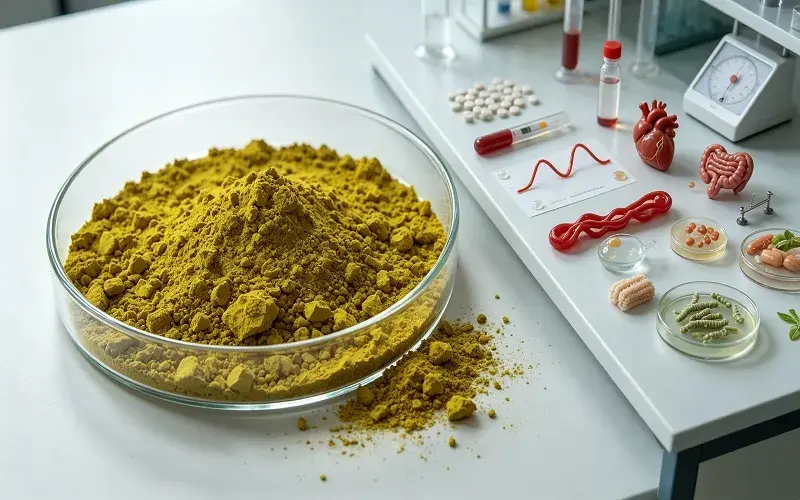
There is a lot of evidence from clinical studies to support the restorative uses that drive market demand. When sourcing teams know about these proven benefits, they can pick ingredients that work with how they plan to sell their products.
Metabolic Health and Blood Sugar Management
In many human tests, Berberine Hydrochloride Powder has been shown to change blood sugar levels by making insulin work better and stopping the liver from making glucose. It drops HbA1c and fasting blood glucose levels in people with type 2 diabetes in the same way that metformin does, according to studies that compare the two. A healthy amount of alkaloids makes up the bioactive mixture. It starts metabolic pathways that help peripheral tissues take in more glucose while stopping gluconeogenesis. Because of these ways it works, it's a good natural alternative for metabolic syndrome formulas, meeting the growing need for plant-based medicines.
Cardiovascular and Weight Management Support
Not only does it help control blood sugar, but it has also been shown to improve lipid levels by cutting triglycerides, LDL cholesterol, and total cholesterol. When you turn on AMPK pathways, they change how adipocytes work and how fat is burnt. This can help you lose weight if you also make changes to your lifestyle. The daily dose that is usually recommended is between 900 mg and 1,500 mg, which should be taken with several meals to help the body absorb it better. The safety profiles have stayed good across all clinical studies. However, procurement workers should be aware that some medicines may not work well with this drug, and they should stress the importance of quality control to keep heavy metals and solvents from getting into the drug.
Gut Microbiota Modulation
New research shows that the ingredient changes the kinds of bacteria that live in the gut, making good bacteria more common and bad bacteria less common. This effect is like a prebiotic and helps digestion. It may also explain some benefits to the circulatory system that aren't directly caused by the drug. The multi-target process that involves turning on AMPK, blocking DPP-4, and changing the microbiome provides a full therapeutic profile that can be used with a lot of different formulation techniques in the nutraceutical world.
Procurement Insights for Berberine Hydrochloride Powder
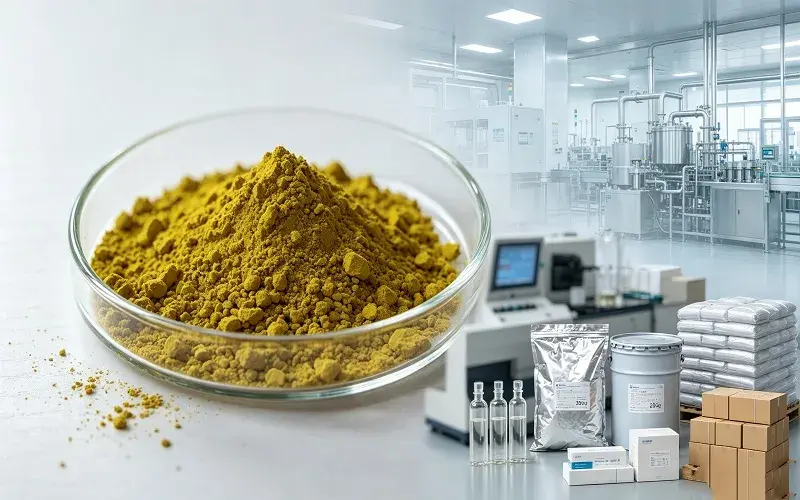
Make sure that possible suppliers have the right skills, qualifications, and quality control methods in place before you buy from them. How well the final product works and how well it meets legal standards depend on the choices that were made about what to buy.
Supplier Certification and Quality Standards
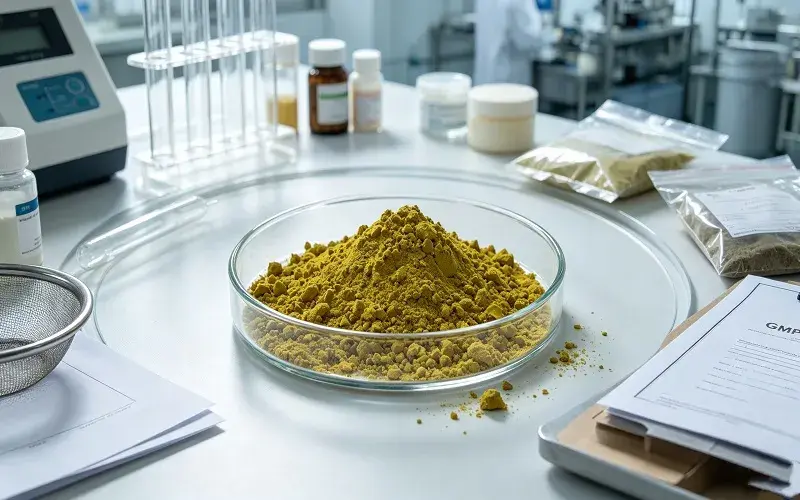
Manufacturers with a good reputation keep a full portfolio of certifications that show they meet international standards. Simple ways to tell if a production process and quality system are working well are to get FDA approval, use HACCP, and get ISO recognition. One thing that providers should be able to show is proof that their production sites follow good manufacturing practices (GMP) and have clean rooms with air controls that meet pharmaceutical standards. Hisy's 150 m² GMP-approved workshop has four specialised production lines that can make more than 200 MT of goods every year. This lets you buy a lot of Berberine Hydrochloride Powder. Heavy metal testing must show that the substance is pure if Lead is less than 3.0 ppm and Arsenic is less than 1.0 ppm. This is done with HPLC analysis, which shows that the substance has at least 97% purity. Microbiological tests should show that there are no harmful bacteria and that the overall plate count and yeast/mold levels are within the ranges that the pharmaceutical industry rules allow.
Pricing Dynamics and Minimum Order Quantities
The market prices pharmaceutical-grade materials based on how pure they are, whether they have a certification, and where they are in the supply chain. When you sign bulk purchasing agreements with certified manufacturers and work with them for a long time, you can often save money by buying more. The smallest amount you can buy from each provider is different. Industrial standard packages range from 1 kg foil bags for small amounts to 25 kg drums for large amounts of production. The link between order number and unit cost can help procurement professionals keep cash flow high and better manage their stock. When suppliers offer different packing options, like custom designs that fit the needs of manufacturers further down the line, they add value by cutting down on the cost of handling and speeding up operations.
Sourcing Strategy and Supplier Evaluation
One important part of good shopping is comparing prices. It's also important that the supply chain is reliable and that the service is good. Teams that buy things should find out how honest a seller is about where the raw materials come from, how they are extracted, and how they keep track of stability from batch to batch. It is also very important to know when to deliver. From the time an order is approved, the best sellers can ship it in 4 to 8 days. Getting free samples makes it easier to come up with basic recipes and see how good a product is before buying a lot of it. International buyers can easily meet the needs of cross-border commerce when they do business online. They make it easier to buy things and speed up the buying process.
Market Comparisons and Decision-Making for Procurement
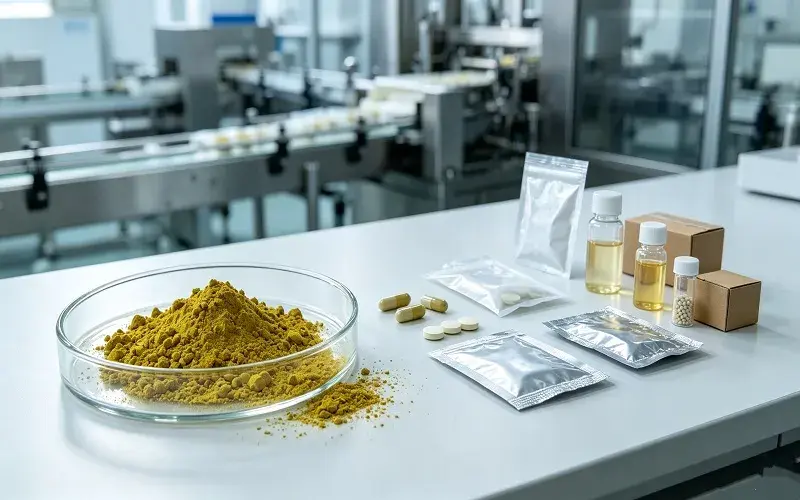
It is important to compare the different physical forms, purity grades, and performance qualities of each product version in order to pick the best one for the job. To make good decisions, you need to balance business needs with technical details.
Product Form and Manufacturing Implications
When it comes to making different types of delivery systems, like hard capsules, tablets, sachets, and liquid suspensions, the powder form works best. The 80-mesh particle size makes it easy for high-speed packaging equipment to flow, and when tablets are crushed, it keeps the content spread out evenly. It's hard to think of a good way to hide the taste of bright yellow crystals in consumer goods because they look and taste so different. Other types, like pre-encapsulated items or standardised extracts, might make handling easier later on, but they make it harder to make the mixture fit your needs. The high bulk density of pharmaceutical-grade Berberine Hydrochloride Powder makes it cheaper and easier to ship. This is especially helpful when you're buying things from other countries and need to think about freight costs.
Purity Grades and Application Suitability
In the food and medicine businesses, the bar for purity is 97%, which can be proven by measurement methods. Materials that aren't as good might have leftover plant matter or chemical profiles that change over time, which makes it harder to plan formulations and follow rules. Because hydrochloride salts are more chemically stable than sulphate salts, goods will stay fresh on store shelves for longer. This helps get the word out through more outlets and lowers the chance that stock will go bad. By following the CP2020 standards, you can be sure of quality factors like limits on moisture content and ignition residue, both of which have a direct impact on how stable the end product is.
Evaluating Supplier Service Quality
The supplier's service skills are what separate commodity transactions from strategic partnerships, along with the details of the product. If formulation experts can get technical help, they can fix problems with bioavailability and make drug forms work better. Getting help after the sale, like with group paperwork and following the rules, is very helpful for quality checks and the registration process for a product. How reliable delivery is is shown by how many on-time deliveries and correct orders there are. This affects production schedules and the amount of working capital that is needed. Businesses can meet their changing needs with suppliers who are quick to respond to requests for custom packaging and who are open to minimum order sizes. This is especially true when a new product is being released or when a business is trying to grow into a new market.
Industry Trends and Future Outlook of Berberine Hydrochloride Powder
Big changes in consumer health trends and new technologies that change the natural ingredients landscape are what cause market changes. It's helpful to know about these trends when deciding how to buy things and build relationships with sellers.
Growing Demand Across Health Sectors
More and more people are focusing on natural bioactive compounds and healthy habits, which is making the global nutraceutical market grow. People who are worried about their metabolic health, like those who are overweight or have diabetes, need plant-based ingredients that have been shown to work in clinical trials. People who care about their health and want to find answers in plants will like how Berberine Hydrochloride Powder is sold as an alternative to man-made drugs that come from plants. Pharmaceutical businesses also think that making drugs from plants could be a good idea. Samples that are all the same are used to show how what we know about traditional medicine fits in with how things are controlled now. It's good for high-quality providers to keep up with certification standards and production capacity when changes in the market and customer tastes come together.
Technological Advancements in Extraction and Formulation
New technologies for extracting plants make them purer and increase their yield while also doing less harm to the environment. These days, chromatography techniques make it possible to separate alkaloids very precisely, which meets the needs for standardisation needed for pharmaceutical uses. Formulation science breakthroughs, especially those that improve absorption through nanotechnology and lipid encapsulation, make medicines more useful and make products stand out. These technological improvements make it easier to buy more high-performance ingredients from certified makers with modern factories.
Regulatory Evolution and Compliance Considerations
Regulatory rules for botanical goods are always changing, with safety checks, quality paperwork, and the ability to track products being used getting more attention. That's why people who work in procurement need to know how needs are changing in important markets, like with the FDA's compliance goals and the EU's Novel Food rules. Suppliers who are enthusiastic about following the rules, use thorough testing methods, and keep supply chain papers clear all help lower risk. It is easier for global companies to sell their products in new countries and get approval from regulators when they can offer ingredients that meet more than one pharmacopoeial standard (CP, USP, EP). Having strategic partnerships with suppliers that share regulatory information and align quality systems makes it easier for procurement organisations to deal with environments that are hard to comply with.
Conclusion
There is a lot of Berberine Hydrochloride Powder on the market because it works well, can be used in many fields, and fits with people's desire for natural health options. If people who work in buying want to get ahead in the nutrition, medicine, and beauty product industries, they can learn about the ingredients' chemical properties, quality standards, and market trends. Product innovations that work well are made possible by strategic sourcing choices that put supplier certification, consistent manufacturing, and service quality at the top of the list. As the market grows and government rules change, it's important for companies to work with approved manufacturers who offer consistent quality, on-time delivery, and advice from experts.
FAQ
What storage conditions preserve ingredient quality?
It is best to store things in cool, dry, dark places where the temperature stays below 25°C and the relative humidity stays below 60%. Materials that are safe for use in medicines can stay fresh for 36 months, and sealed packages keep moisture and rust out. Keep things away from things that won't work with them and out of direct sunlight.
How do high-purity and lower-grade options differ?
High-purity versions that are standardised to within ≥97% make sure that the drugs work properly and follow the rules, and they also lower the risk of pollution from heavy metals or plant materials that are still present. Low-quality options can lead to formulation differences and safety worries, which could impact how well the final product works and how safe it is for consumers. For uses in medicine and nutrition, high standards of purity are needed.
What OEM customization possibilities exist?
A reputable supplier will be able to handle custom package layouts, proof of analysis document forms, and regulatory compliance needs that are unique to the markets they are going to. Flexible minimum order amounts help with the early stages of developing a product, and working together with experts to improve the formulation addresses issues with bioavailability or stability in the final product.
Partner with Hisy: Your Trusted Berberine Hydrochloride Powder Supplier
Global procurement teams looking for reliable Berberine Hydrochloride Powder production partners have an advantage when they work with Hisy because of its certified quality systems and customer-focused service mindset. It's been our specialty since 2008 to make high-quality plant extracts that meet FDA, HACCP, and ISO standards. You can be sure that the ingredients in your products follow all international laws this way. HPLC analysis confirms that our standard is ≥97% pure. This, along with strict heavy metal screening and microbial testing, gives you the quality you need for medicinal and nutraceutical uses. We can meet your needs for both large purchases and flexible order sizes, starting with 1 kg samples. We have four dedicated production lines that can make more than 200 MT of goods every year, and shipping times that range from 4 to 8 days. You can get detailed papers that will help you with your product development projects by emailing our team at sales@hisybio.com and telling them what you want to buy. Our company is known for making Berberine Hydrochloride Powder and is committed to being honest, providing high-quality products, and giving great customer service. We can give your business the stable supply chain and technical relationship it needs to succeed in the global market.
References
1. Yin, J., Xing, H., & Ye, J. (2008). Efficacy of berberine in patients with type 2 diabetes mellitus. Metabolism: Clinical and Experimental, 57(5), 712-717.
2. Zhang, Y., Li, X., Zou, D., Liu, W., Yang, J., Zhu, N., ... & Ning, G. (2008). Treatment of type 2 diabetes and dyslipidemia with the natural plant alkaloid berberine. The Journal of Clinical Endocrinology & Metabolism, 93(7), 2559-2565.
3. Dong, H., Wang, N., Zhao, L., & Lu, F. (2012). Berberine in the treatment of type 2 diabetes mellitus: a systematic review and meta-analysis. Evidence-Based Complementary and Alternative Medicine, 2012, Article ID 591654.
4. Cicero, A. F., & Ertek, S. (2009). Berberine: metabolic and cardiovascular effects in preclinical and clinical trials. Nutrition and Dietary Supplements, 1, 1-10.
5. Kumar, A., Ekavali, Chopra, K., Mukherjee, M., Pottabathini, R., & Dhull, D. K. (2015). Current knowledge and pharmacological profile of berberine: An update. European Journal of Pharmacology, 761, 288-297.
6. Zou, K., Li, Z., Zhang, Y., Zhang, H. Y., Li, B., Zhu, W. L., ... & Zhou, B. (2017). Advances in the study of berberine and its derivatives: a focus on anti-inflammatory and anti-tumor effects in the digestive system. Acta Pharmacologica Sinica, 38(2), 157-167.